Electric Ball Valve vs Butterfly Valve: Which One to Choose?
The selection of an appropriate valve for a particular industrial flow control system application is critical as it determines ease of control, efficiency, and longevity of the flow control system. This comprehensive guide will help you understand the key differences between electric ball valves and butterfly valves to make an informed decision for your specific needs.
Introduction

Both ball valves and butterfly valves have their advantages and disadvantages, and are often interchangeable depending on the application. Ball valves are easy to operate and provide absolute reliability for tight shutoff. Butterfly valves are the best choice when space constraints and cost-effectiveness are priorities. The selection is determined by factors such as the type of flow medium, pressure requirements, and specific functional requirements.
Importance of Selecting the Right Valve
The efficiency, safety, and reliability of a system depend on the type of valve selected for the operation. Using the wrong valve can cause problems such as leakages, pressure issues, and improper functioning, which would in turn affect performance and increase maintenance costs.
Key Considerations for Valve Selection
1. The Nature of the Fluid
Identify if the fluid is a gas, liquid, or mixture, and consider its chemical composition and properties. For corrosive fluids, valves should be manufactured from materials that are resistant to corrosion, such as stainless steel or special alloys.
2. Temperature and Pressure Operating Conditions
Match the valve to the system’s working pressure and temperature. In cases where pressure or temperature is very high, specialized valves are needed to handle such extreme conditions.
3. Flow Control Requirements
Analyze whether the valve is needed for complete shutoff or precise flow regulation. Ball valves work effectively when immediate cutoff is a priority, while butterfly valves are suitable for throttling applications.
4. Size and Space Compatibility
Choose a valve whose size is appropriate for the diameter of the pipe and fits well. Verify compatibility with connections and flanges to avoid installation problems.
5. Maintenance Frequency and Operation
Consider the valve’s lifespan and ease of service. Choose valves that are easy to maintain and have a long service life to minimize downtime and costs.
Overview of Electric Ball Valves and Butterfly Valves
Valves are mechanical devices used to regulate the flow of fluid within a system. Electric ball valves and butterfly valves are two main types of control valves in common use. They vary in their design and features and are used for specific operations.
Electric Ball Valve
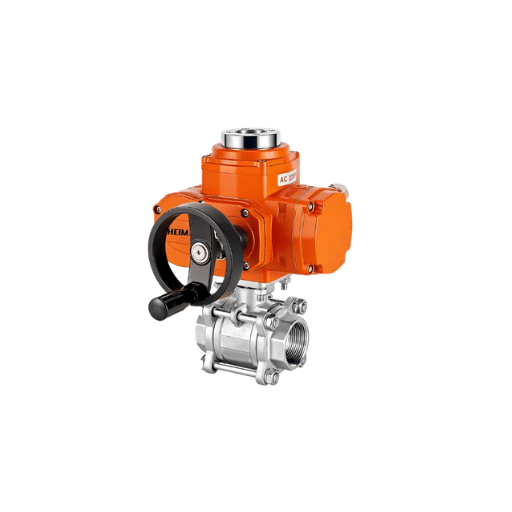
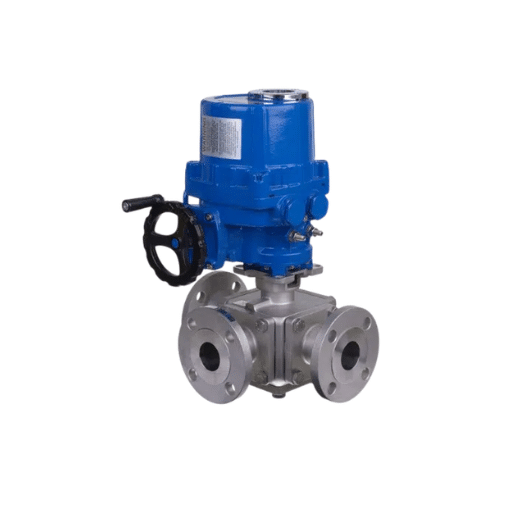
An electric ball valve uses a rotating sphere with an opening at the middle to regulate fluid, gas, or other media flow. The operation is powered by electrical actuators that control the tilting and sealing action of the valve.
Key Attributes and Advantages:
- High Precision: Excellent sealing and flow control for zero-leakage applications
- High Resistance: Made from stainless steel, brass, or PVC for high-pressure, high-temperature conditions
- Wide Applications: Ideal for oil and gas, water treatment, HVAC systems, and chemical plants
Latest Market Insights:
The international market for electric ball valves is projected to expand by 6.5% CAGR from 2023 to 2030. Modern ball valves now feature smart sensors for predictive maintenance and real-time monitoring.
Butterfly Valve
A butterfly valve employs a movable disc that serves as the flow controller. When combined with an electric actuator, these valves enable full, instantaneous automation.
Key Characteristics and Advantages:
- Compact Structure: Lighter and smaller than ball valves, ideal for space-constrained installations
- Cost-Effective: Generally less expensive, especially for large-diameter applications
- Versatile Uses: Common in food processing, energy, and water distribution systems
Latest Market Insights:
The global butterfly valve market is predicted to reach $13.9 billion by 2028, driven by demand for sustainable water solutions. New electric actuators reduce operational costs by up to 30%.
Purpose of Comparison
Understanding the differences between electric ball valves and butterfly valves helps industries select the most appropriate solution for their specific needs. A thorough evaluation includes the following factors:
Design and Functionality

Understanding the design and functional aspects of ball valves versus butterfly valves is crucial for selecting the right solution for your application.
Ball Valves
A ball valve body contains a full-round ball with a bore hole that rotates to open or close, allowing or blocking fluid passage. With quarter-turn functionality, they offer tight shutoff and are often used in high-pressure applications. Ball valves support operation at pressures up to 10,000 psi and temperatures up to 400°F (approximately 204°C), depending on the construction material.
Butterfly Valves
Butterfly valves feature a flat circular disc that pivots along a rotating shaft. This arrangement makes the valves considerably lighter and smaller than ball valves. The disc rotates 90 degrees to either fully open or fully close the valve. Most butterfly valves are designed to withstand pressures up to 250 psi and temperatures ranging from -22°F to 572°F (-30°C to 300°C), depending on the design and material used.
Key Design Differences
Flow Control Performance
Ball valves provide excellent flow control with zero restrictions when fully opened, making them ideal for critical processes. Butterfly valves provide reasonable flow control for larger pipe diameters, though some flow interference may occur due to the disc position.
Material Selection
Ball valves commonly use stainless steel, brass, or bronze to enhance durability in aggressive media. Butterfly valves typically incorporate ductile iron, PVC, or use elastomers and rubber for sealing elements, making them suitable for lower-pressure systems.
Operational Efficiency
Ball valves excel in systems requiring full closure and unidirectional flow. Butterfly valves are favored in situations with space constraints and moderate operational pressure requirements.
Construction Details
Construction of Butterfly Valves
The design of butterfly valves is simple, comprising a butterfly-shaped disc mounted within the pipe on a rotating shaft. The valve body is typically constructed from materials ranging from stainless steel and cast iron to PVC, depending on the industry and media being regulated.
Significant Components of Butterfly Valves
- Valve Body: Available in wafer or lug type designs, manufactured for specific temperature and pressure applications
- Disc: The moving part that controls flow passage, designed to create minimum turbulence when open. Some feature PTFE coatings for chemical resistance.
- Stem: Connects the disc to the actuator or manual handle, made from corrosion-resistant materials.
- Seals and Bearings: Elastomers such as EPDM or NBR ensure leakage-free operation at low pressures
- Actuator/Handle: Can be manual (lever or gearbox) or automated (pneumatic, hydraulic, or electric)
Latest Market Developments
The butterfly valve market is expected to maintain a CAGR of approximately 6% from 2023 to 2030. Recent advancements include composite materials for lightweight construction, smart IoT-enabled actuators for real-time monitoring, and specialized designs that can withstand temperatures up to 1200°F and pressures up to 1500 psi.
Construction of Electric Ball Valves
Electric ball valves utilize an electric actuator to provide a positive shut-off. They can feature full-bore or reduced-bore designs for constant or controlled flow rates. Common construction materials include stainless steel and nickel alloys. The main components include the body, seats, ball (rotary component), stem (connecting the ball to the actuator), and the electric actuator for control.
Key Features of Electric Ball Valves
- The ball rotates to control fluid or gas flow through its borehole
- Electric actuators provide 90-degree rotation for quick, accurate control
- Modern actuators feature microprocessors and sensors for remote monitoring
- Can handle maximum pressures up to 1000 psi with operating temperatures from -20°C to +80°C
- Rated with international IP protection against dust and water ingress
- Integrate seamlessly with BMS or SCADA control systems
Key Differences in Design
Actuation Method
Electric ball valves use electric actuators for precise automated movement, offering superior control compared to manual or pneumatic methods.
Energy Efficiency
Electric ball valves consume energy only during operation, unlike pneumatic systems that waste energy maintaining continuous air pressure.
Installation Simplicity
Electric ball valves feature streamlined, compact designs, ensuring easy installation and decreased maintenance burden over time.
Precision Control
Electric ball valves provide coordinated, step-by-step control, which is crucial for systems that require gradual flow adjustment.
Environmental Resistance
Electric ball valves incorporate robust materials and sealing for enhanced resistance to extreme temperatures, corrosion, and humidity.
Operational Efficiencies

Electric ball valves offer numerous benefits, making them ideal for various industrial operations. Their high degree of automation eliminates the need for constant human intervention, resulting in significant labor cost savings.
Efficiency Benefits
✓ Enhanced Productivity
Studies show that electric ball valves increase process efficiency by approximately 30%, significantly boosting productivity in process-based industries.
✓ Energy Savings
Modern designs use low-energy actuators that reduce energy consumption by up to 25%, aligning with sustainability principles and cutting operational costs.
✓ Smart System Integration
Sensors and connectivity enable real-time valve status monitoring, helping locate problems quickly and reducing unplanned maintenance incidents by 20%.
✓ Minimal Pressure Drop
Low pressure drop and tight sealing are critical for industries requiring system stability and integrity.
Flow Control Capabilities
Electrically actuated ball valves provide superior flow control in piping applications. Their design integrates precise pressure sealing for maximum efficiency with minimal power loss, supporting both on/off and throttling applications.
⚡ Advanced Performance Features
Modern electric actuators provide immediate response and feedback, improving system operation efficiency by 30% compared to manual or air-operated valves.
IoT-enabled integration facilitates predictive maintenance, reducing downtime by approximately 25% through early detection of faults, wear, or performance deviations.
Pressure Ratings and Performance
The correct design approach of electric ball valves enables efficient processing of various pressure tolerances. Below are the key operating characteristics and performance specifications:
These specifications demonstrate the versatility and high value of electric ball valves, making them essential devices for fluid management applications that require precision and reliability.
Energy Consumption and Pneumatic Options
Electric ball valves are designed to meet the highest energy-efficiency standards, making them a primary choice for contemporary industrial and commercial systems. In contrast to pneumatic systems that operate on air pressure, electric valves use significantly less power due to their precise control and engineering.
⚡ Electric Actuation Benefits
- Power is required only during opening/closing operations
- Up to 60% energy reduction with automated management
- No continuous pressure maintenance needed
- Lower operational costs over the lifecycle
- Reduced environmental impact
🔧 Pneumatic System Considerations
- 20-30% higher energy consumption
- Beneficial for hazardous electrical environments
- Operates under extreme temperatures
- Safe operation during power discontinuity
- Requires regular compressor and filter maintenance
💡 Key Insight
Determining the appropriate system—electrical or pneumatic—depends on the specific application. As energy consumption and environmental protection become primary concerns, an increasing number of industries are turning to electric ball valves. However, pneumatic systems still play an essential role in niche high-intensity applications where electrical components pose safety risks.
Cost Analysis

One critical factor influencing the preference for ball valves over butterfly valves is the cost of acquisition, operation, and maintenance over time. Understanding the total cost of ownership is essential for making informed decisions.
💰 Initial Purchase and Installation Costs
Purchase Price Comparison
Electric Ball Valves: Typically range from $200 to $1,000 depending on size, installation location, and quality. The higher cost reflects complex structure and sophisticated electric actuator mechanisms (15-40% more expensive than pneumatic versions).
Pneumatic Ball Valves: Generally priced between $100 $500, offering a lower initial investment but requiring additional infrastructure.
Installation Cost Savings
Electric ball valves require fewer installation steps because they don’t require air compressors or associated piping infrastructure. This translates to approximately 20-25% lower installation costs, driven by reduced labor hours and simplified assembly requirements.
⚙️ Operational Costs
While pneumatic systems may seem more affordable initially, they entail recurring costs for air-supply infrastructure. Pneumatic valves are energy-intensive, utilizing air compressors that consume significant power.
⚠️ Pneumatic System Energy Costs
Industry reports indicate that pneumatic systems consume 18-25% of a facility’s total energy.
Micro-leaks in compressed air systems can increase electricity bills by 20-30% annually.
✓ Electric System Efficiency
Electric ball valves have virtually no energy losses as they operate on the principles of efficient electric motors.
Five-year projections indicate that the operational costs of electric ball valves can be reduced to half that of pneumatic valves.
🔧 Maintenance and Downtime Costs
Higher maintenance costs are typically associated with pneumatic valves due to wear and tear of compressors and air system components. Electric ball valves usually save more on maintenance costs, as they have fewer moving parts and eliminate the overhead of air-supply infrastructure.
📊 Maintenance Cost Comparison
- Air Compressor Maintenance: $800-$2,500 annually per unit
- Electric Valve Lifespan: 10-15 years with minimal service interventions
- Smart System Benefits: 25-30% reduction in unscheduled downtime
- Energy Loss from Leaks: 10-30% in pneumatic systems
📈 Long-Term Benefits and ROI
Although electric ball valves are more expensive initially, they prove more cost-effective over the long term for most industrial applications. Facilities that switch to electric systems experience reduced energy usage, decreased downtime, and lower maintenance costs.
🎯 10-Year Cost Analysis
Installing electric ball valves instead of pneumatic ball valves results in a 20-30% decrease in total costs over 10 years.
⚖️ Ball Valve vs Butterfly Valve Cost Comparison
When comparing ball valves to butterfly valves, several cost factors come into play. The choice depends on management costs, application requirements, and long-term operational needs.
| Parameter | Ball Valve | Butterfly Valve |
|---|---|---|
| Initial Cost | Higher due to complex design | Lower due to simpler design |
| Installation Cost | Easier, requires less alignment | Higher needs precise alignment |
| Maintenance Cost | Lower, minimal maintenance required | Higher, frequent maintenance is possible |
| Total Cost of Ownership | Higher for long-term critical use | Lower for general applications |
| Cost for Large Sizes | Expensive for diameters > DN300 | Cheaper for diameters > DN300 |
| Material Usage | More material, heavier construction | Less material, lightweight design |
| Flow Efficiency | Minimal pressure drop | Moderate pressure drop |
| Durability | High, suitable for harsh conditions | Moderate, better for low-pressure uses |
| Application Suitability | High-pressure, critical systems | Large-scale, low-pressure systems |
💡 Cost Selection Strategy
Through detailed analysis that includes total cost of ownership (TCO) and energy efficiency, industries can make sound financial and environmental choices. Continually evaluate each aspect of TCO, including installation requirements, as ball valves may require larger panel openings, while butterfly valves require precise alignment.
Maintenance Requirements

Factors to consider when comparing ball valve versus butterfly valve maintenance include durability, repair requirements, and serviceability. Proper maintenance strategies significantly impact long-term operational costs and system reliability.
Electric Ball Valves
- Robust construction with long service life
- Fewer moving parts reduce deterioration risk
- Excellent seals limit leaks
- 25-30% lower maintenance costs annually
- Simple disassembly for servicing
- Readily available spare parts
Butterfly Valves
- Complex design requires frequent servicing
- Rubber/composite seals wear quickly
- Particularly in high-pressure/temperature conditions
- Seal replacement every 12-15 months in extreme conditions
- More downtime and increased expenses
- May require specialized tools for repairs
🔧 Routine Maintenance Practices
Appropriate preservation of electric ball valves guarantees optimal performance, longer operation, and minimal interruptions. Follow these step-by-step maintenance procedures for efficient valve operation:
1. Routine Cleaning
Protection against foreign elements such as sediment and contaminants is crucial as they cause valve depreciation. In high-particle-concentration systems, housekeeping should be performed monthly, with the timing adjusted based on working conditions.
2. Inspect for Wear and Damage
At regular intervals, check seals, seats, and replaceable components for leakage or deterioration. Studies show that PTFE valve seat material enhances lifecycle by 25-30% in high-temperature sealing services.
3. Lubrication of Moving Parts
Proper lubrication of stem and actuator parts controls friction and facilitates easier movement. Industry advisors recommend applying heat-resistant lubricants at 6-12 month intervals, depending on specific usage.
4. Test Actuation Equipment
Routine maintenance includes torque tests and cycle runs. Statistically, around 40% of valve failures in automated systems are due to actuator issues, making regular recalibration essential.
5. Monitor System Parameters
Conduct pressure, temperature, and flow monitoring for risk assessment and control. Modern systems can include IoT sensors for constant monitoring, enabling predictive maintenance that prevents 20-30% of unplanned breakdowns.
6. Follow Manufacturer’s Instructions
Adhere to manufacturer’s guidelines and perform all scheduled maintenance as specified in the manual. For example, seals may need to be replaced after 50,000 cycles or within 2 years, as detailed in the cycling section instructions.
✅ Maintenance Best Practice
Proactive maintenance attention provides long-term benefits by ensuring high-quality service from powered ball valve operations. These measures can spare significant repair expenses. Using software to track and control operations helps eliminate or minimize operational threats in ball-valve versus butterfly-valve configurations.
⚠️ Common Issues and Troubleshooting
Electric motor-driven ball valves are robust but can experience efficiency issues. Awareness of these problems and prompt addressing of them maintains system stability. Below are common operational issues and their solutions:
🔴 Problem: Valve Cannot Open or Close
Causes: Failed power supply, disabled motor, or valve malfunction
Solutions:
- Examine power supply voltage and compare it with the consumption records
- Check motor for burnout or wear
- Eliminate any obstructions in the valve
🔴 Problem: Valve Leaks
Causes: Damaged O-rings or faulty installation
Solutions:
- Replace O-rings as recommended by manufacturers
- Ensure proper piping installation
- Apply appropriate torque when tightening connections
🔴 Problem: Slow Actuator Response
Causes: Misplaced wires or control signal faults
Solutions:
- Confirm all connections are correct and control signals work properly
- Replace damaged wire insulation
- Check rotating axis or stem head position
🔴 Problem: Excessive Noise During Operation
Causes: Loose parts, presence of debris, or high pressures
Solutions:
- Tighten bolts and fittings securely
- Remove debris from valve and filters
- Control pressure within valve’s allowable range
🔴 Problem: Delayed Actions
Causes: Lack of lubrication, worn motor, or voltage fluctuations
Solutions:
- Ensure moving parts are properly lubricated
- Replace worn-out motors
- Stabilize power supply voltage
💡 Pro Tip: Addressing these frequent problems promptly helps operators extend the service life of electric ball valves and maintain effectiveness without causing system disruptions. Regular maintenance and inspections prevent most issues before they occur.
⏳ Longevity and Durability Factors
The longevity and durability of electric ball valves are determined by various factors, including materials used and operating conditions. Contemporary trends emphasize the use of materials with excellent properties, such as corrosion resistance, wear resistance, and heat tolerance.
🔩 Material Selection
Stainless steel offers exceptional strength and rust resistance, enabling valves to last 20+ years in proper conditions. Material choice is critical for longevity in aggressive environments.
🔧 Preventive Maintenance
Evidence shows that valves work 30-50% more efficiently throughout their lifetimes with proper maintenance. Regular lubrication and timely part replacement extend service life significantly.
🌡️ Environmental Protection
In high-humidity or corrosive environments, valves with PTFE coatings can prolong utility by approximately 40%. Environmental monitoring prevents structural weakening.
📡 IoT Technology
Automatic monitoring helps detect wear, vibrations, or performance fluctuations early. Organizations experience a 20% reduction in downtime, prolonging valve life while minimizing costs.
Frequently Asked Questions (FAQ)
❓ What are the key differences between ball valves and butterfly valves?
Ball valves use a hollow ball to control fluid flow, while butterfly valves use a rotating disc. Ball valves excel in high-pressure applications for their tight sealing, whereas butterfly valves are preferred for large-diameter installations for their lightweight design and lower cost.
❓ Which valve is best for high-pressure applications?
Ball valves are well-suited for high-pressure applications due to their design, which ensures a firm seal and contains internal pressure that might otherwise cause leaks. Butterfly valves may perform inadequately in high-pressure processes.
❓ How do ball valves and butterfly valves operate differently?
Ball valves use a ball with a port that opens or closes depending on position. When fully open, fluid passes with minimal friction. Butterfly valves adjust flow by changing the angle of a flat disc in the fluid stream. The 90-degree rotation makes butterfly valves suitable for applications requiring quick shutoff.
❓ What situations are best for butterfly valve installation?
Butterfly valves are ideal for controlling water flow, HVAC fluids, and other applications that require compact installation. Being lightweight, they’re suitable for large-diameter pipes where weight is a constraint or space is limited.
❓ Which valve offers better flow control capabilities?
Ball valves are perfect for applications with high flow control requirements. They have fast operating capabilities and tight shutoff characteristics, making them suitable for precise flow regulation. Butterfly valves are better suited for applications requiring lower pressure drop but are less accurate in flow control.
❓ Which valve design is better for water systems?
For water systems, both valves offer different benefits. Ball valves are favored for their robust construction, enabling high-pressure operation and low leakage rates. Butterfly valves are usually selected for their lower weight and lower costs. The choice depends on the specific system requirements.
❓ What are floating ball versus trunnion ball valves?
In floating ball valves, the ball is free to rotate and creates tight closure with the seat under pressure. In trunnion valves, balls are supported along a horizontal axis for larger diameters and higher pressures. Both types serve different operational requirements.
❓ How does pressure drop compare between ball and butterfly valves?
Butterfly valves typically have lower pressure drop due to their construction. The disc is smaller in diameter and creates less flow obstruction when open, offering an advantage where pressure retention is essential.
❓ How should I choose the right valve for my piping system?
Three important factors affect valve selection: the fluid type, pressure requirements, and available installation space. Ball valves should be used for applications requiring perfect sealing and high-pressure maintenance, while butterfly valves are generally better for large systems where weight and cost reduction are priorities.
Conclusion
🎯 Making the Right Choice
Selecting between electric ball valves and butterfly valves requires careful consideration of your specific application requirements, operating conditions, and long-term cost implications. Both valve types offer unique advantages that make them suitable for different scenarios.
Choose Electric Ball Valves When:
- Zero-leakage and tight shutoff are critical
- Operating under high pressure (up to 10,000 psi)
- Long-term reliability and minimal maintenance are priorities
- Precise flow control and automation are required
- Working with corrosive or high-temperature media
Choose Butterfly Valves When:
- Working with large-diameter piping systems (>DN300)
- Initial cost and weight reduction are priorities
- Space is limited and compact design is needed
- Operating at moderate pressures (up to 250 psi)
- Quick on/off operation is the primary requirement
By understanding these key differences and evaluating your specific needs, you can make an informed decision that optimizes system performance, reduces operational costs, and ensures long-term reliability.
📚 Additional Resources
For more detailed technical information, consult the following resources:
- Process Control Valves: Detailed insights into various valve types and their applications
- Safety and Reliability Improvements: Research on valve design and reliability in industrial applications
- Flow Analysis Studies: CFD analysis comparing flow characteristics of different valve types