
Precision Liquid Level Transmitters for Industrial ApplicationsAdvanced Measurement Solutions for Complex Process Control
High-accuracy level transmitters designed for challenging industrial environments with reliable performance and flexible configurations.

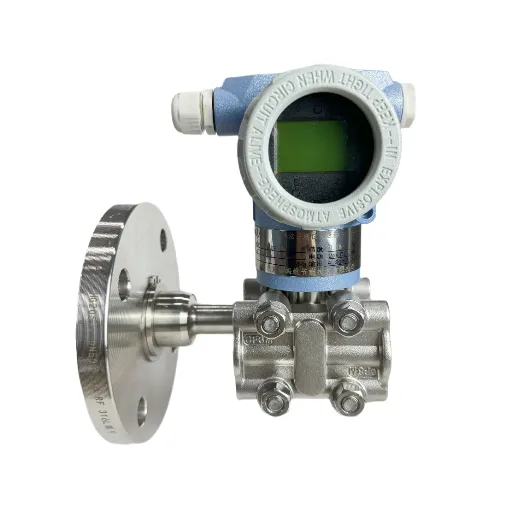
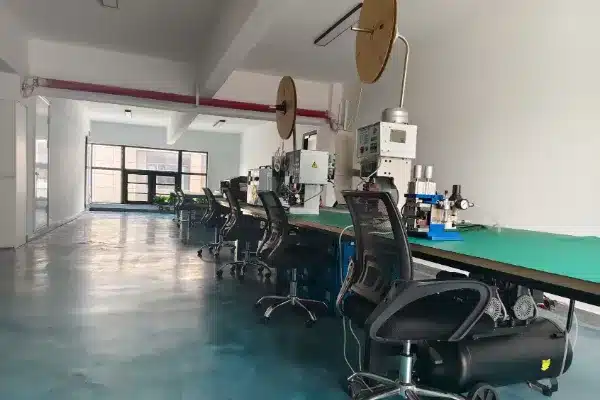
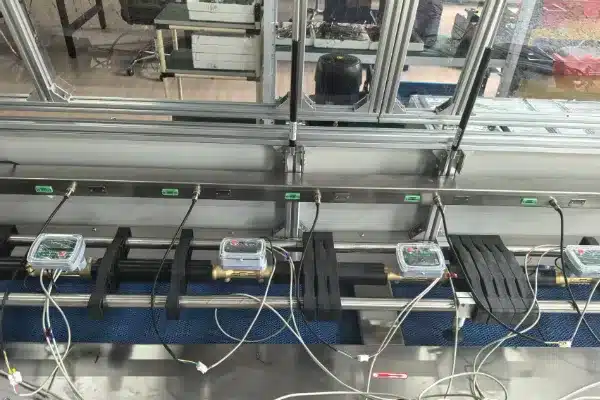
Installation process of our Balancing Valves
Our liquid level transmitters incorporate cutting-edge technology to deliver exceptional measurement accuracy and reliability in diverse industrial applications. Engineered for demanding process environments, these instruments provide continuous monitoring with outstanding stability.
Achieving accuracy up to ±0.1% FS, our transmitters utilize advanced sensor technology with built-in dynamic compensation to correct temperature fluctuations and static pressure variations, ensuring consistent and reliable data output.
Supporting multiple communication protocols including 4-20mA with HART, Modbus, and RS485, our transmitters seamlessly integrate with various control systems including PLC and DCS platforms for comprehensive process automation.
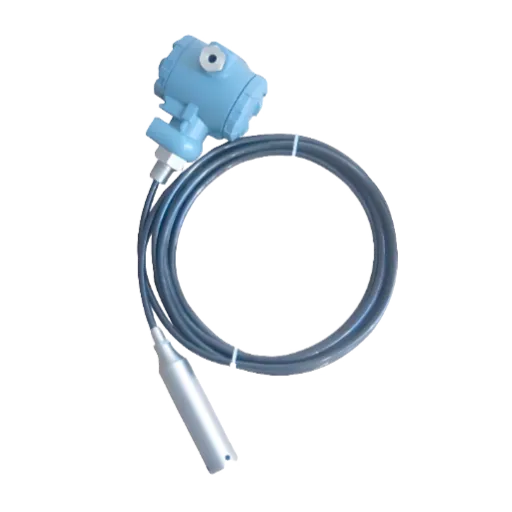
Featuring protection ratings up to IP68, the transmitters withstand harsh industrial conditions including dust, moisture, and process shocks. Multiple flange configurations and material options ensure optimal compatibility with your specific application.
Standard flange connections and various electrical interface options enable quick installation. On-site zero and span adjustments can be performed using magnetic rods or HART communicators, minimizing downtime and maintenance costs.
Our Liquid Level Transmitter Models
Explore our comprehensive range of liquid level transmitters engineered for diverse industrial measurement applications and process conditions.
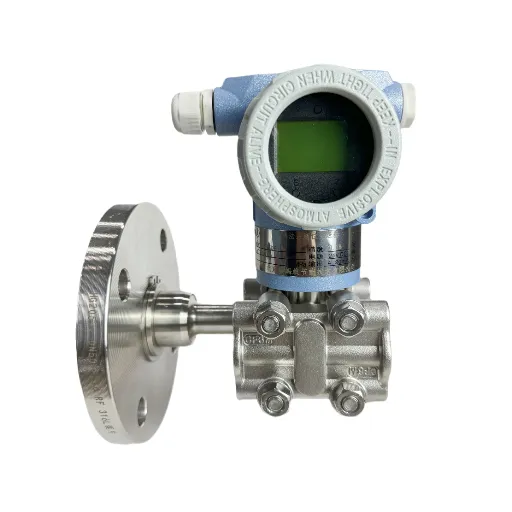
HLP Series Flange Level Transmitter
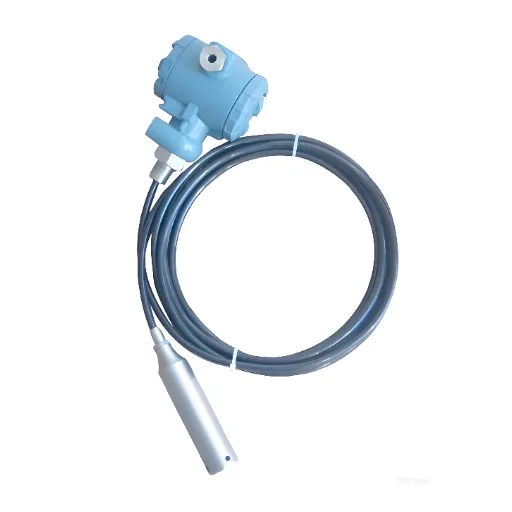
HLP Series Immersion Level Gauge
Benefits of Using Liquid Level Transmitter
Implementing our liquid level transmitters delivers significant operational advantages, enhancing process efficiency, safety, and cost-effectiveness across your industrial operations.
Detailed Technical Specifications
| Specification | HLP Flange Level Transmitter | HLP Immersion Level Gauge |
|---|---|---|
| Measurement Range | 0~40kPa/0250kPa/0~1MPa | 0.3~110m |
| Accuracy | ±0.1% FS/±0.2% FS | ±0.1% FS/±0.25% FS |
| Process Temperature | -40°C ~ +200°C | -40°C ~125°C |
| Protection Rating | IP67/IP68 | IP67/IP68 |
| Output Signal | 4-20mA, HART, Modbus | 4-20mA, 0-5V, 0-10V, RS485 |
| Wireless Options | LoRaWAN, NB-IoT, 4G | 4G, LoRaWAN |
| Material Options | 316L SS, Hastelloy C, Tantalum | 316L SS, Hastelloy C, Tantalum |
| Power Supply | 24V DC | 24V DC |
Uses and Applications of Balancing Valves
Our liquid level transmitters serve critical measurement needs across diverse industries, providing reliable monitoring solutions for various process environments and fluid types.
Oil & Gas Industry
Ideal for monitoring crude oil storage tanks, refined product vessels, and offshore platform applications. Withstands harsh conditions while ensuring accurate inventory management and preventing overfill incidents in refineries and distribution terminals.
Chemical Processing
Perfect for corrosive chemical storage, reactor vessels, and batch processing systems. Multiple material options resist aggressive media including acids, alkalis, and solvents, ensuring safe and precise level control in chemical manufacturing plants.
Water & Wastewater Treatment
Widely used in water treatment facilities, sewage plants, and municipal water systems. Monitors clarifiers, storage tanks, and pumping stations, supporting efficient water resource management and environmental compliance monitoring.
Food & Beverage Production
Suitable for hygienic applications in food processing, brewing, and dairy industries. Sanitary designs meet FDA standards while monitoring ingredient tanks, fermentation vessels, and storage silos with high accuracy and cleanliness requirements.
Positive Displacement Water Meters: How They Work
A worn positive displacement water meter doesn’t fail. It keeps turning, keeps billing, and quietly under-reports. A burst main gets…
Choosing a 4-20 mA Signal Isolator for Pressure Transmitters: Ground Loops and Active/Passive Inputs
Choose a 4-20 mA signal isolator by matching the power roles on both sides, the required isolation boundaries, and each…
NAMUR NE43 for Pressure Transmitters: Fault Current vs Measurement Saturation
NAMUR NE43 separates failure signals from pressure readings in an analog current loop. At saturation, the transmitter has reached its…
Maintenance and Care for Liquid Level Transmitter
Perform periodic visual inspections to check for physical damage, corrosion, or deposits on the sensor. Clean the sensing element and diaphragm regularly using appropriate solvents to maintain measurement accuracy and prevent signal drift.
Conduct routine calibration checks every 6-12 months or as per industry requirements. Verify zero and span settings using HART communicators or magnetic adjustment tools to ensure continued precision performance throughout the transmitter’s service life.
Inspect wiring connections, cable glands, and terminal blocks for moisture ingress, corrosion, or loose contacts. Ensure proper grounding and verify signal integrity. Replace damaged cables promptly to prevent communication failures and measurement errors.



Why Choose Our Liquid Level Transmitter
Our liquid level transmitters combine advanced technology with proven reliability, delivering superior performance and exceptional value. Backed by extensive industry experience and comprehensive technical support, we provide customized solutions that meet your exact measurement requirements.
Frequently Asked Questions (FAQs)
Find answers to common questions about our liquid level transmitters, their installation, operation, and maintenance requirements.
01
01
Flange level transmitters mount externally on tank flanges and are ideal for high-temperature, high-viscosity, or corrosive media. Immersion level transmitters are inserted directly into the liquid and are better suited for deep tanks, wells, and open containers with clean or moderately contaminated fluids.
02
02
Our transmitters offer accuracy up to ±0.1% FS (Full Scale), meeting the most demanding industrial measurement requirements. The actual accuracy depends on the specific model and application conditions.
03
03
Yes, our flange transmitters handle process temperatures from -40°C to +200°C, while immersion models operate from -40°C to +125°C. Special configurations are available for even more extreme conditions.
04
04
Our transmitters support multiple protocols including 4-20mA analog output with HART, Modbus RTU/TCP, and RS485. Wireless options include 4G, LoRaWAN, and NB-IoT for remote monitoring applications.
05
05
Installation time varies by application. Flange-mounted transmitters typically install in 1-2 hours, while immersion types can be installed even faster. Standard flange connections and clear documentation simplify the process.
06
06
Routine maintenance includes periodic visual inspections, cleaning of sensing elements, and calibration verification every 6-12 months. Electrical connections should be checked regularly for corrosion or moisture ingress.
07
07
We offer multiple material options including 316L stainless steel, Hastelloy C-276, Monel, Tantalum, and Platinum for diaphragms and wetted parts. Our team can recommend the best material for your specific chemical compatibility needs.
