
Electric Butterfly Valves – Motorized Butterfly Control ValvesElectric Butterfly Valve: Understanding the Actuated Butterfly Valve with Electric Actuator
In modern industrial applications, precision and reliability are not optional. Our electric butterfly valves are designed to provide automated, accurate control over fluid systems, minimizing manual intervention and maximizing performance. The compact, integrated design ensures seamless installation into existing pipelines, offering a sophisticated solution for complex flow management challenges.

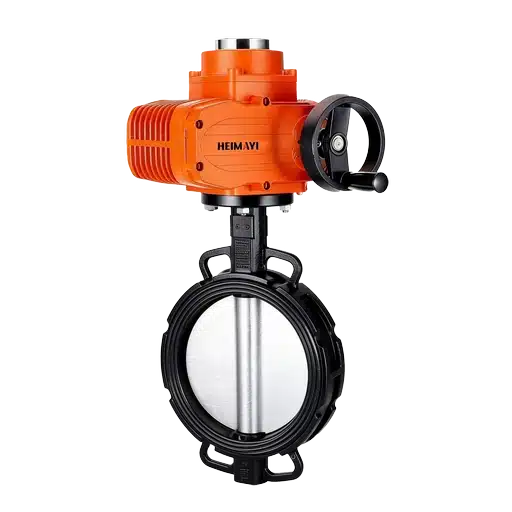
Design Features of Electric Butterfly Valves
Electric butterfly valves incorporate advanced engineering elements to ensure durability, efficiency, and optimal performance in demanding industrial environments. The following design features highlight the technical innovations that distinguish these valves and support reliable operation across applications.
Electric actuators are precisely matched to the valve’s torque requirements, ensuring accurate and responsive modulation or shutoff in automated systems. Each actuator is designed for optimal compatibility with the valve geometry, which enhances operational efficiency and minimizes wear, even under frequent cycling or challenging process conditions.
Enhanced seat and disc designs provide superior sealing performance, utilizing advanced synthetic or elastomeric materials tailored to the specific process media. This technology reduces the risk of leakage, safeguards against fugitive emissions, and delivers consistent tight shutoff throughout repeated operations, even with abrasive or chemically aggressive fluids.
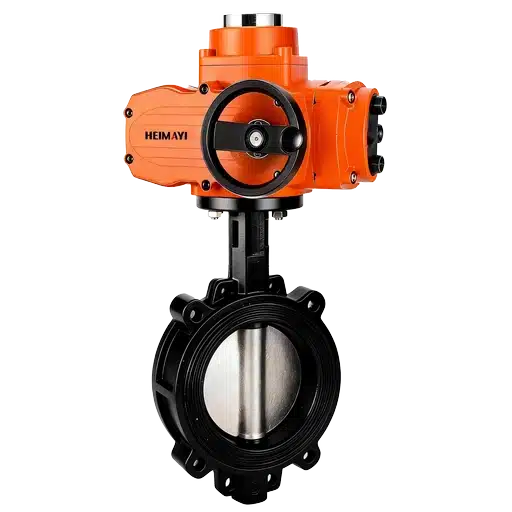
Manufactured with high-grade materials such as stainless steel, ductile iron, or specialized corrosion-resistant alloys, the valve body maintains structural integrity under high pressure and temperature variations. Reinforced construction methods and strict quality standards enable these valves to perform reliably in aggressive industrial environments, supporting long service life and safety.
Modular assembly and thoughtful component layout facilitate efficient inspection, servicing, and part replacement, minimizing system downtime and supporting long-term reliability. Easily accessible fasteners and replaceable seals ensure maintenance procedures are streamlined, reducing labor requirements and enhancing operational continuity in critical process environments.
Our Electric Butterfly Valves Models
Precision flow control for HVAC and industrial applications with reliable performance.
HVB Electric Control Valve – Buttery Valve
Installation and Maintenance of Electric Butterfly Valves
Proper installation and routine maintenance are essential to ensure the efficient and reliable operation of electric butterfly valves in industrial systems.
Detailed Technical Specifications
| Category | Parameter Details |
|---|---|
| Applicable Media | Cold water, hot water, up to 50% ethylene glycol solution, refrigerants |
| Media Temperature | -20°C to 120°C |
| Rated Pressure | PN16 |
| Maximum Pressure Differential | 1200 kPa |
| Valve Body | Ductile cast iron / Stainless steel |
| Valve Seat | EPDM |
| Communication | 4-20mA / RS485 / M-Bus |
| Power Supply | AC220V, AC380V, DC24V |
| Control Accuracy | ±1% (±0.5% for high-precision model) |
| Output Torque | 50 N·m to 5000 N·m |
| Nominal Diameter | DN50 to DN500 |
Uses and Applications of Electric Butterfly Valve
Electric butterfly valves are recognized for their versatility and efficiency across a variety of industrial and commercial environments. Engineered for precise control, these valves are integral to optimized system performance, providing reliable actuation in demanding and diverse applications.
Water and Wastewater Treatment
Essential for regulating flow in treatment facilities, electric butterfly valves ensure process stability and compliance with operational standards. They deliver precise modulation, reduce manual intervention, and support the automation of filtration, disinfection, and chemical dosing processes, enhancing overall treatment efficiency.
HVAC Systems
Utilized for accurate control of heating and cooling circuits, maintaining energy efficiency and building comfort. Electric butterfly valves offer rapid actuation and reliable regulation of chilled and hot water, air handling systems, and district energy networks, streamlining system management and supporting advanced automation in commercial facilities.
Industrial Process Automation
Essential for precise fluid and gas control in manufacturing and chemical processing. Electric butterfly valves integrate with automated controls, enabling dependable regulation of process media, supporting production consistency, leak prevention, and compliance with safety standards, while minimizing downtime and enhancing operational reliability across diverse industrial operations.
Power Generation
Deployed in critical cooling, feedwater, and auxiliary systems for power plants, electric butterfly valves ensure reliable, responsive flow regulation. Their robust design supports high-cycle operation, automation compatibility, and resistance to demanding environments, optimizing plant uptime and meeting rigorous industry safety and performance requirements.
Positive Displacement Water Meters: How They Work
A worn positive displacement water meter doesn’t fail. It keeps turning, keeps billing, and quietly under-reports. A burst main gets…
Choosing a 4-20 mA Signal Isolator for Pressure Transmitters: Ground Loops and Active/Passive Inputs
Choose a 4-20 mA signal isolator by matching the power roles on both sides, the required isolation boundaries, and each…
NAMUR NE43 for Pressure Transmitters: Fault Current vs Measurement Saturation
NAMUR NE43 separates failure signals from pressure readings in an analog current loop. At saturation, the transmitter has reached its…
Future Trends in Electric Butterfly Valve Technology
Future trends in electric butterfly valve technology involve significant advancements in actuation technologies. Innovations in electric actuators are focusing on increasing efficiency, precision, and reliability. Developments in smart actuators that integrate sensors and control systems are enabling more accurate control of valve position and operation. These advancements aim to reduce energy consumption and enhance the performance of electric actuated butterfly valves in industrial applications. Additionally, improvements in materials and manufacturing processes are contributing to more robust and durable actuator designs.
The integration of smart valves and automation in industry is rapidly transforming the operation of electric butterfly valves. Smart valves equipped with advanced sensors and connectivity features allow for real-time monitoring and control of flow systems. This automation enables operators to remotely adjust valve positions and perform diagnostics, minimizing downtime and optimizing efficiency. The adoption of smart technologies in valve products is driving innovation and offering enhanced capabilities in complex piping systems, where precision and adaptability are increasingly demanded.
Environmental considerations and efficiency are becoming key focus areas in the development of electric butterfly valves. Manufacturers are exploring ways to enhance the energy efficiency of valve actuators, reducing the overall power supply required for operation. The use of sustainable materials like stainless steel and ductile iron in valve construction is aimed at minimizing environmental impact while ensuring durability. Additionally, the design of more efficient sealing mechanisms, such as EPDM, contributes to minimizing leaks and wastage, supporting sustainable practices in various industrial applications.
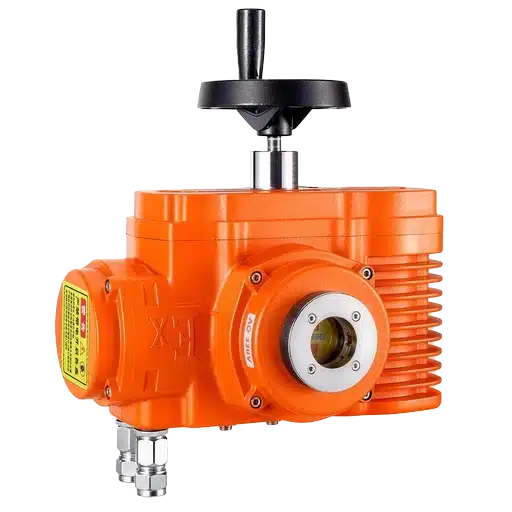



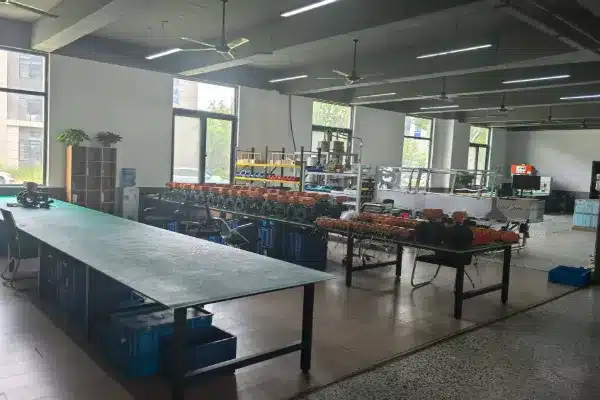
Benefits of Electric Actuated Butterfly Valves
The integration of electric actuators in butterfly valves offers numerous benefits, enhancing both functionality and efficiency. These valves, known for their compact design, provide automated control, which reduces the need for manual operation and increases reliability. Electric actuated butterfly valves also allow for remote operation, making them ideal for complex piping systems. The use of materials like stainless steel and ductile iron in their construction ensures durability, while features such as EPDM seals provide effective shut-off, reducing the likelihood of leaks and maintenance requirements.
Frequently Asked Questions (FAQs)
This section addresses common questions about electric butterfly valves, providing clear and comprehensive answers to support both specifiers and end users.
01
01
Electric butterfly valves offer precise flow control, automated operation, reduced manual intervention, and compatibility with modern control systems, making them ideal for critical industrial processes.
02
02
Yes, these valves are designed for flexible installation and can be mounted in horizontal or vertical orientations, provided that actuator accessibility and proper alignment are ensured during setup.
03
03
Most electric actuators used with butterfly valves feature weatherproof housing, typically rated to NEMA 4 or 4X standards, protecting them from moisture, dust, and other environmental hazards.
04
04
A built-in manual override mechanism allows operators to manually position the valve during power outages or for maintenance, ensuring system control and safety at all times.
05
05
Regular inspections should include actuator function checks, seal condition assessments, and cleaning. Manufacturers also recommend periodic cycling to ensure long-term reliability and prevent buildup.
06
06
Yes, many electric butterfly valves are available with corrosion-resistant materials, such as stainless steel or lined options, making them suitable for chemically aggressive or abrasive media.
07
07
Absolutely. Electric butterfly valves are designed for compatibility with a wide range of control and automation platforms, supporting analog, digital, and fieldbus communication protocols.
