Electric vs Pneumatic Valve: Making the Right Choice for Your Needs
It is a fact that selecting the right valves is of paramount importance, especially in an industrial process in which fluids, gases, or any other materials are being produced. The most prevalently used and commonly available types of valve: electric and pneumatic, have their own pros and cons when it comes to operation by a particular application. But the bigger question is – electric vs pneumatic valve – what are the advantages or disadvantages of each? However, which is which and for what purpose? This article explores electric vs pneumatic valves, highlighting the variation in their functionality or operational properties, as well as their efficiency and maintenance aspects, and enhancement costs among factors to be considered. The scope of this article will be useful to those that wish to improve upon the existing system and to those that wish to set up a completely new system so as to achieve the best possible enhancement of the system without compromising on reliability.
Introduction to Electric and Pneumatic Valves

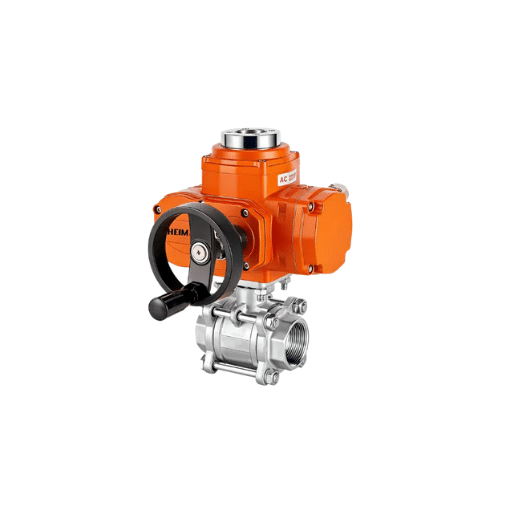
Electric and pneumatic gate valves have both been used in various industrial assemblies and circuits; each has its own advantages. The electric gate valve on the other side uses a motor or electric actuator to open or close the gate valve. This allows for high precision and trouble-free operation, making them suitable for environments with high control demands. It is because a Pneumatic valve uses only compressed air, which enables it to activate quickly and last longer, even in harsh environments. An electric vs pneumatic valve is vital because electric valves offer energy savings and precision control, while pneumatic valves are best for rapid actuation. Considering the system’s requirements will always make it clear which is more appropriate.
Importance in Various Industries
Valves are major components across various fields and influence system performance, safety, and effectiveness. The following are some of the industries in which you cannot do without the valves:
Oil and Gas Industry
Valves are one of the key components over most oil and gas operations as they can handle very harsh conditions of pressures or temperatures during the flow of oil, gas, or other fluids. For example, drilling is not possible without the use of control valves to enhance efficiency. The oil and gas vertical market for valves was approximately 11 billion USD in 2021 and has been growing as years have passed due to rising energy demand.
Water Treatment Industry
Gate valves and butterfly valves are examples used in purification plants to control water entry and exit. They are used to distribute potable water and control sewage systems wastewater. The research shows that valve operations could improve water efficiency by up to 30 percent.
Pharmaceutical Industry
Another major use of the valves is found in the pharmaceutical industry. This is the industry where the articulation of basic motor-operated valves is critical. These valves have the advantage of being simple in design and easy to operate, and it is interesting to look at the differences in performance between electric and pneumatic valves.
Maintaining cleanliness and regulating flow strictly are essential requirements in a pharmaceutical factory. With use of diaphragm valves being most favorable to carry special fluids, they help in ensuring a contamination-free process. This industry’s reliance on valves will also be explained in one of the uses of creating immaculate environments.
Power Generation
Valves play a significant role in power generation facilities, especially in steam generation and turbine control. High-performance ball or gate valves assist in managing high temperatures and pressures which allow safe functioning of the system. Power generation’s ability to deliver to customers is enhanced by effective valve systems, which greatly increase system reliability.
Food and Beverage
In the food and beverage sector, industries such as the dairy products, alcohol brewing and bottling industries depend on valves for clean and efficient flow control. The use of sanitary valves and their accessories are very important in controlling both the contaminants within the process as well as the quality of the final output. For instance, in product formulation and control, automated valves are used to achieve high levels of accuracy, further distinguishing this sector.
These instances indicate not only the usual use trends for valves but also why industries worldwide, across critical infrastructure and operations, have these amazing devices installed.
Overview of Valve Types
Valves are crucial apparatuses used for various applications to stop, start, regulate, control or direct the flow of liquids, gases and slurries. Different types of such valves are available, each used in a particular way depending on the industry and needs. The sections that follow delve into commonly used valves, describing each in more detail.
1. Ball Valves
Flow is controlled by ball valves, which have a hollow sphere in their center. It is very robust equipment and offers good tightness for prolonged use. According to the latest developments in the main business, ball valves are now widely used in oil and gas, especially for water or chemical treatment disposal processes. In 2022, the global ball valve market was estimated at around $12.34 billion, and it is forecast to grow at an annual rate of 3.5 percent from that date through 2030.
2. Gate Valves
Gate valves are used to open and close the flow of liquid in a given structure. There are no valves to control the flow – that is not the function of a gate valve. They are the best devices to use when an open channel is required for crystal-clear pipelines, as in the water and oil industries. The new technology has enabled the manufacture of stockade drop gates that minimize fluid friction or resistance, thereby reducing energy consumption.
3. Globe Valves
Globe valves primarily regulate flow. They facilitate this function because they are fitted with mechanisms that allow gradual increases or decreases in pressure. They were also used in designing a fuel-controlled system and cooling water. Reports indicate that the use of globe valves in power generation companies and aerospace sector has been on the rise as they are made to withstand high pressure, low or high temperatures.
4. Butterfly Valves
The butterfly valves, among others, use a rotating disc. Such valves are the most popular for each industry such as HVAC, water industry, food and beverage industries. A surge in demand for eco-friendly water solutions is expected to drive growth in the butterfly valve market.
5. Non-Return Valves
For example, check valves that Enterprises manufacture ensure the movement of fluid in one direction towards the pump or compressor, preventing backdraft. During these times the importance of this check valve is refreshed as it protects the whole equipment and assures operational safety. The limitless variations in stainless steel, along with alloy steels, were beneficial as well since they reinforced check valves for high-pressure applications.
6. Valves of the Diaphragm
These types of valves operate in sectors where hygiene is paramount such as Pharmaceuticals, Biotech, and Food processing. The sweeping wave of clean production and hygiene improvements is expected to drive growth in this diaphragm valve market over the coming decade.
The pneumatic actuators were preferred over the hydraulic actuators because they are easier to regulate for actuation power, speed, and position, enabling more efficient control of the valve. In general, the most suitable pneumatic actuators for electric vs pneumatic valves are those that can achieve maximum output at the optimal pressure.
7. Relief Valves
Relief valves find application in numerous systems, where there is a likelihood of overpressurization. by carrying off the excess, they provide protection to the equipment and assure safety norms with respect to processes. The installation of relief valves is also increasing correspondingly along with the expansion of the number of industrial units all over the world.
8. Control Valves
Control valves are standard for processes that require maintaining an associated variable, such as temperature, pressure, or flow rate, within a specified range. Industries such as chemical, oil and gas, power industr,y etc. are the major users of control valves. It is because, according to the latest surveys, smart control devices, which are in fact also control devices and integrate IoT and AI into their functionalities, thereby promoting real-time performance, have found their usefulness especially in [insert industry here].
Key Insights and Market Outlook
In 2022, the worldwide industrial valve market was worth about $74.9 billion and is anticipated to exceed $107 billion by 2030 with a Compound Annual Growth Rate (CAGR) of 4.6%. The growing level of industrial automation facilitates this expansion, the increased need for energy-saving measures, and development in valve designs. The region with the largest market share is Asia-Pacific, where rapid industrial development in China and India is driving growth.
Valves come in numerous designs and serve different purposes; thus, if managers understand the advantages of various valves, they will choose the best for their business activities as technology and industrial preferences change.
Preferences managers should consider whether to use a pneumatic valve in place of an electric valve, or an electric valve instead of a pneumatic one, and whether to use an electric or pneumatic valve for electric and pneumatic applications.
Key Considerations in Choosing Valves
When considering valve applications, whether industrial or commercial, one needs to consider the most effective, safe, and efficient way to perform the application. This gives a guide on the central issues one must look into when choosing a valve:
Purpose of the Application
Identify exactly what the valve does, e.g., controlling flow, shutting off the flow, relieving some pressure, etc. The function helps select the appropriate valve mechanism and material.
Chemical Resistance of the Material
Evaluate the suitability of the valve material for the type of fluid or gas being handled. For instance, stainless-steel and other corrosion-resistant material valves might be appropriate for use with corrosive fluids, whereas bronze or PVC valves could be used for non-corrosive fluids.
Maximum Pressure and Temperature Range
Assess the pressure and temperature conditions in which the system operates. The valves used must be appropriately rated to withstand expected operating conditions and prevent system failures, ensuring efficiency and safety even under extreme conditions.
Electrical or Pneumatic Valves
Consider an electric, pneumatic, or hand-controlled valve depending on the extent of automation. An electric or pneumatic valve provides greater control and opportunities for cost reduction when lifetime operating costs are considered.
Servicing and Life Expectancy
Another aspect to be considered is the effort required to maintain the valve, as well as its lifetime expectancy. Valves that require little maintenance and have a longer life expectancy are usually preferred, as they lead to fewer downtimes, particularly in critical operations, and also save on long-term costs.
Systematic consideration of these aspects allows users to make appropriate choices over the valves to be used, ensuring efficiency as well as economy.
Comparing Electric and Pneumatic Actuators

| Parameter | Electric Actuators | Pneumatic Actuators |
|---|---|---|
| Design | Complex | Simple |
| Force | Depends on motor torque | Depends on air pressure |
| Speed | Moderate | High |
| Accuracy | High | Low |
| Repeatability | High | Low |
| Motion Control | Advanced | Limited |
| Efficiency | High (80%) | Low (10-25%) |
| Initial Cost | Higher | Lower |
| Operating Cost | Lower | Higher |
| Maintenance | Minimal | High |
| Noise | Low | High |
| Environmental Suitability | Sensitive to harsh conditions | Suitable for harsh environments |
| Energy Source | Electricity | Compressed air |
| Ideal Applications | Multi-point, precise control | End-to-end, high-speed tasks |
| Lifespan | Predictable | Estimated |
| Data Collection | Advanced | Limited |
| Temperature Range | Moderate | Wider |
Cost Analysis of Electric vs Pneumatic Actuators
| Parameter | Electric Actuators | Pneumatic Actuators |
|---|---|---|
| Initial Cost | Higher | Lower |
| Operating Cost | Lower (efficient energy use) | Higher (compressed air costs) |
| Maintenance Cost | Minimal | High (frequent component replacements) |
| Energy Efficiency | High (80% efficiency) | Low (10-25% efficiency) |
| Compressor Cost | Not required | Required for air supply |
| Installation Cost | Moderate | Higher (air tubing, solenoids) |
| Long-term Cost | Lower (efficient, less maintenance) | Higher (energy, maintenance) |
| Total Cost of Ownership | Lower over time | Higher over time |
| Replacement Costs | Rare | Frequent (seals, cylinders) |
| Environmental Costs | None (no emissions) | Higher (compressed air emissions) |
Efficiency Metrics: Electric Actuator vs Pneumatic Actuator
| Parameter | Electric Actuators | Pneumatic Actuators |
|---|---|---|
| Energy Efficiency | High (80%) | Low (10-25%) |
| Power Source | Electricity | Compressed air |
| Energy Loss | Minimal | Significant (air leaks, compression) |
| Control Precision | High | Low |
| Force Consistency | Stable | Variable (depends on air pressure) |
| Speed Control | Precise | Limited |
| Environmental Impact | Low (no emissions) | High (compressed air emissions) |
| Response Time | Moderate | Fast |
| Adaptability | High (programmable) | Low (fixed motion profiles) |
| Overall Efficiency | Superior | Inferior |
Maintenance Requirements for Each Type
Electric Actuators
Because electric-powered devices have fewer moving mechanisms, unlike the pneumatic type, the appeal of electric valve actuators is much safer when it comes to maintenance. Electric actuators are often routinely maintained by searching for electrical components, cleaning the joints, and checking for wear on any mechanical pieces such as gear or pieces of the wheel. Provided they are used and maintained well, some of these devices can remain functional for up to 10 and even 15 years. Furthermore, many of the present electric actuators can perform self-diagnostics to identify possible malfunctions in time to prevent unnecessary downtime and expenses.
Pneumatic Actuators
Understanding the electric vs pneumatic valve actuator is possible only when one has clearly understood how the internal functioning of both concepts work.
Pneumatic actuators while providing toughness and adeptness suitable for rigorous surroundings, oftentimes are in need of maintenance more regularly in relation to other types of actuators. Certain parts, including seals, gaskets, and valves, may easily deteriorate due to the manner of the pressurized air’s functioning character. It is done so to prevent visible air or pressure reduction which tends to increase inefficiency and wastage of resources. Maintenance of air compressor systems is also paramount, including but not limited to changing the filters and removing water condensation. According to recent findings, over an extended period any pneumatic system can potentially waste up to 30% of the compressed air if not properly maintained, which increases the cost of operations considerably. However, even with its high maintenance, the pneumatic actuators still hold a firm ground in all the sectors that are simple and strong in nature.
It is only by appreciating the maintenance requirements of different types of actuators that businesses will be able to make appropriate choices so as to enhance their effectiveness and productivity.
Application Suitability for Different Valves

Choosing the right actuator type depends on the valve application and many other factors. Factors such as control accuracy, working conditions, and exposure to harsh conditions and chemicals determine the most appropriate selection. Listed below are the five most popular types of valves about their preferred applications:
Ball Valves
Actuation Mechanism: A pneumatic or electric drive.
Use: These valves offer fast action due to their design features and are primarily used in dead-end seelings. This is the best device for applications that require only valve opening and closing, such as in the water treatment and oil and gas industries.
Case: A pneumatic actuator is capable of opening and closing of a ball valve in a few moments, hence can be applied in applications where a lot of cycling is required.
Butterfly Valves
Actuation Mechanism: A pneumatic or electric drive.
Use: These valves are used to control the flow of fluids through large-diameter pipes. It is mostly used in HVAC, chemical and wastewater processes.
Data Example: Actuators driven by electric current allow the user to regulate the device with greater accuracy over the range, thereby enabling better process optimization.
Globe Valves
The best actuation method: An electric actuator with
Use: Where a controlled flow of fluids is required, a functional valve is needed for more precise throttling, for instance, in power plants and the pharmaceutical industry.
Data Example: Actuators that operate on an electric principle can operate within a tight range of control, desirable for such applications.
Gate Valves
The best way to put into action: Stacked and hydraulic actuators, as well as manual ones.
Use: These valves only work at high operating pressures, for example, oil pipelines, cleared, encapsulated, and fully extended or packed.
Data Example: In high-pressure applications where large gate valves are controlled, hydraulic actuation systems enhance the torque applied.
Non-Return Valves
Norma: Nothing it is a self-actuated valve.
Purpose: To stop backflow of fluids in pipelines, commonly installed in water supply and process distribution systems.
Another feature of the pneumatic fitting is that it is inexpensive and costs less than the electric vs pneumatic valve.
Information Sample: External monitoring devices can be incorporated, although check valves function autonomously for multiple purposes of flow improvement.
There are equal actuators for every type of valve present in the industry. What need to be done is to take into consideration the actuators’ requirements when considering the valve design as some of them may not be compatible.
Real-World Examples of Electric Valves
Several industries make good use of electric valves, as they are accurate and dependable, not to mention easily automatable. Next are five real life usages of electric valves, including their examples with accompanying explanations and statistics:
Air Conditioning Systems
Use: It is most commonly used to control water or air valves in heating and air conditioning systems.
Example: A valve used in HVAC for instance can supply up to 100GPM of liquid and a pressure of up to 200PSI.
Petroleum and Gas Engineering
Use: Serves to regulate and manage the movement of oil, gas and other fluids within a pipeline.
Example: Piping systems often use electric or pneumatic gate valves because they can withstand high pressure up to 5000 PSI and operate over a temperature range of –20°F to 400°F.
Facilities That Treat Water
Use: Allows easy operation of dosing chemicals, entry of water, as well as removal of sand filters from moving parts.
An example data: Applications of electric diaphragm valves enables accurate control of flow, and this also includes extremely low flow rates of 0.2 liters per minute managing capability.
Pharmaceutical Production
Application: In clean rooms, such devices are used to control the flow of fluids or gases within the production lines.
An example data: Electro-pneumatic butterfly valves instead of stainless steel ones are also used for sanitary purposes, the saturated steam temperature range varies from minus 10°F to 300°F.
Food Production and Catering
An example provision: For example, it is also helpful to use a partial electric vs pneumatic valve with packaging and production of goods.
Here consideration is given to electric valves being versatile and effective in allowing for certain operations to be within parameters in various industries.
Case Studies Showcasing Pneumatic Valves
In multiple industries, pneumatic valves have demonstrated high performance and reliability in controlling complex systems. The following are comprehensive case studies embodying its use and effectiveness:
1Utilization of Pneumatic Valves in Automobile Manufacturing Sector
Illustration: Pneumatic valves find wide application on assembly lines in automated operations such as clamping parts, lifting, and positioning.
Information: A well-known car manufacturing company adopted the pneumatic controlling devices into its processes to improve work efficiency on the assembly line. With the aid of pneumatic valves, the organization was able to reduce the time required to produce in a line to 85% of the usual time while increasing production by 20%. All these operation cycles are designed to provide a reliable system that can withstand wear and tear and remain accurate throughout all cycles.
Statistics: In the system added, Pneumatic was operated and maintained at 90 PSI and a flow rate of 1.2 SCFM, providing actuators with stable, smooth, and reliable performance.
Trying to avoid topics because I, whoever believes that carpet would give weight to the decision, electric vs pneumatic valve, the only thing I consider very important is weighing how every option would affect the final product.
2Food and Beverage Sector
Goal: Minimizing contact with the medium during food production guarantees safety. Such contamination concerns are addressed by most industries involving pneumatic systems, including using pneumatic valves.
Case Details: Large-scale brew proprietor inserted air driven pinch valves in bottling operation. This type of valves section of the bottling line does not milk the pump that can also be intermitted.
Business Numbers: The remedy achieved a 25% improvement in the efficiency of clean-in-place (CIP) processes, saving valuable cleaning time. Materials could be pressurised only to a maximum of 100 PSI but nonetheless the critical food safety standards were still maintained (such as FDA 1935/205 and EC 1935/2004 requirements).
3Oil and Gas Field
Objective: For example, control and cutting off the flow of floats, operative fluids, or heat-energy carriers in particularly heavy exploration and processing sectors requires electric and electric vs pneumatic valve.
Details: In a major oil refinery, they mainly used electric vs pneumatic valve both because they have replaced the conventional emergency system.
The use of improved pneumatic control meant a reduction in energy consumption during such cases and helped to enhance safety of operation during the risk.
Data: The device operated at pressures over 150 psi and temperatures as high as 400°F, which denotes their functionality even in severe operating conditions.
pneumatic valves are very essential. These and many others support issues related to making operations run efficiently, lowering downtimes as well as strict industry standards, thus why such valves find a vast use in several areas.
Choosing the Right Actuator for Your Application
The selection process of the correct actuator for any given system has to be taken seriously for the purposes of operation, dependability as well as efficiency. There is a wide range of actuators that include but are not limited to the following: pneumatic; hydraulic and electric; each providing their own benefits depending on the availability of usage. Among the main issues to be addressed when selecting an actuator are the loads to be moved, the ambient conditions, the degree of accuracy and the speed.
Pneumatic Actuators
Pneumatic actuators are preferred for operations that demand rapid and cyclic actions but with average force. Such actuators are economical and effective in places where pressurized air can be accessed. An example is regarding research studies within industries that demonstrate about 70% of the manufacturing plants in the Northern Hemisphere utilize pneumatic actuators in the assembly process as a result of efficiency and ease of upkeep.
Hydraulic Actuators
Valve actuators come in two main designs. The very first one is pneumatic and the other form is electric. The use of pneumatic valve actuators causes, generally, a lot of noise on the system compared to the electric ones.
Whenever heavy-duty power is necessary, such as for construction machinery and other heavy equipment, it is better to use hydraulic actuators. That’s because these actuators can withstand a lot of weight and therefore work well even in harsh environmental conditions. As observed by Global Market Insights, this market will grow up to $9 billion by 2030 owing to the growth of the sectors which include oil and gas, mining, and agriculture.
Introduction to Electric Actuators
In cases where precision movement is required, such as in certain mechanisms, conventional electric actuators allow for immense levels of control and positioning. These are usually found in industries such as medical equipment, robotics, and aerospace, where such precision is necessary. With improvements such as the use of IoT in electric actuators allows the engineer to not only monitor them continuously more effortlessly but also make supporting decisions. According to the research by Allied Market Research on electric vs pneumatic valve development trends, they are set to reach over $50 billion by 2028, as automation increases.
Factors to Consider In terms of use and functioning
Ambient and ambient conditions are important factors in the choice of an actuator. For cases of tough or highly corrosive working conditions, protective coated or stainless steel actuators are most likely to be considered. The level of operational temperature acceptance is also another important parameter. For instance, pneumatic actuators function within temperatures of -4F to 180F, but some electric actuators are devised to work in a much broader temperature range, including the extreme ends.
Energy Efficiency as a Component of the ROI Analysis
More than the simple economics with respect to initial cost also the assessment considers the long-term efficiency and the returned capital outlay. Even when comparing the capital outlay of these systems it sometimes turns out electric actuation is the better option since the costs of operation and in particular energy consumption in these systems is relatively low. Experts have indicated the use of electricity is able to curb the energy consumption by almost half and thereby suggest a shift into electric vs pneumatic valve.
In the process of finding the right actuator for the application, all available systems, environmental considerations, and benefits extended to the distant future are very well considered. A proper choice extends the service life of the system and reduces costs while improving productivity.
Recent Innovations in Valve Technology

Valve technology developments have focused on new products and solutions to address clear-cut user requirements, specifically needing to be efficient, eco-friendly, and accurate at the same time. One of the breakthroughs in the field could be observed with the introduction of smart valves. Smart valves operate within the IoT (Internet of Things) control structure, allowing system administrators to view the performance of the installations in real-time and ensure that they are on track with regard to their maintenance schedule. Such guides and devices usually have pressure sensors or temperature-sensitive elements, or both, which help the operator to avoid unintentional ruining of the equipment. Electric vs pneumatic valve systems have challenges related to sensor data and the activity of every smart device, such as the state of the server room. New literature on industry dynamics claims that operational efficiencies are increased by 30% once these smart valve systems are applied, while at the same time, downtimes could be reduced by 20%.
Another important development pertains to improvements in materials science. To explain up-to-date technologies, it shall be noted that contemporary valves are manufactured from advanced-cost metals, such as hastelloy and virgin peek, which enable their use under severe pressure or corrosive environments. Advanced materials, for example, increase the service time of valves by approximately forty percents as compared to regular ones, allowing them to make economic sense in the long run.
One more example of evolutionary change is additive manufacturing, which in simple words means production cylinder head by layer by laser sintering, or simply 3D printing. Thanks to this technology, any geometry can be produced almost instantly for a quick prototype. With the new manufacturing method engineers manage to e.g. build lighter and functional components, and certain producers state that employing 3D printing they are able to cut in half the time of production.
In addition, there have been major strides in the field of actuator motor technology which has further advanced the ability to use automation in valves. Modern actuator motors can be electric and not pneumatic and thus much more efficient and accurate. It is said that in cases whereby pneumatic actuator motors are replaced by electric actuator motors on valves, there is usually a 40% energy saving achieved. This makes sense as most industries are looking for ways to practice sustainable production.
In conclusion, valve technology is being revolutionized with the proactive involvement of smart technology, superior materials, and methods of production. This fact guarantees the development and management of valve systems while maintaining the spirit of modern industrial policies particularly the demand of the dynamic system.
Trends in Electrically Actuated Ball Valves
The advancement in technology is contributing to the rapid transformation of ball valves characterized by electric actuation which is driven by automation, power optimization and smart systems. As for the trends, it is hard to resist describing the IoT-enabled aspects of the electric vs pneumatic valve in terms of monitoring and controlling, even management and automation, and sometimes efficiency also. Apart from, size and energy consumption of these mechanisms are also focusing, which leads expansion of usage of these products. Apart from this, there is an increasing trend towards the acceptance of these valves in the modern world because they are made from ecofriendly materials coupled with actuation technologies that consume minimum power.
Advancements in Pneumatic Actuator Technology
One of the technologies which most clearly exhibits upgrades, even before the last couple of years is that of Pneumatic Actuators. These improvements have been functioning to the advantage of automation, and more gas efficiency, and control. Nowadays denote smart sensors-serviced pneumatic actuators and almost all of them have applied the Internet of Things in their operations for monitoring purposes and for predictive maintenance purposes as well. Such synergies assist industries in improving performance with a lower level of breakdowns.
Energy consumption, for instance, has improved accordingly. The new designs target reducing air usage which is a significant cost factor in running pneumatic systems. Thus, some manufacturers produce actuators with as little as 30-50% less compressed air power than older constructs, with a very high return on energy bills in the distant future. Also, the advancements in material sciences brought good improvements in lighter but robust materials which also satisfy the economic needs of the people in the industries and their environment friendly.
Also, performance enhancements fall on the list of priorities. In this manner, precise actuators operating precisely in the micro-metering level and providing feedback without any wobble for process automation are now possible. Thus, pneumatic actuators with smart positioners, for example, reach in accuracies of 0.1 % of the full stroke and this is very much useful and advantageous in the pharmaceuticals as well as food processing sectors, where close tolerance is very critical for various processes.
Market Research Future’s study further highlights that from 2023 to 2031, the pneumatic actuator market will grow at a calculated annual rise (CAGR) of 5.45%. This will be due to increased levels of automation in areas like manufacturing, oil & gas as well as water treatment. It is also reported that many companies are moving into environmentally friendly initiatives by utilizing pneumatic equipment in combination with renewable energy thereby further reducing greenhouse gas emissions.
In the New Electric vs Pneumatic Valve, it is now easier to switch electric drives in comparably very big size valves dia. without hydraulic actuators being involved.
With active research and development, new developments in pneumatic actuators promise more efficient designs in terms of performance – less failure rates, lesser consumption of energy and other innovative features that make them suitable for use in representative technologies of the present day industries and as such complements the demand for sustainable economic activities.
Impact of Innovations on Decision Making
Breakthroughs in pneumatic systems have completely revolutionized decision-making models across industrial sectors. Progress in design, choice of materials, and energy efficiency allows companies to make informed choices as there are solutions that fulfill efficiency requirements while being cost-effective and eco-friendly. The following are five of such areas:
1) Efficiency
Today’s pneumatic cylinders consume up to 25 percent less energy than the initial models used in industries. As a result, organizations are more inclined towards seeking energy efficiency whilst maintaining or improving the output performance.
2) Maintenance
Development of new materials and better self-lubricating mechanisms have increased the time between maintenance of many systems by at least 30 percent, hence installment maintenance translates into loss of opportunity or profit takes a different footing.
3) Ecological
This is a crucial consideration while choosing between an electric vs pneumatic valve considering the need to remain environmentally responsible.
The incorporation of renewable energies into pneumatic equipment has, in various sectors, assisted in the reduction of carbon emissions by 40%, these working environments are also more compliant with demands for environmental, social, and corporate governance.
Electrification and Digitalization
The use of the internet of things (IoT) and smart sensors monitor sorption in real time, enables the adoption of predictive equipment maintenance. This has improved the quality of data that decisions are based on in order to remodel work processes and avert issues that are likely to be encountered.
Personnel Savings
More durable products with less electricity consumption, helps cut the annual cost of owning the machine by 20% thus making the use of pneumatic technologies more economic in terms of investing in specific sectors.
Such developments help to apply such strategies and methods in order to maximize efficiency and eliminate the contradictions inherent in the technological market and the innovations which arise with the pace of change.
Conclusion: Making the Right Choice

When making a decision on the appropriate system to be used in various applications, it is essential to evaluate the effectiveness, cost, the degree of adaptability, among other considerations. Electric vs pneumatic valve is one of the modern technologies that we talk about which gives conclusive benefits according to research obtained from Google Search and available data. A good example is that recent advancements in pneumatic technologies have seen an energy conservation improvement of an average of 20% to 25% on efficiency, which helps in reducing operational expenses. This is because they are built in an advanced way, making them highly reliable, which in turn reduces the downtime of industries by about 15% to 20% in maintenance costs per year.
Many technicians argue that in order to survive in the markets most businesses need to embrace systems that incorporate iot and what is known as smart automation to stay ahead of the curve. smart pneumatic systems combined with the adaptive control enhance control both help reducing wastage by controlling processes in the right way maximizing potential of the facilities and costing more for the company too. There is also evidence indicating that adoption of these technologies leads to improvement in efficiency by as much as 30% in such industries that are making use of these solutions.
In the end modern pneumatic systems guarantee certain benefits for the industries. These factors make this technology a viable option for sustainable development and improvement in the exponential competitive arena of the market.
Factors to Consider in Your Decision
It is important to carefully analyze certain aspects while also considering air conditioning installations in order to arrive at the correct conclusion. There are essential reasons evaluated in such situations and below are five of them:
Energy Efficiency
Select the systems which could have the lowest energy consumption. It has been determined that energy saving pneumatic systems result in lower overheads of up to 20%, making it economic at the same time environmentally friendly.
System Longevity and the Confidence of Use
All these systems have to resist abuse in any industrial work. Units which are dependable and last longer do not need timely repairs which saves personal time and costs which enhances their work performance.
Incorporation of Digital Applications
The level of industrial technology has advanced to the extent that most of the operations have been fully digitized which makes it easy to interoperate with other systems. This function may play a critical role in ameliorating both the surveillance and optimization of processes.
Adaptability In The System
Examine any system in state such that it is flexible and capable of being tailored to the needs of the consumer. In such cases, industries in a ostensibly conventional situation can employ customized solutions to achieve higher specific application efficiency and precision.
Realistic Optimization of Cost (ROC)
More often, a certain product gets economical in the long haul if its base price is reduced plus the other costs like maintenance, power, replacement cost and etc. are made affordable. In particular, business processes and activities integrating systems embodying lower TCO turn out to be economical in the long run.
For energy auditing and analysis, most major manufacturers recognize the difference between an electric vs pneumatic valve, analyzing the basic costs involved within the lifecycle of operating these product lines as compared to others in the market.
Summarizing the Differences Between Electric and Pneumatic
In terms of analysis of electrical and pneumatic systems, knowledge of specifics of each current and how they function is fundamental. The two lead on the following fiveaspects that differentiate them:
Energy Efficiency
Electric systems unlike pneumatic systems, tend to be very energy efficient as less energy is usually lost during operation. Pneumatic systems are prone to such inefficiencies primarily because of the work required to compress and distribute air.
Precision and Control
Electric systems possess much better precision and control over movements than pneumatic systems do, which allows their use in applications where precise positioning is relevant. Pneumatic systems do not provide such a feature but allow only simple repetitive operations.
Operating Costs
Even if an electric system is costlier in capital costs, it tends to be cheaper with lower operating costs as it is more energy efficient and requires less maintenance. The running of pneumatic systems will arrive at a cost with the supply of air through compressed air, which will form part of M and E. If such services are not ‘free’, then operational expenses might be enhanced by such supply.
Finally, it goes without saying that electric vs pneumatic valve actuation settles some similar issues which way always involve water steam lines.
Durability
Pneumatic systems are very tough and the harsh conditions such as dusty, humid or even in fluctuating temperature will not affect them. However, in case of electric systems, some additional protection would be needed during severe environmental conditions to guard them against such factors.
Response
Electric systems generally have a more verbose argument because of high-speed applications, whereas pneumatic systems take longer to respond because compressed air must travel to the actuator and exit the drum or cylinder.
In both cases, each system has its strengths and weaknesses which make the choice of either of the systems depend on specific operations or priorities that one would want to achieve or put in place.
Final Recommendations for Specific Needs
Every single system has many advantages and disadvantages. Therefore, to determine the needed system for any given operation, following are the detailed recommendations as per some recent data and trends:
Let’s See Work in Action
Whenever rapid responses are desired, electric actuators are the best choice. Recent research shows that an electric actuator has a response time of 10–20 milliseconds whereas pneumatic systems can have response time delays as long as 50 – 100 milliseconds in view of air compression and transport. This is very useful for industries such as robotics and high-speed assembly lines.
Electric Actuators Versus Pneumatic Actuators in Terms of Cost and Performance
In general, the initial price of a pneumatic system is much more affordable in comparison with that of a similar electric system. This is attributed to the fact that as per the latest market reviews, collecting pneumatic sub-components such as cylinders and air compressor is about 20-30% cheaper at initial acquisition point. Also, these systems are efficient enough when it comes to infrequent modification applications. Yet, the cost of air compression at runtime shall raise the cost of operations in the long run.
Efficient Use of Energy And Sustained Economy
The electric systems consume less energy than the traditional pneumatic systems for some operations, by up to 30%; this is due to the inefficiencies in air leakage that some are and hence the dimensions of pneumatic systems encompassing the electric vs pneumatic valve are larger than the electric systems. In a growing drive towards sustainability, the electric systems, better fit the ‘go green’ policies where industries try to lessen their carbon dioxide emissions and subdue regulators. The corporate bodies who have implemented this get a reduction in energy expenses in the range of 25% every year.
Adverse Weather Conditions
Essentially, for systems which are about to be implemented in any harsh environment such as humid, dusty and intransigency to ambient temperature conditions, it is rather practical to consider pneumatic systems, as these are both simple and frugal in design and operation. Yet, with the improvement of control systems based on the usage of an electrical current within certain actuators, it has become less problematic to operate them even in condensated or hot conditions as these actuators are sealed and insulated.
Service and Performance
The functioning of pneumatic equipment requires frequent checks for air loss and compressor maintenance. In comparison, electric systems have even lesser moving parts and components, which decreases the frequency of maintenance of such systems. For many users in the industry, it means that the electric systems are expected to survive longer operating periods by about 20-30 percent compared to the pneumatic systems, rendering operational cost of electric systems more beneficial.
Conclusions / Recommendations
- Use the electric vs pneumatic valve: Fast, power-saving, precision application.
- Use the pneumatic one: Where cheapness, and ruggedness, and adaptation to environments are important.
To maximize results and minimize costs, focusing on the details of the operation that matter in the decision to use an electric vs pneumatic valve is the best option.
References
Fluid Mechanical Properties of Pneumatic Fluid Power Systems
This document discusses the properties and applications of pneumatic valves in fluid power systems.
Investigation of Response Time Analysis of a Pneumatic Valve
This paper analyzes the response time and functionality of solenoid valves in pneumatic systems.
An Original System for Controlling the Speed of Movement of Pneumatic Drives in Rehabilitation Devices
Focuses on the use of pneumatic valves and electronic controls in rehabilitation devices.
Frequently Asked Questions (FAQ)
How do pneumatic actuators differ from electric actuators?
The main distinction is that electric actuators are operated using an electric motor whereas pneumatic actuators operate by use of compressed air. This fundamental transformation establishes the ways of working, performing and fitting in different working space variations.
What are the advantages and disadvantages of pneumatic actuators?
Examples of pneumatic actuators include their very short response time and high reliability. A good example of a loss is sequencing a relative positioning rotation line, and the operator wants it to return. In situations like those above, a compressed actuator performs poorly.
Will there be any efficiency variation between electric vs pneumatic valve actuators?
As far as electric actuators and efficiency are concerned, electric actuators can offer a significant advantage over pneumatic counterparts in environments that require fractional control and minimal power consumption. While we operate pneumatic actuators, they are, in most cases, inefficient because producing and moving compressed air consumes energy.
What purpose do solenoid valves serve in the operation of pneumatic or electric actuators?
A solenoid valve is an essential component of pneumatic and electric actuators, as it controls the flow of air or liquid. In a pneumatic system, it is deployed to prevent air; in an electric system, it may assist in fluid mechanics. Thus, it is essential to have solenoid valves to facilitate valve system automation.
Which pneumatic actuator types are most widely used?
Many people are familiar with the three broad categories of pneumatic actuators: single-acting, double-acting, and rotary actuators. These subcategories of actuators perform specific functions that are significantly enhanced only when the appropriate type of movement is chosen.
How to differentiate actuators of electric nature from pneumatic actuators?
The working principle of an electric actuator is the change of electrical power to mechanical movement, usually by means of an electric motor. Alternatively, a pneumatic actuator induces motion by use of compressed air. This, in turn, results in differences in the speed, other operating parameters, and maintenance.
How do the costs of pneumatic and electric actuators compare?
Electric valves have some upfront costs, which can be higher due to both the main component and installation costs. However, over time, they become cheaper because they are energy-efficient. Pneumatic actuators, on the other hand, have cheaper acquisition costs but an increase in cost with the cost of compressed air as well as the cost of maintenance.
What are some of the factors that one should keep in mind before deciding whether to use an electric vs pneumatic valve?
When selecting an actuator for a given application, several factors should be considered: actuation speed, precision, operating conditions, and power sources, among others. Another factor to consider is upkeep, and, according to the system being considered —pneumatic vs. electric —the cost factor is also significant.
The choice between electric and pneumatic valves depends on your specific operational requirements, budget constraints, and long-term goals. Consider all factors carefully to make an informed decision that will optimize your system’s performance and efficiency.