Room Temp Data Logger Price Guide: Understanding Temperature Data Logger Costs
Having strict temperature control applications from hospitals, food safety, to scientific research, and room temperature data loggers becomes necessary. However, with so many alternatives available in the market, it almost feels like understanding the costs incurred by these devices becomes a daunting task. This guide highlights the main factors affecting the prices of temperature data loggers so that you can apply your knowledge to picking a device that suits your needs most. Whether you want an inexpensive one or one that has a superior performance with all the bells and whistles, we’ll provide you with the complete information on where to place your money.
Overview of Room Temperature Data Loggers
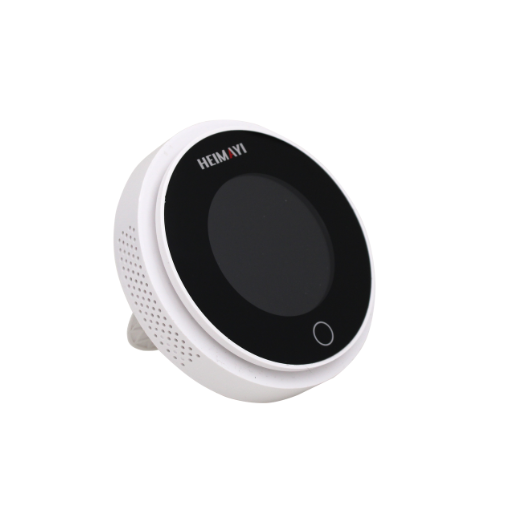
Room temperature data loggers are devices used for monitoring, recording, and storing temperature measurements in indoor environments. Using them in warehouses, laboratories, offices, and residences can ensure stable working conditions. Typically, these loggers include temperature sensors to measure temperature, memory to store data, and software to read and analyze these records. Many of the data loggers available go one step further by including wireless capabilities or alarms for temperature deviations, making them excellent tools for quality control and comfort maintenance. Choosing a data logger will depend on conditions such as the degree of accuracy required, storage requirements, and ease of use.
What is a Temperature Data Logger?
Temperature data loggers are electronic devices designed to track temperature fluctuations over time. They may be furnished with sensors for measuring temperatures, options for data storage, and interfaces for quick data management and analysis.
Applications of Ambient Temperature and Humidity Data
Temperature and humidity data concerning ambient conditions have direct implications in various industries and sectors, with quality control, safety, and efficiency. Five important uses are listed below:
1. Cold Chain Management
The temperature and humidity should be monitored during the storage and transit of perishable goods such as food items, vaccines, and pharmaceuticals. Data must be accurate to ensure that conditions are maintained within the required threshold, thereby upholding the quality of the product and its efficacy.
2. Environmental Monitoring
It is essential to monitor ambient conditions within the fields of research, agriculture, and conservation. Data are used to assess local environmental changes, study the climatic factors that affect these changes, and work toward ecosystem conservation.
3. Manufacturing and Industrial Processes
Temperature and humidity controls are required in various industries to ensure product quality. Thus, for instance, electronics manufacturing and textile production require stable conditions so that defects do not arise and fine consistency is obtained.
4. Building and Facility Management
An indoor environment with an optimum temperature and relative humidity is a key concern for comfort, energy optimization, and protection of materials from industrial damage due to condensation or extreme dryness.
5. Healthcare and Laboratories
Ambient temperature and humidity data are utilized by hospitals, clinics, and research laboratories to maintain safe environments for their patients, experiments, and sensitive equipment, which is also in conformity with industry standards.
Importance of Accurate Temperature and Humidity Measurements
Temperature and humidity are highly valuable parameters in all sorts of industries and in general life, taking into account human comfort, health, and productivity: Sterile conditions must be ensured in hospitals, the medical performance of instruments, and experimental work checks must be perfectly done in laboratories.
An international study published in the International Journal of Environmental Research and Public Health indicated that an indoor temperature between 68°F and 75°F (20°C to 24°C) and a relative humidity of 40% to 60% can reduce the spread of airborne viruses such as influenza.
Just as in agriculture, a mere one-degree drop or gain, or a 5% change in humidity, will markedly affect the yield or storage conditions of perishable goods. According to the Food and Agriculture Organization (FAO), improper post-harvest handling, particularly regarding temperature or humidity, can result in losses of up to 20% in fresh produce worldwide. Similar scenarios occur in industrial fields, with unreported environmental monitoring irregularities causing millions of dollars’ worth of damage by rendering delicate electronic parts defective or compromising the quality of pharmaceutical materials.
Recent developments in sensor technology, such as IoT-enabled devices, enable the tracking of temperature and humidity in real-time with high accuracy. For example, digital sensors with a margin of error of ±0.1°C for temperature and ±1% for moisture, as specified by leading manufacturers such as Honeywell and Sensirion, indeed provide trustworthy data. This data, when interfaced with an automated system, further eliminates human error from the equation, thereby optimizing operations and ensuring compliance with standards, such as ASHRAE standards for HVAC systems.
Not only do precise measurements improve operational efficiency, but they also save a lot on energy. Managing proper temperature and humidity can cut energy consumption by a whopping 30% in buildings, according to the U.S. Department of Energy. This thus speaks about how important energy-efficient environmental monitoring is in terms of sustainability and savings.
Factors Influencing Data Logger Pricing
Sensor Quality and Specifications
The better-quality sensors equipped with fine precision or broader ranges usually render the data logger more expensive.
Memory Capacity
Data loggers with higher storage capacities, which enable them to record data over extended periods, are typically priced higher.
Durability and Build Material
A device built to withstand harsh environments cannot be cheap due to its rugged protective casing or waterproofing.
Connectivity Options
Connectivity upgrades from Wi-Fi to Bluetooth and cloud integration also add extra weight to the price.
Brand and Certification
Established brands will attempt to charge a premium for trustworthiness and conformance of labels to existing standards and certification data loggers.
Weighing these features, buyers can select a data logger that meets their requirements within a reasonable price range.
Features Affecting Cost: USB vs. Wireless Temperature and Humidity
Several vital features influencing the price when contrasting USB with wireless temperature and humidity data loggers are the following:
Understanding these factors will aid buyers in weighing the trade-offs between upfront costs and long-term functionality, ensuring that the chosen device aligns with specific operational requirements.
Data Logger Brands and Their Pricing Strategies
Here’s an extensive review of five famous brands of data loggers and their various price schemes:
HOBO (Onset Computer Corporation)
The pricing policy of HOBO price loggers encompasses a wide range of products for both novice and professional customers. The company applies a competitive pricing strategy for the basic standalone USB loggers, which can start at $50, while the higher-end wireless systems, which incorporate cloud elements, are generally priced anywhere from $300 up to around $1,000, depending on features.
Testo
Testo was born to design exact data logger equipment and continues to cater to the HVAC, refrigeration, and pharmaceutical industries. The price, therefore, reflects that of a premium brand depending on quality and precision. The entry-level models typically cost around $100, while their top-tier systems, equipped with advanced sensor types and real-time monitoring, can exceed $1,500.
Lascar Electronics
Providing a middle ground between cost and performance, Lascar offers inexpensive USB EasyLog products for small application use, ranging from $30-$100. Cloud-enabled loggers with wireless connectivity, on the other hand, go around the $200-$600 price range, addressing small to medium-sized businesses and the independent user.
Dickson
Dickson aims at industries emphasizing compliance and traceability, such as the medical and food storage industries. The pricing strategy emphasizes customer solutions, with lower-end chart recorders starting at around $150. More advanced data logging systems, with features like real-time alerting and cloud storage options, return $500 to $2,000 or above.
MadgeTech
MadgeTech provides very specialized data loggers intended for research, pharmaceutical, and aerospace-scale applications. Their products are priced to portray their special features, with a starting price of about $200 for the basic units. For more advanced multi-channel loggers with wireless connectivity, pricing typically falls within the range of $800 to $2,500.
These brands employ pricing strategies that range from mid-level, affordable models to grand-scale, expensive patterns of architectural cutting-edge design, allowing a wise buyer to choose one that adequately meets their set of needs and budget.
High Accuracy vs. Budget Models: A Cost Analysis
Comparisons of Top Models in the Market
Best USB Temperature Data Loggers
1. Lascar EL-USB-2
Features:
- Measures temperature and humidity.
- Ample data storage with a capacity of up to 16,000 readings.
- LED status indicators provide immediate feedback.
Specifications:
- Temperature Range: -35°C to +80°C (-31°F to +176°F).
- Battery Life: 1 year (replaceable).
- Software Compatibility: EasyLog software for exporting data and analysis.
Applications:
Ideal for monitoring cold chain logistics, offices, and greenhouses.
2. Testo 174T
Features:
- Compact design suitable for varied environments.
- Able to store up to 16,000 temperature readings.
- High accuracy with ±0.5°C deviation.
Specifications:
- Temperature Range: -30°C to +70°C (-22°F to +158°F).
- Battery Life: 500 days with standard use.
- Software Compatibility: Supports Testo’s free ComSoft Basic software.
Applications:
Used primarily with food storage, freezers, and refrigerated transport.
3. OMEGA OM-70 Series
Features:
- Multi-parameter logging including temperature, humidity, and barometric pressure.
- OLED display for real-time data viewing.
- Direct USB download without any hassle.
Specifications:
- Temperature Range: -20°C to +60°C (-4°F to +140°F).
- Battery Life: Up to 3 years.
- Data Capacity: Stores over 250,000 readings.
Applications:
Ideal for regulated industries in pharmaceuticals and food-grade environments.
4. Extech TH30
Features:
- Small form factor.
- 32,000 readings storage with configurable alarm thresholds.
- USB connectivity for plug-and-play operation.
Specifications:
- Temperature Range: -30°C to +70°C (-22°F to +158°F).
- Battery Life: 1 year.
- Software Compatibility: Supports Extech software for customizable reporting.
Applications:
Used widely in HVAC systems, storage, and laboratories.
5. Elitech RC-5
Features:
- Affordable, practical design.
- Large data storage up to 32,000 recordings.
- Adjustable log interval of 10 seconds up to 24 hours.
Specifications:
- Temperature Range: -30°C to +70°C (-22°F to +158°F).
- Battery Life: Approximately 6 months (CR2032 battery, replaceable).
- Software Compatibility: ElitechLog software for detailed reports.
Applications:
The most popular ones are cold chain storage, warehouses, and transport.
Summary Comparison
There are many different USB temperature data loggers. The careful selection depends upon your own specifications. Temperature ranges, data storage, and area of application are some of the important considerations. Each model serves different industries to ensure reliability and accuracy in monitoring.
Top Bluetooth Temperature and Humidity Data Loggers
When it comes to providing temperature and humidity monitoring, Bluetooth data loggers offer the most practical and wireless way to keep track of such developments. The versatility of this device translates into a wide range of uses, from home applications to industrial settings. When selecting a device, consider several key factors, including temperature and humidity ranges, battery life, data storage capacity, and real-time monitoring features.
Multi-Channel Temperature and Humidity Loggers: Pros and Cons
Tips for Selecting the Best Temperature Data Logger
Choosing the right temperature data logger involves evaluating several key features and specifications to ensure optimal performance and accuracy. Here are five detailed tips to help direct your choice:
1. Temperature and Humidity Range
Ensure that the device covers the temperature and humidity ranges required for your application. For example, industrial processes may demand a logger capable of measuring extreme temperatures, while a home-use logger may only need a moderate range.
2. Accuracy and Resolution
Look for data loggers with high accuracy and resolution to obtain exact measurements. A small margin of error, for example, can become enormous in cases such as storing pharmaceutical agents or conducting research in a laboratory.
3. Battery Life and Power Options
A long battery life is essential when it is used for monitoring that takes long hours, especially at times when it is in remote or hard-to-access sites. Some provide for additional convenience storage, either of which can be replaced or recharged.
4. Storage Capacity and Data Retrieval
If you want long-term monitoring, choose a logger with enough memory to handle long-term data. Also, see if there are any USB, Bluetooth, or cloud connectivity options to allow for easier data transfer and analysis.
5. Real-Time Monitoring and Alerts
For applications requiring immediate action, consider a logger that supports real-time monitoring and provides alerts for deviations from preset thresholds. This is particularly important in industries such as food preservation and healthcare, where deviations can lead to costly consequences.
Considering these factors will help you get the best temperature data logger for your needs and within your budget.
Understanding Your Needs: Single vs. Multi-Use Data Loggers
Operational requirements and benefits should be weighed. The following paragraphs concern the main pits considered for each logger type:
Cost-Effectiveness
Single-Use Loggers:
Typically seen as low-investment options, they are great for one-time shipments or short-term projects.
Multi-Use Loggers:
Typically high in initial investment and more economical for long-term or repeated usage due to reusability.
Data Storage Capacity
Single-Use Loggers:
These are basically limited in terms of data collection, meant for simple applications.
Multi-Use Loggers:
Large data storage capacity, suited for extensive or ongoing data monitoring.
Durability
Single-Use Loggers:
Less rugged and lighter in the hand and for usage.
Multi-Use Loggers:
Built with durability in mind, oftentimes with a solid exterior for use in harsh environments.
Ease of Use
Single-Use Loggers:
Setting up is an easy process and is typically discarded after analyzing the retrieved data.
Multi-Use Loggers:
It may require calibration or maintenance, but it also offers advanced features and flexibility.
Environmental Impact
Single-Use Loggers:
Generate more waste and is best applied in industries with little environmental regulation.
Multi-Use Loggers:
Support loggers that reduce waste and improve operational efficiency as time goes on.
By considering and evaluating all the above points, you can determine which type of data logger best suits your application, budget, and overall operational needs.
Key Features to Look for: LCD Display, Probes, and Sensors
High-Resolution LCD Display
- Clear and precise readings allow for real-time data monitoring.
- Quick visual inspection based on various lighting conditions.
Detachable or Integrated Probes
- They provide flexible measurements of temperatures or other parameters in hard-to-access spots.
- They can be replaced or adapted based on the application.
Wide Sensor Compatibility
- Supports various types of sensors, including temperature, humidity, and pressure.
- Guarantees adaptability over industries and applications.
Customizable Display Options
- Allows users to switch between measurement units or configure visible parameters.
- Sufficiently easy to operate for various operational installations.
Real-Time Data Logging and Alerts
- Includes real-time alarms or notifications when parameters breach preset limits.
- Ensures proper action in response to any critical changes in the monitored conditions.
Evaluating Recommendations and Reviews
When reading and evaluating recommendations and reviews, I consider two key factors: the credibility of the source and the consistency of the feedback. I then look for specific details relevant to actual experiences and weigh the points shared against my particular needs or top priorities. By choosing credible evaluations over unreliable ones and comparing comments with each other, I make a much more informed decision.
References
- Evaluation of an inexpensive temperature datalogger for meteorological applications
Published in the American Meteorological Society Journal. - Data loggers for high-temperature industrial environments
Available on IEEE Xplore, a trusted source for engineering and technology research. - Design and analysis of a multipoint temperature datalogger
Published in the Nigerian Journal of Technology (AJOL).
Frequently Asked Questions (FAQ)
What temperature data logger?
A temperature data logger is a device that records temperature values over time. Very often, it embraces a temperature sensor, data storage, and sometimes a display for viewing real-time data. Such loggers are crucial in functions such as cold chain management and environmental monitoring.
How does a USB temperature data logger work?
By using a USB temperature data logger, one can record temperature data within a specified duration and then connect the unit to a PC through the USB port for data retrieval. Usually, these come with software that allows users to prepare reports in PDF and CSV formats for analyzing the collected data.
What are the advantages of a temperature data logger with an LCD?
Temperature data loggers with LCDs enable the real-time display of temperature readings. This gives on-site stakeholders the ability to verify current conditions without needing to attach the logger to the computer. This feature is fundamental in environments where conditions need to be assessed immediately.
What is the battery life of a digital temperature recorder?
Battery life for a digital temperature recorder varies from model to model and depends upon the intensity of use and other factors. Many devices’ batteries last for a couple of months to years, depending on how often they log data, whether the LCD or other accessories, such as additional sensors, are in use.
Does an app-monitored hygrometer provide temperature and humidity data?
Yes. An app-monitored hygrometer provides real-time temperature and humidity data. These devices communicate with smartphones or tablets using Bluetooth, allowing users to track conditions from anywhere and receive an alert if preset parameters are exceeded.
How much does a waterproof temperature logger with a PDF report system cost?
The general price range for a waterproof temperature logger with PDF report capabilities is between $50 and $300. The price depends greatly on accuracy, data storage capacity, and any multi-use functionality or external probes.
How do I select a correct temperature sensor for my application?
Selecting the right temperature sensor depends on your particular application needs. Factors include accuracy, temperature range, and environmental conditions. For instance, a high-accuracy refrigerator thermometer logger would be an ideal choice for monitoring sensitive items in a cold storage facility.
What types of data logger categories can be used for monitoring temperature and humidity?
Temperature and humidity monitoring data logger categories include USB temperature data loggers, wireless temperature and humidity sensors, and multi-use USB digital temperature recorders. Each caters to a specific need, according to the application, ranging from cold chain logistics to HVAC monitoring.