How to Choose Room Temp Data Logger for Accurate Temperature and Humidity Monitoring
It is of utmost importance to properly control the temperatures and humidity levels in many endeavours such as pharmaceuticals, food, any storage and handling of medicines or food, carrying out research, and even living inside houses. All living things need the help of suitable recording systems to ensure ambient conditions are corrected and stored properly. Suitable selection of a room temp data logger is key to making sure that this objective is achieved.
Understanding Data Loggers
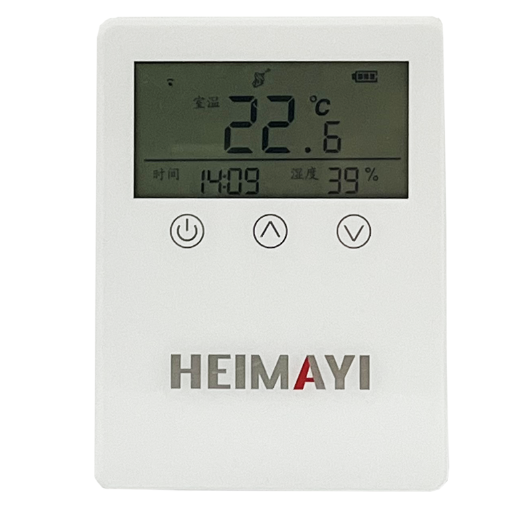
Data loggers are devices used to measure and record data over a specified period. Such loggers are primarily used for investigating climatic factors such as temperature, humidity, or pressure. The loggers have different sensors to take the readings and internal memory to store the data. Again, due to the need for close monitoring in areas such as healthcare, food storage, and environmental research, data loggers offer the precision and resilience necessary for such studies.
What is a Data Logger?
The data logger is a standalone electronic device capable of capturing certain aspects of the environment or the system. It contains a sensor for sensing temperature (or other spatial quantities) as well as inputs for external sensors, making it especially suitable for research involving frequent measurements, particularly in places that require automation while gathering, processing, and analyzing data.
Types of Data Loggers
Data loggers come in many types and styles, each suited for a specific application and environment. Here are some common types given in detail:
1. Temperature Data Loggers
Purpose:
These are used for monitoring and recording temperature conditions over a specified period. They are essential in the food storage, healthcare, and pharmaceutical industries, where specific temperature conditions must be maintained.
Features:
- Has a range of -200°C to +150°C, depending on the model
- Highly accurate sensors with an error of ±0.1°C
- Compatible with external probes for added flexibility
Use Case:
- Cold chain monitoring to ensure that vaccines or perishable foods are maintained between safe temperatures while being transported
- Testing HVAC systems to record temperature changes
2. Humidity Data Loggers
Purpose:
These devices measure relative humidity and are crucial for maintaining specific environments within acceptable levels.
Features:
- Humidity typically ranges from 0 to 100%
- A fully integrated dew point measuring system is present in the most advanced developments
Use Case:
- Monitoring greenhouses to optimize plant growth
- Keeping humidity control in galleries and museums to prevent damage to exhibits
3. Pressure Data Loggers
Purpose:
In industrial and research applications, pressure data loggers measure and record pressure levels of gases or liquids.
Features:
- Pressure ranges are available for selection (e.g., 0 to 10,000 psi)
- Have features for high-speed data sampling in real-time analysis
Use Case:
- To watch the hydraulic systems in heavy machinery
- For measuring atmospheric pressure changes in the study of weather patterns
4. Multi-Parameter Data Loggers
Purpose:
These highly flexible devices are capable of recording multiple parameters simultaneously, one or more parameters including temperature, humidity, light levels, or CO₂ concentrations.
Features:
- Configurable to fit almost any needs or application
- Especially useful for long-term monitoring with an ample amount of data storage
Use Case:
- Environmental management and research
- Indoor conditioning monitoring in smart buildings for energy efficiency
5. Wireless Data Loggers
Purpose:
Such data loggers are employed for real-time remote monitoring purposes as the acquisition and reporting of data occur in real-time over Wi-Fi or Bluetooth to cloud systems or local devices.
Features:
- Real-time alerts via email/SMS when threshold violations occur
- An excellent battery life with strong connectivity
Use Case:
- Monitoring remote sites such as pipelines or mines
- Real-time condition tracking performed in transportation logistics
6. Vibration and Shock Data Loggers
Purpose:
They record vibrations, shock, and impact, and are primarily used for testing transportation or machinery.
Features:
- High sampling rates (10,000 samples/sec or more)
- Measures in units like g-force for exact records
Use Case:
- Testing if the product becomes damaged during shipment
- Vibration monitoring for industrial equipment to foresee maintenance
7. Voltage and Current Data Loggers
Purpose:
To track electrical parameters such as voltage, current, or power consumption, which are required for electrical performance evaluation.
Features:
- Ranges of measurement depend on application (low-voltage electronics versus high-voltage systems)
- Usually comes with graphing and analysis software
Use Case:
- Performing energy audits to identify inefficient power usage
- Monitoring renewable energy systems such as solar panels
Importance of Temperature and Humidity Monitoring
Monitoring of temperature and humidity is beneficial in ensuring the desired conditions in different areas of life. It helps maintain product quality, protect items from deterioration, and meet safety requirements. There are several reasons why temperature and humidity monitoring is crucial:
Protection of Perishable Goods
Temperature and humidity control is critical in industries that store food or pharmaceuticals to ensure that the products do not spoil or go bad.
Example Data: In certain foods, a temperature change by two degrees causes shelf life decrease in half.
Protection of Electronics
When the humidity is too high, it will result in water condensation, which can damage the equipment or cause corrosive processes of the exposed electronics.
Example Data: It is considered an appropriate practice to keep the relative humidity at levels ranging from 30% – 50% in order to relegate static discharge and mechanical breakdowns.
Health and Safety at Work
Workers may also need to ensure that the levels of essential climate factors, such as temperature and humidity, in their work areas are within a safe range, thereby reducing the likelihood of heat-related problems and promoting efficiency.
Example: According to the Occupational Safety and Health Administration (OSHA) standards, the heat index, which combines the effects of air temperature and humidity on work zones, should remain below 91°F for worker protection.
Industrial Process Control
The environment in which various manufacturing operations, such as injection casting, textiles, and even semiconductor production, are carried out needs to be controlled in precise ways to promote optimal process performance.
Example: A 10% change in the evaporation of moisture can lead to imperfect processes, such as bonding or chemical interactions.
Maintaining Structure in a Data Center
To prevent overheating and equipment breakdown in a data center, the internal temperature and humidity must be maintained within specific limits.
Example: The upper/lower temperature and lower/upper pRH limits for servers specified by ASHRAE are respectively 64.4°F, 80.6°F, and 40-60%.
Key Features to Consider When Choosing a Data Logger
| Feature | Description | Importance |
|---|---|---|
| Accuracy and Precision | For effective environmental control, it is essential to evaluate accuracy and precision of temperature and humidity measurements from the data logger. | Critical for sensitive applications |
| Logs Retention | Make sure to select data loggers with a high memory log so as to avoid any possibilities of losing data during recording. | Essential for long-term monitoring |
| Prompt Data Reading | It is essential to obtain a device that provides constant data in the event of any changes to the environment. | Vital for real-time monitoring |
| Additional Functions | You may look for devices that provide these connectivities to ease the monitoring and retrieval of data. | Enhances usability |
| Physical Strength and Design | Opt for equipments that is suitable for the environment and can handle its harsh conditions. | Ensures durability |
| Enforced Local Regulations | Make sure that the data logger is in conformity with any standards, including, ASHRAE standards, among others. | Ensures compliance |
Accuracy and Calibration
When selecting an intelligence device for your center, one of the most crucial aspects to consider is the accuracy of the data logging instrument. It is essential because precision in measurements translates to an accurate representation of the data being logged – something that is especially crucial in ensuring the right conditions are met or detecting any inevitable problems.
Most brands of current data loggers guarantee accuracy of measurements to within some reasonable deviations from the actual value, such as ±0.5°F (or ±0.3°C) for temperature measurements and ±2% RH for humidity measurements, among others; however, this will depend on the model or make of the device ordered.
Calibration Importance
Calibration is also vital in ensuring that this precision remains constant over time. Typically, when high-quality data loggers are manufactured, they are calibrated at the factory. However, over time, recalibration becomes necessary due to varying factors and unavoidable sensor drift.
Calibration Schedule Recommendations:
- General applications: 6-12 months interval
- Critical applications: 3-6 months interval
- High-precision requirements: Monthly calibration
State-of-the-art calibration techniques have been advanced to employ traceable standards, such as those within the National Institute of Standards and Technology (NIST), ensuring compliance with certification procedures. Additionally, almost all current data loggers have either automatic field calibration functionalities or cloud-based calibration management systems, making the use case even more straightforward.
Data Storage and Capacity
A room temperature data logger consists of an internal mechanism that records data and stores it physically. Therefore, the storage capacity of a room temp data logger varies in accordance with the make, model, and function it is meant to perform.
Basic Models
Few MBs
Entry-level data loggers suitable for basic monitoring
Advanced Models
Several GBs
Professional-grade loggers for extensive data collection
Cloud Integration
Unlimited
Modern loggers with cloud storage capabilities
Since many data logging devices use a low-power consumption design, they will foreseeably continue to function even during a long duty cycle. Modern data compression techniques and customizable sampling periods enhance memory utilization, allowing all necessary recordings to be taken during experiment processes.
Real-Time Monitoring Capabilities
The current data collection systems primarily focus on offering real-time monitoring that is immediate and actionable. Sensor and analytics technologies are deployed in a way that enables them to continuously receive, analyze, and present data in real time.
Real-Time Benefits
- Immediate Response: Process engineers can monitor machine activities while identifying performance issues in real-time
- Equipment Protection: Eliminates equipment failures through immediate alerts
- Performance Optimization: Millisecond feedback in all spheres of operation
- Predictive Analytics: Machine learning mechanisms enhance data analytical capability
By 2025, there will be more than 75 billion devices connected to the Internet of Things worldwide. It enables progressive data transfer from sensor nodes in the network, allowing inspection processes to be simultaneous, accurate, and comprehensive at any given time.
Temperature and Humidity Data Loggers: Choosing the Right One
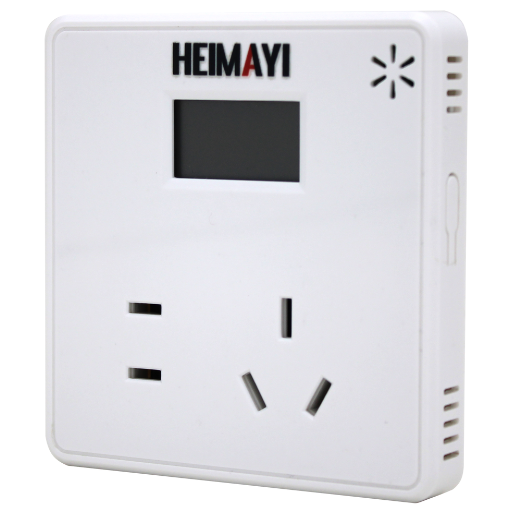
Room temperature and humidity storage condition monitoring should be conducted using devices that are temperature and humidity data loggers available for purchase today. Here are the tips on how to choose such devices:
- Range and Precision of Instruments
First thing is the instrument that you will buy in the market that you are going to use, has to satisfy the range of temperature that you want to monitor with a high precision level.
- Memory
Ensure that it has capacity to store the periodic data recorder for a specific predefined period without needing to be downloaded too often.
- Connectivity Options
Will you use USB devices, connect via Bluetooth, or any version of wireless wifi when acquiring or using any of the loggers?
- Weather Proof
If used in high temperatures or moisture, choose a logger that can be washed for easy cleaning or one that can withstand the damage often found in these conditions. These weatherproof options have a water-resistant and shockproof case.
Understanding Temperature and Humidity Data
One of the most significant environmental factors affecting various spheres of life, including health, agriculture, and production, is temperature, as well as humidity. These factors must be maintained within specific ranges to ensure that procedures, machinery, and personnel are not compromised in any way.
Temperature Measurement Data
Temperature data are measurements of the warmth or coldness of a medium that are taken in real-time using sensors to detect changes. Temperature control is typically implemented to prevent product deterioration under specific conditions.
Example: When the refrigerator is used to store vaccines, it should be within 4°C±2.8°C or 39.5°F±5°F
Humidity Data
Humidity data primarily comprises the atmospheric moisture content, expressed as Relative Humidity (RH). Humidity has both pros and cons; excessively low or high humidity levels can cause problems such as equipment corrosion, product spoilage, or even unhealthy conditions.
Example: The recommended range of humidity within an IT data center is between 40% and 60% RH, to avoid condensation and static charges.
Applications of Co-Existing Data
The conjoint analysis of temperature and humidity data provides us with information about the ecological surroundings:
- Greenhouses: Utilize them during plant production to control the conditions, allowing for manipulation of temperature and humidity to the desirable state, thereby managing both output and quality.
- Smart Thermostats: In homes and workplaces, these devices utilize data to more effectively control heating and cooling systems, saving energy and providing convenience.
Benefits of Using a Humidity Data Logger
Increased Precision
Temperature and humidity loggers measure these parameters and ensure that they are managed in areas where impact examination of these variables can be important.
Real-Time Collection
They include real-time support, which addresses all adjustment calls resulting from erroneous measurements.
Enhanced Data Interpretation
Software can be used for comparison analysis to estimate trends, configurations, and other factors, forming an opinion based on a set of completed data.
Adherence to Guidelines
They serve industry and government regulation requirements by safeguarding possible changes within the environment from records presented for examination.
Cost and Energy Savings
The early detection of changes in humidity levels minimizes and even prevents expensive damage to items or equipment, thus providing long-term cost reduction and resource management.
Connectivity Options for Data Loggers
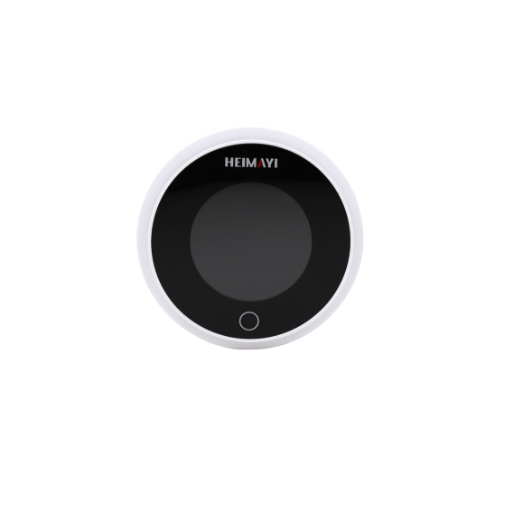
Data loggers come with several options of connectivity to satisfy varied requirements:
| Connectivity Type | Description | Best Use Case |
|---|---|---|
| USB | The most common and uncomplicated systems for connecting data loggers and transferring the data to a Personal Computer without hassle. | Basic data transfer and setup |
| Wi-Fi | Use of wireless assistance to access data that can be changed over a remote network in real time whenever they are needed. | Remote real-time monitoring |
| Bluetooth | In supporting an intuitive data logging workflow, synced data can be accessed, and even downloaded easily, using this short-range option in any supported smart device. | Short-range mobile connectivity |
| Cellular | This variant of wireless data transmission helps monitor far or off-center locations, when data can be sent through signals of cell phone systems to the place of recording. | Remote locations without Wi-Fi |
| Ethernet | It is a very effective system of long-range interfaces where hardware plays an important aspect, and faster connection through cables becomes available. | High-speed wired connections |
WiFi Temperature Data Loggers
The introduction of WiFi temperature data loggers, which, unlike traditional temperature monitoring means, utilize WiFi networks to maintain and collect temperature data in real-time, enables new levels of control. They are ideal for places that require constant yet accurate temperature monitoring, such as labs, stores, apartments, and refrigerators.
Optimal Features of WiFi Temperature Data Loggers
Real-Time Monitoring
This wireless device has a lot of positive features, including its real-time temperature monitoring capabilities, which alert the user as and when the temperature changes.
Network Connectivity
Broad and durable network connectivity, as there is neither a tethering feature nor conventional cabling, allows for largely unrestricted device operation.
Cloud Integration
A significant number of wireless temperature data loggers support existing infrastructures, such as the cloud, allowing for the safe storage and access of data entries.
User-Friendly Interfaces
Operators may also be provided with their own easy-to-use applications on mobile or modern-looking applications on desktop computers for data management.
WiFi Data Logger Specifications
| Specification | Range/Capability |
|---|---|
| Temperature Range | -40°F to 158°F (-40°C to 70°C) – depends on specific model |
| Data Storage | A few thousand readings locally, unlimited with cloud access |
| Sampling Rate | Configurable: seconds, minutes, or hours |
Data to the Cloud: Benefits and Considerations
It has been observed that there are many opportunities to be enjoyed after storing temperature data in the cloud. However, several things also need to be considered. Below are reasons worth consideration:
1
Presentational Access
One of the key advantages of cloud storage is that users can access data from anywhere, at any time, for monitoring purposes and making informed decisions while out of the office.
2
Protection of Data
Recent cloud computing infrastructures employ highly secure methods and require access routes to allow entry to the system or data, thereby preventing data leakage or unauthorized access.
3
Flexibility
Storage solutions in the cloud are capable of expanding in accordance with demand, providing nearly limitless storage of vast amounts of historical temperature data due to the absence of physical limitations.
4
Simplicity of Integration
In many cases, cloud storage systems are easily integrated with other tools or platforms used for management. They help optimize, reduce, and carry out various levels of operation.
5
Cost Efficiency
Cloud solutions remove the requirement of physical storage hardware and reduce maintenance expenses and this can prove to be a cheaper alternative in the long term with respect to data management.
Bluetooth vs. WiFi: Which is Right for You?
If there is another application for which Bluetooth would be more beneficial, or vice versa, if there is another application for which WiFi would be more applicable, it is worth examining the communication ability of each for general purposes. The following is an in-depth analysis of these two types of connectivity:
| Feature | Bluetooth | WiFi |
|---|---|---|
| Maximum Distance | ~10 meters | 100+ meters |
| Data Rate | 1-3 Mbps | Several hundred Mbps |
| Power Usage | Low consumption | Higher consumption |
| Connection Complexity | Simple, automatic | Requires network setup |
| Best Applications | Personal accessories, short-range transfer | Internet activities, smart home systems |
Use Cases for Temperature and Humidity Monitoring
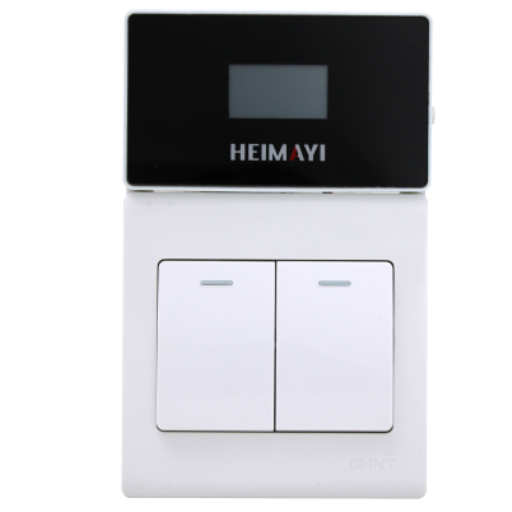
Ensuring safety, comfort, and efficiency in many environments necessitates monitoring temperature and humidity. Some of the most common ones are:
🏠 Home Monitoring
Enabling comfortable living in houses, removing the risk of mold multiplication, and preserving the decoration of the house, including wooden objects and musical instruments, in perfect condition.
🌱 Agriculture
To create a suitable environment for greenhouses, crops, and even livestock to improve optimal growth and disease prevention.
🏥 Healthcare
Working in hospitals, research centers, or keeping such equipment as medicines in a safe condition.
🍎 Food Storage
The storage and transportation of perishables should be controlled at all times in terms of temperature and humidity.
🏭 Industrial Settings
Ensuring proper functioning and avoiding any possible damage to equipment by observing the environmental conditions of manufacturing, server, or computer rooms.
Applications in Various Industries
1. Health and Medicine
In the medical field and pharmaceutical industries, monitoring temperature and humidity levels is crucial, particularly to prevent drugs, vaccines, and medical equipment from becoming ineffective. For example, the mRNA-based COVID-19 vaccines should be stored at around -70°C (-94°F) to maintain their efficacy.
Market Data: The temperature management system and equipment in the healthcare sector shall expand from 5.5 billion dollars in 2021 to 7.1 billion dollars in 2026.
2. Food and Cold Chain Management
During the storage and transit of perishable food items, it is crucial to maintain the correct temperature and humidity conditions to prevent spoilage and ensure food safety. For instance, trucks and warehouses used to store perishable goods, such as fresh produce, dairy, and meat, need to maintain temperatures above freezing but below 40°F.
Market Projection: $340.3 billion global cold chain market by year 2025, showing the need for advanced monitoring solutions.
3. Servers and Data Centers
Industrial environments and processing plants, particularly data centres and server rooms, necessitate fine-tuning control over their environmental conditions. Temperatures above 77°F (25°C) result in a significant decrease in server efficiency and an increase in their degradation.
Industry Impact: Studies suggest that the proportion of temperature-related outages in data centres is proportionately high, with environmental reasons being on the rise.
4. Agricultural Practice and Use of Greenhouses
For farming, it is crucial to sustain a particular temperature and moisture Content for optimal plant growth. Instrumented greenhouses support the creation of ideal growing conditions. For example, strawberries require a temperature range of 50°F to 80°F, with a minimum relative humidity of 60% and a maximum of 75%.
Market Growth: The innovative agricultural sector, including environmental awareness solutions, is projected to reach $25.5 billion by 2027.
5. Museums and Archival Storage
It is challenging to predict a scenario in which historical artifacts, paintings, or writings are removed from their original context. One example of helping to preserve paper media is maintaining a relative humidity of approximately 35 to 50% with a temperature of around 65°F to 70°F (18°C to 21°C).
Conservation Standards: The International Council of Museums advocates for the implementation of devices that prevent natural destruction, utilizing IoT technologies in many conservation contexts.
Home Use vs. Professional Use
The scope of temperature and moisture regulation differs between home and professional usage. The following are the main differences between the two:
| Aspect | Home Use | Professional Use |
|---|---|---|
| Level of Precision | ±2-3% humidity, ±2°F temperature – sufficient for household issues | ±0.5% humidity, ±0.1°F temperature – required for regulations |
| Data Recording & Analytics | Limited data logging, 2-3 days of operation, basic analytics | Extensive storage, live information, comprehensive reports |
| Connection Options | Bluetooth and Wi-Fi for personal devices | Ethernet, enhanced IoT, platform connectivity |
| Durability | Lightweight, cheap materials for household settings | Robust industrial materials for hostile environments |
| Cost Range | $20 – $100 for domestic applications | Hundreds to thousands of dollars for industrial use |
Choosing the Right Data Logger for Specific Needs
Choosing the correct data logger and equipment requires an understanding of various structures and clients. Here are several essential things you must observe while selecting a data logger:
📊 Measurement Parameters
Measurement parameters include mean temperature and relative humidity measurements, pressure, voltage, and current measurements, among others. Understand which measurement will be necessary where and ensure such parameters can be emulated to a data logger.
💾 Storage Capacity
Some data loggers have less storage space while others have a higher one. For any extended period of surveillance, a device should be able to store the amount of data it can retain.
⏰ Recording Frequency
The recording frequency, or sampling rate, is an essential factor, as it refers to how often data is collected. Applications that require real-time monitoring should have high sampling frequencies.
🔋 Source of Power
Based on your location, you may choose to use data loggers that are powered by batteries, USB, or even plugged into an outlet. For remote areas, battery-operated devices with a longer lifespan are recommended.
🌡️ Environmental Conditions
Assess the environment in which you will be working. Some data loggers can withstand extreme conditions, including very low or high temperatures and humidity, as well as rough weather conditions.
Key Takeaway: A careful evaluation of these factors helps in choosing an appropriate data logger that is well suited for the needs.
Frequently Asked Questions (FAQ)
What is a data logger and how does it work?
A data logger is an instrument used to perform monitoring operations by logging environmental parameters of interest, such as temperature and humidity, over a specified period. The information is collected using external instruments and stored for future reference. Most models of data loggers include the option for radio or wired communication for the retrieval and manipulation of data for analysis purposes.
How to Choose a Room Temp Data Logger?
When choosing a room temperature data logger, several key aspects should be considered, including the device’s temperature range, battery power, data storage capacity, and the ability to display data on the screen. The equilibrium temperature measurement capability and the usefulness of the data logger features for documenting temperature and humidity in the space should also be clearly defined.
Explain the difference between temperature and humidity data loggers.
Room temperature data logger tools deal only with changes in temperature and humidity, not plain temperature changes. Some do both to enhance environmental control systems, making such devices applicable for use with trapped produce.
Why does data logger accuracy matter?
The data logger must be highly accurate to ensure accurate temperature and humidity readings. This is something to keep in mind in sensitive contexts, such as laboratories, storage facilities, or food processing facilities, where even the slightest shift may cause problems.
Can data loggers provide real-time monitoring?
Yes. Most modern-day data loggers have built-in wireless features that can hardly be rejected and can absolutely enable remote monitoring of temperature and humidity data. In this way, any environmental changes can be addressed promptly, and in so doing, any issues will be prevented.
What kind of sensors are employed within temperature data loggers?
Conventional temperature loggers would utilize either thermocouples, thermistors, or infrared sensors to assess the temperature of the immediate surroundings. Many types of devices also include sensors for measuring humidity, providing a comprehensive picture of the environment.
How do I transfer information from a temperature data logger?
Information from a temperature data logger can be transferred by connecting the device to a computer via a USB port, or you can opt for wireless options if the logger supports them. In the connection stage, let the software from the device retrieve all the data it finds for you to analyze.
What are some advantages of employing a wireless temperature control system?
The primary advantage of temperature control systems with wireless temperature data loggers is the ability to remotely monitor data. The inclusion of such a system reduces the need for physical visits, but continuous data transfer is an added feature that enhances data gathering.
What is the relationship between the performance of a data logger and its battery life span?
The performance of a data logger relies heavily on its battery life, especially in applications that require continuous monitoring over a long period. This is because when the battery lasts longer, the device will be able to perform its functions of data collection for a long time without any unnecessary stoppage,s since these are areas where the regular maintenance routines have been compromised.
Conclusion
Selecting the right room temperature data logger is crucial for maintaining optimal environmental conditions across various applications. By considering factors such as accuracy, storage capacity, connectivity options, and specific use case requirements, you can ensure reliable monitoring and data collection that meets your needs. Whether for home use or professional applications, investing in quality temperature and humidity monitoring equipment will provide valuable insights and help maintain the integrity of your environment.