
Rotary Electric Control Valves – Butterfly & Ball ValvesElectric Rotary Control Valve—Advanced Process Control, Efficiency, and Durability
Achieve superior process control, optimize energy consumption, and enhance system longevity with our advanced electric rotary control valve, engineered for the most demanding industrial applications.


Installation and Mounting Guidelines of Electric Rotary Control Valve
Proper installation and mounting are essential for optimal performance and durability of electric rotary control valves. The guidance below provides structured steps to achieve reliable operation and seamless system integration.
Select the proper mounting approach—such as flanged or threaded connections—based on process requirements. Install the valve in a location that permits easy operator access and minimizes exposure to vibration. Proper orientation and height improve both operation and ongoing maintenance.
Ensure the actuator has sufficient clearance for full movement and that its type matches the valve. Secure all mounting hardware to maintain proper alignment. Avoid external stresses on the actuator to preserve system integrity and extend service life.

Use wiring rated for the necessary voltage, current, and ambient conditions. Protect all cables within NEMA or IP-rated enclosures, following the manufacturer’s electrical diagrams and industrial safety standards. Careful connection setup ensures consistent, safe valve operation.
Align the valve shaft with the process flow path and confirm rotor positioning. Conduct a functional test after installation to verify smooth actuator movement and responsive control. Address any deviations or mechanical issues immediately to ensure reliable service and optimal performance.
Our Smart Electric Rotary Control Valve
Select the most suitable electric rotary control valve for your application from our comprehensive product range.

Electric Butterfly Valve

Electric Ball Valve
Dynamic Performance and Maintenance of Electric Rotary Control Valve
Electric rotary control valves are engineered to deliver consistent, high-precision actuation under varying process conditions. These valves are designed for optimal responsiveness, ensuring stable operation even in demanding environments.
Detailed Technical Specifications
| Specification | Description |
|---|---|
| Type | Electric Rotary Control Valve |
| Actuator | Electric Actuator |
| Operation | Open and close a valve with precise control |
| Flow | Suitable for liquid and gas flow control |
| Torque | Dynamic torque output for various applications |
| Size | Compact size for easy installation |
| Temperature | Designed for a wide temperature range |
| Material Selection | Durable materials suitable for oil and gas industry |
| Maintenance | Low maintenance requirements for reliability |
| Power | Operates on electricity with low power consumption |
| Mounting | Flexible mounting options available |
| Application | Used in chemical, oil, and gas industries |
| Design | Compact and efficient design for specific control |
| Types of Valve | Includes diaphragm and rotary control valves |
| Electrical | Integrated electronic components for better performance |
| Shaft | Robust shaft design for reliability in operation |
| Capacity | High capacity for demanding applications |
Uses and Applications of Electric Rotary Control Valve
Electric rotary control valves play a vital role in automating and optimizing fluid control processes across a range of industries. Their precision, reliability, and compatibility with a wide array of fluids and gases make them essential for demanding operational environments where accurate regulation is critical for safety and efficiency.
Oil & Gas
In oil and gas operations, electric rotary control valves regulate the flow of crude oil, natural gas, and refined products. They are used throughout extraction, pipeline transport, and refining processes, ensuring controlled operation even under high pressure and corrosive conditions.
Chemical Processing
Chemical production relies on electric rotary control valves for consistent dosing, mixing, and reaction management. These valves are constructed from materials that withstand aggressive chemicals, supporting safe, leak-free, and stable operation in rigorous manufacturing settings.
Water & Wastewater Treatment
Municipal and industrial treatment facilities utilize electric rotary control valves to manage water distribution, dosing chemicals, and handling filtration and discharge processes. Their automation capabilities ensure regulatory compliance, reliable flow control, and optimal treatment performance.
Power Generation
In power plants, these valves are integral for the precise control of boiler feedwater, steam, cooling water, and fuel supply systems. Their responsiveness supports safe operations and energy efficiency in high-pressure, high-temperature environments.
Multi Jet Water Meter: Working Principle and AMR Retrofit
Most residential water meters in the world are mechanical. Most of those are multi jet water meters. And most of…
Positive Displacement Water Meters: How They Work
A worn positive displacement water meter doesn’t fail. It keeps turning, keeps billing, and quietly under-reports. A burst main gets…
Choosing a 4-20 mA Signal Isolator for Pressure Transmitters: Ground Loops and Active/Passive Inputs
Choose a 4-20 mA signal isolator by matching the power roles on both sides, the required isolation boundaries, and each…
Installation and Mounting of Electric Rotary Control Valve
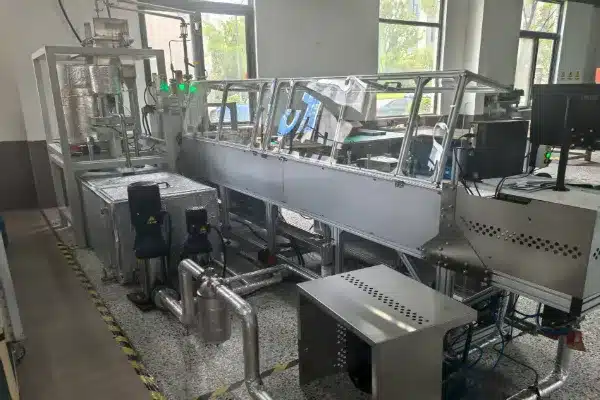
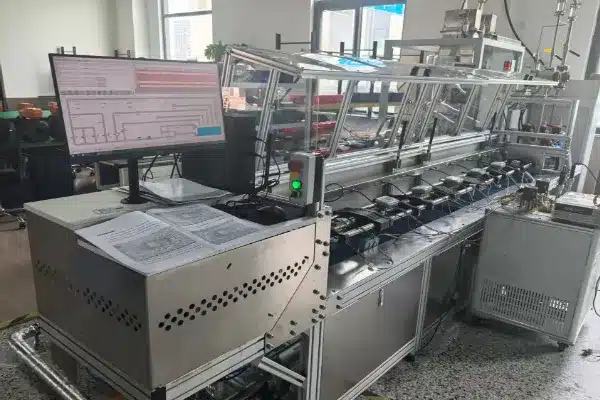
The installation of rotary control valves demands meticulous attention to mounting techniques to ensure optimal performance and durability. Proper mounting begins with a thorough understanding of the valve’s design and application requirements. The mounting position should allow easy access for maintenance and be free from vibrations that could affect the valve’s operation. Using appropriate mounts, such as flanged or threaded connections, ensures stability and alignment with the system’s flow path. Installing the valve at an appropriate height and orientation further aids in maintaining precise control over the flow of liquids and gases. It is essential that the mounting process accommodates the valve’s compact design while providing enough space for the actuator’s operation, thus ensuring reliable and accurate flow control.
Electrical connections and wiring are critical aspects of the installation process for electric rotary control valves. These components must be connected with precision to ensure the actuators receive the correct power supply for optimal operation. It is vital to select wiring that meets the specifications of the valve’s electrical requirements, such as voltage and current ratings. Proper insulation and protection of the wiring against environmental factors, such as temperature and moisture, are also essential to prevent electrical faults. The use of NEMA-rated enclosures can provide additional protection, especially in industrial environments where exposure to harsh conditions is common. Additionally, integrating electronic controls with the wiring facilitates seamless communication between the actuator and the control system, enhancing the valve’s dynamic performance capabilities.
Ensuring proper alignment during the installation of a rotary control valve is critical for its functionality and longevity. Misalignment can lead to increased wear on the valve components, affecting the actuator’s ability to open and close a valve efficiently. To prevent such issues, it is crucial to align the valve’s shaft and rotor correctly with the flow path, ensuring smooth operation and minimizing torque requirements. Verification of alignment should be conducted by testing the valve’s operation under controlled conditions, ensuring that it meets the specific control and performance specifications required for its application. Regular maintenance checks can help sustain proper alignment and functionality, reducing the risk of malfunctions and prolonging the valve’s operational life.


Selecting the Right Electric Actuator
Choosing the appropriate electric actuator for a rotary control valve involves evaluating several technical and operational criteria. One must consider the actuator’s torque output, which should be adequate to manage the valve’s operational requirements under various conditions. The actuator’s motor type is also crucial, as different motors offer varying levels of efficiency and power consumption, impacting long-term operational costs. Additionally, environmental factors such as temperature and potential exposure to corrosive elements should influence the selection of NEMA-rated enclosures to ensure protection and longevity. The compatibility with existing systems and the ability to integrate seamlessly with electronic control systems further dictate the suitability of an actuator for a given application.
Frequently Asked Questions (FAQs)
Electric rotary control valves are critical components in numerous industrial processes, and selecting the right solution requires clear and detailed information. Below, we address common questions to support engineering, procurement, and maintenance decisions.
01
01
An electric rotary control valve is an automated device that regulates the flow of fluids by rotating a disc or plug using an electric actuator. This mechanism allows for precise adjustment and reliable operation across various conditions.
02
02
Electric rotary control valves offer precise positioning, energy efficiency, lower maintenance requirements, reduced noise, and easy integration with modern control systems. Unlike pneumatic or hydraulic actuators, they do not require external fluid or air supplies.
03
03
They are widely used in oil & gas, chemical processing, water and wastewater treatment, power generation, and other sectors that demand reliable and accurate flow control in critical applications.
04
04
Valve selection should consider process conditions, including flow rate, system pressure, temperature, and fluid characteristics. Materials must be compatible with the media, environment, and any required industry certifications.
05
05
Yes. Modern designs offer a range of materials and sealing options to accommodate corrosive, abrasive, or high-temperature applications, ensuring durability and safe operation.
06
06
Regular maintenance includes inspection of electrical connections, actuator calibration, and periodic verification of operational performance. The rotary design simplifies servicing and reduces downtime compared to linear actuators.
07
07
Yes. These valves are engineered for both on/off isolation and precise modulating control, making them versatile for a wide range of operational scenarios.
