

Building Automation Temp Logger: Essential Data Logger for Temperature and Humidity Monitoring
One of the key considerations that modern approaches to automation take into account is the factor of temperature and humidity within buildings and how to control these factors safely. This is because, whether it is the health or safety of sensitive devices that are important or ensuring the longevity of perishable goods, one requires reliable and valid data. This is where the building automation temp logger comes in. It revolutionizes the simplicity of controlling temperature and humidity. With this device, there is no problem at all because it can be helpful in many different settings, increasing efficiency and accuracy to a high level, while also being practical. Its top-of-the-line features and enhanced performance speak for themselves, highlighting how it differs from its predecessors and, most importantly, what essential aspects make it a worthwhile advancement in technology anytime, any day.
Understanding the Basics of Temperature Monitoring
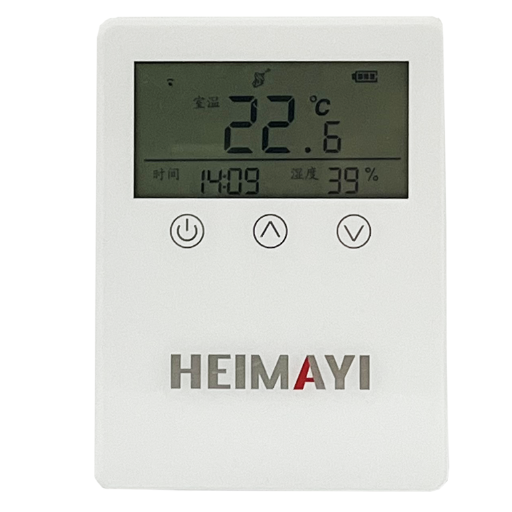
Monitoring the temperature involves measuring and recording it to maintain a specific level. This is particularly important in various fields, such as buildings, to ensure optimal comfort, equipment functionality, and energy efficiency. Proper temperature control is beneficial in recognizing temperature changes that could be injurious, and timely action can be taken to avert disastrous situations. The use of dependable tools such as the building automation temperature logger ensures that measurements are taken within specified intervals and are reliable, while enhancing resource management.
What is a Temperature Data Logger?
A temperature data logger is an instrument designed and equipped to automatically measure and record temperature data for post-factum review over a specified time frame. For example, this is used in building automation temperature logger systems, ambient condition control, storage, or transportation.
Importance of Accurate Temperature Measurement
There is a reason why temperature monitoring is essential in many fields. The main advantages of precise readings include, but are not limited to, metrology, safety and health, process control, and management. Here, five main benefits can be stated concerning the importance of an accurate temperature monitor, namely;
Product Quality
It is essential to apply the proper temperature during the manufacturing, storage, and transport of the product. Otherwise, the product will alter and compromise the desired qualities. More than any other industry, this is particularly evident in the pharmaceutical sector, where vaccines and drugs must be stored at specific temperature ranges to remain effective.
Safety Requirements
Another aspect that requires monitoring temperatures, especially in food processing and storage facilities, is the safety aspect related to their use. This is because it helps prevent the growth of bacteria, spoilage, and contamination, which would be detrimental to the health of the population.
Regulatory Compliance
In many operations, especially those within health care, food production, and chemical handling processes, for instance, strict governmental requirements exist regarding the tracking of temperatures. It is essential, then, that the data provided is accurate so as not to invite any fines or suspension.
Resource Conservation
Adequate temperature regulation helps prevent resource wastage by extending the shelf life of food products at risk of spoilage and reducing the energy required for cooling systems.
Process Optimization
Accurate temperature monitoring enables organizations across various sectors to refine their processes, introduce greater uniformity into production, and mitigate production stoppages resulting from machinery breakdown or temperature fluctuations.
By addressing these significant concerns, organizations can effectively demonstrate their performance and organizational objectives in realistic terms.
Types of Temperature Sensors Used in Data Logging
Temperature sensors are necessary in data logging applications to accurately and consistently monitor certain environmental or process conditions. There are various types of temperature sensors in industries based on the application needs. Below are the standard temperature sensors:
Thermocouples
Thermocouples are popular due to their wide temperature range and relatively low cost. A thermocouple consists of two wires made from different metals that are joined at one end. A voltage is generated depending on the temperature difference between the joined end of the thermocouple and the reference junction. Industrial settings most commonly use Type K (Nickel-Chromium/Nickel-Alumel) thermocouples, which measure temperatures from -200°C to 1,260°C (-328°F to 2,300°F).
Advantages: Rugged, inexpensive, and capable of measuring very high temperatures.
Use Cases: Industrial furnaces, gas turbines, and kilns.
Resistance Temperature Detectors (RTDs)
RTDs utilize the relative change in electric resistance of metals with temperature change (mostly platinum) and provide highly accurate and stable measurements, ideal for precision monitoring between -200°C and 850°C (-328°F and 1,562°F). One of the most common RTDs, the PT100, is particularly reliable.
Advantages: Very accurate, repeatability of readings, and good resistance over time.
Use Cases: In laboratory applications, HVAC systems, and monitoring food storage.
Thermistors
Thermistors are temperature-dependent resistors long made from ceramic or polymer materials. These devices, in the temperature range (-100°C to 300°C; -148°F to 572°F), have their indispensability with a significant and predicted change in resistance with temperature but mostly in precision for that smaller scope.
Advantages: Low cost, quick response, excellent sensitivity.
Use Cases: Medical equipment, automotive temperature control, consumer electronics.
Infrared (IR) Sensors
An IR sensor measures temperature based on the infrared radiation emitted from an object, and the sensor is focused on measuring surface temperatures that are very difficult to reach or hazardous to touch. These sensor types are perfect for applications involving moving parts or extreme environments. Measurement ranges typically are from -50°C to 3,000°C (-58°F to 5,432°F), depending on the model.
Advantages: Non-contact measurement, real-time response, massive versatility.
Use Cases: Monitoring surface temperatures during production on production lines, at a furnace, or on electrical components.
Semiconductor Sensors
Semiconductor sensors enable dependable and precise measurements over a limited temperature range, typically between -55°C and 150°C (-67°F to 302°F). Combining the great possibility for integration with advanced microprocessors, sensors are often incorporated into IoT-enabled systems.
Advantages: Small in size, power-efficient, and interface-friendly.
Use Cases: Smart devices, consumer electronics, and environmental monitoring.
Wireless Temperature Sensors
Wireless temperature sensors are gaining popularity for their ability to transmit data remotely, eliminating the need for wires. Typically, these wireless sensors integrate with more advanced connectivity protocols, such as Bluetooth, Zigbee, or Wi-Fi, allowing for real-time data logging and analysis at the remote site.
Advantages: Better connectivity options, easy setup, and reduced infrastructure complexity.
Use Cases: Cold chain logistics, remote industrial sites, and energy monitoring.
Summary and Trends
With the rise in IoT and Industry 4.0, temperature sensors are becoming intelligent, offering digital integration, wireless capabilities, and a higher degree of accuracy, according to a recent report published by MarketsandMarkets, the global temperature sensor market is expected to reach $8.8 billion by 2026, at a CAGR of 5.8% from 2021.
Emerging trends are shifting towards integrating sensor technologies into data-driven ecosystems, offering efficiencies in various sectors, including healthcare, manufacturing, and energy management.
Depending on the parameters and applications of each type, an industry may select the one that best fits its data logging requirements.
Technology Behind Building Automation Temp Loggers
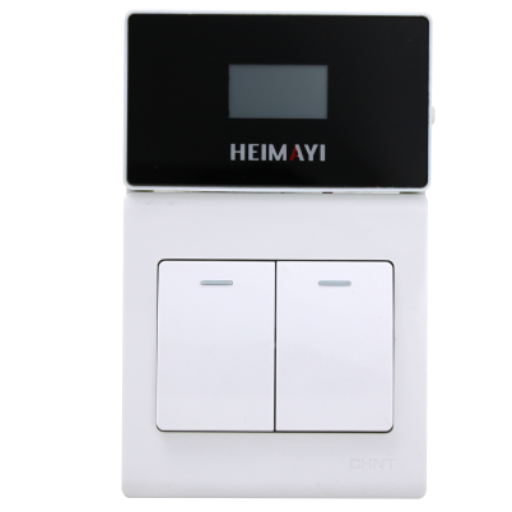
Temperature loggers of building automation measure and record on active shifts occurring in the setting of temperature changes. They use either thermistors or resistance-temperature detectors (RTDs) for accurate temperature measurement. Usually, temperature data are transmitted from the sensor to the central system via wireless or wired communication means, thus enabling temperature-control applications, building automation systems, energy conservation, and maintenance alerts. Typically, more reliable communication protocols, such as BACnet or Modbus, are preferred for these types of applications, as they enhance connectivity and ensure compatibility with existing infrastructure.
How Wi-Fi Temperature Recorders Work
Wi-Fi temperature recorders work by continuously monitoring the ambient temperature using either built-in or external sensors. Once temperature data is recorded, it undergoes treatment and is sent through the air via a Wi-Fi network to either a cloud-based platform or a local server. This enables users to access real-time temperature readings and historical data from a cell phone, tablet, or computer.
Modern-day systems often come with easy-to-use dashboards and mobile ecosystems, providing granular insights and graphical representations along with set-to-be alerts whenever temperature variations occur. Some high-grade instruments can alert users by email or SMS when temperatures fall outside preset temperature ranges, ensuring prompt responses to problems such as equipment failure, spoiled goods, or environmental degradation.
Currently, Wi-Fi temperature recorders are becoming increasingly accurate, offering device accuracies of ±0.5°F or ±0.3°C in many cases, thereby allowing them to be used wherever temperature records are kept, such as in medicine, food safety, industrial projects, and so on.
Furthermore, there is an increase in storage capabilities that support the vast array of methods in cloud storage, which securely store measured data and maintain the integrity of compliance with standards such as FDA 21 CFR Part 11, when required by industries that require strict monitoring.
Such technology, utilizing a secure and stable Wi-Fi network, eliminates manual data retrieval while enhancing operational efficiency. A few of the latest models also support integration with IoT ecosystems and automation frameworks, wherein temperature information will be used for system-level decisions and optimizations.
Role of Humidity Sensors in Temperature Logging
A humidity sensor, in addition to a temperature logger, helps provide an environmental context that can influence temperature readings and stability. Variations in humidity can have a direct impact on specific industries, such as pharmaceuticals, food production, or electronics, where strict limitations on temperature and moisture must be maintained for product integrity and safety.
Today, humidity sensors are often integrated alongside temperature loggers in advanced monitoring systems. Research indicates that combining temperature and humidity measurements provides a more comprehensive understanding of environmental parameters, particularly those encountered during storage and transportation. For instance, in cold chain logistics, controlled environments often require maintaining humidity within a narrow range of 40% to 60% to prevent condensation or degradation of products while maintaining specific temperature bands.
Data from some of the latest humidity sensors on the market demonstrate impressive levels of accuracy, often within ±1.5% relative humidity. The sensors utilize advanced capacitive or resistive technology, enabling them to detect even the slightest environmental change.
This is closely tied to automatic alert systems, ensuring that organizations can respond quickly to any event that puts operational or regulatory standards at risk.
From another viewpoint, the collated humidity sensor data, combined with IoT-enabled temperature monitoring systems, equips companies with the ability to generate trend analytics and detect risks present in predictive maintenance. This more comprehensive approach to the data aids in better decision-making and proactive action to safeguard sensitive goods and environments.
Multi-Channel Temperature Measurement Solutions
The systems can measure temperatures at multiple points simultaneously, thereby increasing efficiency and accuracy, depending on the area of application. Such systems are used in the pharmaceutical sector, as well as in food storage, production, and logistics within the food industry, where temperature control must be consistently maintained. The following are the five essential features and varieties of data that the multi-channel temperature measuring systems are capable of supplying:
- High-Precision Sensors: The system utilizes sensors that provide highly accurate temperature readings in various zones, enabling precise measurement even in harsh conditions.
- Real-Time Data Logging: At this stage, the system for logging older data is continuous and composite, with feedback depending on the current temperature change at multiple levels.
- Customizable Channel Configurations: Support for a variety of configurations that can be customized, providing flexibility for temperature control in practically any area or product based on its unique requirements.
- Alarm and Notification System: Supports alarms and notifications that make real-time alerts if the temperature levels are breached so that measures may be swiftly initiated to avert any severe damage.
- Cloud Connectivity and Data Analytics: Integrating with cloud platforms quite seamlessly to store, analyze, and even generate reports, thus equipping organizations with valuable pieces of information and long-term trend analysis.
Benefits of Using Temperature Data Loggers in Industries
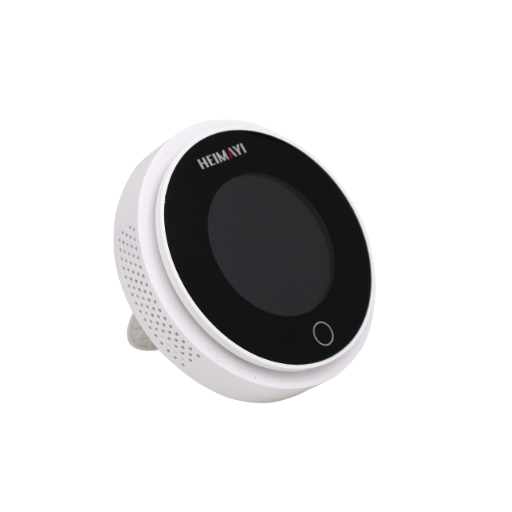
Enhanced Accuracy and Reliability
Temperature data loggers provide highly accurate and consistent readings of temperature conditions, enabling precise monitoring of the conditions prevailing in the environment. This is particularly crucial for industries such as pharmaceuticals, where even the slightest temperature fluctuation can compromise the quality of the products.
Regulatory Adherence
In many industries, regulatory standards are pretty stringent, such as those for GDP (Good Distribution Practice) and HACCP (Hazard Analysis and Critical Control Points). Providing for compliance, temperature data loggers give conscientious records of temperature conditions that can be traced.
Cost Efficiency
Data loggers help reduce operational costs by alerting to any temperature deviations that might otherwise lead to product spoilage and waste. Studies show that food businesses can cut down losses by 30% through consistent environmental monitoring.
Remote Monitoring and Alerts
With cloud connectivity, the advanced temperature data loggers included for remote monitoring in real-time will send alerts and notifications in the event of an anomaly, reducing response time and the risk of spoilage or damage.
Data-Driven Decision Making
Having immense temperature information in storage and available for analysis helps the company identify trends, optimizing its processes, such as predictive maintenance, where temperature trends are examined to reduce the incidence of equipment failures.
Enhancing Efficiency in Temperature and Humidity Control
Optimizing temperature and humidity control is crucial across various industries, including manufacturing, agriculture, and the pharmaceutical sector. In line with advancements in technology and data analytics, companies can now implement innovative systems in their operations with unprecedented levels of efficiency. Based on recent Google data and industry trends, smart sensors and IoT (Internet of Things)-enabling devices have gained importance in current real-time monitoring and control solutions.
For example, the smart HVAC market is expected to grow at a CAGR of 10.2% between 2023 and 2030 as industries shift their attention towards energy saving and operational performance. These systems use predictive analytics to forecast environmental changes that are likely to occur and provide a preemptive setting for temperature and humidity, saving energy by up to 20%.
Precision climate control has also increased yields in agriculture by allowing for optimum growth conditions, with crops growing 15% more on farms using automated climate solutions.
Hence, hybrid systems incorporating renewable energy sources for climate control will make these systems even more efficient and reduce costs. Powered by AI algorithms, companies can analyze long-term environmental data, identify patterns, and develop strategies tailored to seasonal or equipment-specific needs. These developments hint at the potential value of integrating innovative technology for temperature and humidity management in various applications.
Remote Monitoring for Improved Data Recording
The difference in data recording and analysis, in relation to remote monitoring systems, has a significant impact across diverse industries. With advances in technology, systems for remote monitoring can be designed for real-time tracking, reducing manual errors and enhancing the decision-making process. Here are five remote monitoring details and benefits to ensure efficient data recording:
1. Real-Time Data Access
Remote monitoring systems provide instant access to vital data, allowing for the identification and immediate resolution of any abnormalities or problems.
2. Enhanced Accuracy
With automatic data collection, there is virtually no chance of human error, thereby ensuring accurate recordings by sensors and devices.
3. Scalability for Large Networks
These systems may cover and monitor multiple locations, making them suitable for industries that require enormous data coverage.
4. Cost-Efficiency
It is due to remote monitoring that fewer on-site inspections are conducted, thereby reducing maintenance and operational costs related to performance.
5. Data Integration and Analytics
Many remote monitoring systems integrate seamlessly with analytics platforms, enabling businesses to visualize trends, forecast potential failures, and make informed decisions based on available data.
Together, these qualities constitute the industrial productivity that ensures consistent accuracy all over the time period of data collection.
Applications in Freezer and Low-Temperature Environments
A remote monitoring system is indispensable in a freezer or low-temperature environment, where precise temperature control is critical. The system aims to ensure product safety and regulatory compliance in food storage, pharmaceuticals, and chemical industries. For example, the temperature monitoring system typically utilizes sensors that can detect fluctuations as small as 0.1°F, enabling immediate corrective action to prevent spoilage or damage.
In the past, such environments would have been too inefficient to consider; however, the recent advent of IoT-enabled monitoring has completely changed that view. Recent data indicate that IoT solutions can reduce energy consumption by up to 30%, resulting in significant cost savings and a reduced environmental impact.
Additionally, remote alarms and notifications will provide real-time alerts if the temperature falls outside preset thresholds, which is crucial for perishable shelf goods, whether in transit or storage.
Those industries come in very handy for pharmaceutical companies. Vaccines and biologics, for instance, may require storage conditions to be maintained, such as between 2°C and 8°C. Remote monitoring systems ensure that these parameters are always respected. The logged temperature data history can be referenced during a compliance audit.
With predictive analytics, companies can maintain their refrigeration equipment before it breaks down, reducing downtime and cutting repair costs. This ultimately allows things to flow more smoothly and makes the next step much easier. Remote monitoring in freezer and low-temperature environments is no longer an option, but rather a necessity for those industries that intend to achieve quality, safety, and sustainability.
Choosing the Right Temperature Logger
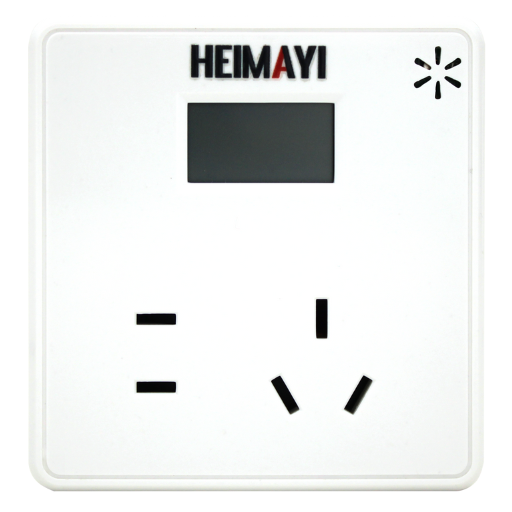
The best temperature logger is the one suited to your needs. Consider the following key criteria:
Key Takeaway: In conjunction with these principles, you will find a temperature logger system that meets your operational requirements and adheres to your reliability standards.
Key Features to Look For in a Temperature Data Logger
When selecting a temperature data logger, there are a few things that analysts might consider to help confirm the accuracy, reliability, and user-friendliness of their operation:
Wide Temperature Range
The logger you choose should be able to handle a broad range of temperatures for your applications, i.e., it should be able to work in extreme cold storage or high-temperature environments.
Accuracy and Precision
The instrument should obtain readings accurately with minimum deviation. Go for ones that specify an error margin and come with a calibration certificate for credibility.
Storage Capacity
Those that have enough internal memory to store data for more extended periods while the data collection continues without often needing to be downloaded are the ones to consider. The larger the capacity, the more critical its role in long-term monitoring.
Connectivity
Modern loggers include connectivity features for data transfer via USB or Bluetooth or Wi-Fi. Some even offer cloud integration, allowing for remote access and analysis.
Durability and Battery Life
If possible, get something rugged enough to withstand exposure to drops, vibrations, or harsh conditions. In terms of battery life, it should last a long time; otherwise, it should be rechargeable.
Calibration and Accuracy Considerations
What is Calibration?
Calibration is the technique of matching or determining the values of test data to specific, precise reference data, thereby eliminating inaccuracy in a measuring instrument. Calibration procedures require that modern data loggers be calibrated on a routine basis to verify their accuracy and ensure that these accuracy levels meet the specific needs of various applications.
Importance of Calibration:
- Improved Data Quality: Accurate calibration provides the reliability of measured data within an acceptable margin for further analysis or decision-making.
- Regulatory Compliance: Calibration is mandatory in many industries, including pharmaceuticals and food production, to ensure compliance with safety and quality standards.
- Longevity of the Measuring Instrument: Recalibration prevents degradation in performance due to aging effects, thereby ensuring optimal working conditions.
Types of Calibration:
Factory Calibration
This is the calibration carried out during manufacture, a quality check to ascertain that the system is working perfectly out of the box.
User Calibration
For long-term use, calibration is necessary so that the user can recalibrate a device in the field, for instance, to account for temperature drift caused by environmental effects.
Critical Insight: According to recent research, calibration accuracy can affect data resolution by up to 5-10% in highly sensitive cases if not properly maintained.
It is accordingly very necessary that temperature loggers for vaccine storage be recalibrated at least once a year, with a temperature difference criterion of ±0.5°F, since even the slightest discrepancy could jeopardize the effectiveness of the product.
Calibration Tools:
With advanced calibration tools, such as automated calibrators, temperature loggers can be supported by temperature calibration baths to expedite the process. Moreover, with new cloud-enabled systems, data loggers are capable of generating alarms when calibration windows are approaching, thus eliminating user intervention and ensuring uninterrupted good performance.
Bottom Line: Maintaining calibration upfront ensures ongoing compliance and quality, along with the guarantee of long-term reliability in multiple operating environments.
Technical Support and Related Products
In terms of calibration and data logging, robust technical support and product compatibility are crucial. Nowadays, leading producers offer technical support, including detailed instructions, online troubleshooting tools, and direct contact with an expert. Recent investigations have revealed that 24/7 customer support and live chat options are now being increasingly provided to facilitate real-time solutions for users when they encounter any calibration or data-logging requirements.
Any related product can include multi-channel data loggers, portable handheld calibrators, and sensor probes of enhanced quality. For example, multi-channel data loggers can accept multiple types of input simultaneously and are best suited for extensive industrial processes. A regular data logger can support a maximum of 16 channels for monitoring various processes efficiently, ranging from temperature measurement to humidity.
Many newly released products now come with cloud integration capabilities. The 2023 market report predicts a 25% increase in the adoption of cloud-connected calibration devices, as these instruments not only simplify data analysis but also send notifications regarding recalibration schedules, thereby helping to prevent operational delays.
Additionally, software compatibility is also important, as most high-end products are compatible with LabVIEW, MATLAB, or proprietary analytics tools, making data analysis easier.
Certified reference materials and test weight kits are accessories typically recommended for users who desire a high degree of precision. The certified reference materials and test weight kits are accompanied by traceable certification to national or international standards, ensuring validity in accordance with stringent quality procedures. The purchase of these accompanying products generally helps reduce downtime and improve the overall performance of the system, making it a suitable fit for any calibration-related workflow.
Key Point: The best systems are those in which an alliance between users and technical support is accompanied by knowledge of current products and innovations, ensuring that data logging and calibration operations remain highly productive, reliable, and compliant with relevant laws and regulations.
Future Trends in Building Automation and Data Logging
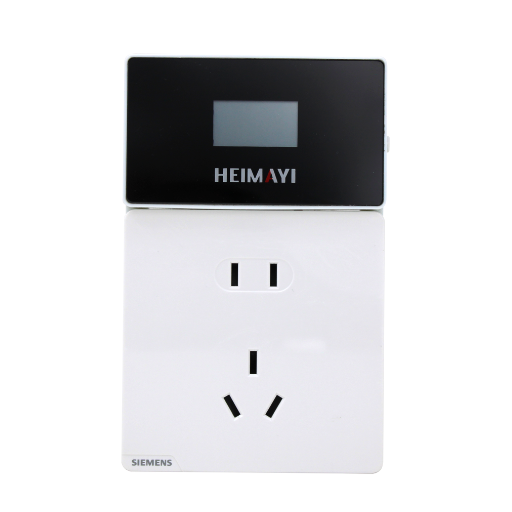
From innovative technology development to increased environmental sustainability, the market for building automation and data logging lies. Energy management and predictive maintenance have been enhanced through the use of AI and machine learning, resulting in more accurate outcomes. These systems learn from data to optimize building operations, lowering costs and improving efficiencies.
Another trend rapidly gaining momentum is the shift toward IoT-enabled devices, which enable enhanced connectivity and remote monitoring of systems and devices. This leads to innovative environments that are then reactive and able to be controlled in real-time.
Being energy-efficient has since become a significant focus, with newer data logging solutions now endorsing energy-efficient building designs, thereby meeting green building certifications. These innovations enable companies to reduce their carbon footprint and maintain environmental responsibility while meeting regulatory compliance requirements.
Future Outlook: Therefore, these future trends use new technology to bring efficiency, adaptability, and sustainability.
Advancements in Wireless Temperature Monitoring
Wireless temperature monitoring has witnessed various developments over the past few years, primarily driven by technological innovations and increasing demands for efficient, accurate, and remote solutions. Current systems utilize IoT (Internet of Things) technology to collect and transmit temperature data in real-time, eliminating the need for manual monitoring. Such systems are widely adopted in industries such as healthcare, food storage, production, and agriculture, where maintaining optimal conditions at stringent temperatures is critical.
One of the crucial developments is the emergence of cloud-based platforms, which provide users with access to temperature data at any time and from anywhere. In food storage, for instance, wireless monitoring systems ensure compliance with HACCP (Hazard Analysis and Critical Control Points) standards by continuously recording temperatures for storage and transportation.
According to recent reports, the global wireless temperature monitoring market is expected to grow at a compound annual growth rate (CAGR) of 7.1% from 2023 to 2030, underscoring the importance of quality and safety standards.
Another advanced feature is battery life extension, thanks to power-efficient sensors that reduce the need for maintenance. These sensors also support advanced features, such as AI-based predictive analytics, to guide users in identifying temperature anomalies and issuing preventive actions before the issue worsens. One case study in medicine involves innovative wireless systems that help maintain the conditions of pharmaceuticals in cold chain logistics, thereby ensuring drug efficacy and patient safety.
Essentially, advancements in wireless temperature monitoring systems continue to impact industries by providing real-time insights, enhancing operational efficiency, and ensuring compliance with regulatory requirements. These innovations contribute to improved productivity and sustainability by optimizing energy consumption and reducing waste.
Integration with Smart Building Systems
The wireless temperature monitoring system integrated with innovative building technologies increases automation, efficiency, and occupant satisfaction. Here are some crucial data points and details with respect to the integration:
HVAC Performance Optimization
Wireless temperature monitoring can and should be integrated with smart HVAC systems to apply real-time heating, ventilation, and air conditioning (HVAC) depending on occupancy and environmental parameters. This would give energy savings of approximately 30%, thus lessening operating costs.
Energy Efficiency Improvement
Smart buildings utilize real-time temperature fluctuations to optimize energy consumption, making these practices sustainable and potentially saving up to 25% in energy costs.
Predictive Maintenance
The system’s continuous observation enables it to detect early temperature anomalies. Data helps predictively maintain building systems, lessen downtime, and negotiate repairs, increasing equipment life by 20 to 40%.
Improved Indoor Air Quality (IAQ)
The systems can link temperature with humidity and ventilation to balance IAQ. This is highly beneficial for health-oriented environments, such as hospitals, that adhere to IAQ standards.
User-Centric Comfort Settings
Intelligent monitoring systems can provide requirements for temperature profiles for separate spaces or rooms of a building. This causes the highest amount of individual comfort through seamless adjustment to wearer preferences and maximum energy efficiency.
Integration Summary: Speaking honestly, these advanced integrations demonstrate how wireless temperature monitoring and intelligent building systems can be combined to create sustainable, efficient, and responsive environments.
Impact of Air Quality Monitoring on Temperature Data
Air quality has a direct relationship with the interpretation of temperature data inside a building and its subsequent management. If one can correlate air quality sensors with temperature measurement mechanisms, indoor environments can be manipulated to a certain extent accordingly. The five points given below illustrate this association:
CO2 Levels and Temperature-Preference Relation
Higher concentrations of CO2 make occupants feel warmer than the actual temperature, due to the perceived stuffiness. Therefore, the CO2 level must be monitored to adjust the HVAC for optimal temperature control.
Humidity Levels Influence Thermal Comfort
Air quality sensors measure humidity to regulate temperature and maintain an optimal level of moisture in the air. Greater humidity requires lower temperatures to be comfortable.
Particulate Matter and HVAC Efficiency
Monitoring of particulate matter (PM2.5 and PM10) enables HVAC operations to be carried out in an optimized manner. The cleaner the air, the better it is for thermal distribution while minimizing energy demand during air circulation.
Temperature Adjustment Due to VOC Concentrations
VOCs can influence people’s perception of temperature in the environment. Essentially, through the filtration of VOCs, accurate temperature control can be established.
Synergizing Ventilation and Temperature Control
Real-time air quality monitoring data allows one to identify when ventilation needs to be increased, which in turn can affect the temperature indoors. Coordinating this interplay produces a win-win situation for air quality and thermal comfort.
References
- Energy modeling and calibration of a mixed-use building with laboratories, offices, and classrooms
This paper discusses the use of building automation systems and data loggers for energy modeling and calibration. - Thermal performance of classroom block: a comparison of Hobo datalogger and design-builder
This study compares the performance of data loggers in monitoring temperature and humidity in classroom environments. - Building a monitoring system and preliminary results for a retrofitted office building
This document provides insights into the use of data loggers in building monitoring systems for retrofitted office buildings.







