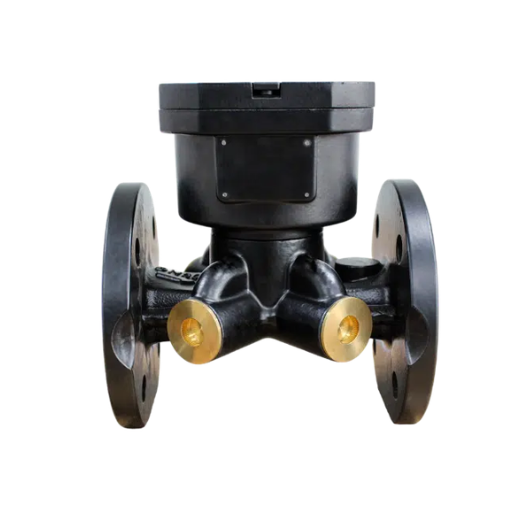
Energy Saving Temp Logger: Understanding Temperature Data Loggers and Their Role in Energy Efficiency
Temperature data loggers are paramount for the industrial sector as they capture energy usage inventory and analysis, and further management and optimisation. These are small but powerful instruments used for tracking temperature variations over a span of time and thus ensuring energy efficiency. Temperature data loggers supply crucial information in which to base decisions when it comes to storage, be it in a warehouse, HVAC systems in buildings, or energy wastage in industries. In this blog post, we will see how these devices measure temperature, the advantages they provide, and how they can catalyze energy management. Hold on and witness the great marriage between technology and sustainability, and see how the introduction of temperature data loggers may serve as a launchpad towards a more energy-efficient world.
Introduction to Data Loggers
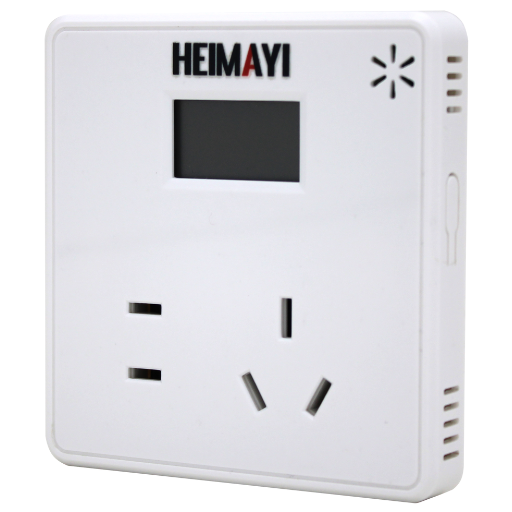
Data loggers are small electronic instruments that measure and record environmental parameters, such as temperature, humidity, or pressure, over a specified period. They have sensors and storage facilities, providing trustworthy readings necessary for analyzing and subsequently improving energy efficiency. Easy to use and highly effective, data loggers help establish parameters, detect inefficiencies, and optimize energy usage in various instances.
What is an Energy Saving Temp Logger?
An Energy Saving Temp Logger is a specialized type of temperature logger that tracks and logs temperature fluctuations in order to identify potential energy conservation opportunities, enhance efficiency, and reduce operational costs.
Types of Data Loggers
There exist several types of data loggers, each suited to a specific kind of application or environment. Below is a detailed outline of these different types, including their functions and applications.
1. Temperature Data Loggers
These kinds of data loggers measure and record temperature levels with instruments that may be considered somewhat time-dependent. The food, pharmaceutical, and climate monitoring industries have employed temperature data loggers. Modern temperature data loggers typically feature high accuracy and programmable alarms, and some models also allow for easy data sharing via Bluetooth or Wi-Fi connectivity. For instance, a top-notch temperature data logger can measure temperature from −40 °F to 185 °F with an accuracy of ±0.1°F.
2. Humidity Data Loggers
Humidity data loggers track and record relative humidity, typically in conjunction with temperature monitoring. The user’s needs and applications include HVAC systems, greenhouses, and museums, where they want to maintain an optimal environment. Real-time monitoring is also possible in sophisticated systems, with calibration to retain accuracy.
3. Energy Data Loggers
Energy data loggers measure voltage, current, and power consumption as a method for analyzing energy consumption patterns. These devices help identify inefficiencies, prevent energy waste, and reduce costs. For example, plural-channel types can watch several circuits concurrently while recording kWh data with deep accuracy.
4. Multi-Parameter Data Loggers
They are essentially versatile measuring instruments for measuring various variables, such as temperature, humidity, intensity, or CO2 levels. These are common in complex environments, such as research facilities or industrial settings. For instance, a multi-parameter logger with wireless connectivity eliminates all the hassles involved in data collection over extensive, parameterized areas.
5. USB Data Loggers
USB data loggers are very inexpensive solutions and are suited more for smaller applications. These data loggers have internal storage in which they log their data, and users can connect their computers via USB to download the data. Their portability and simplicity make them dominant for short projects or routine fieldwork.
6. Wireless Data Loggers
Wireless data loggers utilize Bluetooth, Wi-Fi, or cellular networks as a transmission medium for remote monitoring. These are recorded in conditions that require near real-time data acquisition and prompt action, such as environmental monitoring or industrial automation systems.
7. Vibration Data Loggers
It refers to the term used for vibration data loggers that detect and track vibrations, especially in mechanical and structural systems. These are highly essential in the field of predictive maintenance, wherein the prevention of machine downtime is crucial.
8. Cold Chain Data Loggers
Cold chain data loggers are specifically designed to serve the purpose of temperature logging in refrigerated supply chains, where it is essential to ensure that perishable items, such as vaccines or foodstuffs, do not undergo adverse temperature extremes. For instance, many of these models utilize GPS-equipped probes to track the goods in transit.
With these technological advancements, data loggers have become highly flexible and versatile in providing solutions to the needs. Equipped with long-life batteries, they utilize cloud connectivity and analysis tools to make real-time decisions across various sectors.
Importance of Using Data Loggers
The data logger is the crucial component of data acquisition that captures data with a high degree of accuracy from various sources across industries. It can record varying data in a manner that encourages both efficiency and safety, as well as informed decision-making. Below are five reasons behind the use of data loggers:
📊 Monitoring for Accuracy in Conditions
These loggers make precise measurements for variables, such as temperature, humidity, and pressure, among others. These accuracies must satisfy very stringent requirements of industrial testing, especially in the pharmaceutical and food industries.
✅ Better Quality Control
By monitoring environmental conditions for prolonged time frames, data loggers help ensure the quality and integrity of sensitive products. In vaccine storage, for instance, the data loggers help ensure that vaccines are stored within the specified temperature ranges to avoid being set aside or spoiling.
💰 Cost Saving
The automated recording of data means fewer manual observations, and consequently, the saving of time and labor costs. Constant monitoring also helps identify potential problem areas early enough to avert possible product losses or damage to equipment.
📋 Regulatory Compliance
Most industries are subject to regulations that require the maintenance of detailed records regarding environmental conditions. These data loggers do that automatically, defending themselves upon audit or review.
⚡ Real-Time Data for Improved Decision-Making
Today’s systems’ data loggers provide instant, real-time insights that allow an organization to react and make informed decisions immediately, whether adjusting processes or re-routing logistics, thereby mitigating downtime or risk.
Through integration, these devices help the industry refine its working methods and reduce risk, thereby improving product reliability and gaining a competitive edge.
Temperature Data Loggers for Energy Monitoring
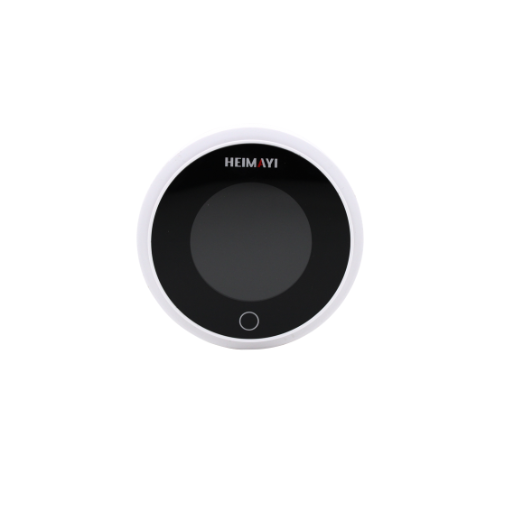
Temperature data loggers provide temperature readings over a continuous time interval in energy systems for monitoring purposes. They thus assist in identifying certain inefficiencies, such as heat losses in buildings or through equipment, to optimize energy usage. Examining temperature trends can inform decisions to reduce energy waste and enhance system performance. They must be used to ensure energy efficiency to fulfill sustainable operational objectives.
How Temperature Data Loggers Work
Temperature data recorders function by integrating a sensor, internal storage, and a processor to measure and log temperature data at set time intervals. Thermocouples, thermistors, or resistance temperature detectors (RTDs) are generally used as sensors in temperature loggers to sense temperature fluctuations with utmost precision. The stored data can be accessed through a USB port, Bluetooth interface, or any cloud-based system for further analysis.
Modern temperature data loggers would behave better due to advanced technologies. Wireless connectivity is one such enhancement, enabling easy data retrieval, remote data acquisition, and continuous temperature monitoring with minimal interference, particularly in scenarios where physical access to the location is challenging, such as interior industrial plants, warehouses, or vehicles. Measurement data reveal that some of the more advanced loggers of today achieve an accuracy of ±0.1°C, making them suitable candidates for critical activities where such precision is warranted, such as vaccine storage and laboratory settings.
Temperature data loggers may also offer programmable settings, allowing users to define the data sampling rate or alarm thresholds. From a technical point of view, this could mean sampling data as often as every second or as seldom as once an hour, depending on the data logger used, which in turn allows a level of customization according to one’s specific monitoring requirements. Reports indicate that certain modern models can store up to one million readings, enabling long-term data collection without requiring constant maintenance or manual inspection.
In conjunction with the accuracy of sensors, digital processing, and user-friendly graphical interfaces, temperature data loggers become an essential instrument that can be applied in various sectors, including health, food processing, energy management, and logistics, resulting in substantial cost savings and increased profitability.
Applications in Energy Saving Measures
The temperature data loggers aid in energy-saving initiatives by collecting precise, actionable data. They possess numerous applications and hold great potential to reduce energy consumption and optimize processes. Here are five significant temperature applications data loggers for energy saving:
- Heating, Cooling, and Air Conditioning Systems Optimization
Temperature data loggers determine temperature variations within heating, ventilation, and air conditioning (HVAC) systems and areas prone to inefficiencies, such as overcooling or overheating. Accordingly, a facility can adjust the HVAC settings to achieve energy savings and cost reduction. The energy savings from HVAC optimization through accurate temperature monitoring have been found in the region of 15%. - Energy-Efficient Building
Temperature data loggers are used in the design and testing phases of energy-efficient buildings to monitor retention periods, insulation, and thermal performance. This guarantees sustainable designs with minimized energy requirements in the long run. - Refrigeration and Cold Storage Management
Temperature loggers accurately monitor temperatures within refrigerated systems, maintain cooling efficacy, and prevent overcooling, which would waste excess energy and shorten the equipment’s lifespan. For instance, a minimum energy usage of around 10% can be achieved for a cold storage system by maintaining the temperature within the required operational range. - Industrial Process Control
Many industrial processes require maintaining different temperatures for productive operation, such as those in chemical manufacturing or steel manufacturing. Data loggers provide real-time feedback, ensuring that temperatures remain within ranges that optimize efficiency, thereby reducing unnecessary energy use. - Smart Energy Audits
During energy audits, data loggers monitor temperature trends across different zones of a facility. The granular data pinpoints high-energy-use areas, allowing for targeted measures such as improving insulation, recalibrating equipment, or shifting to more efficient energy options.
Such applications reflect the variety of temperature data logger applications in energy-use reduction and improving their efficiency in various industries.
Benefits of Monitoring Temperature for Energy Efficiency
🔥 Energy Waste Reduction
Monitoring temperature allows for identifying energy waste, including overheating or overcooling in zones. On rectifying such conditions, facilities will reduce energy wastage and thereby lower costs.
⚙️ System Efficiency Improvement
When the temperature of any equipment, especially HVAC or refrigeration units, is monitored continuously, the equipment can be recalibrated to function optimally. In doing so, the equipment will last longer and use energy efficiently.
💵 Cost Savings
Addressing temperature-related inefficiencies can significantly reduce energy costs for any company. Even a few incremental changes, such as sealing leaks or fine-tuning equipment usage, could enable a company to generate substantial long-term savings.
🌱 Environmental Footprint Reduction
Efficient use of energy implies a reduction in carbon emissions. By effectively monitoring and controlling temperature levels, an organization can limit its environmental footprint and further its sustainability goals.
📋 Compliance and Safety
Temperature control is tightly regulated by several laws in certain industries, particularly in the food and pharmaceutical sectors. The monitoring provides compliance, security, and freedom from the law, while saving costing energy.
Power Data Loggers and Their Applications
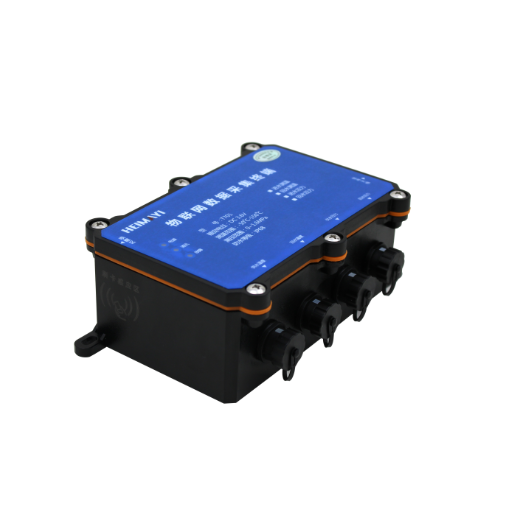
Power data loggers are applied as multipurpose tools to measure and analyze electrical parameters in various systems and environments. They provide insight into electricity consumption, power quality, and efficiency, making them applicable in many industries. The significant applications of power data loggers include the following:
- 📊 Energy Audit: Power data loggers allow the detection of energy inefficiencies by monitoring power utilization trends over time. Measures can then be taken to curb energy waste and reduce utility bills.
- ⚡ Load Monitoring: Whenever equipment is monitored for its performance and power consumption, the power data logger will recognize any abnormalities or overloading, making sure that operation is within safety constraints and prolonging equipment life.
- 🔍 Power Quality Analysis: These tools are used, among other applications, for power quality checks to detect voltage sags, surges, and harmonic distortions, thereby improving reliability and minimizing downtime.
- 🌞 Renewable Energy Systems Monitoring: Power data loggers measure energy production and efficiency parameters for solar panels, wind turbines, and other renewable energy systems.
- 🔧 Preventive Maintenance: Ongoing monitoring with power data loggers enables the early detection of anomalies in electrical systems, thus permitting preventive maintenance to avoid expensive breaks.
Understanding Power Data Loggers
Power data loggers are state-of-the-art instruments designed to record and analyze electrical parameters over a defined interval. They are pivotal in assessing energy consumption trends, identifying inefficiency areas, and ensuring that electrical systems perform at their optimal level. With the emergence of new technology, the modern power data logger can accurately measure voltage, current, power factor, harmonics, and energy consumption parameters with high-side accuracy.
Features and Capabilities of Power Data Loggers
🎯 High Accuracy Measurements
The present-day power data loggers ensure precise readings, with an accuracy margin well within ±0.1% or better. Thus, this data can be considered dependable, which is crucial for applications such as energy audits and compliance checks.
📡 Real-Time Monitoring
Many contemporary power loggers provide a real-time display of their data, which can be viewed through user-friendly interface software on desktop or even mobile devices. Real-time visualization enables the quick identification and resolution of an issue in the present moment.
☁️ Storage and Connectivity
Most advanced models provide a very long data storage capacity and also support data storage access, such as cloud integration. Bluetooth, Wi-Fi connectivity, and Ethernet are typical options an advanced power data logger can provide for seamless data transfer and remote access to the stored data.
🏭 Wide Range of Applications
These devices are applicable in several sectors, including industrial machinery, energy consumption in industries, and energy consumption measurement. For example, during a recent energy audit of a commercial building, it was discovered through the use of a power data logger that standby power consumption was excessive, which led to cost-saving changes that reduced energy expenditures by 15%.
Most Recent Data Trends From Studies
Research conducted in 2023 highlights the increasing adoption of power data loggers across various industries. According to a report released by MarketsandMarkets, the global power data logger market is projected to grow at a compound annual growth rate (CAGR) of 7.2% from 2023 to 2028, driven by mounting pressure from energy efficiency initiatives and demand for renewable energy monitoring systems.
Again, in renewable energy systems, power data loggers helped with the outright optimization of solar panel installations. A case study involving a solar plant in California revealed that energy output was increased by 10% through the identification of system inefficiencies by a power data logger.
Benefits of Using Power Data Loggers
💰 Cost Savings
By detecting energy wastage or inefficiencies, power data loggers enable companies to take immediate remedial measures to reduce unnecessary energy expenses.
🔧 Improved Reliability
Through continuous monitoring, unforeseen equipment failures and their causes can be identified well in advance, thus providing much-improved reliability to systems and longevity.
🌱 Sustainability Goals
For companies seeking to reduce their carbon footprint, these devices offer actionable insights to lower overall energy consumption and support green initiatives.
Power data logging systems, featuring cutting-edge hardware and software, are now indispensable tools for realizing energy savings and ensuring electrical system integrity in various related fields. The evolving technology assures that they remain an essential device for energy management in the times to come.
Using Power Data Loggers in Commercial Buildings
Power data loggers play a pivotal role in enhancing the efficiency of energy consumption within commercial buildings. Given the need for energy efficiency from both environmental and economic perspectives, these instruments can be used to monitor and analyze energy usage patterns. For instance, energy use statistics indicate that commercial buildings in the U.S. alone account for roughly 19 percent of energy consumption, with nearly 40 percent of the total energy being used for HVAC. Power data loggers provide facility managers with a window into tracking energy waste, enabling them to target energy-saving measures and reduce operational expenses.
The equipment evaluates energy waste, for instance, by detecting lights or HVAC systems running during unoccupied hours. Equipped with real-time monitoring and data analytics, this will enable building managers to make informed decisions, such as scheduling operations during off-peak hours when electricity rates are lower. Furthermore, the data from the power logger can be used to ensure compliance with energy standards, such as ASHRAE 90.1, which outlines energy efficiency codes for commercial buildings.
Under new trends, including IoT integration with power loggers, power loggers are increasing in their ability to perform more tasks. IoT-enabled loggers provide continuous monitoring through the cloud, creating very detailed reports that users can access remotely from anywhere. For example, studies have demonstrated an average energy savings of up to 25% in commercial installations when deploying IoT-based energy monitoring systems. This is more than mere saving; these tools encourage sustainability, enabling companies to reduce their carbon footprint and meet global environmental standards.
Thus, the installation of power data loggers in commercial settings enables companies to gain key insights into their energy usage, resulting in increased operational efficiency and sustainability. These tools are indispensable to foster a greener future by modernizing energy management.
Analyzing Energy Usage with Power Data Loggers
Power data loggers are the most accurate yet sophisticated instruments for monitoring and logging energy use. Therefore, the devices require monitoring of different electrical parameters, including voltage, current, power factor, and energy consumption. Commercial consumption of energy accounts for approximately 40% of all energy used, underscoring the critical need for energy monitoring products.
By being attached to the electrical system, power data loggers capture real-time data that could be studied to identify inefficiency or abnormal consumption patterns. Data from a study conducted by the U.S. Department of Energy indicate that nearly 30% of energy in commercial buildings is lost due to inefficiencies, such as equipment running during off-peak hours. Power data loggers can help identify these inefficiencies, allowing for corrective measures to be taken and improving energy consumption.
Additionally, some of the extremely high-end models may integrate with cloud software for presenting and reporting data to site management. This allows facility managers to track trends in energy usage, establish energy benchmarks, and forecast future energy demands. According to reported cases, the use of data logger analysis allowed several organizations to reduce energy consumption by up to 20% by fixing peak energy load-time issues.
The implementation of power data loggers enhances operational efficiency, ensuring the business remains on a sustainable track. With such precise measurement of energy usage, industries can further comply with green building standards such as LEED (Leadership in Energy and Environmental Design) or ISO 50001, which heavily emphasize energy performance improvement. These insights provide a comprehensive overview of cost reduction strategies and initiatives that contribute to a greener planet.
Choosing the Right Energy Data Logger
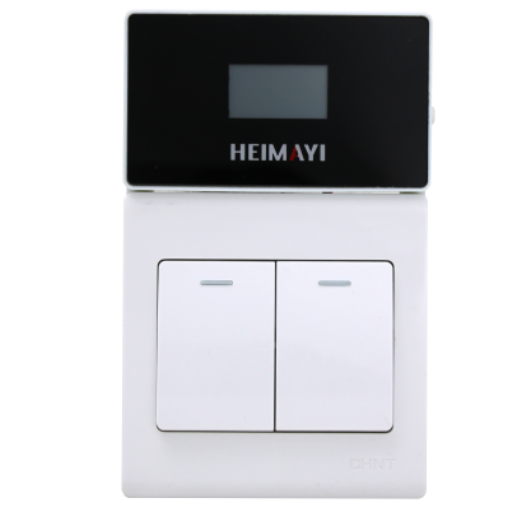
The top things to keep in mind when choosing the right energy data logger depend on your specific needs:
📊Measuring Parameters
Ensure that the logger measures the necessary parameters, including voltage, current, power, and energy consumption.
🎯Accuracy and Reliability
From the user’s perspective, the logger should provide them with accurate data, ensuring unequivocal accuracy, so that they can use it for analysis and informed decision-making.
🖥️Ease of Use
Seek out models that are easy to set up and operate and offer a straightforward way to visualize your data.
📈Scalability
Select a solution based on the size of your system, which ranges from small-scale to large-scale industrial monitoring.
💾Access to Data
Ensure the logger provides access to storage or facilitates the easy provision of data transfer channels to the end receiver, whether via cloud or USB.
🛡️Durability
Opt for a sturdy logger with the ability to withstand certain conditions, such as temperature extremes or humidity, if your logging requirements involve harsher environments.
By considering the above-listed criteria, you can select an energy data logger that best suits your goals and operational requirements.
Factors to Consider When Selecting a Data Logger
Accuracy and Resolution
When considering a data logger, precision matters. With the latest models, resolutions of ±0.1% for energy measurement are achieved, ensuring highly reliable data. According to a recent report from MarketsandMarkets, innovations in microcontroller technology have enabled data loggers to achieve accuracy previously unattainable, thereby making them suitable for use in industrial and research applications.
Battery Life and Energy Efficiency
The longer the battery life, the better the option for ensuring uninterrupted operation. The newer models of energy data loggers now come with power-efficient elements, allowing some devices to operate for up to 5 years on a single battery. Solar-powered loggers have gained popularity among industries that prioritize sustainability.
Wireless Connectivity and Integration with IoT
One of today’s trends is an increase in the distance over which IoT-enabled data loggers can operate. Through Wi-Fi, Bluetooth, and Zigbee-based protocols, devices allow real-time data transmission to cloud platforms without the need for manual data retrieval. According to Grand View Research, the demand for IoT-enabled data loggers is said to grow at a CAGR of 7.5% between 2023 and 2030.
User-Friendly Interfaces
Thanks to touchscreens and mobile apps that allow configuration and monitoring, data loggers have become user-friendly. They also rely on software that automatically analyzes data, allowing users to create comprehensive reports without requiring sophisticated technical knowledge.
Environmental Suitability
One must invest in a data logger made for that particular environment. Currently, rugged variants come with IP68-rated enclosures, making them completely dustproof and waterproof. When working in extreme temperature conditions, consider those who can function at temperatures ranging from -40°F to 185°F (-40°C to 85°C).
The advanced data loggers with IoT connectivity, greater energy efficiency, and enhanced ruggedness meet present-day challenges and those ahead. The utilization of such innovations would ensure that dependable and actionable insights into business management are gained, thereby optimizing operations and reducing energy costs.
Features of a Good Temperature Logger
🌡️ Wide Temperature Range
From one perspective, a quality temperature logger should also be suitable for measuring and recording temperatures in a wide range, say from -40°F to 185°F (-40°C to 85°C). This gives the device universality and a chance to be used in all sorts of environments, including extreme situations.
🎯 High Accuracy and Precision
The answer to effective temperature monitoring is high accuracy and precision. From one point of view, you want a good logger that ensures minimal deviation, typically within ±0.5°C, thereby providing trustworthy data for sensitive applications.
🔋 Long Battery Life
A long battery life is essential for uninterrupted data capture, especially if the logger is installed in remote places or if data acquisition is long-term. In fact, some of these devices can take several months or years to consume the first battery.
📡 Real-Time Data Logs and Alerts
Advanced temperature loggers feature IoT connectivity, enabling the translation of measurements into actionable data on cloud platforms or mobile devices in real-time. Additionally, they provide alerts to anyone interested in temperature anomalies, allowing prompt interventions.
🛡️ Rugged and Durable
Due to its operational capabilities in extreme conditions, a good temperature logger should be rugged, weather-resistant, or even waterproof to some degree. This makes it more reliable and long-lasting in the eyes of anyone operating it in a stringent environment.
Popular Models: Hobo MX and Beyond
Temperature loggers have been developed to fulfill various needs, offering advanced capabilities and durability with reliable performance. Some of the well-known and efficient technologically advanced models include:
With these options, a variety of options are provided to meet specific needs, assuring temperature monitoring in every industry.
Monitoring Apps and IoT Integration
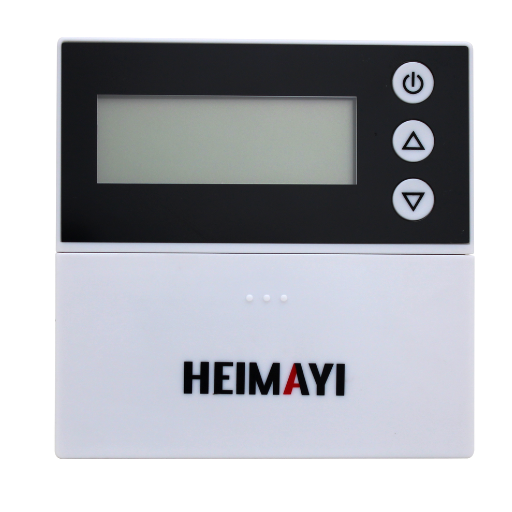
Monitoring apps with IoT integration enable users to view temperature data in real-time, creating useful tools for convenience and precision. Some of these include customizable alerts, cloud storage for historical data, plus easy device pairing options. Through IoT technology, temperature loggers can be set up to sync with remote access and management apps automatically. This enables a timely response to any potential issue, thereby enhancing the level of efficiency and reliability in areas such as supply chain monitoring, environmental studies, and HVAC.
Benefits of Wireless Monitoring Solutions
Wireless monitoring solutions can benefit businesses in any operational setting, enhancing efficiency, data accuracy, and convenience. Looking further into this, here are five primary benefits:
⚡Real-Time Data Access
Different wireless monitoring systems provide users with timely access to real-time data, enabling them to monitor and respond to changes in real-time. In industries such as healthcare or logistics, delays caused by late information can result in costly mistakes.
🔧Easy Installation and Scalability
Unlike their wired settings, these wireless installations require little to no cable installation; therefore, setting up becomes a fast process. Furthermore, these setups can be scaled swiftly to application demands as operations expand, without any significant interruptions.
🎯Higher Accuracy, Fewer Human Errors
Automated data collection is one way of reducing manual recording errors. The sensors and monitoring devices registered with them are designed to provide precise readings, thereby allowing critical processes to continue without interruption.
🌐Remote Accessibility
Most wireless monitoring systems have cloud-based solutions that enable users to view data from anywhere using smartphones, tablets, or computers. This ensures that one’s physical presence does not limit the ability to manage, monitor, and audit.
💰Cost and Energy Efficiency
The wireless monitoring solution offers a cost-saving perspective in the long run by reducing maintenance required on hardware and operational downtime. Additionally, the majority of these systems consume less energy, thereby promoting sustainability and ultimately reducing unit electricity costs.
How IoT Enhances Temperature Monitoring
IoT is a technology that enables temperature monitoring with real-time data and remote access through connected devices. I can track temperature variations and receive alerts instantaneously, allowing me to address every issue immediately. This technology guarantees precise data, reducing human effort and helping optimize maintenance.
Using Monitoring Apps for Real-Time Data Access
Monitoring apps represent the most innovative ways of harvesting real-time data, thus ensuring proper monitoring and management of conditions. This includes, for example, analyzing long-term trends, issuing alerts, and creating various reports. Here are the five main features that monitoring apps generally contain:
- 🚨Real-Time Alerts
The app sends out alerts or notifications if the temperature deviates from the acceptable threshold, allowing for speedy intervention and resolution of the issue. - 📊Historical Data Logs
One can access and store data trends for specific periods, which helps in analyzing performance and making informed decisions. - 🎛️Customizable Dashboard Views
Most apps come with dashboards that can be customized to display only the most critical data, making monitoring a more streamlined experience. - 🔗IoT Device Integration
These apps can most often integrate with IoT-enabled sensors and systems for a seamless experience regarding more precise results and real-time connectivity. - 📋Export of Data and Reports
Apps provide an environment wherein users can generate data reports for documentation and analysis from almost any format supported by the app.
With all these features, monitoring apps establish themselves as essential tools to keep everything performing at its best and reacting quickly to situation changes.
References
- Springer: Design and implementation of low-cost real-time energy logger for industrial and home applications – This article discusses the design and application of energy loggers for both industrial and home use.
- Wiser Publisher: Power Consumption Minimization of a Low-Cost IoT Data Logger for Photovoltaic System – Focuses on energy-efficient IoT data loggers, particularly for photovoltaic systems.
- ScienceDirect: Investigation of energy savings potential of multi-variable differential temperature control in economizer – Explores energy-saving potential through temperature-based control systems.
Frequently Asked Questions (FAQ)
❓ What are energy-saving temp loggers?
Energy-saving temp loggers are devices for accurately recording temperature and humidity levels in different environments. They enable organizations to monitor energy consumption while highlighting potential avenues for actualizing energy savings, thus becoming vital for energy management and environmental monitoring.
⚙️ How do temperature data loggers function?
Data loggers utilize built-in sensors to measure temperature at predetermined intervals. The data thus collected is stored in the logger’s memory for export and subsequent analysis. Many loggers also support wireless connectivity, allowing users to monitor the logger and collect data in real-time via mobile devices or cloud platforms.
🏢 What are the benefits of data loggers in HVAC systems?
Data loggers optimize HVAC systems by providing detailed information related to energy use and environmental conditions. By continuously considering temperature and humidity, this monitoring enables improved control of the system, allowing for enhanced quantification of its energy performance, minimization of energy wastage, and improvement of indoor air quality.
🎯 How can I make sure that tracking is accurate using a temp logger?
Perform regular calibrations of the temperature loggers following the manufacturer’s recommendations. Calibration checks the accuracy of the sensors and ensures the data collection process remains reliable over time, which is crucial for successful environmental monitoring and data analysis.
🔬 What type of sensors does an energy-saving temp logger use?
Energy-saving temp loggers typically use very accurate metal oxide sensor types, such as thermocouples and analog sensors. They offer very accurate measurements of temperature and humidity, providing precise data for monitoring indoor conditions and helping to ensure that HVAC systems deliver optimal performance.
📱 Can I check the indoor conditions wirelessly?
Yes, modern energy-saving temperature loggers typically offer wireless capabilities for allowing users to monitor indoor conditions remotely. By employing IoT technology and applications like Hoboconnect, users can access data in real-time through mobile devices. This option adds convenience and connectivity to data logging.
💧 How does humidity data affect energy monitoring?
The energy monitoring concept considers humidity data as one of its key factors, as it significantly influences energy consumption and indoor air quality. If organizations keep track of humidity, they can pinpoint areas that require correction, allowing them to adjust their HVAC systems for significant energy savings.
🛒 How do I pick the correct data logger for my needs?
To select the appropriate data logger for your needs, consider storage, sampling intervals, and specific features such as wireless connectivity or the availability of monitoring apps. Ensure you are familiar with your requirements, whether for cold chain management or environmental monitoring, to make an informed choice when selecting a logger.
📈 What importance does long-term monitoring hold in energy management?
Long-term monitoring is essential in energy management as it facilitates the determination of trends and patterns of energy use over a period of time. When firms long-term monitor temperature and humidity, the monitoring forms a basis for making informed decisions regarding improvements in energy opportunities and areas for cost reduction.