

Office Room Temp Logger: Essential Tools for Monitoring Temperature and Humidity
Temperature and humidity control for office interiors are regarded as less important than they should be. These contribute immensely to the comfort of employees as well as the productivity levels, and sometimes even the service life of office equipment. An office room temperature logger is therefore imperative to check these environmental parameters for harmony and health. In this article, the importance of temperature and humidity monitoring, possible consequences of its neglect, and how trusted temp loggers can help yield real-time data for office optimization are discussed. So, whether you’re a facility manager, office administrator, or just someone concerned about an ideal workspace, this will definitely give you the power to make informed decisions.
Introduction to Temperature Loggers
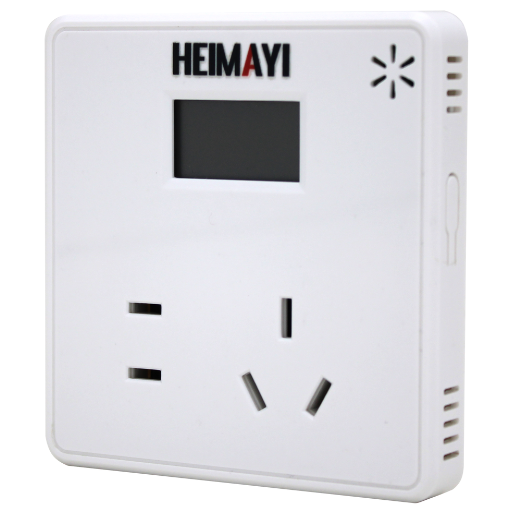
Temperature loggers record the temperature throughout the day, keeping an exact record of the temperature. With this information, safe levels can be maintained in areas that need temperature control, such as offices, warehouses, and even server rooms. Given their fundamental nature in sensing fluctuations and precipitating the required changes to maintain optimal conditions, the unit needs to be reliable and easy to operate so as not to be impaired by delays or malfunctions.
What is a Temperature Logger?
Temperature loggers are electronic instruments equipped with sensors and software that continuously record temperature, allowing the data collected to be analyzed in a specific environment.
Importance of Monitoring Temperature and Humidity
Monitoring temperature and humidity in various industries and environments is crucial, as it takes into account safety, efficiency, and quality. When these environmental parameters change, various processes, storage, and living standards may be profoundly affected. Here are five primary reasons for monitoring temperature and humidity:
🍎 Preservation of Perishable Goods
Maintaining proper temperature and humidity is crucial in industries such as food storage and pharmaceuticals. For example, vaccines must be stored within a temperature range of 2°C to 8°C to remain effective. These conditions must be checked to ensure the vaccine is not spoiled or about to lose effectiveness.
🏠 Ensuring Comfort in Indoor Environments
Temperature and humidity are the two primary factors that impact indoor air quality and comfort. High humidity levels promote mold growth, while low humidity levels can lead to respiratory ailments and discomfort. The use of HVAC systems, coupled with temperature loggers, aims to create an indoor environment with better conditions.
⚙️ Preventing Equipment Failure
Server rooms and manufacturing plants contain sensitive equipment that mutates when the temperature exceeds its safe operating level. Monitoring these environments constantly keeps the environmental situation within its recommended limit and ensures less downtime.
🏗️ Maintaining Building Structures
This fluctuation of moisture creates havoc with the building materials, such as wood, paint, and drywall, over time. By regularly monitoring, one can avoid problems such as warping, cracking, and mist formation, thereby prolonging the structure’s lifespan.
📋 Compliance with Regulatory Standards
Many industries, including healthcare, manufacturing, and storage, have strict guidelines for environmental conditions. Precise temperature and humidity monitoring ensures that these regulations are met, thereby avoiding fines and maintaining quality control.
With efficient monitoring setups, industries can enjoy increased productivity, reduced risk, and optimal performance.
Applications of Temperature Data in Office Settings
Temperature data significantly impacts the atmosphere, affecting the comfort, safety, efficiency, and productivity of an office. The following are the top five applications of temperature data in office settings:
- #1 Optimizing Employee Comfort
Monitoring temperature data ensures that the office environment remains within a comfortable range, minimizing distractions and promoting productivity. Research says that the ideal temperature for most workers in the workplace ranges between 68°F and 76°F.
- #2 Energy Efficiency Management
Temperature data can be used for energy conservation and evaluating office comfort by controlling air conditioning units through balancing operations. Lower utility bills result in a lower environmental rating for the office.
- #3 Protecting Sensitive Equipment
Specific office equipment, like servers and electronics, works best within a specified range of temperatures. Temperature data helps prevent key devices from being damaged due to overheating, thereby ensuring their longevity and reliability.
- #4 Improving Air Quality Control
Monitoring temperature under proper humidity levels will help maintain healthy indoor air quality. This may help reduce mold formation and improve health in the overall office.
- #5 Ensuring Compliance with Workplace Standards
Many workplace safety standards require businesses to maintain specific temperature ranges. Monitoring and documenting temperature data ensures that offices remain compliant and provide documentary evidence during inspections or audits.
Types of Temperature and Humidity Monitors
| Type | Key Features | Applications | Advantages | Disadvantages |
|---|---|---|---|---|
| Capacitive Humidity | Measures relative humidity (RH) | HVAC, weather stations, printers | Wide range, stable, low cost | Limited accuracy below 5% RH |
| Resistive Humidity | Measures RH via resistivity changes | Industrial, residential, commercial | Low-cost, remote monitoring | Sensitive to contaminants |
| Thermal Conductivity | Measures absolute humidity (AH) | Ovens, kilns, and food dehydration | High resistance, suitable for extremes | Affected by non-nitrogen gases |
| Thermocouple | Measures temperature via voltage changes | Industrial, general applications | Durable, wide range, cost-effective | Lower accuracy |
| Infrared | Non-contact temperature measurement | HVAC, solar panels, IT systems | Portable, low power | Limited to surface temperature |
| RTD (Resistance) | Correlates resistance with temperature | Precision instruments, industries | High accuracy, stable | Expensive |
| Thermistor | Sensitive to temperature changes | Current control, compact devices | High sensitivity, small size | Poor linearity |
| Silicon Diode | Tracks extreme temperatures | Rocket fuel, specialized industries | Handles extreme conditions | Limited applications |
| Integrated Sensors | Combines temperature and humidity | General monitoring | Compact, versatile | Limited to specific environments |
| Split Sensors | Separate temperature and humidity parts | Specialized setups | Flexible configurations | Requires more space |
Wireless Temperature and Humidity Monitors
Wireless temperature and humidity monitoring systems are high-end devices that enable real-time data collection and remote monitoring. These devices utilize wireless technologies such as Wi-Fi and Bluetooth for transmitting data to receiving devices, including the owners’ smartphones, tablets, or cloud-based systems. The following are the details and features that make these monitors indispensable:
📊 Real-Time Monitoring
Wireless monitors provide live updates of temperature and humidity levels, allowing users to promptly act upon any changes. For example, smart sensors such as SensorPush HT1 monitor provide temperature data with an accuracy of ±0.2°C and ±2% relative humidity.
📱 Remote Access
Most wireless devices enable users to check environmental conditions from anywhere, using a dedicated mobile app or accessing the web. The Govee Wi-Fi Temperature Monitor stores information in the cloud, providing users with access to their data from any location and at any time.
🚨 Data Logging and Alerts
Monitors can log and maintain data for extended periods, which is ideal for compliance documentation and trend analysis. Meanwhile, alerts can be configured to notify the user via push notifications, SMS, or email when levels exceed the desired threshold.
🔋 Battery and Connectivity Choices
Wireless options are configured to be energy-efficient, with batteries capable of lasting several months on a single charge in some models. Some models are Wi-Fi-enabled for constant connectivity while maintaining optimal performance, such as the Temp Stick.
Use Cases
- Workplaces: Maintaining conditions fit for an environment to enhance employee comfort and efficiency.
- Food Storage: Making sure that temperature or humidity variations do not compromise the safety of perishable goods.
- Server Rooms: Avoiding overheating and eventual system failure by closely monitoring this critical environment.
- Greenhouses: Setting and maintaining conditions for plant protection and growth.
Example Data from Leading Wireless Monitors
| Monitor Model | Temperature Range | Humidity Range | Connectivity | Price Range |
|---|---|---|---|---|
| SensorPush HT1 | -40°F to 140°F | 0% to 100% | Bluetooth with optional gateway | $50 – $70 |
| Govee Wi-Fi Monitor | -4°F to 140°F | 0% to 99% | Wi-Fi | $40 – $60 |
| Temp Stick | -40°F to 125°F | 0% to 100% | Wi-Fi | $150 – $200 |
Utilizing wireless temperature and humidity sensors, optimizing environmental parameters is a breeze for corporate bodies and homeowners, who now also profit from remote access and data analytics. These devices are invaluable for ensuring compliance, reducing risks, and improving efficiency.
USB Temperature Data Loggers
USB temperature data loggers are essential for monitoring environmental conditions promptly. Small in construction and easy to carry around, they can hold temperature readings in their internal memory, which can be later transferred for analysis through a USB connection. The use of USB data loggers spans the pharmaceutical, food, and distribution industries, enabling the validation of all relevant standards with credible data.
⚡ Major features of USB temperature data loggers:
- Temperature Range: Usually broadly distributed, for instance, from -40°F to 185°F (-40°C to 85°C), allowing them to be used in a variety of applications.
- Memory Capacity: Could hold tens of thousands of readings in some models, making it appropriate for long monitoring.
- Battery Life: Battery life can be considered extended in some products, continuing for weeks or months, depending on use.
- Software Compatibility: Commonly, packages are created for configuration, data download, and report generation.
Examples of USB temperature data loggers:
EL-USB-2 Data Logger
- Temperature Range: -31°F to 176°F (-35°C to 80°C)
- Humidity Range: 0% to 100%
- Memory: 16,000 temperature and 16,000 humidity readings
- Cost: $70 – $100
REED Instruments R6030
- Temperature Range: -22°F to 158°F (-30°C to 70°C)
- Memory: 16,000 readings
- Battery Life: Up to 1 year
- Cost: $50 – $80
Testo 174T Mini Data Logger
- Temperature Range: -40°F to 158°F (-40°C to 70°C)
- Memory: 16,000 readings
- Battery Life: 500 days
- Cost: $40 – $60
💡 Investing in USB temperature data loggers is a smart way to monitor environments accurately, record data in an easy-to-use format, and securely maintain compliance standards. These are the must-haves for any environmental monitoring setup!
High Accuracy Humidity Sensors
A high-accuracy humidity sensor is a piece of instrumentation needed for measuring and monitoring humidity levels in various settings. The sensor finds applications in HVAC, agriculture, pharmaceutical industries, and meteorology. Besides ensuring accurate readings, the sensors also help maintain optimum environmental conditions.
Here are the five top high-accuracy humidity sensors:
Sensirion SHT85
- Accuracy: ±1.5% RH (0%-80% RH)
- Temperature Range: -40°F to 257°F (-40°C to 125°C)
- Digital Output: I2C
- Price: $30 – $50
Honeywell HIH-4030 Series
- Accuracy: ±3% RH
- Temperature Range: -40°F to 185°F (-40°C to 85°C)
- Output: Analog Voltage
- Price: $20 – $40
AMS ENS21
- Accuracy: ±2% RH
- Temperature Range: -40°F to 257°F (-40°C to 125°C)
- Interface: I2C
- Price: $15 – $25
Bosch BME280
- Accuracy: ±3% RH
- Temperature Range: -40°F to 185°F (-40°C to 85°C)
- Output: I2C/SPI
- Price: $10 – $20
Texas Instruments HDC2080
- Accuracy: ±2% RH
- Temperature Range: -40°F to 185°F (-40°C to 85°C)
- Interface: I2C
- Price: $10 – $25
Being highly reliable and consistent, these sensors are the ideal choice for applications that require high accuracy in humidity measurements.
Benefits of Using a Humidity Data Logger
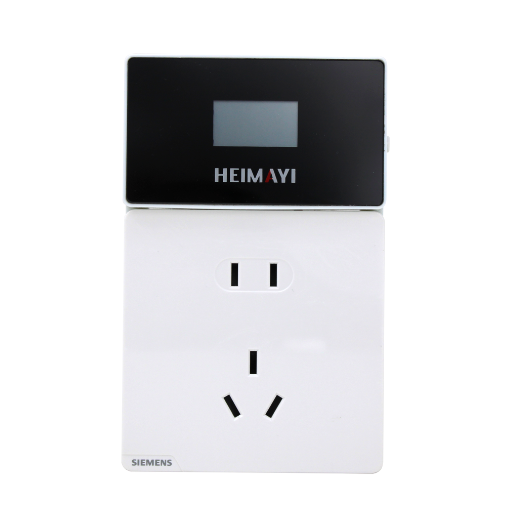
Humidity data loggers offer numerous advantages in environmental monitoring and management. Here are five of those advantages:
📊
Accurate Tracking of Humidity and Temperature Levels
A humidity data logger would accurately and reliably measure and record humidity and temperature levels for an extended period. Such accurate measurement is essential for industries that require environmental control, such as manufacturing, pharmaceutical, and food storage industries.
🕒
For 24-Hour Monitoring
Enjoy continuous humidity monitoring with data loggers, even when no one is present to monitor the environment. This helps identify trends and spot potential problems early before they become major concerns.
💾
Data Storage and Analysis
These logging instruments store data that can be analyzed to review trends, create reports, and inform decisions regarding environmental conditions. This is very much relevant when it comes to industry specifications and quality assurance.
🚨
Immediate Alarms
The most sophisticated humidity data logger sends real-time alarms once the humidity level or temperature has crossed the boundary limits set within it, thereby preventing delays in responding to abnormal conditions and safeguarding sensitive products and processes.
📱
Portable yet Durable Design
These compact yet rugged humidity data loggers are suitable for a wide range of applications, including warehouse monitoring and remote outdoor environments. Portability and ruggedness ensure adaptability and reliability in diverse settings.
A humidity data logger system would reduce downtime, enforce compliance, and maintain product and service quality by constantly monitoring and controlling environmental conditions.
Ensuring Comfort in the Workplace
It is most important to create a comfortable working environment for employees to be productive and feel good about themselves. That being said, a big part of worker comfort is humidity. It affects air quality and the health conditions of those working there. Recent studies show that the level of relative humidity (RH) inside the building should ideally be anywhere from 30% to 50% for its comfort. Lower or higher values can worsen symptoms in the respiratory system, dry burns, or mold issues, compromising employee performance and fulfillment under this condition.
An OSHA study reveals that regularly monitoring humidity and temperature creates a healthier working environment, decreases absenteeism, and promotes staff engagement more generally. With a humidity data logger, companies can monitor these environmental conditions in real-time and maintain a balanced environment, thereby preventing situations that lead to discomfort and health hazards. Consequently, with cloud-based tracking systems, these humidity data loggers enable employers to analyze trends and proactively adjust their HVAC systems for a productive work environment.
Preventing Equipment Damage
Humidity data loggers play a crucial role in protecting sensitive equipment from damage caused by fluctuations in the working environment. Higher humidity levels lead to condensation, which can cause corrosion and malfunctions in electrical systems, as well as a decline in the performance of delicate machinery. Too low humidity, on the other hand, creates static, an electrical discharge source that can result in electronic failure. There are five main advantages of using humidity data loggers to prevent damage to equipment:
🛡️ Prevents Corrosion
Controlling the humidity level continuously ensures that it remains within a range that prevents rusting or oxidation of metal parts.
⚡ Static Discharge Control
Maintaining humidity prevents the accumulation of static charge, which can destroy electronic and microchip-embedded devices.
💧 Prevents Excessive Moisture Absorption
For equipment made of paper, wood, or fabric, humidity data loggers help prevent excessive moisture absorption, which can weaken these materials.
🎯 Guarantees Calibration Stability
Precision measurement devices require a controlled environment to operate well. Monitoring humidity is a way to protect the calibration against deterioration over time.
💨 Minimizes Condensation Risks
By keeping track of existing conditions, companies can avert the scenario of sudden dew forming on critical equipment, thus preventing significant equipment downtime.
Apart from keeping equipment safe, data logging also extends the life and dramatically reduces the maintenance and repair costs.
Regulatory Compliance and Reporting
Businesses must be accountable to both industry standards and legal requirements. Hence, subject-matter data logging and environmental monitoring support the compliance process. The following are five crucial areas of compliance:
- Environmental Standards
Companies must comply with environmental laws, such as those about air quality, humidity levels, and the emission of pollutants; otherwise, they risk incurring fines.
- Loss of Product Safety
Temperature and humidity checks at each step ensure adherence to safety standards, particularly in the food, pharmaceutical, and consumer electronics industries.
- Audit Trail Maintenance
Complete data logging affords a consistent audit trail, an inspection vital in certification in a heavily regulated industry.
- Customs and International Trade Regulations
Proper monitoring enables manufacturers to comply with transportation regulations for products that have specific environmental requirements during the shipping process.
- Occupational Health and Safety Regulations
Environmental monitoring ensures compliance with occupational safety laws by maintaining proper working conditions to safeguard the employees.
Robust systems for monitoring and reporting, therefore, keep a business compliant while developing trust with stakeholders and the regulators.
Choosing the Right Temperature Logger
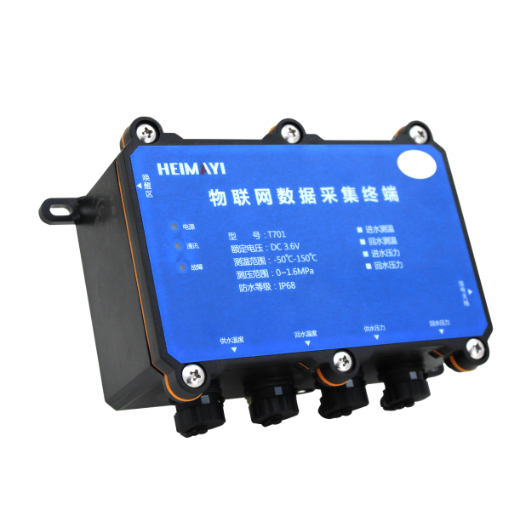
The following factors define the proper selection of a temperature logger.
🎯 Accuracy and Range
It must provide precise readings for the temperature range relevant to the application in question.
💾 Data Storage
Equipment with enough memory capacity to last any duration of work would be suitable.
🔋 Battery Life
The model should have long-running batteries or be rechargeable to minimize interruption.
🖥️ Ease of Use
It should have an easy-to-use interface, with simple ways for retrieving data, such as USB connections or wireless connectivity.
🛡️ Durability
When exposed to environmental conditions such as moisture, dust, or extreme temperatures, the temperature logger selected should be able to resist such stresses.
Keeping the focus on these factors guarantees the usefulness of whichever temperature logger is selected.
Key Features to Consider
- Accuracy – The temperature logger must generate accurate readings to ensure reliable data collection and prevent errors in critical application areas.
- Wide Temperature Range – Select a device that spans a wide range of temperatures, ensuring it suits its specific operational environment.
- Data Logging Capacity – Select a temperature logger with sufficient memory to store data for extended periods, thereby minimizing the need for frequent downloads.
- Real-Time Monitoring – It is crucial that the unit is equipped with real-time temperature monitoring, enabling the immediate detection of any anomalies or deviations.
- Battery Life – Unless a longer-lasting battery (or recharge option) is provided, operation of these devices will be interrupted, especially for equipment deployed in remote or hard-to-access areas.
Comparing Elitech and Other Brands
| Feature | Elitech RC5+ | Other Brands |
|---|---|---|
| Accuracy | ±0.5°C (-20°C to +40°C) | Varies, often ±1°C or more |
| Resolution | 0.1°C | Typically 0.5°C |
| Data Capacity | 32,000 points | Varies, often lower |
| Waterproof Rating | IP67 | Varies, not always waterproof |
| Ease of Use | Plug-and-play USB, no software needed | May require additional software |
| Battery Life | 2 years (replaceable) | Varies, often shorter |
| Report Formats | Auto PDF, Excel | Limited formats |
| Applications | Cold chain, vaccines, labs, logistics | General monitoring |
| Price Range | $72 (approx.) | Varies widely |
| Special Features | Auto PDF, five alarm ranges, compact design | Basic features, fewer alarms |
Budgeting for Temperature Monitoring Solutions
It is essential to consider both upfront costs and long-term operational expenses to ensure cost-effectiveness and reliability when budgeting for temperature monitoring solutions. The initial cost of the setup primarily covers the device, which varies depending on its features and brand name. For instance, basic USB temperature data loggers can start at a mere $20, while more complex wireless or cloud-connected systems range from $100 to $500 per device. Elitech, for one, is considered a mid-priced but reliable manufacturer, with their digital data loggers costing around $120, making them immensely popular among businesses that require accuracy and cost efficiency.
💰 Cost Considerations
Maintenance and running costs also weigh into the scale of consideration. Battery supplies, calibration charges, and software subscription (if required) form part of such ongoing expenses. Fancy models by other competitors, such as Omega or Testo, typically involve calibration fees that average between $50 and $100 per year. Cloud-based monitoring options may come with monthly subscriptions ranging from $10 to $50, depending on storage and access requirements.
Bulk purchases may ensure a discount for more comprehensive operations such as cold chain logistics or medical facilities. Investing in units with longer battery life or that support multi-sensor functionality could reduce replacements, carry weight, and lower costs due to condensation. Googling reviews, comparing brands, and considering warranties can make all the difference in pinpointing the best quality-price pair for any set of needs.
While drafting a budget, consider that short-term affordability is balanced against long-term performance for a reliable temperature monitoring solution adjusted to your specific industry and application.
How to Monitor Temperature and Humidity Effectively
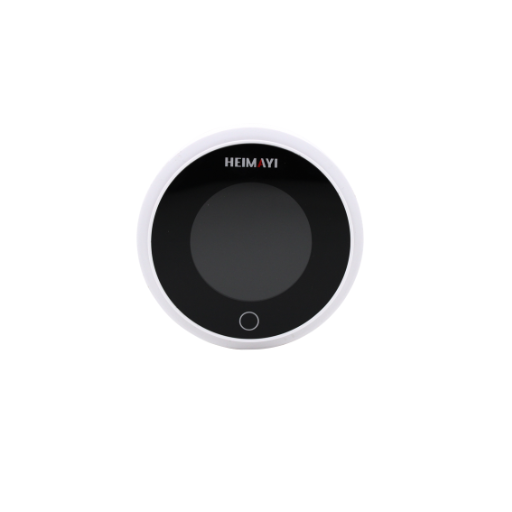
To test temperature and humidity effectively, first select a reliable monitoring device that can provide an accurate reading applicable to your environment. Technically speaking, a digital thermometer and hygrometer are among the most commonly used instruments for delivering precise readings. Ensure that no direct rays of sunlight fall on the measuring points; therefore, do not place your instrument there, nor on vents or heat sources. Match the calibration of your equipment regularly to ensure accuracy is maintained. For continuous monitoring, data loggers or smart sensors can be used, which generate real-time alerts and enable users to view trends over time. Maintain a fixed time or separate times for measurements and instrument checks to verify that everything is intact and functioning correctly.
Setting Up Your Temperature Sensor
Setting up my temperature sensor means I must ensure that no direct sunlight, vents, or other heat sources can interfere with its temperature measurements. For calibration, I ensure it is done regularly. Additionally, data loggers and smart sensors are useful for continuously monitoring it and issuing real-time alerts. A fixed schedule for taking measurements and checking the sensor for errors is an added assurance.
Using Notifications and Alerts
Using such notifications and alerts enables proactive responses to any significant temperature change. The most recent temperature sensors are coupled with mobile applications that allow you to receive downstream notifications in the event of abnormal readings. For example, an alert will be sent via SMS, email, or app notification when a set threshold is exceeded, warning of potential issues as they occur.
Systems like the Nest Temperature Sensors from Google operate equally, providing detailed analytics along with seamless voice integration. These empower and equip the user to not only set custom alerts but also to analyze the data in the form of charts, showing historical temperature trends and patterns. This enables the user to weigh their options and make informed decisions about climate control or equipment adjustment.
Real-time data samples shed light on the need for these systems; for example, in industries, a sudden alert of increasing temperature will help prevent machinery from malfunctioning or overheating. Homeowners use the same notifications to protect critical spaces such as a wine cellar, pet enclosure, or nursery by ensuring that the ambient conditions remain within set parameters. Collectively, smart sensors and data insights provide users with complete visibility into the conditions prevailing in their surroundings.
Data Logging and Analysis
Data logging and analysis are vital components to maintain an effective monitoring setup. Data logging enables users to record changes in environmental conditions and device performance, revealing trends, anomalies, and operational refinements over a specified period. Going through these detailed records and discovering practical causes and effects within the data provides these insights. Listed below are some of the critical data points that are usually logged and analyzed in these systems:
- Temperature Levels: Continuous temperature recording ensures environmental conditions are maintained, especially in refrigeration or a greenhouse.
- Humidity Levels: Equally important is maintaining a favorable humidity level to preserve materials, ensure comfort, and prevent condensation on surfaces that can lead to mold growth.
- Energy Consumption: Studying the pattern of energy use helps identify wastage and reduce operational expenses.
- Device Performance: Armed with data logged on equipment usage, uptime, and error occurrences, the maintenance team can resolve the issues before failures arise and improve reliability.
- Air Quality Parameters: With data logging in place for air pollution levels relating to particulate matter or carbon dioxide, the aim is to provide living and working environments that promote well-being.
Systematic data logging enables precise analysis, enhancing decision-making, risk mitigation, and the long-term sustainability of operations.
References
- TherMOOstat Resources – UC Davis
https://facilities.ucdavis.edu/engineering/thermoostat/resources
This resource discusses the use of data loggers for collecting and analyzing room temperature data. - Environmental Monitoring – Michigan State University
https://lib.msu.edu/preservation/environmental-monitoring
Focuses on monitoring temperature and humidity conditions in library facilities. - New Data Logger Functionality – University of Alaska Fairbanks
https://www.uaf.edu/news/archives/news-archives-2002-2010/a_news/20071126134306.php
Highlights advancements in data logger technology and its applications.
Frequently Asked Questions (FAQ)
❓ What is an office room temp logger?
An office room temperature logger is a device used to monitor and record temperature and humidity in an indoor environment, such as an office. It uses real-time data to inform people or administrators about temperature fluctuations, allowing them to adjust conditions for maximum comfort and safety of the equipment.
🔧 How does a temperature-and-humidity sensor operate?
A temperature and humidity sensor operates with the aid of probes that detect changes in air temperature and relative humidity (RH). The sensor collects data recorded using wireless technology, such as WiFi or Bluetooth, allowing the user to remotely monitor their environment via connected devices.
📡 What to consider when choosing a wireless temperature and humidity data logger?
Choosing a wireless temperature and humidity data logger involves considering features such as real-time monitoring, instant alerts via push notifications or emails, long battery life, and waterproof designs. Alternatively, consider probes to monitor external conditions on some models.
🖥️ How can one monitor server room temperatures?
Monitoring server room temperatures can be best achieved with a dedicated temperature data logger designed to provide precise readings on temperature changes. Such devices often provide instant remote notifications whenever the temperature surges, with data accessible in real-time to ensure the storage is best suited for its sensitive equipment.
💉 What are the best conditions for storing vaccines with a temp logger?
Vaccines require equally stringent storage conditions between 2°C and 8°C (36°F and 46°F). A temperature and humidity monitor with an external probe can be used to monitor these conditions. It provides an alert should the temperature exceed the accepted level, ensuring the vaccines remain suitable for use.
🚨 Can I receive instant alerts from my temperature and humidity data logger?
Yes. Most modern temperature and humidity data loggers can indeed send instant alerts through both push notifications and email notifications. This feature enables prompt handling of any issues related to temperature deviations that could harm sensitive materials or environments.
🔋 How long does a typical indoor thermometer last on its batteries?
Depending on the brand and settings used by the specific model, the batteries in an indoor thermometer may last for a range of several months to several years, especially for devices using low-power wireless technologies. Check the specifications before buying to ensure they match your needs.
⚙️ How do I calibrate my temperature and humidity logger?
An alkaline calibration of your logger for temperature and humidity involves comparing its readings with a standard, such as a certified thermometer or hygrometer, and making any necessary adjustments to the device’s internal settings. Regular calibration of this nature is a crucial factor in ensuring the highest level of actual accuracy in the monitoring data.
💧 What are the advantages of waterproof temperature monitoring?
Waterproof temperature monitoring systems offer several advantages: they guard against moisture damages in situations such as greenhouses or food storage areas. This, in turn, helps to maintain the functional integrity of the instrument and produces dependable, precise monitoring data regardless of adverse environmental conditions.
🎯 Ready to Optimize Your Office Environment?
Investing in the right temperature and humidity monitoring solution can significantly improve employee comfort, protect valuable equipment, and ensure regulatory compliance. Start monitoring your office environment today for a more productive and comfortable workspace!







