Temp Data Logger Calibration: Ensuring Accurate Temperature Monitoring
Industries such as pharmaceuticals and food storage, to name a few, have strict quality control guidelines that require storage temperatures to be maintained at specific standards, necessitating the use of temperature data loggers. Even the most technologically sophisticated data loggers, however, rely on accurate calibration, which makes them dependable. The calibration process ensures the accuracy of the collected data, eliminating the risk of inaccurate data that could result in unnecessary charges. This blog post aims to explain why temperature data logger calibration is crucial, the benefits it offers, and the basic steps to help ensure that your instruments are correctly calibrated. You could be seeking to reduce non-conformance, protect temperature-sensitive goods or even enhancement of performance in general, this is the guide you shall ever want to read in order to understand your temperatures monitoring necessitates.
Understanding Data Loggers
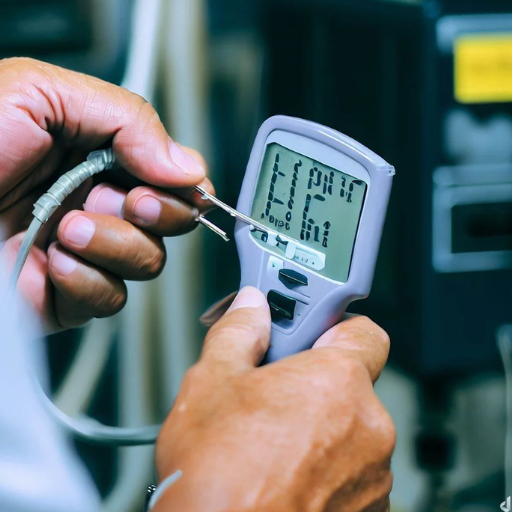
Temperature data logging devices are modern gadgets that record specific changes in values over a continuous period of time. For example, factors such as pressure, moisture, or temperature. These functional devices utilize a sensor to collect relevant information and store it for evaluation. Data loggers are efficient and user-friendly instruments that can be carried around by hand, and they find a ready demand for use in various sectors, such as food preservation, pharmaceuticals, or environmental monitoring to prevent risks. Because they can deliver precise and live information, data loggers play a crucial role in maintaining the required levels in various processes.
What is a Temperature Data Logger?
A portable temperature data logger is an electronic device used for recording temperatures on any given scale over a specified period, providing precise and accurate, ready-to-use data in activities related to health, food preservation, environmental management, and other applications.
Types of Data Loggers
Applications of Temperature Data Loggers
Thermal data recorders are ubiquitously important devices in various industries, ensuring that environmental conditions are controlled at the desired levels. The following applications are the five most common areas where thermal data recorders are used:
Health and Medicine
In the pharmaceutical industry, temperature control devices are highly vital for the warehousing and transportation of vaccines, drugs, and other temperature-sensitive pharmaceuticals. They help maintain the cold chain, ensuring no deterioration of the product and adherence to all relevant license conditions.
Food Production and Storage
In the food industry, temperature control devices also assist with maintaining temperature control during storage and transportation to ensure that food hygiene standards are met and food does not spoil, thereby protecting consumers. All these problems are effectively addressed through temperature control, including perishable foodstuffs such as meat, as well as food items like milk or even frozen ones.
Environmental Changes Monitoring
In specific cases, they can be used directly to monitor temperature, for example, in ecology studies, lambing surveys, underwater, and within the climate. They are a key method for quantifying the changes occurring in the environment, as well as the threats and opportunities for the fauna and the flora.
Manufacturing or Industrial Activities
Temperature data loggers are typically used for monitoring curing temperatures, molding temperatures, and drying temperatures, among other applications, to control and maintain processes within a limited range of temperature variables.
Cold Movement Logistics
Devices such as these are crucial in the cold chain, particularly when transporting perishable products like frozen foods or medical supplies, as they detect any temperature change at every stage of the product’s movement. They provide instant feedback on temperature changes, preventing any fallout or damage associated with temperature fluctuations.
The Importance of Calibration

There are several reasons why it is essential to calibrate temperature measurement devices. One, without it, there is a risk of producing measures that are inaccurate or vary, which could in turn affect process performance, product quality, or, most critically, health and safety. Calibration ensures that it meets the set standards of measurement, which is comforting to all and avoids costly losses. There is a need to calibrate temperature monitoring systems to ensure they are still functioning correctly and in compliance with the established standards.
Why Calibrate Temperature Data Loggers?
Temperature data logger calibration plays an essential role in many applications, especially when accurate temperature measurements are necessary for industrial procedures. These range from drug stores and food to certain forms of manufacturing processes, all of which share the same purpose in mind. Carrying out frequent calibration helps minimize the inevitable drift in sensor accuracy as its service progresses, and it may even cause misreading of information or incorrect recordings altogether. According to research, the precision of a sensor may deteriorate by at least 0.1°C and at most 2.0°C per year, depending on its usage frequency and operating conditions.
The drug establishment regulatory standards are deemed to include those established by the FDA, WHO, or ISO 17025. They lay down linear limits that must be adhered to whenever data loggers are in use. The premise is simple: one must indeed imagine the amounts of drugs of great value, including vaccines, designed for therapeutic temperatures and stored at the disputed level of 2 °C, which ended up being rendered useless. In such cases, the calibration of data loggers is crucial for the organization to comply with HACCP requirements during food preparation, as it ensures that all process steps potentially affected by temperature are performed at safe levels.
Modern calibration techniques typically utilize cutting-edge instruments equipped with reference standards to ensure maximum precision. Most modern calibration companies offer these systems as part of their services. This, in turn, provides the user with documentation in case there is an audit to ensure compliance. This also minimizes mistakes, improves workflow, and reduces the risk of getting incorrect temperatures.
Impact of Calibration on Measurement Reliability
A change in the measuring system standard is of great concern due to the importance of accuracy, especially in cases where systems or instruments are used in high-precision business situations. The following five aspects can be used to assess the effectiveness of measuring instrument calibration.
1. Achievement of Greater Precision of Measurement
The purpose of effective calibration is to maintain operational readiness of the machine with respect to measurement accuracy. Regular calibration ensures that measuring equipment remains functional and fit for its purpose. Calibration of a temperature-measuring instrument, such as a thermometer, enables it to meet the required accuracy of ±0.2°C.
2. More Stable Consistency
Calibrations ensure that when measurements are taken multiple times, the same values are obtained. Such stability is necessary, for example, in the manufacturing of drugs to ensure that the specified volume is administered accurately.
3. Conformation to the Law
Some businesses are under scrutiny about specific legal stipulations. That’s almost all wear and is used to present data and interpretations of results, which are from ISO 17025 and FDA standards as applicable, and their calibration is done knowledgeably.
4. Burnout Minimization
Calibrated equipment is essential in temperature measurement and control applications, such as temperature data logger calibration, and most importantly, in preventing breakdowns and reducing the need for more frequent replacements. The possibility of equipment issues is reduced when units are periodically calibrated, minimizing the occurrence of unexpected downtimes. An example in this case is the orbiter: in satisfaction reports for tool effectiveness, among other benefits, there is a 30% decrease in equipment failure.
5. Economic Efficiency
The issue of high utility bills is addressed through calibration, as the expenses associated with buying more than one unit, in cases where figures are not accurately measured and materials are wasted, are all reduced. It is, for instance, the case of a pressure gauge that has already been well-calibrated, allowing for the management of the actual resource and avoiding the use of a larger quantity.
Together, these effects underscore the improper accountability that results from a lack of calibration and highlight the importance of such action in ensuring trust in measurement and operational efficiency across many industries.
Calibration Standards and ISO 17025
Calibration standards are essential for maintaining uniformity and precision in measurement systems across all industries. The ISO/IEC 17025, being an international standard, has been regarded for its ability to assure capabilities in testing and calibration institutions. Requirements within ISO 17025 include management of the laboratory and technical competencies, ensuring that all conduct is credible, repeatable, and internationally aligned.
Recent studies have concluded that over 50,000 laboratories are currently certified to the ISO 17025 standard, attesting to its relevance in both regulatory and operational control. It identifies specific requirements for technical competence associated with the equipment, technical staff, and working conditions that ensure precise measurements in their respective industries, such as production, healthcare, and environmental sciences.
The document also highlights the necessity of traceability, where calibration results must be traceable to the approved standards of measurement. These include those of the International Bureau of Weights and Measures (BIPM). Additionally, adhering to the requirements of the ISO 17025 standard enables the free movement of services and goods, as accreditation of laboratories is supported by mutual recognition agreements (MRAs), which reduces the need for additional testing.
More recent revisions of ISO 17025 have introduced a new element of risk-based thinking to laboratories, urging them to identify and take measures against calibration errors. Take, for instance, the findings of a survey conducted by the National Institute of Standards and Technology, which showed that calibration traceability in production sectors reduced downtime by as much as 35%. This is an unnecessary illusion of ideology, which is not in the practical sphere of all entities in which the standards of calibration are well advanced.
Adhering to ISO/IEC 17025 promotes not only quality and accuracy but also gives companies a competitive edge in the modern world, where the need for international legislation and standards is becoming increasingly the norm for key stakeholders.
Calibration Process for Data Loggers
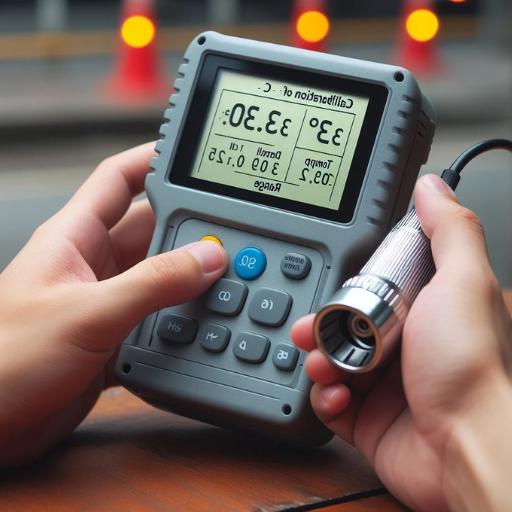
The temperature data logger calibration requires comparing the device’s data to known measurements. Calibration is typically performed in a laboratory using accredited equipment. The several steps involved can be broken down as follows:
Detailed Steps:
Examination and Readiness
Inspect the temp and data logger to confirm it is in good condition. Also, check whether the instrument has enough battery or power for the process.
Initial Calibration
Record these values as part of the current state that the data logger is in at present for comparative reasons.
Measurement Gauging
Position both the logger and the approved measurement device in the same environment. Measure data specific to the logger specification, such as temperatures, moisture levels, or pressures, as defined within specifications of the respective instruments.
Calibration Modification if Required
In case of discrepancies, adjust the device settings or measurements according to the manufacturer’s instructions, if possible.
Checking
Prepare the artifact and double-check it against standards for measurement procedures to verify the published ranges.
Write Specifics
The results of the alignment, the date, and the adjustment must be recorded. Please attach a certificate if such is necessary for compliance and quality purposes.
For accurate measurement and reliable performance in accordance with standards such as ISO/IEC 17025, regular calibration of a piece of equipment of this kind, in the case of temperature data logger calibration, is required.
Common Calibration Techniques
Comparative Technique
A comparative technique involves examining the readings of a data logger in comparison with an accurate reference thermometer, both of which are exposed to identical environmental factors. For instance, a data logger could record a temperature reading of 25.2°C, whereas the reference thermometer would register a value of 25.0°C. The differences are noted and corrected during the device’s calibration process. Many users employ this method of comparison calibration due to its advantageous characteristics.
Physical Calibration
The principle of fixed-point calibration employs physical constants at given temperatures, such as the freezing point of water (0°C) or the boiling point of water (100°C). The calibration of the data logger is conducted by testing the device at these particular temperatures. One such methodology employs the International Temperature Scale of 1990 (ITS-90) that provides highly accurate reference values.
Dry Cooling Calibration
Using a dry block calibrator is a less cumbersome way of providing temperature support. The probe of the data logger is placed in the calibrator, and the readings produced by the probe are compared against those expected by the device’s controller. Ordinarily, the accuracy of this method is ±0.1°C, and hence, this method is used for field purposes.
The Basics of Liquid Bathing
This approach involved immersing the probe of the data logger in a temperature-controlled liquid bath, which could be water, oil, or alcohol, depending on the relevant operating temperature range. Liquids such as oil baths are quite temperature-homogeneous, providing a great deal of control. Take, for instance, high-performing baths can have a residual temperature of ±0.005°C, which is a better option when employing a lab-level temperature data logger calibration.
Self-Operative Calibration Setups
Through software and sensor automation, sophisticated calibration systems partially rely on software and sensors for adjustment and reporting processes. Consequently, efficiency and accuracy can be increased while human mistakes are decreased. A good example is when there is a need for temperature calibration from -40 degrees Celsius to 100 degrees Celsius, which can be handled automatically without any errors apart from those expected by ISO/IEC 17025.
In the same spirit, it is possible to enhance the performance of the temperature data logger calibration within an organization to ensure adherence to safety and quality standards. Specifically, the technique to use depends on the level of accuracy required, the application’s condition, and the available equipment.
Using Calibration Laboratories and Services
There are Calibration laboratories and Calibration services that offer proficiency and resources to enable operating instruments to work acceptably and efficiently, addressing discrepancies and, more specifically, their use in terms of temperature calibration. Such facilities meet the relevant strict regulations, including ISO/IEC 17025, and can provide calibration within precisely designed and controlled traceability procedures. These activities enable companies to comply with laws, minimize errors, and deliver exceptional service for such critical tasks.
Below, we list a few temperature calibration laboratories and services that have been consistently delivering temperature calibration services:
Fluke Calibration
- Contains instruments and calibration services for temperature ranges as appropriate.
- Works according to ISO/IEC 17025 accreditation.
- Highly trained in the calibration and testing of thermocouple, PRT and radiological thermometers.
- Laboratories are situated on all continents.
Clinical Pathology & External Quality Assurance Services
- Calibration processes of the instruments or in particular, temp data logger calibration processes, is an important consideration which cannot be ignored.
- Proficiency and dexterity in temperature measurement devices that always promise superior accuracy.
Tektronix Calibration Lab
- Implements temperature reading upgrades for commercial and educational appliances.
- Relies on computerized processes for efficiency to complete and avoid errors.
- Arranges for calibration services to be carried out at the client’s premises upon request.
Keysight Systems
- Renders elaborate calibration of temperature sensors with associated electronics at its expertise level.
- Have a robust internet platform for noting service history and service lists.
- Services applicable to study, aerospace, and pico lining devices.
The National Physical Laboratory (NPL)
- Measurement institute of a country, which upholds the best of calibration, also serves as the standard.
- Provision of temperature calibration primary standards for the gauging.
- Emphasis on cutting-edge technology and accurate measurements to be achieved.
These facilities provide customized services tailored to meet the diverse temperature calibration requirements, ensuring accuracy, quality, and compliance with international standards and values.
Choosing a Calibration Service
When searching for a temporary data logger calibration service, the primary focus is on whether the company offers its services according to proper international guidelines in the field, such as ISO/IEC 17025. It is crucial to note that only experts with specific qualifications should be considered. Additionally, it is crucial to select a service that provides traceability to national or primary level standards, as this ensures the validity of the calibration results. Companies with historical performance records over time, in any industry, and those offering customizable products, should be considered. Lastly, ensure that their timeliness and customer care efficiency are satisfactory to prevent any service disruptions in case of inconvenience.
Accredited Calibration Services Explained
Certification of equipment and processes for temperature data logger calibration is essential in industries, as it enables them to use the instruments with the desired levels of precision. However, such calibration is necessary and can only be provided by service providers that follow international standards developed with the requirements of calibration service providers in mind. These include ISO and IEC 17025, among many others. Hence, the ability to attain excellent testing and calibration is assured. Providers who issue such calibration services can demonstrate metrological traceability to national or even global measurement standards, thereby instilling confidence in the results regarding correctness and durability.
According to the latest statistics, every new age industry, from aerospace and automobiles to healthcare and manufacturing, requires accredited calibration services to ensure high-quality standards and comply with legal requirements. For example, the calibration process also involves a significant amount of time and expense in measuring the manufacturing process, ensuring that the efficiency of production and the quality of the products are not compromised, thereby minimizing the extent and impact of waste. Also to be mentioned is the outlook from Markets and Markets, which states that the market of calibration services globally will have almost attained the worth of six and a half billion dollars by the year 2026, with such a growth rate of eight point one percent ov, meaning that more and more people appreciate the need for accuracy in measurements today.
Modern calibration services rely heavily on progressive technology, which incorporates the use of sophisticated devices, such as automation calibration machines and their associated software, to ensure precision and faster outcomes. Tailor-made services by providers, including on-premises solutions, test centers, and continuous monitoring, are offered to facilitate the client’s tasks more efficiently. Such edits and enhancements to the Chemsoft technical writing service, along with appropriate customer service, were introduced in 2005. Additionally, MELITOPOL, between 1975 and 1998, was also involved. It resulted in significant benefits for businesses engaged in temperature data logger calibration services worldwide.
How to Select a Calibration Lab
The most crucial aspect to look for in a calibration laboratory to enhance the precision of the instruments is to select a reputable service provider carefully. The following are five aspects that should be paid attention to when looking for a calibration lab:
1. Accreditations and Certifications
It is essential to determine whether ISO/IEC 17025 or another accreditation is held by the calibration lab. Why do you need to make sure of this? It is essential to verify that the laboratory adheres to the current standards and is capable of maintaining the same standards due to the quality of the tests conducted within the laboratory.
2. Scope of Services
Examine the lab’s skills to ensure that the equipment is among the ones they can adjust. There are specific labs that belong to certain classes of equipment, and therefore, you must ensure that their job descriptions align with the needs you want.
3. Turnaround Time
When it comes to conducting business, time is essential. Check the turnaround periods of the lab to ensure they fit within your operating time limits. In some laboratories, they can cater to people in a rush by offering temp data logger calibration.
4. Experience and Expertise
The adherence to the standard and the qualifications of lab staff are critical to the types of services that will be provided. Identify any labs that have been recognized for having done similar work in the past, and also those that possess skilled staff.
5. Calibration Certificates/Reports
It is essential that the laboratory can produce accurate calibration certificates and reports. The calibration equipment should be accompanied by all the qualifying data and evidence to support that it meets the relevant standards. They are invaluable for both outside audits and maintaining the traceability of measurements.
Simply consider the above factors and choose a calibration facility that meets your technical and operational needs.
Understanding Calibration Certificates
The importance of calibration certificates stems from the fact that these documents verify the accuracy of the given instrument and confirm that it meets the key standards. From my perspective, these include data on the day of calibration, the environmental conditions required, and the measurement result with its uncertainties; this is quite comprehensive in my view. Such reports serve as a means of ensuring traceability and are particularly useful during audits or regulatory assessments. In fact, I use these reports to confirm the accuracy of an instrument and to maintain trust in its operation.
Maintaining Temperature Data Loggers
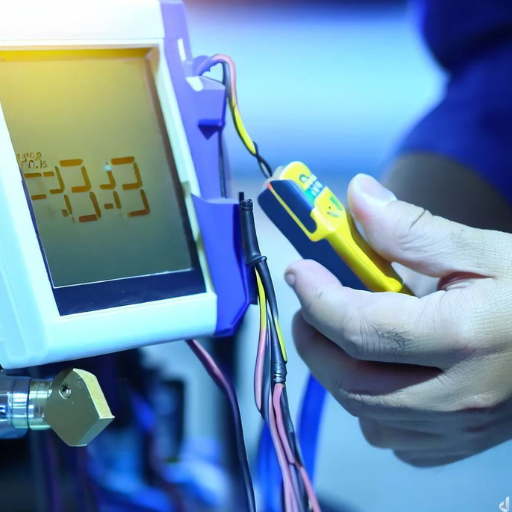
Effectively maintaining temperature data loggers requires regular calibration to ensure that the recorded values are accurate. Keep loggers away from extreme temperatures or humidity to prevent damage. Inspect the device physically and check for any malfunctions. Routinely, make it a habit to change the batteries to ensure no data is lost in the recording process. Last but not least, always download and evaluate the captured data frequently to ensure proper functioning, and note any deficiencies at an early stage.
Best Practices for Continuous Monitoring
To ensure that assets and processes are effectively monitored continuously, it is also essential to utilize state-of-the-art technologies. Today’s solutions incorporate data from the field and other sources in real-time, providing analytics thanks to the Internet of Things (IoT) capabilities and the computing power of the cloud. Through IoT, sensors can measure real-world phenomena such as temperature, humidity, vibration, or pressure to a higher degree of accuracy. At the same time, scalable processing and storage of data is achieved using cloud-based solutions.
An illustration is provided by Google search data, suggesting the remarkable growth of the environmental monitoring IoT application, which is expected to increase by more than 15% annually, except in healthcare, manufacturing, and agriculture. Additionally, implementing artificial intelligence (AI) in surveillance systems enables the avoidance of failure and service incapacity due to certain patterns in the records. However, thanks to the feedback of predictive maintenance, it is likely that there will be no temperature data logger calibration requirement.
In the course of technological application, data protection should be an integral part of the design when implementing encryption. Setting up systems that will send alerts or notifications whenever data exceeds BAU will help improve reactions and risk control. Staff retraining on current methodologies and technologies is significantly essential for system efficiency and the successful maintenance of monitoring processes.
Since a remote temperature logger can only function properly if it has a proper calibration, and devices are operated over long periods of time, there is a need for concise, simultaneous, and efficient calibration of remote temperature data loggers.
Storage Conditions for Data Loggers
Correct storage conditions are paramount to preserving the functionality and shelf life of data loggers. And here are the five main factors for the best use:
Thermal Conditions
Keep the data loggers within the allowed temperature limits to prevent damage to the device’s internal components. Do not expect systems to work without failures at extreme temperatures, either too high or too low.
Dampness Control
Provide moisture-free and dry areas to store them, maintaining an appropriate level of humidity. Moist air may end up corroding the circuit boards and causing the device to malfunction abnormally.
Cleansing of the Debris or Dust
Avoid storing the loggers in open spaces with dust or dirt, as these elements can compromise the devices’ performance.
Battery Management
In the case of data loggers that operate on batteries, an internal residual check of the battery power may be conducted periodically, and the batteries replaced or charged in advance to prevent leaks or power-related issues when the device is in use.
Avoid Magnetic Interference
Data loggers should be stored away from powerful magnetic fields or electromagnetic interference sources of any kind, as these degradation factors may hinder their functioning or the data collected.
When and Why to Verify Calibration
It is of great importance to ensure calibration conformity, and this is achieved through calibration verification. This is achieved appreciably in many applications that utilize data loggers. This is because calibration involves comparing a data logger’s readouts to a fixed allowable limit to determine if there is a difference, and if so, making adjustments to remedy it. So here is a step-by-step outlook on the time in which and reasons as to why one is required to check calibration, and the following data:
Temperature calibration is performed at certain intervals:
Before Installing
This is one of the most critical situations where calibration verification needs to be subjected to, and the more so since it will be used in Precision temperature-dependent processes such as pharmaceutical storage, environmental control, and research work. A good adjustable data logger captures the correct initial data.
With Long Service
There is wear and tear of components due to friction or performance under variable conditions that impair the cognitive function of a data logger. In this case, calibration intervals are 6-12 months. Check accordingly, and advice is typically provided by manufacturers regarding both application and environmental considerations.
Subjecting a Data Logger to Harsh Environments
Whenever a data logger was subjected to high temperatures, excessive humidity, or significant mechanical shock, a calibration verification test had to be performed to determine whether the accuracy of the readings had been affected.
Rules of Law
Several industries, including healthcare, food safety, and production houses, have established widespread rules stipulating regular, unwavering calibrations against ISO 17025, among others, or in this case, the FDA.
Errors in Measurement
Whenever measurements deviate unexpectedly or exceed normal limits, recalibration helps verify whether the instrument has retained its accuracy.
The Reason for Calibration Verification:
Correctness and Traceability of the Process
This means ensuring that the temperature data logger calibration provides accurate readings, which is essential, particularly in areas where compliance is substantial, as this will also inform decision-making relevant to such fields. For Instance, in cold chains involving vaccines, it is crucial to maintain proper temperature control records to ensure the vaccines remain effective during distribution.
Adhering to Norms
Rules govern several sectors. Consider the case of the Global Food Safety Initiative (GFSI), which mandates the regular calibration of temperature control storage devices.
Increasing the Longevity of the Equipment
Consistency in calibration helps detect performance problems promptly, thereby averting damage or faults over time.
Benefit
If the equipment is not calibrated correctly, it can cause numerous issues, including wasted resources and product loss. As cited in a research paper published by Market Research Future, calibration failures result in a loss of approximately 20 to 30 percent of temperature-sensitive material within global supply chains on an annual basis.
By introducing a process to conduct calibration checks ahead of the required period, companies can use the controlling equipment data loggers without unjustified concerns over temperature data logger calibration, while still maintaining their quality assurance objectives.
References
National Institute of Standards and Technology (NIST):
Calibration Stability of Data Loggers Used for Vaccine Temperature Monitoring
This source discusses the calibration stability of data loggers used in vaccine storage, providing insights into calibration practices and standards.
U.S. Government Publishing Office (GPO):
Calibration Stability of Data Loggers Used for Vaccine Temperature Monitoring (PDF)
This document provides detailed findings on the calibration status of data loggers under typical usage conditions.
U.S. Geological Survey (USGS):
Monitoring Stream Temperatures—A Guide for Non-Specialists
This guide outlines standard operating procedures for programming and calibrating temperature data loggers used in environmental monitoring.
Frequently Asked Questions (FAQ)
What is the significance of data logger calibration?
Data logger calibration refers to the process used to ensure the integrity and correctness of a data logger when it is being used to collect data. This is essential in minimizing errors related to temperature and humidity measurements, thereby ensuring compliance with international standards and safeguarding the credibility of environmental data measurements.
After how long should enterprises calibrate data loggers?
Calibration of data loggers should be performed at least once every two years under normal conditions, and more frequently if they operate in severe conditions. Routine recalibration reduces the effect of drift and maintains accuracy, putting the controls into perspective.
Why is a calibration certificate required, and when must it be used?
A calibration certificate is a document that states a data logger was calibrated in accordance with established standards, such as ISO 17025. It serves as evidence that the stated standards are met and is frequently needed for purposes of quality assurance and regulation.
Which agencies can provide someone with known calibration sources that are compatible with their data logger?
Calibration services accredited by specific bodies can be obtained when searching for calibration laboratories. These labs are recognized for conducting calibrations that are traceable to the national standards of the countries involved, thereby establishing trust in the temperature instruments you are using.
What are some of the reasons that may lead to incorrect readings from temperature data loggers?
Several factors contribute to the inaccuracy of temperature data displayed by data loggers. The conditions of the environment where the data logger is used, the type of sensor installed, and when the temperature data logger calibration is done are some factors. Instruments function properly for an extended period when calibrated according to the manufacturer’s specifications.
Can only one device be calibrated, if yes, how?
Yes, even one device can be calibrated. The procedure generally involves providing a reference thermometer to assess the accuracy of the measurements returned by the data logger at specific temperature points. If the logger is found to be inaccurate in the process, it may be calibrated.
How long does it take to calibrate data loggers?
The time it takes to complete a calibration project varies depending on the company you choose and the specific requirements for that calibration. For most calibrations, a turnaround time of several days to a couple of weeks can be expected at the most.
Where do I find certified calibration labs?
Before engaging a laboratory for temperature data logger calibration work, verify that they are certified by national or international certification bodies, such as NIST or ISO 17025. You might also wish to examine calibration certificates, which provide information on the extent of adherence to existing standards by the given laboratory.
What are the most popular sensor types found in temperature or humidity data loggers?
There are various data loggers available on the market that feature temperature and humidity sensors, including thermocouples, capacitive-type humidity sensors, and thermistors. They have different assumptions and standards related to the span of measurement and accuracy, which is why it is essential to choose a data logger that is suitable for the problem at hand.
Conclusion
Temperature data logger calibration is essential for maintaining accuracy, compliance, and reliability across industries. Regular calibration ensures optimal performance, reduces costs, and protects temperature-sensitive products. By following proper calibration procedures and working with accredited services, organizations can maintain the highest standards of temperature monitoring and data integrity.