

Warehouse Temperature Logger: Accurate Data Monitoring for Optimal Storage
Keeping the temperature just right helps maintain the warehouse, especially for temperature-sensitive products, such as food, medicines, or electronics. Should there be slight variations in the storage temperature, the goods may have a shorter life span, loss of quality, or even act against compliance requirements for regulations, all of which affect business operations and customer satisfaction. This article, in brief, highlights the significance of using a reliable warehouse temperature logger to keep and maintain accurate data. Afterward, you’ll know why buying the right temperature tracking apparatus not only preserves product integrity but improves operational efficiency as well.
Understanding Temperature Data Loggers
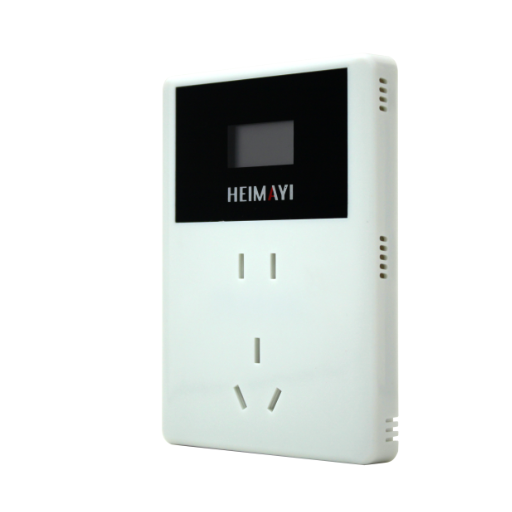
Temperature data loggers monitor and record temperature over time. The sensors on these data loggers measure temperatures, while the storage system saves the collected data. Such devices are crucial for ensuring specific environmental conditions, such as in food storage, pharmaceuticals, or logistics. A dependable temperature data logger safeguards product security, regulatory standards, and functional efficiency through accurate data that can be checked in real-time or later for analysis. These units are simple to operate, making them suitable for use by businesses of any size.
What is a Temperature Data Logger?
A temperature data logger is an electronic instrument designed to monitor and record temperature readings for analysis and tracking over time for various applications, either via internal sensors or external probes.
How Temperature Data Loggers Work
Temperature data loggers act by sensing and recording temperature changes in their surroundings or within a given setting. These sensors can be either internal or external, depending on the application’s needs. First, the sensor measures temperature at certain intervals and stores these values inside the logger’s memory for later retrieval and analysis.
Modern temperature data loggers utilize state-of-the-art technology, incorporating microprocessors to ensure exact and reliable operations. A large number of such devices provide wireless connectivity through Wi-Fi or Bluetooth, allowing them to send data in real-time to either a cloud-based platform or a local device, such as a computer or smartphone. This enables end users to monitor and analyze temperature changes remotely.
Example: Cold chain logistics temperature data loggers primarily operate within a temperature range of -94°F to 302°F (-70°C to 150°C) to enable the safe transportation of sensitive items such as pharmaceuticals and perishable foods. Such highly accurate devices often maintain typical error limits of ±0.1°C, making them a good choice for more stringent temperature control applications.
The recorded data is presented in several user-friendly formats, such as graphs and tables, to facilitate its analysis and interpretation. Equipped with alarms that notify users when temperature conditions exceed set limits, advanced models offer significantly more utility, allowing users to intervene early. By combining cutting-edge technology and rugged design, temperature data loggers serve as an essential intermediary in temperature management across industries.
Types of Temperature and Humidity Data Loggers
Importance of Warehouse Temperature Logger
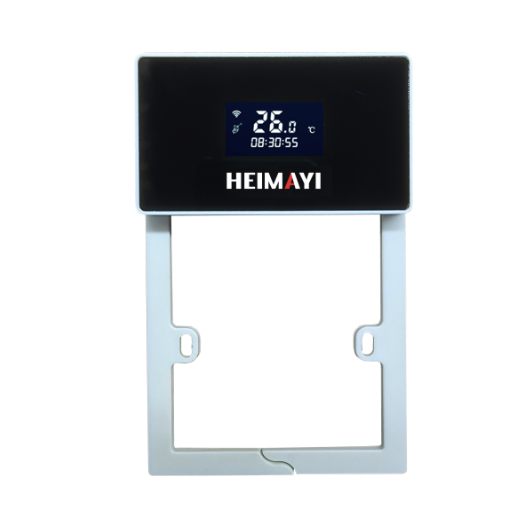
Warehouse temperature loggers are requisite instruments for the safe storage and handling of temperature-sensitive materials. These instruments would also maintain ideal environmental conditions to prevent product degradation and ensure compliance with regulations. These are the top five details and benefits regarding the use of warehouse temperature loggers:
1. Maintaining Product Quality
Temperature-sensitive goods, such as chemicals, foodstuffs, or electronics, can be damaged when kept outside their optimal temperature range. Temperature loggers monitor and record these fluctuations so that these goods were never compromised.
2. Regulatory Compliance
The multiple areas of medicines and food require strict observation of the guidelines, including temperature, to meet successfully in the standards set by regulations. A warehouse temperature logger thus ensures the adequate recording of all storage conditions regulated by law.
3. Real-Time Monitoring and Alerts
In several cases, the modern-day logger has built in a real-time monitoring system. It also sends an alert when the changes exceed the permissible temperature, having a correction-triggering action taken immediately to prevent any kind of loss.
4. Data Analysis for Optimization
Data collected by temperature loggers can be used to analyze trends, manage warehouse temperature systems better, and optimize energy consumption and cost savings.
5. Traceability and Reporting
Temperature loggers provide traceable records that are crucial in auditing and quality assurance processes, ensuring transparency and accountability in warehouse operations.
Why Temperature Monitoring is Essential for Warehousing
Temperature monitoring in warehousing is essential to maintain product quality, comply with regulatory requirements, and optimize operational efficiency. Let us now enumerate five detailed reasons that truly justify the monitoring of temperature:
- Product Quality Maintenance: This is especially true with products that have temperature sensitivity, such as pharmaceuticals, foodstuffs, and electronics. Maintaining a product within its required temperature range helps prevent spoilage, degradation, or damage to facilities. The product, in this case, reaches its prime shipping condition.
- Avoidance of Legal Issues: Food and medical storage must comply with FDA regulations or ISO standards. Keeping accurate temperature records helps ensure compliance with these regulations, avoiding fines, legal issues, and product recalls.
- Energy Efficiency and Cost Savings: Temperature monitoring enables warehouse operators to identify inefficiencies in their HVAC system and make adjustments accordingly, promoting energy-efficient operation. This, in turn, reduces operational costs without compromising the temperature of the stored products.
- Risk Mitigation and Loss Prevention: When temperature deviations are identified in real-time, corrective measures can be taken, thereby preventing warehouses from bearing the loss of products due to extreme conditions and ensuring business continuity.
- Increased Brand Trustworthiness and Customer Satisfaction: Traceable temperature-controlled records will reassure customers that the product was handled and stored using the highest standards available. Trust fosters long-term relationships and brand equity founded on dependability and accountability.
Impact of Temperature on Stored Goods
Key Statistics:
- 📊 20% of global food loss occurs due to improper temperature control in storage and transit
- 💉 25% of vaccine shipments are discarded annually due to improper temperature control
- 🥶 32°F to 39°F (0°C to 4°C) optimal range for cold storage of perishables
- 💊 35°F to 46°F (2°C to 8°C) required range for vaccine storage
Temperature plays a crucial role in ensuring the integrity and quality of stored goods. Spoilt goods occur when temperatures fluctuate above or below the recommended range, leading to deterioration and financial loss. According to studies, 20% of global food loss occurs due to improper temperature control during storage and transit. Temperatures ranging between 32°F and 39°F (0°C and 4°C) should be maintained for the cold storage of perishables, such as fresh produce, dairy, and meat, to ensure the products are safe for human consumption.
Pharmaceuticals obviously require even stricter temperature monitoring than that. For instance, vaccines typically require storage between 35°F and 46°F (2°C to 8°C) to maintain their potency. Anything deviating from this would actually render the product useless, endangering public health. According to industry information, 25% of vaccine shipments are discarded every year, mainly due to improper temperature control, resulting in significant financial losses and inefficient supply chains.
Temperature-sensitive items, such as some electronic equipment or chemicals, require an environment that is devoid of extreme heat or cold, which could damage them. High temperatures cause thin electronic components to warp or malfunction, while certain chemicals become unstable, sometimes resulting in hazardous reactions.
Thus, installing a high-tech monitoring solution, i.e., a temperature sensor with IoT capabilities and setting alarms, would certainly maintain constant storage conditions. Not only will this prevent product harm, but it will also enhance operational efficiency, reduce costs, and contribute to environmental sustainability through waste reduction.
Benefits of Using Temperature Data Loggers in Warehouses
📊 Accurate Monitoring
The data logger facilitates accurate and continuous monitoring of warehouse conditions. It tracks fluctuations in temperature over time, logging all changes and making them easily accessible for proper analysis. It is a proven fact that warehouses that utilize data loggers experience approximately 30% fewer temperature-related inventory losses.
✅ Better Product Quality
Environmental temperature in storing goods is critical in maintaining quality, especially for animal products like food, pharmaceuticals, and chemical goods. Temperature data loggers help identify deviations promptly and correct them, thereby minimizing spoilage while ensuring compliance with safety standards.
📋 Regulatory Compliance
Storage regulations are in place in almost all industries and must be observed. Temperature data loggers help fulfill these requirements by giving them very detailed and timestamped temperature records for use in auditing purposes. This, in turn, saves businesses a whole lot of effort in maintaining proper documentation.
💰 Cost Savings
Temperature data logging can’t save a dime in inventory when there’s not an inventory to begin with. By doing this, it saves from losses and conserves energy. Operational costs relating to temperature control and inventory spoilage are reported by warehouses employing this technology to fall by as much as 25%.
📈 Operational Insights
Data from temperature loggers provides additional operational knowledge of the warehouse. Long-term trend analysis by managers will guide them in optimizing storage layout, energy efficiency, and preemptive countermeasures to emerging issues, among others. With a data-driven approach, these decisions align neatly with the organization’s long-term vision.
Choosing the Right Temperature Monitoring Solution
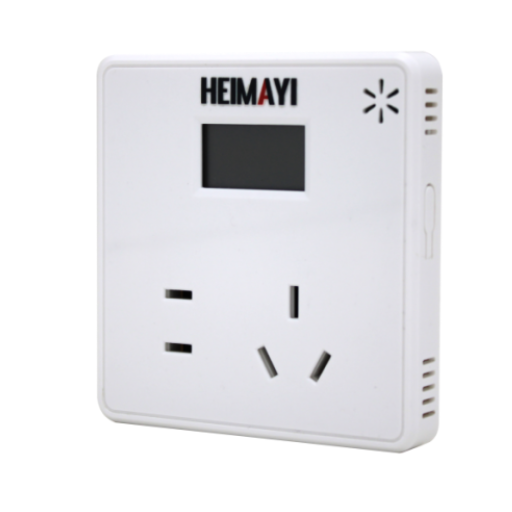
Factors for Consideration for Selection
Several key considerations must be taken into account when selecting temperature monitoring solutions for a warehouse or facility to ensure optimal performance, cost-effectiveness, and compliance. The application of technology has offered an immense variety of options to cater to various operational needs.
🎯 Accurate Sensor Technology
The new-age temperature-monitoring equipment utilizes precision instruments for accurate measurements. Take, for example, digital sensors: their accuracy, up to ±0.1°C, is a desirable trait in the pharmaceutical and food storage industries, where quality and safety may suffer from slight temperature changes.
🚨 Real-Time Alerts
The best temperature monitoring systems available today come with real-time alerts that notify managers whenever the temperature deviates from the set ranges. Reports indicate that 40% of enterprises utilizing real-time monitoring have reported a 30% reduction in spoilage losses. Alert messages can be sent via email, SMS, or app notifications, ensuring swift responses to the issue.
📊 Data Logging and Analytics
The more advanced systems have a strong sense of data logging, tracking temperature changes over time, storing historical data, and retaining such data securely. For example, cloud-connected systems will enable you to access analytics dashboards, allowing managers to view trends and forecast maintenance needs. Based on data from Google Trends, the demand is increasing for IoT-based temperature monitoring devices that offer captivating data visualization applications.
📈 Scalability and Customs
Businesses generally require solutions that can scale as their operations grow. This allows for some solutions to be integrated with multiple temperature zones, sensors, and even humidity monitoring, thus providing ample flexibility. A recent market report analysis shows that 60% of warehouses believe scaling is a priority in their infrastructure upgrades.
📋 Regulatory Compliance
Compliance with any regulatory requirement is of utmost importance, particularly in the healthcare, pharmaceutical, and food storage industries. Systems that conform to FDA, WHO, or ISO standards require businesses to remain audit-ready, thereby maintaining product integrity. Ease of generating reports for compliance audits has been gaining popularity, with a 25% increase in demand for such features in 2023, as indicated by Google search data.
🌱 Energy Efficiency
Recently, most solutions incorporate environmental sustainability as a significant design consideration. Energy-efficient gadgets and smart thermostats reduce the ecological footprint while saving on operational costs. Energy-efficient system adoption is known to help an average business cut its energy expenses by 20% yearly.
By taking into account all these features and the specific requirements of your operation, you can find the right temperature monitoring solution that aids operational excellence, reduces risks, and fosters growth.
Factors to Consider When Selecting a Data Logger
When selecting a data logger, it is essential to consider multiple factors to ensure the data logger aligns fully with one’s operational needs. Below is an exhaustive guide based on the most recent developments:
🎯 Accuracy and Precision
The foremost feature in a data logger is its accuracy. Many present-day data loggers are able to measure with an accuracy of ±0.1°C for temperature and ±2% for humidity, depending on usage. High-accuracy models are non-negotiable in the pharmaceutical and food storage industries, where standards such as ISO 13485 or HACCP must be complied with.
💾 Storage Capacity
Depending on the volume of data and the frequency of recording, storage capacity is a crucial consideration. Data loggers that can meaningfully read up to millions of readings are suitable for long-term monitoring. Additionally, easy data retrieval through wireless or USB interfaces minimizes downtime and proves to be convenient.
🔋 Battery Life
Long battery life means minimal interruptions during crucial measurements’ data logging. Current models have battery life ranging from 6 months to 5 years; some offer the option of external power. In isolation, solar power and rechargeables will be a good option.
🛡️ Environmental Compliance
The working environment determines the ruggedness requirement of a data logger. Data loggers certified to IP67 and even IP68 standards would withstand extreme temperature conditions, a dusty warehouse, or prolonged exposure to water.
📡 Connectivity
IoT-ready data loggers operating over Wi-Fi, Bluetooth, or cellular enhance real-time monitoring potentials. More than 60% of operational facilities have reported improved efficiencies after implementing solutions that utilize IoT-ready devices, which offer seamless integration into existing monitoring systems or cloud platforms.
💰 Cost vs. Features
A balance should be struck between features deemed essential and cost. While entry-level models cost around $50 for basic needs, high-end multi-sensor data loggers with cloud connectivity and real-time alerts can cost well over $500. Therefore, cost-benefit analysis should be conducted based on the need, so the investment is worthwhile.
⚖️ Compliance with Industry Standards
Suggesting that the data logger model complies with industry regulations. For instance, it may be necessary to comply with FDA 21 CFR Part 11 in the pharma sector. Hence, non-compliance would mean regulatory sanctions and threats to product integrity.
Evaluating these factors alongside the latest advancements in data logging technology will enable the companies to make strategic decisions that can uplift their operations while ensuring accuracy, reliability, and compliance.
Wireless vs. Wired Temperature Data Loggers
Top Brands and Models for Warehouse Use
The reliable brands with state-of-the-art features focused on industrial needs are always the best to consider while selecting the temperature data loggers for warehouse environments. Here are five top brands along with their flagship product descriptions:
🔬 Testo 174T
- Small, compact instrument with special ease of use for temperature monitoring in warehouses
- Range: -22 to 158°F (-30 to 70°C)
- Storage: 16,000 temperature readings
- Known for accuracy and HACCP compliance
📊 HOBO UX100 Series
- Comprehensive range of temperature and humidity data logging options
- Accuracy: ±0.35°C
- Storage: More than 84,000 measurements
- Suited for fine environmental tracking
📡 Monnit ALTA Wireless
- Wireless capabilities with up to 10 years battery life
- Range: -40°F to 257°F (-40°C to 125°C)
- Compatible with cloud-based systems
- Remote monitoring and alerts capability
🔌 Lascar EL-USB-TC
- Logger with USB support for thermocouple probes
- Range: -200°C to +1350°C (depending on thermocouple)
- Easy data transfer via USB connection
- Simple setup and configuration
🛡️ Rotronic HL-1D
- Small logger with robust construction
- Range: -22°F to 158°F (-30°C to 70°C)
- Accuracy: ±0.3°C
- IP67 waterproof rating for severe conditions
Each brand and model has features that cater to operational requirements in different ways. That is what will really help you make an informed decision based on temperature range, connectivity, and data storage capabilities that suit the warehouse environment you are working in.
Data Logging and Remote Monitoring Technologies
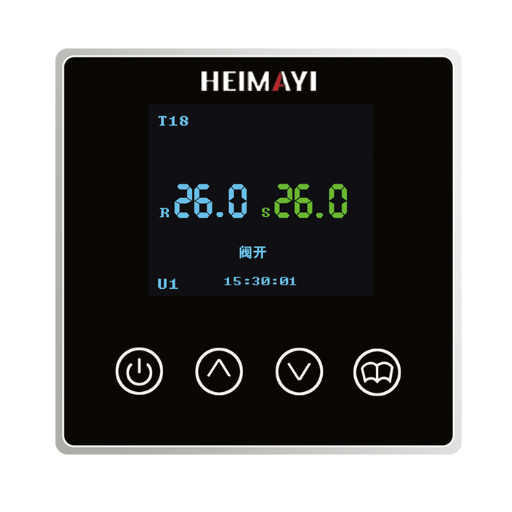
Data loggers and remote monitoring systems are essential tools for any warehouse operation, as inconsistencies in tracking environmental conditions would otherwise occur. These technologies enable real-time monitoring of conditions such as temperature and humidity, which can prevent spoilage or damage to sensitive goods. They also lead to operational efficiency and limit human error by automating the collection and analysis of data. Having accessible remote monitoring interfaces means warehouse managers can identify and address potential problems promptly, ensuring regulatory compliance and enhancing reliability.
How Remote Monitoring Enhances Warehouse Efficiency
🌐 The Role of IoT
The warehouse IoT market is projected to grow at a CAGR of 21.8% from 2021 to 2028. IoT devices give real-time inventory levels through smart sensors, RFID tags, and GPS technology, allowing warehouse managers accurate insight about stock levels, which mitigates problems of overstocking or understocking.
🔧 Predictive Maintenance
Predictive maintenance can reduce maintenance costs by as much as 25%, with a corresponding decrease in unexpected failures of almost 70%. Sophisticated sensors continuously collect performance data from machines and equipment, while analytics forecast the timing of potential failures.
🌱 Energy Efficiency
IoT sensors measure energy consumption, helping warehouses optimize lighting, heating, and cooling systems. IoT-enabled energy management systems achieve 30% energy savings, resulting in lower operational costs and a reduced carbon footprint.
👥 Employee Productivity
Remote monitoring enables warehouse workers to focus on core tasks rather than performing manual stock checks. Automation cuts tedious tasks and human errors. Stock discrepancies can be reduced by 95% through the elimination of manual errors with automation systems.
📋 Regulatory Compliance
Monitoring and remote technology make regulation compliance easier by automatically logging data for temperature, humidity, storage conditions. This helps smooth operations and guarantees stored product integrity, especially in food and pharmaceutical industries.
In summary, remote monitoring systems integrated with IoT and data analytics evidently go a long way toward achieving operational efficiency. Thereby, it provides in-depth insights and actionable data that serve as the basis for innovative warehousing solutions.
Integration of Wi-Fi and USB in Data Loggers
The integration of Wi-Fi and USB in data loggers has indeed enhanced data collection and management procedures. These features provide seamless access, offering greater practicality in data handling and analysis. Below are some key points that justify the value and advantages of such an integration:
- 📡 Real-time Transmission of Data: With Wi-Fi functionality, data loggers transmit information in real-time to centralized systems or cloud platforms, providing instant monitoring and quick troubleshooting in the absence of physical access to the device.
- 🔌 USB-dependent Ease of Downloading Data: One can quickly download data onto any external device having a USB port (laptop or portable drive) for logging purposes. This provides a secure backup and also enables access to the data while working offline.
- 🚨 Remote Monitoring and Alerting: Wi-Fi-enabled data loggers facilitate remote monitoring using mobile apps or web platforms. They alert and notify the concerned person regarding unusual conditions such as temperature and humidity.
- 📈 Scalability for Multiple Devices: Using Wi-Fi networking, several data loggers can be made to work together in a scalable network that makes monitoring of bigger facilities easy and natural. This factor plays a vital role in industrial operations and warehousing environments.
- 🔒 Improved Security: With stable encryption mechanisms, Wi-Fi integration guarantees the safe transfer of data with utmost confidentiality from undesired interception or breach. USB connections also offer transfer in controlled circumstances.
Downloading and Analyzing Temperature Data
Downloading and analyzing temperature data at an accelerated velocity ensures accurate environmental monitoring. Modern temperature data loggers are a class that makes life easier via simple interfaces and the highest technical integrations possible.
Downloading Data
Data can be downloaded in different ways depending on the kind of data logger used:
📶 Wi-Fi Connectivity
Being one of the most technologically advanced data loggers, it supports wireless data transfer. By using the dedicated software or app on computers or mobile devices, one could almost seamlessly download the real-time and historical data.
🔌 USB Connectivity
For more control, enhanced devices also support direct USB connections. The user can plug the logger into the computer and transfer the data files in CSV or TXT format briefly.
☁️ Cloud Storage
Automatic uploads to cloud platforms are provided by some loggers for the temperature profile, from where one can easily access and monitor it remotely.
Analyzing Temperature Data
Typically, special software tools are used to analyze temperature data once it has been downloaded.
- 📊 Visualization: Professional graphing tools help users look at temperature changes against time for patterns or trends, which may highlight any irregularities.
- ⚠️ Threshold Monitoring: Means setting limits based on temperature, thus whenever the environment exceeds these limits, it triggers an alert-worth notification to achieve relatively fast responses.
- 📋 Reporting: Many solutions generate reports with averages, anomalies, and insights, which are both critical for compliance reporting as well as operational changes.
- 🤖 Integration with AI/ML Tools: Started with advanced analysis incorporating artificial intelligence and machine learning technologies, which can predict anomalies, suggest optimizations, and offer recommendations for prevention based on analyses of historic trends.
💡 Example Use Case
A temperature data logger was used for tracking temperatures in a warehouse; clearly, sudden fluctuations were observed from the recorded data between certain hours. Upon analysis of the data, they realized they had faults in the HVAC system. Fixing these faults has not only kept the temperature to safe levels but also brought about energy efficiency saving of 15%.
Hence, by utilizing the latest data logging technologies, companies can be assured of the precision, security, and actionable insights required for their temperature monitoring needs.
Best Practices for Effective Temperature Measurement
🔧 Regular Equipment Calibration
Ensure that all temperature measuring devices get a proper calibration for the purpose of collecting the right measurements. By regularly calibrating your equipment, you will be able to maintain its reliability throughout its lifetime.
📍 Appropriate Sensor Placement
Locate your sensors at sites representative of the area you want to monitor. Avoid being near heat sources, direct sunlight, or drafts that could cause distortions in the data.
⏱️ Continuous Monitoring
Use automated data logging systems for constant monitoring and recording of temperature readings. This helps detect trends or abnormalities faster.
🛠️ Good Maintenance
Perform regular inspections on your equipment. Keep things running well and prolong the lifespan.
🎯 Choose Right Instruments
Select your temperature measurement instruments beforehand, taking into account your specific environment and application. For instance, use waterproof sensors in areas with high moisture levels.
By following these practices, an accurate and dependable temperature monitoring system can be established to protect products and streamline operations.
Setting Up Temperature Sensors in Warehouses
Proper installation of temperature sensors in warehouses is essential for product quality, compliance, and operational efficiency. Here are the latest key steps and considerations:
- Strategic Placement of Sensors
The temperature sensors must be placed at points that accurately represent the conditions affecting the stored goods. It is recommended to place sensors at several points around the warehouse to note temperature variances. A sensor should be located at one of these heights on the shelves, near the door, and in the center of the warehouse. Such a setup could prevent the formation of a potential hotspot or cold zone that can affect the goods. Temperature studies reveal that almost any fluctuation in temperature can affect perishable goods, and therefore, some items start losing quality at a variation of even 2°F.
- Understanding Warehouse Layout
Assess the layout of the warehouse, as well as the equipment, such as cooling or heating systems, to determine optimal sensor placements. If your warehouse stocks a mix of items that require different temperatures, zones must be set up so that each zone is accurately monitored. Multi-sensor equipment enables the collection of real-time data for specific areas, helping to prevent costly product losses. Reports indicate that 40% of warehouse costs are attributed to inventory management; therefore, an efficient monitoring system is a must-have.
- Calibration and Maintenance
Calibrate sensors regularly to ensure accurate measurements. Most up-to-date systems have automatic calibration embedded within, with manual checks recommended periodically. Maintenance includes cleaning sensors and checking batteries, both of which are essential to ensure your monitoring system continues to function correctly. Noteworthy is that it has been documented that warehouses with routine sensor maintenance have seen an increase in operational efficiency of up to 30% in some instances.
- Use of Smart Monitoring Systems
This incorporates innovative temperature monitoring systems, coupled with wireless IoT technology, for real-time alerts and data logging. For example, combining cloud platforms will enable businesses to analyze historical data, predict future temperature trends, and respond quickly to anomalies. A recent survey reported that warehouse adoption of IoT-enabled monitoring systems increased by 25% in 2023, indicating a growing reliance on advanced technology for enhanced efficiency.
- Regulatory Compliance
Codes must be complied with, such as those from the FDA or ISO, for temperature-controlled storage. Such codes usually specify permissible temperature ranges for the particular products, for instance, perishable food storage between 35°F and 46°F.
Following these steps, combined with leveraging new technologies, creates a robust temperature monitoring process for warehouses. In this way, stored goods are protected against damage and efficiently managed within the warehouse.
Regular Calibration of Monitoring Devices
Ensuring that monitoring devices are regularly calibrated is crucial for maintaining accurate temperature readings in the warehouse. I make it a point to periodically check on these devices and calibrate them as necessary, according to the manufacturer’s guidelines or industry standards, to avoid discrepancies in readings and ensure proper storage conditions for perishables.
Interpreting Temperature Data for Decision Making
The product’s quality and operational efficiency depend highly upon effectively interpreting temperature data. Once the devices are calibrated, data must be collected precisely and consistently. This allows warehouse managers to identify trends, anomalies, or any deviation from the appropriate temperature range for a specific type of perishable. Industry analysts suggest that a 2°F deviation from the recommended temperature can reduce the shelf life of some perishable items by up to 50%.
📊 Advanced Data Analysis
These days, the interpretation of temperature readings is facilitated with the aid of advanced data analysis tools. For example, a temperature-monitoring system equipped with IoT technology can be set up to provide real-time alerts and trend analyses. Google says that predictive analytics, which leverages temperature data to foresee issues, can boost operational efficiency by 20 percent. Visualization tools, such as graphs and dashboards, also aid decision-making by providing a clear depiction of critical shifts in temperature trends over time.
📋 FDA Guidelines
Frontline decisions above population benchmarks provide guidance. For one, FDA guidelines specify frozen products maintaining temperatures at or below 0°F, while fresh produce is often kept between 32°F and 40°F. Following such standards when possible, especially through careful data analysis, minimizes a great deal of the risk for product spoilage and ensures that it is on the uphill side of regulatory compliance.
Alongside the latest technology and expertise, businesses can confidently choose what is best for preserving the quality of their perishable products.
References
- Rochester Institute of Technology Repository: A study on temperature mapping in pharmaceutical distribution facilities. Link to study
- Virginia Tech Extension Publications: Discusses the application of time-temperature data loggers in monitoring shipments and processes. Link to publication
- Academia.edu: A detailed temperature mapping study with methodologies and recommendations for storage facilities. Link to study
Frequently Asked Questions (FAQ)
❓ What Is a Warehouse Temperature Data Logger?
A warehouse temperature data logger is a digital instrument used for measuring and monitoring ambient storage temperatures. These devices help ensure that the products are kept under their preferred conditions, thus maintaining standards for regulatory compliance.
⚙️ How Do Temperature Data Loggers Work?
Temperature data loggers measure ambient temperature using internal sensors or probes. Later, these data are stored or could be transmitted to a cloud service for remote tracking and analysis, hence providing an effective means to track environmental parameters.
✅ What Are the Advantages of Using Environmental Monitoring Systems?
Environmental monitoring systems, which include warehouse temperature data loggers, provide reliable readings that help maintain the integrity of the product. Environmental conditions can be tracked and monitored in real-time for inspections to ensure compliance with industry regulations, thereby improving efficiencies.
🔧 Can Temperature Data Loggers be Calibrated?
Temperature data loggers should be calibrated to ensure and maintain the accuracy of readings. Regular calibration, therefore, ensures compliance and holds high importance in guaranteeing and preserving reliability, particularly when used to monitor sensitive environments, such as food storage in refrigerators and freezers.
📦 Which Products Need Temperature Monitoring?
When most products are being shipped, especially perishables, medicines, and sensitive electronics, they require monitoring. Temperature monitoring, via a temperature data logger, helps ensure that these goods are transported and stored under conditions that best suit their handling.
📡 How do Wireless Temperature Data Loggers Work?
Wireless temperature data loggers use Bluetooth/Wi-Fi to transfer data to a cloud service or an application on a smartphone. This remote monitoring ensures that one can monitor the environmental conditions from anywhere and at any time.
🔍 What Are Such Things I Should Look at While Selecting an Ideal Temperature Monitoring Solution?
When selecting temperature monitoring solutions, consider factors such as interoperability with existing systems, temperature measurement range, data transmission mode, and calibration certificates, among others. These measures ensure the smooth operation of the monitoring systems.
💾 How Do I Download Monitoring Data from a Data Logger?
Most temperature data loggers allow end users to download the monitoring data via USB or a cloud service. And often the data can be exported in the PDF format for report-compliance purposes, thus a way to keep records.
🎯 Ready to Optimize Your Warehouse Temperature Monitoring?
Implementing the right temperature data logging solution can significantly reduce inventory losses, ensure regulatory compliance, and improve operational efficiency. Start your journey towards better warehouse management today!







