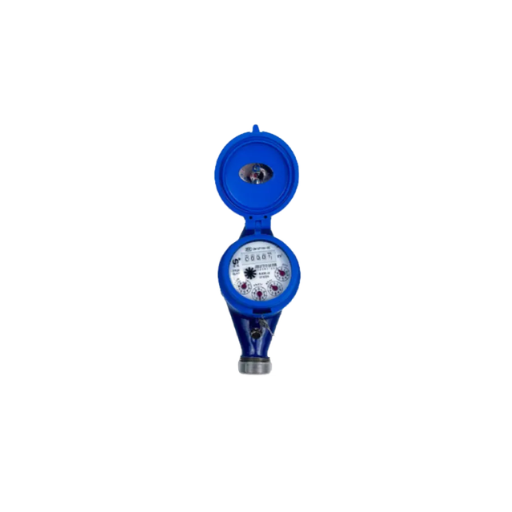
Industrial Room Temp Logger: Understanding Temperature and Humidity Data Logging
The temperature and humidity are so stable and sensitive that even a minute aberration would affect product quality, lead to equipment failure, or pose a security concern. Thus, chanting the very name, the industrial room temperature logger is an invaluable tool that can keep complete records and analyze all environmental data at will. This paper discusses the correlation between temperature and humidity data logging and the industries that require logging and data control, including manufacturing, pharmaceuticals, and food warehousing. Thus, while trying to optimize operations, comply with regulations, or protect assets, one must understand the working of these instruments. On the other hand, the article discusses how an industrial room temperature logger can uplift your control over the environment.
Introduction to Data Loggers
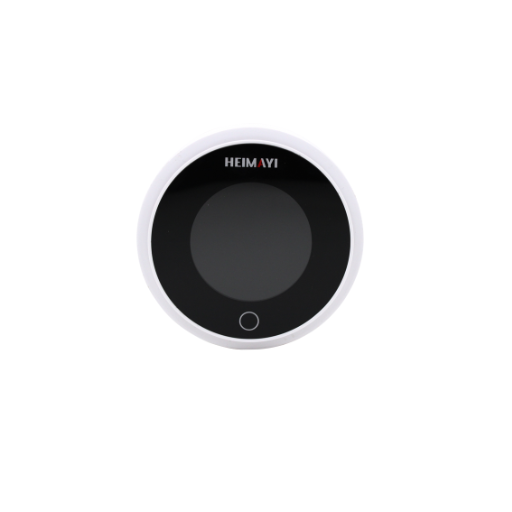
Data loggers are essentially electronic devices that can detect and record changing environmental parameters over a specified period. For example, a data logger can measure temperature or humidity and store this information for further analysis and review. These devices are widely used worldwide in various industries to meet regulatory standards, maintain quality control, and ensure the safety of sensitive goods. Being practically portable and reliable, data loggers provide the utmost precision in data, which can help organizations make informed decisions and improve their operations.
What is a Data Logger?
A data logger is small and handy in size and, in many respects, an independent scientific instrument that can simply measure a parameter under certain conditions or at specific intervals such as temperature, humidity, or pressure, giving valuable insight into the planning for monitoring and analysis.
Importance of Temperature Monitoring
Temperature measurement plays a significant role in any industry to promote safety, efficiency, and adherence. An accurate accounting of temperatures is certainly helpful in avoiding the spoilage of goods, in setting regulatory standards, and in fostering expert-level efficiency. Below are five facets laying importance on temperature measurement:
🍎 Food Safety
Temperature measurements, food storage, and transportation practices ensure that perishable goods remain within safe temperature limits, preventing spoilage or contamination of food products and thereby complying with food safety regulations, such as HACCP (Hazard Analysis and Critical Control Points).
💊 Pharmaceutical Stability
The majority of drugs, vaccines, and biologics require specific temperature conditions to maintain their efficacy. Maintaining an uninterrupted temperature-monitoring process assures that pharmaceutical products are stored and transported safely without incurring heavy losses or put patient safety at risk.
🏭 Industrial Processes
Most manufacturing processes are conducted with strict thermal control to ensure the quality and consistency of products. Temperature monitoring can help with heat management and may prevent equipment blowouts due to overheating or thermal stress.
🌿 Environmental Control
Temperature monitoring in environments such as server rooms, laboratories, or greenhouses is essential to protect sensitive equipment, experiments, or plants. A sudden temperature change could lead to equipment malfunctions and damage to research results.
❄️ Cold Chain Logistics
Cold chain deals with temperature-controlled supply chains for items such as frozen food and vaccines. Temperature monitoring at every stage of the supply chain guarantees that these commodities reach at a suitable temperature.
Applications of Industrial Room Temp Loggers
Industrial room-temperature loggers have a vast spectrum of applications in different industries because of their ability to provide constant-temperature monitoring. Here are the main applications:
Pharmaceutical and Healthcare
Any room temperature logger is crucial for ensuring quality control of medicines, vaccines, and other pharmaceutical products. It ensures that storage areas are maintained within the required temperature ranges as specified by regulatory standards to prevent spoilage. For instance, there is a strict range of temperature to monitor vaccines from 2-8 degrees centigrade, so that they do not lose their potency.
Food and Beverage Industry
Temperature loggers prevent spoilage and malfunctioning of any goods by monitoring storage and processing areas. For instance, frozen foods are kept below -18°C, and any slight deviation from this temperature range can spoil the quality and safety.
Data Center
It maintains the temperature in the data center room at a controlled level, preventing overheating of servers and ensuring uninterrupted operation. Temperature loggers help detect early changes in room conditions, allowing for the avoidance of system failure due to prolonged exposure to high heat.
Greenhouses and Agriculture
Temperature loggers play a crucial role in maintaining conditions that are desirable for plant growth. The devices monitor the temperature for control purposes to optimize growth and yield. For example, certain crops perform best when temperatures are maintained between 20°C and 25°C, depending on their specific nature.
Cold Storage and Warehousing
Temperature loggers in processing industries, such as transportation and warehousing, maintain products stored under optimal conditions. This is all the more important for perishables like dairy, meat, or flowers, where temperature fluctuations may result in huge losses.
Types of Temperature and Humidity Data Loggers
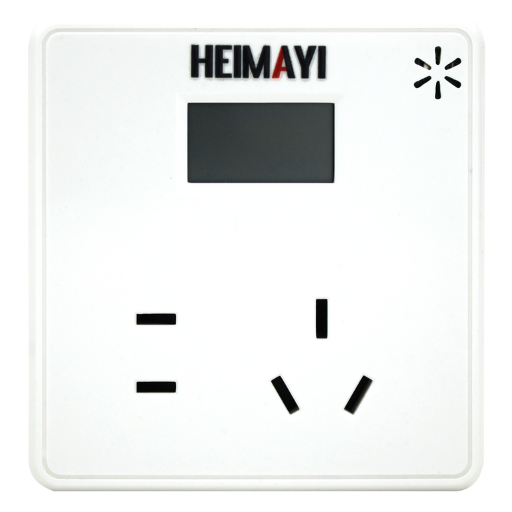
USB Data Loggers
USB data loggers are small and portable devices used to monitor parameters like temperature and humidity of an environment. Their main advantage is ease of use; simply plug the logger into a USB port on a computer and direct download of data occurs, removing stands for extra cables or wireless data transmissions, making them highly convenient for different industrial uses.
In today’s modernism, USB data loggers contain features such as big memory capacity, long battery life, and incredible precision. For example, many can record temperature from -40°F (-40°C) to 185°F (85°C) with an accuracy of ±0.5°F (±0.3°C). Also, these units can check humidity from 0 to 100% RH (relative humidity), which makes them fit for conditions wherein accurate environmental data is required.
For example, disruption of the cold chain during vaccine distribution can be prevented through continuous temperature recording by USB data loggers, which may later be reviewed to prove regulatory compliance. Industries include pharmaceutical storage, food transportation, greenhouse, and other cold storage applications.
Software package bundled with USB data loggers may offer detailed insights and reports. Users can set the alarm threshold values and export data in different formats and integrate them into a larger remote monitoring system. Their versatility coupled with the cost-effectiveness and reliability actually makes USB data logger a very precious operational monitoring tool at modern times.
Wireless Temperature Loggers
Wireless temperature loggers are a cutting-edge technology for temperature monitoring and recording in a variety of industries. Unlike USB data loggers, they are capable of wireless communication via WiFi, Bluetooth, or proprietary radio frequency (RF) protocol, hence providing real-time data delivery without manual download. These devices are handy in cases where physical access to the device is constrained, such as when the environment is far away or perhaps dangerous.
Due to technological enhancements, wireless temperature loggers today often feature cloud integration, multi-channel temperature monitoring, and long battery life. For instance, modern devices can sync with a cloud-based platform, allowing users to view temperature data remotely from any location through mobile apps or web dashboards, thereby completely eliminating data loss risk and providing constant visibility of vital temperature parameters.
According to Google data, many high-end models can achieve accuracy of ±0.1°C, with measurement ranges usually between -40°C to +125°C (-40°F to +257°F). Alerts can also be programmed in many models to notify the user immediately when a set temperature has been breached—whether through emails, texts, or app notifications —so that the time to respond to an anomaly is cut to the bare minimum.
Wireless temperature loggers find application across various sectors. Thus, they ensure that vaccines and sensitive medicines are kept within prescribed temperature limits during transport in pharmaceutical logistics. Likewise, in the food industry, they help monitor cold chain operations for compliance with safety rules. Scalable to any level and seamlessly incorporable into monitoring systems, they become a boon for any business looking at adopting IoT-driven monitoring solutions.
High Precision Temperature Data Loggers
To provide accurate and reliable monitoring of temperature-sensitive environments where irreversible changes occur, High-Precision Temperature Data Loggers are applied. They are found in implementation in pharmaceutical industries, cryopreservation, food storage, and aerospace industries, where temperature control standards have stringent requirements. Fitted with the latest sensors and digital interfaces, high-precision data loggers offer temperature measurement capabilities with ±0.1°C or better accuracy, ensuring that critical products remain within acceptable temperature limits.
Due to recent technological advancements and trends, modern temperature data loggers are equipped with wireless or Bluetooth connectivity for real-time data transmission, making it possible for users to access measurements from afar through a cloud-based platform or mobile app. Moreover, the majority of these devices come with rugged and waterproof housings, and some can even operate within extreme temperature ranges, such as from -200°C up to 150°C, making them suitable for cryogenic and high-temperature applications.
By way of illustration, the Testo 184 series or LogTag TRED30-16R are some of the most common models, featuring a straightforward user interface, the longest battery life, and the largest memory to store up to tens of thousands of data points. This prevents any data disruption in a long monitoring exercise. Additionally, they comply with worldwide standards, such as FDA 21 CFR Part 11 and EN 12830, which confirms their credibility, even in a regulated environment. The high-accuracy temperature data logger, therefore, enhances operational efficiency and provides consumer protection through strict quality control.
Key Features of Temperature and Humidity Data Loggers
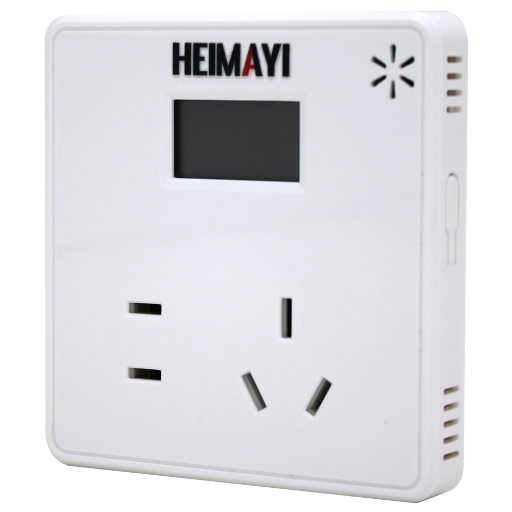
Precision and Reliability
- ✓
High Accuracy Measurements – Temperature and Humidity Data Loggers are capable of measuring with a precision of ±0.1°C Temperature and ±1% RH, thus assuring the collection of data with ultimate trustworthiness. - ✓
Long-Term Stability – With advanced sensors and materials incorporated into their design, these devices provide consistent performance over more extended periods and require minimal recalibration. - ✓
Real-Time Recording of Data – Since these devices are equipped with real-time monitoring capabilities, the data on any environmental parameter can be updated up to seconds. Hence, users can respond quickly to any irregularities. - ✓
Wide Operating Range– It gives reliable measurements over an extensive range of temperatures and humidities, hence well suitable for any ambient conditions ranging from cold storage to laboratories and even to field use. - ✓
Robust Construction – Considering that they are built using materials that are waterproof, shock-resistant, etc., through the designs of manufacturers, the devices are guaranteed high reliability under the most challenging and most demanding conditions.
Rugged and Waterproof Designs
Data loggers with rugged and waterproof designs are necessary to ensure performance and reliability in tough environmental conditions. These devices are built with a sturdy construction to hold up under whatever hazard they face. Below are just five core features of their rugged and waterproof design:
- 🛡️
IP67 Waterproofing – Protects against dust and can resist water immersion in one meter for 30 minutes; hence, it can work well in wet and humid situations. - 💪
Shock Resistance – Housings composed of materials capable of withstanding impacts, drops, and vibrations, maintaining their performance in adverse conditions. - ⚗️
Corrosion-Resistance – Built with anti-corrosive coating to defend against matters of saltwater, chemicals, or any other hazardous substances. - 🌡️
Wide Temperature Tolerance – Systems shall be capable of functioning within a temperature range from -40°F to 185°F (-40°C to 85°C), allowing for operations in arctic or desert environments. - 🔌
Sealed Connectors and Ports – Connectors and ports that are tightly sealed to keep water or dust out, providing reliability and protection in unpredictable weather or industrial conditions.
Remote Monitoring Capabilities
Modern-day remote-monitoring systems offer a way for the user to track and analyze operations in real-time from almost anywhere. These systems employ state-of-the-art sensors, IoT-specific technologies, and cloud-based platforms to share data insights. Some such key features are:
- 📊
Real-Time Data Collection – Sensors collect information about the system, the environment, and operational parameters continuously, so the data is ever up to date. - ☁️
Cloud Integration – Data from remote systems can be accessed securely using cloud platform from any desktop, smartphone, or tablet. For instance, platforms such as AWS IoT and Microsoft Azure provide scalable options to store and analyze large data volumes. - 🔮
Predictive Analytics – Using advanced algorithms, these systems analyze data to identify trends and potential failures before they actually occur. Studies show that predictive maintenance can reduce unplanned downtime by nearly 50% while extending equipment life by 20 to 40%. - 🚨
Custom Alerts and Notifications – Systems may be set up to generate instant alerts via email, SMS, or application notifications when critical issues arise, thereby reducing response time and increasing operational efficiency. - 📈
Data Visualization Tools – Utilize interactive dashboards to present key metrics, such as temperature, pressure, or energy consumption, in the form of insightful charts and graphs that facilitate informed decision-making.
These abilities are used widely across industries such as manufacturing, agriculture, and utilities to improve performance, increase productivity, and lower operating expenses.
How to Choose the Right Temperature Logger
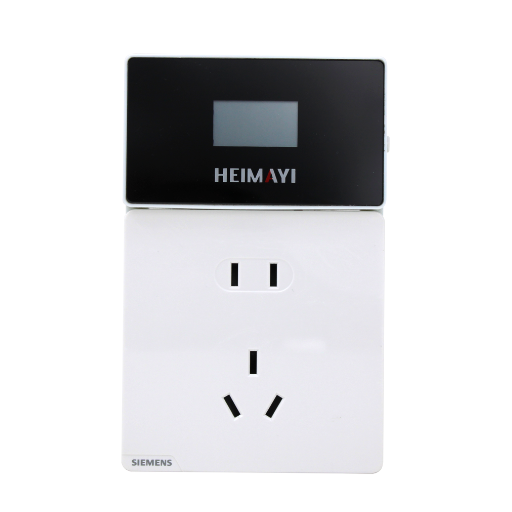
Temperature loggers should be considered based on the following factors:
- Measurement Range – Confirm that the logger measures the temperature within the actual range required for your application.
- Accuracy and Reliability – In critical operations, devices with higher accuracy are preferable, as they provide records on which your trust will not be misplaced.
- Data Storage Capacity– Select a logger capable of storing the data meant to be recorded during the period of surveillance.
- Connectivity – Look out for wireless or USB connectivity options to facilitate easy data transfer.
- Durability – For harsher environmental conditions, select models that are designed to withstand extremes such as moisture, dust, or vibrations.
- Ease of Use – Selectable with user-friendly devices that offer straightforward setup and operation.
With these considerations, a temperature logger can be found to suit an individual’s monitoring requirements efficiently.
Factors to Consider
Temperature loggers are available in numerous designs. It is wise to consider several factors to find one that suits your needs. Five of these considerations are:
📏 Measurement Range
Ensure the temperature range of the logger matches your application requirements. For instance, cold chain monitoring could require devices capable of recording temperatures as low as -40°F (-40°C), whereas industrial tasks might need higher thresholds.
🎯 Accuracy and Resolution
In any case, precision is utmost for trustworthy data. Consider the high accuracy of your logger and the adequate resolution to detect subtle temperature changes (e.g., ±0.1°C in sensitive environments).
💾 Memory Capacity
Having enough memory reserved in your logger allows monitoring to go for extended periods. Some state-of-the-art devices are capable of storing tens of thousands of data points and can run uninterrupted without regularly downloading data.
🔋 Battery Life
It is best to have a long battery life, so you do not have to change batteries during operation. Select devices whose batteries last for months or years, depending on the duration of the monitoring required.
🌍 Environmental Compatibility
Suppose it needs to be used under extreme or specialized conditions. In such cases, loggers must have protective features, such as waterproofing and dust resistance, or rugged cases to protect their performance under challenging conditions.
Considering these points will guide you in selecting the perfect temperature logger for accurate and reliable monitoring in your application.
Comparing Temperature Data Logger Models
Evaluating USB vs. Wireless Options
Some of the key considerations when comparing USB temperature data loggers and wireless temperature data loggers include features, convenience, and application requirements. Each type has its own advantages and disadvantages that may affect its applicability in various scenarios.
🔌 USB Temperature Data Loggers
A USB logger has a very simple design for data retrieval from a logger to a computer through direct connection. These devices tend to be cheaper and are usually preferred for checker-type checking where intermittent monitoring is enough.
Advantages:
- ✓
Cost efficiency: More affordable compared to wireless loggers, making them a good option for institutions that might be constrained by budget. - ✓
Easy usability: Simply plugging the logger into the computer and retrieving the data requires little time and even less effort. No complex system is required. - ✓
Reliable in certain kinds of locations: Ideal for scenarios where the logger is fixed and can be accessed later.
Limitations:
- ✗
Manual involvement: Some physical intervention is required for a collection of data from the logger, and this part may be more or less inefficient for data from several loggers or very remote devices. - ✗
Weakness for real-time monitoring: Data can only be taken during the collection, thus delaying responses for critical temperature changes.
📡 Wireless Temperature Data Loggers
The way wireless data loggers transmit data to a central system from measuring locations over Wi-Fi, Bluetooth, or other forms of wireless networks renders them suitable for the dynamic or remote scenario of temperature applications.
Advantages:
- ✓
Real-time access: Enables instantaneous data checks and the ability to address temperature fluctuations as they occur. - ✓
Remote monitoring: No need for presence, saving time and effort. - ✓
Advanced integration: Most wireless loggers are capable of integrating with cloud storage and IoT systems with multi-user access.
Limitations:
- ✗
Expensive: Wireless devices are generally costlier because they contain materials that enable them to operate through a network. - ✗
Dependent on the network: The performance may be affected by network issues or a sudden disruption in connectivity. - ✗
Increased power consumption: Require frequent charging or changing of batteries, as compared to the USB ones.
📊 Quick Comparison Table
🎯 Use Cases
USB Loggers
Best suited for small-scale projects or fixed locations such as indoors and refrigerated storage, where cost is a significant consideration.
Wireless Loggers
Best suited for large or dispersed environments, such as supply chain monitoring, logistics, or remote industrial sites, where real-time insights are of prime importance.
Both USB and wireless data loggers are reliable options for temperature monitoring; deciding which to choose depends mainly on your unique requirements, budget, and whether real-time data accessibility is required.
Practical Applications of Temperature and Humidity Data
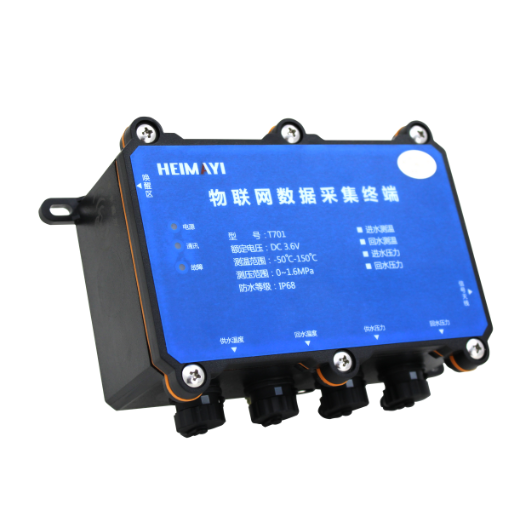
Temperature and humidity data are crucial in various industries and use cases for maintaining proper environmental conditions and optimizing operational efficiency. Here are some of many relevant use cases:
🍎 Food Storage and Transportation
Temperature and humidity must be monitored to ensure the quality of perishable goods during storage and transport. Data loggers are used to comply with regulatory standards and prevent spoilage and hazards.
💊 Pharmaceutical Storage
In the processing of medicines, environmental controls must be maintained with utmost precision to safeguard the integrity of the products. Temperature and humidity monitoring also maintain efficacy and safety of drugs, vaccines, and other sensitive items.
❄️ HVAC System Efficiency
Accurate data guide the search for adequate heating, ventilating, and air conditioning methods. The system, by taking into consideration environmental conditions, optimizes energy consumption, thereby improving indoor air quality.
🌱 Agriculture and Greenhouses
Growers and greenhouse operators use temperature and humidity data to tailor growing conditions for their crops, thereby increasing yields, reducing waste, and mitigating the risk of diseases.
🔌 Electronics Manufacturing and Storage
Excessive humidity or temperature can bring about corrosion in sensitive electronic components. Continuous monitoring averts such corrosion and ensures maintenance of product quality during manufacturing and storage.
Such situations are just a few examples of how temperature and humidity data are applied to ensure safety, quality, and efficiency across various industries.
Monitoring Indoor Environments
As per the Environmental Protection Agency (EPA), it is established that people spend almost 90% of their time indoors, thereby making indoor environmental control an essential factor to comfort, productivity, and health. The factors of indoor air quality, temperature, and humidity levels are important ones for humans to take into account. Poor air quality may, among other things, result in respiratory problems, fatigue, and decreased productivity.
Today it is recommended that the temperature for indoor comfort should be lowered to standard levels between 68°F and 75°F or from 20° C to 24° C, and that relative humidity to an extent of 30% to 50% would at least prevent mold growth and also stop allergens like dust mites. The installation of advanced sensor technology and intelligent monitoring systems helps capture and analyze real-time data that can be used to auto-adjust the HVAC systems to the ideal indoor environment.
In the wake of such advancements, another technology-based effort to make the indoor environment better includes IoT-enabled devices. These devices integrate information, allowing facility managers to operate smart thermostats and monitor air quality. Google Trends indicates that growing interest in smart air purifiers and dehumidifiers is driven by a modern awareness of indoor environmental monitoring. More accurate and continuous tracking of environmental parameters ensures that we create healthier and comfortable living and working environments.
Use in Industrial Settings
A direct application of environmental monitoring is in an industry, which facilitates checks for safety, efficiency, and compliance with regulations. These technologies enable direct and precise observation of ecological parameters that influence potential operational outputs and the well-being of people. Some of the keys to the uses of ecological monitoring in industrial activities are as follows:
🌬️ Air Quality Monitoring
Industrial plants require the use of air quality monitors to detect the presence of harmful substances, such as VOCs, carbon monoxide, and particulate matter. Sensors are also used to maintain pollutant levels within safe limits, thereby reducing health hazards to the workforce in manufacturing plants.
🌡️ Temperature & Humidity Control
Many industries, such as pharmaceuticals and food processing, require strict temperature and humidity controls. Maintaining optimum conditions ensures product quality and prevents spoilage, thus reducing operational losses. Data loggers are typically used to monitor and record these parameters.
🔊 Noise Level Monitoring
Prolonged exposure to high noise levels can affect the health of workers, as indicated by permissible levels established in safety regulations. Noise monitoring devices help ensure that the sound levels in industrial zones are within the limits prescribed by OSHA.
💧 Water Quality Testing
Chemical manufacturing, textile, and other industries depend on water quality parameter monitoring, including pH, turbidity, and contamination levels. A real-time monitoring system ensures that environmental laws are followed and that harmful effluents do not affect local groups.
📳 Vibration Analysis
An essential element in predictive maintenance through vibration monitoring is detecting abnormal machine performance. Abnormal or excessive vibration is one of the earliest signs of impending failure, allowing for timely repair and minimizing downtime. Sensors integrated with industrial equipment provide real-time information needed for smooth operation.
All of these applications underscore the importance of accurate environmental monitoring in various industrial activities, aiming to enhance the safety of working environments and improve production efficiency.
Real-World Case Studies
🛢️ Oil and Gas Industry – Predictive Maintenance
In the oil and gas sector, one of the leading companies implemented advanced vibration monitoring systems on its drilling equipment. By using real-time data from sensors, unplanned downtime was reduced by 30%, with cost savings of about $1 million per year. Early wear and tear in rotary equipment were detected by this system, enabling preventive maintenance and reducing operational risks significantly.
💨 Wind Turbine Monitoring–Renewable Energy
Vibration sensors in the gearbox of a wind turbine now enable energy companies to monitor the performance of their turbines continuously. According to a recent report, the European wind farm utilizing these sensors increased uptime by 25%, resulting in 650 megawatt-hours of electricity produced annually. This success is a testament to the importance placed on vibration analysis in the efficiency and reliability maintenance of renewable energy systems.
🚗 Automobile Manufacturing – Precision Assembly
A worldwide automobile manufacturer incorporated vibration-monitoring systems into its assembly processes to ensure the accurate alignment and calibration of its robotic arms. This accomplishment has reduced assembly errors by 15%, increased production, and decreased material consumption. Moreover, it reduced wear and tear on machinery, thereby enhancing the equipment’s lifespan by an estimated five years.
⛏️ Mining Industry – Heavy Equipment Monitoring
Heavy-duty machinery is crucial to mining activities. One mining company reported that installing vibration monitoring systems on conveyors and crushers enabled them to identify mechanical issues, such as misalignment or bearing failures, early. This cut repair costs by about 20% and improved productivity by reducing unplanned stoppages.
These examples demonstrate how vibration monitoring technologies have an impact that can be measured in various industrial sectors. Combining real-time data analytics and advanced sensors disables the possibility of improving operational efficiency while cutting down on costs and raising safety standards globally.
📚 References
- IEEE Xplore: “Data loggers for high-temperature industrial environments”
Link to source - ResearchGate: “Monitoring temperature, humidity and controlling system in industrial fixed room storage based on IoT”
Link to source - IEEE Xplore: “A new monitoring and data logger system for industrial cooling equipment applications”
Link to source
Frequently Asked Questions (FAQ)
❓ What is an Industrial Room Temp Logger?
An industrial room temperature logger is a device made to monitor and record temperature and humidity levels of the ambient environment in an indoor setting. These loggers are fitted with high-precision sensors to provide stringent measurements over time. They are well-suited for sensitive product storage, greenhouse control, and several other environmental monitoring needs.
⚙️ How does a Temperature and Humidity Data Logger work?
Temperature and humidity data loggers operate through built-in sensors that measure ambient temperature and relative humidity at regular intervals, storing the measured values in internal memory until the recipient downloads them via USB or wirelessly using Bluetooth or Wi-Fi. The readings can then be analyzed using cloud software or software provided by the manufacturer.
📡 What are the benefits of a Wireless Temperature Logger?
Wireless temperature loggers provide several benefits, such as the ability to monitor temperature in real time and receive notifications on mobile devices and computers. They typically have long battery life and can thus be used in remote monitoring applications in several contexts. Their multi-purpose nature allows them to track different environmental conditions without the hindrance of wiring.
🔌 Can I use an External Probe with my Temperature Logger?
In many cases, a temperature logger can support the use of an external probe to enhance logger capabilities. These probes enable measurements to be made in challenging environments or for specialized applications, such as temperature monitoring of sensitive product items within refrigeration units or greenhouses. Always ensure that you check the manufacturer’s specifications for compatibility.
🎯 What is Calibration for Temperature Data Loggers used for?
Calibration ensures that the temperature data logger provides accurate and reliable readings. The manufacturer typically provides a calibration certificate to demonstrate that the instrument was manufactured in accordance with established industry standards. Continual calibration prevents inaccuracies in readings and errors that can sometimes become critical when precise environmental monitoring is needed.
💾 How can I get information from my Temperature Logger and analyze it?
Temperature loggers’ data can usually be accessed through a USB port or transmitted via wireless means for storage in a computer or mobile device. Users download a reading, which can vary in format, such as PDF, for both sharing and analysis. Similarly, there is software available in the cloud that can provide an online view of data and detailed reporting for multiple devices.
🏭 What are typical applications for Industrial Room Temperature Loggers?
Industrial room temperature loggers have wide applications, including monitoring indoor air quality within warehouses, ensuring proper temperature conditions in greenhouses, and transporting sensitive products with environmental parameters. Their rugged and sometimes waterproof design ensures their suitability across various industrial sectors.
🔍 What features would I desire in a High Precision Temperature Logger?
When selecting a high-precision temperature logger, consider the following aspects: measurement range, battery life, data transmission options (Bluetooth or Wi-Fi), and the possibility of connecting an external probe. Also, consider those that have programmable interval settings and an interface with a well-installed display, such as an LCD, where real-time data can be manually read out.