The Ultimate Guide to Storeroom Temperature Loggers: Ensuring Optimal Temperature and Humidity Monitoring
Maintaining the desired environmental conditions in a storeroom is the backbone for preserving sensitive materials, such as perishable goods, pharmaceuticals, or delicate electronics. Even slight deviations in temperature or humidity can lead to spoilage, reduce the effectiveness of an item, or cause outright destruction in some cases. That’s where temperature loggers for storerooms come in. These sophisticated little gadgets monitor and record environmental factors around the clock by exact parameters, giving any company assurance that the inventory is in a safe, controlled environment. In this guide, we will discuss the essentials of storeroom temperature loggers, including their purpose, operation, and how to select the best one for your needs. Whether you are managing a warehouse or you are a small business owner, you will learn in this write-up how to effectively protect your assets. We now unravel how these tools will ease your operations and provide you with some peace of mind along the way.
Introduction: The Critical Role of Temperature in Storerooms
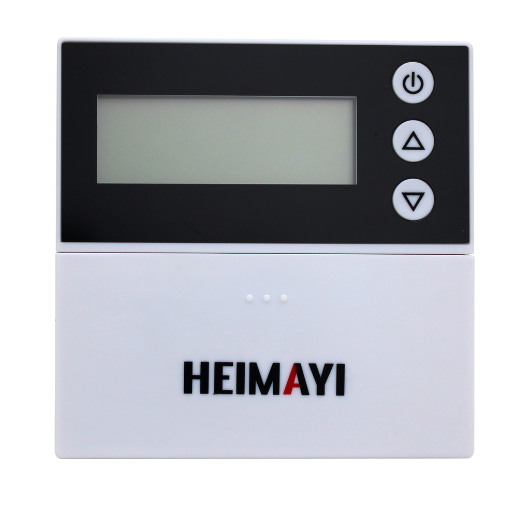
Reasonable temperature control within storerooms, with the quantity interiors being open on all inlaid side walls, plays a critical role in preserving the quality, safety, and duration of storage for goods. Many goods, such as food, pharmaceuticals, and sensitive electronics, are highly temperature-sensitive. On the contrary, spoiled or aged goods will have a spoiling bad vibe under their scent, and ensure-red tape-onto these goods would be in some instances a viable avenue for banana workers to preside upon. By ensuring that the temperature remains at the appropriate levels and does not fluctuate, businesses can eliminate waste, protect their goods, and maintain a good reputation, ultimately benefiting their customers.
⚠️ The Consequences of Improper Temperature Control
Poor temperature control does more than pose inconveniences; it has financial, health, and environmental considerations. It is also estimated that food products’ deterioration due to unsuitable storage, temperatures, or humidity contributes to about 20% of global food wastage, thereby equating to huge losses of billions of dollars every year.
Temperature excursions during transportation or storage can also cause vaccines and medicines to lose their efficacy, endangering patient safety and violating regulatory standards, such as GDPs (Good Distribution Practice). Sensitive electronics are equally vulnerable. Exposure of components to extreme temperatures, such as heat or cold, can cause irreversible damage; consequently, repairs or replacements become more expensive. Proper temperature control, therefore, averts these risks and ensures sustainability by reducing waste while conserving energy during both storage and transportation.
Challenges in Maintaining Optimal Conditions
🌡️ Fluctuating Environmental Temperatures
External temperature variations pose a significant concern in areas where extreme climates or rapid atmospheric changes prevail. For example, research showed how any temperature deviation outside the prescribed range grows spoilage of reactive perishables by more than 30%.
📊 Inappropriate Monitoring Systems
The absence of a good temperature argus could result in a lapse in plugging a critical change. According to an industry report, facilities that lack real-time tracking systems face a 25% increased risk of product quality breaches.
⚡ Energy and Cost Considerations
The energy consumed in maintaining a static set temperature is often exorbitant. According to a report, refrigeration and climate control systems account for nearly 40% of the electricity consumed in storage facilities.
🏗️ Poor Insulation or Equipment Failures
Inadequate insulation of storage units or sudden malfunctions of equipment may cause temperature variations, which can be detrimental to sensitive goods. The maintenance report indicates that improper insulation could result in energy wastage increases of 15 to 20%.
🚛 Transportation Issues
Maintaining optimal conditions during transit becomes particularly challenging due to factors such as transit time, external weather, and vehicle insulation. Studies point out that up to 10 percent of temperature-sensitive products are compromised during transit due to inadequate control strategies.
Introducing Temperature and Humidity Data Loggers
Environmental temperature and humidity data loggers adhere to stringent mandates to monitor and record environmental conditions with high precision. Also very important in numerous industries, particularly those dealing with temperature-sensitive goods such as pharmaceuticals, food, and electronics, real-time tracking and historical data ensure optimal conditions during storage and transportation, thereby reducing the potential loss of goods and ensuring retained quality.
🔧 Features and Functionality
Modern data loggers are equipped with state-of-the-art sensors that can detect temperature variations to the range of ±0.1°C and humidity fluctuations to the range of ±1% RH (Relative Humidity). Most data loggers come with wireless connectivity, which can be integrated with mobile applications and cloud-based systems for instant access to the data generated. Some models come with alarm features that send notifications to users when conditions breach preset thresholds, allowing for immediate corrective actions.
📈 Application and Case Studies
- A study published in the International Journal of Refrigeration in 2023 demonstrated that the use of temperature and humidity data loggers in cold chain logistics had reduced product spoilage by up to 35%.
- For the healthcare industry, data loggers have been crucial in ensuring vaccine viability, as even minor temperature deviations can compromise the vaccine’s integrity.
- According to the WHO 2022 report, data loggers facilitated a 20% increase in pharmacies’ compliance with the regulatory standards of vaccine storage.
🌍 Environmental Integration
Thanks to their versatility, the instruments can be used in different milieus, from warehouses to trucks for long-haul transportation. The ability to perform under extreme conditions, such as temperatures ranging from -40°F to 185°F, enables it to adapt to a variety of requirements effortlessly. According to a 2023 market analysis by MarketsandMarkets, the demand for data loggers is expected to grow at a CAGR of 7.6% by 2030, driven by increased awareness of environmental monitoring needs.
In essence, investing in temperature and humidity data loggers is both a proactive manner of protecting goods and a strategic approach for sustainability, efficiency, and transparency in operations. These devices are going to become more sophisticated in the near future with further advancements and will go on to be one of the best environmental management tools ever created.
What is a Store Room Temperature Logger, and Why is it Essential?
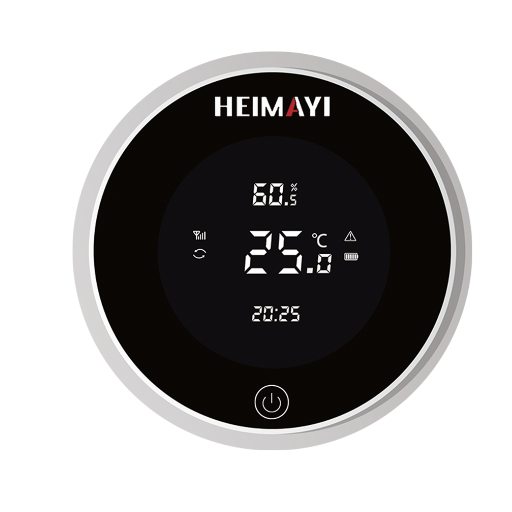
Temperature measuring instruments, known as temperature recorders, are designed to monitor and record temperatures in various storage environments. It seeks to maintain a stable temperature for storing goods, such as perishables, pharmaceuticals, or materials sensitive to specific temperature ranges. Correct temperature conditions must be maintained to prevent spoilage, degradation, and quality loss of the product. A temperature logger enables companies or individuals to compile and track environmental conditions affecting their inventory, comply with industry regulations, and provide unparalleled protection for their assets.
📱 Definition and Core Functionality of a Data Logger
A data logger is an instrument capable of collecting data autonomously and storing it for a specified duration. It consists of one or more sensors and a microprocessor for measuring specific environmental parameters, such as temperature, humidity, pressure, light, or vibration. Data loggers are highly versatile devices, deployed across various industries, including logistics, manufacturing, healthcare, and environmental monitoring.
Modern data loggers utilize state-of-the-art technologies, such as wireless communications and cloud integrations, to transmit data in real-time and provide remote access to users. In one example, data loggers in cold chain logistics continuously monitor temperature-sensitive shipments and relay the data back to centralized systems, ensuring compliance with regulatory standards such as FDA or GDP guidelines.
According to a 2023 industry report, there is significant growth in the adoption of IoT-enabled data loggers. These devices now have a longer battery life, higher memory capacity (some can log millions of data points), and greater accuracy of data, which is critical, for instance, in vaccine storage during global health programs. To put this into perspective, many modern devices can deliver accuracy up to ±0.1°F with logging intervals as short as 1 second in dynamic monitoring.
Key Benefits of Temperature Monitoring in Storerooms
🛡️ Preservation of Product Quality
Among the various requirements of a temperature-controlled environment, the ideal temperature is determined by the type of product requiring protection. Therefore, temperature-sensitive products such as pharmaceuticals, food, and chemicals must be maintained in their original condition to prevent spoilage or degradation.
📋 Regulatory Compliance
Enforcing and complying with industry standards and regulations like FDA or ISO is ensured through correct temperature control, thus avoiding non-compliance fines.
🚨 Early Detection of Temperature Changes
Advanced monitoring systems can provide alerts whenever detectable changes occur in real-time, allowing for quick corrective measures to be taken and preventing consequential loss or damage to stored items.
💰 Savings
Prevent early spoilage of products and ensure the proper maintenance of storage systems, including repair, to minimize financial wastage.
⚡ Better Operational Efficiency
Automated temperature monitoring systems eliminate manual inspections, providing continuous, accurate information that conserves labor and material resources for decision-making.
🔍 Proactive Problem Solving with Temperature Data
When used proactively, temperature data allows businesses to act on potential problems before they worsen. An organization’s operational efficiency and potential assets can be enhanced by monitoring temperature trends and analyzing them. Here are five ways that temperature data can aid in staying ahead of the problems:
- Early Detection of Equipment Malfunctions: Sudden temperature changes might indicate that something is wrong with the equipment. With anomalies in data trends, one can prevent or mitigate equipment issues beforehand to save it from a more costly breakdown.
- Prevention Measures Implementation: When temperatures are monitored regularly, gradual changes can be identified, and preventive measures can be put in place to maintain optimum conditions and prevent potential situations such as spoilage or equipment failure.
- Regulatory Standard Compliance: The data logs can act as proof to show compliance with regulations in such industries as the storage of temperature-sensitive items as food, pharmaceuticals, and chemicals.
- Energy Optimization: Energy users can be identified while analyzing temperature data, and they can be optimized to reduce energy use and operating costs.
- Improved Customer Satisfaction: Maintaining quality through temperature control will result in customer satisfaction and increased trust in services or products.
Types of Storeroom Temperature Loggers: Choosing the Right Fit
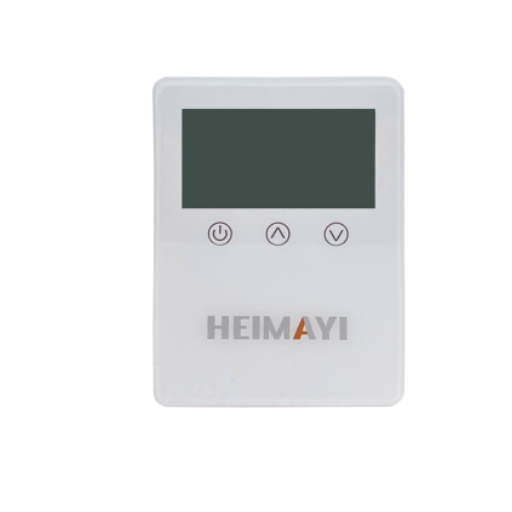
⚖️ Manual vs. Digital Temperature Data Loggers
📊 Categories of Digital Loggers: Features and Use Cases
Digital temperature loggers serve a wider range of applications and needs. The following are five major classes of digital temperature loggers, along with their distinguishing features and prominent use cases:
🔴 Single-Use Temperature Loggers
Features: Compact, very light, and preprogrammed for one-time use. Usually thrown away after the data is retrieved.
Use Cases: Beneficial during temperature monitoring of shipments like pharmaceuticals, vaccines, or perishable foods while in transit.
🔶 Multifunction Temperature Loggers
Features: It can provide temperatures and other parameters, such as humidity or pressure, a large storage capacity, and advanced data processing options.
Use Cases: Most used in climate-controlled facilities, laboratories, and research applications requiring thorough environmental tracking.
📶 Wi-Fi Enabled Temperature Loggers
Features: Transmit temperature data wirelessly in real-time to a centralized system or cloud storage. Provide alert notification in case of temperature deviation.
Use Cases: They can be used to continuously monitor environments such as healthcare facilities, server rooms, or food storage facilities.
🔌 USB Temperature Loggers
Features: Plug-and-play kind of instruments. Data is quickly transferred to a computer through a USB connection for analysis.
Use Cases: Commonly for small-scale operations or short-term monitoring ,like quality control checks or in laboratory settings.
📱 Bluetooth-Enabled Temperature Loggers
Features: Wireless data retrieval through Bluetooth-compatible devices is often coupled with mobile apps for added convenience.
Use Cases: These work well for situations where on-the-go temperature tracking is needed, such as food delivery or mobile medical units.
Each category serves specific needs, thereby enabling the straightforward selection of a product that best matches the given operational requirements.
🔄 Single-Use and Multi-Sensor Loggers
Single-use temperature loggers and multi-parameter loggers offer a broad range of options among monitoring setups that these industries require.
🔴 Single-Use Temperature Logger
These temperature loggers are designed for short-term applications and offer a cost-effective solution for monitoring temperature-sensitive items in a single shipment or storage. Typically, these devices come pre-programmed with fixed parameters and can be easily discarded after a single application.
Features:
- Low-priced and extremely easy to carry.
- Pre-calibrated for easy deployment.
- It mostly comes with a USB interface for quick data download, eliminating the need for additional software.
- Some models provide an LED indication when the temperature limits are exceeded.
Applications:
- Ideal for all cold chain-related activities, from pharmaceutical shipments to perishable food products.
- Good for one-time monitoring for regulatory purposes.
📊 Multi-Sensor Logger
Multisensor temperature loggers are sophisticated devices that provide simultaneous recording either at several sites or of different variables. These systems provide detailed monitoring of the environment, utilizing various sensors connected in networks.
Features:
- Multi-point data collection through either wire-based or wireless sensors.
- Not only do we monitor temperature, but also other related variables, such as humidity, pressure, or light exposure.
- Real-time-based alerts and an advanced reporting process integrated with a cloud-based platform.
- Highly ruggedized for long-term deployments in extreme conditions.
Applications:
- Used widely in relevant industrial applications such as manufacturing and chemical storage.
- It becomes indispensable in research labs to maintain exact environmental conditions.
- Very effective in complex supply chains where tracking temperature or humidity at a fine level is essential.
📈 Comparison Data
Professional organizations will understand the difference and use cases of single-use and multi-sensor loggers to make the choice that guarantees proper monitoring of their particular temperature-sensitive products or environments.
Key Features to Consider When Selecting a Storeroom Temp Logger
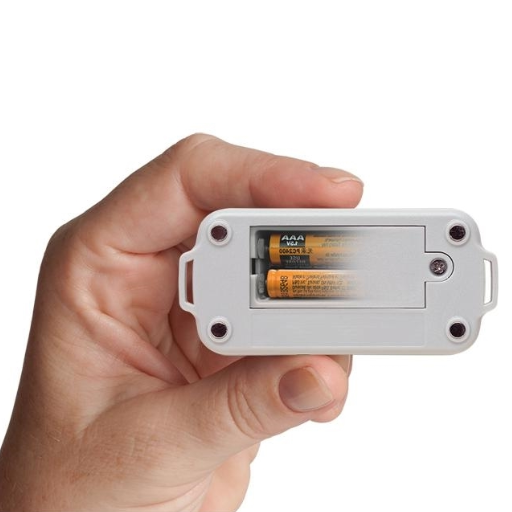
When selecting a temperature logger for your storeroom, it is essential to consider the various features it should have to ensure accurate monitoring and regulatory compliance. Below are some of those features:
🎯 Accuracy and Precision
The accuracy of the temperature logger is of utmost importance in maintaining safe storage conditions, particularly for temperature-sensitive items such as pharmaceuticals and food products. Consider devices with excellent precision, generally in the range of ±0.5°C or better, to get good accuracy.
💾 Data Logging Capacity
Storage capacity refers to the amount of data that the logger can record over a specified period. For extended monitoring, select loggers with large memory or those equipped with automatic data transfer to prevent data loss.
📶 Connectivity Choices
In the modern world, temperature loggers come with a variety of options for wireless connectivity, including Wi-Fi, Bluetooth, and cloud integration. Such functions facilitate real-time monitoring and remote access to data, which becomes crucial in extensive facilities or multi-location setups.
🔋 Battery Life
A more extended battery ensures uninterrupted monitoring in cases where periodic checks on the device are not possible, such as in storerooms. Opt for extended battery life or rechargeable devices to reduce maintenance.
🌡️ Sensor Type and Range
Some storage conditions require a logger with both temperature and humidity measurement capabilities, whereas others necessitate a logger that only measures temperature. Measure the device’s measuring range against your storage conditions.
📋 Regulatory Compliance
Temp loggers being used in pharmaceuticals or food subdivisions must comply with some standards such as FDA 21 CFR Part 11 or EN 12830. Always check for these certifications before selecting a pick of your choice, to ensure it does not become an issue later on with compliance.
👥 Ease of Use and Software Support
An intuitive design and flexible software will save time during installation, data retrieval, and data analysis. Choose loggers that are easy to use and supported by software compatible with your workflow.
🚨 Alert System
Temperature deviations can result in huge losses. A logger with customizable alerts through SMS, email, or app notifications will guarantee that you will receive updates immediately whenever conditions differ from set standards.
📊 Supporting Data from Recent Technologies
Going by statistics from market research, an increasing number of temp loggers integrate with the IoT ecosystem for enhanced cross-industry monitoring. For example, a study from MarketWatch in 2023 demonstrated 45% of new storeroom temp loggers now integrate cloud-based solutions for ease of scaling in multi-facility operations.
There has also been a 30% surge in the adoption of wireless temperature loggers with real-time data transmission, driven by operational efficiencies gained in the pharmaceutical industry.
Taking these features into account and using technological advancements, you will be able to choose a storeroom temperature logger that monitors your need for the storage accurately, compliant, and efficiently.
🔬 Accuracy, Calibration, and Measurement Range
Temperature must be logged with a high level of accuracy to maintain optimal storage conditions, particularly in pharmaceutical, food storage, and laboratory applications. Contemporary temperature loggers can achieve an accuracy of ±0.1°C to ±0.5°C, depending on the manufacturer and model. Being connected to accurate equipment for testing is made absolutely critical by the fact that FDA and WHO guidelines emphasize very stringent accuracy for vaccines and biologics, for example.
🎯 Calibration Importance
Calibration is crucial for maintaining the accuracy of the temperature logger. The logger should ideally be calibrated in accordance with a 1- or 3-year calibration schedule, or at the time interval stated by the manufacturer, to maintain calibration and precision. According to very recent standards, a 3-point calibration — at least at the minimum, maximum, and midpoints of the logger’s measurement range — should be preferred, with temperature monitoring that is critical.
📊 Measurement Range
A measurement range is essential if the application environment experiences extreme temperatures. Most temperature loggers provide temperature measurements ranging from -200°C to +150°C, covering a wide range of applications. Cryogenic storage requires monitoring down to -196°C; therefore, specialized devices must be used to ensure this. Food storage facilities may measure temperature on much narrower ranges, such as -30°C to +70°C, based on their individual needs.
Keeping in mind accuracy, calibration, and a suitable measurement range, companies can comply with laws more effectively, thereby ensuring the quality of their stored products is maintained. The continued expected advancement of logger technology supports further development of these features to make them even more precise and reliable in temperature monitoring.
🔋 Battery Life and Data Storage Capabilities
Battery life and data storage capacity should be carefully considered when selecting a temperature data logger, ensuring smooth monitoring and optimal performance. Some important considerations are:
🔋 Long Battery Life
Battery life ranges from 6 months to more than a couple of years on the new generation of data loggers, depending on how it is used and its settings. The longer the life, the less the occurrence of frequent battery replacements or charge sessions.
🔄 Rechargeable or Replaceable Batteries?
Some loggers have rechargeable batteries, others have replaceable batteries. A rechargeable battery reduces waste, while replacing batteries can be crucial if the system is in a critical operation.
💾 Data Storage
Some can hold thousands of data points, typically ranging between 4,000 and 32,000 or more recording samples; hence, they assure extensive data recording without much concern for the loss of data during retrieval.
🧠 Memory Types
Typically, loggers use non-volatile memory, meaning data storage remains safe when records are interrupted due to a power failure. This mechanism is highly functional in maintaining uninterrupted record retention, especially during random power outages.
📤 Data Acquisition/Access
More advanced models will offer USB, wireless, or cloud connectivity options, providing users with quick access to data and export formats, and enabling easy reporting and analysis.
By focusing on these considerations, companies can select a data logger that fits well with their operational requirements to get the best out of reliability and efficiency.
📶 Connectivity Options: Wi-Fi and Other Networks
Modern data loggers now implement Wi-Fi and other networking options to enhance ease of use and real-time accessibility. With Wi-Fi connectivity, businesses can easily transfer their data to cloud platforms for remote monitoring and analysis, thereby eliminating manual data retrieval processes that consume time and run the risk of being compromised through manual handling. Wi-Fi-based systems can even update data dashboards in real-time, providing timely information to stakeholders anywhere.
📶 Wi-Fi Connectivity
Wi-Fi connectivity enables businesses to easily transfer data to cloud platforms for remote monitoring and analysis, eliminating the need for manual data retrieval processes and allowing for real-time dashboard updates.
📱 Bluetooth
Bluetooth offers a short-range wireless solution for applications where devices may need to connect temporarily with minimal setup.
📡 LTE/4G
LTE (or 4G) expands the capabilities of data loggers to operate in remote locations without relying on the presence of local Wi-Fi infrastructure.
🔌 Ethernet
For stationary installation needs, an Ethernet connection is often the best choice in terms of reliability and consistent speed.
🔒 Data Security Considerations
Data security is another primary concern when considering network connectivity. Devices that have Wi-Fi may have some form of encryption and password protection to safeguard the integrity of their data and block access from unauthorized users.
Recent statistics assert that as many as 67% of industries using data loggers prefer Wi-Fi over other methods of connectivity, citing convenience and variability as primary reasons.
Leveraging these connectivity methods, businesses can customize their data gathering and analysis processes for various applications, ranging from industrial concerns to environmental monitoring, thereby making them more efficient and usable.
Implementing and Maintaining Your Storeroom Temperature Logging System
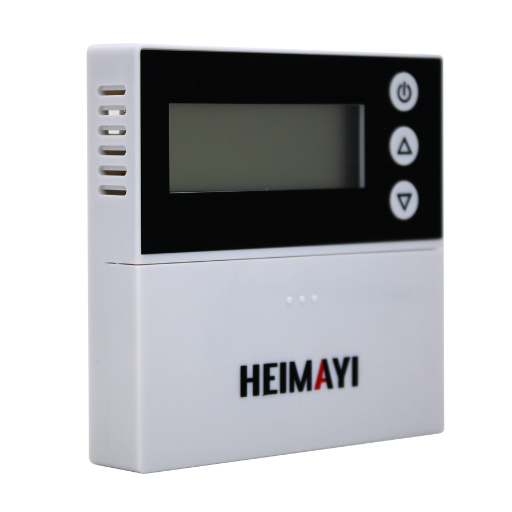
- Selecting the Right Data Logger: Choose the most reliable data logger that fits your storeroom’s specific needs. It should have an adequate temperature range, battery life, and Wi-Fi connectivity for real-time monitoring.
- Proper Logger Installation: Place the logger in a location that accurately measures the real-world temperature conditions. Avoid placing it near doors, vents, or in direct sunlight to ensure consistent reading.
- Alerts and Parameter Setting: Set the device to send alerts if it deviates from your set temperature range, ensuring you are notified instantly about any impending concerns.
- Calibration Routine: Regular calibration of your data logger is essential to maintain its accuracy, mainly when it is used frequently in a highly controlled environment.
- Track and Analyze Data: Utilize the connected software or app to view temperature trends and analyze recorded data regularly for potential patterns, addressing any anomalies that are identified.
- Maintenance Procedures: Check for signs of wear and tear on the instrument, replace batteries as needed, and perform firmware updates to ensure it runs smoothly over time.
📍 Strategic Placement for Accurate Monitoring
Proper placement of the temperature data logger is crucial for obtaining accurate and consistent temperature readings. Based on the best practices in the industry and new insights:
☀️ Avoid Direct Sun Exposure
Placing the data logger under direct sunlight may cause heat-related errors, resulting in inaccurate data. For outdoor use, install protective enclosures or sun shields to avoid exposure.
💨 Ensure Free Air Movement
The object under consideration should be placed in a strong air-flow passageway. Stagnant air pockets can give you an inaccurate reading. Setting data loggers near ventilation systems or in open spaces in warehouses is a good practice.
🔥 Distance from Heat Sources
Keep the logger as far away from any heat-generating machinery or heater as possible. The presence of local heat emissions would sway measurements if the logger were placed in proximity to production machinery.
🏭 Sector-Specific Placement Standards
🚛 Cold Chain Logistics
The loggers should be placed inside transport containers or close to the perishable goods, which are to be tracked for temperature. Proper placement makes sure there are fewer risks, for example, deviations from FDA-recommended storage temperatures for vaccines (between 36°F and 46°F).
🏢 Warehouses
The data logger is to be placed at strategic locations, at different heights and zones, to account for temperature stratification in a large storage facility.
🔬 Calibration regularly
Periodically validate the performance of your logger to ensure measurability. Studies also reveal that calibration on a six-month basis in regulated environments significantly reduces the margin of error.
Strategically positioned data loggers regarding environmental factors, the type of application, and specific regulations assure the highest accuracy in temperature monitoring and thereby produce actionable insights to avoid potential risks, ensure compliance, and see to the operational success.
⚙️ Establishing Calibration and Alert Protocols
In establishing efficient monitoring systems for temperatures, it is unheard of to bypass a clearly set calibration and alert protocol. Here are five key calibration procedures:
⏰ Regular Interval for Calibration
Calibrate temperature data loggers, thermometers, thermistors, and/or temperature sensors every six months, or as recommended by the manufacturer. This keeps instruments in the right position, allowing for deviations over time.
🎯 Alert Thresholds Defined by Users
Temperature thresholds must be defined and set according to requirements or needs, either regulatory or operational. Alerts must immediately be trigged should the measurements fall outside the defined range.
🚨 Automatic Alert Notifications
An alert-generation system must be activated that immediately warns personnel via email, text messages, or system notifications through a mobile application about any deviations.
✅ Validation in Critical Processes
Validate calibration during critical processes regularly, such as product storage or transport, for consistency and reliability.
📋 Documentation of Alerts and Audit Trail
Keep all calibration operations and alerts documented. Sometimes, an audit trail proves helpful during inspections or audits in tracking performance and analyzing trends to ensure compliance.
👥 Training Staff on Temperature Monitoring Solutions
Staff training on temperature monitoring must be thorough and role-focused, with clear and concise outputs. Staff must understand why temperature reading is essential, how to operate monitoring devices, and why it’s vital to respond to an alert immediately. Ongoing hands-on training sessions and refresher courses reinforce knowledge, along with available reference documentation.
References
- An Inexpensive, Microprocessor-Based, Data Logger System
Link to PDF
This paper discusses a low-cost data logger system and its applications. - Application of Time-Temperature Indicators and Time-Temperature Data Loggers
Virginia Tech Extension
Covers the use of time-temperature data loggers in monitoring seafood during harvest. - Celsius Refrigerator Temperature Log
Iowa Department of Health and Human Services
Provides guidelines for monitoring and recording temperatures in storage environments.
Frequently Asked Questions (FAQ)
❓ What is a temperature data logger and how does it work?
A temperature data logger records temperature data over a specified period. Typically, a temperature sensor is used to measure temperature, and a data device is employed to store the readings. The logger measures ambient temperature, records the measured values, and then transmits the data to a computer via USB or wireless means for further analysis. Environmental monitoring can be an application where temperature data loggers verify that sensitive merchandise has been stored correctly.
🔧 How do I calibrate my temperature and humidity data loggers?
To obtain accurate readings from your temperature and humidity loggers, calibrate them. Calibrating essentially means comparing the readings given by your measurement instrument against standards that are already known, for example, against a NIST-certified thermometer. Calibration certificates may be required for registration to demonstrate that your devices meet specific accuracy standards. Follow the manufacturer’s instructions for calibration.
🌡️ What sensor types do we use in a store room temp logger?
Store room temp loggers often employ temperature sensors and humidity sensors of very high accuracy. The sensors can be incorporated into devices such as smart probes or external probes, which can be positioned in various environments, including freezers, refrigerators, or storage rooms. Accurate sensor technology is crucial for reliable data logging.
🔔 Can my temperature monitoring kit send me notifications?
Yes, so far, the high-end temperature monitoring kits offer notification functions. Text and email alerts are sent to you if temperature or humidity readings exceed the preset limits. Some units even allow notifications through an app that you can use for real-time viewing of conditions, helping to ensure you’re aware of the environmental conditions of your sensitive product.
🔍 What are the main differences between a single probe and a dual probe temperature recorder?
Single-probe temperature recorders measure temperature at a single position, while dual-probe temperature recorders can monitor two different locations simultaneously. This way, one can compare temperatures in two distinct environments, such as a fridge and a freezer, or monitor both temperature and humidity levels using a single device.
📤 How do I get the data out of the recorded data logger?
It depends on the model of your data logger. Many loggers support USB connections, allowing you to transfer files directly from the logger to your computer; others support wireless access via Wi-Fi or Bluetooth. Additionally, some devices offer the option to export data as a PDF, which is particularly useful for creating reports.
📶 In choosing a wireless temperature data logger, what features must I look for?
Accuracy is essential when selecting a wireless temperature data logger, particularly one that is battery-powered and capable of logging temperature data across a wide range of high and low temperatures. If it features an LCD for easy reading directly from the device, that would be a bonus. Opt for one that is compatible with a mobile app for easy monitoring and tracking. It should also have notifications and alerts regarding high and low temperature incidents.
❄️ Are there temperature data loggers for ultra-low temperature environments?
Yes, temperature data loggers are designed explicitly for ultra-low environments, such as vaccine storage or cryogenic applications. These loggers must maintain high accuracy even at low temperatures, and therefore may include special sensors or probes to ensure assured performance in such situations.
Ready to Implement Temperature Monitoring?
Take the next step in protecting your valuable inventory with professional temperature logging solutions. Your products deserve the best protection available.