Smart Valve Buying Guide: Choose the Best Smart Radiator and Water Shutoff Valves
Smart valves are important for any home improvement as they add more practicality and control. You may want to choose a smart radiator valve to control the temperature in each room, or a water shut-off valve to prevent damage to the home in case of any potential overflow – both products would make the buying process quite difficult because there are dozens of options. This is a smart valve buying guide. We will summarize key considerations, review the best smart valves and offer useful tips on choosing the appropriate smart valve. At the end of this publication, you will have all the relevant information you need to be able to confidently choose and purchase to improve your home making it smart and secure.
Understanding Smart Valves
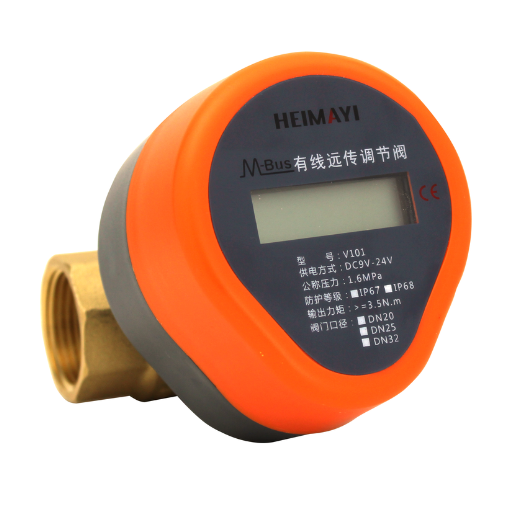
The intelligent control of home water systems is what smart valves are meant to facilitate, i.e., structuring water inflow or outflow at the premises is made easy. It is possible to manage these smart pieces of equipment remotely through an application on a smartphone, allowing water usage to be tracked and controlled even when you are not present. Most come with the ability to detect leaks, shut off in case of flooding, and report or provide assistance warnings when needed. Their installation offers residents a sense of security against the risks of water spillage and damage, while also enhancing water conservation in the house, which is why they are preferred when considering the installation of new appliances.
What is a Smart Valve?
A sophisticated valve is a device that allows for remote flow control and leak monitoring. This is a smart design that manages water well with the use of real-time water flow control sensors and connectivity.
Types of Smart Valves
It is essential to understand the various types of smart valves and their distinct functions. Below is a smart valve buying guide comprising some of the most common and innovatively designed types and their usages:
1. Self-Closing Valves
This type of device is designed for protection purposes – to shut off the water flow if it is determined that a client has a leak. Such devices are extremely helpful in preventing exposure to untreated water and are often installed in homes and businesses. Thus, the Lightwave L910 Personal Smart Leak Detector, for instance, includes a detector capable of detecting very minor leaks which are only an appealingly small drop in a minute, and these drops are very active because the user receives notifications on their mobile phone within that time.
2. PRVs or Pressure Reducing Valves
Aside from changing the outlet flow, the user can control the water pressure in the whole system by adjusting these special tools – valves. The functions of such devices are indispensable in areas such as preventing pipe bursts or leakage surges, for example, due to high water pressure variations in a given region. Scientific sources claim that if all the equipment is operated in the specified pressure range, its service time can be increased by 30% or more.
3. Programmable Smart Hardware Valves
This type of valve offers the option to program the amount of water released, making it particularly suitable for managing water for irrigation purposes, such as in households. For example, a programmable weather-based Rain Bird irrigation valve can save up to 50% or more water while still synchronizing some weather information to the watering schedule.
4. Smart Card-Enabled Valves
Smart Card-enabled valves ensure high integration and compatibility with other smart home devices for the use of smartphones or voice controls like those of Alexa or Google Assistant. The Leak Smart System, for instance, comes with other alternatives and integrated smart devices which make leak control and management possible through the provision of portable applications.
5. Combination Valves
Combination systems of smart water valves are created to even out the pressure in the pipes, detect the leaks in the pipes, and turn off the water if necessary. This is very useful in households or businesses, where many features could be incorporated in one gadget. These can include: phonetic distillation of words, converting steam to water, and even shutting off functions. The Phyn Plus Smart Water Assistant + Shutoff is one of such higher-end models that includes these elements and even monitors the amount of water usage in the vicinity.
6. Industrial Smart Valves
Industrial ‘smart’ valves, which are primarily used in manufacturing, oil and gas, and large-scale systems, can precisely convert incoming signals and utilize the Internet of Things. These valves can withstand considerable pressure, high temperatures, and aggressive media. According to the latest records, the usage of industrial smart valves in businesses saves 15-20% of material resources.
Smart Valve Types Comparison Table
| Type of Smart Valve | Key Features | Applications | Advantages |
|---|---|---|---|
| Proportional Valves | Precise flow control | Dosing, mixing, dispensing | High accuracy, reduced drift |
| On/Off Valves | Simple open/close operation | Safety shut-off, basic flow control | Reliable, cost-effective |
| Solenoid Valves | Electromagnetic actuation | Quick response systems | Fast operation, compact design |
| Motorized Valves | Motor-driven control | Automated systems | Remote control, high precision |
| Mechanical Smart Valves | Pressure-independent control | HVAC, hydronic systems | Cost-effective, minimal actuator movement |
| Electronic Smart Valves | Ultrasonic flow measurement | Energy billing, advanced monitoring | Real-time data, remote configuration |
| Single-Channel Valves | One fluid channel, precise dosing | Medical devices, lab equipment | Compact, customizable |
| Dual-Channel Valves | Two independent channels | Mixing, complex fluid handling | Space-saving, IoT integration |
| Smart Mixing Valves | Integrated temperature and flow sensors | Precise fluid mixing | Accurate temperature control |
Benefits of Using Smart Valves
Enhancement of Process Efficiency
Using smart valves to measure as well as manage the flow, pressure, and temperatures precisely, the overall process efficiency is improved by 15-20%, as recent data suggests.
Lesser Wastage of Water and Energy
With greater control of the availability of water and usage of energy, smart valves prove to have greater advantages with respect to reducing excess operational costs by nearly 25%.
Safety and Reliability Improvement
Such valves are capable of detecting malfunctions like leakage or pressure increase which would ensure safe and reliable operation protecting the equipment from damage.
Remote Operation and Monitoring
Incorporating advanced IoT applications, smart valves facilitate remote monitoring and operation, making maintenance and operational changes much easier.
Predictive Maintenance
It is possible to use smart valves for analyzing the performance indicators and evaluate the need for maintenance which minimizes breakdowns and slashes the maintenance cost up to 30%.
Key Features to Consider
- Material Longevity: When selecting valve types, opt for those made from durable materials that resist corrosion and rust, ensuring longer lifespan and optimal functionality in all environments.
- Precision of Control: Choose valves with enhanced control mechanisms to ensure smooth operation and improved system regulation.
- Integrability: The valve should be able to function within both its hardware and software environments.
- Maintenance: Opt for valves that are easy to maintain and repair, thereby reducing downtime and associated costs.
- Energy Efficiency: Invest in valves that save energy by assuring that reduced energy suffice to perform the purpose the valve is supposed to serve.
Wi-Fi Connectivity
In today’s world, Wi-Fi connections are a common feature in any system, enabling them to exchange and communicate with other devices. Because of the growth of Wi-Fi technology implementations, designed systems are capable of maintaining higher speeds and providing lower latency and show enhanced reliability. Accordingly, the latest 802.11 or Wi-Fi 6 standards overcome the inefficiencies present in older Wi-Fi standards, such as Wi-Fi 5 (802.11ac). For example, it achieves a maximum speed of 9.6 Gb/s against 3.5 Gb/s achieved in Wi-Fi 5 thus supporting higher bandwidth applications.
In addition, the techniques of Orthogonal Frequency-Division Multiple Access (OFDMA) and Multiple-User Multiple-Input Multiple-Output (MU-MIMO) are merged into Wi-Fi 6 to enable enhanced connectivity in multi-user environments, especially in busy scenarios. This application is advantageous particularly in industries, in smart homes as well as in enterprises where different numbers of devices are connected and working together.
Compatibility with Alexa and Google Assistant
In recent times, there has been growing compatibility with the most popular voice assistants, such as Alexa and Google Assistant, on Wi-Fi-enabled systems, allowing users to have them at their command with ease. Most of these systems can be integrated into such platforms and operated with simple voice commands, thereby increasing accessibility and comfort. This leads to the following five functions:
- Voice Control Automation: There is no need for any physical touches or apps, only voice commands in order to work such devices as valves, lights, thermostats and so on.
- Scheduling: All of these systems would be integrated into smart homes or smart devices, utilizing routines within Alexa or Google Assistant.
- Real-time Status: Consumers can ask Alexa or Google Assistant if the system is on and view other statistics, such as the current water volume being used, Wi-Fi connectivity, and other useful information.
- Sync Across Devices: All devices in innovative environments can easily communicate with each other for central control even with the use of verbal requests.
- Custom Features: With complex integrations come the ability to create alliances, such as Alexa Skills or Google Actions, for specific, purposeful uses and functionalities only.
Smart Radiator Valves
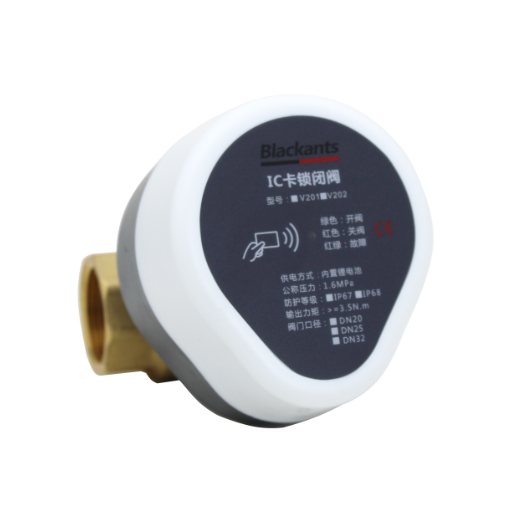
Smart valves, being a recent addition to the existing heating systems, have improved control and energy efficiency compared to the traditional form of radiator heating. These devices are usually affixed to the thermostatic radiator valves to limit the movement of hot water within radiators, thus enabling room-specific temperature control.
Recent reports indicate that the installation of smart radiator valves can reduce energy used for heating by up to 30 percent. This is based on energy efficiency research that has already been carried out. They are most useful in households with varying heat needs, allowing occupants to set different rooms to the most convenient temperatures, depending on whether they are occupied or not.
Commonly, smart radiator valves and many other devices include features like geofence heating which enables the user to control the heating system depending on the distance one is from the home, and a window opening heating off feature, which switches off the heat output for the particular room when a window of that room is open to avoid escaping unnecessary heating power.
Some of the front line brands in this business, which include Tado, Honeywell, and Netatmo, have smart radiator valves that work with the most common smart home systems, such as Alexa, Google Home, and even Apple HomeKit. These distinctive gadgets help in saving the environment, save significant costs on heating, and they are a great improvement for anyone seeking efficiency and modern comfort in their homes.
Water Shutoff Valves
When it comes to plumbing, water shutoff valves play a positioning role in altering the flow of water. They find their use in regulating the flow of water to prevent potential water damage in the event of a water leak or a burst pipe. Modern-day water shutoff valves come with advanced technological features that enable users to view and manage water consumption remotely, even when they are not present at their homes, via their smartphones or other devices. These types of water valves are crucial in creating a home that is safer and more efficient to use.
Top 5 Smart Water Shutoff Valves
1. Moen Flo Water Shut Off
- Equipped with an inbuilt sensor for leaks and water densities and notifies the user accordingly.
- Works with most smartphones and voice assistants, including Alexa, Google, and many more.
- Sensors close off water supply on sensing danger.
2. Phyn Plus Water Meter and Shut Off Smart Device
- Uses a pressure wave sensor inline in the pipe to understand leaks.
- Has an app that monitors water usage for every date interval.
- Installs on the main piped water supply to protect the entire house.
3. LeakSmart Water Leak and Shutoff System
- Repositions itself in the background, and when there are leakages, the system shuts down.
- Application with Zigbee and smart home hub systems such as SmartThings.
- Contact sensors that may be used in zones and sections within the system prevention of risk.
4. Guardian Leak Prevention System from Elexa
- Detects leaks using wireless sensors and eliminates the need for plumbing intervention.
- The movement of the water valve and its condition can be controlled and monitored with the use of an app.
- Contain leak detector sensors to ensure a high level of security.
5. WaterCop Pro Combining System
- Recommended for homes with extensive plumbing networks or large houses.
- Scopes of both monitoring and active control of several areas within the same device.
- Wired and wireless sensors are combined in the system.
Ball Valves and Their Applications
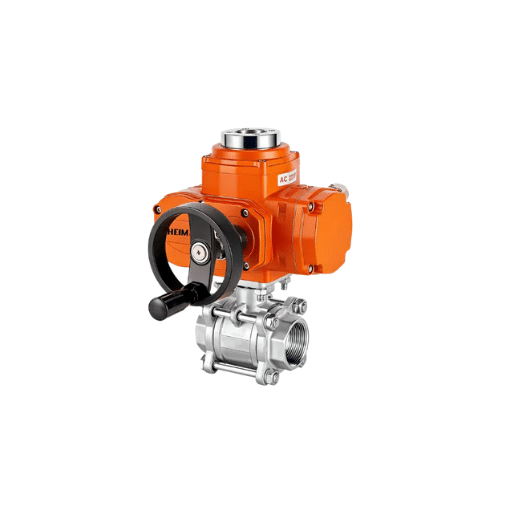
Most ball valves are widely used across various industries, as they offer durability, efficiency, and, above all, tightness that is unmatched by other valve types. For liquids or gases, these types of valves are operated using a rotary ball with a bore. Five uses in particular of the ball valve include the following:
Home Plumbing
Designed for cutting the inflow and outflow of water. Sealing is efficient, thus sought-after form of valve.
Industrial Processing
Found in industries such as oil, gas and delineating. Can withstand extreme pressure and temperatures.
HVAC Systems
Fundamental in the use of water or refrigerant flow control. Improves the energy efficiency of equipment.
Aerospace Applications
Used for filling and evacuating small cavities. Ball valve can withstand temperatures in space as well.
Agricultural Irrigation
Used in controlling distribution of water, especially in greenhouses and landscaping for regulating water flow.
Installation and Setup
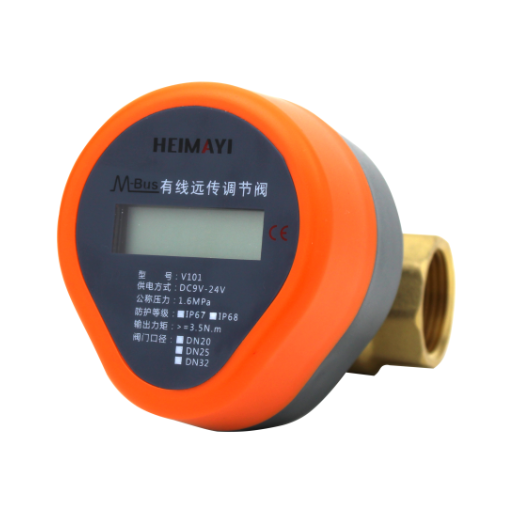
General Installation Steps
Preparation
- Ensure that the system or conduit is free of pressure before commencing.
- Check if the size of the ball valve fits with the existing system.
- Connect the node ends and spin them to remove the dust/blackness inside the connections.
Installation
- Position the ball valve into the pipe or fixture.
- Use suitable tools and fix the valve while providing a snug fit but without turning the screws too tightly.
- Visually inspect each connection to ensure there are no leaks.
Testing
- Slowly increase pressure in the system and check for any leaks.
- Turn the valve handle back and forth and see if it turns smoothly and correctly.
- Ensure that you repair any issues before restarting the system indefinitely.
How to Install a Smart Valve
Having an innovative valve installed brings precision and the comfort of modern devices to everyday piping use. These instructions can be used to carry out the fitting.
1
Assemble the Equipment and Materials
Have all the necessary items ready, including the adjustable spanner, a piping cutter, sealing tapes, threading, and a smartphone or any device that can be paired. Ensure that all components of the smart valve package are present, including a power good source and instructions. On the other hand, the Wi-Fi room must be adequate in areas where the signal is weak.
2
Cut the Water Supply
Begin by locating a large water valve and turning it off to prevent any accidents. To alleviate the pressure and prevent any remaining water from escaping, open the faucet located at the lowest point.
3
Remove the Outdated Valve (Where Applicable)
Cut or unscrew the valves that already have them if necessary. Scrape off the pipe ends and wipe them clean, removing any rust and dirt present for an accurate and tight fit of the smart valve.
4
Install The Smart Valve
To make the pipe safe from any water leaks, apply thread sealant tape to the threads of the pipe. When installing the innovative valve on the pipe, ensure the arrow on the valve points in the correct direction to allow water to flow. Firmly secure the valve fittings, but avoid over-tightening to prevent damage.
5
Attach the Power Supply to the Smart Valve
Depending on the type, either plug or charge the battery-operated valve. Some of the smart valves can only operate after batteries are installed, while others will need to be plugged directly into the socket.
6
Get the Smart Valve Paired
Follow the instructions provided by the device manufacturer to connect the valve to a smartphone or a home intelligent system. This action frequently requires downloading an application and connecting the valve to the wireless network. Set up, for instance, flow programs, leaks, and alerts that can be controlled over long distances.
7
System Testing
Clear the water supply accurately and check for any fluid leakages around the smart valve installation. Using the app, engage the innovative valve and check if it works, for example, by allowing the device to open and close remotely, monitoring the water usage, and receiving alerts. Suppose the platform is equipped with and supports advanced measurement and forecasting features. In that case, you need to analyze the water supply data to identify sites where there may be opportunities to reduce consumption.
Result: In this way, you may benefit from the smart valve, for instance, better water management, easier work, and a lack of leakages. As shown by some studies, the implementation of smart valves can reduce water waste and increase efficient water consumption practices by at least 20 percent. Always turn to the manufacturer’s manuals for further information and look for an expert if need be.
Integrating with Smart Home Systems
Wi-Fi-connected valves equipped with the facility to control water flow are also compatible with the latest smart home systems, providing ease of use and automation. With applications such as Amazon Alexa, Google Home, and Apple HomeKit, users can even manage the quantum of water flow using voice or mobile commands. The latest features available also enable detection of any leakage or usage patterns and the delivery of alerts in order to control such issues before they escalate.
Key Statistics
- Household consumption of water has decreased by around 15% annually, as revealed by a 2022 study.
- 70% of participants stated they used less water in their homes because it was more efficient to use such features as timers and graphs which showed the water consumption rate.
- Smart valves incorporate supported technology of IFTTT (If This Then That) that allows users to set their own tricks like water shut off in indoor conditions and outside weather.
Using Controllers and Thermostats
Intelligent devices such as smart controllers and thermostats as undermine the management of domestic energy saving. The advanced level of modernization enhances the cost and efficiency of maintaining and controlling all essential systems, apart from comfort, which contributes to overall cost-effectiveness.
Nest Learning Thermostat
- Incorporates a learning algorithm that predicts and establishes temperature schedules according to the habits.
- Ability to generate graphs of energy consumption.
- Google Home devices can be used in conjunction with available services without any hitches.
Ecobee SmartThermostat with Voice Control
- Built-in Alexa is present to operate it with voice commands.
- Contains remote monitoring sensors to ensure all areas are correctly conditioned.
- Takes advantage of sensor activations and scheduling to reduce energy consumption.
Honeywell Home T9 Smart Thermostat
- It incorporates room sensors that complement the remote control of temperature configurations.
- Works with several smart home systems such as those provided by Amazon and Google.
Sensi Touch Wi-Fi Smart Thermostat
- Intuitive touch interface with rich colorful touchscreen display.
- Uses geofence to change temperatures when user is away from home.
- Features smart reminders to facilitate maintenance and check systems performance.
Lux Kono Smart Thermostat
- Contains an architectural feature which can be decorated in any home setting.
- Compatible with Amazon Alexa, Microsoft Cortana, and Google Assistant.
- Fewer and simpler elements and options with a focus on cost-saving energy-efficient units.
Top Product Recommendations
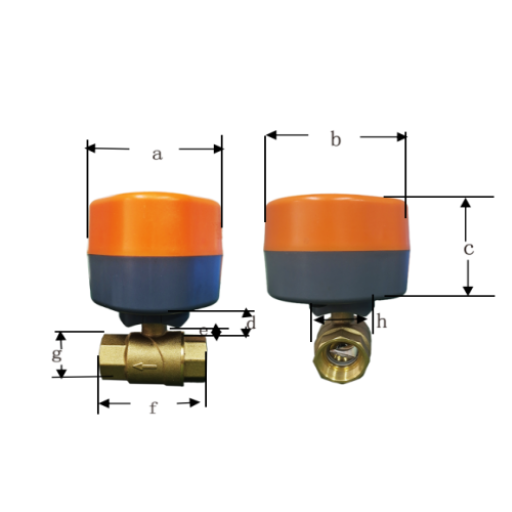
Best Smart Radiator Valves
Smart Thermostat Radiator Valve
- Available heat supply with room temperature control, mainly for preference.
- It is compatible with Alexa, Google Voice, and Apple dictation, which should make voice control easier.
- Also has a nice feature that when it detects an open window, turns off the heat.
HR92 E-Cylinder from Honeywell Home
- The place is rich enough to make any user navigate easily, thanks to the adjustable tilted screen.
- Provides swift temperature regulation with accurate Input and Output scheduling.
- With the help of the Honeywell Evohome System, it is possible to use this product without any problems with other products.
Wiser Thermostat from Drayton
- It allows for changing circumstances to be handled efficiently, thus eliminating or minimizing the need to turn on the heating.
- Provides mechanical overdrain with a clever LED display.
- It cooperates perfectly with the Wiser Heat application, as well as with Alexa and Google Assistant.
Netatmo’s Advanced Radiator Valves
- Utilizes detailed, sculpted air conditioning information to optimize energy consumption.
- With various standard settings, including the eco mode, frost safeguard and comfort shifts.
- Can be managed from the Netatmo Energy application.
Danfoss Eco Radiator Thermostat Advanced
- Enables connection via Bluetooth for nearby control, no hub.
- Easy to fix and comes with a legible screen.
- Comes with an alarm functionality to fit the user’s day activities.
Best Smart Water Shutoff Valves
Intelligent water valves are modern equipment intended to safeguard homes against water waste and leaks. It is facilitated by sensors combined with a slew of a message alert system that immediately transforms the leakage threat into a valve shut-off situation, hence eliminating the unnecessary flooding in your home.
Moen’s Flo Smart Water Shut-off System
Capabilities: Moen’s Flo ‘fills a gap’ in the market, being the most sophisticated device containing features that detect leaks, turn cold water valves, and sense water meters. It attaches to your water lines and monitors the amount of water used every time it is used.
Application: The accompanying application is designed to provide information on usage, offering day-to-day updates on the quantity of water used and notifications for abnormal usage flows.
Smart Home: It integrates with Alexa, Google Assistant, and the most popular smart home products.
Water Damage Prevention: Flo protecting the homes of specific customers decreased the occurrence of water damage by 96%, according to studies submitted by Moen.
Phyn Plus Smart Water Monitoring Device and Shut-off Valve
Features: Leaks are detected as soon as they occur by utilizing the patented pressure wave monitoring (PWA) technology. The device has also been designed to identify potential leaks within a plumbing system and assess its overall condition.
Innovative Insights: Water usage statistics and advisements on how to use water more efficiently are available in the Phyn app.
Energy Efficiency: It helps inhabitants spend responsibly by saving a certain percentage, such as 10 to 20 percent, every year, according to users.
Compatibility: It is compatible with all voice assistants, such as Alexa, Google Assistant, and IFTTT.
LeakSmart System
Features: The LeakSmart includes a programmable water valve and connected wireless sensors. The system detects leaks and cuts the water supply within five seconds to prevent any potential damage.
Operation: This system is most effective in areas with recurring leaks, such as basements and those surrounding water heaters.
App Features: The application immediately identifies potential leaks and enables operating the shutoff valve from any location.
Guardian Leak Prevention System from Elexa
Pros: The system features an independent, motor-controlled valve that can be easily attached to any water valve, eliminating the need for plumbing work during installation. It relies on wireless leak detection sensors, which automatically close the tap without requiring user interaction.
Wireless Operation: It features Wi-Fi, allowing for remote control and monitoring.
Adaptable: Suitable for users living in rental properties or wish to retrofit a home instead of exposing a water valve.
Sinopé Sedna
Pros: This valve integrates both performance and design across aspects, such as automatic shutdown of the water supply and real-time detection of leaks.
Connectivity: Compatible with both the Zigbee standard and Wi-Fi, making its incorporation into smart homes convenient.
Green: Excessive water usage is controlled, and environmentally sustainable usage is facilitated by tracking and scheduling functions.
Why Invest in a Smart Water Shutoff Valve?
According to an Environmental Protection Agency (EPA) assessment in 2023, more than 10% of households have leaks that result in a daily loss of at least 90 gallons of water. Smart water shutoff valves are beneficial as they help reduce water damage drastically while encouraging environmentally friendly usage. They’re not only able to detect leaks and report exact water consumption data daily, but also turn off the water immediately if it is leaking. They bring a lot of comfort and cost reductions to a house. With some upgrades or the introduction of innovative new systems, these units offer numerous benefits to everyone, including enhanced ease of use, improved security, and environmental protection.
Flo by Moen and Other Recommendations
There are numerous water smart valves available on the market, allowing consumers to choose without compromising on features, which include advanced water control mechanisms and protection services for the home.
Flo by Moen
That Flo by Moen is a clever invention, the smart valve which also cuts off water flows and has the capability of detecting leakages and measuring water used is in no doubt. A smartphone integration with the system is available, and it is possible for the users to check the usage of water and also any alarms in case of any irregularity.
Key Features:
- Leakage detection and shutoff
- Associate monitoring & Papps and water usage
- Perform potential failure verification of the system daily
Interesting Facts:
- Can help in saving 10,000 gallons of water per year
- Can be installed with any existing plumbing
Phyn Plus Smart Water Assistant & Shutoff
The Phyn Plus merges state-of-the-art water monitoring features with an enablement of water cut-off when necessary, thus making it some sort of an all-in-one solution for water maintenance. With learning capabilities, the exact part a leak would occur is distinguished from normal water use within moments.
Key Features:
- Continuous surveillance of water flow activity
- alerting IMS users in case of leaks or impacts
- Configurably controlling the system wirelessly
Notable Data:
- Monitors Water Consumption At The Fixtures Level
- Leads to a significant reduction in consumer’s water bill
Leaksmart – Water damage prevention solution starter kit
The LeakSmart is a one-stop water management box containing a sensor, a wireless hub, and a smart valve. This is an effective and purposeful alternative to make available freezing that causes damage to the structure of the house.
Key Features:
- Immediate indication of leaks and cut off procedure
- Smart technology enhanced with Amazon Echo products
- Backup Power for Blackouts
Notable Data:
- It cuts off the water supply within five seconds
- Equipped with other sensors, can cover several places in the house
Smart Water Shut Off Valve EcoNet Bulldog Valve Logic
EcoNet Controls Bulldog Valve Robot provides an easy and economic solution for water shut-off functionalities, as this device has features that turn the classical manual valves into smart valves with its motor.
Specifications:
- No need for extra plumbing work
- Valve can be turned off and on automatically with the help of a phone or hub control
- It relates to smart home connectivity supporting Z-Wave technology
Considered Information:
- A cheap solution of up to date valves
- Construction – for half inch ball valves
Elexa Watersafe Systems
Elexa’s watersafe system is a watertight comprehensive smart valve buying guide and solutions to water leakage designed to avert flooding. This means that it doesn’t need any installation tools, therefore it is very easy to use.
Fundamental Characteristics:
- Leakage detection using non hardwired devices at specific locations and & different locations
- Quick Action on Main Valve in Case of Any Water Flow Distortion
- No Need to Hire a Specialist
Key Information:
- Disconnection of pipes or alterations of hardware are not mandatory for this installation
- Most suitable for houses with several areas susceptible to water damages
Conclusion: All these smart water shutoff devices have numerous advantages, including detailed water management and leak containment, making them ideal for today’s homes. As it is not an easy task to choose the best, eco-friendly water shut-off devices reduce all the complications with these systems.
References
- Oklahoma State University Extension: A fact sheet on innovative irrigation technology, including controllers and sensors, which provides insights into water-efficient solutions.
Smart Irrigation Technology: Controllers and Sensors - University of Missouri: A guide discussing pipeline/valve systems for flushing dairies, which includes valve applications in agricultural settings.
Pipeline/Valve Systems for Flushing Dairies - EPA WaterSense Program: Guidelines and case studies on water-efficient irrigation systems, including the use of smart valves.
WaterSense Irrigation Partners in Action
Frequently Asked Questions (FAQ)
Ready to Upgrade Your Home?
Smart valves represent the future of home water management. Whether you’re looking to save energy with smart radiator valves or protect your home with smart water shutoff valves, the investment pays for itself through increased efficiency, safety, and peace of mind.