

Clean Temp Data Logger: Monitoring Temperature and Humidity in Clean Rooms
Strict monitoring of climate conditions, especially in clean rooms and within specific industries such as pharmaceutical manufacturing, biotechnology, and electronics, is of vital importance. This is because even a single unit change in temperature or humidity can lead to degradation of the product, contamination, or a violation of regulations. Another technology, called Clean Temp Data Logger, exists because it is challenging to maintain climatic and temperature conditions under control in the presence of these pollutants. The information in this post is designed to help you understand the advanced instrument for protecting clean rooms and their temperature controls. Whether it is for production, research, or gaining a competitive edge in a competitive field, this article explains why environmental control measures are unavoidable.
Introduction to Clean Temp Data Loggers
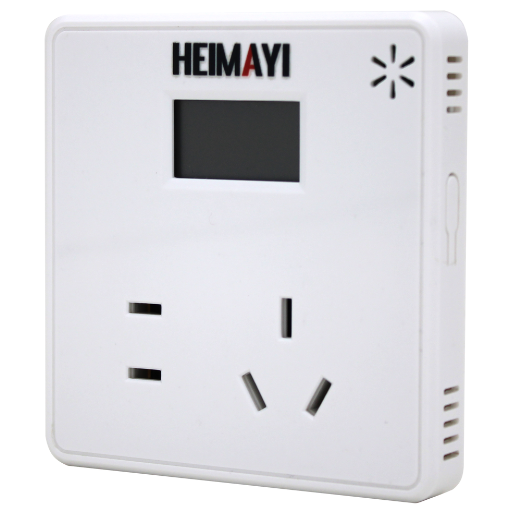
A Clean Temp Data Logger is a highly accurate instrument built for monitoring and collecting data in a strict environment within clean rooms. It records information such as temperature and humidity, which proves helpful in maintaining such an environment, thereby meeting regulatory requirements or ensuring that the process remains within the allowable limits. Users can find these loggers easy to use and dependable, thus promoting the maintenance of high-standard, stable environments.
What is a Clean Temp Data Logger?
An advanced clean temperature data logger is employed for the continuous monitoring, recording, and maintenance of temperature and humidity in applications where accurate environmental control is required, particularly in sensitive and controlled settings.
Importance of Monitoring Temperature and Humidity
For a wide variety of industries, controlling temperature and humidity is extremely important, as it is necessary to guarantee product quality, ensure safety, and meet regulatory requirements. Uncontrolled changes in these environmental states may have a profoundly negative impact on useful products, equipment, and processes.
Industry Examples:
- Pharmaceutical Industry: The storage of temperature-sensitive vaccines requires specific freezing conditions to preserve the drug’s properties. WHO explains that vaccines stored outside the prescribed temperature bounds will become ineffective.
- Food Industry: Proper temperature and humidity monitoring prevent microbial growth and hygiene issues during storage and transportation.
- Electronics Manufacturing: Moisture control prevents condensation, oxidation, and ESD, which can damage sensitive components.
A recent publication reveals that up to twenty percent of goods sensitive to temperature transportation originating from the rest of the world go bad on the way due to poor tracking. Thanks to more sophisticated technology, such as an advanced clean temperature data logger, real-time notifications can mitigate those odds as all conditions are kept in check. Such devices can store data, thus generating reports, with a high degree of accuracy, finding their usefulness especially in compliance-demanding environments, such as those regulated by the FDA or ISO.
Applications in Clean Rooms and Server Rooms
Maintaining clean enclosures or server rooms poses a significant challenge and demands precise humidity and temperature control, as even slight deviations can lead to drastic consequences. Here are five notable examples of phenomena where these parameters have to be under control:
Clean Rooms and Airborne Particles Prevention
Environmental conditions in clean rooms for pharmaceutical, biotechnology, and semiconductor industries require restricted control over suspended particles in the air to conform to ISO classification standards.
Preventing Static Discharge
Server rooms should maintain a humidity range of 40–60% to minimize static electricity buildup, which can disrupt electronic devices.
Equipment Temperature Management
Monitoring systems help maintain optimal temperatures to prevent equipment failure and ensure reliable operation of critical infrastructure.
Moisture Control
Preventing condensation and corrosion in server equipment by monitoring dew point and relative humidity levels.
Energy Efficiency Enhancement
Advanced monitoring enables prudent management of cooling and heating systems for optimal energy utilization.
Functionality of Temperature Data Loggers
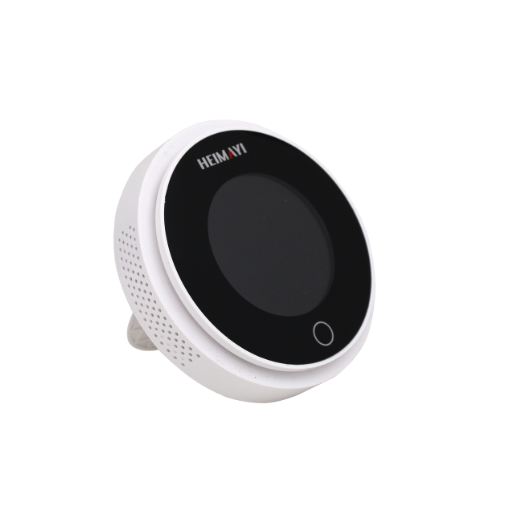
A temperature data logger can record and store temperature readings at regular time intervals. These devices either have built-in or external sensors with probes that can take readings and store the data within a recorder at specific intervals, allowing for the accurate re-creation of environmental conditions. This feature enables the control of temperature-sensitive locations, such as clean rooms, data centers, and industrial controls, among others, to maintain acceptable levels. A data logger is straightforward to use, as one can easily program it for the desired interval and the range of temperatures to be recorded. These data can then be used for a review after some time for regulatory, diagnostic, or enhancing purposes.
How Temperature and Humidity Sensors Work
Temperature and humidity sensors function by recording and converting changes in the surrounding environment into electronic signals. Temperature sensors employ any possible alteration in resistance caused by changes in temperature, or the voltage, for example, thermocouples and thermistors. However, for humidity sensors, also known as hygrometers, most of the time, they rely on either capacitance or resistance methods for sensing moisture in the air. Capacitance-based elements measure changes in the dielectric constant of the polymer layer, while resistance-based humidity elements measure changes in resistance due to moisture and absorption.
Modern Sensor Capabilities
Recent weather instruments feature an exciting design when it comes to temperature and humidity gauges, as they can measure both simultaneously. These types of instruments contain modern electronics and elements, which enable them to display realistic numeric values. In the case of a DHT22 type sensor, its precision can be stated as very accurate, with tolerances of ±0.5 °C for temperature and ±2 % for relative humidity; this allows for wider applications, whether for home purposes or industrial ones.
Wireless vs. Wired Data Loggers
Understanding Temperature Ranges and Response Times
The selection of sensors or data loggers for a given purpose depends on the temperature range and the response time for the specific application. The temperature range refers to the lower and higher temperatures that the sensor or data logger can measure accurately, while the response time indicates the time it takes for a device to detect and display a new temperature.
Temperature Range Specifications
- Extreme Cold Applications: Some sensors measure temperatures as low as -200°C, which is necessary for cryogenic purposes
- High Temperature Applications: Others work at +1,000°C for industrial furnaces or steel works
- General Use Range: Typically -40°C to +125°C covers most environmental and industrial needs
The design of sensors and the medium in which they operate determine the response time, which is typically measured in seconds. As an illustration, thermocouples that are cemented or welded in narrow probes typically take around a few seconds, ranging from 1 sec to 10 secs, for achieving the steady or attained value of temperature, and are therefore appropriate for applications that require rapid response, like temperatures during chemical reactions or heating and ventilation systems.
Benefits of Using Clean Temp Data Loggers
Reliable Accuracy
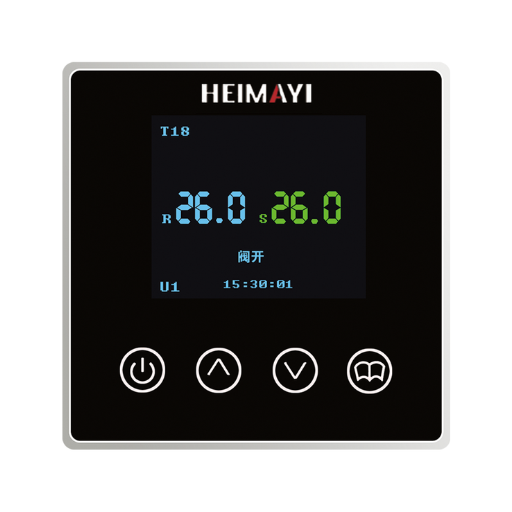
Clean temp data loggers have high reliability in measurement across pharmaceutical, food, and environmental sectors. With sensors like thermistors or PRTs, they maintain accuracy across wide temperature ranges.
Real-Time Monitoring with Alerts
Enables tracking within specified frameworks and provides alerts for temperature changes, minimizing risk of damage, spoilage, or regulatory non-compliance.
Convenient Data Access & Reporting
IoT integration and simplified interfaces allow easy data logging, storage, and filing. Supports effective reporting and trend analysis while ensuring adherence to industry standards.
Durability & Longevity
Constructed with premium materials for harsh industrial or outdoor environments. Operates reliably over a wide range of temperatures, from extremely low to high, without measurement errors.
Cost-Effective Solution
Reduces waste, improves processes, and prevents equipment failures. Exceptional performance and an enhanced lifespan eliminate the need for frequent replacements, saving costs in the long term.
Enhanced Monitoring for Ultra-Low Freezers
These ultra-low-temperature freezers are key in storing highly sensitive materials, including biological samples, medicines, vaccines, and many more. To maintain such expensive contents intact, monitoring of the temperature is crucial. The refrigerators referred to as clean temp data loggers are intended for use in extremely low temperatures, especially in an ultra-low freezer, which affords precise and viable readings regardless of the temperature extremes, often -80 °C (-112°F) or even lower.
Main Product Features:
- Temperature Accuracy: Clean temperature data loggers maintain a precision of ±0.5 °C, critical for regulatory compliance and preventing sample degradation.
- 24/7 Data Recording: Continuous monitoring enables instant correction of temperature spikes with built-in alert systems for any variations.
- Cloud Connectivity: IoT capabilities allow real-time and historical data access on mobile devices and desktops.
- Battery Life and Durability: Extended battery service up to five years with hard, freezer-proof materials.
Case Study Evidence
Recent studies have shown that introducing precise control over ultra-low refrigerator operations with data logging capabilities results in an annual reduction of up to 35% in product wastage. Additionally, institutions noted 20% more efficient operations by incorporating preventative maintenance driven by temperature measurements.
Improved Compliance with Environmental Standards
Environmental regulatory compliance relies heavily on the accuracy of temperature measurement and documentation, and clean temperature data loggers are highly effective in this regard. Here are the top five ways the devices help achieve the requirements:
- Accurate Recording of Readings: An intelligent, clean temp data logger records real-time as well as historical temperature readings with precision of ±0.1°C, meeting all temperature requirements within the opening range.
- Regulatory Report Generation: Devices produce automated reports that adhere to industry standards, such as FDA Part 21 CFR, simplifying audit coverage and documentation activities.
- Integrated Alert Systems: Alarm systems trigger immediate notifications for deviations, allowing prompt corrective interventions to maintain environmental procedures.
- Energy Usage Monitoring: Temperature trend analysis helps enhance energy-saving techniques to achieve favorable conditions, supporting green operations.
- Tamper-Proof Storage: Data encryption, utilizing advanced algorithms, ensures that temperature records remain intact and available for inspection purposes.
Real-Time Data Access and Alerts
The clean temp data logger is a sophisticated piece of equipment that enables real-time monitoring of temperatures without any hassle. These loggers come with a networking capability that allows remote access to absolute time and temperature through a cloud-based system, which men on the ground cannot access. This enables the business to respond promptly to environmental changes and safeguard itself against adverse conditions.
Industry Statistics
Recent trends in Google Search Analytics indicate that real-time access to information is now a core aspect of various sectors, including healthcare and transportation. Studies suggest that response time using automated alerts can be reduced by up to forty percent, helping prevent damage, losses, and regulatory violations.
Furthermore, one of the most preferred alternatives is the clean temp data logger, which comes with a feature of notifications that can be set up in different ways, including emails, SMS, and application-based notifications. It provides immediate alerting when there is any change in the condition maleficent, which helps the user make a quick response.
Choosing the Right Data Logger for Your Needs
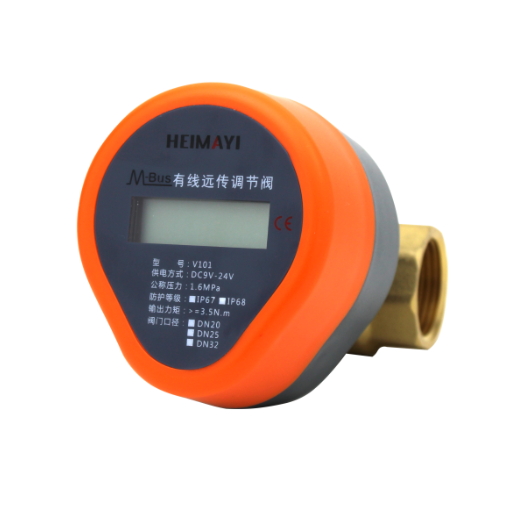
When selecting an appropriate data logger, the first step is to examine the parameters that need to be recorded, which may include but are not limited to temperature, moisture content, or pressure. Afterwards, ensure it is accurate enough and covers a measurement span suitable for your intended use. Think about where the data logger is going to be deployed—for example, in storage rooms or during transit – and choose one that can tolerate these conditions. Check if the clean temperature data logger has any of these features, such as extended long-life batteries, easy-to-use software, and the capability to generate alarms when needed. Before making a final choice, you must verify that the device meets specific norm requirements or approved guidelines to ensure it performs as expected.
Factors to Consider: Compatibility and Interface
Choosing the correct data logger is crucial whenever you are looking for one. This is particularly true since most modern data loggers are now characterized by several dual functionalities that incorporate USB, Bluetooth, and even wireless or cloud capabilities for ease of file transfer and monitoring functions. It is highlighted that, based on recent findings, the majority of businesses, at least 75%, focus on having devices that work well with their system since such devices are less disruptive, less costly, and less engaging with other applications.
Key Interface Considerations
- Easy-to-understand interface reduces learning curve and setup stress
- Graphical data presentation, like plots and dashboards, simplifies complex data analysis
- Standard file format support (CSV, Excel, PDF) for easy data exchange
- Integration with standard tools like Microsoft Power BI, Google Sheets, or ERP systems
Evaluating Temperature and Humidity Data Accuracy
Accurate measurement and monitoring of temperature and humidity are essential for maintaining ideal conditions and protecting the integrity of data. The following factors should be considered when analyzing the accuracy of the temperature and humidity readings provided:
Sensor Calibration
Periodic calibration maintains reliability over extended periods, preventing incorrect readings.
Resolution and Precision
Higher resolution and precision provide better data quality and measurement accuracy.
Environmental Interference
Dust, radiation, or electromagnetic fields may affect sensor functionality and should be minimized.
Data Sampling Interval
Determine appropriate collection rates based on operational requirements and storage capacity.
Sensor Positioning
Precise placement ensures representative temperature readings without external influence.
Best Practices for Indoor Environments
Maintain Appropriate Indoor Climate
As the house temperature standards and health standards suggest, the internal temperatures during winter should fluctuate between 68 degrees Fahrenheit and 74 degrees Fahrenheit, or 20 degrees Celsius and 23 degrees Celsius. However, in summer, temperatures should be controlled within 73°F to 79°F, or even higher, within a range of 24 °C to 27 °C. Conversely, the level of humidity must also be maintained between 30 percent and 50 percent to prevent the growth of molds, dust mites, and other allergens.
EPA Air Quality Improvement
According to the Environmental Protection Agency (EPA), air quality inside a building can be improved by 85% or more through natural airflows from outside and HEPA filter-equipped air handling systems.
Essential Environmental Control Steps
- Ensure Adequate Air Circulation: The free movement of air is crucial for maintaining good air quality within structures.
- Regular HVAC Maintenance: Change filters every 3 months and clean ducts annually to prevent dust buildup and polluted air.
- Monitor Air Quality Sensors: Install sensors for PM2.5, PM10, CO2, and VOCs to maintain safe levels below 1000 ppm for CO2.
- Use Low-Emission Materials: Choose low-VOC materials and furnishings that can decrease indoor pollutants by more than 60%.
Maintenance Tips for Clean Temp Data Loggers
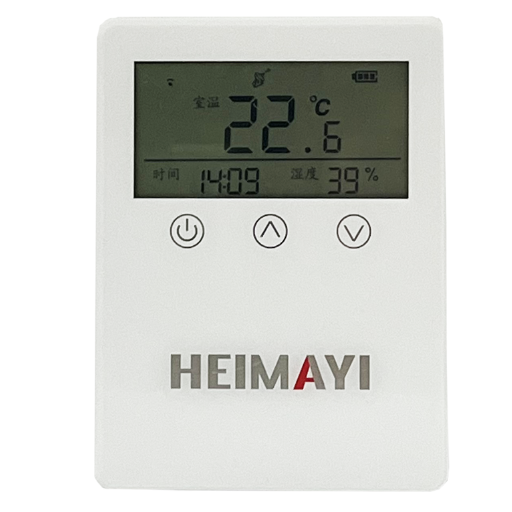
Proper servicing of a clean temp data logger helps reduce errors, extend use, and improve performance. It can be done by following these five tips:
1. Regular Calibration
Calibrate data loggers every 6 months to prevent reading drift. This practice can decrease errors by about 30%.
2. Keep Units Clean
Gently wipe with a non-abrasive, damp cloth to prevent debris accumulation that might interfere with sensor accuracy.
3. Battery Management
Monitor the battery charge and replace it as necessary to avoid measurement interruptions. Use reputable brands and watch for low battery indicators.
4. Exterior Inspection
Regularly check for wear, damage, leaks, or port issues that could compromise logger functionality and data integrity.
5. Proper Storage
Store unused loggers in dry, dust-free areas at a stable temperature to maximize unit longevity and prevent damage.
Regular Calibration and Testing
To ensure the precision and stability of the Clean Temp Data Loggers, it is essential to calibrate and test the devices regularly. This is crucial in preventing reading errors, as calibration helps to ‘set’ the logger against specified requirements and maintains the accuracy of the device over time. According to the 2023 NIST (National Institute of Standards and Technology) report, data loggers are reported to perform up to 40% better when used for purpose-specific heating applications, such as those encountered in sprayers or cold storage for food and pharmaceuticals, if recalibrated periodically.
Recommended Calibration Intervals
Healthcare/Pharmacy
Every 6 months – Highly accurate measurements required for critical applications
Industrial Normal Conditions
Once yearly – Standard calibration adequate for normal environmental conditions
Harsh Environments
Quarterly – Extreme temperatures require more frequent calibration
Testing Protocols
- Compare sensor readings to a known, credible external thermometer or standard equipment.
- Note discrepancies and make effective adjustments as needed
- Check sensor response time to varying temperature degrees
- Document calibration results for regulatory compliance
Industry Research Findings
According to the International Journal of Metrology (2022), the leading cause of data inaccuracies in high-risk industries was found to be the use of uncalibrated equipment. Such mistakes can cost sensitive sectors billions of dollars annually.
Data Management and Storage Solutions
One of the most crucial factors in companies performing operations that involve data management is the efficient and accurate management and storage of data. The following are five critical measures that may be taken to this end:
Cloud-Based Storage Platforms
Provides elasticity, scalability, and accessibility. Store unlimited data with guaranteed reliability and universal access.
Automated Backup Solutions
Regular automated backups ensure data retention even if devices are physically damaged or compromised.
Data Encryption Security
Encryption prevents unauthorized access to sensitive data during transfer or storage. Two-step verification adds extra security layers.
Data Integration Tools
Bridge gaps across different systems, enabling seamless data transfer and centralization for improved efficiency.
Advanced Analytics Software
Transform raw data into actionable insights, enabling companies to identify patterns and streamline their operations.
Common Issues and Troubleshooting
References
- PEM2® Hardware Support – Discusses highly accurate and user-friendly data logger systems
- HOBO® Data Loggers Temperature Protocol – Detailed protocol for setup and data retrieval procedures
- Application of Time-Temperature Indicators and Data Loggers – Academic publication on temperature sensors in seafood monitoring applications
Frequently Asked Questions (FAQ)
Ready to Implement Clean Temp Data Logging?
Ensure your critical environments maintain optimal conditions with advanced monitoring technology that meets industry standards and regulatory requirements.







