

Managing Thermal Energy with High-Precision Heat Meters
Modern infrastructure needs effective thermal energy management to achieve peak performance, minimize energy waste, and reach sustainability goals. The operation requires precise heat meters which provide unmatched measurement capabilities to track power usage and energy distribution. The article demonstrates that advanced heat metering technology enables industrial, commercial, and residential systems to achieve better thermal energy monitoring while decreasing operational waste and meeting strict energy standards. The instruments deliver data-driven insights which stakeholders use to make decisions that improve energy efficiency and create a sustainable future. The following section will provide an analysis of high-precision heat meter technology, its various applications, and the advantages it brings to different operational environments.
Introduction to Thermal Energy Management

Thermal energy management establishes efficient methods for industrial, commercial, and residential systems to use, distribute, and track thermal energy. Its main objectives include decreasing energy waste, enhancing system efficiency, and reducing operational expenses while maintaining environmental compliance. The process uses heat meters and insulation systems along with smart control technologies to achieve exact temperature management and thermal energy measurement. Modern energy regulations require organizations to establish effective management methods which support both sustainability and regulatory compliance.
Defining the Core Challenge of Thermal Energy Management
The primary problem with thermal energy management exists because industrial and residential systems need to achieve three competing goals of efficiency and cost control and environmental sustainability. Recent research indicates that heating and cooling operations account for approximately 50 percent of total energy use in industrial sectors which creates an urgent need for process improvement. The current technological progress still suffers from major inefficiencies because organizations use old systems and their insulation methods fail to function properly and their energy monitoring equipment does not work consistently.
The International Energy Agency (IEA) reports that more than 30 percent of industrial heat energy gets wasted because of inefficient operational systems. Residential energy consumption reports indicate that poorly insulated homes with aging heating systems waste up to 25 percent of their total energy consumption. The operational expenses resulting from these inefficiencies become more expensive while they also generate more greenhouse gas emissions which the IEA reports show that heating and cooling systems produce approximately 15 percent of worldwide CO2 emissions each year.
The current situation requires renewable energy sources to find a way that combines with present thermal energy systems. Solar thermal and geothermal energy provide environmentally friendly energy solutions yet their progress gets stalled by two major obstacles which include the high initial investment requirements and the complicated technical details and the limited use of these technologies. Organizations encounter obstacles when they need to implement advanced smart control technologies which use predictive analytics and IoT-enabled devices because these technologies require both substantial financial resources and expert knowledge to establish.
The future of the project requires organizations to solve their existing challenges through the usage of both cutting-edge technological solutions and governmental policy arrangements. Advanced heat recovery systems combined with high-performance insulation materials lead to energy loss reduction which reaches a maximum value of 30 percent according to research studies. Energy-efficient system installations receive essential support from government incentives and subsidies which help drive the shift to sustainable thermal energy systems.
The Role of High-Precision Heat Meters
High-precision heat meters serve as vital instruments for contemporary thermal energy systems, which require their precise measurements to achieve optimal energy efficiency and system performance. The system enables precise measurement of thermal energy transfer between its heating and cooling components, which enables efficient energy distribution while minimizing operational losses. The following list presents five distinct functions and advantages that high-precision heat meters provide to users:
- Accurate Measurement of Energy Consumption
High-precision heat meters achieve precise thermal energy consumption assessments by measuring temperature differences together with fluid movement rates. The measurement accuracy which reaches 1% provides precise results for energy billing in district heating systems through its equitable testing method.
- Facilitation of Predictive Maintenance
The meters show their current operational status through their performance data, which engineers examine to find system problems like pressure reduction and flow system failures. The early detection of these issues enables maintenance work through predictive methods, which supports energy system operations with minimal interruptions while extending their operational lifespan.
- Enhanced Energy Efficiency
Through its detailed energy consumption analysis heat meters enable users to discover energy wastefulness and potential energy-saving opportunities. The specific heating and cooling requirements of different zones can be optimized to achieve a maximum 15% reduction in total energy usage.
- Integration with Smart Systems
The design of high-precision heat meters allows them to work together with IoT systems which gather data for analysis by AI algorithms. The system enables real-time monitoring together with automatic system modifications which result in enhanced energy efficiency.
- Regulatory and Reporting Compliance
Energy efficiency mandates and carbon emission regulations across multiple regions necessitate organizations to track and report their thermal energy consumption. Heat meters deliver standardized measurement results which organizations use to fulfill regulatory requirements and advance environmental sustainability goals.
High-precision heat meters function as essential elements that support sustainable thermal energy management throughout residential areas and commercial spaces and industrial facilities.
The Technical Importance of Precision in Thermal Energy Measurement

The measurement of thermal energy needs to achieve precise results because it serves three essential functions which include energy management, compliance obligations, and operational efficiency. The following five elements demonstrate its technical importance to the system.
Energy-Efficiency Monitoring actual thermal energy measurement establishes the foundation for accurate energy use assessment and its distribution throughout the system. The data enables facilities to detect operational weaknesses while they consume energy resources and generate operational excesses which will help them reach their sustainability targets. Research demonstrates that accurate thermal energy measurement systems enable operations to save between 15 and 15% of their energy usage in all.
- Regulatory Compliance
Industries must comply with strict regulations which control their energy consumption and greenhouse gas emissions. The operation of high-precision heat meters delivers standardized energy measurements which meet regulatory standards through their reliable and traceable design.
- Optimization of Thermal Systems
The measurement of thermal energy through advanced technologies enables complete control of heating and cooling and industrial operations. The precise data collection which enables better operation of boilers and heat exchangers and HVAC systems will lead to operational efficiency gains which result in longer system lifespans. The development process leads to operational cost reductions which can reach 20% of total expenses.
- Accurate Cost Allocation
Shared heating and cooling systems need accurate measurement systems because they provide essential data for determining shared system costs among multiple users. The process leads to fewer conflicts while it establishes accurate billing practices which enhance user experience across all three usage categories of residential and commercial and industrial settings.
- Support for Renewable Integration
The field of renewable energy requires accurate thermal measurement systems to enable their integration with solar thermal energy systems. The measurement of energy output and storage efficiency needs reliability to optimize system performance and achieve profitable investment returns.
The importance of precision heat measurement extends beyond technological progress because it functions as the foundation for energy-saving efforts and environmentally friendly practices across various sustainability initiatives.
Understanding Meter Accuracy and Calibration
The correct functioning of thermal energy systems depends on two core elements meter accuracy and meter calibration because these two elements secure direct measurement results. Meter accuracy defines the extent to which a meter’s measured value matches the actual value of what it measures. The process of calibration involves measuring the meter’s output against a known standard to adjust the device until its measurements match the established reference point. Modern thermal energy systems demand high-accuracy measurements which require most applications to use meters that achieve an accuracy standard of at least ±1%. In solar thermal systems even minor temperature and flow rate measurement errors lead to major mistakes about total energy production. The system optimization process and efficiency maintenance over extended periods suffer due to this effect. Accurate meters enable prompt identification of energy losses while they support effective system performance tracking and safeguard financial resources.
The maintenance of meter performance throughout its lifespan requires regular calibration. Environmental conditions and equipment usage and sensor component contamination cause meters to develop operational imprecision during extended use. The International Renewable Energy Agency IRENA established in its 2023 research study that calibration schedules should follow industry standards which require meter calibration every one to two years based on the meter’s specific usage conditions and operational environment. The process of calibration requires organizations to use traceable reference standards that accredited laboratories maintain because these standards establish credibility and help organizations meet international measurement standards.
The introduction of digital solutions together with advanced calibration techniques has created new methods that enhance measurement accuracy. The automated calibration systems used in a 2022 research trial executed at MIT achieved an average processing timesaving of 25% while their precision measurements increased by 15%. The study demonstrates that technology integration enables organizations to enhance meter performance through better operational efficiencies and improved system reliability.
The understanding and execution of meticulous meter accuracy calibration procedures directly affect the operational efficiency of thermal energy systems. The stakeholders need to take proactive steps for implementing modern technologies and industrial calibration standards to achieve maximum operational efficiency and environmental sustainability.
Comparing Ultrasonic vs. Traditional Heat Meters
The assessment of ultrasonic heat meters against conventional mechanical heat meters requires the examination of multiple essential elements. The following comparison shows important differences between two systems while also showing their respective benefits.
- Measurement Accuracy
Ultrasonic Heat Meters: They use sound wave technology to determine fluid speed, which produces precise measurements that maintain consistency throughout different environmental conditions. The accuracy range for this system operates between ±0.5%-1%.
Traditional Heat Meters: They use mechanical components such as impellers to determine flow rates, which causes their measurement system to lose accuracy through time because mechanical parts experience wear and tear, which results in an average accuracy range of ±2%-3%.
- Durability and Maintenance
Ultrasonic Heat Meters: Their design does not include any moving components, which eliminates all chances of mechanical parts experiencing damage and operational shutdowns caused by foreign materials. This leads to equipment durability which requires minimum upkeep activities.
Traditional Heat Meters: Their design includes rotating components which become damaged through time because they encounter abrasive materials present in the liquid, thus creating a need for continuous upkeep and component substitution.
- Operational Range
Ultrasonic Heat Meters: They maintain operational efficiency throughout all flow rates and temperature ranges, which enables their use in various applications that include district heating and cooling systems.
Traditional Heat Meters: They perform better above normal operational conditions although they lose measurement precision when flow rates drop to extremely low levels or increase to extremely high levels.
- Energy Consumption
Ultrasonic Heat Meters: The system works with components which consume minimal energy while their batteries maintain operation for more than 10-15 years.
Traditional Heat Meters: The system requires greater power consumption because its mechanical parts operate with a battery life which lasts between 5 and 10 years.
- Cost Efficiency
Ultrasonic Heat Meters: The system requires higher initial investment costs but its operational expenses decrease because it needs no major upkeep and its equipment operates for extended periods.
Traditional Heat Meters: The system requires lower initial costs but its ongoing maintenance and equipment replacement needs reduce overall savings throughout its entire operational period.
The complete assessment demonstrates that ultrasonic heat meters provide better performance through their accurate measurements and long-lasting construction materials and their ability to function in various situations which require minimal upkeep. The final choice must follow the established requirements of the system together with the available funding.
Impact of Accurate Heat Measurement on Energy Efficiency
The essential function of accurate heat measurement enables organizations to achieve energy efficiency improvements through its provision of exact measurements which support their decision-making processes and enable their energy usage optimization efforts. The following section presents five important effects which receive validation through comprehensive findings and data from various industries.
- Enhanced Resource Allocation
The process of heat measurement permits accurate energy resource distribution because it detects both inefficient operations and areas which consume excessive energy. Research shows that accurate metering systems enable energy savings of up to 15% because operators can match their energy distribution to current needs.
- Improved System Performance
The system performance monitoring process uses an accurate system evaluation method to protect thermal systems from damage while maintaining their best operational conditions. The use of consistent thermal control enables companies to decrease their annual maintenance expenses by approximately 20% because it reduces equipment component stress and component failure risk.
- Cost Savings for End-Users
The combination of accurate heat measurement tools with their identification of energy waste enables end-users to manage their energy costs better. The International Energy Agency (IEA) report shows that accurate metering reduces residential and commercial heating expenses by 10-20% for both residential and commercial users.
- Support for Regulatory Compliance
The energy systems in multiple areas must fulfill specific environmental requirements and efficiency benchmarks which need to be met by their operations. The accurate meters provide operators with dependable energy usage information which helps them meet sustainability targets while avoiding regulatory penalties.
- Facilitation of Data-Driven Optimization
The advanced heat meters used in modern systems gather data which they use for both predictive maintenance and system optimization purposes. The research shows that organizations which implement data-driven methods achieve operational efficiency advancements of up to 25% because predictive analytics minimize operational interruptions while they optimize their energy distribution systems.
The impacts show that precise heat measurement needs to reach 100 percent accuracy because it helps modern thermal energy management systems achieve better energy efficiency and cost savings and sustainable outcomes.
Key Features of High-Precision Heat Meters
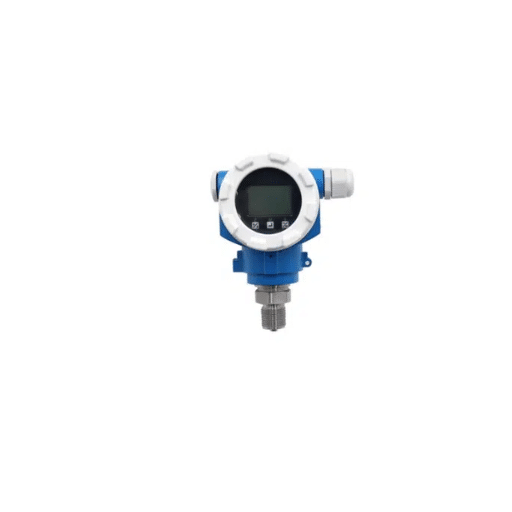
- Advanced Measurement Accuracy
The advanced heat meters use modern sensors for their temperature and flow rate measurements which achieve accuracy levels of ±0.2%. This process delivers accurate data collection which improves system efficiency while decreasing energy consumption.
- Real-Time Data Monitoring
The meters use their built-in digital displays together with Internet of Things technology to show users current power usage information which helps them find operational problems. Research indicates this feature reduces response time to system anomalies by up to 40%.
- Dynamic Flow Range Capability
The heat meters maintain their effectiveness throughout their entire measurement range which includes both extremely low and maximum flow rates. The system serves different needs through its ability to be used in home heating systems and in large industrial operations.
- Durability and Longevity
High-precision heat meters use materials which resist corrosion and have a design that permits them to operate in extreme environments for more than 10 years without needing servicing.
- Seamless Integration with Smart Systems
The meters enable complete monitoring and management through their compatibility with smart building systems and energy management software. The system uses integrated predictive analytics to achieve energy efficiency improvements which reach 30% for smart infrastructure systems.
Innovative Ultrasonic Technology in Heat Measurement
The introduction of ultrasonic technology for heat measurement has transformed the industrial sector by delivering superior accuracy and lasting equipment performance and operational efficiency. The operation of ultrasonic meters depends on measuring sound wave transit time between transmitter and receiver as they move through fluid mediums which distinguishes them from traditional mechanical meters. The approach eliminates all components that experience wear and tear which results in an extended operational period for the equipment.
Ultrasonic heat meters achieve accuracy levels that reach ±0.5% according to industry reports which makes them more precise than most standard measurement techniques. The systems function properly across a complete spectrum of flow rates which ranges between 0.015 gallons per minute and 600 gallons per minute which enables their use in both home and industrial settings. The meters maintain their operational capacity because they do not experience problems that affect mechanical systems through pressure loss or debris blockage.
The newest developments have enabled ultrasonic sensors to work with modern digital communication systems which include Modbus and M-Bus standards for better data availability. The system enables utility providers to monitor operational status through real-time monitoring and diagnostic tools which help them find problems as soon as they occur. The research demonstrates that using ultrasonic heat meters in dynamic energy systems enables operational cost reductions that reach 20% because it improves billing accuracy while decreasing unneeded operational costs.
Ultrasonic heat meters help organizations achieve their sustainability targets through their operational functions. Their precise measurements decrease heating and cooling system waste which results in lower energy consumption. When integrated with intelligent building systems they provide valuable insights which help organizations use data to enhance their building energy efficiency.
Real-Time Data Monitoring and Its Benefits
The system enables organizations to achieve increased operational efficiency through its capacity to track resources in real time while supporting better decision-making. The system uses advanced sensors together with Internet of Things (IoT) devices to gather and transmit data throughout its operation which leads to real-time delivery of useful information. The following list shows five essential advantages which organizations gain from implementing real-time data monitoring.
- Enhanced System Performance and Maintenance
The system maintains its optimal operational state through continuous system monitoring which enables quick detection and correction of performance issues. The system enables predictive maintenance because it detects potential equipment failures which leads to a 50 percent decrease in unplanned downtime according to industry research.
- Improved Energy Efficiency
Real-time energy consumption data enables users to make operational adjustments which prevent energy waste. The research demonstrates that commercial buildings which implement real-time monitoring systems achieve a reduction in energy consumption between 10 percent and 15 percent during each year.
- Minimized Operational Costs
The system delivers real-time information which enables organizations to determine resource needs while identifying mistakes which results in reduced operational costs. The system enables organizations to discover inefficiencies which include equipment overuse and resource waste, which leads to substantial operational cost reductions.
- Better Regulatory Compliance
The system generates real-time data which produces exact documentation which helps companies follow industry regulations through its automated reporting system. This system enables organizations to fulfill their environmental and safety requirements without needing to perform extensive manual compliance assessments.
- Enhanced Decision-Making
Real-time monitoring delivers stakeholders continuous data updates which they use for fast decision-making processes. The system allows organizations to develop strategies which can quickly adapt to emerging situations while strengthening their system resilience.
Quality Meters: Ensuring Consistency and Reliability
Quality meters function as essential instruments which enable precise measurement and operational standard maintenance throughout multiple industrial sectors including manufacturing, energy production and water control operations. The devices deliver precise data in real time which allows organizations to track their essential performance metrics while complying with their industry regulations. The combination of advanced sensor developments and digital technology integration has enabled modern quality meters to achieve their highest degree of measurement precision and operational dependability.
Recent data shows that industries leveraging advanced quality meters report significant efficiency gains. Smart flowmeters used at water treatment plants worldwide have decreased non-revenue water losses by up to 20% according to the data. Manufacturing plants that use laser-based quality meters for material inspection have achieved over 15% error reduction which eliminated their most expensive operational inefficiencies.
The use of Internet of Things (IoT) technology with quality meters has improved their operational capabilities. IoT-enabled meters transmit their data to centralized platforms which perform detailed analytics and enable both predictive maintenance and real-time system monitoring. The system connectivity enables better asset control which leads to decreased equipment downtime that results in greater financial savings. According to a 2023 industry report, companies implementing IoT-enabled quality meters experienced a 25% improvement in operational reliability.
Quality meters combine their three core functions of precise measurement, system connectivity and data analysis to deliver consistent operational results while maintaining required industry standards. Quality meters serve as essential equipment in modern industrial workplaces which use advanced technological systems.
Practical Benefits of Using High-Precision Heat Meters

- Enhanced Energy Efficiency
The use of high-precision heat meters permits exact energy use assessment which helps to decrease energy waste and improve heating system efficiency. Research discovered that advanced heat meter installation in multi-unit residential and commercial buildings decreases energy consumption by 20% which demonstrates its effectiveness in energy saving.
- Improved Cost Allocation
The meters provide precise energy consumption data to create billing statements which distribute costs to each user according to their actual energy usage. The 2022 survey results show that buildings which implemented heat meters experienced a 30 percent decrease in billing disputes because their meters delivered accurate measurements.
- Regulatory Compliance
Modern heat meters fulfill all essential European Union Energy Efficiency Directive (EED) requirements together with other regulatory standards. Businesses that follow these standards will avoid fines while achieving their environmental targets through sustainable development practices.
- Remote Monitoring and Control
Operators can use IoT features which many high-precision heat meters provide to monitor system performance from any location at any time. The system decreases the need for staff to check equipment at physical locations which helps to reduce both staffing and equipment upkeep expenses while achieving a maximum operational cost reduction of 15 percent.
- Data-Driven Insights for System Optimization
Data analytics functions enable advanced systems to help operators find network problems which they can fix through optimized heat distribution procedures. In 2021, a case study discovered that an organization achieved a 12 percent increase in overall heat distribution efficiency throughout its district heating network through the application of such knowledge.
Cost Savings Through Improved Heat Consumption Monitoring
The development of advanced heat usage monitoring systems allows for exact measurements and operational control of heating system energy consumption which results in major financial benefits. The introduction of smart meters together with IoT monitoring systems enables operators to use real-time energy consumption data for immediate detection and resolution of system inefficiencies.
The International Energy Agency (IEA) reported in 2022 that buildings which installed smart heat meters achieved energy savings of up to 20% which resulted in major reductions of their operational expenses. The system uses its consumption data analysis capabilities to create predictive maintenance measurements by tracking consumption patterns. The maintenance industry reports that predictive maintenance methods can achieve cost savings of 25% when compared with standard maintenance practices which require businesses to fix equipment after it breaks.
The implementation of artificial intelligence (AI) algorithms in monitoring systems improves demand forecasting accuracy which enables better heat distribution planning while reducing unnecessary waste. The implementation of this approach enables organizations to achieve annual energy cost savings between 10% and 15% based on evidence from contemporary district heating systems in urban locations.
Stakeholders can achieve economic advantages and environmental sustainability through the combination of advanced heat consumption monitoring and effective energy management techniques because they decrease carbon emissions in heating systems. The latest technological developments have transformed heat management into a system which uses data to achieve maximum operational efficiency while supporting sustainable development and cost-saving measures.
Sustainability and Compliance with Energy Regulations
Modern district heating systems work as essential components for connecting urban energy networks with international sustainability standards and governmental regulations. The system uses renewable energy sources which include biomass and geothermal energy and waste heat recovery systems to achieve lower carbon emissions that meet all required emission limits. For example, according to data from the International Energy Agency (IEA), district heating systems powered by renewable sources accounted for approximately 10% of total energy supply in 2022, with significant growth expected as nations implement their commitments under the Paris Agreement.
All energy regulations require organizations to implement new technologies which will improve their operational performance. Through its real-time heat monitoring system and AI optimization models, the system enables operators to decrease energy waste while achieving optimal resource distribution. This system enables organizations to comply with regulations while achieving lower operational expenses. The European Union Energy Efficiency Directive requires organizations to achieve 32.5 energy efficiency improvements before 2030, which creates additional pressure on organizations to modernize their systems and implement renewable energy solutions.
The advancement process requires organizations to establish complete reporting systems. Smart meters and automated analytics platforms create transparent systems which deliver comprehensive emissions information to satisfy government-required climate action objectives. District heating networks achieve sustainability through the interaction of regulatory systems with technological advancements which create environmentally friendly heating solutions that contribute to decreasing global carbon emissions.
Enhancing HVAC and District Heating Systems
Multiple advanced strategies work to achieve efficient and sustainable operation of HVAC systems which include Heating and Ventilation and Air Conditioning systems and district heating networks. The following five essential actions supported by evidence and technical knowledge will improve system performance:
Integration of Heat Pumps
Heat pumps achieve maximum energy efficiency through their capability to move thermal energy between locations instead of creating thermal energy through electric power consumption. Research shows that contemporary heat pump systems accomplish efficiency ratings that exceed 4.0 COP which allows them to generate more than four times their electricity input as heating output.
Implementation of Smart Controls and Automation
Smart controls through their programmable thermostat and adaptive system capabilities enable users to monitor their environment in real time while making necessary changes. Energy waste decreases by 30% through automation which employs building energy management system data to maintain peak performance throughout different operational scenarios.
Utilization of Waste Heat Recovery Systems
Seventy percent of industrial waste heat systems enable companies to capture and reuse their waste heat which leads to operational efficiency gains ranging between 10% and 20% across various industrial processes. The district heating systems use these technologies to decrease their need for energy resources because they can draw on existing thermal energy supplies.
Adoption of Low-Temperature Heating
Low-temperature district heating systems provide efficient energy distribution which improves their ability to connect with renewable energy sources. Studies show that this method leads to approximately 15% to 20% energy savings when compared with traditional systems that require higher supply temperatures to function.
Integration of Renewable Energy Sources
The combination of district heating systems with renewable energy technologies like solar thermal installations and biomass systems creates an environmentally friendly system. The solar-assisted district heating system demonstrates its ability to cut CO₂ emissions by up to 60% according to results from pilot projects that European cities executed in multiple locations.
The implementation of these strategies enables HVAC and district heating systems to achieve energy efficiency targets while decreasing greenhouse gas emissions and building a sustainable energy system that can withstand challenges.
References
- University of Illinois Urbana-Champaign: A study on utility metering and thermal energy meters, highlighting management factors and precision in metering.
- University of Wisconsin-Madison: Research on district-scale ground heat exchange performance, including thermal conductivity measurements.
- U.S. Department of Energy (OSTI): A report on calorimetric systems for measuring thermal power with high precision, relevant to thermal energy management.
Frequently Asked Questions (FAQ)
Understanding heat usage: what does a thermal energy meter measure?
A thermal energy meter, also known as a heat meter or thermal energy meter measures the amount of heat energy transferred by combining flow rate data from an ultrasonic flow or flow sensor with temperature difference between supply and return. The meter calculates energy consumed (amount of energy or heat energy) using the fluid flow, specific heat, and the temperature sensor readings to provide accurate measurement of thermal energy for billing, energy management systems, and energy profiling in commercial buildings or residential systems.
How can smart heat solutions improve billing and energy costs?
Smart heat meters and smart meters integrate with building management systems and energy management systems to provide continuous energy data, meter readings, and energy profile reports. By delivering precise thermal and flow and temperature measurements, smart heat reduces disputes with tenants, supports proportional billing, and helps facility managers track energy consumption and optimize energy use to lower energy costs as energy prices rise.
Why does flow and temperature matter for accurate thermal measurement?
The two essential inputs for heat measurement need both flow and temperature measurement. The flow measurement system uses an ultrasonic flow system or a mechanical flow system to measure the amount of fluid movement. The temperature sensors on supply and return measure the temperature difference. The meter calculates heat measurement through its meter function, which requires three specific inputs: flow, specific heat, and temperature difference. The system requires accurate flow and temperature measurements because they establish correct thermal measurements, which help decrease energy waste and heat dissipation.
Do ultrasonic heat meters provide better capabilities for heat measurement and energy usage control?
Ultrasonic thermal or ultrasonic heat meters are advanced meters that use ultrasonic flow measurement combined with temperature sensors to deliver highly accurate measurement of thermal energy without moving parts. The system requires no maintenance because its design contains no moving parts, which enables precise long-term operation, which proves essential for modern energy management that needs dependable energy data to optimize heating or cooling systems, detect heat loss, and execute energy conservation methods.
How do heat usage readings support building management and tenants?
Building management together with facility managers depend on precise heat meter measurements to distribute heating and cooling expenses among tenants based on their actual usage while enabling tenant-specific billing and delivering energy consumption data that helps decrease energy use. Meters provide the amount of energy transferred for each unit or zone, helping managers identify inefficient boilers or cooling systems, track energy use over time, and implement energy optimization measures.
Do thermal energy meters have the capability to measure both heating and cooling energy?
Yes. Modern meters together with BTU meters function as devices which measure heating and cooling energy by detecting flow and temperature difference for either direction of heat transfer. Ultrasonic meters and compact meters can report energy usage for heating or cooling systems which helps quantify cooling energy and heating and cooling energy and overall energy consumption in chilled water systems and district heating and building HVAC networks.
What factors affect the accuracy of smart heat and heat meters?
The installation process must be executed correctly while temperature sensor placement must be done properly on both supply and return lines and flow sensors need to function properly and specific heat of fluids must be measured while the system needs to be calibrated with a standard-compliant meter. The ultrasonic meters deliver accurate thermal readings but their accuracy decreases when they are installed incorrectly or when air enters the piping system or when the flow rate exceeds designated limits.
How can organizations use their heat meter energy data to achieve better energy efficiency through their management systems?
The energy management system uses heat meter energy data to create an energy profile while it calculates energy costs and payback periods and identifies operational issues which include unexpected heat loss and high energy consumption. The combination of heat meter measurements and building management systems allows operators to create control strategies which enable them to schedule boiler and cooling system operations while minimizing energy waste through specific maintenance activities and advanced energy efficiency strategies.







