

Best Smart Valve: The Ultimate Guide to Smart Heating Solutions
Are you eyeing an innovative heating system for your home, which is a very fitting description for making an energy-efficient powerhouse? An innovative valve is revolutionizing the way heating is controlled and optimized, offering an option for control, convenience, and savings never before available. These are smart valves: the first step toward smart living for tech-savvy homeowners or those looking to reduce energy consumption and carbon footprint.
This ultimate guide takes a deep dive into innovative heating solutions and how smart valves are set up, their key benefits, and what to look for in the best option for your home. By the time you finish this article, you’ll be well-equipped with enough information to make a confident choice about getting your new heating system installed in no time. Stay with us as we outline all the essential insights you need for a warm, efficient, and connected home!
🔧 Understanding Smart Valves
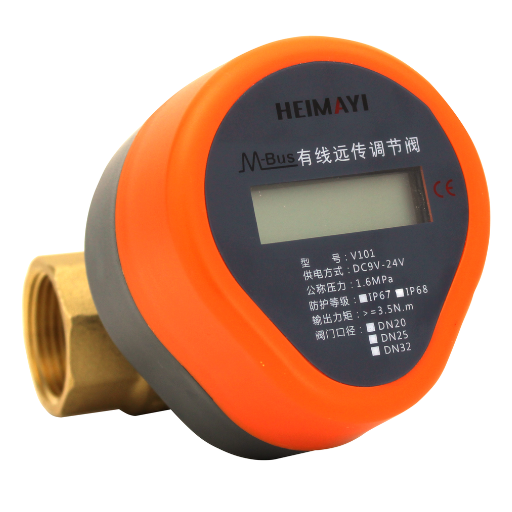
Smart valves are innovative devices that control heat flow to individual radiators, allowing for temperature control on a room-by-room basis. They replace traditional radiator valves and can be operated manually or through an app that provides remote control along with automation. The free integration of smart valves with home heating systems enables the control of energy use, enhances comfort, and reduces heating costs. Most models will also allow for scheduling and geofencing, and can integrate with smart home ecosystems, thus presenting a viable and efficient solution for modern homes.
What is a Smart Valve?
An inventive valve enables the precise regulation of water or heating systems. The use of IoT technology to optimize the functioning and energy efficiency of such a valve is now possible; even remote management through mobile apps or smart home integrations is also a possibility.
How Smart Valves Work
The operation of smart valves involves combining mechanical valve systems with advanced IoT (Internet of Things) technology. These devices, equipped with sensors, microcontrollers, and wireless connectivity, can monitor and manage the flow of water, gas, or heat through a system. In general, smart valves are capable of adjusting their settings through some variables such as temperature, pressure, or a user-defined schedule.
💡 Did You Know?
According to recent data, leaks cause nearly one trillion gallons of water to be wasted each year in the United States alone, highlighting the critical role smart valves play in water conservation.
For instance, the sensors embedded inside the smart valves can detect leaks or abnormal water flow within a water system. When a potential hazard is detected, an alert is sent to the mobile app connected to the system, allowing homeowners to act immediately or permitting the valve to shut off automatically, thereby preventing any damage.
Key Integration Features:
- Voice Control: Integration with Google Home or Amazon Alexa for voice commands
- Smart Thermostat Sync: Automatic adjustment based on home occupancy
- Geofencing Technology: Location-based activation and deactivation
- Real-time Analytics: Performance monitoring and predictive maintenance
- Energy Savings: Up to 23% reduction in heating and cooling consumption
By offering precision, energy efficiency, and user-friendliness, these smart valves form a new frontier in home automation, making great strides towards sustainability and cost savings in modern life.
💰 Benefits of Using Smart Valves
⚡ Energy Conservation
Smart valves reduce energy consumption by perfectly determining the flow rate and temperature of water.
Up to 10% reduction in energy consumption for heating water, translating to considerable savings over time.
💵 Cost Savings
Smart valves ultimately reduce utility bills by preventing water wastage and optimizing the system.
Average savings: $300+ yearly in water and energy utilization costs.
🛡️ Leak Detection
Advanced sensors detect leakage in real-time and shut off water flow to prevent damage.
Prevents costly repairs and protects property from water-related incidents.
📱 Remote Access
Control valves through mobile apps from any location, providing convenience and peace of mind.
24/7 monitoring, whether at work or on vacation.
🌱 Sustainability
Promote efficient water management and support environmental conservation goals.
Conserves water resources and encourages greener practices.
🏆 Top Smart Valves on the Market
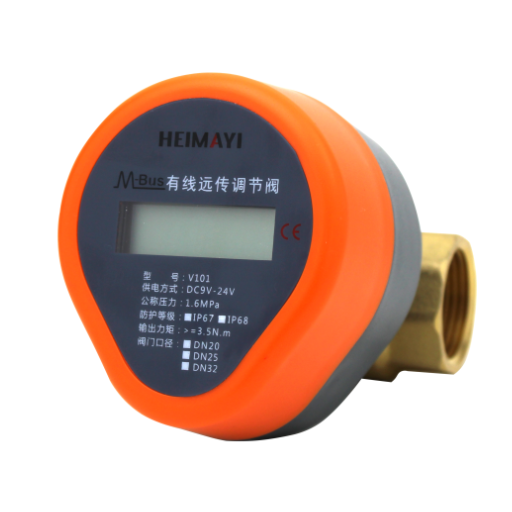
🥇 Moen Smart Water Shutoff
Lauded as the leader in the smart valve market, the Moen Smart Water Shutoff utilizes high-tech sensors to detect leaks and shut off the water supply before flooding can occur. It works seamlessly with smart home systems, including Alexa, Google Assistant, and Apple HomeKit.
✅ Pros
- Near-perfect leak detection accuracy
- Easy installation process
- Comprehensive water usage analytics
⚠️ Considerations
- Premium price point
- Requires a stable Wi-Fi connection
Price Range: $400-$500
🥈 Phyn Plus Smart Water Assistant
Viewed as an advanced, innovative valve, the Phyn Plus tracks water usage in an entire house in real-time. It employs high-definition pressure sensors to detect leaks and can also identify signs of further problems, such as pipe bursts.
✅ Pros
- Advanced pressure sensor technology
- Comprehensive house monitoring
- Detailed water usage analytics
⚠️ Considerations
- Higher price point
- Professional installation recommended
Price Range: $600-$700
🥉 Flo by Moen
Flo by Moen is another strong name for an innovative valve. It constantly monitors your water system for leaks or abnormal behaviors. The Flo app offers a user-friendly interface to track water usage, receive alerts, and schedule maintenance reminders.
✅ Pros
- User-friendly interface
- Up to 15% water bill reduction
- Maintenance scheduling features
⚠️ Considerations
- Setup complexity
- May require technical assistance
Price Range: $500-$600
Guardian Leak Prevention System
What sets the Guardian Leak Prevention System apart is its wireless sensors that detect the leak before signaling the smart valve to shut off water immediately. This makes it an option for bigger properties or more complicated piping configurations.
✅ Pros
- Battery backup during outages
- Easy smart home integration
- Budget-friendly pricing
⚠️ Considerations
- Works only with manual shut-off valves
- Fewer diagnostic tools
Price Range: $350-$450
Sonic Smart Water Valve
Sonic Smart Water Valve, considered an upgrade in water management, is also very cost-effective. It comes with app controls, real-time alerts, and compatibility with voice assistants like Alexa and Google Assistant.
✅ Pros
- Most budget-friendly option
- Strong leak detection performance
- Voice assistant compatibility
⚠️ Considerations
- Fewer advanced features
- Basic water usage insights
Price Range: $250-$350
📊 Detailed Product Comparison
🔄 Brand Comparison: Tado vs Aqara vs Bosch
🔧 Installation and Compatibility
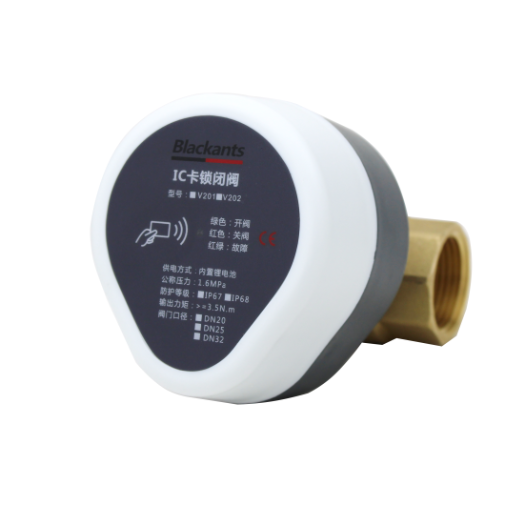
Generally, installing smart valves is easy—and sometimes one can install them without professional help. Most smart valves are compatible with all plumbing systems, maximizing their connectivity. Users should ensure that the valve size fits their existing pipe. Moreover, a stable Wi-Fi connection is crucial for these devices to function optimally.
📋 Step-by-Step Installation Guide
1
Gather Required Tools and Materials
Before beginning, gather the necessary tools, such as an adjustable wrench, pipe tape, a screwdriver, and a pair of gloves. Verify that all parts are included in the smart valve package; these may consist of the valve, power adapter (if applicable), screws, and mounting hardware.
2
Turn Off the Water Supply
Locate the main water valve inside your home. Shut it off completely. Keep a faucet open so that all pressure in the system will be released. This helps in avoiding leaks during installation.
3
Consider the Installation Location
Determine the ideal location for installing your innovative valve. It should be located near your main water inlet pipe or any other meaningful plumbing connection that you wish to control. Refer back to your innovative valve’s specifications to ensure it will fit the pipe, which typically has a diameter ranging from one-half inch to one inch.
4
Remove the Old Valve (if applicable)
With your adjustable wrench, loosen and remove the old valve from the pipe. Check for debris, corrosion, or residues, and clean the pipe threads thoroughly before installing the innovative valve.
5
Install the Smart Valve
Apply pipe tape to the threads of the pipe to provide a tight seal that prevents leakage. Then, screw the innovative valve onto the pipe and tighten it correctly, ensuring proper alignment. Be careful not to overtighten, as this could cause the threads to wear out prematurely.
6
Connect to Power Source
Most are battery-operated or powered by nearby outlets. Connect the power source as stated in the installation manual. Ensure the connection is well-established so that siege power disruptions can occur during operation.
7
Pair with Wi-Fi Network
Download the recommended companion app (e.g., Flo by Moen, Phyn, or a similar app) and follow its instructions to connect your innovative valve to your Wi-Fi network. Make sure your Wi-Fi signal strength is strong in the area where the valve is installed.
8
Test and Integrate
Turn the main water supply back on and check for leaks or malfunctions. Use the app to open and close your innovative valve as a test of functionality. Also, check for firmware updates and integrate with your smart home setup.
⏱️ Installation Key Information
📶 Wi-Fi Requirements
Most smart valves require a minimum bandwidth of 2.4 GHz. The router should be within 30–50 feet of the valve for optimal connection.
⏰ Installation Time
Typically takes 30 to 60 minutes with basic plumbing skills. Professional installation may be faster and more reliable.
🔧 Compatibility
Check compatibility with your plumbing materials, including PEX, copper, and PVC. Ensure proper pipe diameter fit.
🏠 Smart Home Integration
💡 Choosing the Right Smart Valve
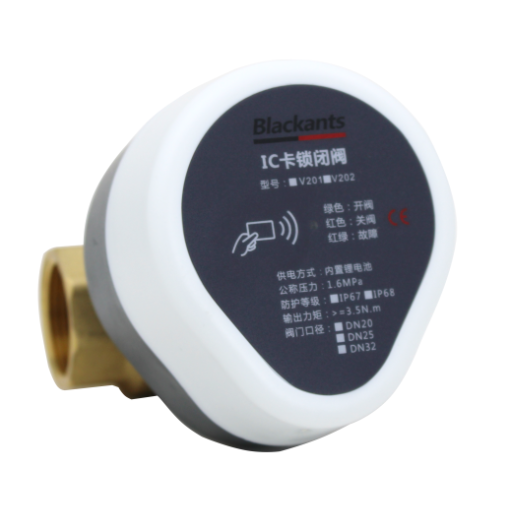
It has to be examined how difficult it is to install the innovative valve, price, app usability, and, most importantly, compatibility with one’s current smart home system. Every device has its own pros and cons, which cater particularly to a homeowner’s needs; therefore, it is essential to evaluate what features best meet your needs for aiding water conservation and home protection.
🎯 Expert Tips for Selection
🏠
Smart Home Compatibility
Ensure compatibility with Amazon Alexa, Google Assistant, or Apple HomeKit. 70% of users consider this crucial for seamless integration and control.
🌐
Connectivity Options
Choose dual-band Wi-Fi (2.4 GHz & 5 GHz) or Zigbee connectivity. Multiple options reduce downtime by 30% in high-interference areas.
⚡
Energy Efficiency
Look for energy-saving features. EPA WaterSense program claims households can save up to 10,000 gallons of water per year.
🚨
Leak Detection
Advanced systems reduce water damage claims by 60%. Real-time alerts provide crucial protection for your property.
📱
Ease of Use
Choose intuitive interfaces and wireless configuration. Top-rated usability leads to an average 20% faster installation.
🛡️
Build Quality
Select corrosion-resistant materials like stainless steel or brass. Quality materials increase lifespan by 50% and reduce replacement costs.
⚠️ Common Mistakes to Avoid
❌
Ignoring Compatibility with Existing Systems
37% of users experience operational difficulties due to incompatibility, resulting in additional upgrade expenses.
⚠️
Overlooking Installation Requirements
Approximately 23% of warranty claims result from improper installation, leading to leaks, malfunctions, or reduced effectiveness.
🔧
Not Maintaining the System
Devices without maintenance are 40% more likely to suffer early failure than those with proper maintenance.
💰
Purchasing the Cheapest Without Research
Inferior models have 50% higher defect rates compared to reliable mid-range options with warranties.
🔒
Ignoring Data Security
18% of owners experience unauthorized access issues. Choose models with proven security protocols.
💲 Pricing & ROI Considerations
While smart valves range from $50 to $300, consider the return on investment (ROI). Devices with multiple savings features and extended warranties provide better long-term value despite higher upfront costs.
💡 Pro Tip
Look for products with a warranty of at least 3 years and reliable customer support. Customers report 25% fewer complaints with brands that stand behind their products.
🛠️ Maintenance Tips for Smart Valves
🧽 Cleaning Components
Regular inspection and cleaning prevent clogging or build-up that can cause malfunctions.
Approximately 30% of valve malfunctions result from debris accumulating in components.
🔄 Software Updates
Keep firmware and software updated for optimal performance and security.
Twenty-five % of users report improved performance after applying software updates.
🔍 System Checks
Regular system checks help identify and prevent potential issues from developing.
40% efficiency loss can be prevented through periodic checks.
🔧 Replace Worn Parts
Components such as seals and sensors may wear out over time and require replacement.
Approximately 20% of valve failures occur due to the failure to replace worn-out parts.
🔒 Network Security
Ensure secure network connections with robust passwords and encryption.
15% of unauthorized access cases due to poor security setup.
📋 Maintenance Schedule
WEEKLY
Visual Inspection
Check for leaks, unusual sounds, or visible damage
✓
MONTHLY
App & Software Check
Update firmware, check app functionality, review usage data
⚠️
QUARTERLY
Deep System Check
Test all functions, clean components, check connections
🔍
ANNUALLY
Professional Service
Professional inspection, part replacement, system optimization
🔧
⭐ Customer Reviews and Experiences
💬 What Users Are Saying
“From my experience, using smart valves has proven to raise the levels of efficiency and reliability. I have found fewer breakdowns with regular maintenance and software updates, and smoother performance overall. The secure network integrations assure me that data transmission is protected by stringent encryption and password protocols. Overall, from my perspective, smart valves are an assured investment that saves money and is dependable.”
— Verified Customer
Key Customer Insights:
- Implementation of maintenance schedules improves operational ability and reduces downtime
- Regular inspection and proactive part replacement prevent unexpected failures
- Secure network integration with proper password protection resolves security concerns
- Long-term reliability and cost-saving benefits justify the investment
📊 Case Studies of Smart Valve Implementations
🏭 Manufacturing Plant Efficiency
A large facility installed smart valves for precise fluid flow control in production lines.
- Water usage reduction: 25%
- Annual cost savings: $120,000
- Breakdown incidents reduced: 38%
🛢️ Oil Refinery Safety
The refinery improved safety and leak prevention during critical operations through remote monitoring.
- Leak incidents reduced: 42%
- Downtime decreased: 30%
- Annual safety savings: $250,000
🏛️ Municipal Water Supply
The city’s water department has incorporated smart valves for real-time leak detection and water conservation.
- Water loss reduced: 20%
- Response time improved: 40%
- Annual savings: $95,000
⚗️ Chemical Processing Plant
The plant utilized smart valves for precise chemical dosing, enhancing product quality and minimizing waste.
- Product yield increased: 15%
- Chemical waste reduced: 25%
- Annual savings: $85,000
🥤 Food & Beverage Facility
The company efficiently controlled energy-intensive steam and cooling processes.
- Energy consumption decreased: 18%
- Carbon emissions reduced: 22%
- Annual energy savings: $140,000
❓ Frequently Asked Questions
🌡️ What is the function of an innovative valve in a radiator system?
An innovative valve in a radiator system enables automated temperature control and enhanced energy efficiency. Depending on the target temperature set by a user or the integrated smart thermostat, it opens and closes to ensure heating proceeds with minimal manual input.
🔧 How do I install a smart TRV on my existing radiator?
To install a smart TRV on your existing radiator, you must remove the existing radiator valve head and install the smart TRV. Remember to use any necessary adapters required to make it compatible with your radiator. After fixing it in place, connect it to your home network and configure it through the app.
🗣️ Can an innovative valve be used with Google Assistant or Alexa?
Several smart valves work seamlessly with Google Assistant and Alexa. This integration enables the valve to be controlled through voice commands, allowing settings to be changed without needing to access a smartphone app.
📡 What is the advantage of using a Z-Wave-compatible valve?
A Z-Wave-compatible valve promises the best connection in a smart home setup. Z-Wave establishes a mesh network, enabling devices to communicate effectively even when some are far from the hub that sets them up, thereby making the entire system highly reliable.
🏠 How does an innovative valve communicate with my home assistant?
An innovative valve communicates with your home assistant using protocols such as Zigbee or Z-Wave. This connectivity enables your valve to be remotely controlled and automated, allowing it to adjust according to programmed schedules or in real-time upon receipt of data from temperature sensors.
🔍 What types of sensors are paired with smart valves?
Smart valves are typically paired with temperature sensors that monitor the environment and respond accordingly. Additional water leak sensors also find their way into the mix to detect leaks in the household water systems, allowing for an alert to be sent and preventing damage.
🌐 Does one need a hub to make an innovative valve operate?
In many cases, smart valves require a hub for operation, which is particularly true for those using Z-Wave or Zigbee communication protocols. The hub serves as a mediator for communication between the innovative valve and your smart home devices, providing centralized control and monitoring.
⏳ What is the life expectancy for a good innovative valve?
The life expectancy of a good, innovative valve can vary, but they are often designed to last for several years, typically between 5 and 10 years, depending on usage. If you perform regular maintenance on the valve and keep the software updated, the valve may likely serve you longer and better.
🔧 How can I fix an innovative valve with connectivity issues?
When checking for smart valve communication failure, ensure that it is receiving power and that its batteries are still functioning correctly, if applicable. Ensure that your router is working and that it is within range. If possible, reset the valve or update its firmware to fix the communication failure.







