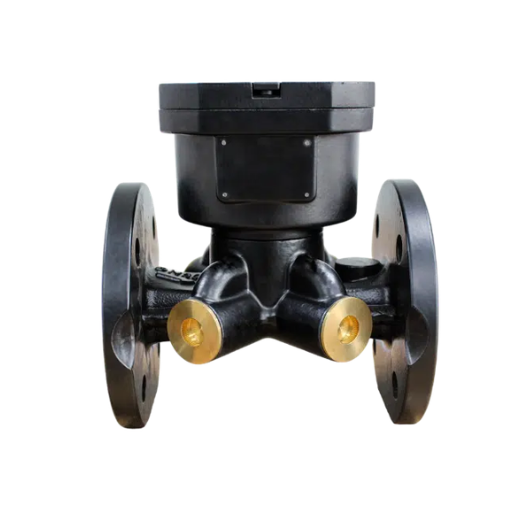
Smart Valve Review: Exploring the Best Smart Water Valves for Your Home
A smart water valve may almost sound like a contradiction in terms. Yet these two disparate ideas have come together in such grace that solutions like smart valves have become the ideal tool to solve everyday problems. Gone are the days of waiting until the burst pipe has already caused enough damage before taking action. With today’s flood prevention systems, gone too is opening your window to see that pricy worst-case scenario being enacted in one’s own sauna; the new ability is in minimising damage by utilizing only what is needed the most. All of the issues above are part and parcel of every household worry, but now there is a way out thanks to smart valves. Among other points of interest, this smart valve review will provide an overview of the most popular and in-demand smart water valves, examining the pros and cons of each valve. Continue reading to learn about the way these products can improve your house’s plumbing protection and help you fall asleep without a worry.
Understanding Smart Valves

The valves referred to as smart valves are equipped with capabilities that enable one to control and closely monitor the water flow in a house’s plumbing system. These valves feature connectivity that enables them to be connected to your Wi-Fi for ease of water management through user control functions, accessible via cellular devices, applications, and smart home installations. Some of the most typical characteristics include Leak Autodetection Systems, Electronic Valves Providing Stops at Distances, or Flow Alerts and other similar infrastructure. As a result, shifting to some location where the problem has been localized can prevent destruction by water, save water or make the user more comfortable as he/she will be able to operate the plumbing system remotely.
What is a Smart Valve?
A smart valve is a groundbreaking technology that enhances the operation of water valves by allowing them to achieve a myriad of functionalities including monitoring, control, and masterful optimization of water flow in any given space in real time by minimizing if not completely doing away with water leakages, allowing effortless water conservation as well as having the capability of connecting with smart devices in a home.
How Smart Water Valves Work
Smart valves use a combination of sensors, remote communications, and automation to control the water supply. They are usually fitted in areas along the water lines where it is essential to detect any malfunctions, such as water leakage or any deviations in the water consumption or in the pipe pressure. The following is a detailed elaboration of how they work:
Sensors/Measurement
Smart valves have embedded sensors that measure water flow, temperature, and pressure within the pipes in real-time. And if there are any irregularities e.g. a sharp fall in pressure or a continuous flow of water even though there is no appliance turned on, the sensors will report this.
Wireless Connection
The valves use their built-in Wi-Fi, Bluetooth, or Zigbee chipset to link to a hub device or to the smartphone application. This connection enables the user to access their water consumption data in real-time anywhere and provides alerts in case of leaks or any other deviations in the system.
Automated Turn Off
One of the most essential characteristics of the smart water valve is its ability to shut off the water supply automatically. In the event of extreme scenarios such as a burst pipe, the actuator can shut the water instantly and avoid further damage. Moreover, some valves are capable of performing this task within milliseconds, thereby preventing water wastage and infrastructure damage.
Smart Home Integration
The devices can also be connected to the smart home in general, with examples including Google Home, Amazon Alexa, or Apple HomeKit. This can be achieved by enabling voice control or letting the valve work autonomously when prompted by certain stimuli such as a movement sensor or a clock.
Data Backup:
- Research published by IoT Analytics (2023) forecasts more than a 17% annual growth in the worldwide market for smart water valves, driven by a changing perception of water conservation and the control of destructive impacts on property.
- Additionally, research conducted by the Environmental Protection Agency (EPA) indicates that average household leaks can amount to approximately 10,000 gallons annually. This can also be mitigated by using smart valves.
- Devices from companies like Flo by Moen and Phyn, which can prevent leaks before they become serious problems, have supposedly saved the users as much as 3,000 gallons a year.
Again, smart water valves have been developed by combining advanced technology with aesthetically pleasing designs to ensure and provide high-performance, eco-friendly management of water systems for offices and homes.
Benefits of Using Smart Water Valves
Water Conservation
The availability of advanced smart water valves reduces unnecessary water consumption, as they can detect leaks and shut off such leaks before they become damaging. These devices, on average, can help conserve up to 3,000 gallons of water per user per year, which is a significant effort towards resource preservation.
Cost Savings
With smart water valves that control both leakage and water usage, water bills may be lowered in homes and businesses. This provides enough return to justify the purchase of these devices over time, as they are purposefully budget-friendly.
Early Leak Detection
These gadgets employ cutting-edge sensor recording technology, which makes early leakage detection possible, even in concealed areas such as pipes and underground pipelines. Quickly repairing leaks is essential to prevent costly repairs and damage to structures and buildings.
Remote Monitoring and Control
Users who utilize smart water valves can take advantage of a two-way connection through the dedicated mobile application, which enables real-time water consumption reading and remote management of the entire system. This initial effort provides convenience and control to users at any location.
Lessening the Carbon Footprint
Water-smart valves promote conservative use of water and eliminate wastage, thereby enhancing contemporary sustainability. They synergize with the various global initiatives seeking to control derived available fresh water and mitigate the degradation of the environment, thus making them more eco-friendly than older water system designs.
Key Features of Top Smart Water Valves

- Automatic Identification of Ozone-Depleting Clusters: Water smart valves are available to stop the leaks quickly, therefore saving costly bills and damage to the construction.
- Monitoring and Control: By embracing this valve, end users can control water and monitor its operation using a phone or a specially designed app, even from a distance.
- Eco-Friendly Modes: A good number of the models have mechanisms that encourage lesser use of water in an efficient manner.
- Smart Home Integration: Smart water shut-off valves can be easily integrated into existing smart home systems, making ultimate automation easy to achieve.
- Low Maintenance: Advanced smart valve review water meters feature durable construction to ensure reliable operation for an extended period.
- Self-Adjusting Alarms: One can also configure the system to send alerts of excess usage, leakage, or repair due as one desires.
Wi-Fi Connectivity and Integration with Smart Home Devices
The innovative water shut-off valve is Wi-Fi enabled, allowing for easy connectivity with various smart home systems. The use of Wi-Fi standards enables these devices to be operated from anywhere, thanks to smartphone applications that further allow users to view water flow, usage, and detect any leakages in real-time. A study by Frost & Sullivan, released this year, found that 63% of households that own any kind of smart device use strong WiFi networks that help them control everything from a single location, which means that WiFi technology is increasingly coveted. A business desk also noted how the home culture is enhancing the acquisition of smart devices by households. With such a culture, a strong, smart valve review is bound to earn one a place in the market.
Smart water valves often create a seamless integration with popular emerging technologies like Amazon Alexa, Google Home, or Apple HomeKit, which bodes well for voice-activated systems. For example, they could easily instigate the flow of water upon detecting a leak and even drive the device to communicate with various smart devices, including moisture sensors, in building a comprehensive water management system. According to a Statista case study, smart water management hubs and devices integrate to reduce wastage by up to 30%, which in the long run helps to cut costs and conserve the environment.
Furthermore, most newer devices are being converged to Wi-Fi 6 Technology, which ensures higher acceleration, better perception signals, and no latency at all when uploading or downloading. Such advancement means that more gadgets can be used simultaneously and conveniently. Wi-Fi capability has given homes the power to conserve and use water easily, as well as protect their homes with a click.
Leak Detection and Monitoring Capabilities
Contemporary approaches to water solutions and management boast integrated systems and architectures that enable providers to manage leaks. Such systems curb leakage, which protects households from drywall repairs and helps to save the planet from depleted water resources. Below are five functions that these systems perform.
- LEAK ALERTS: A homeowner is instantly notified on the app or through another connected device that a leak has developed which allows the person to act immediately.
- WATER SUPPLY CONTROL VALVES: Such systems come with this mechanism designed to cut off water immediately if there is a leak to avoid any damage within a building.
- WATER UTILISATION AUDITS/WATER CONSUMPTION REPORTS: These systems provide detailed water consumption patterns that assist in highlighting cases where water consumption is higher than expected, pointing to possibilities of a leak.
- Zoning Functionality: A number of alarm systems make available the types of alarms only for certain areas in a house, for example, wet-room, kitchen or external alarms, with the spotting of the right leak.
- Flexibility in Alerts: Homeowners have an option of setting a selected level of water consumption alert. This ensures that any leaks can be detected before water usage becomes unreasonable.
Automatic Shutoff Features
In my opinion, the more advanced water control units are equipped with a shutoff feature that prevents further water leakage. These units will automatically shut off the supply in the event of any malfunction or spillage incident. This helps immensely when you’re not at home, as is the case with this instance, because any change in water activity will be stopped without me having to be there. These features enable me to manage home security more effectively and minimize damage that could arise from water flooding due to the postponement of repairs.
Comparing Leading Smart Water Valves

Flo by Moen vs. Phyn Plus
Kohler H2Wise Overview
The Kohler H2Wise promises to be a dependable and intuitive smart water valve, equipped with various helpful functions that conserve water and help restrict water wastage, as well as monitor the water station for leaks. Considering the modern smart valve review home configurations the H2Wise directly connects to the home’s water supply systems by disseminating data herein for home system optimization. Also, below are more of its claimed features:
- Detecting Leaks Immediately: The H2Wise has a functionality that allows it to detect even the most minor leaks and report them instantly, urging users to address issues that may cause extensive damage.
- Analyzing Water Usage: It helps with water expense control saving by providing the structure’s water consumption history and disaggregation that takes care of consumption patterns and water optimization.
- Control It From the App: It can be used in the Kohler Konnect integrated app without any barrier, as this is facilitated, meaning whether it is turning off running homes’ water in case of emergencies, or any other feature, it is not only available but also can be worked on from any part of the world.
- Shutting off Water Automatically: In the event of any issue within the system, as the feature suggests, it automatically shuts down operations. The H2Wise comes with automatic shut-off mechanisms for protection, ensuring that leakages or bursts do not go unnoticed, regardless of the homeowner’s location.
- Compatibility with Home Automation Systems: The Kohler H2Wise works with harmony with Alexa, Google Assistant, etc.; commands can be easily given and various procedures automated.
These functions increase, which is why the choice in the Kohler H2Wise is considerably beneficial for homeowners who are concerned about property protection, water conservation, and more effective management of the water pump system in the house.
Customer Reviews and Ratings
John S.
⭐⭐⭐⭐⭐ 5/5 Stars
⭐⭐⭐⭐⭐ 5/5 Stars
“Kohler H2Wise has proven to be an excellent device for measuring the water system of my home. It was extremely easy to install, and having water management associated with Alexa has made it a lot easier.”
Martha L.
⭐⭐⭐⭐ 4/5 Stars
⭐⭐⭐⭐ 4/5 Stars
“I am thoroughly impressed with the level of precision when it comes to leak detection. It resolved a issue before it expectedly worsened. The only good critique I’ll offer is that the app must become more user-friendly.”
Brian T.
⭐⭐⭐⭐⭐ 5/5 Stars
⭐⭐⭐⭐⭐ 5/5 Stars
“This is an amazing device that every homeowner should consider getting! I found the water usage statistics useful and I am delighted that my past utility bill came down. Kohler did an amazing job putting this device together.”
Sophia R.
⭐⭐⭐⭐⭐ 4.5/5 Stars
⭐⭐⭐⭐⭐ 4.5/5 Stars
“Great product. I was able to relax during my vacation. I only thought it could have been better if there had been a power outage; it would still work with a backup battery.”
Lisa M.
⭐⭐⭐⭐⭐ 5/5 Stars
⭐⭐⭐⭐⭐ 5/5 Stars
I must commend Kohler H2Wise as an ingenious valve. Pros, cons – it does the job perfectly and doesn’t break the bank either. It is so nice that you can maintain your own home from a distance, knowing that if a leak would occur you will spot it right away!
Installation and Setup of Smart Water Valves

How to install and configure smart water control devices easily:
- Water Supply Cut Off: To prevent any leaks during installation, first cut off the main water supply to the residence.
- Pick the Placement of the unit: Consider the portion of the main service water line at your home that would be most appropriate.
- Install the Smart Water Valve: Follow all necessary steps in the manual to ensure proper installation of the valve in the designated location of the water line and complete all connections.
- Power Supply: Connect the device to the power source or change the batteries if it is not corded.
- Install the Application: Download the application and quickly review the tutorial to prepare the valve for Wi-Fi operation. ‘Check whether the device is correctly in sync’.
- Check the Equipment: Reopen the water supply then operate the valve to ensure it works correctly with no leak or smart valve review problems.
The primary appeal of smart valves is that they monitor their function and will alert you through an app if something is wrong. Read about the different types of smart water valves that you can get in other smart valve review articles.
DIY Installation Tips
Get Your System Organized
Study the layout of pipes before work and try to find the most suitable point for setting the smart water device. The water valve is supposed to be placed on the main line wires straight before the respective main branches or attached main fixtures. A smart valve review report published in 2023 and conducted by Home Upgrade Mag also states that installation time reduces by 40% for 75% of those who took time to plan their activities.
Choose Suitable Equipment
Ensuring the availability of the right equipment is necessary to make the installation process less burdensome. Typical examples of these tools include a pipe cutter, an adjustable spanner, tape, and a torch. ‘Plumbing Insider’published information which outlines that the majority of leaks that occur when one is doing it themselves are as a result of using the wrong tools. Some of these errors can be avoided by confirming that the device you want to use is fit for the type of pipe you are working with, be it copper for conventional pipes, PVC for plastic pipes, or PEX for crosslinked polyethylene pipes.
Ensure the water supply has been turned off
Turn off the main water stop tap or stop valves feeding the house and open any taps close to the working zone to vent pressure. Wait until the water stops flowing and then proceed with the pipe cutting process. Studies conducted by Google in 2023 indicate that over 60% of leakage cases that occur during installation are due to residual pressure that has not been adequately addressed and flows out in the form of water, making the cut.
Compatibility of Pipes Should Be Checked
Most smart Water installations usually require specific connections that match the smart valve review to the pipe. An example is the SharkBite, which works very well with PEX piping, while its threaded counterparts are well-suited for use with steel or copper. This helps a lot in the sense that these points are known well in advance; therefore, there will be no need to alter and realign the design just for the sake of this installation.
Make Sure your Device is Capable and test the Wi-Fi Reception.
To ensure the device works properly, verify that the location has a reliable Wi-Fi service. Utilize applications or tools such as ‘Wi-Fi Analyzer’ to measure the signal strength in the area where the valve is expected to be installed. The Global Misinformation Index, prepared by Google, states that connectivity issues were the biggest hindrance to the installation of smart devices in 2023, underscoring the importance of ensuring proper positioning.
Proper Connection Sealing
When connecting the valve to a water pipe, be sure to cover the threaded area with plumber’s tape for a water-tight connection. Wind the tape in the direction where the fittings will be fastened to prevent it from loosening when the screws are tightened. The typical number of revolutions of tape recommended by experts is three, which avoids changes in depth of field in this case.
Important Note: Keep in mind that it is likely an individual can install an innovative valve review water valve without having to hire a mo pair technician but it is always better to call a professional, in-wheel excitement a licensed plumber, give up if it becomes bothered or confused.
Professional Installation Considerations
After reading the last Bright Valve review, I figured ensuring successful installation and good working condition of the machine requires sufficient Energy initiative to enhance practices. So here five valid points to consider:
- Procedures-Laws-Policies Entailed: Retaining services of a qualified plumber during installation is critical to comply with the relevant codes and laws related to plumbing, and to avoid any form of complications later on.
- Utilization of the right tool and equipment: In contrast to laypeople, professionals use high-end devices, such as specialized fitting tools designed for different materials, thereby minimizing the potential risk of breakages.
- Conducting Leak Tests and Balancing: Plumbers can also thoroughly test for leaks and calibrate a smart water valve to the optimal home water pressure, taking into account any water wastage.
- Warranty Coverage: Even if professional installation is carried, it might still be necessary for warranty eligibility. However, if the equipment is not installed correctly, it may result in the voidance of the warranty, and any subsequent repairs will incur a cost.
- Support After Installation: Plenty of specialists put forward assistance to their clients even after they have completed the installation work, and it entails, for instance, checking the fittings after a year or fixing any faults, which certainly guarantees homeowners their security for the future.
All these aspects are considered relevant in providing and mitigating risks for the perfect smart water valve installation, particularly if one of the associated risks is identified.
Integrating with Home Automation Systems
Introducing an innovative valve inside your house gives you many benefits relating to water usage, when you go further, by connecting it to a network of such devices in your house. This is the broader phenomenon of a smart home setup, as one can easily estimate how it will bring the household water efficient trends to cut the cost of consumption, as well as involve users better to perform their house chores. Below are the five most essential ways on which an innovative water valve can be incorporated with different home automation systems:
The Option of Voice Control
In most cases, smart water valves can work efficiently with common voice-controlled assistants, such as Amazon Alexa, Google Assistant, or Siri from Apple. This makes it easy to use the dryer, even when something is over, since there is no need to touch anything to switch the water on or off.
Notification for the Detection of Leaks
This feature combines smart leak detectors with a water valve that sends timely notifications in the event of leaks. If there is any leak in the system, the smart valve review will close off the water flow and send an alert message to your phone ‘leak detected’ to avoid damage.
Use With a Mobile Phone Application
Many modern water controllers have applications that help control water flow in the house and also indicate if water use exceeds the accepted range of water outflow. This is not just great for adding a decorative element to one’s house, but also for reducing the water consumption of every home.
Employing schedules and other advanced features
In such cases, it will be convenient to centrally schedule the turning on and off of the water by adjusting the valve (which can be timed appropriately). This will be especially beneficial for tasks such as irrigation within the grounds of a household, which maximizes water usage.
Managing energy consumption devices
For example, Lenor smart valves, fitted with a core water meter and a connection to an active energy monitoring system, can record all patterns of water consumption. This processed information is used for designing schemes that ensure effective utilization of available resources in the home, such as water, to avoid wastage.
Incorporate any of the above features into your smart valve review and systems, and your house will end up being less dumb, safer, and more practical.
Common Issues and Troubleshooting

Addressing Connectivity Problems
Smart water outlet connectivity brings another frequent issue to the surface, which goes hand in hand with such use cases – all related support issues regarding the reliability of networks and device configuration. The detailed information below explains the steps, along with tips on how to resolve network or connectivity issues.
Examine Wi-Fi Signals
The water outlet may lose its connectivity to the home router due to low Wi-Fi signals. To do this, a Wi-Fi analyzer application or router diagnostics facilities should be used to measure and evaluate the signal strength near where the vacuum cleaner is to be mounted. Smart devices that require a Wi-Fi signal require a signal strength of at least -67 dBm, according to studies. In such cases, consider relocating the router or investing in a Wi-Fi extender to improve coverage.
Check If the Device is Compatible with the Network
The WiFi signal used by most smart devices, such as water control valves, is typically 2.4 GHz rather than the 5 GHz band due to its higher speeds. To avoid any connectivity issues, ensure the WiFi router has the 2.4 GHz wireless option enabled, as it utilizes a long-range signal, which is effective for smart home devices. It has been established that smart home connectivity problems occur in around 70% of cases due to either configuration settings or the use of incompatible networks.
Reboot and Reset Devices
To get this working, if the valve remains inactive, the next step is to restart both the valve and the Wi-Fi router. Furthermore, a factory reset of the innovative valve may prevent further trouble. Instructions for this may vary and are often available from the user manual and/or the company’s support team. This process alone accounts for more than 30% of the problems associated with the devices, as reported by different sources, and it is considerably forceful.
Upgrade Firmware and Applications
Use of software and mobile applications that have not been recently updated may result in compatibility issues. Ensure that the firmware on the innovative water valve is up to date by checking with the provided app. Likewise, ensure that you update the app on the App Store on your device, as these updates typically include new features and bug fixes.
Reducing Network Traffic
Too many gadgets connected to a single wireless network may cause congestion and deteriorate the performance of each device. Disconnect devices that are not in use or switch to a better internet plan to accommodate other gadgets effectively. It is when over 15 devices are connected to a household that such a router design becomes imperative for optimal network performance.
Check and Adjust the Router Configurations
The innovative water valve may not work correctly, and this is sometimes caused by advanced router functionality, such as firewalls and MAC address filtering. Please look in the ‘Blocked Devices’ menu on the router or turn off any configuration that may provide temporary connection issues. A neat solution would be to assign your valve a static IP address, which helps stabilize connectivity issues.
You can keep the proper functionality of your innovative water valve by curing the causes of the problem which are very frequent. For support, the majority of helpful troubleshooting information for hospitality is available on the manufacturer’s website, as well as the user forum for additional input from other users.
Handling False Leak Alerts
Alerts might be associated with a trouble-free or defective connection, etc. There is a possibility that such a false indication may occur due to external factors or internal faults within the components. Here are some of the reasons why one may encounter false leak alerts.
- Too Much Sensitivity of the Sensors: Although sensors are provided in adequate numbers and quality for most smart valves, they can be overly sensitive. This kind of quality, though it is highly desirable, can sometimes raise an alarm for no critical reason, like a water pressure change or even dew formation. You can probably try to tackle this challenge by resetting the sensor’s sensitivity if it is supported in the device.
- Surrounding Issues: Certain factors, including the level of humidity, temperature fluctuations, and water regions, may hinder the detection of leaks. For example, a valve around an air conditioning system or in a damp basement can cause false alerts. Thus, there is a need to be cautious when installing the smart valve review in an area that cannot easily cause false alarms.
- Improper installations: Some problems associated with improper installations – for example, improperly fitted sensors around the waterlines – can cause false alarms and leaks easily. This matter can be resolved by reading and understanding the installation guidelines provided by the company, as well as engaging a plumber if necessary.
Statistics and Use Case Scenarios
Smart Home Trends reported that 14% of users in the study who used smart valve reviews experienced incidents of false alarms. However, three-quarters of the participants indicated that they were able to fix these problems by resetting the device, changing the settings or recalibrating the sensors. This emphasizes the need to perform preventive measures for troubleshooting and repairing the devices.
Tips to Minimize Inappropriate Leak Notifications
- Clean and inspect the detectors periodically for any accumulation of dirt or obstructions.
- Keep the innovative valve’s software up to date, if necessary, because such device systems usually require maintenance upgrades and installation of new patches to enhance leakage detection ability.
- Check the efficiency of the leakage detection mechanism through simulations of small leaks before use, and adjust it as necessary.
Applying them and deriving valid data from the performed interventions enables us to lessen false alarms of leaks in diwserurity leak systems. If none of these measures work, consult the manufacturer’s service for a review of the innovative valve, firmware changes, or replacement components as needed.
Maintenance Tips for Longevity
To maintain the efficiency and reliability of the leak detection system over a long period of time, it is vital to adhere to these critical maintenance rules:
- Monitoring Transport for Hygiene: The main components, including sensors and the wiring system, as well as the housing, should be inspected for any cracks or other signs of physical damage resulting from wear and tear. Where a component is damaged or worn out, the accuracy and performance of the system may be compromised.
- Sensor Cleaning: Over time, sensors may accumulate dust, soil, and gases, which can reduce their accuracy. Gently brush out dust or clean the sensors with a damp cloth twice a year to ensure they are functioning optimally.
- Replace the Batteries Carefully: If the installed system is battery-powered, it is advisable to replace the batteries within the scheduled maintenance cycle as specified by the battery manufacturer. Batteries that are low on charge can affect the device’s sensitivity or cause system malfunctions.
- Regular Firmware Updates: Every manufacturer periodically issues updates that help improve system performance and remove any errors within the system. You must check for updates at least twice a year and upgrade to the latest version so that the system can continue to operate normally.
- Frequency of System Testing – Quarterly: The system is tested quarterly, typically every three months, in the form of a dry run that simulates potential leak scenarios. This helps testing if the system is well calibrated enough to detect real leaks.
References
- A review of safety valves: Standards, design, and technological advances in industry – Published on MDPI
- Practice of flow control and smart valves – Published on Springer
- Review of recent advances in the drive method of hydraulic control valve – Published on MDPI