Shipping for Data Loggers: Best Practices for Safe Transportation
Ensuring the protection and functionality of data loggers during transit is of utmost importance in shipment. These precision instruments are crucial for monitoring and recording valuable data in industries ranging from pharmaceuticals to logistics. However, their integrity may be lost during improper transportation, leading to a loss of data or even damage to the equipment. This article will cover some essential best practices to consider when shipping data loggers while focusing on protective packaging, environmental conditions, and effective handling procedures. Whether it is a single or multiple pieces, the following tips will help ensure that your data loggers make it to their destination safely and are in perfect working condition.
Understanding Data Loggers
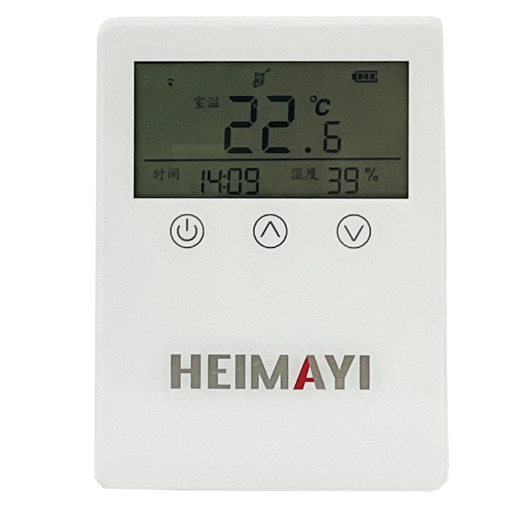
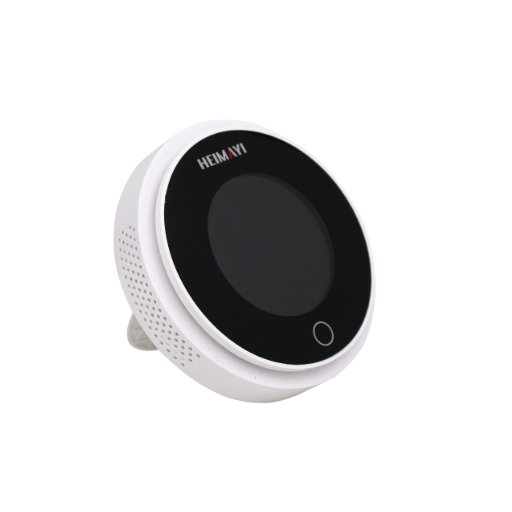
Essentially, data loggers represent specialized, electronically active machinery for recording and storing data over time. Typically, variables such as temperature, humidity, pressure, or motion are measured by the data logger; therefore, the actual environmental variables measured depend on the specific application. Small, portable, and battery-powered, they are found to help provide an accurate and trustworthy record of parameters considered necessary in industries such as logistics, environmental monitoring, and research. Their independent functioning makes the data logger an efficient approach for collecting data in remote or unattended modes.
What is a Data Logger?
Data loggers are electronic devices that automatically record and save data samples over time from various sensors, providing more accurate and efficient monitoring for applications ranging from environmental studies to logistics and industrial processes.
Types of Data Loggers for Monitoring
Key Features of Temperature and Humidity Loggers
Temperature and humidity loggers come with advanced features that enhance their operational efficiency and ensure accurate data measurement. Key features of these loggers include the following:
High Accuracy and Precision
The loggers provide exact readings of temperature and humidity. These loggers are suitable for highly critical applications, such as laboratories and pharmaceutical storage.
Large Data Storage Capacity
Modern-day data loggers have ample storage capacities to record and store large quantities of data for extended time periods without the need to transfer data to another medium frequently.
Wireless Connectivity
Some temperature and humidity loggers also support Wi-Fi or Bluetooth connectivity, allowing for effortless data upload and real-time data monitoring on mobile phones and computers.
Long Battery Life
The optimized battery life ensures these devices can continue recording data without interruption for extended periods in remote or otherwise inaccessible locations.
Programmable Alarms and Alerts
These velocity and humidity loggers have programmable alerts that notify the user when readings exceed a certain set level, allowing for early detection of potential issues.
Preparing Data Loggers for Shipment
- 1
IMPEC-STEP 4Ensure that all data loggers are functioning properly, calibrated correctly, and without defects before packaging.
- 2
Securing Data BackupsSecurely download any recorded data to prevent information loss during transit.
- 3
PackagingWrap each logger with adequate protective material, e.g., bubble wrap, and place it in a sturdy box that fits well to avoid damage.
- 4
LabelingClearly specify the handling instructions on the package, including the destination address and any required identification numbers.
- 5
Choosing a Reliable CarrierSelect shipping carriers that offer special handling for sensitive equipment to ensure it is delivered safely.
Packaging Considerations for Safe Transport
Following good packaging order is key to keeping shipping products in safe conditions. The following items for consideration should be taken into account:
🌡️ Environmental Factors
Protect the shipment from environmental factors, including moisture, temperature fluctuations, and vibrations. Desiccant materials, thermal insulation, or shock-absorbing materials, whichever is necessary, must be used.
⚖️ Weight Distribution
Heavier items should be placed at the bottom of the box to prevent them from shifting during transit. Proper weight distribution prevents packages from crushing or failing structurally.
🔒 Sealing Methods
Seal with good sealing materials, such as reinforced packing tapes. All edges and seams must be sealed to prevent accidental opening of the packages.
🛡️ Cushioning Needs
Adequate cushioning materials need to be used to absorb shock or impact, such as foam inserts, airbags, and crumpled paper. The items should not be allowed to move within cushioned packaging to minimize the possibility of damage during shock.
📋 Obeying Regulations
Obey legal and industry guidelines for sensitive or regulated items. This could include certified packaging if packaging materials are involved, as well as labeling and documentation requirements.
Using Impact Recorders to Monitor Conditions
Impact recorders are ideal tools for monitoring the condition of goods during storage and transportation. These devices record and report the impacts, shocks, vibrations, and even temperature changes that the items encounter during shipment. Hence, by providing real-time data, they can pinpoint any harmful events to preserve the goods in their best condition.
📊 Advanced Technology Features
Impact recorders employed in modern days are a convergence of different technologies, often using the accelerometer and gyroscope in tandem to recognize crisp movements and forces. In fact, developments now enable impact recorders to memorize up to 400,000 events, having sampling rates of up to 1,600 Hz to provide high-resolution data; hence, better tracking conditions such as sudden drops or extreme tilts. Cloud integration now even allows stakeholders to track all shipments remotely and receive updates via their mobile apps and dashboards.
📈 Impact on Industry Performance
30%
Reduction in loss incidents in 2023
Billions
In losses prevented annually
Based on the data recorded in 2023, it was found that impact recorders helped reduce the incidence of loss by an estimated 30% in industries such as fragile electronics and pharmaceuticals. Their presence not only keeps the goods safe but also helps reduce disputes and claims in supply chains. By marrying historical data with actionable insights, businesses can now efficiently optimize packaging, identify bottlenecks in their logistics processes, and enhance customer satisfaction.
Importance of Calibration Before Shipping
Calibration is fundamental to assuring the accuracy and reliability of impact recorders before they are used in shipping operations. Proper calibration ensures that devices yield accurate measurements and reliable data, which in turn serve as the backbone for protecting goods during shipment and making critical decisions. In essence, here are five main reasons why calibration matters in shipping:
By prioritizing calibration before shipping operations, companies can further improve the efficiency of the supply chain, ensure the assured protection of goods, and maintain the interests of their customers, thereby benefiting the company as a whole.
Shipping Methods and Logistics

On-time delivery is contingent upon selecting the correct mode of transportation for shipping any goods. Businesses mainly use four shipping methods:
🚛 Ground Shipping
Considered ideal within the country, ground shipping is cheaper and suitable for non-urgent deliveries.
✈️ Air Freight
If items are something that require a short time for delivery, then air freight is best but at much higher costs.
🚢 Ocean Freight
For international shipments, ocean freight is the best option when it comes to huge or heavy cargo for the cost, but in return, it takes its own sweet time to deliver.
⚡ Express Shipping
These are meant for urgent deliveries; they have the best turnaround time, 24-48 hours in most cases, but they come dearly priced.
The determining factors for selecting which shipping method include delivery timeline, freight charges, destination, and the nature of the goods. If planned well from the logistics point of view, goods would arrive safely and on time, at the satisfaction of the customer.
Choosing the Right Shipment Method
When considering the optimal shipment methods for your needs, several factors to consider include delivery time, cost-effectiveness, reliability, and others. Here is an in-depth discussion about the different shipping methods and the primary considerations for each:
Key Considerations for Choosing the Right Method
- 📦 Nature of goods: Perishable products will have to be transported via express or air freight, while larger and durable goods are shipped via sea or by freight.
- 🌍 Destination: Within countries, shipments are best handled by standard or express services, while international shipments require air or sea freight.
- 💰 Costs: Budgets are vital; so, considering costs, shipments ordinarily use standard or sea freight shipping.
- ⏰ Delivery Timeline: Important shipments should be given the highest priority for express or air freight delivery to ensure they meet their deadlines.
Balances of efficiency, cost, and quality will be decided upon within the supply chain by carefully taking these factors into consideration and relying on the latest logistics tools and data.
Cold Chain Logistics for Temperature-Sensitive Data Loggers
In cold chain logistics, utmost care is taken in the transportation and storage of temperature-sensitive data loggers, protecting their delicate nature. These devices are ordinarily used in the pharmaceutical, food, and chemical industries and require specific temperature conditions to maintain accuracy and reliability. Whether they are being used to observe the cold storage conditions of vaccines or the movement of perishable goods, cold chain reduction is paramount.
📈 Market Growth Statistics
The global cold chain logistics market is set to cross $801.26 billion by the year 2030 and grow at a CAGR of more than 15% post-2022 to 2030.
Stringent regulations, growing demand for temperature-sensitive goods, and advancements in refrigeration technologies are driving the market upward, leading to improved solutions for packaging and monitoring during transit for data loggers.
Essential Criteria for Cold Chain Logistics
CRITICAL
🌡️ Temperature Range
Data loggers may operate anywhere between -40°F and 140°F, depending on the specific task assigned. Refrigeration facilities in warehouses or transport vehicles must therefore comply sufficiently with these requirements.
ESSENTIAL
📡 Real-Time Monitoring
Today, real-time monitoring can be performed using IoT-enabled sensor technology or GPS tracking, enabling logistics teams to detect and respond to temperature variations instantly.
REQUIRED
⚖️ Regulatory Compliance
Following international standards, such as Good Distribution Practice (GDP) guidelines, shall be necessary. These standards ensure that data loggers and the products they monitor remain within the allowed temperature thresholds.
ADVANCED
📦 Packaging Innovations
Highly advanced insulated packaging materials and phase change materials (PCMs) can maintain desired temperatures for up to 240 hours, thereby mitigating risks associated with longer transit durations or unexpected delays.
By following these technological advances and logistics principles, competitors can ensure the functional capabilities of their temperature-sensitive data loggers. This way, the data collected remains sound, and the entire supply chain’s credibility is enhanced. Studies have verified that failing to maintain appropriate conditions results in billions of dollars in annual losses, underscoring the significant financial and operational implications of cold chain maintenance.
Understanding Cargo Regulations for Lithium Batteries
⚠️ Important Safety Notice
As lithium batteries can present hazards of overheating, fire, or explosion during transportation and are thereby designated as dangerous goods, there are cargo shipment rules to follow when shipping lithium batteries.
Five of these pertinent regulations and guidelines are:
⚠️ Compliance Warning
Understanding these regulations is of great importance when transporting lithium batteries via varied modes of transport to achieve safety, compliance with legal requirements, and smooth logistics. Neglecting these guidelines will put one at risk of being fined, having shipment delays, and higher safety risks.
Monitoring During Transportation
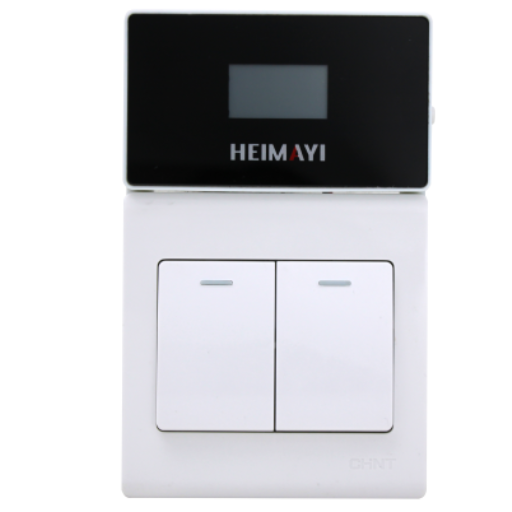
Monitoring the lithium batteries during transportation is essential to safety and compliance. Key steps include installing real-time trackers to follow shipments’ location and conditions, including temperature and relative humidity. Constantly maintaining communication with carriers would help resolve any issues during transit promptly. Periodic inspections at transit points help mitigate the risk of damage or overheating. Following these would ensure the safe and efficient transport of lithium batteries.
Utilizing Sensors for Real-Time Monitoring
The inclusion of sensors inside lithium battery transport has significantly enhanced monitoring possibilities, providing improved safety and efficiency. Real-time monitoring with sensors captures important parameter values and transmits the data during shipment, including temperature, humidity, vibration levels, and location accuracy. One example of a vital temperature sensor could prevent thermal runawa,y as lithium batteries are sensitive to alternating temperature extremes.
📊 Market Growth Projection
The global forecast of IoT sensors for logistics shall go beyond $22 billion by the year 2027, which proves the ever-growing need for these in the industry.
📍
GPS-Enabled Tracking
GPS-enabled sensors can accurately track each shipment, reducing delays and minimizing late deliveries.
+23% Delivery Reliability
📳
Vibration Detection
Vibration sensors further reduce the risk by identifying irregular motions related to mechanical shocks that occur during transport.
Real-Time Alerts
If such sensors alert to abnormal situations, concerned parties can take preventive measures quickly, thereby satisfying safety standards and minimizing damage. These technologies together constitute a much-needed safety net for the handling of lithium batteries in transit.
Using USB PDF Temperature Data Loggers for Record Keeping
USB PDF temperature data loggers play a crucial role in maintaining an accurate and reliable record of temperature data during the shipping and storage of sensitive materials, such as lithium-ion batteries. Temperature data loggers accurately measure temperatures and maintain precise records to ensure that environmental conditions remain within safe parameters. It can be plugged into a USB port, facilitating rapid access to files. The generation of PDF reports means that the user does not have to install extra software from the outset, an advantage when it comes to record-keeping.
Key features and benefits of USB PDF temperature data loggers:
🎯 Accuracy of Temperature Monitoring
Providing real-time data of the exact timestamp or a full course of temperature variation during storage with respect to compliance with safety standards.
📄 Automatic Generation of PDF Reports
Upon connecting to the computer, an automatic PDF report is generated with no additional software required.
💪 Overall Compactness and Durability
Portable and able to withstand extensive operational conditions in the industrial or transportation environment.
🚨 Pre-Programmed Alarm Settings
Once thresholds are surpassed, the alarm settings notify the users, enabling them to take corrective actions immediately.
🔋 Long Battery Life
It can be used for lengthier periods without needing frequent battery replacements; hence, it never compromises on continuous monitoring.
Henceforth, these features indeed force USB PDF temperature data loggers to become essential tools for easy record-keeping so that all stakeholders maintain compliance, with priority given to the safety of their processes.
Immediate Inspection of Data Loggers Upon Arrival
When I receive temperature data loggers, my first step is to check for any visible damage or defects. I ensure that the packaging is intact and that all necessary accessories, such as cables or manuals, are included. Furthermore, I verify the certificate for device calibration to confirm that it meets regulatory standards before using it.
Best Practices for Shipping Data Loggers
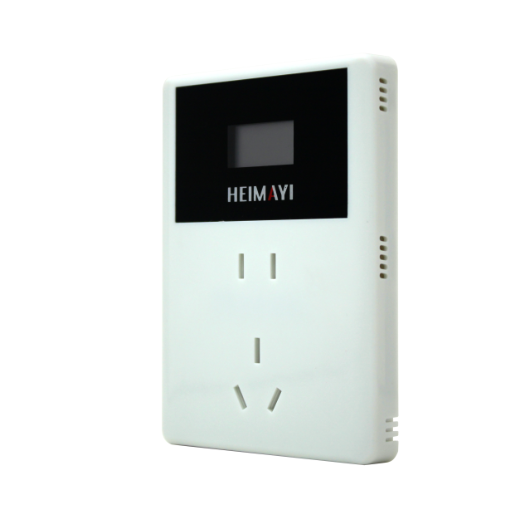
Temperature data loggers should be transported using all accepted and established best practices, ensuring the safe and secure movements of the data loggers under the established conditions. The five best are:
Adherence to these practices helps minimize risks for an organization and increase the efficiency of their data logger operations.
Optimizing Shipment Processes
Efficient shipment procedures are paramount for seamless and low-cost supply chain operations. Recent findings indicate that approximately 61% of logistics professionals prioritize visibility at the top of their shipping priorities; perhaps because, with real-time tracking, better decisions can be made while keeping the customer satisfied. In a real sense, companies utilize modern technologies like RFID tags and IoT sensors to monitor the status, location, and condition of shipments in real-time, thereby achieving higher accuracy and reducing delays.
🛣️ Route Optimization
30%
Savings on fuel costs while improving delivery times through route optimization software.
📈 Predictive Analytics
15%
Efficiency increase for supply chain organizations using predictive analytics, according to Gartner.
🌱 Sustainable Shipping
40%
Reduction in carbon emissions through sustainable shipping solutions like electric vehicles and eco-packaging.
🚀 Advanced Technology Integration
Another essential attribute is route optimization. Studies show that route optimization software could save up to 30% on fuel costs while improving delivery times. These tools are used to study traffic, weather patterns, and vehicle capacity, among others, to determine the best routes for delivering.
Another possibility is to employ predictive analytics to enhance demand forecasting for shipments. According to Gartner, supply chain organizations that use predictive analytics increase their efficiency by 15%. This means businesses avoid bottlenecks by quickly reacting to demands and identifying possible challenges.
Sustainable shipping continues to trend, with companies in all regions investing in green options, including electric vehicles and eco-friendly packaging, as well as carbon-offset programs. For instance, studies claim that sustainable shipping practices reduce carbon emissions by as much as 40%, resulting in savings for businesses while contributing to their environmental goals.
By combining advanced technology with strategic planning and sustainable concern, companies can work wonders in providing the best possible shipment processes while remaining competitive on this ever-changing market.
Common Challenges in Data Logger Shipping
Tips for Avoiding Damage in Transit
📦 Use Appropriate Packaging Materials
Triple-D packaging materials, such as bubble wrap, polyethylene foam, and heavy-duty corrugated boxes, help reduce shipment damage during transit.
30% Damage Reduction
🛡️ Cushioning for Secure Packaging
Shopkeepers can surround parcels with sufficient cushioning materials to absorb shock or minimize vibrations.
2 Inches Minimum
A cushion of at least 2 inches is suggested for fragile or sensitive items to avoid accidental breakage during handling.
🏷️ Mark Shipments Properly
Clear labeling, such as “Fragile,” “This Side Up,” or “Handle with Care,” can inform handlers of the expected handling requirements for the shipment.
20% Less Mishandling
📐 Invest in Strong Pallets and Wrapping
For larger shipments, selecting rugged pallets and wrapping them sufficiently with stretch film helps secure the items against inadvertent damage during transit.
2nd Leading Cause
Miscellaneous damages due to pallets incorrectly loaded or inadequately wrapped with stretch film come second in the ranking of shipping damage causes.
🚚 Opt for Good Carriers and Routes
The best carriers who take care of handling and make fewer transfers on a route for your shipment are the best choice to reduce damage levels.
15-25%
Lower Damage
Lower Damage
Data indicate that shipments with fewer legs result in 15 to 25% lower damage rates, emphasizing the need to plan for efficient routes.
References
📊 Meteorological Weather Station Research
A Hypothetical Database-Driven Web-Based Meteorological Weather Station with Dynamic Datalogger System
This paper discusses the use of data loggers in meteorological applications, including their role in shipping lanes.
🐟 RFID Data Loggers in Fish Supply Chain
Research Article: RFID Data Loggers in Fish Supply Chain Traceability
This research examines the application of RFID data loggers in cold chain logistics, specifically in the fish supply chain, encompassing shipping processes.
🚢 WOCE Research Ships Measurements
Meteorological Measurements from WOCE Research Ships
This document provides insights into the use of data loggers on research ships for meteorological measurements and data reporting.
Frequently Asked Questions (FAQ)
🎯 Conclusion
By following these comprehensive best practices for shipping data loggers, you can ensure the safe transportation of these critical monitoring devices while maintaining data integrity and regulatory compliance. From proper packaging and calibration to understanding complex cargo regulations and utilizing advanced monitoring technologies, each aspect plays a vital role in successful data logger shipping operations.