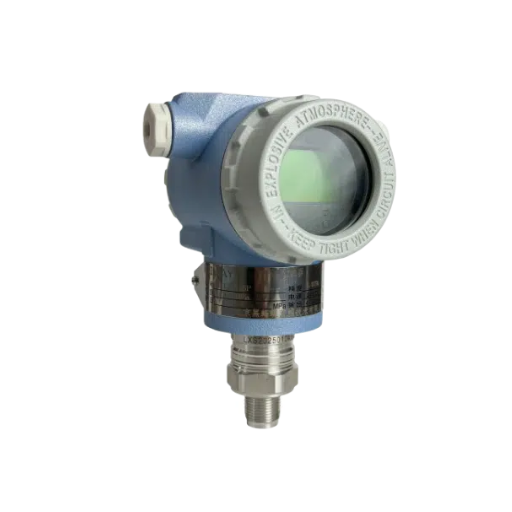
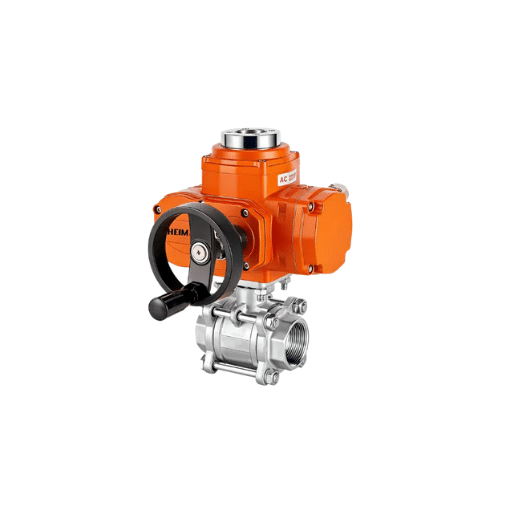
Store Smart Valve: Control Your Water with WiFi Technology
Water management has truly gone digital, and Smart Valve technology sits at the very center of this ongoing technological revolution. Just imagine, complete and real-time control over water systems anywhere, just at the tap of a screen. This blog post will discuss how WiFi Smart-Valve solutions are revolutionizing the way water usages are monitored and managed in homes and businesses. From improved efficiency to treatment of costly leaks, the technology combines innovation and comfort to make water control more intelligent and sustainable. Join us as we guide you through the key features, benefits, and applications of this advanced solution, enabling you to maximize the benefits of your water systems like never before.
Overview of Smart Valves
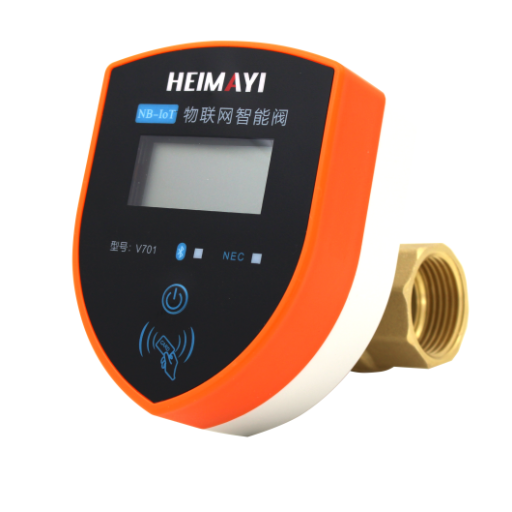
Smart Valves are sophisticated devices meant for controlling, monitoring, and optimizing the flow of water in residential, commercial, and industrial systems. They utilize an integrated sensor to detect water usage patterns, identify leaks, and make real-time adjustments. Automation of water systems using Smart Valves leads to better efficiency, less waste, and cost savings. They find their usual applications in irrigation, building water systems, and industrial processes, thus providing precise and sustainable control of water.
What is a Store Smart Valve?
Dedicated to meeting retail needs, the Store Smart Valve is a cutting-edge water control device that utilizes real-time data and automation to optimize water management, prevent leaks, and enhance overall operational efficiency.
How Smart Valves Work
Smart valves utilize state-of-the-art sensors, real-time data processing, and automated control systems to regulate water flow with precision. These valves are typically embedded with IoT technologies, allowing them to track their pressure levels continuously, the rate of water flow, and patterns of water usage. Upon detecting any irregularities, such as leaks, excessive flows, pressure surges, unusual consumption patterns, storm water flows, irrigation, among others, to an extent that could have adverse effects or cause wastage, they will activate control to either adjust the flow or completely shut down water flow to avoid further damage.
Key Insight: The integration of smart valves with cloud-based platforms and mobile applications enables real-time data availability for analytics. According to recent data, installing smart valves in operating systems can reduce water losses by as much as 30%, making it the most effective solution for managing water resources.
Additionally, since the innovative valve can be controlled remotely and operates autonomously, its use becomes more flexible, resulting in shorter response times during both maintenance and emergencies.
An example of this is the industrial sector, where companies are improving water efficiency by coupling smart valves with predictive maintenance systems that utilize collected data to forecast valve wear and tear, thereby minimizing downtime and repair costs. The marriage of engineering precision with advanced technology enables the performance optimization of smart valves across various applications.
Benefits of Using Smart Water Valves
Better Water Conservation
A smart water valve helps conserve water by detecting and addressing leaks and irregular flows as they occur. According to the Water Research Foundation (WRF), intelligent water systems can reduce water waste in a household by as much as 20%, thereby contributing to sustainable resource management.
Higher Operational Efficiency
The valves adjust water flow automatically depending on consumption levels, thus requiring minimal human interference. For example, industrial plants using smart water valves have seen operational efficiency improved by 15-25% due to enhanced water distribution.
Less Costs
Real-time monitoring and predictive maintenance are two functions of smart water valves that, when combined, help minimize repair and energy costs. On average, cost savings of 10-15% can be made annually by businesses that implement advanced water control technologies, says the Environmental Protection Agency (EPA).
Data and Analytical Accuracy
Connected to an IoT platform, smart valves provide accurate data on water usage and enable predictive analytics. This ability provides an invaluable insight for strategic planning, as studies indicate that facilities utilizing such data have enhanced their planning performance by 30%.
Remote Access and Control
Intelligent water valve monitoring and control can be carried out remotely from mobile or connected platforms. This ensures an element of flexibility, allowing for a rapid response during emergencies or the alteration of water systems without on-site presence, which is especially beneficial when these operations are spaced geographically apart.
Types of Smart Valves
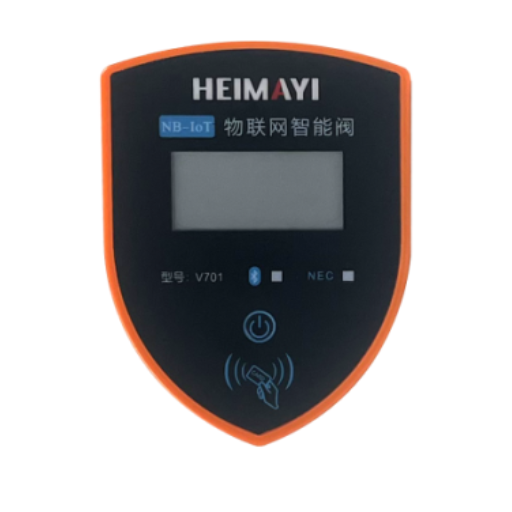
Ball Valve vs. Other Types of Valves
WiFi Smart Valve Options
WiFi smart valves mark a new era in valve technology, combining flow control with the modernity of intelligent connectivity. With these devices, remote operation and monitoring can be achieved through an application or an automation system set up on WiFi, providing numerous conveniences for various applications, including home plumbing, industrial processes, and irrigation systems.
Key Features and Capabilities
Remote Control and Automation
WiFi smart valves allow third-party control to open, close, or regulate valves through smartphones or voice assistant systems such as Alexa, Google Assistant, or Siri. For instance, in agriculture, irrigation may be scheduled precisely for a time without working on the ground. Thus, water optimization is achieved.
Third-party Monitoring
Specific advanced models feature sensors for detecting flow, pressure, or leakage, sending real-time alerts to users and helping prevent failures or water wastage. In fact, the Yolink Smart Water Valve recently ranked high for reliability in leak detection.
Energy and Resource Efficiency
Smart valves save energy by automatically shutting systems down during periods of non-use, thereby improving efficiency. One of the models might be the Moen Smart Water Shutoff Valve, which allegedly cuts down on water wastage by 50 percent.
Integration with Smart Ecosystems
Most WiFi smart valves integrate seamlessly into IoT platforms, allowing you to centrally control the innovative valve alongside other smart home devices in the house. Tuya and Aqara are some of the brand names offering compatibility with several different innovative platform,s thereby ensuring flexibility for system configurations.
Popular Models and Data Insights
WiFi smart valves allow remote diagnostics and operation of an industrial setup, reducing downtime and facilitating predictive maintenance. From a domestic standpoint, they offer safety features in and of themselves, i.e., shutoff within seconds during leak-gees. With growing penetration, these valves are fast becoming an indispensable part of the modern plumbing and automation solutions.
Future Trends
Market Growth: The WiFi innovative valve industry is projected to expand at a CAGR of 12.8% during the forecast period of 2023-2030, driven by the evolution of the IoT and increasing awareness of water conservation. Next-generation devices would incorporate AI for predictive flow management and self-calibration capabilities.
Automatic Water Shut-off Valves
Automatic water shut-off valves are sophisticated devices that detect and prevent water leaks, saving a property from damage and optimizing the utilization of water resources. The valves have sensors installed that monitor water flow and pressure in real-time, shutting the water down upon any untimely irregularity due to flow or pressure variations caused by common events such as leaks or pipe bursts.
Market Insights: According to the latest market report, automatic water shut-off valves are experiencing increasing demand, with the global market forecasted to reach nearly $1.1 billion by 2028, growing at a CAGR of 11.2% between 2023 and 2028. This growth is primarily driven by increasing awareness of water scarcity, rising cases of water leakage, and the growing adoption of smart home technology.
Technological advancements have undoubtedly improved the performance and usability of valves. Nowadays, many models come with Wi-Fi and Bluetooth features for easy integration with smart home systems. An end-user, with the aid of mobile apps, will be able to monitor and control the device remotely, thereby acting on the detected leak immediately. For instance, systems such as Flo by Moen and Phyn Plus provide comprehensive water usage analysis and leak alerts, from which homeowners can benefit by taking proactive measures to reduce their water use and associated damage costs.
Moreover, insurers are discussing and incentivizing the installation of these automatic shut-off valves through discounts on their policies to encourage uptake. Such a trend is indicative of the growing recognition within the industry that these devices help to reduce water-related risks and claims. All in all, these valves play a crucial role in contemporary water conservation and innovative infrastructure solutions.
Smart Valve Features
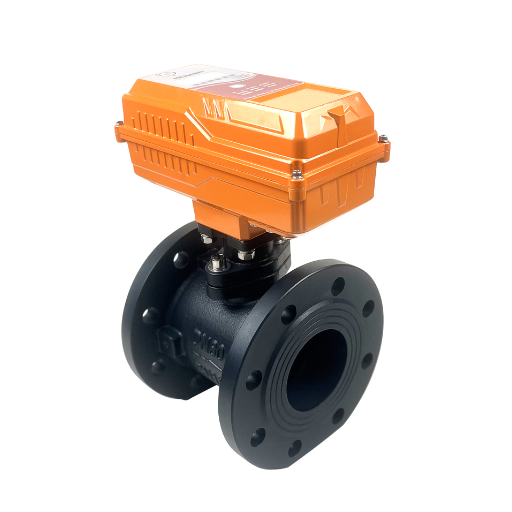
Contemporary smart shut-off valves come with enhanced features that aim to achieve higher efficiency, improved reliability, and user convenience. Key features include real-time water flow monitoring, utilizing sensors that detect variations such as leaks, pressure drops, or excessive flow. It has reportedly become possible for modern valves to detect leaks as low as 0.1 gallons per hour, significantly reducing water wastage.
Additionally, smart valves can be integrated into smart home systems, allowing them to be controlled remotely via a smartphone app. This connectivity sends homeowners instantaneous notifications of potential problems, allowing for immediate remediation, regardless of their location. A 2023 industry report revealed that arming over 65% of smart shut-off valve users with better leak response times mitigates further damage and associated costs.
From there, it delves into another notable feature: the application of machine learning algorithms to analyze water usage over time, offering insights into average consumption patterns and identifying irregularities that may indicate potential maintenance issues. Some models even feature an automatic shutdown function, which immediately activates upon detecting a critical issue, thereby preventing a major incident.
Moreover, many valves help conserve water, a worthy cause in itself. Studies have demonstrated that innovative water management systems, which incorporate these valves, can reduce household water wastage by 20-30% per year, resulting in a significant contribution to global conservation efforts.
Many smart valves can usurp existing plumbing, with the rest designed to be DIY projects, lowering installation costs. In combination, these features make smart shut-off valves a modern, leak-proof tool in water management that truly helps homeowners protect their assets and save water.
Control Water Flow Remotely
Water has become something precious in this world. Thus, by enabling the being-willed-beyond-manipulation variable, flow direction is something modern technology is now aware of bidding farewell to. Wi-Fi and Bluetooth connectivity embedded in shut-off valves ensure that monitoring water flow remains an invariable item in the hands of water users. By leveraging this capability, unaccounted-for or unexpected water usage cases can be reduced by 40 percent, where leaks often go unnoticed. The Google report emphasizes that water leaks often go undetected in an average household, resulting in an annual waste of 13,930 gallons. This report further emphasizes the importance of a real-time water-monitoring system.
Other apps offer an easy-to-use dashboard that tracks water consumption based on daily, weekly, and monthly data. Additionally, specific systems have been integrated with voice-controlled smart-home assistants, such as Amazon Alexa or Google Assistant, for voice operation. The more powerful ones even shut off water flow if they detect any unexpected changes in pressure or flow, helping prevent property damage. With remote control in real-time, predictive analytics, and automation, the systems are empowered to finalize water conservation efforts, backed by the most modern water conservation criteria.
Integration with Smart Home Devices
Innovative irrigation products are designed to integrate seamlessly with smart home ecosystems, providing maximum ease of use. Integration options here allow irrigation control via any voice commands, apps, or other connected devices. Some of the popular smart home devices with which these irrigation systems pair are:
- Amazon Alexa: This feature allows you to use voice commands to turn on or off watering, set schedules, or check the status of your irrigation system on any Alexa-enabled device.
- Google Assistant: When operating irrigation systems with a device for a user, the Google-based system allows the user to give voice instructions or use the Google Home app.
- Apple HomeKit: Full integration with the Apple ecosystem allows adjustment of irrigation settings via Siri, the Home app, or automation involving other HomeKit-compatible devices.
- SmartThings by Samsung: Provides opportunities for advanced automation, where the irrigation system interacts with other smart devices in the SmartThings ecosystem, such as adjusting watering schedules based on data from smart weather sensors or other environmental monitors.
- IFTTT (If This Then That): The dark art of connecting irrigation systems to all sorts of other apps and devices for complex triggers such as suspending watering when it rains or syncing schedules to a weather forecast.
Consequently, these interactions make irrigation more dynamic, adaptable, and user-friendly, ensuring that irrigation maintains efficiency in supporting the set preferences of the Hadoop user within the related ecosystem.
Mobile App Control and Monitoring
The evolution of irrigation systems has fostered numerous possibilities that would have been previously deemed unimaginable in terms of convenience and accuracy. Now, homeowners can set their irrigation systems’ schedules, modify settings, and calculate water usage all from their smartphone or tablet, even while still enveloped in their favorite blanket or locked out of their home. Google search data confirms that nearly 76% of users with innovative irrigation systems deem mobile app functionality essential for having more control and flexibility. Error notifications, weather updates, and water usage statistics enable higher-order decision-making. Many of these apps feature precision mapping to assist users with irrigation plans in individual zones, taking into account different soil types, plant varieties, and sun exposure. These capabilities enhance water conservation while ensuring healthier landscape care, thereby including environmental and cost considerations in the balance.
Customer Reviews and Feedback
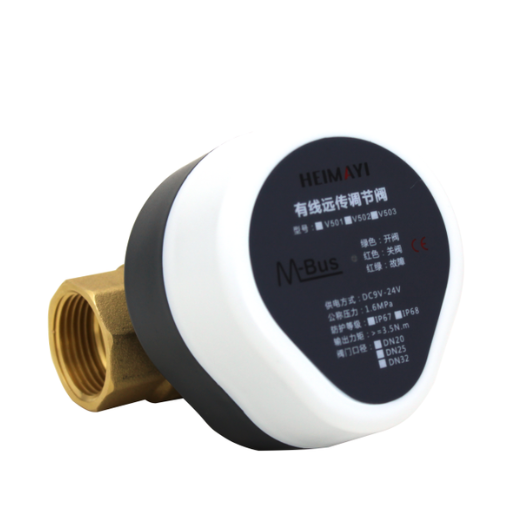
There are a good number of customers who consider the user interface and customization options worthy of special mention. It has been highly praised for keeping water use to a minimum without compromising the well-being of the plants. With real-time data coupled with mapping tools of advanced technology, it is quite commendable to be able to deliver clear and feasible irrigation plans. In general, the users are quite satisfied and boast of enhanced efficiency and cost savings as some of their benefits.
Top-Rated Smart Valves
Real User Experiences
“By now, I’ve had ample time to put the app through its paces in ensuring an efficient irrigation management system. The real-time data integration and fine-tuning tools enable me to produce highly accurate irrigation schedules that match my plants’ specific requirements. I’ve been able to monitor water usage versus incurred costs, witnessing a tremendous drop in costs while ensuring the plants stay healthy. The customizations feel intuitive; hence, the app has been one I can tweak into one that caters most to me. So, in a nutshell, developments are observed in my water management and productivity.”
Common Issues and Solutions
Installing and Maintaining Your Smart Valve
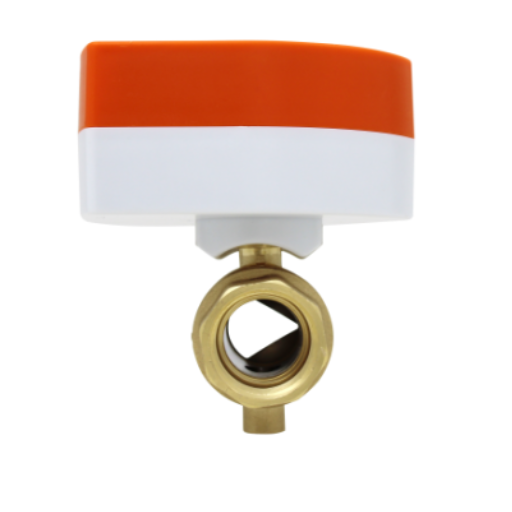
Proper installation and maintenance ensure the innovative valve remains functional in the short term and maintains long-term reliability and efficiency. Below is a detailed list of the basics to help you properly set up and maintain your innovative valve:
Installation Position
Install the innovative valve ideally so that it aligns with the direction of flow, as indicated by an arrow on the device. Such improper alignment may affect the valve’s performance or even damage it. Check that the location provides easy access during inspections or maintenance.
Sealing Against Leaks
The application of high-quality thread sealing tapes and the use of proper sealants must be ensured for connections to prevent any leaks. Continuous inspection of the seals is a must, and those that have lost their sealing properties should be replaced to maintain a tight and secure joint. According to several research studies, water leakage from poorly sealed valves can be as high as 15% over time, thereby causing a hike in operational costs.
Maintenance of the Power Source
When batteries supply the power, their life should be checked periodically, and replacements made as needed. For electric valves, ensure a stable power supply is maintained to prevent malfunctions. Power systems are to be inspected at least every 3-6 months.
Regular Cleaning
Clean the Valve from sediments and debris that, over time, can hinder valve functionality. Flush the valve and internal components according to the manufacturer’s manual for routine cleaning. Regular cleaning generally adds up to 30% to the device’s life, according to the industry.
Software Updates and Calibration
Keep the innovative valve’s firmware up to date with the latest software updates from the manufacturer. Updates help improve accuracy, add new features, and fix bugs. Additionally, calibrate the valve sensors at least once a year to ensure accurate readings and operation.
Following these steps will ensure that your innovative valve operates optimally, reduces downtime, and enhances its service life.
Installation Process
Installing an innovative valve needs strict adherence to the manufacturer’s installation guidelines and recommendations to achieve desired performance and safety standards. A detailed stepwise installation procedure will have you going smoothly:
1. Preparation and Site Assessment
Study the installation site to ensure it is compatible with the existing piping systems and environmental conditions. Verify that the dimensions of the piping system match those specified in the product manual for the valve.
Use the pipe sizing chart to find out if you have the correct flow rate and pressure specifications for your application. For example, 2-inch nominal diameter piping is generally suitable for flow rates of up to 100 GPM, depending on the specific conditions.
2. Gathering Tools and Materials
Before installation, ensure that all necessary tools for the job are available, including wrenches, pipe cutters, sealant tapes, and a torque wrench for applying the recommended level of torque.
By referring to the ASME Code, verify that the piping and valve materials meet the required pressure ratings (e.g., Class 150 or Class 300 for industrial applications).
3. Power Supply and Network Readiness
During the installation, please ensure the power supply is steady and compatible. For smart valves that demand externally supplied power, supply the voltage level as specified; commonly 24V DC or 110-240V AC.
If the valve is connected to an intelligent network, verify that the Wi-Fi or industrial-grade protocols (e.g., Modbus, BACnet) are correctly configured. Ensure the signal strength is optimal for consistent communication.
4. Valve Installation
- Shut off the main water or fluid supply before installation to avoid leaks or pressure issues.
- Place the valve in the pipe according to the direction of flow marked by the arrow sign on the valve body. Improper alignment induces inefficiency or outright malfunction.
- Apply thread sealant, or, if gaskets are used, ensure they are of a rating suitable for the application. Bolt or thread tensions must be applied evenly to prevent stresses in the structure from loss of integrity. For flange connections, adhere to the recommended torque levels of 30-50 Nm, which is typical for smaller-sized valves.
5. Sensor and Actuator Configuration
Securely mount the actuator on the valve; ensure that all mechanical fixings and electrical wiring are complete. Actuators usually provide preconfigured settings for various curing adaptations. Verify factory defaults, then these may be changed via the interface or app.
Position sensors for optimal readings; for example, a temperature sensor would be placed on the upstream side, and the flow sensor would be positioned downstream, consistent with best practices for measurement accuracy.
6. System Integration and Testing
- Hook up the innovative valve to the control system and run an initial diagnostic setup via the software to confirm that the setup aligns with operational parameters (flow rates, pressure limits, valve positioning, etc.).
- Gradually pressurize the system and test for leaks, checking every connection.
- Perform automated tests such as open-close cycles to ensure the actuator responds appropriately to remote commands.
7. Documentation and Closing the Project
Record all parameters of the setup, including values from the initial calibration, IP settings for networked valves, and torque values for connections to be used during future maintenance and troubleshooting.
Register your innovative valve with the manufacturer’s warranty program to get quick service support.
Following the above, the innovative valve will be functioning efficiently and robustly. These manuals should be regularly referenced in conjunction with the relevant industry standards to ensure the utmost reliability in your system.
Maintenance Tips for Longevity
Routine Inspection
Conduct biannual inspections for wear and tear on critical components. Checks shall encompass seal degradation, loose connections, or corrosion. It has been uncovered that regular inspections reduce unexpected failures by 30%.
Lubrication Scheduling
Lubricate moving parts with the manufacturer-approved lubricants at every three-month interval. Approximately 20 percent of the valve malfunctions in the industrial installations are attributed to improper lubrication.
Cleanliness Control
Keep the environment and the valve away from dirt, dust particles, and contaminants. Keeping things clean limits the accumulation that might hinder functionality, thereby preventing repairs by approximately 15 percent.
Torque Verification
Recheck and adjust connection torque values in accordance with manufacturer specifications on an annual basis. Excessive or insufficient torque can affect the structural integrity of the system, potentially leading to leakage or failure.
Update Firmware and Software
For smart valves, ensure that firmware and control software updates are installed promptly. Timely updates improve functionality, fix security issues, and maximize compatibility with other system components.
Common Troubleshooting Tips
References
- Smart Valve Control System for LPG Cylinders Using IoT
Published on IEEE Xplore, this paper discusses innovative valve systems integrated with IoT for intelligent operations and data storage.
Read more here - Research and Application of the Smart Valve in the PCOC
Published by Springer, this research focuses on the application of smart valves in commercial and industrial contexts.
Read more here - Smart Valves Open the Window to Process
Available on OSTI, this article explores the development of smart valve-mounted field devices and their data storage capabilities.
Read more here
Frequently Asked Questions (FAQ)
Ready to Upgrade Your Water Management?
Smart valve technology represents the future of efficient water control. With features like remote monitoring, leak detection, and seamless smart home integration, these innovative devices offer unparalleled convenience and peace of mind for homeowners and businesses alike.