

Automation Valve Use: Exploring Valve Automation, Actuators, and Control Valves
Being able to comprehend the significance of automation valve use in different present industrial systems is very advantageous for high performance, precision, and dependability. Automation valve systems are employed in different sectors for various purposes, ranging from controlling flow in heavy-duty piping to maintaining pressure and temperature within specified limits. The purpose of this literature is to take the reader down the valve automation technology and understand its primary constructs, which are actuators and control valves, both of which aid in accomplishing this. It may be about increasing the operational efficiency or discussing the kind of actuators and their respective fields of application; this article does not leave room for anyone’s imagination. Read on as we discover what makes valve Automations possible, the pros and cons, as well as some creative ideas that can be seen within this ever-changing industry.
Introduction to Automation Valves

In modern industries, automation exercises control over variables such as the flow of liquids, gases, or other substances through automated valves. Comprising mechanical and electronic systems, such valves are capable of opening, closing or adjusting flow without any manual action. Also equipped with actuators, sensors, and controllers, these valves increase productivity, eliminate human operation, and reduce risk. As a result, companies operating in the oil/gas, water treatment, manufacturing, and energy industries, among others, utilize these valves due to their automotive function and technological advancements, thereby increasing efficiency in their production lines.
What is an Automation Valve?
An automation valve is a valve that can be regulated and controlled automatically through the combination of electronics and mechanics. It is used to control the flow of liquids, gases, or other materials automatically and is employed in various industrial applications for precision, efficiency, and safety.
Importance of Valve Automation in Industries
The introduction of automation valve use is an equally beneficial feature in this respect. In today’s society, many industries have adopted the principle of automation in the execution of their activities. This has been observed as a positive trend in terms of safety, economics, and efficiency. Additionally, in such industries, controllability and operating reliability are significantly enhanced by replacing conventional manholes with an automatic valve system. The following are some of the reasons why the industrial valve should be automated:
Reinforced Function Additional Control
Due to a lack of manual flow control, they enable precise flow control, thereby reducing the need for manual controls. This enhances consistency in flow control and power over specific actions. Such control is highly desirable in certain industries where standards and specifications must be met strictly, such as the chemical mixing and refining industries.
Increased Proceedings Productivity
Automation of valves reduces the amount of time spent in operation mode, as it enables remote operation and monitoring of the systems. For example, in the event of energy production, the system makes a quick adjustment to respond to current demands.
Decrease Danger and Upsurge Security
Automation valve use allows imprudent human errors in a hazardous environment, with minimal or no safety precautions. Typically, in the oil and gas industry, valve automation is used to avoid accidents caused by human mistakes.
More Economical Approach
Although there may be high initial costs associated with investing in valve automation, the benefits in terms of time savings are substantial. This is because there are cost reductions in terms of reduced system breakages and operational losses.
Environment-Friendly Approaches
Waste is reduced and ecological norms are met more easily due to the impact of automation. Automated valve designs can contribute to leakage or emission-seeking activities, which are essential for water treatment processes and the chemical industry.
Non-automated systems do not provide these advantages of more extended service life of equipment and reduction in resources/elements consumption as well as higher efficiency of processes that utilize valves.
Overview of Types of Valves
Types of Valve Actuators

A valve actuator is a machine component that allows a valve to be opened and closed. Valve actuators provide an essential component to any automation valve use and their installation, a number of benefits. Such benefits affect manufacturing operations, chemical processes and waste management facilities. The various types of valve actuators are outlined below, including their characteristics and data, and have the following main features.
1. Pneumatic Valve Actuators
These actuators normally rely on pressure from a compressed gas to undertake work, which is then converted into motion. Generally, these types of actuators have several advantages, including their simple design, reduced likelihood of failure, and lower cost.
Desirable Characteristics:
- Responds within no time and produces a high actuation force
- Most beneficial in environments where such safety can not be guaranteed, such as a place that is hazardous or explosive and it is not possible to use electric motors
Design Data:
Working Pressure: 60 – 150psig or 4 to10 bar
Case Studies: Can be found in food manufacturing, water reticulation and chemical sectors
2. Electric Actuators
Electric actuators are a prodigious invention that works with the assistance of electric power. It is this power that moves the motor and achieves the opening or closing of the valve. Electric actuators are preferred for reasons of accuracy and easier linkages to some of the associated control systems.
Characteristics:
- Enhance precision without compromising consumption
- Can be extended to execute multiple tasks, even automation ones
Design:
Torque: Available within any range from 10 Nm to 3000 Nm, depending on the size and purpose
Usage: Mechanical ventilation systems, energy facilities, or oil and gas installations
3. Hydraulic Actuators
These types of actuators rely on the action of fluid under pressure to move with higher speeds than pneumatics and electrics.
Characteristics:
- Incredibly strong for work-heavy applications
- Protected against extreme pressures and temperatures
Design:
Working Pressure: Usually 3000 PSI (200 bar) and higher
Usage: Stone and metal mining machinery, and large machinery in the shipbuilding industry
4. Mechanical Actuators
Manual actuators are not automatic; they involve the use of handwheels or levers to open or close a valve. These are basic and commonly applied in low power or low frequency control systems.
Characteristics:
- Almost no servicing needed and self-sufficient
- This Is Ideal for applications with a low budget and very small-scale activities
Design:
Best option for: compact valves or those with plumbing deficiencies
Applications: Any Plumbing related systems and minor operations
5. Electro-Hydraulic Actuators
They mechanize the best of both worlds, electric and hydraulic, with the surgical accuracy of electric and the formidable force of hydraulics.
Features:
- Used to safely sheathe in case of emergency as opposed to only controlling valves
- Lower electricity consumption compared to pure hydraulic systems
Elements:
Torque Capacity: Some bespoke systems can offer upto 50000 Nm of torque
Applications: Hazardous large-scale installations such as power plants and refineries
Various types of actuators are designed for specific purposes, and the choice of a particular type is determined by parameters such as operating mode, torque, gross weight, and more. There is a need for the appropriate selection of actuators and their maintenance to ensure the system operates reliably for an extended period.
Pneumatic Actuators
The power of compressed gas in pneumatic actuators is used to move these components for automation valve use in the shortest time possible. There are many advantages to using these actuators, including their simple structure, dependability, and ability to function in crucial areas quickly. They are well known in industries that deal with oil and gas production, chemicals, water treatment, and food processing, among others.
Core Benefits and Characteristics
Operation Speed and Responsiveness
When necessary, pneumatic actuators or systems require fast forward or reverse motion, necessitating rapid control operations.
Resilience in an Unwelcoming Environment
These devices can withstand severe conditions, including high temperatures and gaseous environments, making them the most trusted industrial devices.
Affordability
Due to the additional costs of electric actuators and hydraulic actuators, the basic cost of pneumatic systems is typically less. Additionally, they are less expensive to maintain.
Safety
The safety of these machines is enhanced by using air instead of the most harmful fluids, which can cause contamination. This is particularly important when a system needs to be clean, such as in the pharmaceutical or food processing industries.
Technical Data and Specifications
- Working Pressure: Generally, operate in the range of 3 to 15 psi; however, some versions can handle pressures up to 120 psi for extreme conditions.
- Operating Temperature: Efficient operation can be realized from -4°F to 350°F (-20°C to 176°C), depending on the material of construction and design considerations.
- Output Force: Provides different forces from 10 pounds to several thousand pounds, depending on the application.
- Number of Cycles: Properly maintained, the finest pneumatic actuators are designed for millions of operational cycles.
Examples of Uses
Control of Valves in the Processing Industry
Systems for Transportation of Materials
Machines for Packing and Automation
Air-powered actuators play a significant role in contemporary industrial applications by lowering operating costs whilst maintaining performance levels. These actuators are flexible yet durable, making them equally preferred for a wide range of automation systems and mechanical controls, including the use of automation valves.
Electric Actuators
Electric actuators convert electrical energy into mechanical energy, adding direction and force in specific applications. Electric actuators do not require compressed air, unlike pneumatic actuators. They are best suited for locations that have no or limited compressed air supply. They are advantageous because they have very high positions, can be programmed to motion, and are better soundproof.
Different Categories of Electric Actuators Available
Rotary Electric Actuators
Employed in animation for rotation and accurate angular placement. Most of them are utilized in robotic arms and automation valve use.
Longitudinal Electric Actuators
Convert a mechanical energy into a direct energy that moves upwards or downwards, which is directional. Its perfect use is always at industrial devices or machines where pumping up or changing the height is required.
Actuators with Controls Based on Servo
Make use of control of movement with the help of feedback, and control of positioning and velocity are mostly used in CNC machines and robots.
Stepper Motor Actuators
Ensure a classic method that is, in many ways, brilliant for the construction of equipment where precise positioning is required, such as 3D printers, laser cutters, or even 3-dimensional plotters and other apparatus.
Micro Electric Actuators
Actuators measured in microns in this respect don’t offer the ease of operation, portability, or compactness of an M7 Micro Electric Actuator. This means that these types of actuators are most suitable for controlling elements, for example, in small electronics or microfine automation systems.
Electric actuators are applied in fields where precision or control is heavily emphasized, such as the automotive, aeronautics, medical, and manufacturing industries. Apart from that, the use of electric actuators is enhanced by the fact that they can be employed in automation valve systems that utilize sophisticated technological tools.
Hydraulic Actuators
Hydraulic actuators stand out as powerful devices that utilize the immense power of an incompressible fluid to achieve movement. They are known for producing large forces necessary in machines, most large industrial and construction processes. The following are five main types of hydraulic actuators:
Linear Hydraulic Actuators
These actuators provide linear motion, which is found in machines such as hydraulic presses, dry dock doors, or excavators.
Rotary Hydraulic Actuators
Such actuators provide rotational force, thereby enhancing various equipment, including rotary tables, steering devices, and turbine engines.
Hydraulic Telescopic Actuators
These actuators have an extending and retracting application, which works well where there is a need for extended strokes, such as in dump trucks or cranes.
Vane Actuators
These actuators work with vanes fixed in a cylindrical chamber and are commonly found in robotics, clamps, and positioning systems.
Hydraulic Piston Actuators
A hydraulic piston actuator’s main advantage is its reliability and ability to withstand high loads, which is why it is widely used in excavators, bulldozers, rigs, and automation valves.
Hydraulic actuators offer a blend of power, efficiency, and reliability that makes them a must in various fields, including construction, mining, marine, and manufacturing, where curved, rounded bends are required. They perform in extreme conditions demanding strong operational forces.
Control Valves and Their Applications
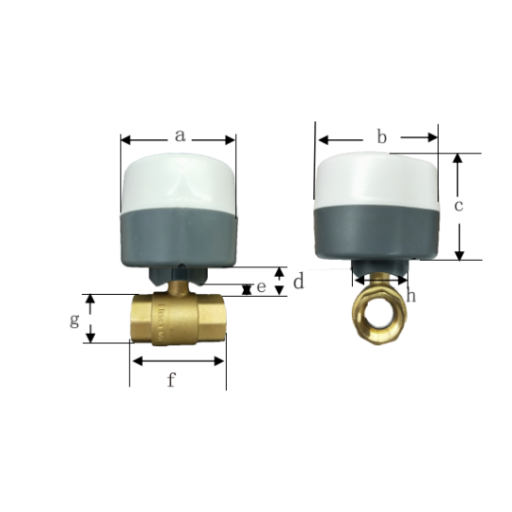
An automation valve is a vital component of any mechanical system that controls or maintains the pressure and rate of fluids. This is achieved by regulating the flow of liquids, gases, or steam, ensuring efficiency and enhanced safety in these systems. Some of the most popular industries that, apart from control valves and valves in general, can also be found include oil and gas, power generation, chemical plants, and water treatment plants. Their roles involve meeting specified pressure, temperature, and vegetative condition ratios (Saponin and Rumensin), as well as controlling flow rate, making them indispensable in system management.
Understanding Control Valves
There are several types of control valves designed to fulfill different operational purposes. The main ones include:
Globe Valves
Typically utilized in applications that require precise throttling, this type of valve is also known for its ability to regulate flow accurately. They are primarily used to control the amount of liquid, as well as gas and steam.
Ball Valves
Their durability, ease of use, and low torque for quick shutoff are characteristics that make ball valves popular. Ball valves are well-suited for environments where total closure is necessary.
Butterfly Valves
Being compact, light, and less expensive, these valves are the best choice in systems that handle huge volumes of flow.
Diaphragm Valves
Diaphragm valves are specifically designed for handling corrosive liquids or slurries. This is because there is a flexible construction that keeps the valve sealed while also keeping everything else out.
Specifications and Performance Requirements
Automation valve use is possible, but the engineers obtain this valve after considering some information and specifications, which include:
Flow Coefficient (Cv)
It is a measurement used to rate the capacity of a given valve to allow a given flow. This is a wide range of CV values that begin from 0.1 up to over one hundred and above, depending on the valve type and the size.
Operating Pressure and Temperature
Control valves have to cope with the relevant operating pressures, as well as the temperatures when in use. Certain industrial valves, for example, are fabricated to carry out the task of control at pressures of above 2,000 PSI and negative 60 degrees Fahrenheit to positive 1,500 degrees Fahrenheit.
Materials of Construction
These are industrial valves in which, in most cases, stainless steel, carbon steel, brass and such other exotic alloys are used for the construction and installation as demanded by the end use and current recommendation. Materials of construction for these valves have evolved in conjunction with the application requirements and are now made from stainless steel, carbon steel, brass and special alloys that deal with the adverse elements in the harsh or corrosive environments.
Advancements in Control Valve Technology
The recent advancements in control valve technology have significantly improved their performance and dependability. There are smart control automation valves that utilize digital positioners, offering enhanced possibilities for diagnostics, including real-time evaluation and predictive maintenance. Furthermore, with the onset of IoT, even in the traditionally mechanical field of valve control, it becomes possible to access and control operations from afar, which adds to and overall increases the efficiency of the processes. Moreover, with a worth of approximately 7.2 billion in 2022, the growth rate of the valve market is predicted to rise by at least 6.8 percent on average due to increases expected within the period between 2023 and 2030, indicating an increasing automation of processes within economies.
With the given information, engineers and operators can understand what is required for the components, from the decision-making stage to the operational stage of the system.
Applications of Control Valves in Automation
No process provides for the automation operations in an industry that excludes the control valve without economic sense. This type of valve is used to control the flow, pressure, and temperature of various systems and processes, with a significant amount of automation valve usage. There are only five applications of control valves in the following automation systems:
Oil and Gas Processing
There is widespread usage of these control valves in areas of handling crude and natural gas during the extraction activities, refining processes, and movement of hydrocarbons in the oil and gas industry. They allow smooth operations within the allowed flow rate limit.
Process Chemical Industry
To control temperatures in the reactors, chemical plants use control valves to facilitate mixing chemicals with control. Such accuracy helps to avoid situations of danger and guarantee quality of products formed in the huge chemical production processes.
Water and Wastewater Controls System
Valves controlling water treatment, distribution, and even wastewater operations are crucial. They monitor and regulate the velocity and pressure of the flow in the pipes, assisting in the removal of harmful substances and ensuring compliance with environmental regulations.
World Power
In power plants, steam and water control valves are used in conjunction with turbines, boilers, and condenser systems. It enhances energy production by utilizing fuel and resources efficiently while adhering to safety measures.
Pharmaceutical Industries
In pharmaceuticals, the usage of control valves is imperative to ensure sterile conditions and to create accurate conditions. They assist in controlling the movement of fluids and gases in bioreactors and blenders, offering uniformity and quality of production.
All these applications underscore the importance of utilizing automation valves, which enable improvements in system reliability, operational precision, and industrial development.
Benefits of Using Control Valves
1
Optimized Workflows
The automation valve enables better management of flow, pressure, and temperature variables, ensuring optimal work conditions. Research indicates that when control valves are correctly tuned, a 20% increase in production can be achieved.
2
Safer Environment
Control valves mitigate hazards due to overpressure, leaks, or damage to equipment by controlling and regulating system parameters, thereby increasing the safety of the working environment. In systems that incorporate control valves, safety incidents are reduced by 15%.
3
Energy Conservation
An effective control valve aids in energy conservation by optimizing energy use and minimizing waste during operation. To illustrate, in industries that utilize control valve technology, energy expenditures can be reduced by up to 30%.
4
Savings on Costs
Additionally, as control valves enhance operational accuracy and reduce unproductive hours, they also lower the cost of maintenance and operation. This percentage can reach up to twenty-five percent of the overall costs of the system at hand.
5
Utilisation Of Means Of Production
Hydraulic flow and pressure control valves of high standards accurately regulate flow rates, ensuring the thorough maintenance of product quality. This level of accuracy is fundamental in the pharmaceutical industry, as well as in other sectors, as even slight deviations can affect the production process.
Solenoid Valves and Their Role in Automation
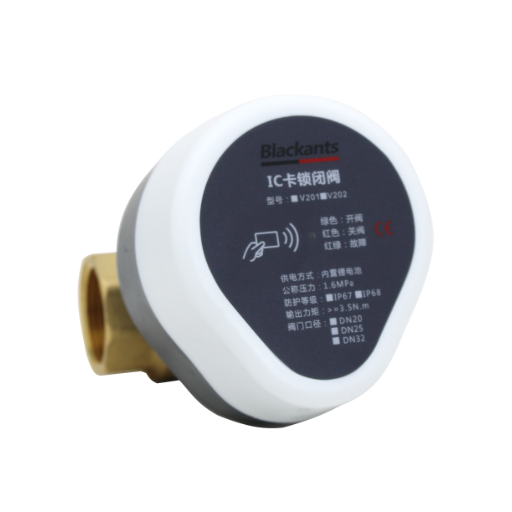
One cannot overemphasize the importance of automation in this day and age. A sphere, for example, is an automation valve where one uses liquid or gas. It provides for a certain transformation when assisted by electromagnetic energy. Such a phenomenon is elaborated by the use of a coil to assist in the conversion of electric energy to mechanical energy in what is called a solenoid valve. The solenoid time control fittings are quite commonly found in HVAC, automotive, or even manufacturing industries, as they allow for process efficiency and automation. These appliances are reliable, fast, and easy to connect into computerized systems. They cannot be left out of modern systems of automation since they work both accurately and well.
What is a Solenoid Valve?
An automation valve is a device that uses electricity to control a valve within a specific system, or vice versa – a valve used.
Applications of Solenoid Valves
Considering the operational flexibility and accuracy, the use of solenoid valves is known in most industries. To expound on solenoid valve applications, the following are the purposes:
Advantages of Solenoid Valves in Automated Systems
Effectiveness of Management
Actuation valves utilize solenoids to enable the controlled flow of fluids in such an exact manner that the devices they are embedded in function as precisely as possible. Such control is essential in industries such as medical instrumentation and the automotive industry, among others.
Economical Use
Advanced solenoid valves, on the other hand, require little electrical power to function, thereby enabling the user to utilize them for more extended periods. Short electrical pulses allow the control of a low-powered solenoid valve with a power consumption of less than 10W.
Response Time
It should be noted that these types of valves typically respond in milliseconds and therefore open or close instantaneously. This feature is essential in systems that operate at extremely high speeds, such as machines and systems designed for safety.
Compact Units
Solenoid valves are also designed to be compact and lightweight, allowing them to be easily integrated into various automation systems without occupying much space.
Durability
Due to their robust design, solenoid valves experience minimal wear and tear, and the cost of replacement or repair is typically not excessive. There are some types of high-end valves that have been known to withstand up to one hundred million shut-open cycles without breaking.
Choosing an Automated Valve
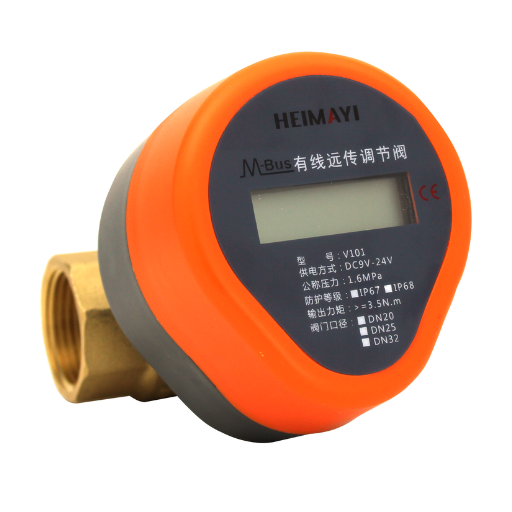
Application Criteria
Evaluate the role played by the valve in the system, i.e., determining whether it is flow regulation, closing or opening, number of turns or more. Ensure that the correct type of valve matches the operational functions of the system.
Material Type
Check that the material used in making the valve is suitable for the fluid (i.e, liquid or gaseous) that will be in contact, while avoiding corrosion by these elements.
Operational Condition
Incorporate pressure, temperature, and velocity factors in selecting a valve that can perform its function in such an environment.
Type of Management
Evaluate whether an electrical, hydraulic, or pneumatic actuator is precise for the system in relation to the power availability and the control preference.
Servicing Activities
Choose valves that are long-lasting and require minimal maintenance so as to minimize cases of downtime and overcome the high costs incurred when a system breaks down.
These aspects will enable you to select an automation valve suitable for your system, guaranteeing efficient performance.
Factors to Consider in Valve Selection
When selecting a valve for a specific automatic system, it is essential to be aware of current trends as well as existing codes and standards. The list below helps you to refine your analysis and make the most out of the remaining factors:
1
Properties of the Working Medium
The classification of the fluid (whether it is composed of liquid, gas, or slurry) plays a vital role in determining the type of valves to use. For example, abrasive and corrosive fluids require more resistant, standard components, such as stainless steel valves or alloys like Hastelloy. Current industry statistics indicate that up to 70% of the time, corrosive fluids are handled with stainless steel valves due to their high corrosion resistance. Further dimensions that influence this factor are the viscosity and temperature of the liquid. For fluids with high viscosity, larger valve openings and special valve designs may be necessary.
2
Valve Sizes and Flow Rates
Verification of the valve size is essential to avoid any possible pressure drop or flow restriction. The flow coefficient, Cv, is one of the primary coefficients that reflect the valve’s capacity to pass flow. These days, even a high-performance valve design software from a simple valve manufacturer enjoys a set of quite accurate means by which it is possible to calculate the most efficient coefficient for the necessary application. According to research, oversizing can lead to an increase in energy consumption of up to 15%.
3
Material Retention
It has also been facilitated by the development of composite materials that substituted conventional materials in most types of valves more recently. Titanium-based, purpose-built valves are gaining popularity in offshore installations and chemical processes due to their superior corrosion resistance. Nevertheless, the cost analysis shows that the use of non-metallic recommended materials in this chapter involves at least a 20-30% increase compared to structures made of ordinary materials; however, possible savings may be achieved in the future for these facilities.
4
Valve Energy Efficiency and Actuation
These days, one of the significant improvements achieved in automation valves is the usage of the new generation of electric actuators, which require about 30 percent less energy than traditional pneumatic actuators. Due to the introduction of the mentioned intelligent technologies, these actuators provide real-time control and monitoring capabilities, improving the system’s efficiency and reducing the amount of energy used. According to industry surveys, businesses that employ efficient valve systems typically save at least $10,000 per year in their production processes.
5
Regulatory Compliance and Guidelines
In certain areas, regulations such as ISO 9001, API (American Petroleum Institute) standards, or ASME (American Society of Mechanical Engineers) standards assure the quality and fidelity of products. Adopting valving, which meets these standards, can help address the issue of non-compliance in industries such as oil and gas or pharmaceuticals, where performance and safety are of grave concern.
By utilizing such information and focusing on current market dynamics and trends, one can implement well-founded plans to enhance the effectiveness and profitability of automated systems. Never forget to seek advice from valve manufacturers or authorities in the field regarding the matters highlighted above to fine-tune your use of automation valves.
Common Types of Automated Valves
Each type of automation valve used is unique, as it is primarily designed for specific applications within an industrial setup. The following outlines the five types of automation valves that are used most frequently.
Ball Valves
A ball valve consists of a ball in a passage through which a fluid or gas is allowed to pass, and a valve body. When it comes to tight shut off uses they are efficient. These valves are tough and withstand high pressures and temperatures.
Butterfly Valves
The essential butterfly valves have a lightweight design and use a rotating metallic disc to control the flow of fluids. This is because they are inexpensive in mass production and large in diameter. They are useful for applications with limited space due to their compact size.
Globe Valves
Globe valves are primarily used for throttle control. A plug is moved inside the valve near the stationary seat. These types of valves are generally used for control of applications where precise flow restriction is needed.
Gate Valves
Flow control through gate valves is achieved by moving a gate up or down to either initiate or halt the flow of fluid. They are mainly used where there is very little head loss; therefore, they are best used for isolation purposes.
Diaphragm Valves
The diaphragm valves consist of a diaphragm and a seat that control the flow. These valves are very efficient for liquids or gases that are either corrosive or viscous. This is because their mechanism allows the liquid or gas not to contaminate the mechanical parts of the valve.
All of these valves do have merits, and their use is motivated by tolerance to shear, viscosity of the material, and whether the material is active at high or low temperatures and pressure, and other factors.
Understanding Valve Size and Specifications
As you need to understand the pipe closer sizing, you must first take into consideration the few factors, such as the diameter of the pipe, the pressure that the valve is rated for, as well as the flow characteristics of the system that entails such an automation valve use. The desired flow rate and whether the fitting size as the valve intended for will not result in any dope necking or flow disturbance are also considered. Moreover, I always check the material out of which the valve is made. I also evaluate whether the medium and environmental conditions, such as temperature and pressure, to which the valve shall be subjected, can be dealt with, without compromising the functionality of the valve or causing its premature failure.
References
Operation and Diagnosis of Electrically Operated Valves
Source: Harvard ADS
Focus: Discusses the efficiency and control improvements provided by valve actuators, particularly in the oil and gas industry.
Emerson Control Valve Handbook
Source: Harper College Library
Focus: Comprehensive guide on control valve installation, operation, and troubleshooting.
Valves
Source: West Virginia University
Focus: Explains the use of control valves for regulating flow in various applications.
Frequently Asked Questions (FAQ)
How is the automation of the valve done?
Proper certification requirements for the use of actuators designed by the manufacturer and operated by stem in the vicinity of a valve in a pipeline are met through valve automation. The valves are opened or closed through the actuators at the right time, as was designed to control the flow independent of external inputs. The pneumatic, hydraulic, and electric are the common types of actuators, which, instead of a valve, position the valve until it moves away from the control signal.
What kinds of actuators are employed in air-operated valves?
Within the scope of valve automation, various actuators exist, including pneumatic, hydraulic, and electric. A pneumatic actuator relies on compressed air to move the valve, while a hydraulic actuator requires fluid pressure. Like any other device capable of operating a valve, electric actuators move with the assistance of electrical energy. Therefore, they find application in several control functions.
What is the engineering principle behind automatic pneumatic valves?
The pneumatic valve operates such that the use of pressurized air controls the valve’s opening. Pressure is applied to the actuator, which will move the valve in order to open it or close it. For industrial automation, this technique is popular because it is fast and effective in regulating the flow in the piping.
Which valves are most often found in automation?
The most frequent valves in automation are the ball valve, the globe valve, the butterfly valve, and the gate valve. Each of the valve types found in the market for use in automation varies depending on its purpose. It can be a simple flow restricting device or a complete piping system with isolation and control valves.
How do I select the suitable actuator for my valve use?
An essential aspect in determining the most suitable actuator for the designated valve is considering variables such as valve variations, the required torque, the actuator’s power source, and the numerous unique aspects of the application. Determining whether a pneumatic or hydraulic actuator is appropriate is based on considerations such as the availability of an air supply and the level of precision control required.
Do valve positioners have any use in automation?
Positioners play a significant role in automation-embedded valve controls, where a valve must know when and how much to stay open or closed for proper regulation. These positioners electronically transfer information to the actuator, allowing it to control the system promptly.
Are automated valves used with hand control? Can automated valves be manual?
Correct, several automation valves come with a manual override that allows for manual operation if needed. This is useful for maintenance purposes or in the event of a power loss. This allows for ensuring that the system remains operational, regardless of the risks encountered.
What considerations are essential in selecting a suitable capacity valve?
When selecting a valve, several key considerations must be taken into account, including the system’s flow rate, pressure rating, and the type of fluid to be used. Additionally, it is highly advisable to determine the correct valve size, as it should fit snugly within the pipeline. The importance of this lies in the fact that a wrong valve size may cause problems such as decreased flow or insufficient pressure.
Conclusion
Automation valve technology continues to evolve and transform industrial operations across multiple sectors. From pneumatic and electric actuators to sophisticated control valves and solenoid systems, these components form the backbone of modern automated processes. Understanding the various types of valves, actuators, and their specific applications enables engineers and operators to make informed decisions that enhance system efficiency, safety, and reliability. As industries increasingly embrace automation and digitalization, the importance of selecting the right valve automation solutions becomes even more critical for achieving optimal performance and maintaining competitive advantages in today’s rapidly evolving industrial landscape.







