Smart Infrastructure Monitoring: IoT Sensors and Data Analytics
Powerful structures, referred to as infrastructure, provide modern society with means of transportation, energy distribution, water provision, urban development systems, and more. However, the increase in infrastructural complexity and associated demands exposes it to greater safety, efficiency, and reliability concerns. Intelligent infrastructure monitoring addresses these challenges by leveraging IoT sensors and data analytics to maintain and operate critical infrastructure. This comprehensive guide explores how these technologies complement each other to identify potential failures, provide incisive analysis on present conditions, and revolutionize infrastructure management for engineers, policymakers, architects, and technology professionals.
Introduction to Smart Infrastructure

The innovative infrastructure concept leverages cutting-edge solutions, such as the Internet of Things (IoT), sensors, and data analysis embedded within physical systems, to enhance their functionality and performance. Smart infrastructure makes rational decisions and executes management actions, improving procedures and resource use by applying real-time information. This infrastructure is indispensable for upgrading transport, energy, and water systems, and for developing urban areas to address growing populations and climate change threats.
Defining Smart Infrastructure and Its Significance
Smart infrastructure involves the use of highly advanced digital solutions such as IoT, AI, and big data. These technologies are used to build physical systems with superior performance, adaptability, and utilization. Such systems collect and process relevant data in motion, enable automatic control, and run systems efficiently, thereby reducing costs, optimizing space, and simplifying work processes.
Key Impact Statistics of Smart Infrastructure
| Infrastructure Type | Improvement | Impact |
|---|---|---|
| Smart Grid Technology | Energy Distribution | Up to 30% reduction in transmission losses |
| Intelligent Traffic Management | Traffic Congestion | 20% reduction in urban congestion |
| Smart Water Management | Leak Detection | $15 billion annual savings globally |
| Smart Cities Development | Economic Value | $1.6 trillion projected by 2030 |
Smart infrastructure is fundamental to overcoming challenges such as deteriorating facilities, population growth, and climate change impacts. Its inclusion and application guarantee responsible use of available resources while balancing global advancement and environmental protection.
The Role of IoT in Modern Infrastructure
The Internet of Things (IoT) is an essential component in converting existing infrastructure into smart infrastructure that delivers efficiency, sustainability, and resilience. IoT devices enable real-time data collection, analysis, and decision-making that help resolve infrastructure issues and maximize resource use.
Five Major Applications of IoT in Modern Infrastructure
1. Energy Management
Smart grids and smart meters enable monitoring and regulation of energy supply and demand volatility. The installation of smart meters can save energy consumption up to 10 percent.
2. Predictive Maintenance
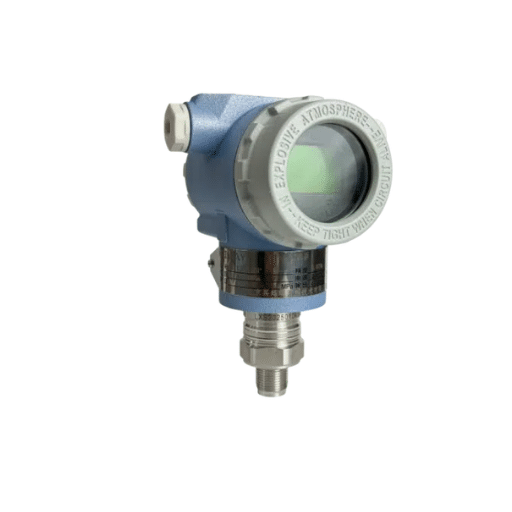
IoT sensors provide real-time insights for health monitoring of bridges, roads, and pipelines. Predictive analytics prevents costly repairs and improves equipment stability.
3. Traffic Management
Traffic control systems incorporate real-time data from cameras and sensors to optimize transport options. Smart infrastructure can reduce urban commute times by up to 25%.
4. Water and Waste Management
Smart grids using IoT improve water distribution and waste collection. Water quality monitoring and leakage detection lead to 20% reduction in operational costs.
5. Disaster Management
IoT enables remote monitoring through flood sensors and earthquake sensors, enhancing emergency response. Regions with IoT-based early warning systems see up to 40% reduction in disaster losses.
Overview of IoT Sensors and Data Analytics
There has been a paradigm shift in how information is gathered, analyzed, and applied across sectors, driven by IoT sensors and big data. IoT devices capture data on temperature, pressure, humidity, movement, and other environmental factors. Combined with enhanced analytics, this data provides valuable insights to improve operational efficiency and decision-making quality.
Market Growth and Impact
- The global IoT market is projected to reach $1.1 trillion by 2028
- Agriculture sector: Smart sensors allow 20% increase in crop yields
- Manufacturing: IoT predictive maintenance eliminates 30% of downtime
- Intelligent traffic systems reduce travel time by up to 25%
The integration of big data analytics with IoT enables the processing of vast amounts of information collected by sensors and devices. Through machine intelligence and big data, organizations can diagnose patterns, identify anomalies, and project outcomes. As cloud-based and edge utilities continue to develop, IoT technologies are becoming more efficient, enabling real-time analysis for critical applications such as medical surveillance and emergency response.
The Role of IoT Sensors in Infrastructure Monitoring

IoT sensors are enabling smart infrastructure by integrating widely into physical assets. These sensors assess asset conditions, identify issues, and inform maintenance strategies. The following sections highlight five key areas where IoT sensors have revolutionized infrastructure monitoring:
1
Structural Health Monitoring
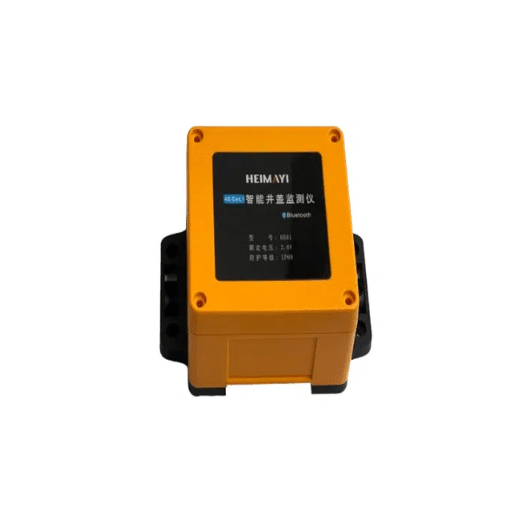
Associated with diagnostic operations of structures such as bridges and buildings to detect compromises. IoT sensors measure vibrations, strains, and displacements to aid in forecasting maintenance requirements and preventing failures.
2
Traffic and Transportation Monitoring
Sensors integrated into roads, highways, and traffic lights monitor vehicle kinematics, detect bottlenecks, and enable improved traffic management. Intelligent systems use data collected to reduce travel times.
3
Energy and Utility Management
IoT devices monitor energy utilities, utility grids, and waste management systems to manage energy flow, improve network controls, enhance efficiency, and detect system leaks.
4
Environmental Monitoring
IoT sensors measure air quality, water temperature, and various natural factors for ecologically sensitive infrastructure. These systems help control hazards such as flooding, pollution, and environmental degradation.
5
Smart Waste Disposal
Sensors monitor filling levels in waste bins and disposal systems, adjusting collection routes to optimize service. This is economical for stakeholders and enhances waste management processes.
Types of IoT Sensors for City Infrastructure
| Sensor Type | Primary Function | Key Benefits |
|---|---|---|
| Environmental Sensors | Monitor air quality, humidity, temperature, and pollution levels | Improves air quality and reduces pollution citywide |
| Traffic Flow Monitoring Sensors | Observe vehicle traffic, congestion, and traffic patterns | Optimizes traffic lights, reduces congestion, and informs infrastructure development |
| Smart Water Sensors | Monitor water quality, leakages, and consumption | Detects contamination, leaks, and usage patterns in real-time |
| Structural Health Monitoring Sensors | Monitor vibrations, stress, and wear in bridges and buildings | Supports structural safety and long-term maintenance planning |
| Waste Management Sensors | Check filling levels in garbage bins and collection stations | Optimizes collection routes, increases efficiency, minimizes emissions |
How IoT Sensors Collect Real-Time Data
Wireless and mobile devices enhance IoT sensor performance by leveraging real-time data transfer capabilities enabled by cloud-based networking technologies and artificial intelligence. Components such as microcontrollers, sensors, and communication modules are integrated to monitor and record ambient or motion parameters regularly.
Key Technologies Enabling Real-Time Data Collection
- Network Communication Technologies:
Communication between IoT sensors occurs through wireless networks using protocols such as Wi-Fi, Bluetooth, Zigbee, or LoRaWAN. Zigbee is for low-power, short-range communications, while LoRaWAN supports low-bandwidth communications over long distances, enabling large-scale IoT networks.
- Edge Computing:
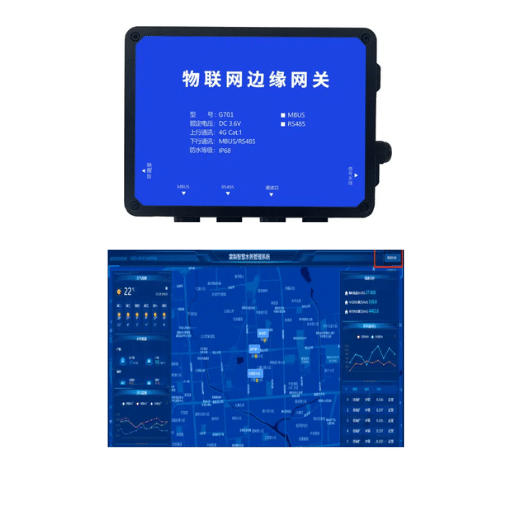
Focuses on processing data at the “edge” of the network using IoT sensors instead of transferring it to main servers. This reduces the time required, controls data transfer volumes, and optimizes systems to prioritize essential data within seconds.
- Cloud Integration:
IoT devices send data to the cloud through secure APIs. Platforms like AWS IoT, Google Cloud IoT Core, and Microsoft Azure IoT Hub accommodate vast amounts of data. By 2025, an estimated 75% of IoT devices will generate over 79.4 ZB annually.
- Artificial Intelligence and Machine Learning:
AI and ML solutions facilitate real-time analysis of data collected from IoT sensors. Predictive analytics uses historical and current data to forecast outcomes and address problems before they occur.
- Power-Efficient Data Acquisition:
Many IoT sensors are designed to be energy efficient, with some using energy harvested from solar panels. These self-sustaining sensors are useful in remote environments such as environmental monitoring stations or weather outposts.
Integration of IoT Devices in Infrastructure Systems
Using IoT devices within infrastructure systems enhances efficiency, sustainability, and safety. IoT infrastructure enables real-time monitoring and maintenance of equipment and assets, minimizing the need for operator intervention during troubleshooting. For instance, smart sensors placed along bridge surfaces capture and transmit real-time structural performance information, such as stress or crack detection, enabling prompt action before any tragedy occurs.
Real-World IoT Infrastructure Applications
Smart Grids
Nearly $50 billion was spent globally on smart grid development in 2022, with notable costs from IoT smart meter applications.
Real-time analysis of energy consumption enables users to alter usage appropriately and helps utilities maintain supply-demand equilibrium.
Smart Transportation
Los Angeles introduced a traffic management system with IoT devices, achieving a 16% reduction in travel time.
Internet-connected cameras and sensors integrated with AI assess and predict traffic trends for enhanced urban mobility.
Smart Water Management
The IoT-driven smart water management market, valued at $14 billion, is expected to exceed $21 billion by 2028.
IoT sensors monitor sewage networks, predict leaks, and perform water purification with precision.
Data Analytics: Transforming Raw Data into Actionable Insights

Data analytics is the core process of converting large amounts of unprocessed data into valuable information that aids decision-making within organizations and influences business direction. With data creation projected at 181 zettabytes in 2025 by IDC, many corporations appreciate the use of advanced technologies to remain competitive.
Contemporary data analytics uses engineering methodologies, such as predictive analytics, machine learning, natural language processing, and others, to discover distinctive features, trends, and relationships. For instance, predictive models in e-commerce have greatly improved customer bases through enhanced recommendation systems that predict customer tendencies. In healthcare, machine diagnostics enable timely, accurate disease diagnosis.
Understanding Data Analytics in Infrastructure Monitoring
Infrastructure surveillance has evolved with the adoption of a data-centric approach, offering opportunities to preserve, streamline, and ensure the effectiveness of existing systems. Infrastructure surveillance supported by data analytics transforms passive practices into active ones with no system downtime.
Impact of Analytics on Infrastructure Monitoring
- 80% of IT leaders believe analytical powers have improved their maintenance systems and functionality
- Real-time pattern recognition across servers, networks, and applications identifies potential threats before they manifest
- Machine-learning algorithms relay warnings about potential hardware breakdown or network congestion
- Public clouds like AWS, Microsoft Azure, and Google Cloud Platform ensure efficient server utilization, avoiding power utilization exceeding 45% where unnecessary
Anomaly detection methods are essential in modern smart infrastructure. Tools like Prometheus, ELK Stack, and Splunk include analytical capabilities for detecting abnormal events such as sudden increases in latency or CPU usage. Google, for instance, uses AI-based anomaly detection systems to monitor its extensive infrastructure and avoid major hitches.
Tools and Technologies for Data Processing
Effective data processing requires modern tools and technologies that excel at handling big data with speed, precision, and scalability. The following five tools prove invaluable in data processing:
| Tool | Primary Function | Key Features |
|---|---|---|
| Apache Hadoop | An open-source framework for storing and processing huge bulk of structured and unstructured data | HDFS (Hadoop Distributed File System) and MapReduce capabilities; highly scalable for big data processing |
| Apache Spark | Fast data processing engine for massive datasets | In-memory processing for enhanced speed; SQL, machine learning, and streaming analytics modules |
| Talend | ETL (Extract, Transform, Load) tool for data integration | Integrates diverse formats; ensures data integrity while maintaining flow |
| Tableau | Data visualization and business intelligence tool | Interactive dashboards for trend analysis, real-time data assessment and decision-making |
| Google BigQuery | Fully managed, serverless data warehouse | SQL support; machine learning capabilities; easy scalability for large data volumes |
Data Integration Techniques for IoT Sensor Data
Real-time systems require advanced techniques to ingest large volumes of data from multiple sources. The following data integration solutions are essential for processing IoT sensor data effectively:
1. Stream Processing
IoT devices continuously provide data; stream processing enables data to be ingested and analyzed in real time. Systems such as Apache Flink support high-rate stream processing, making them ideal for anomaly detection in industries and intelligent traffic control.
2. Data Lake Model
A data lake is an optimized, scalable platform for storing structured and unstructured data. Platforms like Amazon S3 or Azure Data Lake offer the flexibility to deal with different IoT data forms, which is then targeted for insights through machine learning methods.
3. ETL (Extract, Transform, Load) Pipelines
ETL processes help transform and prepare data for analysis. For sensor-related raw data, extract the data, transform it (enrich, clean, filter), and load it into a data warehouse using tools such as Talend, Apache NiFi, or Google Cloud Dataflow.
4. Edge Computing
When extremely low latency is required, edge computing shifts data processing closer to sensors and physical devices, rather than relying on a central cloud. This reduces bandwidth usage and responds much more quickly. Edge appliances such as AWS IoT Greengrass and Microsoft Azure IoT Edge enable direct data ingestion.
5. Interoperable Communication Standards
IoT devices vary widely in age and specifications. To ensure proper integration with IoT sensors, use interoperable communication standards such as MQTT, CoAP, or OPC UA. These protocols create interoperable environments, allowing data from IoT sensors to be distributed to calculation units regardless of vendor platform.
6. AI-Enhanced Integration
Recent advances in AI offer opportunities to automate parts of the integration process. Artificial intelligence uncovers intricate relationships in IoT data and offers predictive analytics or advanced fault detection. AI-enhanced platforms like Google BigQuery ML engage machine learning techniques in IoT data to enhance functionality.
🌾 Example Use Case – Smart Agriculture
Consider innovative agriculture systems in which soil moisture probes, weather stations, and irrigation systems must function seamlessly together.
Solution: Using ETL pipelines and data lake architectures alongside edge computing devices, sensor information determines suitable irrigation periods in real-time. With standards like MQTT, smooth communication is guaranteed in the field, and machine learning predicts drought risks using historical weather data from the data lake.
Benefits of Smart Infrastructure Monitoring

The flexibility in implementing smart infrastructure enables greater efficiency in its use and maintenance. The governance benefits are substantial and transformative across multiple dimensions:
✓ Proactive Maintenance
Monitoring systems highlight prevalent cases of degradation within fixed structures such as buildings, bridges, and pipelines. Problems are addressed promptly, thereby avoiding additional costs, accidents, and protecting workers’ lives, and optimizing work sequences.
✓ Enhanced Resource Utilization
IoT-enabled monitoring provides data on energy, water, and other usage. Such information ensures equitable, economic, and efficient deployment of all available resources, helping in resource restructuring.
✓ Improved Public Safety and Risk Management
The ability to examine structural integrity and check weather conditions when building components are subject to flooding or natural disasters—these capabilities exist due to monitoring systems that protect public welfare.
✓ Data-Driven Decision Making
Complex analytics combined with smart sensors provide practical explanations grounded in past and current evidence, enabling all stakeholders to plan for immediate and future actions.
✓ Prolonged Service Life of Facilities
Monitorable assets remain healthy and sustain less wear and tear by avoiding deferred repairs or reducing downtime, leading to prolonged usage and a better return on investment.
Improved Efficiency and Cost Savings
The use of smart infrastructure monitoring leverages technologies such as IoT sensors, AI-based analytics, and continuous data processing to improve operational efficiency and cost-effectiveness.
Quantifiable Cost Savings and Efficiency Gains
| Metric | Improvement | Real-World Impact |
|---|---|---|
| Maintenance Costs | 30% Reduction | Predictive maintenance significantly decreases overall maintenance expenses. |
| Equipment Failures | 50% Reduction | Unexpected equipment failures dramatically decreased through monitoring |
| Energy Usage | 10-20% Reduction | Effective energy management systems reduce consumption while meeting sustainability goals |
| Traffic Congestion | 25% Reduction | Smart traffic control solutions minimize jams and reduce fuel consumption |
Cities such as Singapore have successfully adopted smart infrastructure built around dynamic systems to help curb water and energy resource use, saving millions of dollars annually. These technologies enhance effective budget allocation in organizations and cities by reducing waste, automating processes, and predicting future threats, thereby promoting sustainability in both economic and environmental terms.
Enhanced Safety Through Real-Time Monitoring
Advancements in sensors, IoT devices, and data analytics have pushed the limits of how real-time monitoring technologies can be applied to improve health and safety across numerous sectors.
Urban Security
AI-powered cameras installed in cities notify authorities of suspicious activity in real time, helping minimize crime.
20% reduction in property crimes
Industrial Safety
IoT-enabled devices measure gas presence, temperature variations, and equipment breakdowns, providing alarms to prevent incidents.
30% reduction in work-based accidents
Transportation Safety
Real-time vehicle tracking, combined with predictive analytics, reduces the likelihood of accidents by enhancing reaction time to potential threats.
15% decrease in traffic accidents
Case Studies Showcasing Benefits of IoT Analytics
📊 Predictive Maintenance in the Manufacturing Sector
A prominent car manufacturer implemented IoT analytics to monitor equipment condition and predict potential machinery faults.
Results: 25% reduction in unplanned downtime | $2M annual savings in maintenance costs
🚦 Traffic Optimization in Cities
A large city installed IoT sensors to control traffic movement using real-time analytics.
Results: 30% reduction in congestion | 15-minute average decrease in trip time
⚡ Energy Management in Commercial Buildings
A global retail chain installed IoT energy-monitoring devices to optimize electricity consumption.
Results: 20% decrease in energy consumption | $500,000+ annual savings
🏥 Healthcare Patient Monitoring
A hospital network launched an IoT-based patient monitoring system that continuously tracks vital signs.
Results: 40% reduction in emergency response time | Improved outcomes for critical patients
🌾 Precision Farming in Agriculture
A farming cooperative used IoT sensors and analytics to manage water and nutrient application processes.
Results: 35% increase in yield | 20% reduction in water usage | More responsible farming practices
Challenges and Solutions in Implementing Smart Infrastructure

While smart infrastructure offers tremendous benefits, its implementation poses significant challenges that must be addressed strategically. Understanding these obstacles and their solutions is critical for successful deployment.
| Challenge | Description | Solution & Impact |
|---|---|---|
| High Initial Costs | Installation requires substantial funding for technology, equipment, sensors, IoT devices, and communication infrastructure. | Solution: Subsidies, tax benefits, joint ventures Impact: Up to 30% reduction in frontloaded costs |
| Privacy and Security | The collection and transmission of vast amounts of data raises privacy and security concerns. | Solution: Adequate encryption, regular patching, access control Impact: 40% reduction in data breaches |
| Legacy System Integration | Incorporation of advanced technologies with legacy infrastructures creates compatibility issues | Solution: Scalable middleware, progressive integration mechanisms Impact: 25% reduction in integration timeframe |
| Skilled Personnel Shortage | Smart infrastructure needs specialized individuals for AI, IoT, and data analytics—these people are not prevalent. | Solution: Training programs, learning modules Impact: Could double available skilled workers in 5 years |
| Reliability Concerns | Systems rely on energy and connection presence; outages decrease reliability | Solution: Duplicated systems, spare power units, failure prediction Impact: 50% reduction in downtime |
Common Challenges in IoT Implementation
🔐 Data Privacy and Security Concerns
IoT technology advancement brings data protection issues. Current data shows that 57% of IoT devices have moderate or high vulnerability levels to hacking.
Response: Implement strong encryption, robust passwords, and control procedures
🔗 Interoperability Problems
Most IoT networks use devices from various manufacturers. Lack of common standards makes effective communication difficult, leading to delays, wastage, and functional problems.
Potential Value: McKinsey research shows complete integration could increase IoT system value by up to 40%
📈 Scalability Barriers
Expanding IoT scope is challenging as it requires broad infrastructure, aggressive computing, and networking. Gartner research shows 75% of IoT projects don’t progress beyond the initial pilot stage due to unawareness of infrastructure needs and associated costs.
Solution: Utilize cloud-based technologies and edge computing
🔋 Inadequate Energy Supply
Many IoT devices rely on batteries, making power management a priority. IDC states that half of all IoT sensors become unusable before their expected end of life due to excessive power consumption.
Solution: Energy scavenging options and enhanced power management protocols
💾 Data Overload and Management
The IoT surge is expected to generate vast additional data. By 2025, IoT devices are projected to generate over 79.4 zettabytes annually (Statista). Without functional data management frameworks, this data becomes overwhelming.
Solution: Custom analytics with AI on cloud-supported models
Solutions for Effective Data Management
To implement IoT successfully, it is vitally important to develop robust data-handling systems. Concepts that help resolve complex information systems, safeguard control, and optimize performance invariably aim to provide new strategies and tools.
☁️ Cloud Platforms
Amazon, Google, and Microsoft provide cost-effective, scalable services for IoT data storage and processing.
Growth: 18% annual expansion rate in worldwide usage predicted
⚡ Edge Computing
Dispersed processing closer to data sources minimizes delay and reduces bandwidth usage for real-time IoT applications.
By 2025: 75% of enterprise data processed outside core data centers
🤖 AI-Based Analytics
Artificial intelligence evaluates IoT data to obtain actionable patterns, predict trends, and identify outliers.
Impact: Equipment breakdowns reduced by up to 50%
🔐 Encryption & Security
Tools like AES-256 and secure access control protect data confidentiality for GDPR and HIPAA compliance.
Critical: 58% of businesses say encryption is most critical for IoT protection
📋 Data Governance
Organizational policies concerning data ownership, operation, and retention ensure compliance with sectoral activities.
Framework: ISO 27001 enhances confidence among parties and decreases legal fees
The Future of IoT Technologies in Smart Cities
Smart cities involve the development of smart infrastructure aimed at increasing quality of life. The number of IoT devices worldwide is expected to exceed 25 billion by 2030, with many playing important roles in the smart city agenda.
Five Most Important IoT Uses in Future Urban Settings
🚗 Smart Transport Systems
IoT capabilities connect traffic lights to networks, monitor traffic conditions, reduce congestion, and improve public transportation. Systems ensure maintenance in advance and facilitate better communication with commuters, optimizing urban mobility.
⚡ Energy Management
Smart energy routing and electricity utility monitoring minimize energy wastages. IoT-based monitoring capabilities help infrastructure track electricity usage within buildings in environmentally friendly and economically viable ways.
🛡️ Public Safety and Security
IoT devices such as cameras, wearable technologies, and biometric devices improve public welfare, especially in crime-prone areas. These provide rapid response to incidents plus abilities to predict and prevent accidents and civil disorder.
🗑️ Waste Disposal Management
Sensors inside trash bins track fill levels, optimizing collection schedules and reducing fuel use. This approach enhances operational efficiency while reducing environmental impact.
💧 Smart Water Systems
Smart H2O systems help preserve and conserve water. They reduce water loss from leakage, facilitate monitoring water purity, and help measure appropriate levels. These help cities manage water resources effectively and deal with deficiencies or pollution timely.
Looking Ahead
The expansion of IoT in smart cities is anticipated to centre around development of sub-ecosystems that aid in sustainability, efficient operations, and better living standards. These improvements have been demonstrated with large-scale investments towards developing smart infrastructure throughout the world.
Frequently Asked Questions (FAQ)
❓ How does IoT-assisted Smart Infrastructure Monitoring work?
It refers to the use of IoT sensors to allocate resources effectively, ensuring that infrastructure is sustained, managed, and monitored in real time. Sensors record temperature, humidity, energy use, and other variables to enable predictive management and real-time monitoring.
❓ What role do IoT Sensors play in the Data Analytics field?
Data analytics tools can utilize the vast amount of information generated by IoT devices to make better decisions and take action. Companies can use such data to streamline processes, manage electricity use more efficiently, maintain assets for longer periods, and more.
❓ What can one gain from Data Analytics in IoT as applied in smart infrastructure?
Thanks to IoT data analytics, businesses can improve operational efficiency, perform predictive maintenance, and make evidence-based decisions. Sensor data enables proactive infrastructure management, with advanced analytics tools enabling pathology detection before major issues occur.
❓ How can Predictive Modeling be applied to IoT Data?
Historical data from IoT devices enables predictive analytics to project future patterns and behavior. It helps in resolving problems before they occur, aids in managing resources efficiently, and enhances organizational operational performance.
❓ Is it challenging to manage IoT devices for data collection?
Managing data from various IoT devices poses challenges, including data security, large storage requirements, and interfacing with existing devices. Organizations must ensure IoT security is well managed to prevent unauthorized access and security breaches.
❓ What are the benefits of Real-Time IoT Data for Infrastructure Management?
Real-time data from IoT devices enables continuous infrastructure monitoring, facilitating immediate action as situations change. This feature helps mitigate risk, increases productivity through faster issue resolution, and supports asset value preservation and promotion.
❓ How do Analytics Platforms contribute to IoT Systems?
Analytics platforms are beneficial in IoT deployment. Apps designed with special tools help make sense of vast volumes of data from IoT devices. These utilities enable data combination, visualization, and reporting, helping enterprises make decisions more easily.
❓ What are the Data Privacy Considerations in IoT Networks?
Data privacy in IoT networks requires protecting data at rest and in transit through encryption. Organizations that handle data must enforce access controls. Adopting relevant IoT security measures protects data from unauthorized use or leakage.
❓ What does the future hold for IoT and smart infrastructure?
The IoT and innovative infrastructure industry is bound to grow significantly as AI and IoT continue to develop alongside data categorization systems. As the number of connected IoT devices increases, creative applications and higher efficiency levels become possible than ever before.