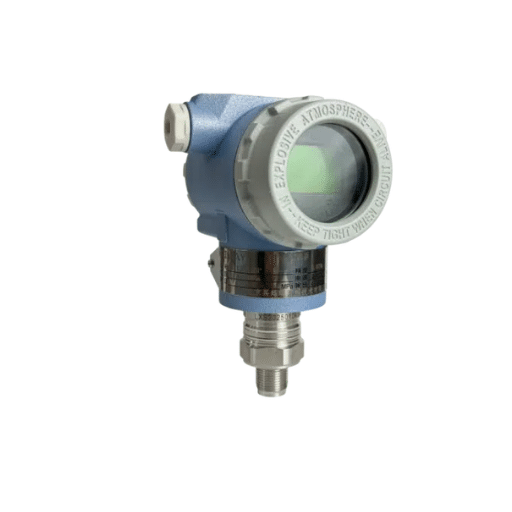
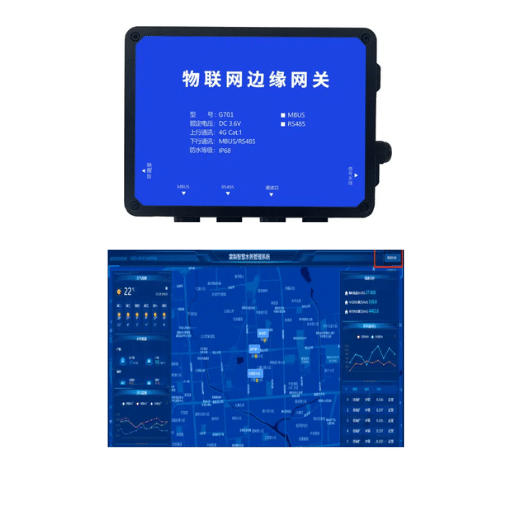
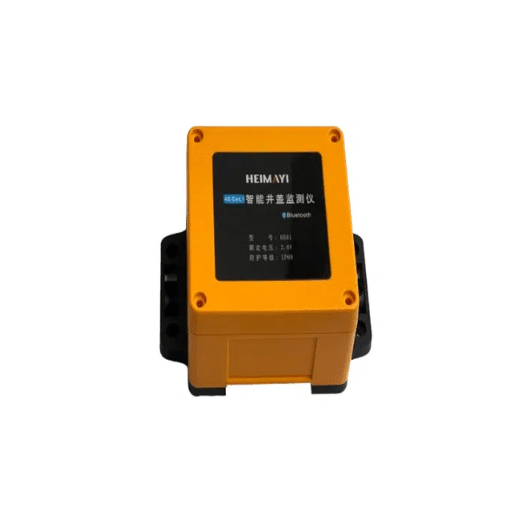
HVAC Pressure Transmitter: Understanding Pressure Sensors and Their Applications
Where housing, business premises and industries require air regulation, HVAC systems serve the need. Every HVAC system relies on a particular medium to protect the entire system, including the pressure transmitter. The pressure transmitter acts as a medium of every HVAC system for better performance and safety. Understanding what an HVAC system’s pressure transmitter is and how it contributes to the efficient functioning of heating, ventilation and air conditioning is quite vital.
This blog post gives a deep dive into the world of pressure sensors. It looks at how they work, why they were made, and where they are used today. Whether you’re an air conditioning technician, a building maintenance officer, or simply interested in HVAC technology, this blog will focus on essential things to know about the working of a pressure transmitter – improving system performance, making systems more dependable and managing energy more effectively.
Introduction to HVAC Pressure Transmitters

Pressure monitoring and adjustment in HVAC devices are performed using pressure transmitters. These devices provide real-time, precise information, which is critical for ensuring that energy is not wasted and the system operates optimally. They enable pressure changes to be detected and regulated, preventing deviations from the norm and thus preventing problems like leaks or equipment failures. It is their high accuracy and dependability that make them essential for controlling temperatures, wherever they may be —whether in homes or commercial buildings —without wasted energy.
Definition of an HVAC Pressure Transmitter
A pressure detection instrument, or HVAC pressure transmitter, is a mechanism for measuring pressure in a heating, ventilating, and air-conditioning (HVAC) system, facilitating proper management and operation without glitches.
Importance of Pressure Measurement in HVAC Systems
Measuring pressure is of great importance as it improves the functional and maintenance competence of HVAC systems. It ensures that all the components of a given system run for their intended purposes and in the appropriate settings, thus enhancing performance, incorporating efficiency and increasing the useful life of the equipment. Listed below are five reasons why it is vital to measure pressure in HVAC systems:
1. Energy Efficiency
Control over pressure levels helps reduce energy use. There is research to back up the claim that proper system pressure enhances efficiency by as much as 10 to 20 percent making processes cheaper.
2. System Optimization
By using pressure measurements, air and fluid flows within the system can be balanced, enabling heating and cooling in all zones.
3. Prevent Equipment Damage
An absence of pressure relief devices consequently poses a problem as it can cause structural damage to equipment such as compressor units, pumps, or even the pipes when they are overstressed. This also helps address the potential hazard such situations may pose.
4. Conformity with Regulations
The majority of jurisdictions obligate the installation of heating, ventilation, and air conditioning (HVAC) systems that comply with specific environmental and operational regulations. For legal purposes, precision of these pressures is important and prevents any possible fines.
5. Enhancement of Internal Environment
Appropriate control of pressure is a core function carried out by air filters, as contaminants are removed and healthy air is allowed in.
All these factors demonstrate that monitoring and controlling pressure provide a safe and effective means of controlling HVAC system operation from all aspects.
Overview of Sensor Technology in HVAC Applications
Current effective mechanisms of operation for HVAC systems employ sensors that monitor and control operation to keep the system efficient as well as reduce costs and improve comfort. HVAC sensors have been developed to measure a range of features, including temperatures, humidities, pressures, air quality, and flow rates, to support effective system operation while delivering the most accurate data.
Classification of Different Sensors Used in HVAC
Temperature Sensors
Temperature sensors use equipment such as thermistors and thermostats to regulate indoor and outdoor temperatures for proper system operation. Any building control aspect cannot do away with such sensors since they contribute to energy behavior and occupants satisfaction. For example, some advanced systems can take user-defined conditions and automatically configure the set points. If reports from the market are anything to go by, the reduced cost of HVAC systems was estimated at around $2.5 billion in 2022, and this is expected to increase in the near term.
HVAC Pressure Flow Sensors
A pressure sensor controls and regulates the fuel and oil along the predicted trajectory of the air conditioning system. Any deviation is further understood by control and safety mechanism factors in this system. Pressure monitoring status enables diverse environments using systems built with precision specification range of these sensors. In 2023, data shows that commercial HVAC pressure transmitter integration grew by 15% amid increased legislation.
Humidity Detectors
Humidity detectors control indoor climate and prevent excessive moisture or overly dry air that can foster germs and damage the structure. Sensors with accurate humidity control are used for HVAC applications across domestic, business, and industrial capacities. Essential highlights of the current trend include increased usage of hygrometers with capacitive sensors which have quicker reaction times and better performance.
Environmental Sensors
The air quality monitors use a sampling philosophy to measure dust, carbon dioxide, volatile organic compounds, and other toxic gases, primarily for enhancing indoor spaces. As the effects of indoor air pollution on human health become an ever-increasing concern, every new HVAC system comes with these sensors as standard procedure. According to 2023 recordings, air monitoring sensors account for almost 20 percent of HVAC sensor investments.
Flow Measurement Devices
These devices are used to determine flow rates in terms of volume consumed or travel speed in a given system. They are needed to ensure the system is operated at an optimal level and to recognize condition-driven failures. Modern flow sensors utilize advanced ultrasonic technology for enhanced performance.
Stimulating IoT and Smart Technology
The transformation of HVAC systems through IoT and smart solutions is at the core of innovative applications. The increasing trend of installing wireless and cloud sensors enables remote monitoring, predictive maintenance, and AI enhancement. Specifically, sensors connected to the Internet on such devices can predict component failures by approximately 40%, thereby helping reduce costs and breakdowns.
Prospects of HVAC Sensors
It is anticipated that, with the relentless development of these areas, further improvements to HVAC sensors will also be made. The size of the global HVAC market (preferably by 2030) is likely to reach 4.2 billion dollars, driven by energy-saving devices and the growing need for eco-friendly technologies.
The sensor industry is essential to the development of HVAC systems, ensuring that these systems are responsive to the ever-increasing demands for energy savings, greener buildings, and healthier indoor environments.
How HVAC Pressure Transmitters Work

Each HVAC pressure transmitter is an integral part of every HVAC system as it measures and regulates the pressure. One works by transducing physical forces into electrical signals, which the system’s controller then uses to calculate the pressures to be maintained within a specific range. The basic construction of a pressure gauge consists of a diaphragm or a pressure sensor chip that deforms under internal pressure. Such deformation signals are, in most cases, electrical (e.g., voltage, current, or digital) and are proportional to the stress in question.
As a result of technological advances, pressure transmitters have become more intelligent and precise than before. Take, for instance, the modern HVAC pressure transmitter, which often uses MEMS technology, making it highly sensitive and very compact. Trustworthy sources indicate that the global pressure sensor market will grow at a 7.3% compound annual rate between 2023 and 2030. This is because of the growing need for smart buildings and energy-efficient HVAC systems.
Important Note: Air conditioning equipment with pressure monitors helps to detect issues such as leaks and obstructions as they happen. Digital transducers with wireless capability facilitate easy observation and predictive management, even from afar, and spare lengthy operational interruptions and inefficient energy use. The equipment is designed for safe and effective application within the permissible pressure ranges specified in building and energy codes and standards, where pressure may range from 0-100 psi for conventional systems to up to 500 psi for high-pressure systems.
Mechanism of Pressure Measurement
Assessing pressure relies on converting force into an electrical or readily interpretable signal. Current pressure gauges use a variety of techniques, including piezoresistive, capacitive, and strain-gauge methods, for precision measurement. In piezoresistive technology, a diaphragm containing the resistive elements changes its resistance with increasing pressure, whereas capacitive pressure sensors sense pressure changes by measuring the charge across a flexible, elastic plate.
As a report suggests, digital pressure transducers usually meet the accuracy requirements within ±0.1% of the overall range, thereby facilitating their application in HVAC systems that require exactness. Among the upcoming sensors, many incorporate micro-electromechanical systems (MEMS) technology, thereby enhancing measurement precision and performance. Take, for instance, a MEMS-based HVAC pressure transmitter, which can identify changes as low as 0.01 lb/sq in, enabling proper functionality even in low-pressure applications such as airflow monitoring in ducts.
IoT Integration Benefits
Furthermore, IoT-integrated pressure transmitters may store and process real-time data, which is essential for extending machine lifespans and reducing energy consumption. Studies have indicated that the use of HVAC pressure transmitters with monitoring can reduce maintenance costs by up to 30% in commercial establishments while increasing system productivity by over 15%. Such a blend of intuitive functions and extensive capabilities enables corporations to perform their tasks effectively by ensuring energy usage remains within range.
Types of Pressure Sensors and Transducers
Pressure transducers and sensors are used effectively to control and monitor pressure levels in various applications. Some of the most common examples of pressure sensors and transducers, including their features and use, are listed below:
| Sensor Type | Description | Common Applications |
|---|---|---|
| Absolute Pressure Sensors | Provide pressure measurements against a total vacuum (zero psi). Capable of delivering accurate results in harsh environments. | Barometric pressure, vacuum systems, altimetry, aerospace, research-based sectors |
| Gauge Pressure Sensors | Measure pressure with respect to atmospheric pressure. Can accommodate daily fluctuations and dynamic pressure. | HVAC systems, hydraulic systems, industrial equipment, tire pressure gauges |
| Differential Pressure Sensors | Measure the difference of pressure between two points. Can improve efficiency by about 20%. | Flow measurements, filter monitoring, liquid level detection |
| Vacuum Pressure Sensors | Designed for pressures less than atmospheric. Work accurately in vacuum conditions. | Vacuum packing, semiconductor production, scientific research |
| Piezoelectric Pressure Sensors | Convert physical stress into electricity using piezoelectric materials. Timely response to system changes. | Combustion engines, aircraft, turbines, and frequency pressure applications |
| Capacitive Pressure Transducers | Based on capacitance changes of a diaphragm. Low power consumption and minimal long-term drift. | Medical equipment, environmental processing, and household electronics |
| Digital Pressure Sensors | Integrate complex electronics for supreme performance. Increase measurement accuracy by 25-40%. | IoT applications, smart systems, predictive maintenance |
Data-Driven Benefits of Modern Pressure Sensors
Recent developments in pressure sensor technology, integrated with IoT enable real-time monitoring, predictive analytics, and energy efficiency optimization. The global market for smart pressure sensors was estimated to have increased by 18% year-on-year in 2023 as automation and energy-saving technologies are increasingly introduced. By proper selection of the appropriate pressure sensor, industries can improve productivity, improve safety and to a great extent reduce maintenance activities.
Understanding Differential Pressure and Its Role
In simple terms, differential pressure is the difference in pressure between two points in a given system. This parameter is indispensable across industries, as it enables the proper assessment of processes, their adjustment, and their control. Moreover, upon knowing the exact amount of differential pressure present in some equipment, it is possible to achieve the required characteristic parameters and prevent the equipment from breaking down.
Five Key Applications of Differential Pressure:
- Fluid Flow Measurement: Commonly used to measure flow in ducts and tubes. Industries ensure correct flow control by calculating pressure loss.
- Monitoring Filter Efficiency: Differential pressures across filters tend to increase with deposits. Tracking optimizes filter changes and prevents system inefficiency.
- Determining Liquid Height in Reservoirs: Employed in calculating fluid levels inside pressurized tanks. Relied upon by oil, gas, and water treatment industries.
- Boosting Energy Efficiency: Maintenance of equipment like boilers and pumps to ensure systematic operation without wastage, improving energy load management.
- Detection of Leakage: Sharp increases in differential pressure may indicate leakage in pressure vessels or distribution pipelines. Timely identification reduces risk and repair costs.
Common Types and Models of HVAC Pressure Transmitters

Users often look for different types of HVAC pressure transmitters because they measure and control pressure in HVAC systems. Different types give the best utilization depending on the requirement. Listed below are the most common types of HVAC pressure transmitters:
1. Differential Pressure Transmitters
Function: Measures the drop or pressure difference between two media; filter loading in air lines is easy to control with these devices.
Popular Models:
Honeywell C7301:
- Measuring range up to 0-200 mm of water column
- VAV applications and clean room’s monitoring available
Siemens QBM81-3:
- Measuring range 0-5000 Pa
- Compatible with modern Building Automation systems
Main Characteristics:
- Accurate measurement at low pressures
- High long-term stability, insensitive to temperature variations
2. Gauge Pressure Transmitters
Usage: A device in the class of pressure sensors for measuring pressure in refrigeration devices and similar equipment.
Popular Models:
ASHCROFT G2 Pressure Switch:
- Range: -14.7 psi to 300 psi
- Engineered to withstand extremely tough conditions
SETRA 209:
- Pressure range: 0 to 187 psi
- Developed to assure dependable and accurate performance with HVAC and refrigeration equipment
Main Advantages:
- Robust construction to withstand operation in aggressive environments
- Withstands overpressures and vibrations
3. Absolute Pressure Transmitters
Usage: An air pressure gauge that reads air pressure in relation to an absolute vacuum. Often used when it is critical to monitor and control vacuum levels with precision.
Popular Models:
ROSEMOUNT 3051S:
- Pressure measurement range up to 10,000 psi
- Enhanced process insight through advanced diagnostic capability
ABB 266AST:
- Pressure measurement range up to 7,250 psi
- Lightweight design for superior installation
Main Advantages:
- High measurement accuracy and excellent long-term stability
- Designed to perform reliably in harsh environments, including vacuum applications
4. Smart and Multi-Range Transmitters
Function: Help to adjust, fine-tune, and set the appropriate range of control within necessary limits for maximum control and power.
Popular Models:
Model DNF7:
- Indicators with pressure ranges that can be adjusted in several steps
- Compact and durable, used in commercial HVAC systems
- Ideal for on-site applications when customization is needed
Johnson Controls P233A Series:
- Features a digital gauge and adjustable settings
- Applicable in convenient heating and cooling system installation and analysis
Factors to Consider in Choosing the Right Pressure Transmitter
Selecting the best HVAC pressure transmitter depends on several factors. Consider these important aspects:
- The range, precision requirements, and orientation of measurement
- Operating temperature and environmental conditions (temperature, humidity, and pressure within design criteria)
- System connections (wet or dry)
- Certification requirements (UL, VDE, CE, GS, etc.)
As technology continues to advance, HVAC pressure transmitters are becoming smarter, with capabilities such as IoT monitoring, digital accuracy, and energy-saving functions. All these developments improve the health of operating systems while reducing labor costs and other expenses.
High Accuracy Pressure Transducers
Accurate pressure transducers are vital devices in pressure-critical industries like aerospace, medical instruments, and machinery control. Such products demonstrate superior accuracy, stability, and durability even in adverse environments. Most often, such devices are constructed to meet an accuracy of ±0.05% because they are designed to control and monitor critical processes precisely.
Contemporary high-precision pressure transducers employ technologies to improve pressure sensor packages, such as silicon-gauge sensing, piezoelectric, or capacitor sensing. Thanks to technological improvement, many current transducers have digital output interfaces, e.g., I2C, SPI, or RS-485 for ease of interaction with controllers or embedded systems. For example, some products offer an upgraded resolution of up to 24 bits, which is designed to improve pressure resolution at low depths.
Key Features of High-Accuracy Transducers
Temperature Compensation
Advanced transducers feature temperature compensation, reducing temperature error to ±0.1% within the considered range.
Compact Design
Miniaturization enables efficient transducers that fit in tight spaces while performing well over 1 psi to 10,000 psi.
Durable Materials
Constructed using stainless steel and titanium, ensuring extended functioning even in high corrosion and extreme conditions.
IoT Integration
Cloud connectivity enables data observation and predictive health monitoring with remote diagnostics and automated updates.
When weighing factors in selecting high-accuracy transducers, consumers understand they must assess performance under various conditions, including temperature drift, sudden impacts, and vibration resistance. Making devices from rigid, non-corrosive composite materials helps keep costs down while meeting customer needs.
Pressure Transmitters with Display Features
HVAC pressure transmitters with screens are becoming more popular in the industry because they allow for quick inspection of parameters with data displayed directly, easing operations without forcing reliance on additional tools. Electric and mechanical instruments designed in this fashion have a small built-in display showing relevant details, including current pressure, temperature, and, in some cases, device alarms and errors.
Advanced Features of Display-Equipped Transmitters
- Touch Display Interface: Most modern models feature touch displays, allowing users to make settings and parameter changes with just a few taps.
- Multilingual Support: Some types have multilingual formats and presentation styles to serve international markets comprehensively
- Examples: EJA-E series from Yokogawa and smart transmitters from Honeywell provide bright displays with convenient menu adjustment
- Ingress Protection: IP67 and IP68 ratings available for weather-tight and explosion-proof applications
- System Integration: Compatible with HART, Modbus and IoT for seamless network integration
Data retention and accuracy remain paramount. Pressure transducers with embedded displays can be used in dynamic situations, such as at relatively high temperatures or in challenging environments. Modern transmitters emphasize active power distribution control, with the pressure transmitter market expected to have a higher CAGR of 3.9% over the coming period.
Cost-Effective Options for HVAC Applications
HVAC pressure transmitter selection should be both economical and efficient. In this context, five inexpensive yet efficient options are recommended and frequently used by the industry:
| Transmitter Type | Benefits & Applications |
|---|---|
| Differential Pressure Measurement Transmitters | Serve optimally and efficiently in airflow and filter monitoring while offering inexpensive measurement solutions. Appropriate for enhancing HVAC systems. |
| Wireless Differential Pressure Transmitters | Connected without drilling walls for cables, lowering mounting expenses. Work exceptionally well with retrofits and upgrading outdated HVAC systems. |
| Analog Pressure Transmitters | Present a standard and economical way of achieving pressure measurement. Their robustness and simplicity enable easy operation in standard HVAC systems. |
| Pressure Transmitters with Integrated Display | Include transmission devices with integrated screens and sensors that allow real-time data viewing—enhancing troubleshooting at a lower cost. |
| HVAC Pressure-Indicating Transmitters | Although designed for large-scale procurement, it is also suitable for HVAC producers. Aimed at maximizing volume manufacturing while minimizing cost. |
Each of these solutions has features or functions designed for different purposes, ensuring the HVAC industry can operate efficiently and effectively without incurring high costs.
Installation Tips for HVAC Pressure Sensors

Accuracy is essential when installing HVAC pressure sensors to ensure they function properly over the long term. The following five tips offer strategies to employ during installation:
1. Appropriately Position the Sensor
Pick a mounting location that allows accurate pressure measurements. Refrain from using locations with high vibration, such as mechanical rooms or areas with poor ambient temperatures, as these conditions may accelerate sensor deterioration.
2. Fit the Sensor Properly
Mount the sensor using the recommended hardware and secure it properly. In the absence of proper fittings, this may result in false readings or mechanical problems in the long run.
3. Check The Wiring
Check the wiring and ensure all components are wired and installed correctly. Proper electrical connections are essential for reliable operation.
4. Calibrate the Sensor to the Correct Value
Before using the device for the first time, perform calibration as per the vendor’s guide. Calibration ensures the sensor measures pressure accurately and meets system requirements.
5. Protect From The Environment
Install covers or coatings to protect the sensor from dust, humidity, and other environmental contaminants. Sensor life expectancy can be significantly increased if the workplace is kept clean at all times.
Important: These solutions may significantly enhance the performance and accuracy of HVAC pressure transmitters thus maintaining optimum efficiency of the system.
Best Practices for Mounting and Wiring
✓ Find a Suitable Place for Mounting
Find a suitable place to mount the equipment so that vibration is minimized and there is no exposure to extreme temperatures or moisture. This will help avoid fluctuation of readings and wearing of the sensor due to forces from surrounding conditions.
✓ Mounting Hardware Should Be in Place
Proper mounting hardware should be installed according to the manufacturer’s instructions. Misaligned sensors and mechanical damage can be avoided by using appropriate mounting hardware.
✓ Fix Electrical Cables Correctly
Check for any loose wires and verify connections. Disconnected or loose plug connections create erratic signals or data loss thus affecting system operations.
✓ Make Use of Shielded Cables
To avoid system reliability degradation in high-EM environments, use shielded cables to reduce electromagnetic interference. This helps ensure sensor signal performance is not deteriorated.
✓ Clear Cable Organization and Labeling
Ensure all wires are labeled and properly dressed to avoid mix-ups when handling maintenance or troubleshooting. This can help spend significantly less time and minimize chances of wiring errors which can affect system functioning.
Choosing the Right Location for Accurate Measurements
Proper sensor and instrument placement is essential for measurement accuracy and reliable system operation. Below are considerations with supporting evidence from recent standards and relevant practices:
🌡️ Avoid Environmental Disturbances
Keep sensors away from regions with temperature variations, vibration, and electromagnetic interference. Research shows that distancing sensors from HVAC diffusers can reduce temperature variation by up to 15%.
💨 Ensure Adequate Ventilation
For air quality or humidity sensors, ensure good ventilation. Research indicates that humidity measurement errors exceeding 8% occur in poorly ventilated enclosed spaces.
📏 Maintain Obstructed Distance
Obstructions such as machinery, walls, and pipes may result in erroneous data. Maintain a strategic distance of at least 1.5 to 2 meters away from such obstructions.
📐 Installation Heights
Air quality sensors measuring breathing zones should ideally be installed at waist height, specifically 4-6 feet, as per the latest reviews on sensor placement.
🔧 Fastening and Stability
Proper mounting prevents shaking or shifting. Poorly fixed tilt sensors may cause incorrect readings, with differences of up to 3 degrees due to vibrations.
☂️ Weather Protection
Use enclosures or covers to block rain, snow, and UV rays. Equipment exposed without protection shows degradation up to 20% over time.
🛠️ Ease of Maintenance
Use easily accessible locations for servicing and calibration. Locations not regularly serviced show an average 12% increase of measurement drift.
Calibration and Adjustment Procedures
HVAC pressure transmitter proper adjustments and calibrations help maintain confidence in measurement systems. By comparing device readings to known reference values, calibration is performed. Here is how calibrations and adjustments are performed:
Step 1: Startup and Installation
Before assembling, ensure the tool kit is in place, cleaned, undamaged and within the given range of operation. Good calibration devices must be used (in the US, NIST is employed). Avoid frequent temperature and humidity changes as they may cause measurement errors (the environment is responsible for 5% error in some instruments).
Step 2: Conducting the Initial Activity
Obtain initial estimations by comparing measured values with a reference. For example, calibration of a temperature sensor is achieved by comparing its readings to a calibrated thermometer in a controlled-temperature bath at 0°C and 100°C. Deviation from zero values indicates the magnitude of error.
Step 3: Corrective Actions
Instrument outputs must be adjusted to match measured values with standard readings. For digital devices, compensation is performed via buttons or software. Analog devices may require a screwdriver. Studies show that retuning even a few times a year can reduce drift by 15%.
Step 4: Verification
After calibration, verify results with another reference or standard method. Use a second gauge to check the calibration of pressure sensors. This confirms that adjustments were made correctly and that no persistent errors remain.
Step 5: Documentation and Monitoring
Maintain calibration records for every equipment, detailing dates, conditions, methods, and results. Records help in trend analysis, which can adjust re-calibration periods. Industries advise recalibration every 6-12 months, depending on usage frequency and environment.
Step 6: Leverage Automation and AI
Automated calibration systems are increasingly installed. Research from 2022 shows that such systems improve calibration accuracy by 30% and speed up processes. AI-aided drift monitors track drift, sequence maintenance, and hold devices until issues are resolved. Devices incorporated into industrial systems enable remote diagnostics and automated software updates that easily conform to changing processes.
Key Takeaway: Performing these tasks will improve the precision and efficiency of measurement equipment, increase durability, and protect against data degradation. Periodic calibration is part of the working cycle without exception, serving to eliminate costly mistakes in processes that require precision.
Advancements in HVAC Pressure Transmitter Technology

In recent years, the HVAC sector (heating, ventilation, and air conditioning) has made significant developments in pressure transmitters due to ever-increasing demands for energy efficiency, accuracy, and sustainability. Today’s pressure transmitters incorporate features such as digital signal treatment, IoT connectivity and self-calibration that result in improved performance while lowering maintenance requirements.
Accuracy and Stability
Sensors achieve an accuracy of ±0.1% full scale. Temperature compensation mechanisms enhance performance within -40°F to 185°F (-40°C to 85°C). Improves HVAC operation and avoids energy loss.
IoT Integration & Remote Monitoring
Real-time monitoring and remote control through cloud-based platforms. Mobile app-based alerts and analytics ensure timely action. Reduces unexpected downtime by up to 25%.
Energy Efficiency
Minimum energy sensors enable effective airflow management. Advanced pressure transmitters increase energy efficiency by 10-15%, reducing operating costs and environmental impact.
Compact & Durable Design
Compact sensors fit in tight spaces. Rugged bodies resist corrosion with IP65 or higher protection. Maintains good working conditions in the short- or long-term.
Future Trends
In the extensive range of new products being developed, AI sensor calibration and wireless solutions are coming to disrupt HVAC significantly. Such advances aim to automate processes and enhance efficiency, creating a new benchmark for the HVAC industry. Under these conditions, modern HVAC pressure transmitters equipped HVAC systems tend to integrate such changes to improve performance and reduce energy consumption while achieving ecological efficiency.
Emerging Sensor Technologies in HVAC
In the heating, ventilation, and air conditioning (HVAC) industry, new sensor technologies have been developed to improve energy efficiency, enhance system reliability, and enhance comfort levels. Some of these new and crucial emerging sensor technologies are listed below:
1
Temperature Sensors with Improved Accuracy
The most common and effective sensors are temperature sensors, whose accuracy has advanced, allowing more efficient control without large swings. Advancements include digital output and self-calibrated features. Such temperature sensors for smart thermostats reduce power consumption by approximately 15%.
2
High-Precision Humidity Sensors
Humidity sensors with high precision detect minute levels of moisture content or dryness. They play an essential role in ensuring indoor air quality, stopping mold development, and improving living standards. Using sophisticated humidity management techniques, indoor air quality can be improved by 10-20%.
3
Advanced Pressure Monitoring Devices
The precision and response rate of system pressure control by pressure transducers have improved, enhancing control of airflow and refrigerant concentration. They play a crucial role in identifying leaks or inefficiencies. These mechanisms can save up to 12% of the costs involved with operation and maintenance.
4
CO2 Sensors for Air Quality
Carbon dioxide sensors have seen significant advancements. CO2 is the most common air quality parameter in enclosed spaces. CO2 sensors work with air conditioning systems to control air intake according to occupancy. Such systems help reduce electric energy use by up to 30% in some cases. This technology intelligently monitors refrigerant levels in HVAC pressure transmitters to avoid faults.
5
Occupancy Detectors
Occupancy detectors are specialized motion or infrared sensors that detect the presence of people in a designated area. Integrated with HVAC systems, these sensors help save energy by providing heating and air conditioning only to occupied rooms. Operational benefits include a range of up to 20% reduction in energy usage.
These innovations in sensor technology provide an interesting extension in HVAC engineering, from micro-level design to macro-level strategies that maximize detection capabilities and integrate with power savings, enhancing comfort and sustainability.
Integration with Smart HVAC Systems
Hi-tech building management is most pronounced in the case of innovative HVAC systems, which use advanced technologies to protect consumers and the environment. Through seamless integration, these systems bring environments to life in line with what their users want. The following are the highlighted benefits and hybrid technological capabilities of innovative HVAC systems:
🌐
IoT-Based Connection
An Internet of Things (IoT) connection enables HVAC systems and other connected devices to interact and be controlled from a single panel or via voice. Sensors and thermostats interact to select the best temperature conditions automatically.
🔮
Predictive Maintenance
Innovative HVAC systems powered by artificial intelligence and machine learning efficiently diagnose and warn of potential failures. Analyzing usage trends, they alert users at an early stage and can reduce repair costs by about 30%.
🏢
Advanced Zoning Skills
Indoor climate management systems keep separate zones within large spaces to cater for each person’s preferences. Each person manages temperatures in their zone, enhancing comfort and efficient energy use. HVAC pressure transmitters provide accurate testing of operating characteristics in pressure centers.
🌡️
Smart Thermostat Control
Constructed with the Internet as an internal infrastructure, smart thermostats consider users’ activities and preferences to optimize systems. When this control and automation hardware is installed, 10-15% of energy utilization on heating and cooling systems is lowered.
📊
Energy Monitoring Dashboards
Display consumption figures on operational dashboards to show how much energy buildings or houses consume. Also assists in developing systems to meet environmental objectives and responsibility goals.
Summary: All these efforts feature features that enable innovative HVAC systems to be more effective and more efficient, thanks to a focus on configuration for modern lifestyles.
Future Trends in Pressure Measurement Technology
In the future, one of the significant developments in pressure measurement technologies will be the efficient use of more advanced IoT-enabled smart pressure sensors. These sensors are presumed to be better in terms of precision, accuracy, and data collection and are expected to deliver enhanced capabilities of remote monitoring and predictive maintenance.
Key Future Developments
- Energy-Efficient Designs: More energy-efficient designs without compromise in size, making them viable for a wide variety of applications
- Advanced Materials: Improvements in materials and construction increasing capabilities for harsh environments
- IoT Integration: Enhanced remote monitoring and predictive maintenance capabilities
- Miniaturization: Smaller form factors with maintained or improved performance
- AI-Powered Analytics: Smart algorithms for automatic calibration and diagnostics
Frequently Asked Questions (FAQ)
❓ How would you define what an HVAC pressure transmitter is?
A device that is one of the most essential aspects of air conditioning or heating systems (HVAC) that measures how much air or gas is under pressure within the system. It converts the measured pressure into an electrical signal, typically 4-20 mA, allowing operators to monitor and control the pressure.
❓ What is the principle of operation of pressure sensors in HVAC systems?
Pressure sensors detect pressure and pressure changes, generating a signal in response. These instruments employ different techniques, such as piezoelectric or capacitive sensing, to measure both static and differential pressure, enabling proper control of airflow and detection of pressure drops or restrictions caused by filters or ducts.
❓ What are the functions of a differential pressure transmitter?
Differential pressure transmitters measure the difference in pressure between two points and are ideal for ventilation systems and filter monitoring. They are instrumental in HVAC facilities, improving reliability and efficiency by providing essential information on system performance, thereby enhancing efficiency and indoor comfort.
❓ What accuracy do pressure transmitters provide?
High-precision pressure transmitters typically permit pressure measurement within ±0.25% or ±0.5% of the full-scale pressure. Such transmitters are used in very delicate systems where the accuracy of pressure levels is imperative, such as commercial HVAC pressure transmitter systems or refrigeration systems, where even small changes can affect effectiveness and efficiency.
❓ Are there explosion-proof pressure transmitters available?
Yes, there are pressure transmitters that can be utilized even in potentially explosive environments. They ensure safety and reliability because their casings are durable and weatherproof, with NEMA 4 and NEMA 4X ratings that permit these devices to operate safely in areas containing explosive gases.
❓ How can HVAC pressure be monitored?
HVAC pressure can be measured by installing an HVAC pressure transmitter. Such devices offer real-time pressure of air or gas passing through ducts. They also come with backlit LCDs for comfortable viewing and have configured the output signals to centralizers that receive the 4-20 mA input.
❓ What role does a pressure switch have in climate control engineering?
HVAC pressure switches help sense and assist control functions of equipment such as air handlers or chillers. They automatically cycle fans or compressor components on and off to maintain the allowed pressure, ensuring the highest performance and energy efficiency in air conditioning and refrigeration systems.
❓ How does a pressure transducer differ from a pressure transmitter?
Pressure transducers are devices that change pressure to electrical signals that can be transmitted over a distance. The pressure transmitter has a built-in signal conditioner or signal sender, with optional attachments. While the pressure transmitter is solely focused on its operation, you find a pressure transducer can be used with activities that do not involve signaling or associated protocols.
References
- 📚
HVAC Monitoring System
Source: The University of Akron’s Honors Research Projects
URL: https://ideaexchange.uakron.edu/honors_research_projects/280/ - 📚
Efficient HVAC Control and Feedback System
Source: University of Central Florida, Senior Design Project
URL: https://www.ece.ucf.edu/seniordesign/su2010fa2010/g06/EEL4915_FinalPaper.pdf - 📚
Heat Pump and Air Conditioning System Analysis
Source: Temple University ScholarShare
URL: https://scholarshare.temple.edu/entities/publication/5c41114c-1968-4f39-b63f-07f8935b73ba
Conclusion
HVAC pressure transmitters are essential components that ensure optimal performance, energy efficiency, and longevity of heating, ventilation, and air conditioning systems. Understanding their operation, proper installation, and maintenance is crucial for maximizing system efficiency and minimizing operational costs. As technology continues to evolve with IoT integration, AI-powered analytics, and enhanced sensor capabilities, the future of HVAC pressure measurement promises even greater precision, reliability, and sustainability.