

Understanding Flow Coefficient (Cv) in Electric Control Ball Valves
Electric control ball valves serve multiple industrial applications because they provide accurate fluid flow management which helps different systems achieve optimal operational results. The Flow Coefficient which engineers call Cv serves as the fundamental measurement that both explains valve operations and determines their performance capabilities.
Introduction to Flow Coefficient (Cv)

The Flow Coefficient (Cv) is a measure of a valve’s ability to allow fluid to flow through it. The valve permits water flow at a rate of 100 gallons per minute when there is a 1 psi pressure drop between two points at standard temperature. This value helps determine how efficiently a valve regulates flow in a system. Cv serves as the main factor which determines which valve needs selection for different applications because it enables equipment to function at its best while saving energy and avoiding system failures due to pressure drops or flow limitations.
Definition of Flow Coefficient (Cv)
The flow coefficient exists as a vital measurement which engineers use to design both fluid systems and control valves. The Cv value of a valve shows its capacity to allow water flow at 1 psi of pressure drop under standard conditions which exist at 60°F. The Cv value of a valve establishes its flow capacity which determines how well the valve handles fluid movement.
The Cv Calculation Formula
Cv = Q × √(SG/ΔP)
Q = Flow rate in gallons per minute (GPM)
SG = Specific gravity of the fluid (dimensionless, relative to water)
ΔP = Pressure drop across the valve in psi
The Cv value of a valve shows that it will permit 10 gallons of water flow through its structure when the system experiences a 1 psi pressure drop. The calculation of this value extends to all other fluids because their specific gravity adjustment reveals their actual flow capacity.
To put Cv into perspective:
- ●
A valve with a Cv of 2 is typically used in smaller systems with low flow rate requirements. - ●
Systems that require high capacity operations will use valves with Cv values that exceed 100.
The Cv value establishes a standardized measurement system that enables comparison between valves which industrial systems use in HVAC systems chemical processing plants and water treatment facilities. A properly selected valve maximizes system efficiency, minimizes energy consumption, and reduces wear on equipment caused by pressure fluctuations or turbulence. Engineers need to understand Cv values because they help them achieve specific operational and performance goals which they need for their particular applications.
Importance of Cv in Electric Control Ball Valves
The Cv value plays a crucial role in the selection and application of electric control ball valves. The Cv value determines how efficiently and accurately and how well the system performs its fluid control operations. The following five points demonstrate why Cv value in electric control ball valves has critical importance.
1
Accurate Flow Regulation
The Cv value helps engineers determine the precise flow rate through the valve under specific pressure conditions. The system achieves optimal performance when all necessary fluids get delivered in proper amounts without exceeding or falling short of requirements.
2
Optimized System Efficiency
The system achieves energy savings through proper valve selection which matches the required Cv specifications. The system operates more efficiently because proper Cv sizing prevents energy loss from pressure drops and turbulence that occurs during operation.
3
Enhanced Compatibility
The Cv value ensures the chosen valve operates effectively within the expected operating conditions, such as flow rates, pressures, and fluid types. Valve selection requires proper Cv matching because valve performance relies on matching Cv with system requirements.
4
Extended Equipment Lifespan
The appropriate Cv size protects the valve and equipment from excessive operational pressure. The system components develop extended lifespan because they experience lower pressure variations, which allows them to function normally.
5
Improved Safety and Stability
The system achieves stable operation when its Cv value matches system requirements while it protects against sudden pressure variations and flow interruptions. The process becomes highly important during delicate operations within chemical and HVAC systems.
System reliability and electric control ball valve performance reach their best level through understanding and controlling the Cv value.
Overview of Valve Types and Their Applications
The essential function of valves in multiple industries depends on their ability to control both liquid and gas and material flow through operational systems. The document presents common valve types together with their industrial applications, which are supported by recent research findings.
1
Ball Valves
Ball valves employ a spherical disk as their flow control mechanism which enables them to function in multiple operational situations. The system functions properly because the system has a shut-off system which provides complete sealing for water distribution systems and oil gas industry operations. The product operates in both on/off and throttling applications because it has a durable design that maintains operational capacity with low-pressure drops. According to recent data ball valves account for a significant portion of the global valve market because of their reliability and cost-effectiveness.
2
Gate Valves
When gate valves open fully they enable flow through the system because their design allows for maximum water flow to pass through the gate which blocks water flow. The system operates primarily in water supply networks and wastewater treatment facilities and pipelines which need a complete flow path. The research shows that gate valves serve most effectively when installed in systems which need less operational time because their extended operating time between open and close operations helps decrease water hammer problems.
3
Globe Valves
Globe valves enable users to control flow rates with precise accuracy which makes them suitable for applications that operate under throttling conditions. The system operates in chemical processing plants and energy production facilities and HVAC systems to achieve precise flow measurement and control. Industrial facilities now benefit from improved globe valve designs which achieve better performance through advanced engineering methods.
4
Butterfly Valves
Butterfly valves control flow by using a disc which turns around its central axis. The product provides an economical solution for large water treatment systems and food processing facilities and irrigation systems because it has a compact and lightweight design. The system has developed better sealing strength together with improved resistance to corrosion, which enables deployment in extreme environmental situations.
5
Check Valves
Check valves work as backflow prevention devices because they allow water to flow only in one direction through the entire system. The valves function as vital components for pumping systems and water supply networks and wastewater treatment facilities. The recent reports show material technology progress that enables stainless steel and polymer materials to withstand extended usage under severe chemical conditions.
6
Electric Control Valves
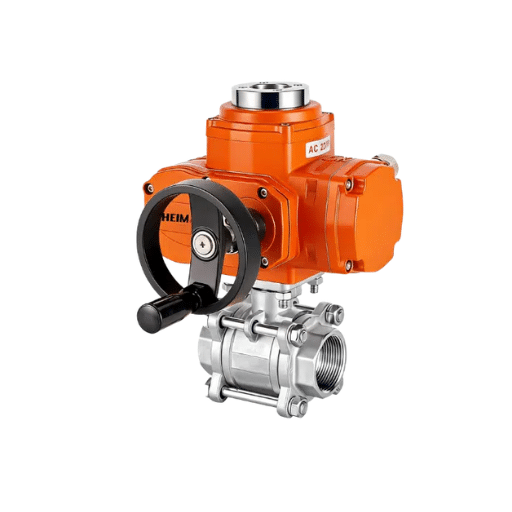
Electric control valves use electric actuators to achieve accurate automated control of fluid flow. The system finds widespread application in modern industries which require remote monitoring and control of chemical production and HVAC system operations. The rising installation of IoT systems together with smart technologies that use advanced monitoring systems has increased the demand for electric control valves.
📊 Current Market Data Highlights
4.5%
CAGR growth projected for the global valve market between 2023 and 2028
30%
Market share held by ball valves due to their robust performance in critical systems
>6%
Annual growth rate expected for electric control valves due to automated systems adoption
Understanding the Cv Equation

The Cv (Flow Coefficient) equation serves as a vital element for selecting and sizing valves because it determines a valve’s ability to transmit fluid. The Cv value shows the water volume that can flow through a valve under 1 psi pressure drop at 60°F which amounts to gallons per minute. The Cv calculation formula is expressed as:
Cv = Q × √(SG / ΔP)
Q = flow rate (GPM)
SG = specific gravity
ΔP = pressure drop (psi)
SG = specific gravity
ΔP = pressure drop (psi)
System Optimization
The correct valve Cv selection and calculation process provides an accurate system function because it prevents both undersized valves from causing flow restrictions and oversized valves from creating unstable operation and noise problems.
Application Specificity
The understanding of Cv becomes crucial because different systems require different flow rates which determine the appropriate valve selection for specific performance requirements.
Energy Cost Reduction
The Cv equation provides precise valve sizing information which results in reduced energy costs because it prevents unnecessary pressure drops.
Real-World Data and Trends
The most recent industry research from 2023 shows that electric control valves and smart valves have gained popularity among users because these devices provide accurate control which enables them to perform real-time adjustments.
- ▶
The smart control valve with Cv 100 operates at 100 GPM water flow while maintaining low pressure loss which enables automated systems to achieve 15 percent operational cost savings. - ▶
Research demonstrates that misjudging the Cv value by 5 percent results in energy waste which costs major businesses thousands of dollars each year.
Mathematical Formula for Cv
The flow coefficient (Cv) serves as a vital component for valve selection and sizing procedures. The mathematical formula to calculate the Cv value is:
Cv = Q × (√(SG / ΔP))
Factors Influencing the Flow Coefficient
The flow coefficient (Cv) of a system depends on multiple variables that determine how fluid flows through the system. The accurate Cv calculations depend on understanding these factors which also help maximize system efficiency. The following five factors represent the most important elements which determine system outcomes.
- 1
Fluid Properties
The flow behavior through a valve is determined by the fluid type (liquid or gas) and its particular characteristics which include viscosity and density and compressibility.
- 2
Valve Type and Design
The different valve designs which include globe valves ball valves butterfly valves and gate valves create different flow rates because each valve design has unique flow path geometry and restriction levels.
- 3
Pressure Conditions
The valve flow rate and overall valve performance depend on the inlet pressure and outlet pressure and the pressure drop (ΔP) through the valve.
- 4
Temperature
The fluid density and viscosity properties change with temperature shifts which affect its flow characteristics. Valve materials and sealing components typically lose their integrity when exposed to high temperatures.
- 5
Flow Characteristics
The Cv value of a valve depends on how the flow regime (laminar or turbulent) and patterns (cavitation and flashing) affect fluid movement through the valve.
Importance of Accurate Cv Calculation
The Cv value requires proper determination because it establishes system performance reliability and operational efficiency. The system encounters multiple issues because incorrect Cv values lead to incorrect valve selection which results in decreased system performance and operational failures. The following five reasons demonstrate why accurate Cv measurement is essential for industrial operations:
✅ Optimal Valve Sizing
Accurate Cv calculation assists in choosing the appropriate valve size which matches system requirements. Valves that are either too big or too small will disrupt flow control resulting in operational difficulties.
✅ Energy Efficiency
Proper Cv values ensure the valve is operating at its intended capacity which results in energy savings and optimal system efficiency. The approach allows the business to operate in an eco-friendly manner while it helps to eliminate wasteful spending.
✅ System Safety
Incorrect Cv calculations lead to equipment damage through excessive pressure and velocity which creates dangerous conditions. Safety standards require accurate calculations to support operational safety throughout the process.
✅ Minimizing Maintenance Costs
Accurate Cv calculations show the correct operating conditions for valves which helps to reduce equipment damage. The system experiences decreased maintenance needs which results in less downtime for maintenance.
✅ Improved System Performance
Accurate Cv values enable better flow control which leads to enhanced system performance and stable output for industrial processes. This situation holds special importance for chemical processing and water treatment industries.
Choosing the Right Electric Control Valve

The process of choosing an appropriate electric control valve requires you to assess various technical aspects and operational needs and system performance metrics. The following elements must be assessed for proper decision making:
Flow Coefficient (Cv) and Size
Accurate results require establishment of the flow coefficient through exact measurement techniques. The industry standards state that an oversized valve leads to operational control problems while an undersized valve results in operational inefficiencies. The valve Cv rating needs to match your system flow rate requirements to achieve desired performance levels.
Material Compatibility
The valve material needs to match both the fluid medium and the environmental conditions during operation. Stainless steel valves provide effective protection against corrosion in chemical-intensive environments while cast iron valves function adequately with water and low-corrosive fluids.
Operating Pressure and Temperature
The valve must demonstrate capacity to manage your system’s maximum pressure and temperature requirements. The current regulations state that most electric control valves can operate at pressures reaching 10,000 PSI and temperatures between -20°F and 400°F depending on their specific valve design and material composition.
Control Accuracy
Chemical manufacturing plants need exact flow regulation because tiny flow changes create total process interruptions. Modern electric control valves equipped with advanced positioners deliver accuracy up to ±0.1% which enables them to maintain stable system performance.
Automation and Integration Capabilities
Industry 4.0 automation systems need valves which can operate with all existing automation systems. The majority of today’s electric control valves support HART and Modbus and PROFIBUS communication protocols which allows for better system monitoring and management.
Energy Efficiency
Operating expenses decrease when electric control valves operate with energy-efficient technology. Research shows that specific smart valves achieve power savings of up to 50% through their advanced motor design and intel-optimised features.
Certifications and Compliance
The valve needs to comply with ISO and ANSI and API standards to establish its safety and operational dependability for industrial use.
Cost vs. Value
The initial costs need consideration yet organizations must focus on long-term value which includes decreased maintenance needs and extended equipment lifespan and diminished operational interruptions. The organization will save operational expenses through the purchase of a top-tier electric control valve.
Additional Data from Latest Sources
- 📈
The electric control valve market will achieve a growth rate of 6.8% CAGR until 2030 because of the expanding water treatment and chemical processing industries. - ⚡
Efficiency Statistics: Modern electric valves with smart actuators showed an increase in operational efficiency by 20-30%, according to a 2023 study by Valve World Magazine. - 🌿
Environmental Considerations: New eco-friendly valve designs promise to reduce material waste and energy consumption by up to 15%.
Assessing Cv Requirements for Specific Applications
The flow coefficient (Cv) serves as an essential measure which evaluates how well control valves perform in particular use cases. The Cv value indicates how much water (in gallons per minute) a valve can permit to flow through it when there exists a 1 psi pressure difference under standard temperature conditions. Properly evaluating Cv requirements enables engineers to select the correct valve size which ensures proper process control while stopping problems like cavitation and excessive equipment damage.
The oil and gas industry and chemical processing domain require professionals to understand flow conditions during their industrial work. Recent industry insights show that control valve sizing errors in high flow rate systems result in energy losses which reach about 20 to 25 percent for inefficient setups. The engineers who calculate Cv need to examine fluid properties and flow rate and system pressure and specific temperature conditions.
Petrochemical operations require control valves with higher Cv ratings to properly manage their dense liquid flow requirements within their high-pressure systems. Pharmaceutical and food industries prefer control valves which have precise lower Cv ratings because these valves enable them to handle their sensitive fluids safely. Studies show that when organizations choose the correct Cv for their valves they can increase their system efficiency by 15 percent while decreasing operational hazards and downtime.
Modern valve calculation tools and software programs have become necessary for organizations which use these applications to conduct their Cv assessments. Manufacturers offer advanced tools which include Emerson’s Cv calculator and Fisher Control’s sizing software together with real-time data features that improve measurement accuracy. The combination of these technologies with industry expertise allows businesses to develop control valves which meet their system requirements while they reduce expenses and enhance product dependability.
Using a Valve Sizing Calculator
The process control industry requires engineers and technicians to rely on valve sizing calculators which they use as fundamental instruments in their professional duties. Control valve sizing calculators determine the appropriate valve size for specific applications based on three inputs which include fluid properties and flow metrics and valve-specific information. The calculator requires users to input their desired flow rate and pressure drop and fluid type and temperature which enables users to calculate the optimal valve size and type for achieving peak performance and energy efficiency.
The resources that people can access from Emerson and Fisher Control provide typical valve sizing calculations which require the following input data.
📐 Example Calculation
200 GPM
Flow Rate
15 psi
Pressure Drop
Water
Fluid (62.4 lb/ft³ at 60°F)
70°F
Temperature
Cv = Q / √(ΔP) = 200 / √15 ≈ 51.6
Required Cv = 51.6
The results show that a valve which has a Cv value of 51.6 will fulfill the process requirements. The calculator provides recommendations for specific valve models which match these parameters to achieve maximum performance and efficiency. Engineers can save time through these tools while they prevent incorrect sizing problems which result in energy waste and equipment malfunction.
Considerations for Different Industries
The selection process for valve types and their required sizes requires evaluation of the operational needs specific to each industrial sector. The selection of particular valve types and materials together with their operational requirements depends on the different needs that each industry presents.
Engineers achieve equipment efficiency improvements through valve selection which meets specific industry requirements but also delivers enhanced safety performance and extended equipment operation time.
Comparing Cv and Kv Values
The comparison of Cv and Kv values requires knowledge that these values function as flow coefficients which describe valve flow capacities through distinct measurement systems. The flow coefficient Cv shows the water volume that can flow through a valve under a 1 PSI pressure drop in the imperial (US) system. Kv functions as the metric system measurement which allows users to measure water flow through a valve at 1 bar pressure drop using cubic meters per hour as their measurement unit.
Engineers use Cv and Kv value comparison to determine the correct valve size and type which meets the flow needs of various systems and applications. The system requires proper selection of components because this choice eliminates all operational inefficiencies.
Understanding the Difference Between Cv and Kv
The examination of component specifications and their actual usage in different situations is necessary to establish distinct differences between Cv and Kv values. The United States uses Cv (Flow Coefficient) as a measurement system which European Union countries and other nations using international systems have adopted as the equivalent measurement system. The two coefficients show how much fluid will flow through a valve at a specific pressure, but they measure the flow rate using different systems of measurement.
Comprehensive Cv and Kv Case Studies
The engineers achieve better understanding of valve selection methods through their demonstration of multiple examples which they analyze for specific system applications. The system performance and efficiency of industrial operations together with safety standards improvements depend on organizations understanding this particular distinction.
Implications for Valve Selection
System valves need to undergo a selection process which requires specific procedures that assess multiple factors which affect both system efficiency and operational safety. The selection of valves has five main outcomes which require critical knowledge about them.
1
Flow Rate Requirements
The system needs an established flow rate to determine which valve should be selected based on its Cv (Flow Coefficient) or Kv (Flow Factor) performance. The system uses this method to handle fluids efficiently while avoiding situations that reduce performance or cause energy consumption.
2
Material Compatibility
Valve materials should be selected based on the chemical composition of fluids and operational conditions by testing materials that can withstand both corrosion and erosion and chemical reactions. Highly corrosive fluids need enterprises to use either stainless steel materials or special protective coatings for their protection.
3
Pressure and Temperature Tolerance
The system requires established maximum operating pressure and temperature limits because these parameters are necessary for valve selection which must operate within those designated pressure and temperature boundaries. High-pressure systems need components which have special designs while extreme temperature environments need gaskets and sealing solutions which have special requirements.
4
Valve Type and Control
The application needs to be evaluated because it requires either isolation or throttling or directional control which should lead to the selection of either a ball valve or a globe valve or a butterfly valve. For precise control results, modulating valves with actuation may be the best choice.
5
System Maintenance and Lifecycle Cost
The analysis process needs to assess both maintenance requirements and total expenses for valve operation throughout its entire lifespan. Organizations can decrease their operational expenses and service disruptions through valves that require less maintenance together with easy component replacement.
The selection process for valves needs to address specific factors which guarantee that systems will function properly and remain dependable throughout different industrial applications.
Key Takeaways on Cv in Electric Control Ball Valves
The valve flow coefficient (Cv) functions as an essential metric for controlling electric control ball valves. The Cv value measures the flow capacity of a valve which enables different volumes of fluid to flow through the valve under different pressure conditions. Selecting appropriate Cv values according to operational requirements enables optimal system performance and efficiency results because higher Cv values enable greater flow through valves.
Importance of Cv in Industrial Applications
Precise Flow Control
The Cv value determines how effectively a valve can regulate fluid flow which ensures that complex systems maintain their required output. This process plays a vital role in chemical manufacturing operations as well as water treatment facilities and HVAC systems.
System Efficiency
Incorrect Cv sizing results in energy losses together with equipment failures. The selection of a Cv value which matches the system demands leads to decreased waste production while operational performance becomes more effective.
Avoiding Cavitation
The selection of appropriate Cv values assists in decreasing cavitation dangers which produce noise and vibration together with valve damage.
Recent Trends and Data on Cv
- ▸
Advances in Design: Industries have begun to optimize modern electric control ball valves with enhanced flow coefficients because they need to meet their efficiency requirements. Research shows that newly designed valves can support up to 30% higher flow rates compared to traditional models. - ▸
Material Impact: Stainless steel valves demonstrate better performance when operating under high-pressure conditions while maintaining their specific Cv value. - ▸
Automation Integration: Electric control valves with feedback automation systems enable operators to change their Cv settings at any time through real-time adjustments. This process improves accuracy while decreasing the need for human operation in industrial environments.
Recommendations for Proper Valve Selection
- ✔
The system needs your system to utilize manufacturer Cv charts which enable matching valve capabilities to system needs. - ✔
The required Cv value needs to be determined through the assessment of fluid characteristics and operating pressure and temperature conditions. - ✔
The selected Cv value needs to undergo validation through expert consultation or advanced software simulations which will predict system behavior before installation. - ✔
Industries reach higher productivity levels and improved energy efficiency through their practice of maintaining Cv values and implementing contemporary valve solutions. The understanding of Cv and system performance relationships serves as a key element for businesses who want to reduce costs while achieving operational excellence.
Future Trends in Valve Technology
The valve technology development process moves forward quickly because industrial sectors require higher operating efficiency together with precise results and complete automation capabilities. The industry currently shows a strong tendency to combine intelligent valves which have built-in sensors and Internet of Things (IoT) technology. The smart valves let operators observe system performance through real-time system tracking because the valves continuously assess flow rate and pressure and temperature values which contribute to system reliability and equipment failure predictions by advanced data analysis.
The development of energy-efficient valve designs which aim to decrease pressure losses and improve flow management represents another important industry evolution. Recent industry reports show that energy-efficient valves lead to operational cost savings of up to 20 percent and help create environmentally friendly operations within energy-intensive industries which include oil and gas production chemical manufacturing and water treatment facilities.
The advancement of additive manufacturing through 3D printing technology enables new possibilities for developing valve technologies. The innovative approach enables manufacturers to create intricate valve designs which traditional production techniques cannot replicate. The internal flow paths which engineers design specifically for each system reduce turbulence while enhancing fluid dynamics to achieve better performance results.
The growing need for environmental technologies has led to developing valves which function with renewable energy systems that power hydrogen energy production and carbon dioxide recycling systems. The green valve technologies market is projected to grow at a compound annual growth rate exceeding 6% through 2030 because companies now implement sustainable practices in their operations.
The development of new material science breakthroughs creates safer and more dependable industrial operations because they enable valves to perform under extreme conditions which include high pressure and high temperature and corrosive materials. The use of advanced alloys and ceramics and composites has become more common because these materials help to extend valve operational time while decreasing the need for maintenance.
Industrial organizations use continuous monitoring of technological advancements to improve their systems which enables them to achieve higher energy sustainability goals while maintaining their competitive edge in a rapidly changing business environment. The field of valve technology continues to develop which provides various chances to enhance efficiency across multiple industries throughout the world.
Conclusion

Valves serve as vital components in industrial systems. Operators must assess various factors which include pressure ratings and material compatibility and operating conditions and cost efficiency to identify the best valve available. Contemporary valve systems operate more efficiently because technological advancements have created advanced safety features which now exist in these systems.
4.3%
CAGR growth forecast for global valve market from 2023 to 2030
60%
Of unplanned industrial stoppages attributed to valve malfunctions
IoT
Smart valve deployment expanding with real-time monitoring and automated functions
Proper maintenance schedules hold great significance according to data because valve malfunctions account for 60% of unplanned industrial system stoppages. Organizations can achieve substantial operational efficiency improvements and cost savings throughout equipment lifespan by adopting predictive maintenance solutions together with purchasing high-quality durable valves.
The team assessed both existing industry standards and developing technologies to determine which valves will operate most effectively in industrial settings. Industries which track current trends and data develop better decision-making abilities which contribute to their success in competitive markets.







