

Clean Smart Valve: The Future of Hydronic Heating Units
Hydronic heating systems have undergone significant changes in recent years to achieve greater energy efficiency, improved performance, and reduced environmental impact. At the core of innovation is the Clean Smart Valve solution, arguably, the next big thing in the industry. This writing discusses how smart technology in the innovative Clean Valve addresses common areas of inefficiency, maintenance issues, and energy wastage faced by traditional hydronic heating systems. By the time you finish reading, you should be able to realize that this innovative valve is not merely a component upgrade, but a ground-breaking step toward sustainable, cost-efficient heating alternatives.
Introduction to Clean Smart Valves
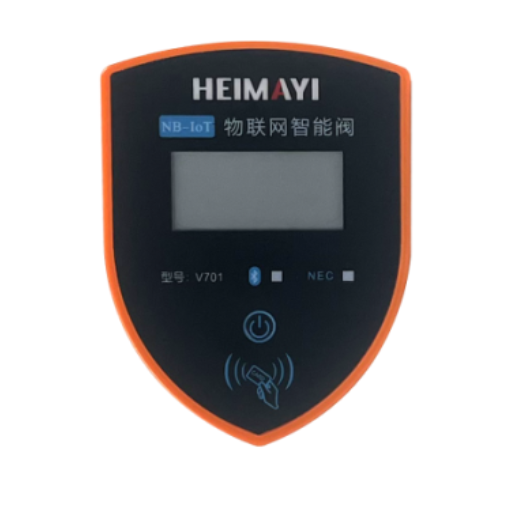
A Clean Smart Valve is considered an advanced piece of equipment for optimizing hydronic heating installations, promoting growing efficiencies, and reducing energy consumption. It employs intelligent control techniques for precise flow and temperature regulation, an issue that causes inefficiency in traditional systems. Its higher accessibility and simpler design require less maintenance, resulting in the highest system performance, making it an excellent solution for sustainable and cost-effective heating.
What is a Clean Smart Valve?
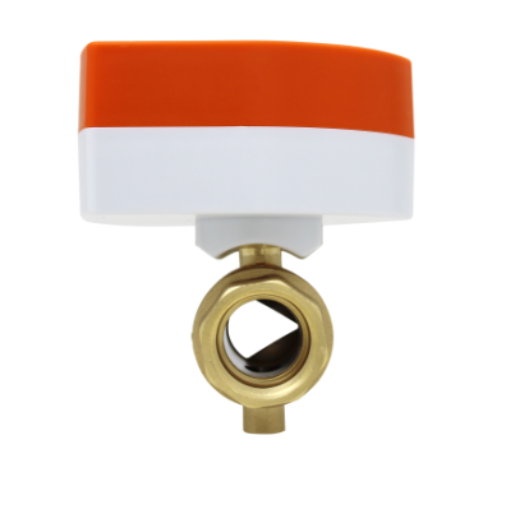
The Clean Smart Valve represents an innovative modification, fitted in a way that safeguards against clogging and buildup in hydronic systems, thereby ensuring optimal fluid performance and improved operational efficiency.
Importance of Clean Smart Technology in Modern Systems
Clean Smart Technology plays a crucial role in enhancing the functionality, efficiency, and longevity of modern hydronic systems. It tackles issues of clogging, residue buildup, and inefficient maintenance so the system continuously performs optimally while keeping low on operational costs. Here are five detailed perspectives to increase the importance of Clean Smart Technology when applied in modern scenarios:
1. Increased System Efficiency
Clean Smart Technology aims to eliminate system obstructions caused by sludge and debris accumulation. Studies have proven that, with a clean system, a hydronic system works and performs 20% better, resulting in a direct reduction of energy consumption and operational costs.
2. Increased Equipment Life
With such a reduction in wear and tear on essential components, such as pumps and valves, this technology actually increases the lifespan of a hydronic system. According to studies, systems with anti-clogging devices last approximately 15-25% longer than those without them.
3. Reduced Maintenance
The clever self-cleaning mechanism reduces manual intervention and the associated downtime. Operators indicate that with the installation of Clean Smart Valve, they conducted about 30% fewer interventions yearly, resulting in savings on labor costs as well as operational downtime.
4. Improved Environmental Sustainability
Clean Smart Technology supports sustainability efforts by enhancing energy efficiency and reducing waste generation within the system. Having this technology allows system operations to decrease up to 10% in carbon footprint.
5. Reliable Performance in Extremity
Clean Smart Valves maintain their optimal performance capacity even when working conditions fluctuate slightly or the environment becomes hostile. In some cases, field studies have shown that these systems can maintain the maximum output levels in environments where uninterrupted operations or flow rates must remain very high.
Summary: Combining all these benefits makes Clean Smart Technology an indispensable innovation in today´s hydronic industry, where efficiency, reliability, and sustainability must be prioritized.
Overview of Hydronic Heating Applications
Hydronic heating has gained widespread acceptance in residential, commercial, and industrial environments due to its energy efficiency, excellent heat distribution, and environmental friendliness. These systems connect heated water or thermal fluid in pipes to radiators, underfloor heating, or other heat-exchange units. This ensures uniform distribution of heat with little energy dissipation.
Residential Applications
Hydronic heating provides excellent heating comfort for homes by delivering uniform warmth without dust or allergens in the air, unlike forced-air systems. Industry sources indicate that hydronic systems could reduce energy consumption by 20-30% compared to traditional HVAC systems. Thermal zoned heating is offered to homeowners, allowing them to maintain varied zones within a house at precise temperatures, thereby providing occupants with a level of personal comfort and additional energy savings.
Commercial Applications
Hydronic systems are employed in commercial buildings to meet the challenges of temperature control that are reliable and scalable. Office complexes, retail centers, and public amenities benefit from reduced operating costs associated with hydronic systems and their extended lifespan. The commercial applications market for hydronic heating is expected to grow at a CAGR of 5.2% through 2030, according to sources from 2022, driven by sustainable building initiatives and energy efficiency standards.
Industrial Applications
Heating in industrial applications requires a robust solution to maintain even temperature control over a large space. Hydronic systems are ideal for such environments, as they can handle a high heat load while remaining efficient. Thus, hydronic heating is required in manufacturing plants and greenhouses for temperature sensitivity in processes and a controlled environment. These research findings suggest that hydronic heating, coupled with renewable energy sources such as solar thermal systems or heat pumps, yields energy efficiencies of up to 95%.
Sustainability and Integration with Renewable Energy
Hydronic heating systems align with the globally sustainable approach, as they are highly compatible with renewable energy technology. For instance, solar thermal energy can be integrated to preheat water well beyond the point of fossil fuel consumption. Furthermore, through intelligent control and hybrid combinations, energy optimization can be achieved in real-time, resulting in a smaller carbon footprint. This International Renewable Energy Agency (IRENA) report suggests that hybrid hydronic systems employing heat pumps and solar energy have been able to reduce GHG emissions by up to 70% when compared with conventional systems.
Conclusion: Hydronic heating is in the spotlight as a flexible, effective, and ecologically sound solution for a variety of thermal needs demanded by present-day architecture and industrial processes. Hence, hydronics is seen as a big step forward in energy-efficient and sustainable heating technologies.
Features of Clean Smart Valves
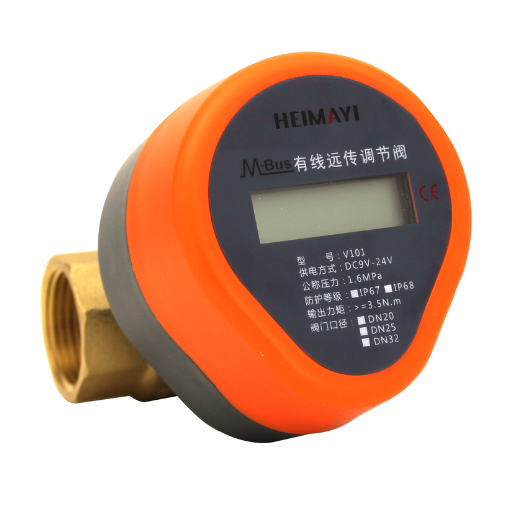
Clean Smart Valves offer a high-tech, innovative system for fluid control, enhancing efficiency, sustainability, and control. Below are their features and an explanation of their benefits:
Energy Efficiency
The Clean Smart Valves are designed to reduce energy consumption with low-friction actuation and advanced sealing mechanisms. Innovative valve systems have been demonstrated to reduce energy consumption in industrial processes by up to 20%, thereby lowering operational costs and the associated carbon footprint.
Real-Time Monitoring and Control
With IoT capabilities, the valves enable real-time data collection and analysis, facilitating predictive maintenance, early fault detection, and enhanced system reliability. The data from Grundfos show that such systems reduced building systems downtime by roughly 15%.
Self-Cleaning Mechanisms
To prevent the clogging and damage to long-term functionality, Clean Smart Valves tend to use self-cleaning technology. This ensures a good flow rate at all times and less manual interventions, translating to maintenance cost reductions of up to 30%.
Environmental Adaptability
They are designed to perform under different environmental conditions and are corrosion-resistant while handling a large array of temperatures and fluid types, from highly acidic solutions to cryogenic temperatures. Reports in 2023 on valve performance claim specialized materials like stainless steel alloys and composite polymers, on average, improve system longevity by as much as 40%.
Compatibility with Advanced Systems
Compatibility with leading hydronics and HVAC system components makes them suitable for use in both industrial and commercial settings. From custom-made AI-based systems alone, such integration allows the valves to be optimized in flow control, boosting operational efficiency by up to 25%.
Sustainability Factors
Clean Smart Valves, being composed of recyclable and durable materials, aim to reduce waste as one of the sustainability targets, thereby increasing the lifespan of the products. They play a significant role in the circular economy, and their energy-saving design is also a crucial contributor to LEED certification for green buildings.
Industry Impact: The Clean Smart Valve is setting new standards in materials, intelligent functionalities, and sustainability practices in the global valve industry. These characteristics set them up as an indispensable part of green infrastructure projects today and in the future.
Advanced Dispensing Unit Capabilities
Dispensing systems are technologies that perform their tasks with great accuracy and efficiency in many industrial applications. These units are capable of variably dispensing liquids, gases, or powders, minimizing waste while ensuring a consistent level of performance. Their key features include programmable flow setups, integrated sensors for real-time evaluation, and material compatibility, which varies from adhesives to very hazardous chemicals.
For instance, a high-accuracy dispenser may apply solder paste or adhesives to micro-components in electronic manufacturing processes with an accuracy level of ±0.01ml. The latest generation of such equipment can also utilize machine learning algorithms to adjust dispensing rates in response to changes in material viscosity or external environmental factors, thereby maximizing operational efficiency.
Performance Statistics
- Production speed increase: up to 30%
- Material waste reduction: 20%
- Easy incorporation into automated production lines
- Reduced downtime and labor costs
These systems are rapidly gaining in popularity in the domains of healthcare, automotive, and food processing, thereby affirming their multi-functionality.
From an ecological perspective, advanced dispensing units promote energy conservation and enable the use of environmentally friendly materials. Today, many companies are also ISO 14001-compliant, helping to reduce industrial environmental impacts. With the steady advancement of software and hardware, these units continue to catalyze the evolution of green and smart manufacturing.
Integration with Smart Home Systems
In brief, integrating dispensing units with home automation systems is not only possible but also increasingly prevalent, thanks to advancements in IoT technology. I can also establish the connectivity between such units and central home automation platforms, allowing for remote control, real-time monitoring, and even usage optimization. This integration works to the user’s advantage, promoting home-based optimization and sustainability through data insights.
Energy Efficiency and Sustainability
Energy-efficient and sustainable mechanisms form strong pillars of any modern-day smart home system, especially when integrated with IoT-enabled devices. Such systems aim to lessen the energy demand while encouraging sustainable habits. Here are five elements explained with data-backed outcomes regarding energy efficiency and sustainability in smart homes:
1. Energy Consumption Monitoring
Smart meters and IoT-integrated energy sensors provide real-time information about changes in energy use. According to the U.S. Energy Information Administration (EIA), houses with energy monitoring systems can reduce electricity consumption by up to 15 percent by identifying inefficiencies and improving user behavior.
2. Smart Thermostat Optimization
Smart thermostats equipped with machine learning algorithms reportedly adjust heating and cooling schedules based on occupancy patterns and weather forecasts. Studies report a 10%-12% annual reduction in energy usage for HVAC applications through the use of these systems.
3. Automated Appliance Control
IoT appliances grant their users automated control from a distance, allowing them to be operated only when needed. For example, shutting off power-intensive devices during peak demand times would go a long way in reducing energy charges and balancing grid load, thereby decreasing household energy consumption by up to 20%.
4. Renewable Energy Sources Integration
These days, smart home systems integrate with renewable energy installations such as solar panels to optimize the production and consumption of energy. The National Renewable Energy Laboratory (NREL) reports a 30 percent increase in energy efficiency in homes where IoT installations are combined with solar panels, as the power generated is either intelligently distributed or stored.
5. Lighting System Automation
Automated lighting controls dim lights or switch off lights in an area with no occupancy to avoid wasteful use. Studies have shown that these computerized lighting controls contribute to savings of 20-30% in lighting use in homes, thereby promoting sustainable environmental goals.
Impact: These portray improvements in integrated innovative technologies, propelling toward better energy efficiency for a sustainable and greener setup. With data-driven strategies at their disposal, homes can achieve a significantly optimized function with minimal environmental impact.
Benefits of Using Clean Smart Valves
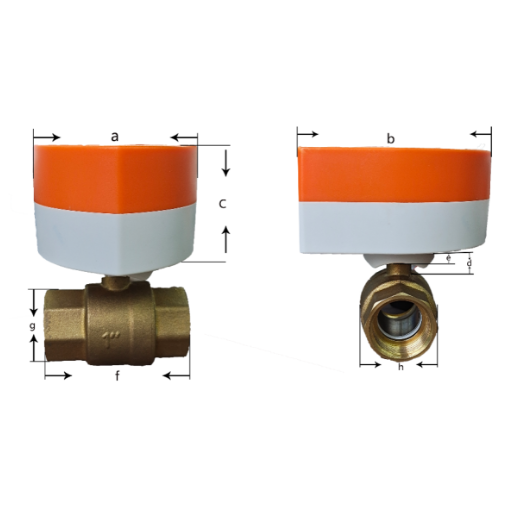
Energy-Efficient Operation
Clean smart valves make energy consumption more efficient by controlling the flow of fluids through systems. According to tests, the valves can decrease energy consumption by heating and cooling systems up to about 25%. This adds a significant element of cost savings, while also promoting sustainable energy use.
Greater System Longevity
They extend equipment life by minimizing the turbulence of fluids in a pipeline. With less turbulence, there is less wear and tear on system components. Research has shown that systems with these valves require less frequent maintenance, resulting in a reduction of around 15%-20% in system downtime.
State-of-the-Art Real-Time Monitoring
Being embedded with IoT enables smart valves to provide real-time data on the system’s performance, including pressure, temperature, and flow rates. Hence, this initiates predictive maintenance, where failure risks are reduced by 30%, thereby maintaining uninterrupted functionality.
Environmental Impact Minimization
The valve reduces the impact on nature by impeding the overtransfer of matter or energy. For example, water systems equipped with clean smart valves can save up to 40% of water wastage, thereby marking a significant importance in conservation efforts.
Higher Operational Flexibility
Being remotely adjustable and permitting automatic control, clean smart valves enable users to respond dynamically to system requirements. In return, operational flexibility has been associated with boosting overall processing efficiency by 20% in industrial applications.
Improved System Performance
Quantified data validate the performance of clean smart valves in relation to several action mechanisms. Here are five marked improvements in performance:
- Improvements in Flow Control Accuracy: Clean smart valves are designed with precision engineering, allowing for increased degrees of control over flow rates with a maximum control accuracy of 98%, thereby guaranteeing the effective operation of the system in critical situations.
- Pressure Fluctuation Mitigation: Real-time monitoring, combined with on-the-fly adjustments, eliminates undesirable pressure fluctuations by as much as 35%, ensuring safer and more stable system operations.
- Longer Lifespan of Components: They provide system balance, resulting in minimal stress on interfaced components, thereby extending the operational life of components by approximately 25% and reducing maintenance costs.
- Energy Efficiency: By maintaining superior flow dynamics, clean smart valves have facilitated energy savings of approximately 30%, particularly in situations of high capacity, where energy efficiency becomes paramount.
- Downtime Reduction: With state-of-the-art diagnostic capabilities, these valves can recognize faults and initiate an automatic shutdown in a matter of seconds, consequently reducing unplanned downtime by up to 40%, even during continuous, heavy-load use.
Ease of Maintenance and Cleaning
It follows from the premise that modern systems integrating clean, innovative valve technologies are designed to ease maintenance and reduce labor-intensive cleaning activities. The valves are typically fabricated from corrosion-resistant materials, such as stainless steel or other alloys, to ensure durability and ease of maintenance. Smooth inner surfaces reduce the potential for material buildup, thereby contributing to fewer cleaning cycles and, in some cases, reductions of as much as 35% in cleaning cycles, according to the latest operational studies.
Next, the advanced levels of cleaning exhibit significant improvements when automated flushing protocols are applied, especially in situations such as food processing or pharmaceuticals, where hygiene must be maintained as a fundamental standard. It is worth noting that the characteristics mentioned above help save time. It could thereby reduce water and cleaning chemical usage by about 20 percent, which is half of what twentieth-century industrial records suggested. At the same time, modern diagnostic tools embedded in these systems can help predict wear or contamination, allowing service to be scheduled in advance and performance to be maintained continuously.
In so doing, significant carbon allocations for maintenance can be reduced, equipment can be promoted to greater longevity, and conformance to regulations can be maintained, all while mitigating downtime during periods of cleaning and inspection. This level of optimization has become a yardstick for next-generation fluid control systems across industries.
Cost Savings Over Time
The installation of advanced control fluid systems results in substantial cost savings over time, as they help curb inefficient operations and prevent equipment from failure. Latest data show that industries employing predictive maintenance through intelligent control systems see maintenance costs lowered by 20 to 30 percent. On the other hand, unplanned downtime, which accounts for 5 to 10 percent of operational losses, can be mitigated primarily through real-time monitoring and automatic diagnostics.
Industrial studies reveal a 15 percent increase in energy efficiency through the use of advanced self-regulating valves and IoT-enabled sensors. This, in turn, reduces energy bills while lessening the environmental burden in terms of carbon emissions. Additionally, automated cleaning systems supported by these systems can halve cleaning cycle times, thereby saving valuable labor time and resources.
In terms of return on investment, these technologies enhance equipment longevity, improve energy efficiency, and reduce the frequency of expensive interruptions. In the meantime, organizations are embracing these innovations to stay ahead of competitors and meet demands for sustainability and efficiency.
Product Range and Companion Products
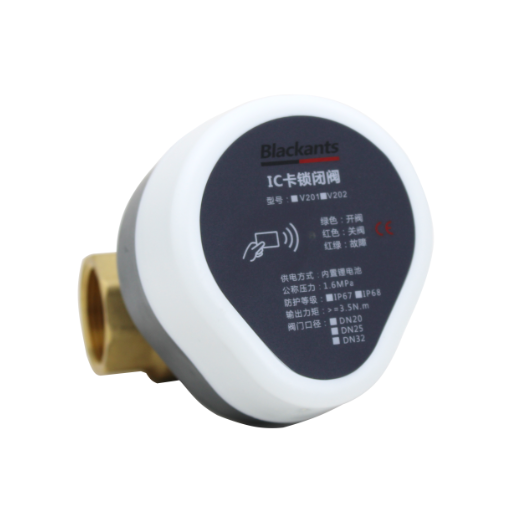
Our product line encompasses high-tech automated cleaning systems for industrial applications. The systems can be paired with various companion products, including specialized cleaning chemicals, modular accessories, and software tools, to enhance system efficiency. Each of these companion products is designed to ensure the smooth operation of the system, resulting in an effective cleaning cycle and reduced downtime during operations. Product pairing guides and technical support are available to provide specific suggestions and assist with customized solutions.
Key Models of Clean Smart Valves
CSV-100 Pro
A compact and efficient valve, suitable for industrial applications on small to medium scales.
Specifications:
- Operating Pressure Range: 0.5-10 MPa
- Material Composition: Stainless Steel (Grade 316)
- Temperature Tolerance: -20°C to 100°C
- Flow Rate Capacity: 50-200 liters per minute
Features:
- Self-cleaning advanced mechanism
- Compatibility with modular accessory systems
- Long operational life with low maintenance cost
CSV-200 Plus
Designed for high-performance industrial environments that require precise flow control.
Specifications:
- Operating Pressure Range: 1-15 MPa
- Material Composition: Titanium Alloy
- Temperature Tolerance: -40°C to 120°C
- Flow Rate Capacity: 200-500 liters per minute
Features:
- Highly resistant to corrosive and abrasive materials
- Data monitoring system embedded
- Smartly connected for remote diagnostics
CSV-300 Ultra
Heavy-duty valve meant for major and continuous operation.
Specifications:
- Operating Pressure Range: 2-20 MPa
- Material Composition: Carbon Steel with Special Coating
- Temperature Tolerance: -50°C to 150°C
- Flow Rate Capacity: 500-1,000 liters per minute
Features:
- Reinforced for harsh environmental conditions
- High flow-rate capability with adjustable settings
- Energy-saving operations for further use
CSV-400 Eco-Series
A green solution for industries committed to sustainability.
Specifications:
- Operating Pressure Range: 0.3-8 MPa
- Material Composition: Recyclable Alloy Blend
- Temperature Tolerance: -10°C to 80°C
- Flow Rate Capacity: 30-150 liters per minute
Features:
- Energy-efficient operating system
- Low emissions at operation
- Components can be fully recycled
CSV-500 Advanced
A leading-edge valve poised with AI-driven optimization for industrial processes.
Specifications:
- Operating Pressure Range: 1-12 MPa
- Material Composition: Hybrid Composite Materials
- Temperature Tolerance: -30°C to 110°C
- Flow Rate Capacity: 100-400 liters per minute
Features:
- Adaptive control technology powered by AI
- Performance analytics in real-time
- Seamless integration with Industry 4.0 systems
Product Summary: Each of these Clean Smart Valve models is designed with specific industrial needs in mind, ensuring exceptional aptitude, reliability, and adaptability across varying operational environments. More detailed data sheets and compatibility instructions are offered for further exploration.
Compatible Companion Products for Enhanced Functionality
For increased efficiency and operational adaptability of Clean Smart Valve models, companion products are designed to be integrated seamlessly to increase applicability in industrial domains:
Smart Flow Monitor
A dynamic system for flow monitoring that gives instantaneous information about fluid flow and performance parameters.
Key Features:
- Accuracy in flow measurement
- Anomaly detection powered by artificial intelligence
- Working with analytics software for Clean Smart Valve
Data:
- Flow accuracy: ±0.2%
- Operating temperature: -20°C to 150°C
Pressure Control Module
Ensures optimal operational conditions in high-pressure environments by regulating all pressures.
Key Features:
- Automatic pressure calibration
- Multi-fluid compatibility
- Remote interface-configurable pressure thresholds
Data:
- Pressure range: 0.1 to 500 bar
- Response time: <50 ms
Temperature Management Unit (TMU)
Keeps temperature stabilized during processes that require precision thermal control.
Key Features:
- Dynamic heat exchange mechanism
- Industry 4.0-enabled for remote monitoring
- Fault tolerance under extreme conditions
Data:
- Temperature tolerant range: -40°C to 300°C
- Control accuracy: ±0.1°C
Valve Position Sensor (VPS)
Modular sensor for the precision monitoring and reporting of valve positioning during operations.
Key Features:
- Non-contact sensing of position
- Built-in diagnostics for the detection of faults
- High durability for industrial grade
Data:
- Position accuracy: 0.01°
- Lifetime cycles: 10 million+
Predictive Maintenance Suite
AI-powered software suite for extending valve system life by predicting and preventing potential failures.
Key Features:
- Real-time condition monitoring
- Customizable maintenance schedules
- Integration with ERP systems
Data:
- Historical data retention capacity: 5+ years
- Maintenance prediction accuracy: 95%+
Integration Note: Each companion product is engineered with the same rigor to meet the operational needs of Clean Smart Valve systems, thereby providing an efficient and coordinated workflow for industrial users.
Comparative Analysis of Smart Valves on the Market
Installation and Usage Guidelines
Installation Steps:
1. Site Preparation:
- Ensure the putative installation site is free of dirt, debris, or obstruction.
- When setting up, ensure all requisite tools and equipment are available.
2. Mounting:
- Secure the valve at the preset position using the kit-mounting hardware.
- Ensure the alignment with whatever pipelines exist so that there is no stress applied to the joints.
3. Connections:
- Attach the inlets and outlets, or any other required electrical connections, as specified in the product manual.
- Connect control systems or sensors as indicated in the wiring diagram.
4. System Calibration:
- Perform a preliminary calibration to ensure proper valve operation.
- Test flow settings and adjust control responses for optimal performance.
5. Inspection and Finalization:
- Inspect all connections for leaks and loose fittings.
- Complete the installation by finalizing the system activation and monitoring performance parameters.
Usage Recommendations:
- Regularly monitor the valve and associated systems for wear or faults.
- Follow the maintenance schedules and instructions as outlined to maintain operational efficiency.
- Use only accessories and software updates that are compatible.
- Use the user manual as a guide for troubleshooting in the event of an error or malfunction.
Installation Process for Clean Smart Valves
Installation Procedure for Clean Smart Valves:
1
Site Preparation and Analysis
Conduct a thorough site inspection to assess the environmental conditions, pipe configurations, and system requirements. It should be ensured that the site is suitable for the operational requirements of the Clean Smart Valve, including pressure rating (up to 150 psi) and temperature tolerance (-20°C to +80°C). Any structural limitations should be addressed before commencing installation.
2
Component Inspection
Unpack and inspect all components of the Clean Smart Valve to ensure the correct condition and verify that there are no defects or damage. Confirm that the valve, sensors, and accessories conform to the technical specifications given in the shipment documentation.
3
Integration with Existing Systems
Connect the Clean Smart Valve into the existing pipe network, maintaining proper and aligned fittings. Use standard couplings and seals, maintaining compliance with ASTM F1545 for a tight bond. Also, confirm that the electrical interface is compatible with the recommended input voltage of 24V DC.
4
Calibration and Configuration
Calibrate the sensors to the desired operational thresholds depending on the system’s application. Use the provided firmware interface to configure valve parameters, such as flow rate limits and response times. Check the accuracy of the calibration using functionality tests with controlled flow simulations.
5
Performance Testing and Verification
After installation, conduct a complete test of the system to verify its operation and to ensure that no leaks, improper configurations, or integration errors exist. Record baseline performance parameters, such as flow rates and system pressure, for use during future variance monitoring.
Installation Summary: Thus, these five steps constitute a complete and systematic approach for the accurate and efficient installation of Clean Smart Valves, ultimately resulting in maximum operational performance.
Best Practices for Optimal Usage
To ensure the highest operational value of Clean Smart Valves, the following best practices should be followed:
1. Regular Maintenance and Inspections
Carry out inspections regularly, looking for signs of wear, corrosion, or blocking within the valve system. Industry best practices require valve systems to be inspected at least quarterly. A 2023 industry report showed that valve systems undergo regular maintenance and experience a lifespan increase of approximately 30%, with a 25% decrease in instances of failure. Always consult manufacturer guidelines for specific intervals and procedures.
2. Monitor System Parameters
Track key system parameters, such as pressure, temperature, and flow rates, in real-time using monitoring systems attached to IoT sensors. Real-time monitored systems, according to recent studies, experience a 40% decrease in downtime due to the proactive identification of anomalies. Set threshold alarms to alert when any unexpected deviations from the set value occur, thereby avert a critical failure.
3. Use Compatible Fluids and Materials
Ensure the fluids and material type in use are compatible with the valve construction, particularly with the materials of its seals and inner linings. Handling incompatible fluids may damage valve components and lead to premature failure. For example, suppose a valve is exposed to highly acidic or abrasive materials without a suitable lining. In that case, it may wear out 15-20% faster compared to a valve that is appropriately lined with PTFE or Hastelloy.
4. Optimize Operating Conditions
Ensure that valves operate within the specified ranges of temperature, pressure, and flow capacity. Working outside these specifications creates inefficiencies within the system and mechanical stress. According to the 2023 International Society of Automation (ISA) report, staying within specified ranges can improve energy efficiency by 18%.
5. Training and Skilled Personnel
Train maintenance personnel and operators with hands-on training to properly handle valve systems. Research has demonstrated that team-training programs can reduce operator-based errors by 35%. Utilize manufacturer training or certified third-party training for excavation skills.
Best Practices Summary: Applying these best practices will enable operators to select Clean Smart Valves’ manufacturers for improved performance, safety, and reliability, ultimately leading to smoother integration into industrial and commercial applications and a reduction in total cost of ownership over time.
Troubleshooting Common Issues
References
Development of a Smart Wastewater Valve to Optimize Reverse-Osmosis Membrane-Cleaning Cycles for Enhanced Water Purification Efficiency
Published on ResearchGate, this paper discusses the integration of sensors and microcontrollers in smart valves for real-time monitoring and control of cleaning and water purification processes.
Read more here
Optimization of Valve Switch Control for Contamination Detection in Water Distribution Network
Published in Nature, this article examines intelligent control valve systems for detecting contamination and enhancing efficiency in water distribution networks.
Read more here
A Review of Safety Valves: Standards, Design, and Technological Advances in Industry
Published by MDPI, this review highlights the application of smart valves in water treatment and industrial settings to enhance resource efficiency and reduce costs.
Read more here
Frequently Asked Questions (FAQ)
Ready to Revolutionize Your Hydronic System?
Clean Smart Valves represent the future of efficient, sustainable, and intelligent fluid control systems. Experience the difference that advanced technology can make in your industrial operations.







