Industrial Pressure Transmitter Applications: Process Control Guide
Introduction to Pressure Transmitters

Pressure transmitters are among the most reliable devices for measuring the pressure of gases and liquids and, accordingly, generating an electric signal. They are also essential for monitoring and controlling industrial processes, as they provide accurate readings in areas where pressure is critical to maintaining the system’s efficiency, safety, and reliability. Such devices are widely used in various industries, including oil and gas, manufacturing, and water treatment. Due to their high precision, pressure transmitters not only facilitate maintaining optimal operating conditions but also ease compliance with the relevant industry standards.
Definition and Importance
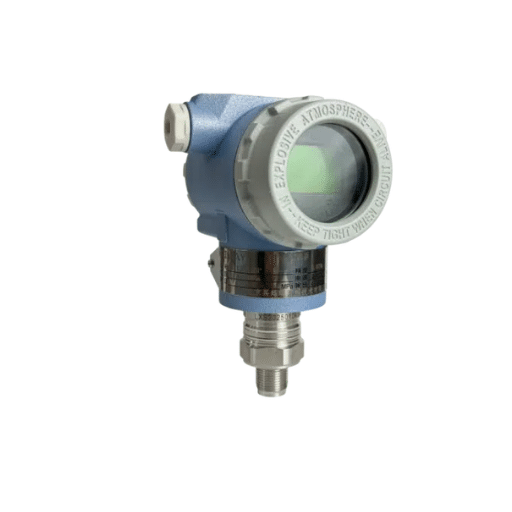
Pressure transmitters are electronic devices that transform pressure into an electrical signal. This signal can be easily measured, analyzed, and used to control the process. Such devices are used across various industries because they can monitor and control pressure with high accuracy. The importance of pressure transmitters is evident in efficient operations, equipment protection, and safety.
Market Overview: Based on the latest research, the global market value of pressure transmitters was around $2.7 billion in 2022 and is projected to grow at a CAGR of 4.8% from 2023 to 2030. The driving force behind this growth is the increasing demand for automation in the oil and gas, water treatment, chemicals, and power generation industries.
For instance, in the oil and gas industry, pressure transmitters are an integral part of monitoring the drilling and pipeline systems that are both risk and productivity-optimized. Moreover, the integration of wireless and innovative sensor technologies into pressure transmitter units is one of the factors that has shaped their application areas and improved functionality. Innovations like this enable real-time monitoring and efficient data management, providing the industry with insights that can be acted on to enhance the performance of the entire operation.
The system’s reliability relies on these devices, but they are also the main reason for the regulatory compliance achieved. Many industries rely on pressure transmitters to avoid fines and the dangers of system failures caused by non-compliance with strict environmental and safety standards. Consequently, the role of pressure transmitters in the industrial sector is maintained.
How Pressure Transmitters Work
Pressure transmitters are devices that convert pressure readings into electric signals that control systems can comprehend. Typically, they include three main parts: a pressure sensor, a transmitter, and a connector to the system under observation. Initially, the sensor captures the pressure of the liquid, gas, or vapor and creates an analog signal. After that, the transmitter boosts the signal and converts it to a uniform electrical signal, commonly 4-20 mA, or to a digital output using HART, PROFIBUS, or Modbus protocols, which are among the most popular.
Sensing Technologies
Instruments that measure pressure rely on different sensing technologies, such as piezoelectric, capacitive, or strain gauge-based sensors for their precise and dependable functioning. To illustrate, piezoelectric sensors are used for dynamic pressure measurements, while capacitive sensors are preferred for low-pressure measurements requiring high sensitivity. A recent report states that the latest pressure transmitters can achieve an accuracy of ±0.04%, making monitoring very precise —crucial for the Oil & Gas, Chemical, and Water Treatment industries.
Advanced Features
Moreover, many state-of-the-art pressure transmitters now feature built-in temperature compensation, enabling them to perform even in environments with fluctuating temperatures. Diagnostic features are now commonly included to warn operators of potential calibration drifts or failures in the system. Some models also feature wireless technologies that enable remote monitoring and predictive maintenance, leading to less downtime and lower operational costs.
Market Growth: The latest figures indicate that the world’s pressure transmitter market will experience substantial growth, with an annual growth rate (CAGR) of around 4.5% from 2023 to 2028. The expanding demand for automation and the need for the safest, most efficient industrial processes are among the main factors driving growth in the pressure transmitter market.
By integrating solid structures, cutting-edge electronics, and flexible technologies, pressure transmitters continue to evolve while remaining the most accurate and reliable in the world’s automated systems.
Role in Process Control Systems
Pressure transmitters are indeed a kingpin in the process control systems of a variety of industries by elevating precision, safety, and efficiency to the highest levels. The accurate pressure readings they measure and transmit to other systems keep the system intact and thereby optimize operations. Here are the five primary roles and functions of pressure transmitters in process control systems:
- Real-Time Pressure Monitoring
The pressure transmitters provide a continuous check of the pressure inside the system, allowing operators to see what is happening in real time and react quickly to any irregularities. - Safety Assurance
The pressure transmitters will not fail to detect pressure deviations if they exceed the allowable limits, thereby preventing the system from failing or causing a dangerous situation and protecting people and equipment. - Process Optimization
Good pressure measurements lead to high process efficiency, as they work like angels, ensuring operations run under the best conditions with no waste or energy consumption. - Regulatory Compliance
The pressure transmitters are always ready to help their users meet the strictest compliance standards, as they provide reliable data for audits, reporting, and certification across industries such as oil and gas, chemical production, and pharmaceuticals. - Integration with Automation Systems
The present-day pressure transmitters work smoothly with the most modern automation and control systems, enabling enhanced operational control through centralized monitoring, predictive maintenance, and so on.
All these roles reaffirm the critical role of pressure transmitters in advancing process control and operational excellence.
Types of Industrial Pressure Transmitters

There are several types of industrial pressure transmitters, each with its own application and measurement conditions. Below are the five most common types of pressure transmitters, with an explanation of each:
Gauge Pressure Transmitters
A transmitter of this kind measures pressure compared to the atmosphere. They are mostly used in applications where process pressure is to be compared with the surrounding environment, e.g., in tanks, pipes, and pumps.
Absolute Pressure Transmitters
Absolute pressure transmitters measure pressure relative to a perfect vacuum. They are meant for those applications that need very accurate and precise measurements, irrespective of the changes in atmospheric pressure, such as in vacuum systems and altimeters.
Differential Pressure Transmitters
Two pressure points are measured in a single process with this type of pressure transmitter. They can be found in several applications, such as flow measurement, level detection, and filter monitoring, and they supply critical data that helps to optimize the process.
Multivariable Pressure Transmitters
With multivariable transmitters, you have the possibility to do pressure, temperature, and flow measurement at the same time. They are meant for complex processes where the data is the key to operational efficiency and performance.
Sealed Gauge Pressure Transmitters
These transmitters measure pressure relative to a sealed reference point rather than atmospheric pressure. They are used in harsh environments, such as subsea operations, to ensure reliability and accuracy over the long term.
All these different types of pressure transmitters are tailor-made to solve the particular challenges of the industrial environment, which shows their importance in system performance and safety.
Absolute Pressure Transmitters
Absolute pressure transmitters determine the pressure with respect to a complete vacuum and thereby give precise and reliable measurements that are not influenced by changes in atmospheric pressure. The use of these transmitters is widespread in applications requiring a very high degree of pressure measurement accuracy, for instance, in vacuum systems, aerospace, and some industrial processes. They are used in very delicate conditions where even a slight atmospheric change can cause a significant measurement error. Here you can find out about five absolute pressure transmitters most widely used:
| Model | Accuracy | Pressure Range | Key Features |
|---|---|---|---|
| Rosemount 3051S | ±0.025% | Up to 4,500 psi | Rugged construction with sophisticated diagnostics for long-lasting accuracy |
| ABB 266AST | ±0.06% | Up to 15,000 psi | Highest stability and best performance under difficult conditions |
| Yokogawa EJA530A | ±0.055% | 0.3 to 500 kPa | Compact size with digital communication capabilities |
| Honeywell ST800 | ±0.0375% | Up to 3,000 psi | Modular design with remarkable accuracy and reliability |
| Siemens SITRANS P320/420 | ±0.075% | Up to 10,000 psi | User-friendly interface with strong construction |
The above absolute pressure transmitters are critical in industrial processes where precision measurements are needed to ensure health and safety, maintain efficiency, and optimize the performance of the entire system.
Gauge Pressure Transmitters
Gauge pressure transmitters are commonly used in various industries to measure the pressure of gases or liquids relative to atmospheric pressure. Their application guarantees precision and dependability in the management and monitoring of system performance across different sectors. Let’s have a look at some of the top gauge pressure transmitters, their characteristics, and specifications:
ABB 266GST Gauge Pressure Transmitter
- Accuracy: ±0.04%
- Pressure Range: Up to 14,500 psi
- Key Features:
- Improved reliability through advanced diagnostics
- Handles very demanding applications
- Remote seal option for harsh environments
Yokogawa EJA530E Gauge Pressure Transmitter
- Accuracy: ±0.055%
- Pressure Range: -14.5 psi to 10,153 psi
- Key Features:
- Fast response for dynamic process areas
- Compact and robust design for improved durability
- Low maintenance requirements for long-term stability
Siemens SITRANS P220 Gauge Pressure Transmitter
- Accuracy: ±0.06%
- Pressure Range: Up to 6,500 psi
- Key Features:
- User-friendly design for quick setup and easy operation
- Cost-effective lightweight solution for standard industrial applications
- Withstands vibration and extreme temperatures
Honeywell Smartline STG800 Gauge Pressure Transmitter
- Accuracy: ±0.0375%
- Pressure Range: Up to 6,000 psi
- Key Features:
- Modular design with customization options
- High resistance to EMI (electromagnetic interference)
- Intuitive configuration and advanced digital communication capabilities
With their ability to seamlessly integrate into existing industrial processes and their precise, consistent readings, gauge pressure transmitters are indispensable tools for maintaining operational safety and efficiency in the oil and gas, chemical manufacturing, water treatment, and HVAC sectors.
Differential Pressure Transmitters
Differential pressure transmitters are sophisticated sensors that measure the pressure difference between two places in a system. They are widely used in oil and gas, chemical processing, water treatment, and HVAC systems, enabling complete process control and system monitoring.
The working principle of these transmitters is based on a diaphragm that has two sides exposed to different pressures. A pressure difference causes the diaphragm to bend, which, in turn, generates an electrical signal proportional to the pressure difference. New-generation differential pressure transmitters feature high accuracy, improved stability, and robust construction, making them dependable even in the roughest conditions.
Key Features and Advantages
- High Accuracy: The majority of differential pressure transmitters guarantee ±0.04% of the span as the accuracy level, which is ideal for critical processes that measure the golden standard.
- Wide Pressure Range: They have a wide range of applications, from low to very high pressure —from a few inches of water column to thousands of psi —suiting a variety of industrial applications.
- Temperature Compensation: Top models include temperature compensation, helping maintain system accuracy even in varying temperature conditions.
- Digital Communication: Using standard protocols such as HART, Modbus, and PROFIBUS, these transmitters enable remote management and integration without hassle.
- Durable Design: Their ability to tolerate harsh chemical environments and extreme operating conditions has been a key factor in their eventual reliability and long service life.
Applications
Flow Measurement
Differential pressure transmitters are often used to measure flow by measuring the pressure drop across primary flow elements, such as orifice plates, Venturi tubes, and flow nozzles. They accurately calculate volumetric or mass flow rates from precise pressure-drop measurements across these elements.
Level Measurement
They are used for liquid level measurement in closed or pressurized tanks. The pressure difference between the bottom of the tank and the reference point is measured to accurately determine the liquid level.
Filter Monitoring
Differential pressure transmitters can effectively monitor the pressure drops across both coarse and fine filters in HVAC or industrial systems, showing the point when a filter needs maintenance or replacement, thus helping the system to operate efficiently by providing a clear indication of the time when a filter is to be changed, or else its efficiency will be reduced.
Recent Technological Innovations
Latest Technology (2023): Manufacturers are targeting the incorporation of wireless technology in differential pressure transmitters. Thus, it is easily deployable in distant areas and capable of live monitoring of system condition. Besides, AI algorithms are sometimes utilized in advance to predict system faults; for this reason, maintenance and repair time and costs are both reduced.
Differential pressure transmitters still are must-have gadgets for any process, and they are also getting technologically updated along with the trend, meeting modern world’s industrial needs smartly and efficiently.
Key Applications in Various Industries

Differential pressure transmitters are used in various industries and their functions are significant in making the process more accurate and efficient. The following five key applications provide an insight into their functionality:
Oil and Gas Industry
Differential pressure transmitters are instrumental in monitoring and controlling various aspects of drilling operations, leak detection, and pipeline flow measurement. For example, by accurately measuring flow rates, the best recovery rates can be achieved while keeping energy waste to a minimum.
In the oil and gas industry, differential pressure transmitters are key devices used to maintain safety and productivity and to meet regulatory requirements. They are the primary devices for monitoring fluid levels, flow rates, and pressure differentials in pipelines, storage tanks, and processing units.
Performance Impact: Measurement of pressure drops across drilling equipment is one of the main upstream applications that confirms the equipment is performing at its best while avoiding failure. The latest studies show that the use of these high-end transmitters has reduced system downtime by up to 30%, indicating improved productivity and lower costs.
Moreover, differential pressure transmitters are indispensable in the oil refining sector, as they help improve the entire refining process. Monitoring pressure and flow in distillation columns, for instance, has been reported to increase fuel production efficiency by almost 10%, according to industry leaders. They also provide real-time data that enables predictive maintenance, significantly reducing unplanned outages while prolonging the life of critical assets.
Chemical and Petrochemical Industry
The chemical and petrochemical sectors rely pretty heavily on differential pressure transmitters to keep the proper levels during chemical processes as they monitor the pressure differences in the reactors and distillation columns. In this way, product quality is maintained while minimizing the risk of accidents during operation.
Water Treatment and Distribution
One of the uses of differential pressure transmitters is to monitor the water filtration process, regulate pump efficiency and power, and detect blockages in water pipelines. In specific systems, this can reduce water waste by 20-30%.
Market Overview: Efficacious management of water and wastewater is crucial to making clean water supply, environmental conservation, and public health accessible. The market for water and wastewater treatment, according to the latest research, is expected to reach about $489 billion by 2030, with a compound annual growth rate (CAGR) of 5.9% beginning in 2022.
DP transmitters are significant contributors to improving system efficiency through accurate tank-level monitoring, leak detection in pipes, and support for energy conservation efforts in treatment works. An example of their use is the optimization of reverse osmosis and filtration processes, which are very important not only for wastewater treatment but also for desalination, owing to their very accurate measurements.
Also, the fact that the ‘smart’ water and wastewater management revolution has been greatly enabled by technologies such as IoT and real-time monitoring cannot be ignored anymore. The utility companies can already predict when the maintenance of the equipment is going to be needed and they can therefore arrange the required staff, tools, and parts before the time of the breakdown, thus saving on unproductive hours, which is one of the great benefits of the integration of differential pressure transmitters with advanced data analytics systems.
HVAC Systems
These transmitters are the backbone of HVAC systems because they monitor airflow and control duct pressure, and they help save energy in ventilation systems. The energy costs of a properly calibrated system using differential pressure transmitters can be reduced by up to 15%.
Pharmaceutical Industry
The drug industry has always been very strict about the quality of its products. One way to ensure this is through the use of differential pressure transmitters, which monitor airflow and, by extension, the cleanliness of the environment during drug manufacturing.
Industry Growth: The pharmaceutical manufacturing industry is indispensable, producing life-saving pharmaceuticals and therapies. The global pharmaceutical manufacturing market was valued at around $405 billion in 2022 and is projected to continue its upward trajectory with a compound annual growth rate (CAGR) of 11.34% over the period of 2023 to 2030.
One of the significant trends that is making a real difference in the industry is the shift to continuous manufacturing processes. Continuous manufacturing is not like traditional batch production; it enables real-time monitoring of drug quality, reduced production times, and decreased waste. This method aligns with the boom in demand for faster delivery of new drugs to market.
Every application serves to demonstrate the versatility as well as the cutting-edge technology that differential pressure transmitters are absorbing and at the same time, transferring to the modern industry.
Benefits of Using Pressure Transmitters in Process Control

Pressure transmitters, or pressure transducers as they are also called, are responsible for transferring pressure data from the point of measurement to the control room. In the process, the electrical signal produced by the device is monitored, and if it exceeds the preset limit, then —and only then —will further action be taken. Nonetheless, pressure transmitters have always been present in virtually all operational facilities. Their modern counterparts, however, not only play a vital role in controlling the quality of manufactured goods but also help identify process problems.
Cost Efficiency
Energy Savings: Energy costs could be reduced by 15-20% through facility-wide implementation of automatic continuous pressure control systems and the use of high-quality pressure transmitters. The indirect savings from process optimization and reduced downtime could be even more significant in mature production plants.
After all, when one considers the money invested in procuring and maintaining the pressure transmitter devices to keep the production lines running smoothly, one cannot help but think that these devices might bring in some profit. There are several ways the facility owner can recognize the return on investment (ROI) in quality pressure transmitters, and one of the main ones is through proper management of the entire process and its periodic review, which also involves using pressure transmitters as part of quality control. Besides, the pressure transmitters’ ability to deliver reliable data over a long period is unrivaled by any other measurement instrument in the industrial environment.
Versatility Across Industries
Another thing that really adds to the list of pressure transmitters’ advantages is that they can be adapted to different industries. Wherever they are working, pressure transmitters are a proven tool for oil and gas, pharmaceuticals, food and beverage, and chemical processing, helping them benefit from their production while maintaining a small environmental footprint. Pressure transmitters can also withstand harsh conditions, such as high temperatures and exposure to corrosive substances, making them key instruments in various process control applications.
Improved Accuracy in Pressure Measurement
The precision and reliability of pressure transmitters have made them essential instruments in modern industry. High-performance models using piezoresistive and capacitive sensing elements have recently achieved accuracies of ±0.025% of the calibrated range, yielding tiny error margins. Consequently, they can be used for critical processes where even small fluctuations could lead to significant inefficiencies or safety hazards.
A significant factor affecting the accuracy of the systems is the combination of digital compensation algorithms. The systems take continuous temperature variations, humidity, and long-term sensor drift into account and adjust accordingly. These were the familiar sources of inaccuracies in earlier generations of transmitters. Additionally, advanced calibration techniques such as multi-point calibration are employed to improve the linearity and stability of measurement outputs, especially in dynamic environments.
Industry Applications: Modern-day pressure transmitters used in the oil and gas industry can accurately and effectively monitor pipeline or wellhead pressures, even at very high pressures up to 20,000 PSI. Such precision is also possible in the pharmaceutical industry, with the manufacture of very low-pressure measurements of the order of microbars, thereby maintaining sterile, controlled production environments.
The research finds that the use of high-accuracy pressure transmitters can result in more than 30% reductions in process variability, enhanced regulatory compliance, and increased overall efficiency. Thus, the data not only highlight the importance of pressure measurement in controlling operations, preventing downtime, and maintaining product quality but also support these findings across different industries.
Enhanced Process Efficiency
The use of precise pressure transmitters not only improves process efficiency but also reduces inconsistencies, enabling tighter control over operations. By eliminating process fluctuations, companies can reduce downtime, improve product quality, and ensure compliance with industry standards, thereby optimizing overall performance.
Real-time Pressure Monitoring
Real-time pressure monitoring uses state-of-the-art pressure transmitters to measure continuously and report system pressure. This feature is a must-have for keeping accuracy, spotting problems early, and helping to avoid equipment stoppages. By using transmitters with built-in sensors, industries can receive data instantly, enabling quick responses.
Performance Results: Currently, reports from various industries indicate that real-time pressure monitoring has reduced operational downtime to 30% by enabling early detection of irregular pressure and preventing costly breakdowns. For example, continuous monitoring is now a must in the oil and gas industry, as it helps ensure the pipeline remains intact and prevents environmental disasters.
Moreover, now the smart transmitters also interconnect with the IoT platfor,m which helps in offering cloud-based analytics, remote monitoring, and predictive maintenance. Consequently, companies can improve operations and cut costs while prioritizing safety.
Selecting the Right Pressure Transmitter

Selecting the appropriate pressure transmitter for your application is paramount to operational efficiency, accuracy, and safety. There are a few issues to look into to make the most suitable decision for your specific needs. The following are the significant points and thorough information to support the decision-making process:
1. Pressure Range
The pressure transmitter must be able to handle the entire operating pressure range of your process. If a range is over-specified, it may lead to a loss of accuracy, while under-specification may cause premature transmitter failure. The design of the pressure transmitter determines the exact pressure range that can be measured. Currently, the most common range exists between 0.1 PSI and 100,000 PSI for various types of pressure transmitters. For instance, gauge pressure transmitters are primarily used in atmospheric applications, whereas absolute pressure transmitters are mainly used in vacuum applications.
2. Process Conditions
The transmitter should be immune to extreme temperatures, high humidity, vibration, and corrosive environments commonly found in industrial applications. Based on market research data, manufacturers are now developing transmitters with materials like stainless steel, Hastelloy, or titanium specially for the purpose of improving corrosion resistance under challenging environments like those in petrochemical processes.
3. Accuracy and Stability
High accuracy is a key feature of modern pressure transmitters, and some offer a maximum error of ±0.025% of span. Stability throughout the transmitter’s lifetime, usually expressed as drift, is an equally important feature, especially in long-term applications. The focus of many sensor research and development departments has been technological improvements in sensor stability, and this is reflected in the fact that today drift is reduced to less than 0.1% per annum, even in harsh environments.
4. Output Signal and Connectivity
Match your control system’s requirements by opting for a transmitter that provides the desired signal format (e.g. 4-20mA, HART, Modbus, or wireless). The trend toward Industry 4.0 has led many transmitters to support IoT-enabled platforms, enabling real-time monitoring and diagnostic insights. Increased communication capabilities are a prominent feature of smart transmitters and current data shows that up to 70% of new installations have adopted these digital communication protocols.
5. Installation and Maintenance
When deciding on a pressure transmitter, consider installation and maintenance. To make installation easier in tight spaces or during retrofits, compact designs and modular architectures are becoming more common in 2023. Furthermore, self-diagnosis and predictive maintenance features have been shown to increase operational life by 25-30%, thereby ensuring minimal downtime.
Comparison of Popular Pressure Transmitter Brands
| Manufacturer | Accuracy | Connectivity Features | Applications |
|---|---|---|---|
| Emerson | ±0.04% of span | HART, Wireless, IoT-ready | Oil & Gas, Food & Beverage, Pharma |
| Honeywell | ±0.065% of span | HART, Fieldbus, Cloud Analytics | Refining, Power Generation, Water |
| Siemens | ±0.05% of span | Modbus, PROFIBUS, Wireless | Chemical, Water Treatment, HVAC |
| ABB | ±0.025% of span | Wireless, Digital Communication | Energy, Marine, General Industry |
6. Cost Efficiency
The agreement between precision and price is of great importance. Inexpensive transmitters work well for non-complex applications, but high-grade devices are often used in critical sectors like pharmaceuticals or aerospace even though they are costly. Studies even indicate that investing in predictive maintenance-capable transmitters can lead to a 20% reduction in lifetime maintenance costs for companies.
When you consider these elements along with your operation’s main goals, it becomes easier to choose the right pressure transmitter for your system. It is always a good practice to consult manufacturers or technical experts for guidance tailored to your situation.
Factors to Consider for Specific Applications
Crucial considerations that must be analyzed to select a pressure transmitter that fits particular applications in terms of performance and price are several factors listed below, which are accompanied by five key considerations, detailed explanations, and relevant data:
Accuracy and Precision Requirements
High-precision measurements within ±0.1% or better tolerances are expected in applications such as pharmaceutical manufacturing and aerospace engineering. Such low-accuracy devices can render the whole production process defective or even unsafe. Very accurate transmitters are thus regarded as long-term risk-reducers and efficiency enhancers.
Environmental Conditions
The operating environment —temperature range, humidity, and exposure to chemicals —needs to be evaluated first. For instance, corrosion-resistant materials and a temperature range of -40°F to 185°F may be the attributes a transmitter must have for an offshore oil rig.
Pressure Range and Type
It is essential to properly select calibrations to the exact pressure limits (for instance, 0 to 10,000 psi). Besides, specific applications may require the use of transmitters designed explicitly for gauge, absolute, or differential pressure. The wrong range or type can adversely affect the system’s performance and safety.
Communication Protocols
The latest generation of pressure transmitters can often be effortlessly coupled with control systems via communication protocols such as HART, Modbus, or PROFIBUS. The automatic transmitters that support such digital protocols in the plant’s advanced automated systems are advantageous for improved data collection and diagnostics.
Maintenance and Lifecycle Costs
Self-diagnostic or predictive maintenance capabilities are among the features that can lead to a significant reduction in both downtime and maintenance costs. By the way, the impact on the overall lifecycle cost can be up to 30% according to some studies, so the critical applications of such systems are justified by their low cost and hence the wise investment.
If all these factors are carefully reviewed, companies will be able to choose the right pressure transmitters that meet operational requirements for reliability and value throughout the service life.
Common Mistakes to Avoid
When selecting and implementing pressure transmitters, it’s crucial to avoid common pitfalls that can compromise system performance and increase costs. Here are the key mistakes to watch out for:
❌ Neglecting Proper Calibration
If pressure transmitters are not calibrated regularly, they will produce inaccurate readings, which may cause operational inefficiencies. According to studies, improper calibration accounts for about 40% of errors in industrial measurements.
❌ Choosing the Wrong Pressure Range
A transmitter with a pressure range that differs from the operational requirements can not only lead to instrument failure but also lower the accuracy. For instance, overpressure conditions can reduce the device’s lifespan by as much as 50%.
❌ Overlooking Environmental Conditions
Letting issues such as extreme temperatures, vibrations, or corrosive substances go unnoticed can lead to premature wear and device malfunction. Statistics reveal that 25% of device failures are directly associated with unfavorable environmental conditions.
❌ Improper Installation
If the installation is not done correctly, as in poor mounting or incorrect positioning, it may negatively affect measurement accuracy. It is reported that nearly 30% of the problems with pressure transmitters are caused by improper installation practices.
❌ Failing to Factor in Maintenance Needs
If the need for regular maintenance and system diagnostics is underestimated, there will be unexpected downtime. Studies show that maintenance schedules can increase equipment reliability by up to 40%, thereby preventing costly interruptions.
Practical Tips for Optimal Selection
Selecting the right pressure transmitter can significantly improve your operational efficiency and cost-effectiveness. Here are practical tips backed by industry data to guide your decision-making process:
- Understand Process Requirements
Initially, assess thoroughly the requirements of your process, including the pressure range, temperature conditions, and media compatibility. It has been found that if transmitters are selected based on clearly defined process requirements, operational issues can be reduced by 25%. - Evaluate Accuracy and Range
A transmitter with an appropriate accuracy class and a measurement range suitable for your application should be chosen. Specifying too much can lead to unnecessary costs, while specifying too little might affect performance. According to industry reports, choosing the right level of accuracy can result in up to 15% savings in calibration and maintenance costs. - Consider Installation Conditions
Include the installation environment as a factor, for example, possible exposure to vibration, moisture, or very high or low temperatures. The average lifespan of the selected transmitter could be prolonged by 30% if it is specifically made for harsh conditions. - Assess Communication Protocols
Pick a pressure transmitter that is able to work with the communication protocols of your system: HART, Modbus, or Foundation Fieldbus. Compatibility can make integration easier and reduce implementation time by as much as 20%. - Prioritize Long-Term Maintenance Support
Select manufacturers that offer complete maintenance support, including calibration services, replacement parts, and tech support. Long-term support can decrease unplanned downtime by 40%, thus making the entire system more reliable.
References
- Industrial Instrumentation Fundamentals
Link to PDF
This guide explores key aspects of industrial instrumentation, including measurement principles and practical applications. - Basic Process Control Unit Instruction Manual PCT40
Link to PDF
Covers processes like level, temperature, flow, and pressure control in industrial applications. - Fundamentals of Industrial Instrumentation and Process Control
Link to Northeastern University Library
A comprehensive guide offering insights into process control principles and real-world applications.
Frequently Asked Questions (FAQ)
What are the types of pressure sensors employed in industrial applications?
In the industrial field, pressure sensors of various types are widely used, including piezoresistive, capacitive, and optical sensors. Each kind has specific characteristics that allow it to operate under different process conditions, thereby enabling accurate pressure measurements across a range of environments.
How do pressure transmitters function in process control systems?
Pressure transmitters convert the physical pressure exerted by the process into an electrical signal. The signal is then sent to a control system for monitoring and control, allowing operators to implement control strategies efficiently and ensuring the system runs within the desired parameter limits.
What is the distinction between gauge and absolute pressure?
Reference points are the key to distinguishing between gauge pressure and absolute pressure. Gauge pressure is the pressure measured relative to atmospheric pressure, while absolute pressure is the total pressure, including atmospheric pressure. Hence, understanding these differences is necessary to obtain accurate pressure readings across different industrial applications.
How do I select the most appropriate pressure transmitter for my application?
To pick the right pressure transmitter, you should first take into account the pressure range, process medium, temperature conditions, and required accuracy, and then this, along with an assessment of your industrial systems’ specific needs and checking compatibility with the existing control systems, can guide you in choosing the most appropriate transmitter.
What is the significance of accurate pressure measurement in industrial processes?
The significance of accurate pressure measurement in industrial processes lies in its role as the key to safety, productivity, and maximum performance. A faulty pressure gauge can cause breakdowns, processes can become inefficient, and unsafe conditions can arise for personnel; thus, it is crucial to have proper pressure sensors and transmitters for monitoring and control systems.
How do I calibrate a pressure transmitter?
Calibrating a pressure transmitter involves connecting the transmitter to a known pressure source, then adjusting the output signal to match the expected reading. Performing calibrations at regular intervals keeps the transmitter in an accurate pressure data-delivery mode, which is essential for maintaining process integrity and efficiency.
What are the types of pressure transmitters used for measuring differential pressure?
Differential pressure transmitters are designed to measure the pressure difference between two locations in a process line. These instruments find application in numerous fields, such as flow measurement, level measurement, and filter monitoring, and thus become part and parcel of various industrial applications.
How do temperature transmitters relate to pressure measurement?
Temperature transmitters play a significant role in pressure measurement by ensuring pressure readings are not affected by temperature fluctuations. Monitoring both temperature and pressure is necessary for industrial processes where they are interconnected, and the control and efficiency of operations require precision.
Conclusion
Pressure transmitters are indispensable instruments in modern industrial process control, offering unparalleled accuracy, reliability, and versatility across diverse applications. From oil and gas to pharmaceuticals, water treatment to HVAC systems, these devices play a critical role in ensuring operational efficiency, safety, and regulatory compliance. By understanding the different types of pressure transmitters, their key features, and the factors to consider when selecting them, industries can optimize their processes, reduce costs, and enhance overall performance. As technology continues to advance through innovations such as wireless connectivity, IoT integration, and predictive maintenance capabilities, pressure transmitters will remain at the forefront of industrial automation and process control excellence.