

Steam System Efficiency: Using Electric Globe Valves for Control in Steam Applications
Steam System Efficiency Introduction
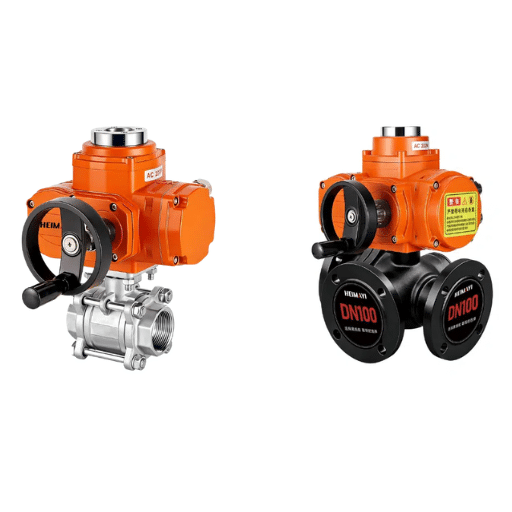
The process of improving steam system efficiency leads to three main benefits which include reduced energy usage and decreased operational expenses and better system reliability. A steam system operates at its highest efficiency when all components receive proper maintenance and the system functions with optimal settings to protect against heat loss while maintaining ideal pressure levels. The main methods for achieving this goal include executing equipment maintenance activities and implementing efficient insulation systems and deploying electric globe valves as advanced control valves which enhance operational accuracy. The critical areas of focus help businesses achieve two goals through better steam system operations because these areas affect their environmental performance and equipment efficiency.
The Importance of Efficiency in Steam Systems
Effective steam system operation requires efficiency to achieve three goals which are decreased energy consumption and reduced expenses and diminished environmental effects. The optimized steam system provides dependable functionality which helps its operations become more environmentally sustainable. The following five essential fields together with their respective methods will enhance steam system performance through their main supporting information:
🔧
Insulation of Steam Lines and Components
Proper insulation can reduce heat loss by up to 90% which prevents energy waste while maintaining system efficiency. The research shows that uninsulated steam lines can lose up to 30% of their energy.
🔩
Regular Maintenance and Steam Trap Management
The energy wastage from poorly maintained systems causes approximately 15-30% of steam traps to become inoperable. The process of inspection together with essential component replacement enables the organization to achieve proper condensate removal for system operational effectiveness.
⚙️
Utilization of Advanced Control Valves
The implementation of electric globe valves as advanced control valves enables operators to maintain accurate control over both steam flow and pressure. The introduction of modern control valves into systems results in operational control improvements which reach 10-15% together with better energy utilization.
♻️
Condensate Recovery
The practice of condensate recovery and reuse within a system enables a facility to reduce its energy needs by 20%. The process also leads to decreased requirements for water treatment together with reduced needs for boiler feedwater.
🔥
Boiler Efficiency Optimization
The process of boiler maintenance through constant monitoring and tuning enables the facility to achieve optimal combustion efficiency. The research demonstrates that a 1% increase in boiler efficiency leads to substantial cost savings throughout the years for systems which have high steam requirements.
✅ Key Takeaway: The implementation of these strategies enables businesses to achieve their sustainability objectives while they simultaneously reduce their operational costs and boost their overall performance.
The Role of Control Valves in Steam Applications
Control valves function as essential components which manage steam flow together with steam pressure and steam temperature throughout a system. The system achieves its maximum operational efficiency while maintaining safety standards and conducting precise system parameter assessments. Control valves provide five essential functions which operate essential functions for steam applications.
- 1
Flow Regulation
Control valves maintain the desired flow rate of steam within the system which ensures operations proceed in an efficient way. Proper flow regulation prevents excess steam from being wasted and contributes to energy savings. - 2
Pressure Control
The valves control steam pressure to match production needs which decreases equipment damage risk while safeguarding operational safety. The downstream equipment needs pressure reduction valves which decrease high-pressure steam to safe operational levels. - 3
Temperature Control
Control valves use steam flow control to heating equipment which allows for accurate temperature management required for industrial processes. - 4
Safety Management
Control valves protect systems from overpressure conditions or sudden surges. The combination of automatic shut-off systems and relief valves serves as a safety mechanism which protects against accidents and equipment breakdowns through its capacity to respond instantly to hazardous situations. - 5
Energy Efficiency Improvement
Control valves achieve system efficiency gains through steam supply and return optimization which decreases energy waste. Studies indicate that effective valve performance can reduce energy consumption by up to 15%, providing long-term cost savings.
💡 The implementation of control systems which use high-quality valves through proper design will boost both safety and operational efficiency together with system dependability in steam applications.
Overview of Electric Globe Valves

Electric globe valves function as control valves which provide multiple application options for various fields that include HVAC systems and power plants and chemical processing facilities and water treatment plants. The valves use a spherical disc mechanism which they operate with electrical power to control or shut down complete flow of liquids and gases and steam. The electric globe valves serve as crucial components which enable industrial systems to operate with both precise control and automatic system functions.
Key Features and Benefits
🎯
Precision Control
Electric globe valves demonstrate their primary function as they control flow with high precision. The valve design works best for throttling purposes because its linear flow characteristics enable operators to make precise flow rate modifications.
⚡
Energy Efficiency
Electric globe valves improve system efficiency by decreasing energy waste through their enhanced flow management capabilities. The current models which have smart actuators demonstrate potential energy savings between 20 to 20 percent across specific systems.
🛡️
Durability and Longevity
Electric globe valves use stainless steel and cast iron as their main construction materials which enable them to endure extreme temperature and pressure conditions while maintaining dependable operation throughout extended time frames in challenging environments.
🔗
Automation Integration
The advanced electric actuators with digital interfaces enable these valves to function seamlessly within automated systems. The majority of the models support Modbus BACnet and other industrial communication standards which enable users to monitor and control devices in real-time.
🔒
Safety and Reliability
The electric actuators found in these valves typically include fail-safe features which protect system operations during both power outages and unexpected equipment breakdowns.
Applications and Recent Data
🏢 HVAC Systems
The building climate systems require electric globe valves which accomplish two vital functions. Research studies demonstrate that proper valve functioning enables HVAC systems to achieve energy savings ranging from 10 percent to 30 percent.
⚡ Power Plants and Steam Systems
The valves create a primary function which enables them to manage steam system pressure. Recent technological advancements enable modern electric globe valves to operate at pressure thresholds above 300 psi and temperature thresholds above 700°F.
💧 Water Treatment Facilities
Electric globe valves manage water flow which allows systems to sustain their normal functioning. Automated plants use smart electric globe valves which provide operational efficiency improvements of up to 25 percent according to data evidence.
Example Specifications
| Specification | Details |
|---|---|
| Material Options | Stainless Steel, Cast Iron, Bronze |
| Valve Sizes | ½ inch to 24 inches |
| Pressure Ratings | Up to 600 PSI |
| Temperature Range | -20°F to 750°F |
| Voltage Options | 24V, 120V, and 230V |
Modern electric globe valves give industrial users the capacity to reach exceptional performance and eco-friendly energy consumption while they keep their systems operational and their maintenance costs low. The latest advancements in smart valve technology highlight the growing importance of automation and data-driven monitoring in industrial process management.
Technical Advantages of Electric Actuation
The technical benefits of electric actuation make it an appropriate choice for industrial applications. The system provides five primary advantages which represent its most important benefits.
- Precision and Control
Electric actuators provide precise control of valve positions which meets the stringent accuracy requirements of their designated applications. The system achieves its accurate results through an exact control system which maintains operational consistency across different systems. - Energy Efficiency
Electric actuators require less energy because they consume power only during system operation which results in higher energy efficiency when compared to pneumatic and hydraulic systems. This feature provides cost savings while enabling industrial facilities to implement energy-efficient operations. - Low Maintenance Requirements
Electric actuators require minimal upkeep because their construction features fewer components that move and does not require fluid-based systems. The system needs less maintenance because it operates longer between service intervals which results in decreased operational costs. - Integration with Automation Systems
Electric actuators can operate with both digital control systems and automated control systems because they support current IoT technologies and AI-based diagnostic systems. The system enables organizations to operate more efficiently while keeping track of their performance in real time. - Environmentally Friendly Operation
Electric actuators use electric power instead of hydraulic fluids and compressed air which helps to prevent environmental contamination through leakage. The system operates at lower noise levels because it reduces noise pollution in its operations.
✅ The technical advantages of electric actuation deliver dependable performance and eco-friendly technologies for contemporary industrial applications.
Comparison with Pneumatic Alternatives
The main differences between electric actuators and pneumatic systems show their specific advantages and disadvantages. The following five aspects provide complete details for comparing two different systems.
| Aspect | ⚡ Electric Actuators | 🔧 Pneumatic Systems |
|---|---|---|
| Energy Efficiency | ✔ Consume power only during operation; higher efficiency | ✘ Requires constant air compression; higher energy demands |
| Precision and Control | ✔ Accurate control; ideal for tight tolerances and precise positioning | ✘ Limited by fixed air pressure; less precise movement control |
| Maintenance Requirements | ✔ Fewer moving parts; reduced repairs and higher availability | ✘ More maintenance due to air leaks, seal and compressor wear |
| Environmental Impact | ✔ Eco-friendly; no compressed air or harmful emissions | ✘ High energy for compression; environmental damage through leaks |
| Initial vs. Operational Costs | Higher initial cost; lower long-term operational expenses | Lower initial cost; higher lifetime expenses due to energy & maintenance |
📊 Conclusion: The comparison demonstrates that electric actuators deliver superior energy efficiency and precision, while their environmental advantages make them suitable for industrial applications despite their initial higher costs.
Applications in Power Plants and Steam Lines
Power plants and steam line systems need electric actuators because these devices deliver accurate control through their dependable operation which requires minimal power usage. The following section presents five different applications which demonstrate the extensive use of electric actuators in various fields.
- 01
Control of Steam Valves
Electric actuators achieve precise control of steam flow through high-pressure valves which leads to both optimal operation and protection. The system achieves energy efficiency through precise control which reduces waste in the entire steam system. - 02
Boiler Feedwater Systems
Electric actuators control the operation of feedwater valves which enables them to sustain stable pressure and temperature conditions within boilers. The system enables power plants to operate at peak efficiency while extending their equipment operational life. - 03
Turbine Control
Electric actuators control turbine inlet valves which enable users to manage steam pressure and flow rate with exact precision. The system enhances turbine efficiency which leads to higher power generation levels. - 04
Isolation of Safety Valves
Steam lines need safety valves that can perform emergency functions with both speed and reliable operation. Electric actuators enable operators to create safe environments through their capability to operate steam system segments which require immediate shutdown during dangerous situations. - 05
Heat Exchanger Flow Management
Electric actuators control the movement of steam and various other fluids throughout heat exchangers. The system achieves optimal heat transfer performance because precise valve positioning enables efficient energy use which results in better performance.
Key Benefits for Efficiency
15%
System performance increase through precise valve control
25%
Energy consumption reduction after switching to electric actuators
20%
Reduction in system failures due to fewer components
30%
Decrease in emergency response time with advanced safety systems
20%
System life extension through predictive maintenance via data integration
Energy Savings through Precision Control

Electric actuator systems require accurate control systems because their industrial processes consume electrical power for their operations. The research study about energy-saving technologies shows that these systems can decrease total energy consumption by 40% through their ability to optimize movement and cut down unnecessary energy consumption. The present designs use cutting-edge electronic feedback systems which control force and motion precisely to achieve their intended function without using extra power.
📊 Industry Data: The U.S. Department of Energy study shows that precision control systems have become more popular because industrial users save about $5 billion per year in energy expenses through these systems. Many actuators use regenerative technologies which enable them to recover energy during their operational cycles, thus increasing their overall efficiency. Businesses that implement precision control for their actuator systems achieve two benefits because they decrease carbon emissions and lower operational costs while advancing their sustainable industrial operations.
Reduced Maintenance Requirements
The advancement of actuator technology has resulted in systems which need reduced maintenance because these systems deliver industrial benefits that maintain their effectiveness throughout their entire operational lifespan. Modern actuators use strong materials together with advanced sealing methods and self-lubricating features which result in significant decrease of their operational damage. The newest research shows that these technological advancements have extended actuator life by more than 30 percent which results in less need for both replacement and repair activities.
The system uses IoT and AI technologies to support predictive maintenance tools which enable operators to monitor actuator performance in real time. Research shows that organizations which implement predictive maintenance methods can decrease their unscheduled downtime by 50 percent while their yearly maintenance costs drop between 12 to 18 percent. The systems possess capability to identify irregularities which prevents them from becoming expensive breakdowns while they maintain operational efficiency and decrease the requirement for manual checks. The industry develops solutions which produce better operational reliability while they achieve both economical efficiency and environmental sustainability goals.
Impact on Overall System Performance
The implementation of predictive maintenance systems leads to improved system performance because they decrease operational interruptions while they enhance resource management. Below are five key impacts, supported by data:
| # | Impact Area | Description |
|---|---|---|
| 1 | Reduction in Downtime | The use of predictive maintenance solutions helps organizations achieve 50% reductions in unexpected downtime which leads to better system availability and lower system downtime. |
| 2 | Cost Savings | Organizations can decrease their maintenance expenses between 12 and 18 percent through predictive maintenance implementation according to research studies. |
| 3 | Improved Equipment Lifespan | Machines benefit from extended operational time because continuous monitoring combined with early anomaly detection prevents excessive wear and tear which reduces company replacement costs. |
| 4 | Enhanced Operational Efficiency | The predictive systems discover problems at their initial point which allows organizations to sustain their peak operational performance throughout all business processes. |
| 5 | Resource Optimization | Predictive maintenance decreases manual inspection requirements which enables staff members to concentrate on critical assignments while they accomplish their work more efficiently. |
✅ The system performance gains various benefits which result in increased reliability and environmental sustainability and decreased operational expenses.
Technical Considerations

The successful operation of predictive maintenance systems requires organizations to assess multiple technical elements which determine both their operational efficiency and their capacity to grow.
📡 Data Collection and Sensor Integration
The Data Collection and Sensor Integration process establishes the basic requirements which enable predictive maintenance systems to function. Equipment needs advanced IoT sensors which will provide complete temperature and vibration and pressure and operational cycle data. The global IoT sensor market will reach a value of $43 billion by 2026 according to current market research which shows that businesses increasingly adopt sensor technology.
☁️ Data Storage and Management
Predictive systems need extensive historical data and current data to conduct their analysis with precise results. Organizations prefer cloud-based platforms because they offer flexible storage options which allow users to access and analyze extensive data collections. The AI-driven tools from Google Cloud and other platforms simplify data organization while minimizing delays and enabling uninterrupted system growth.
🤖 Machine Learning and AI Algorithms
Advanced analytics uses machine learning models which have been trained to identify patterns and unexpected behavior in equipment operations. Google demonstrates that deep learning methods can enhance prediction performance by 20% when applied to unstructured and high-dimensional data through their AI research initiatives.
🔗 System Interconnectivity
The predictive maintenance system requires all its devices and software applications to have established connections with each other and all platform components. The implementation of MQTT and OPC UA standardized communication protocols enables different systems to transmit data instantly by establishing operational links. The organization needs to implement systems that allow personnel to adjust their operational methods through equipment upgrades and system changes.
💰 Cost and ROI Analysis
Organizations should spend money on predictive technologies because maintenance schedule improvements will cut downtime by 45% and raise equipment life by 20 to 40 percent. Organizations should conduct a thorough cost-benefit analysis to measure ROI and ensure long-term value.
🔐 Cybersecurity Measures
The increasing number of network connections between systems results in higher vulnerability to cyberattacks. Organizations need to establish secure encryption systems together with ongoing vulnerability assessments and ISO 27001 compliance to achieve comprehensive protection for their data and systems. Google Search results show that 80% of organizations build secure platforms which they use to maintain their predictive maintenance systems.
✅ Organizations can develop dependable predictive maintenance systems through their technical requirements while using artificial intelligence machine learning and Internet of Things solutions.
Pressure Ratings for Electric Globe Valves
The pressure ratings of electric globe valves determine their suitability for specific industrial applications. The valves control liquid and gas flow through their systems which operate at specific pressure limits while providing reliable function and secure operation.
Electric globe valves function according to ANSI and DIN standards which classify valves into categories based on their maximum pressure and temperature specifications.
| Valve Class | Max Pressure (PSI) | Max Pressure (Bar) | Temperature |
|---|---|---|---|
| Class 150 | 285 psi | 19.6 bar | 100°F (38°C) |
| Class 300 | 740 psi | 51.1 bar | 100°F (38°C) |
| Class 600 | 1480 psi | 102 bar | 100°F (38°C) |
| Class 900–2500 | 6000+ psi | 414+ bar | Material & design dependent |
High-Pressure Materials
The valve bodies made from stainless steel and carbon steel can withstand higher pressure limits because these materials protect against severe environmental conditions.
Standard Applications
Valves constructed from bronze and cast iron serve as standard equipment to handle low and medium pressure demands in environments that require less operational power.
Electric globe valves require extensive testing to verify their ability to meet pressure and safety regulations which establishes their reliability for use in chemical processing and oil and gas pipelines and HVAC systems. Your specific pressure requirements should be understood in order to select electric globe valves which will provide optimal operational efficiency and safety for your business activities.
Temperature Resilience in Steam Control
Electric globe valves require temperature resilience because they need to maintain their performance during extreme thermal conditions. The following features and data points demonstrate their temperature resilience through key elements.
- 🌡️
High-Temperature ToleranceElectric globe valves operate effectively at temperatures reaching 750°F (400°C), which makes them suitable for industrial high-pressure steam systems.
- 🔩
Thermal Expansion ManagementThe advanced materials used in this product combine stainless steel and alloy components to achieve proper sealing during sudden temperature changes while reducing dimensional changes.
- ⚙️
Heat-Resistant ActuatorsThe valves contain actuators that maintain reliable function at high temperatures, which allows for steady control without any performance drops.
- 📊
Pressure-Temperature CorrelationThe valves maintain a constant pressure rating throughout different temperature ranges, which protects both system integrity and operational safety.
- 🔄
Durability Under Thermal CyclingElectric globe valves undergo testing to confirm their ability to endure multiple thermal cycling events, which proves essential for their long-lasting performance in power generation and manufacturing operations.
🔥 Electric globe valves achieve optimal efficiency and reliability through their design features, which enhance their ability to withstand demanding steam control challenges.
Integration with Control Systems
Electric globe valves operate at their best when paired with modern control systems because these systems provide full operational control throughout all active work conditions. The valves include advanced actuators and positioners which allow operators to see system status and control the valves from any remote location through distributed control systems and programmable logic controllers.
The system enables users to track three different metrics which include flow rates and temperature and pressure measurements to maintain safe operations at optimal efficiency. Recent data shows that industries which implement control systems with smart electric globe valves achieve efficiency gains of up to 20% while decreasing operational errors and reducing energy expenses.
The Industrial Internet of Things (IIoT) now allows many electric globe valves to function as predictive maintenance tools. Valves with embedded sensors can send alerts that inform organizations about wear and leaks and performance degradation before critical problems develop which enables organizations to minimize unexpected operational interruptions. Industry reports highlight that facilities using IIoT-enabled valves have seen maintenance costs decrease by approximately 30%.
The development of communication standards through MODBUS and HART and PROFIBUS system advancements enables electric globe valves to communicate with current industrial automation systems. The protocols provide system operators with dual benefits which include operational compatibility between different systems and fast transmission of data between various devices. The integration process establishes better functioning systems which provide dependable operations and generate savings in total operational expenses for essential sectors like energy and petrochemical and pharmaceutical manufacturing.
Installation & Best Practices

Electric globe valves achieve their maximum efficiency together with their maximum operational life when they receive proper installation and maintenance according to established industry standards. The following five essential installation and operational procedures must be followed.
1
Inspect the Valve and Components
The valve together with its components must undergo a complete inspection to check for any damage that happened during their transport. All components must be inspected to confirm they are clean and free from any materials that might interfere with their operational performance.
2
Install in the Correct Orientation
The manufacturer provides specific guidelines which must be followed for the correct installation orientation. Electric globe valves should be installed with their actuators in the upright position because this installation method protects against damage from both fluid leaks and environmental conditions.
3
Ensure Proper Alignment
The pipeline requires valve alignment which prevents pressure from damaging the valve body and its flange connections. The valve will experience excessive damage because of misalignment which will also cause damage to its internal components.
4
Verify Electrical Connections
The electrical system needs to be checked to see if all wiring and connections match the specifications shown in the wiring diagrams. The system requires protection through proper shielding methods together with grounding techniques to achieve minimum signal disruption.
5
Perform Functional Testing
The installation process requires operational testing to confirm that the valve functions as intended. The testing process includes the examination of both opening and closing positions together with control signal response and actuator functionality. The testing results need to be documented for future use.
✅ Checklist for Optimizing Performance
🔍 Inspect and Maintain Actuators Regularly
Actuators require inspection and maintenance work according to scheduled times because these procedures help maintain their operational efficiency until their expected operational lifetime ends. The study of industry data shows that system efficiency decreases by 25% when operators fail to conduct proper maintenance work on their actuators. The company requires establishment of scheduled maintenance sessions which must include lubrication and calibration and performance evaluation activities to maintain continuous operations.
📐 Establish Proper Valve Alignment
Valves which do not align properly will create leaks and cause components to wear out faster which decreases system performance. The team needs to utilize precise alignment instruments while they should execute procedures which match equipment manufacturer requirements. Proper alignment can improve sealing by more than 15% which results in increased system reliability.
📶 Monitor Control Signals Continuously
The team needs to conduct control signal integrity assessments at scheduled intervals because this protects against system communication failures. Performance degradation occurs when signal transmission experiences delays or incorrect data transmission. The company should use high-quality cables which come with suitable shielding because this will keep signals intact while decreasing interference by three-quarters.
💧 Optimize Flow Rate Performance
The team needs to examine flow rates because this will determine whether the valve works according to its design specifications. Excessive flow rates create unnecessary stress on the system while suboptimal flow creates efficiency losses. The system uses advanced monitoring technologies to observe flow patterns which enables it to achieve 20% better energy efficiency results.
📡 Implement Smart Sensor Technology
The installation of smart sensors enables the collection of real-time data about valve performance. The sensors possess the capability to detect system failures before they happen while they show maintenance needs through their precise measurement capabilities. The research shows that organizations which implement smart systems achieve a 40 percent decrease in emergency maintenance costs.
🌡️ Verify Temperature and Pressure Levels
The system requires operators to maintain temperature and pressure controls within established boundaries because exceeding these limits will cause damage to equipment. The system experiences equipment failures because overpressurization occurs at an 18 percent rate. Automatic pressure regulators need to be installed for the purpose of maintaining system performance at stable levels.
📋 Conduct Periodic System Efficiency Reviews
The organization needs to conduct its system performance assessment through annual audits. The evaluation process needs testing which assesses energy consumption and system response times and system maintenance records. The organization uses comprehensive assessments to discover where improvements exist which enables them to enhance operational output throughout their business activities.
✅ The implementation of these steps together with advanced technological solutions will lead to better operational efficiency and improved system reliability.
Common Mistakes to Avoid
- ❌ Neglecting Regular Maintenance Schedules
The system needs its regular maintenance schedule because this work protects system components from experiencing extended operational failures throughout their lifespan. The system experiences higher operational failure risks when maintenance tasks get canceled which results in costly repairs. Research shows that equipment maintenance which remains unaddressed leads to a 30% boost in equipment failure rates. - ❌ Ignoring System Performance Data
Organizations need to analyze system performance data because it enables them to identify their least productive areas and most valuable improvement areas. Organizations that use data analytics achieve system efficiency enhancements which reach 20% according to research findings. Organizations need to establish performance baseline measurements which will enable them to evaluate their progress toward success. - ❌ Providing Inadequate Employee Training
Employees who receive inadequate training will operate systems incorrectly which creates a higher chance of making mistakes and becoming less efficient. Employees who receive proper training show a 40% better ability to operate systems than employees who lack training according to survey results. The training process requires continuous updates which should follow new system changes. - ❌ Relying on Outdated Systems
Companies that maintain their outdated systems experience security risks because cybercriminals target their systems while their operations face limitations from obsolete technology. Research indicates that modernized technology adoption decreases operational interruptions for 60% of businesses which benefits their operations more than traditional system users experience. - ❌ Maintaining Insufficient Documentation
System problems become more difficult to solve because of inadequate documentation which creates confusion and miscommunication throughout the resolution process. Inadequate documentation leads to a 35% increase in time needed to solve problems. The organization must maintain its documentation system because precise data helps ensure business processes and problem resolution functions properly.
📚 References
- 📄
ScienceDirect
Models of control valve and actuation system for dynamics analysis of steam turbines— This paper discusses technological innovations in control valves, including electric systems, and their impact on reliability and efficiency. - 📄
SAGE Journals
Real-time efficiency index of a steam power plant: a systems approach — This study explores the efficiency of steam power plants, including the role of valves and electrical systems in maintaining operational efficiency. - 📄
ASME Digital Collection
A Case Study: Balanced Globe Valves Failure, Root Cause, and Recovery — This case study examines the performance and efficiency of globe valves in steam systems, providing insights into their functionality and reliability.
Frequently Asked Questions (FAQ)
❓ What is the best valve for steam in industrial steam applications?
The industrial steam applications use globe valves because these valves provide better control of steam flow through their precise steam flow regulation and their superior throttling capability over gate valves and quarter-turn valves which include ball valves and butterfly valves. Globe valves operate through a design that uses a plug or disc to create resistance against flow while United States Patent 4123401 provides officials with patent rights to determine whether to issue an operational license. The valve body and valve seat require materials that can withstand both high-temperature steam and high-pressure conditions.
❓ What factors to consider when choosing a control valve for steam?
The two essential pressure and temperature requirements together with the required flow rate and flow regulation needs and the control capabilities which include both precise flow control and on/off functions and the selection between electric and pneumatic actuators together with the positioner requirement and the maximum allowable pressure drop and leakage tolerances. The assessment includes materials that withstand high-temperature steam and the design of the valve seat and the requirement for the valve to function in a linear manner or through specific flow characteristics and the testing of system pressure and fluid flow compatibility to ensure reliable and high-quality performance.
❓ How do globe control valves compare to ball valve and butterfly options?
The Globe control valves show superior performance for throttle and modulating tasks because their linear motion technology enables accurate flow regulation which results in better steam control and reduced steam leaks compared to ball valves and butterfly valves. The compact design of ball valves enables users to operate them through a quick quarter-turn but this feature creates problems because accurate control becomes difficult and the valve shows subpar performance during throttling. Butterfly valves provide a more affordable lightweight solution which causes greater pressure loss while operating at reduced flow rates. The globe control valves operate better than other control methods for steam flow regulation in systems that need to handle high pressure and high temperature conditions because they control steam flow better and show greater system durability.
❓ Do electric actuators use globe valves to enhance steam system efficiency?
Electric actuators together with globe control valves establish exact position control which enables accurate steam flow management that decreases energy waste and maintains process control. Electric actuators provide precise control when used with positioners because they help valves achieve proper seat contact which decreases leakage and they work with control systems to manage flow effectively in situations where pneumatic actuators are unsuitable and exact linear motion is needed.
❓ What seal and valve seat considerations are important for high-pressure steam?
The materials used for seals and valve seats must withstand both high-temperature steam and high-pressure conditions while preventing erosion and leakage. The service conditions determine whether metal-to-metal seats or high-temperature elastomers will be used but metal seats with proper hard-facing become the better choice for high-temperature and superheated steam applications. The system pressure remains intact because proper sealing reduces leakage which enables operators to control flow without fully closing the valve while extending the operational life of the valve which operates in demanding steam conditions.
❓ What impact does steam flow and pressure decrease have on determining the appropriate size for a steam globe valve?
The required valve capacity and its operational characteristics are determined by steam flow rates and maximum pressure drop limits. The sizing process requires assessment of flow rate together with fluid properties and system pressure and temperature and all control valves needed for maintaining stable operation. The correct Cv value and proper globe valve selection will prevent excessive pressure drops which harm system efficiency while enabling the valve to control flow without causing system instability.
❓ What maintenance and leakage issues should be expected with valve control in steam systems?
The maintenance process requires operators to conduct routine inspections and perform maintenance activities for both the valve body and its complete assembly which contains the actuator and all seal elements. The operators achieve reduced leakage through globe valves when they replace the worn valve seat and disc and they establish proper packing and examine all actuators and positioners. The use of high-quality materials and proper assembly reduces steam leak risks while high-pressure valve types that use high-temperature steam extend equipment durability.
❓ What advantages do globe valves possess over gate valves and what methods do they use to regulate fluid flow?
Globe valves use a plug and valve seat mechanism which enables exact flow regulation while maintaining consistent flow patterns through the system. Globe valves function as throttling devices which permit operators to control the flow of steam within specific limits. The gate valve control system enables operators to achieve minimal resistance when the valve reaches its full open position while globe valves provide superior performance for applications that need both flow control and precise management of water flow.







