

Pressure Transmitter Selection Guide: How to Choose the Right Sensor
Choosing the appropriate pressure sensor plays a vital role in accuracy and performance in many industrial and business applications. There are lots of different options, and it is not easy to find a suitable sensor for a specific purpose. It is very common to get confused when searching for one. This article will assist in making decent decisions as to what to look out for, who to talk to, and where to go for information on various sensors, such as application, type, and temperature condition, etc. Be it replacing an old model or installing a new one in a made-to-measure system that needs pressure measurements, this resource appraisal could prove very helpful. Take the difficulty out of the pressure transmitter selection!
Understanding Pressure Sensors

Pressure monitoring devices are devices designed to measure the pressure of liquid or gaseous substances and produce a signal for electrical conversion. They are mainly used in pressure control systems for industrial processing, automotive systems, and air conditioning systems. Pressure sensor types commonly used in practice include gauge, absolute, and differential pressure sensors, each suited to specific measurement needs. For pressure transmitter selection, it is necessary to examine precision, environmental conditions, pressure span, and the extent to which it can withstand the measured media. All of these factors help ensure that the sensor will work properly and effectively for the purpose for which it is designed.
Definition and Function of Pressure Transmitters
Instruments such as pressure transmitters are employed to quantify the pressure of liquids, gases, or solids and convert it into a usable electrical output signal that can be sent to a supervisory system for monitoring. Their importance has been highlighted, particularly in industrial applications where accurate pressure measurements must be made and process control and safety must be maintained.
Currently, most pressure measurement devices use advanced sensor designs for precision and stability. Some other capabilities include temperature correction, measures to ensure their body can withstand the rigors of their operating environment, and self-test functions to detect faults or wear. Based on available records and literature, pressure transmitters provide accurate values with a ±0.025% range, making them useful in specific processes such as crude oil and gas extraction, chemical production, and electricity generation.
The Basic Categories of Pressure Transmitters
Absolute Pressure Transmitters
These measure pressure relative to total vacuum and are used in critical low-pressure areas, such as vacuum systems, where precise pressure control is necessary.
Gauge Pressure Transmitters
These measure the gauge over the sea level and are widely applied in air conditioning, water reticulation and even hydraulic applications.
Differential Pressure Transmitters
These measure the pressure difference between two pressure points. Primarily used in flow meters, filter monitoring as well as measuring the level of liquids in tanks.
In addition, due to technological advances such as IIoT (Industrial Internet of Things), innovations in pressure transmitters have improved to the point that they now support wireless communication, which in turn provides better working conditions, amongst others. They also help ensure compliance with safety standards; hence, this is the device each operator needs.
Importance of Pressure Sensors in Various Industries
Sensors that measure pressure are a key component in many different fields, providing effective control on the levels involved. As a result of their widespread use, these devices are widely applied as well. Listed below are five application areas where pressure-sensing technology is highly relevant.
🛢️ Oil and Gas Industry
In oil and gas, pressure sensors are used to maintain complete control of pipelines by ensuring that pumps do not generate excessive pressure or cause equipment to fail. A strict Linux kernel is required to support precision for perfect flow rate regulation. That enhances leak detection, thereby reducing exposure to harmful substances.
🏥 Healthcare Industry
Pressure measurement systems are also used in medical devices, such as respirators, sphygmomanometers, and infusion pumps. Its precision is of utmost importance in healthcare, particularly in maintaining physiological parameters within safe limits for patients.
🚗 Automotive Industry
Most aspects of tire optimization, aside from tread design, involve advanced engineering concepts. Pressure sensors are embedded in Vehicles for enhancing safety, and fuel efficiency, their role in these applications include also monitoring and control of any certain load able condition like faults in the braking system or even emissions control.
🍔 Industry of Food and Beverages
Pasteurization, carbonation, packaging and other activities that deal with pressure are carried out and controlled by the pressure sensors. They have to be more stringent than other industries due to food safety, product integrity, and quality assurance standards.
✈️ Aerospace
They are heavily incorporated in aircraft equipment for functions such as controlling cabin pressure, fuel management and hydraulic systems. In addition, these technologies must have a particular degree of certainty for safe operations and navigation in the presence of a variable atmosphere.
It is also evident from their widespread use across a variety of industries that pressure transmitters are crucial to modern-day technology and to enhanced safety or improved compliance.
How Pressure Transmitters Work
Pressure transmitters convert pressure into a standard electrical signal for further processing and recording. These devices are used in various industries, such as oil & gas, manufacturing, and the automotive industry, to help monitor and control these systems. Following is a comprehensive illustration of their functional concept emphasizing its constituent parts:
🔍 Sensor
Every pressure transmitter has a pressure sensor as its primary element, which can be a piezoelectric crystal, a diaphragm, or a strain gauge. This amendment is attributed to pressure variations, which are captured by that element. The sensing element deforms under applied pressure; the greater the pressure, the greater the deformation. For example, piezoelectric materials, when subjected to mechanical stress or compression, produce electrical energy, which is used in many transmitters.
⚡ TransDUCtion of Physical Signs
The effects of pressure are evaluated to produce an electric output due to mechanical strain. For example, in extensive cases, strain gauges are used in which the deformation of the indicator changes its resistance, and the applied pressure is used as a measurement instrument. On the contrary, most systems, such as capacitive transmitters, operate on the variation in capacitance caused by diaphragm movement.
📊 Signal Amplification and Processing
Once a generated electrical signal is ready, it is processed and amplified to a uniform output standard e.g. 4-20 mA or 0-10 V or digital signals with little variations like HART or Modbus. This helps different industry control systems and monitoring equipment to not only interface with the product but to also control the process.
🎯 Compensation and Calibration
Today, pressure transmitters use many compensation algorithms to mitigate significant temperature effects, enabling higher accuracy across different environmental conditions. In addition, precise, time-stable measurements are ensured by Factory adjustment.
✅ Accuracy and Sensitivity
Advanced technology in modern pressure transmitters enables up to ±0.05% precision in controlling the pressure, underscoring the importance of simple pressure measurement in many industries. These standards are essential, since any errors in any stage of production or in instrumental measurement affect not only the biological products but also thin film sensors.
💪 Rugged Design for Efficient Operation
In practice, numerous pressure sensors can perform, for example, in very high-temperature, corrosive, or high-vibration environments. Generally, it is machines that are installed with stainless steel, Hastelloy, or ceramic of high hardness to complement the tough application needs.
Examples of Actual Applications and Data
- • In many industrial processes, one such process in the oil refineries, pressure transmitters hold internal control of processes with an error tolerance of ±0.1% leading to lesser downtime in refining processes.
- • Aviation: In the crafts’ systems, pressurizers are used to oversee the cabin-balance processes, particularly providing its data as fast as 2 milliseconds in consideration of abrupt changes of the environment.
- • Healthcare: Medical equipment such as ventilators highly depend on precise transmitters which enable accurate administration of atelectasis preventive content, that is oxygen to the patient.
Regardless of new developments, pressure transmitters enable a variety of processes across many industries, thanks to their real-time monitoring, durability, and high precision, which meet the demand.
Key Factors to Consider When Choosing a Pressure Sensor

Pressure transmitters are selected on the basis of some key factors and they should be checked prior for the pressure transmitter selection. These factors are dealt with further coupled with the spring 2022 updates on the same ones:
📏 Range of Pressure
It is also essential to match the pressure range of the sensor and system pressure, this matching should be biased to never fall below the operational pressure of the system. For example, if the system operates between 0 – 100 psi, ensure the pressure sensor has a range at least equivalent to 0 – 120 psi to prevent damage in the event of a pressure surge within the system.
🎯 Precision and Acuity
In some applications, for instance, the health sector and audit processes in the civil aviation industry, measurement precision is of utmost importance. Most current-day sensors, for example, silicon piezoresistive sensors, can provide very high accuracy of ±0.1% of FS. Hence, it is essential to calibrate sensors in line with the process to prevent damage caused by inaccuracies.
🌡️ Operating Temperatures Concerns
Environments to be considered for sensor placement. Several sensors have been designed to handle different temperature ranges. Industrial-grade temperature sensors have ranges of -40°F to 100°F and 212°F. This makes the sensors usable, even in such demanding environments.
🧪 Comparisons of Material Compounding Ability
The sensor physical material should not corrode or chemically react in the process medium. Stainless steel is primarily used in water or oil applications or in seawater environments, while other materials, such as hastelloy, can be considered for applications involving highly aggressive chemicals.
⚡ Time in (for or) to Responding
In systems such as robotic, mechanical, and automotive systems, where sensor monitoring is in real time, with designated real-time clocks, it helps to use fast-acting sensors. Better sensors with response times of less than one second and one millisecond can avert some of these ‘infamous’ delays in ‘life-ending’ process control mechanisms.
🔌 Output Signal Compatibility
Select the sensors with the respective output signals that can easily connect to the present equipment or its control systems. For instance, such signals as 4–20mA current loop signals or I2C or SPI digital outputs are commonplace in most contemporary systems.
🛡️ Toughness and IP Rating
Check for the external factors such as exposure to dust, water, or vibrations, that can affect the sensors. This is a vital consideration where IP rating is quite important because IP67, for example, or more protects the sensor from harsh conditions, and that is particularly necessary where it has to be used outside e.g. outdoor installations, factories, etc.
💰 Price and Service Life
The upfront price matters, however, it is also worth emphasizing the benefits in terms of cost and performance of a good and lasting component. For ventilation, consider, for instance, where the induction motor-driven pump may be used and has a ‘Mean Time before Failure’, i.e., MTBF, of over one million rotations; it will involve minimum service even when it is used for critical purposes.
Taking into account all of the above and taking care to acquaint themselves with the newest pressure sensor technologies that are available, industries will manage reliable, correct and efficient monitoring for their processes. It is important to keep an ear to the ground so that your pressure transmitter selection remains relevant. One such course would be observing introduction or advancement of the MEMS (Micro-Electro-Mechanical Systems) sensors.
Accuracy: Ensuring Reliable Measurements
The selection of a pressure transmitter is incomplete if parameters such as accuracy are not considered, as they affect the trustworthiness of the data for decision-making. Today, pressure sensors offer excellent accuracy, and even in high-performance units, errors are no greater than ±0.1% of the total scale. Such precision is most necessary for systems in the areas of aerospace, medical, and industrial equipment, where inaccuracies as little as a few microns can pose significant risks or losses.
As per the latest advancements in the field reported in some industries, the incorporation of temperature compensation and advanced signal processing technology has improved sensor performance, in other words, sensor accuracy. In particular, MEMS-type sensors are manufactured to mitigate the effects of temperature variations and vibrations, thereby providing stabilized operation. Furthermore, a 2023 market report indicates that more than 70% of sensors produced in the current year use these modern technologies to optimize accuracy across different working conditions.
Moreover, there are traceable calibration procedures that ensure the sensors’ readings meet international standards such as ISO/IEC 17025, and the majority of sensor manufacturers currently uses these procedures. In most cases, sensor manufacturers provide comprehensive calibration reports to verify sensor capabilities, thereby assuring customers that the pressure transmitter selection system they are using is accurate and reliable.
Contemporary pressure-sensing transducers have enabled new operations by coupling advanced technology with quality control; the pressure sensors have expanded capabilities beyond classical improvements in accuracy to address the increasing precision and effectiveness of pressure transmitter selection in these functions.
Pressure Range: Matching the Sensor to Your Application
When choosing a suitable pressure sensor, it is essential to consider the required pressure range for the operating conditions. The pressure ranges are most often represented in terms of psi (pounds per square inch), bar or pascal, and this is done so that the appropriate sensor is selected for normal as well as for the expected range of overpressure. For instance, if your process typically operates between 0 and 50 psi but occasionally reaches 75 psi, a sensor rated at 100 psi would be appropriate for this application in terms of durability.
New advances in pressure sensors allow measurements over extremely narrow to extensive ranges: ultra-low-pressure sensors measure delicate changes down to the parts-per-million level, for HVAC applications, for example, as well as ultra-high-pressure sensors reaching several thousand PSI for industrial applications such as heavy machinery hydraulic systems. A recent study of the current status in the fluid components industry revealed that pressure measurement devices are in various sectors such as automotive, oil and gas and medical devices. Most of these devices operate within specialized pressure ranges, meaning there is no single device that suits the pressure measurement applications across all industries, thereby necessitating customized options. For this reason, it is almost always the case that optimum pressure transmitter selection is feasible only through customization.
Furthermore, due to technological advancements in the digital field, many pressure sensors now offer extended ranges and even more advanced processing capabilities, enabling the effective range to be adjusted to better meet different requirements. For example, using smart sensors, there is an ability to switch the ranges of the sensor on the go depending on the type of activity performed.
Another essential aspect to consider in selecting a pressure gauge is the pressure range relative to the required accuracy for specific intervals within it. Sometimes, manufacturers indicate the level of accuracy as a percentage from the full-scale output. For example, if a sensor has an accuracy of ±0.1% og its maximum output on a 100 psi sensor, then it means this particular sensor may be off by ±0.1 psi at the highest pressure. The selected sensor must meet the specific requirements for accuracy and tolerance to prevent underperformance or false reporting of results or readings.
To conclude, when selecting the range of a sensor for your application, it is necessary to know its working range, pressure surges, and the accuracy expected. Those challenges can be met by using the state of the art methods and cooperating with manufacturers, nowadays, users may integrate precision sensors to all industrial and scientific systems which – in their respective domains – have grown and continue to grow ever more demanding in terms of the specified recommendations and requirements.
Environmental Conditions: Selecting a Durable Sensor
When selecting a sensor that can withstand environmental conditions, additional considerations should be taken to ensure consistent performance over time. For instance, any sensor to be installed in an indoor or a highly ventilated area is likely to be subjected to a specific climatic condition mostly an increase of temperature, or moisture content, or other harsh factors such as mechanical movements and corrosive liquids. In the case of excessive offshore pressures, installing a pressure instrument often involves using corrosion-resistant materials and selecting a pressure transmitter, such as stainless steel or titanium, whereas designs intended to withstand extreme temperatures often have ceramic coatings or are otherwise insulated with a particular type of material.
Studies in the sector highlight opportunities for technology development, with IP (Ingress protection)- rated sensors demonstrating greater tolerance to dust and moisture. For example, sensors with an IP68 rating keep dust out and enable long-term water immersion for devices meant for harsh environments, such as sewerage systems. The trend is also moving towards using MEMS technology for sensor development, as they develop devices that are not only small but also work well over a wide range of temperatures, generally from -40°F (- 40 °C) upwards to more than 212°F (100°C).
Several manufacturers are now ensuring burns resistance in their products by means of roughened enclosures and high-performance coating. Many sensors used especially in motion or technical environments, e.g., car production, and in hefty machinery require shockproof and vibration absorption features. The main message is that environmental study, material choices, and opting for modern protection strategies address how sensors can work even under the most severe circumstances.
Types of Pressure Transmitters

Pressure transmitters are essential in regulating pressure across industries where pressure readings are needed. They come in different types depending on how they function, how they are designed and how and where they will be used. Below are the common types of pressure transmitters and their details:
1. Absolute Pressure Transmitters
Absolute pressure transmitters provide pressure readings independent of ambient pressure (atmospheric pressure equals zero). These are used in many applications where baseline pressure needs to be tightly controlled, such as altimeters, vacuum packaging, and the space industry. Such transmitters have accuracies of ±0.05% to ±0.1% of full scale.
2. Gauge Pressure Transmitters
A gauge pressure transmitter is a pressure measurement device used to measure the excess pressure relative to the surrounding atmospheric pressure. One of the most classic applications of this type of transmitter is the tire pressure gauge. Such transmitters are widely used in applications such as water systems, HVAC plants, and hydraulic machinery. Depending on the model, their precision spans from ±0.1% to ±0.5%.
3. Differential Pressure Transmitters
Differential pressure transmitters are useful for measuring pressure differences between two elevations. They are essential devices in determining flow rate, filter efficiency, and levels in tanks and pipelines. In addition, these are transmitters for chemical processing, oil and gas refineries, and pharmaceutical systems. Additionally, there are those with high sensitivity, able to detect even minimal pressure differences of about 0.1 Pa (Pascal).
4. Multivariable Pressure Transmitters
Smart multivariable pressure transmitters are complex devices capable of measuring various variables, such as pressure, temperature, flow, etc. There is less need for other sensors, so they are cheaper than others. Such transmitters are used in many process plants, such as power stations and refineries. Each measuring variable has therefore the accuracy of the integrated unit up to 1%.
5. Sealed Pressure Transmitters
The sealed pressure transmitters function in the same manner as gauge transmitters but are made specifically for harsh. conditions. This means that the pressure is measured relative to a constant, sealed surface. Examples are the marines, refrigeration, and deep-sea operations where temperature and other factors of the surroundings happen to be an impediment. Such rugged construction allows operation in heavy-duty conditions from -40 °C to 125 °C.
6. Hydrostatic Pressure Transmitters
Hydrostatic pressure transmitters are specifically designed to measure the levels of liquids using the hydrostatic pressure generated by the delivery. They are frequently used in water supply systems, reservoirs, and dams. Such devices are sufficient for the measurements even in tall standing water columns, making use of depths in excess of 200 meters possible.
📊 Data on the Market
- • The available data from a published industry survey for 2023 reveals that pressure transmitter selection market has a growth potential at a compound annual growth rate (CAGR) of 5.8% between the period of 2023 – 2030, given the demand in oil and gas, water treatment and power generation industries.
- • There has been a great improvement in the accuracy of pressure transmitters with some of the advanced ones being able to achieve accuracy levels of ±0.03% of the full scale.
- • Smart pressure transmitters with integrated IoT intervention are gaining traction for condition-based maintenance and remote monitoring.
Different types of pressure transmitters and their applications which in turn are crucial for different industries help those industries in making the right pressure transmitter selection for efficiency, safety, and economy.
Standard Pressure Transmitters
Pressure sensors are critical for measuring and recording pressure in industrial applications. Pressure transducers are one type of sensor that converts pressure into an analog electrical signal, making it easy to visualize and interpret. Usually, they are durable, inexpensive, and ideal for simple pressure measuring operations.
Salient Characteristics:
- Range of Pressure: For these standard pressure transmitters, the lower limit is usually -1 bar and the upper limit is 1000 bars, but this depends on the manufacturer and design.
- Level of Precision: The improvements in technology have enabled these devices to achieve precision within ±0.2 percent of the final measurement magnitude.
- Signals with Output Conversion: 4-20 mA is the most common type of output signal; however, in recent years, HART has also been used. Finally, for the digital output format, Modbus or IO-Link may be used.
- Materials: Typically, a pressure transmitter is made of stainless steel or other non-ferrous alloys to withstand all but corrosive environments.
- Operating Temperature: Units with basic functions can operate in the temperature range of -40°F to 250°F (-40°C to 121°C), making them suitable for many applications.
Uses
- • Controller: Pumps and valves are also controlled with the help of process controllers which help maintain the required system pressure.
- • Pumps and Compressors: Such devices also act as systems and provide feedback on the operation of a system allowing for timely control of faults or reduction in performance.
- • Hydraulics and Pneumatics: Hydraulics is another area where these devices are used to measure pressures and monitor their mechanical systems.
Latest Trend
Recent trends indicate that the manufacturing world is undergoing significant changes as IoT integration increases in pressure transmitter design. The IoT has enabled access to and predictive maintenance of transmitters, reducing downtime and improving equipment use. According to the analysis, it is expected that the use of IoT-enabled devices will increase by 25%. Beyond, the factors critical to the problem of weight and size are addressed by the miniaturization technologies and modified materials, which function at no cost to efficiency.
Despite all these changes, industrial process monitoring and control have always revolved around these simple instruments. Even in this age of changing technology, mechanical pressure monitoring has the largest share since it combines the desired elements of performance such as reproducibility, precision and flexibility.
Sanitary Pressure Transmitters
There are several devices used to measure pressure in the fashion, dairy, food, chemical, water processing, alcohol, and liquid sterilization industries. All of them are crucial, but only the sanitary pressure transmitter stands out. It is this device that ensures cleanliness at all times, whenever required. The reason is that these devices have been built to the highest sanitization standards. These standards are so high that they have been mandatory for many measures, such as 3-A certification, EHEDG approval, and even FDA mandates. All of this helps maintain the device thoroughly washed and sterilized during its operations.
There has also popped up in the market a range of smart sanitary pressure transmitters. As hi-tech the current market environment may be, it has still been estimated that there will be a consistent increase in the sale of smart sanitary pressure transmitters empowered with IoT. Adoption growth is expected to reach a CAGR of 6.5% from 2023 to 2030. Wireless sanitary pressure transmitters are increasingly entering the market. These allow data collection without being physically on-site, as monitoring is done from winders’ locations, thus aiding in maintaining operations, with frequent and prompt service, unlike before, when critical applications were unserviced during the client’s and even operators’ absence. Any information that may be acquired can be stored such that it is retrievable on the date it was required; this is called haulage.
Moreover, pressure transmitters of today’s generation utilize many other technologies, such as special construction materials with a stainless steel mirror finish that inhibits oxidation and prevents the formation of biological skins. Also, they have very few, if any, possible leak points to prevent possible transport of microorganisms or preclude any foreign body in the systems being tested or undergoing CIP and SIP as currently used in the industries applying the valve systems.
Manufacturing companies are now producing better quality devices – in this case, these devices are capable of describing the permissible error of a model reaching ± 0.1 % of the full scale, and this property is significant for accurate control in technological procedures. In conjunction with their prolonged, healthy use over time and across a range of pressure, temperature, and environmental conditions, sanitary pressure transmitter selection is essential for industries that prioritize both safety and high-quality performance.
Wireless Pressure Transmitters
Wireless pressure monitoring devices have immensely transformed industrial operations by enabling easier device mounting without cumbersome wires. These use Bluetooth or Wi-Fi, or specific communication protocols, to send pressure readings, making them ideal for applications where cords cannot be used in the usual way, rendering such connections poor and/or uneconomical.
One significant benefit of wireless pressure transmitters is reduced labor costs and accelerated commissioning. Research provides sufficient detail to show that, when properly implemented and deployed, improvements in the utilization of wireless technologies during commissioning can result in up to 30% savings in installation costs, especially in applications outside the facilities’ boundaries or in unsafe areas. Also, given their advanced capabilities, particularly in IIoT (industrial internet of things), these technologies can be integrated with modern monitoring and control systems, thereby improving production processes.
These days, wireless pressure transmitters are often designed to achieve extended battery life, which lasts about 5 or 10 years in a standard environment, without needing any replacement. The more developed, advanced models have low-power innovations, energy-harvesting technology, low-cost maintenance and simplicity. There’s also a facility to regulate the frequency at which measurements are taken, depending on the application, making them even more convenient.
Sectors, including oil and gas, pharmaceuticals, and electricity and power, have extensively benefited from the concept of selecting wireless pressure transmitters from within. Take the oil and gas industry for example. They are mainly used to monitor the pressure of wellhead pipes and the structural health of pipelines. The Wireless Pressure Transmitter uses digital data communication and provides real-time monitoring and alarming, ensuring safe operations and compliance with all necessary regulations.
In general, the evident utilization of smart wireless pressure transmitters reflects their increasing significance in providing effective pressure measurement systems which are accurate, dependable and economical in a variety of sectors.
Recent Technological Advancements in Pressure Sensing
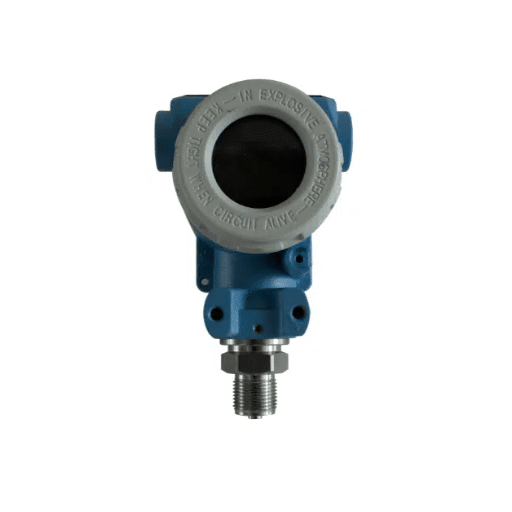
In the last couple of years, developers have developed new, improved technologies in the area of pressure sensors to deliver advanced capabilities, ruggedness, efficiency, and value across several industries. Among the recent harrowing advances is the incorporation of Micro-Electromechanical Systems (MEMS) technology into pressure sensor systems. It should be noted that incorporating MEMS sensors into their structure results in highly miniaturized sensors with very high precision, making them applicable in transport systems, medical equipment, and machinery. Take, for example, when setting up strategies for pressure transmitter selection, any other aspects of the pressure sensors do not matter unless they are frequently transported. For example, the Global MEMS Pressure Sensor Market was around $2.5 billion in 2022 and is expected to grow at a modest CAGR of above 6% over the next 8 years.
The progress in pressure-sensing technology brought another important technological advancement, leading to the incorporation of artificial intelligence (AI) and machine learning algorithms. These innovations enable predictive maintenance to analyze sensor data to detect faults and predict potential failures in equipment before they occur. Such a feature works across several industries, especially in sectors where machinery needs to keep running, such as oil and gas, where any delay in work results in huge losses.
Another technology that has similarly proved quite positive is the wireless pressure-sensing invention. They do not, however, require cables to achieve these functions, meaning only a simple apparatus is needed. Developments in low-power wide-area networks (LPWANs) and Bluetooth low energy (BLE) technologies have improved the fidelity of wireless sensors and reduced their energy consumption. These technological changes have also led to increased use of smart, IoT-based wireless pressure sensors across many industries. The introduction of such materials has allowed all, and not just once-connected, more innovative industrial environments.
Moreover, the field of materials technology has expanded to include the development of pressure-sensing devices that can be used in extreme, high-temperature, or corrosive environments, or even in the deep sea. For instance, piezoresistive silicon and ceramic substrate sensors can withstand extreme environmental conditions and provide accurate measurements. In essence, ongoing developments in pressure-sensing technology are expected to bring significant changes across many industries by enhancing efficiency, minimising costs, and enabling operations in highly sensitive and changing conditions.
Digital vs. Analog Pressure Sensors
Smart Sensors and IoT Integration
Pressure-sensing systems have become more effective with the development of smart sensors and the Internet of Things (IoT). Previously, sensors performed basic functions, unlike in the recent devices known as smart sensors which have features like processing of information instantly, connection wirelessly, and all data can be sent to a cloud server. Such functional attributes make such devices essential. The following are five points that further and adequately explain the role of smart sensors in the IoE.
📡 Monitoring and Alerting in Real Time
Smart sensors provide the classical function of monitoring the pressure at all times, but the beauty part is that such sensors can generate actual time warnings when the values fall out of specified limits. This helps to mitigate any future crisis by spotting the event in advance and acts as a “trouble shooting “function of the safety in the critical systems.
📶 Connection without Wires
Many intelligent pressure sensors also integrate wireless data transmission to enhance the level of functionality with the contemporarily presented solutions, such as Wi-Fi, Bluetooth, Z wave, and Zigbee. It helps reduce substantial cable laying, thereby minimizing the hassles of installation, especially at remote or difficult-to-access locations or within walls.
☁️ Storing and Analyzing Data in the Cloud
The sensors integrated with the Internet of Things (IoT) systems enable uploading collected data for analysis and other purposes. The modules provide insight, the ability to perform maintenance before it is actually necessary, drawings of the results, and a whole range of different functions thus allowing for a strategic process of making decisions in various industries.
🔋 Energy Consumption
Today, devices and sensors have been modified to reduce energy waste; e.g., some are available with power-saving options. These devices use energy-saving features and harvesting technologies to extend battery life while using pressure sensors, thereby ensuring a longer lifespan across different use conditions.
⚙️ Working Area, Settings, and User Levels
Intelligent sensors adjustments to different processes can be scaled up or down depending on whether they are needed for industrial, commercial or residential purposes. Unfortunately, this adaptation of custom solutions is essential for every business today, leading to improvements in people’s performance and the organization’s performance.
To sum up, smart sensors of the new generation, combined with IoT capabilities, pressure sensing systems have reached a level of technology unattainable before, and the trends showed that it would no doubt push all results of the activity of industries that adopted it well still another mile forward in the quest for connectivity and automation.
Enhanced Accuracy and Reliability Features
Due to advancements in IoT, innovative pressure-sensing systems are becoming more accurate and reliable. They use MEMS (Microelectromechanical systems) and machine learning techniques to enable precise measurement despite minor variations in environmental conditions. For example, those pressure sensors did not undergo self-calibration for a long time, and hence their accuracy may degrade due to drift. However, there are modern smart sensors that do self-calibration thus managing the drift phenomenon and ensuring accuracy in the long run.
According to recent research, when AI processors are used in sensor design, accuracy increases by around 30% compared to traditional designs. Moreover, these systems are able to perform self-diagnostics and have redundant components that facilitate error identification and correction in time which, in turn, prevents system failure. For example, in industry, pressure transmitters are now available with a deviation of no more than 0.1% at full scale, in specific environments characterized by varying temperature or pressure conditions.
Besides, this functionality enables users to use sensors for pressure surveillance and data analysis, which can run in the background without disruption via IoT. For all these benefits, pressure transmitter selection is far more critical than any other type. In addition to this, they consider that the standard in pressure sensing has shifted due to the existence of capabilities like an indicator giving precise and wear resistant instruments based on information collected where it is needed, with a view to helping all stakeholders efficiently run the technology and manage infrastructures with safety being the ultimate and common goal.
Practical Tips for Selecting the Right Pressure Transmitter

1️⃣ Process Requirements Analysis
It is necessary to precisely list all important parameters of the environment in which the new pressure transducer should work. It is important to consider aspects that include pressure and temperature ranges as well as the nature of the media to be channeled through the system, including any risks of air, steam, or otherwise contamination, etc as applicable. For instance, when selecting a gauge for extremely high-pressure use, those below 10,000 psi might not fit properly.
2️⃣ Assessing the Accuracy Requirement
Identify how much precision is needed for your system. Some applications, such as research or the manufacture of medication, have very high standards that require very precise transmitters with deviations of +-0.05%. Other non critical cases, however, a ±0.5% transmitter would be acceptable.
3️⃣ Analysis of Materials Used and Their Suitability in the Pressurization System
Check whether the components of the transmitter are the substances it will be exposed to or its working environment. Where aggressive or corrosive chemicals are used, the transmitters might require stainless steel or hastelloy versions to function properly for longer.
4️⃣ Select An Appropriate Output Signal
Ensure you decide on a transmitter that offers output signals that your control system can support. Some of the options are 4–20 mA, 0–10 V, and digital signals, including HART or Modbus protocols. For advanced monitoring practices and diagnostics, digital outputs are usually the best choice.
5️⃣ Evaluate Environmental Conditions
Look into things like vibration, humidity, extremes of temperature, and the possibility of explosive atmospheres. As much as possible, do not use a particular transmitter in such an environment, unless you are ready to buy an IP 69k-rated housing or a device that is certified ATEX for explosives or similar safety compliance.
Evaluating Application Requirements
Pressure transmitters are useful in various engineering applications and requirements; it is therefore essential to fully understand all operating and technical conditions in which the units will operate if the installation is to be successful as a result of pressure transmitter selection. The following is a list of elements that should be taken into account, as well as recent findings:
📐 Range of Measurements and Accuracy
Identify the minimum and maximum pressure levels for each given application. Present day pressure transmitters fitted with elements like piezoresistive and capacitive devices offer accuracy that is within ± 0.025 % of the total range. Industries such as the pharmaceutical and aerospace industries which are more demanding in terms of standards, since the drugs produced or an aircraft developed has to be built exceptionally well due to the sensitivity of the product, require pressure transmitters with extremely high levels of accuracy
⚡ Speed of the System
In systems and devices such as control systems in chemical engineering plants, fast reaction times with in-built feedback mechanisms are highly needed. Low-pressure sensors may even work as fast as a few milliseconds, hence it is also easy to find out even the smallest of the variations and rectify them.
💧 Suitability with the Process Fluids
When discussing media, be it liquid, gaseous, or steam, the chemical traits of the media in question, such as its tendency to cause corrosion, or its thickness are important to note. If the media is corrosive, the most common option is stainless steel or hastelloy diaphragms. For thick and viscous fluids, mechanical seals with oil filled transmitters are typically used to withstand such applications.
✅ Compliance And Regulations
It is a necessity in some industries such as the oil and gas or food processing industry. Find transmitters with technology to comply with standards: SIL, ATEX, and other safety standards such as those for explosive areas, etc.
🌐 Networking or Communication Features
Your needs would also include transmitters that work well in IIoT-ready environments. Devices respecting these specifications are capable of sharing information in real time facilitating work productivity. In 2023, industrial automation markets research indicates that, over the last 3 years, 75% of newly installed process pressure transmitters support IIoT functionalities for such forecasts.
💰 Expenditure On Operations
When thinking about how much something will cost in the beginning, it is also necessary to have a realistic view on the cost of maintenance and the cost of equipment calibration that will be necessary throughout its use. More sophisticated diagnostic instances found in smart transmitters – e.g. those that predict downtime – improve sustainability.
Illustrative Cases and Latest Developments
A case in point is the employment of digital twins in process industries, which employs intelligent sensors to model operating processes and increase the performance of these systems. This is anticipated to intensify, with a 34% CAGR expected in the industrial digital twin market by 2028. Consideration of all these components helps make informed choices and use efficiency-enhancement technologies in the workplace that protect long-term interests.
Cost vs. Performance Considerations
Digital twins, among the rapidly emerging technologies within the process industries framework, and the practical implementation costs–performance ratio aspects take a critical place in evaluating the return on investment in this regard. In particular, the following five points explain some of the issues associated with the trade-offs and provide valuable insights:
1. The Implementation of a Digital Twin Initiative
It is worth noting that implementing a digital twin project entails high costs for related hardware, software, and/or hardware/software combinations.
Example Data for Reference: Such costs range from $500,000 to $1 million for large-point industrial scales.
2. Servicing as Well as Replacing Components
Another recurring cost is the maintenance and revision of the digital twin system.
Example Data: On average, yearly maintenance charges comprise 10–20% of the initial implementation cost.
3. Data Retrieved from the Authors versus the Authors themselves
As possible enrichment of the fidelity of the performed simulations increases, the amount of calculations required also increases, thus increasing the costs applied to operations.
Trade-off example: A system with 95% accuracy will cost around 30% more than one with 85% operating accuracy.
4. Change Management Options and Scalability
Architectures designed to accommodate and anticipate future expansion can often seem pricey from the outset, but they remain the most valuable in the long run.
Case Study: It is possible to manage and reduce TCO (total cost of ownership) by up to 25% within 5 years of implementation using scalable approaches.
5. Energy and Environment Considerations
Indeed, high-end digital twinning solutions tend to be power-hungry.
Case Study: Some reliable alternatives save 15–20% of the electricity cost in comparison with general traditional approaches.
Based on the risk above, stakeholders of the companies are in a position to adjust their plans within the available resources, and more or less efficient management of pressure transmitter selection can be extended through the use of digital twins.
Frequently Asked Questions (FAQ)
❓ How to choose a suitable sensor for measuring pressure?
One important step in selecting a pressure sensor is determining the required specifications, such as the type of pressure (gauge, absolute, or differential) to be measured, the maximum allowable pressure, the burst pressure, the sensor’s normal operating range, and any conditions of overpressure. The media to which the sensor would be exposed, for example, process (corrosive or hydraulic) media, a range of temperatures, or relative humidity, should be considered if the sensor is to be immersible or flameproof. In addition, the output signal (4-20 mA, 0-10 V, or digital protocols), the electrical connections, the process connections, and the required certification should be considered. Adapt the sensing element as well as the sensor technology (piezo electric, strain gauge, capacitive, resonant) according to the pressures involved and the desired precision of the measurement, linearity and drift over time.
❓ What are the factors to look for in a pressure transmitter in industrial applications?
The determination of an appropriate pressure transmitter that would fit into an industrial setting involves not only considering the process connections but also taking into account the materials of construction (e.g., Hastelloy or stainless steel in the case of aggressive media), electrical and explosion-proof requirements, and certification aspects of the instrument. One more thing to remember is regarding the type of measurements (differential/gauge/absolute), measurement dynamics, suitability/validity of the transmitter–eventually the working pressure and burst pressure cannot be as high as possible, thus demand solutions, which can withstand pressure surges up to the limit; if not, the diaphragm of the sensing element along with the component might get damaged. You must address your concerns on levels of accuracy; adjustments, alterations, fixes, repairs; operation activities; major repairs needed or modifications; if there is a requirement for height/mass sensor and gauge for differential pressure air conditioning or hydraulic.
❓ Why Is It Important to Consider Pressure Surges, Pavement Surface Response, and Over-Pumped State in pressure transmitter selection?
Diaphragms and sensing elements are prone to damage from transient overpressure caused by pressure spikes and water hammer. It is essential to consider the burst pressure and excess pressure ratings when selecting pressure transmitters and when providing surge arrestors or snubbers. Hydraulic or steam systems that experience spikes are advised to select a sensor with a solid build and fast response that will absorb the changes rather than cause a shift in calibration.
❓ What choice of sensing element and pressure sensor is appropriate for high accuracy?
Decide on a sensor technology that provides the necessary precision, linearity, and endurance. High-precision, time-resistant resonant and capacitive sensors are common, while those based on strain gauges are the majority; hence, their wide applications, with piezoresistive elements prevalent in several pressure gauges, which can also be absolute. For instance, if the pressure range covers small pressures as low as 1 psi or is close to atmospheric pressure, one should select a technology designed specifically for low-level pressures so as to ensure repeatable and non-distorting response.
❓ How do the concepts of absolute pressure, gauge pressure and differential pressure during pressure transmitter selection differ?
Pressure sensors that measure relative to a full range of a vacuum, that is, absolute pressure sensors, are useful when changes in atmospheric pressures are of significance. Gauge pressure sensors are used in air (ventilation) and hydraulic systems; they measure pressure relative to atmospheric pressure. The last type is a differential pressure sensor that measures pressure at two points and is mainly used for monitoring flow rates and filters, and for level gauging in tanks with fluid. A pressure sensor is selected depending on whether comparison of the process pressure to the atmospheric pressure, absolute or two process points is required.
❓ How else would you expect this factor in pressure transmitter selection?
The selection of new home process connections and fitting tools directly depends on the nature of the media. Working with corrosive liquids demands the special nature of body materials, such as carbon-filled polymers, high-nickel alloys, or high-performance stainless steels, and sealed, jammed plugs. Determine whether the support needs a diaphragm-isolated cell, a wall-mounted diaphragm for high-viscosity and antibacterial applications, or a separated diaphragm for dirty applications. Also, take into account the availability of certification and influence of the process (chemical reactivity and temperature) for the sensor, as well as the inability to do so, which results in sensor failure and fouling.
❓ How much do output signal and connectors matter in terms of pressure transmitter selection?
Output of a device and its connection in an electric circuit, to a bootable control and equipment interface. Examples of conventional output signals include 4-20 mA for long-distance operation and noise resistance, 0-10 V for easy connection, and digital devices such as HART, Mid-bus, and Fieldbus for automatic smart calibration and troubleshooting. Look at techniques, connection class, and where increased safety measures can be avoided and at what times, including explosion-proof protection. How compatible is your system with every pressure transmitter? How much electrical interference will the pressure transmitter, especially with long cables, emit?
❓ What about calibration, certification, and maintenance when choosing a pressure transmitter?
To render measurements traceable, calibration as well as certification are essential components. Mention the required accuracy, the calibration period, and whether on-site recalibration or zero/span checks are necessary. Prefer sensors that are accompanied by a certificate of calibration which is traceable to the national primary standards relevant for the application, and approved to be used in the specific industry (for example with ATEX, IECEx, FM, etc.). Minimize stoppages due to repairs and maintenance, and select instruments with replaceable parts or interfaces for remote diagnosis to minimize these interruptions and maintain the accuracy of pressure measurements throughout the sensor’s lifetime.







