

Understanding Industrial Smart Valves: The Future of Valve Systems
The technology is revolutionizing the world, and the equipment is evolving faster than ever. Equipment that prioritizes efficiency, precision, and a low ecological footprint is no longer out of question. One significant segment that has been undergoing a silent transformation is the Valve Systems, introducing the industrial smart valves. They are the new age, intelligent form of valve technology, which introduces much-needed creativity without compromising traditional functions. Such systems enhance their functional level within the existing boundaries in various industries, ranging from gas and oil production to manufacturing processes. The following study provides an examination of industrial smart valves and their characteristics, advancing the understanding of what provides a new and central focus in valve systems. Have you ever wondered how innovative systems raised the standard of industrial processes? Therefore, let us begin to address technical solutions.
Introduction to Smart Valves
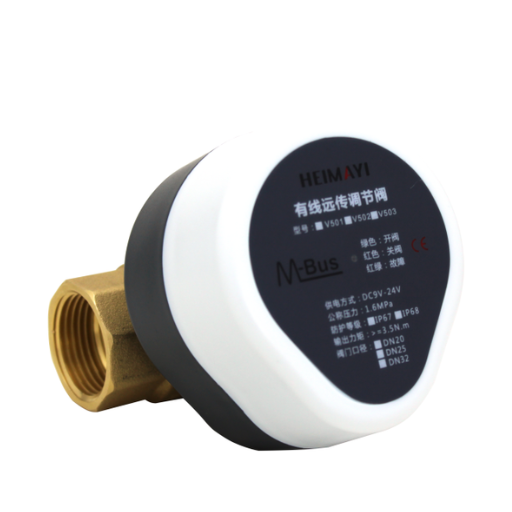
In the world of chemical plants, refineries, and other industrial manufacturing processes, various types of smart industrial valves are available. They differ from conventional valves in that these devices incorporate sensors, actuators, and communication systems that enable the real-time monitoring and control of processes. This facilitates the operators in enhancing the process, identifying problems more quickly, and reducing the need for manual valve operation. The incorporation of advanced features, with the primary purpose of strengthening the valve’s functionality, helps improve the effectiveness, safety, and dependability of industrial activities.
What is a Smart Valve?
The industrial smart valve is an innovative control device equipped with sensors, actuators, and communication capabilities designed to automate the flow of both fluids and gases, enabling monitoring and diagnostics.
Overview of Industrial Smart Valve Types
Over the years, industrially innovative valves have evolved into various categories, each designed for a specific range of functions and operating contexts. The following is a concise description of the major types:
1. Intelligent Control Valves
Intelligent control valves aim to achieve super-precise control of the flow of a liquid, its pressure, or temperature within a system. They have already installed sensors and devices that control the situation and make instant changes to any parts of the system as needed. According to MarketsandMarkets, the control valve market is projected to grow at a CAGR of 5.6 percent during the forecast period of 2023–2028. The main factors driving the demand for control valves include the automation industries, such as oil and gas, Water Treatment, and Chemical Manufacturing.
2. Advanced Pressure Relief Valves
Valves of all types, sizes, and materials are equipped with state-of-the-art monitoring devices or gauges that provide the maximum safety for all pressurized vessels and piping networks. Such apparatus is found in industrial chemical plants, oil refineries, and other production facilities. IoT-enabled valves send alerts if pressure decreases/increases to a safe level, ensuring minimal delay in operations and improved safety levels.
3. Intelligent Ball Valve
It is a reliable shut-off valve for process plants, water mains, or simply high industrial flow settings. These are designed to operate wirelessly from a distance and to assess problems. In this regard, a study conducted by Grand View Research predicts that the global ball valve market will be worth over $ 15.6 billion by 2030, further underscoring the vital role they play in industrial intelligent valve control.
4. Intelligent Butterfly Valve
An advantage of butterfly valves is that they are light, inexpensive, and are suitable for applications that require quick shut-off or throttling valves. Advanced butterfly valves feature awareness sensors that detect valve positions and flow rates, which are then transmitted to the central control room. Such butterfly valves are extensively used in HVAC systems, the food industry, and other fast-cycle operations and applications.
5. Smart Improvements in Gate Valves
Smart gate valves find most of their applications where complete sealing is highly required and achieved with minimal pressure drops, such as in water systems and building large pipelines. It also integrates predictive maintenance to ensure that wear and tear are detected in advance, thereby preventing such failures from occurring unexpectedly within the system.
6. Smart Innovations in Diaphragm Valves
Diaphragm valves are typically used in processes where hygiene is sensitive, such as those involving pharmaceuticals or food. Also, this type of valve comes in smart versions which use noncorrosive materials and muscular data analytics to achieve operational clean and non-compromised efficiency.
Industry Usage Statistics
Current research conducted in the industry indicates an increasing trend in the use of smart valves, which, according to studies, is expected to reach 40% of industrial facilities by 2023. Approximately 70% of industries implementing these technologies cite increases in operational efficiency and decreases in maintenance-related costs as the primary reasons for their adoption.
The use of such innovative and advanced industrial valve systems enables industrialists to optimize process controls, minimize work risks, and maximize standard operational productivity.
The Role of IoT in Smart Valve Technology
When the Internet of Things (IoT) is involved in industrial innovative valve technology, the way systems are handled and how they operate has undergone considerable changes. IoT, in essence, provides systems with the ability to monitor, perform data analysis, and connect with other devices, thereby improving the infrastructure and the systems. The information below describes five ways in which IoT helps in enhancing the innovative valve technology in more detail:
- Serving Appliances in Real Time: The smart valves support IoT sensors that provide data in real time, including pressure, temperature, and flow motion. It helps industries to identify cases of downtime and solve problems in advance.
- Ensuring Maintenance Activities Independence: The IoT can detect the approaching wear and tear of components before they break down, leveraging predictive maintenance technology, which leads to a decrease in repair and maintenance costs.
- Use of the Controllers: It has allowed valves to be controlled with ease and remotely connected to devices, thus increasing efficiency and eliminating the need for on-site services.
- Improved Usage Data Analysis: By leveraging IoT, data analysis becomes revolutionary, benefiting industries in their operational activities by addressing various inefficiencies, thereby reducing energy consumption and enhancing the productivity of internal machinery.
- The issue of Safety: Internet of Things (IoT) technology has made each hazard measure more precise and information possible for automatic shutdown when any limit is exceeded, protecting both employees and machinery.
Advantages of Smart Valves
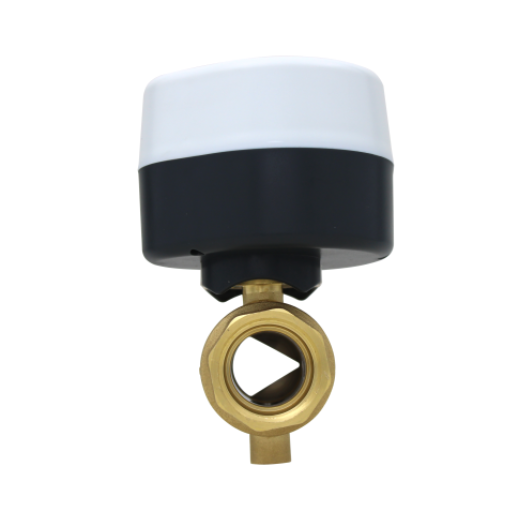
Improved Performance
These advanced technologies involve intelligent actuators and in-built software that monitor the system in real-time with the capability of taking the necessary actions without the need of an operator, which contributes to the enhancement of the performance. Statistics indicate that the implementation of automated valves has the potential to lead to a 20% increase in process throughput.
Lesser Equipment Downtime
Advanced valves also employ preventive maintenance techniques in conjunction with real-time monitoring to predict faults within the system before they occur. Such measures, implemented in advance, can bring off unplanned maintenance breaks by 30% and scrupulously preserve the production process.
Lower Power Consumption
Smart valves help save energy by optimizing processes. For example, companies using innovative industrial valve technology can cut their power usage by as much as 25%, which substantially reduces operating costs.
Instrumentation and Regulation from a Distance
With integrated IoT technologies, an innovative industrial valve enables users to remotely monitor and control the process. Such functionality not only enhances flexibility but also saves costs, as it eliminates the need to send an employee to a dangerous or difficult location to perform.
Improved Safety and Legal Adherence
A variant of the patient industrial valve is an innovative device that can monitor and react quickly to unhygienic conditions, such as a rise in pressure or changes in temperature. This, therefore, brings about enhanced adherences to safety and regulations, as they help shield the equipment and individuals.
Increased Efficiency and Automation
Innovative valve and modern control technology are designed to help enterprises and industries in the most effective ways. With robust sensors, machine learning capabilities, and real-time analytics at their disposal, these systems are designed to synchronize plant operations perfectly and, simultaneously, reduce the need for many manual operations. Recent research suggest that up to fifty per cent savings in operational efficiency can be realized in sectors of oil, water, and manufacturing when automation is employed. As an illustration, intelligent valve-enabled condition monitoring, which is designed to prevent breakdowns before they occur, is at least 30% cheaper than planned maintenance.
Furthermore, the integration of IoT and twin-tech enables operators to oversee and manage structures from anywhere, facilitating faster decision-making and the implementation of proposals. Such a real-time operation allows for minimal energy use as it optimizes the existing processes with time. It has been observed that on an average industries that employ automation techniques reduce energy overheads by 20–25% which translates to more sustainability and efficiency. All these highlights lend credence to the importance of enabling automation in industries for a more smart, eco-friendly and effective way of doing business.
In recent years, an innovative valve equipped with an internal control and actuation mechanism, known as an industrial innovative valve, has appeared on the market, changing our experiences with working with control valves and automation systems.
Improved Monitoring with Sensors
The factor responsible for the revolution in the areas of monitoring, thanks to the integration of comprehensive sensors into the system, has brought about both accuracy and efficiency to the processes. Devices, including IoT-based products, are specific enhancements of such tools, transforming various factors of processes, such as temperature, pressure, humidity, and equipment status, performance, and procrastination, into instant data. This is effective in managing operations from far and identifying challenges that may culminate in catastrophes or operations standstill.
Gears such as vibration analysis are incorporated into manufacturing sites to detect abnormal activities within machines, preventing extensive damage and facilitating repairs at an early stage. An article released by Google, which described companies already using sensors to monitor their assets, revealed that the use of technology reduced equipment failure levels by 30% while the cost of running the business decreased by a quarter. Additionally, environmental sensors can help promote pollution control and compliance with government policies aimed at fostering sustainability among industries.
These developments in sensor technology are not just about making operations visible, but also about improving the decision-making process and effective resource allocation in the long term. Given the opportunity to monitor processes in real-time due to sensor data integration with Artificial Intelligence and Machine Learning, companies will be able to continuously improve their processes, taking into consideration the dynamic environment.
Cost Savings and Maintenance Benefits
The combination of state-of-the-art sensor devices provides a lot of innovation in costs control and improves maintenance efficiency in almost all fields. The five primary benefits of this integration are described below:
- Preventive Measures in Maintenance: Sensors enable organizations to gather real-time data on equipment condition, allowing them to optimize their maintenance activities. It is worth noting that this eliminates unscheduled maintenance and can cut maintenance costs by up to 30%, as reported in the literature.
- Conservation of Energy: When energy consumption is monitored more frequently and at regular intervals, it enables organizations to identify and address inefficiencies, ultimately reducing poor borrowing practices. The electricity bill will be 10 to 20 percent cheaper in these cases, which will contribute to the long-term viability of operations.
- Longer Equipment Use: Sensors can, for example, alert to many problems, including, but not limited to, wear and tear at an early stage, allowing for timely interventions. If timeliness for preventive maintenance is based on sensor information, the life cycle of the asset house may be longer by about 25%.
- Less Labor Required: Industrial automation, enabled by sensor technologies, replaces the need for repeated manual inspections through labor-saving solutions. For illustration, the automated control of the supply chain includes elements such as vast savings on human resources, among other efficiency improvements.
- Optimization of Inventory and Resources: Sensors support real-time monitoring of inventories and related resources against their consumption, thereby avoiding excesses or shortfalls in strategy. Optimizing the systems helps to detect and prevent inefficiencies in a timely manner as well as manage finances effectively in the long run.
These advantages, in addition to reducing costs, also help strengthen organizations’ resilience and profitability in the long term by leveraging available data.
Types of Smart Valves
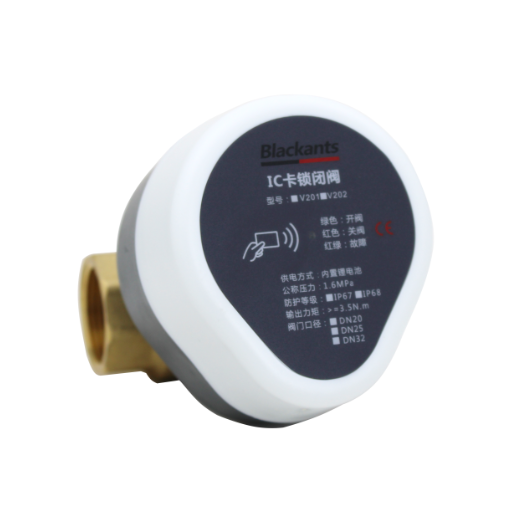
Intelligent valves can be classified into various categories, each serving a distinct role in the world of automation and connectivity. The following are some of the most universal types of intelligent valves and their respective characteristics, and the fields they are employed in:
Ball Valves
Ball valves contain a perforated ball that spins to allow the release of fluid within a desired range. Such valves are commonly applied in cases that require on and off services, specifically quick cutoff. Radio receivers may be incorporated to transmit an array of information, such as flow levels and valve positions.
Butterfly Valves
Light and inexpensive, butterfly valves utilize a rotatable disk to control the flow of fluid. Considerably smaller in dimensions and significantly enhancing efficiency in liquids, these parts have acquired widespread use in the water supply and chemical industries, respectively. Many industrial bright valve designs of the innovative butterfly valve incorporate the position feedback and control functionalities.
Globe Valves
Control of the flow in the apparatus, where globe valves are used, is usually quite frequent. The structure of these valves enables a steady flow of fluids, and hence, they are extensively used in heating systems, as well as in power plants. Modern globe valves are the so-called smart valves with actuators for remote opening, closing or intermediate positions of the valve with electronic sensors.
Check Valves
Non-return valves are one-way check valves that control the flow of fluids in one direction only, preventing flow back. Some advanced check valves are smart and can monitor the presence of moving fluids or their absence (in the event of any obstruction) in the pipe, making them an invaluable element in the water and sewage, as well as oil and gas, industries.
Pressure-Reducing Valves
The primary purpose of these types of valves is to reduce the pressure in the system to a specified limit and maintain it so that it does not exceed that limit. They are pretty standard in irrigation systems and are also used in industrial applications, including plumbing. Industrial smart pressure-reducing valves are equipped with pressure sensors, as well as mechanisms for process control, which enhance their efficiency and safety.
Each of these valve types brings certain advantages and perceptions; their smart characteristics enhance automation, improve operations and thus ensure sustainable management of resources.
Ball Valve vs. Other Valve Types
| Parameter | Ball Valve | Gate Valve | Globe Valve | Butterfly Valve | Check Valve | Plug Valve |
|---|---|---|---|---|---|---|
| Operation | Quick 90° turn | Multi-turn, slower | Multi-turn, precise | Quick 90° turn | Self-acting, no manual input | Quick 90° turn |
| Sealing | Excellent, tight shutoff | Effective, prone to wear | Good for throttling | Moderate, prone to leaks | Prevents backflow efficiently | Tight seal, adjustable for leaks |
| Durability | Long lifespan, wear-resistant | Prone to wear over time | Moderate durability | Moderate durability | High durability | High durability |
| Flow Control | On/off only | On/off only | Precise flow control | Limited throttling | No flow control | Limited throttling |
| Space Requirement | Compact | Requires more space | Requires more space | Compact | Compact | Compact |
| Cost | Higher upfront, cost-effective long-term | Lower upfront, higher maintenance | Moderate | Lower cost | Cost-effective | Moderate |
| Applications | Frequent operation, high-pressure systems | Infrequent operation, high-pressure systems | Precision flow (e.g., steam, chemicals) | Large pipelines, limited space | Safety in pumps, compressors | Corrosive environments, high-viscosity fluids |
| Automation | Easy to automate | Less suitable for automation | Moderate automation | Easy to automate | Not applicable | Easy to automate |
| Pressure Drop | Minimal | Minimal | High | Moderate | Minimal | Moderate |
Wi-Fi Enabled Smart Valves
Industrial innovative valve technology has been successfully demonstrated; however, relatively high unit prices still exist, as the system employs specific materials. These perceptions have been overturned through the use of Wi-Fi-enabled valves, which offer an easy-to-install alternative. These solutions help address the problems of water inflow and outflow in homes, farms, and industries, where effective water management is crucial.
The most notable feature of Wi-Fi smart valves is their compatibility with smart home devices, such as Amazon Alexa or Google Home, to provide voice assistance and automate the operation of home appliances. In line with the current market trends, it is evident that the global innovative valve sector will grow at a compound annual growth rate of more than 13.2% in the projected period of 2023-2030, mainly due to the rising water saving options and the development of smart cities.
Such valves are typically equipped with sophisticated sensor systems and alarms that alert customers to any issues that are out of the ordinary, such as when the pressure drops below a certain threshold or when there is a risk of leakage. For instance, defecting, the models can sense the slightest leak within a short duration and block the water flow immediately to avert any possible losses. Moreover, consumption analysis and identification of areas for enhancement are made possible by these valves due to their ability to store, retrieve, and compute past usage patterns.
The ease of installing a Wi-Fi innovative valve, as well as its user-friendly interface, are some of the reasons they are effective systems. Most products today are pretty easy to maneuver because they have manuals on how to use them, step by step; therefore, there is no need for an IT specialist. As a result of real-time measures, remote control, and integration, such valves are no longer a convenience but a necessity, facilitating responsible water usage and system monitoring.
Comparing Smart Valve Systems
| Parameter | Smart Valves | Traditional Valves |
|---|---|---|
| Integration | IoT-enabled, supports automation | Manual or basic automation |
| Energy Efficiency | Reduces energy and water consumption | Higher energy and water usage |
| Control Precision | High, real-time adjustments | Limited, manual adjustments |
| Diagnostics | Built-in, predictive maintenance | Requires manual checks |
| Installation | Easy, all-in-one setup | Complex, multiple components |
| Cost | Higher upfront, long-term savings | Lower upfront, higher maintenance costs |
| Applications | Industrial, residential, water treatment | General-purpose, less specialized |
| Safety Features | Leak detection, auto shut-off | Limited safety features |
| Adaptability | Adjusts to system changes | Fixed settings, less flexible |
| Smart Features | Remote control, app integration | No smart features |
Applications of Smart Valves in Industry
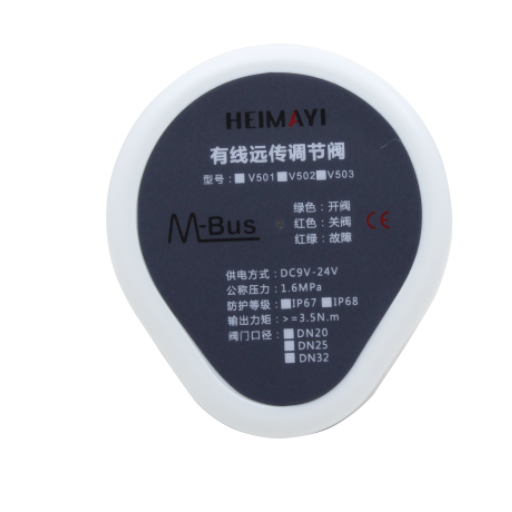
In the modern era, innovative valves serve both ends, encompassing different categories of users and their access at the same time. Such innovative valve technology works wonders in industrial innovative valve applications in the following sectors:
1. Oil and Gas
In the oil and gas industry, electronic smart valves are used to control the flow of liquids and gases in pipelines. The device’s technology consists of advanced sensors that help monitor pressure, temperature, and flow rates in real-time, thus ensuring safety and optimizing the output. In the Oil and Gas Industry, it is estimated that the use of an innovative valve system in facilities with high levels of protection reduces operating costs by at least 20 percent.
2. Water and Water Waste Management
Water treatment plants, as well as wastewater systems, utilize innovative valves to regulate optimal pressure and control water flow. These valves feature leak detection systems and can also control distribution, thereby conserving water. It has been reported that innovative valve systems can save water by 15% to 20%.
3. Food and Beverage Industry
In the practical application of the food and beverage industry, the use of innovative industrial valves ensures a high level of quality consistency and product cleanliness. The valves are essential in various types of operations, such as liquid transfer, mixing, and in-situ beverage cleaning. Smart valves automate the system to a high degree, which in turn reduces materials lost as well as breaches of health rules.
4. Chemical Industry
In the chemical industry, innovative valves play a crucial role in their processes, regulating temperature, pressure, and flow to eliminate heat and waste. They reduce the possibility of leaks or uncontrollable reactions in high-risk processes, thus providing more efficacy and safety.
5. Electricity Production
In power stations, smart valves are utilized to manage steam, cooling, and fuel systems efficiently. By providing more reliable operation and reducing carbon wastage, these valves directly contribute to high energy efficiency in the specific field and have a positive impact on environmental protection.
These applications demonstrate the versatility and economy of using innovative industrial valves, making them very useful in optimizing processes.
Water Management Systems
Nowadays, innovative industrial valve applications are widespread in areas that require water specifically for domestic or commercial use, such as municipal water systems, wastewater systems, and irrigation.
One key benefit of water management systems is that they utilize smart valves, resulting in a decrease in water wastage or leaked water, referred to as non-revenue water (NRW). Instead of computations by the world’s top statisticians, almost 30% of the water supplied by the utility does not reach customers due to water leakages. General practice implies the use of cutting-edge sensors, which will be incorporated into the smart valves for the purpose of detecting any pressure drops or flow disruptions, thus ensuring that the utility and leak detection departments do not waste any water.
Moreover, augmenting innovative valve systems with automation enables precise water distribution and flow control, particularly in areas where drought is likely to occur. To illustrate this, according to the World Resources Institute, twenty-five percent of the globe’s population lives in countries that encounter high water stress. In order to curb water wastage, smart valves allow an excellent level of control over water utilization and this curtails wastage.
Also in wastewater treatment facilities, smart valves triage the chemical dosing processes to ensure that there is proper conversion of effluent, proper sludge control and efficient discharging of effluents. This makes it possible to protect the environment without incurring huge operational costs. For instance, as stated in Global Water Intelligence, employing innovative water technologies, such as valves, can result in up to 20% lower operational costs, as they conserve energy and other resources.
Process Automation in Manufacturing
In the recent past, industrial smart valve system implementation has risen significantly in various fields mostly in the industrial and manufacturing industries. This is due to the advent of the modern technological age, which enables the existence of systems that are not only accurate but also reliable and highly efficient. According to the 2023 report released by Deloitte, the average productivity increase was observed at 25% for organizations that benefited from process automation, while operational costs were reduced by up to 40%.
The adoption of smart devices and the Internet of Things (IoT) allows for interaction with machines and systems in real-time mode, primarily addressing process automation. Process automation can be exemplified by predictive maintenance, which utilizes IoT sensors and advanced analytics to forecast potential machine breakdowns, thereby reducing downtime by approximately 30%. Furthermore, AI quality checking systems can spot flaws with an effectiveness of more than 90%, thus saving waste while maintaining quality.
And again, process automation helps personalize the product without affecting speed or efficiency whatsoever. Such automation enables producers to reconfigure their manufacturing systems and utilize updated technology, which allows for customization of products according to market demands. An example to consider is McKinsey’s research, which shows that firms employing advanced technologies for industrial intelligent valve automation have recorded a 20% improvement in production capacity, thereby reaching more customers with diverse requirements.
One can see how the automotive, electronics, and pharmaceutical industries lead the list of industries implementing automation solutions globally. For instance, Collaborative robots or ‘cobots’ are primarily used in assembly lines due to being user-friendly in terms of working together with the human operators. As technology continues to progress with an undeniable tendency, it gives hope that manufacturing processes supported by automation can increase their productivity levels while simultaneously strengthening and making the entire production system more sustainable.
Energy Efficiency in Infrastructure
In terms of infrastructure, I argue that innovations and approaches help reduce energy consumption. For example, when energy-efficient technologies are combined with improved system design, such as innovative industrial valve systems, efficient computing devices, and LED architecture, this helps reduce the energy required substantially. Furthermore, incorporating clean energy resources and utilizing energy-efficient materials enables more effective and cost-effective infrastructure in the long run.
Future Trends in Smart Valve Technology
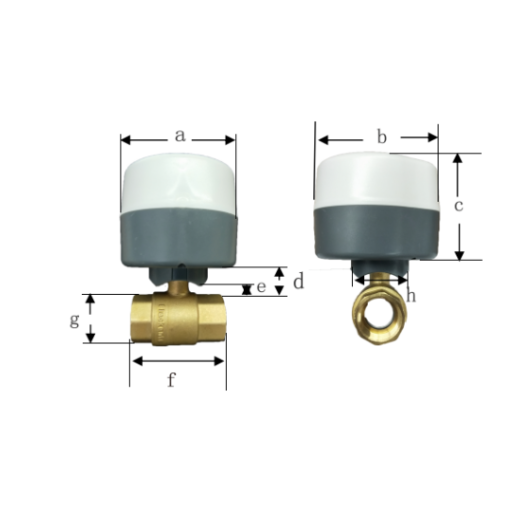
Smart valve innovations are advancing toward increased automation, connectivity, and productivity. Among the key aspects is an IoT-enabled system that offers real-time normalization and control monitoring, thereby increasing its accuracy. The practice of predictive maintenance, utilizing sophisticated sensors and machine learning models, is becoming standardized to minimize downtime and maximize the operational life of equipment. Resource efficiency and eco-friendly credentials are driving the development of smart valves that reduce resource consumption and waste generation. All these improvements judiciously preserve the relevance and indispensability of industrial innovative valve systems.
Integration with Advanced Automation Systems
Smart valves have revolutionized the way industries operate, thanks to their seamless integration into modern automation systems. Nowadays, smart valves are integrated into the latest process control and automation systems, such as SCADA (Supervisory Control and Data Acquisition) and PLC (Programmable Logic Controller) systems, which are widely adopted and used primarily in various industries. This has facilitated the possibility of constantly observing and controlling the processes remotely, which consequently reduces manual involvement in the processes and, therefore, increases productivity.
In this regard, it is worth noting that global activity in the industrial automation sector is expected to be quite intense, reaching 296.7 billion US dollars by 2026, with an annual growth rate of 8.9% during the forecast period. Due to the increasing adoption of technologies such as the Internet of Things and Industrial Internet of Things, the market is expanding. In this respect, it should be noted that an industrial innovative valve is essential in that they are used along with IoT-based sensors in the mentioned technological evolution to allow control processes to be optimized through data generation and transfer.
It is worth noting that in advanced automation systems with industrial smart valves, managers and operators can utilize best practices in machine learning to identify potential malfunctions and correct them accordingly. This significantly reduces the risks of losses caused by idle equipment. A notable example of this is the call for AI-enhanced predictive maintenance, which can decrease repair expenses by as much as 20% and increase machine operation time by almost 30%, according to McKinsey & Company.
This development shifts the paradigm towards the more aggressive deployment of innovative industrial valve systems in relation to modern industrial practices, including the oil and gas industry, water supply, healthcare, and food manufacturing. Harnessing the potential of advanced automation technologies, combined with operations involving smart valves in the industry, has led to the development of smarter, greener, and more stable systems that meet current needs.
The Impact of AI on Smart Valve Performance
AI revolutionizes the industrial innovative valve by meaningfully and positively improving essential factors such as efficiency, performance, and even versatility. Here are some of the most significant influences that AI has on the performance of smart valves, along with detailed explanations and examples.
- Preventive Care: AI technologies are employed to evaluate the operational behavior of smart valves using real-time data, with the aim of detecting failures prior to their occurrence. Research indicates preventive maintenance techniques can lower overall repair costs by 20 percent and minimize unscheduled breaks by half. This ensures continuous production and long-term use of these assets.
- Process Control, in Greater Depth: AI enables smart valves to be adjusted in a changing environment without delay, thereby achieving optimal delivery velocity and minimizing resource waste during processes. For illustration purposes, water management systems embedded with this technology have managed to enhance flow control by 25 percent, thus reducing energy costs.
- Outlier Identification: The AI can also detect the subtle signs of valve malfunction that may seem normal yet are actually wearing out or blocked, among other issues. In turn, and because of this ability, the duration required for or the extent of any physical examination is reduced, and interventions are made more quickly, thereby increasing the system’s reliability by 40 percent.
- Approach: Data-Embedded Decision Making: Within AI, the existence of analytical skills makes it possible to convert a vast amount of operational data into useful information. As a result, operators can take a more rational approach, and as such, the system’s performance is increased by 35 percent through improved modifications and design.
- Constructing Readjustment Mechanisms: These are intelligent valves enhanced with artificial intelligence (AI), which adapt gradually to the system’s operation and adjust themselves automatically. To give just one example, AI Systems in the oil and gas sector have improved self-optimizing transfer systems by up to 30% in production decrement, resulting in less waste and pollution.
Artificial intelligence (AI) applications supporting the capabilities of industrial smart valves are becoming more prevalent, enabling easier access and adoption. This, in turn, is putting ever-increasing pressure on both productivity and efficiency.
Regulatory Changes and Industry Standards
Advancements in industry in recent times have, however, necessitated evolutionary changes in regulatory requirements, as well as developments in industrial standards that account for contemporary needs for environmental sustainability and efficiency. Environmental legislation, such as the Clean Air Act, and international agreements, like the Paris Agreement, have encouraged industries to adopt clean technology. An illustrative example is the IMO 2020 limit for sulphur emissions of not more than 0.5% S, even in sulphur-rich bunker fuels across the globe, which has been set. This means industries have to come up with ideas and resources to implement technology of that nature.
Furthermore, industry standards are continually reviewed to keep pace with technological advancements. Working bodies like the ‘International Organization for Standardization’ (ISO) have adopted standards – in this case, ISO 50001 and its principles that help organizations implement energy management systems that are efficient and environmentally conscious. Industrial innovative valves that utilize artificial intelligence are, today, more or less incorporated into these regulations in the sense that they are implemented to achieve precision and facilitate 100% compliance.
Recent information and statistics serve as a testament to the fact that, according to industry reports, fund allocation towards artificial intelligence-based industrial solutions is poised to grow by 40% over the next five years as businesses comply with or serve more demanding markets. It is these reforms that ensure that firms adhere to regulations whilst also minimizing consequences with regard to costs in the long run as well as facilitating the innovation strides within the industry.
References
- ScienceDirect:
Title: “Digital hydraulic valves: Advancements in research”
URL: ScienceDirect Article - MDPI (Multidisciplinary Digital Publishing Institute):
Title: “Enhancing Industrial Valve Diagnostics”
URL: MDPI Paper - Springer:
Title: “SPECIAL ISSUE: Flow Control and Smart Valve”
URL: Springer Collection
Frequently Asked Questions (FAQ)
In what ways are the benefits of industrial smart valves known?
Modern smart valves used in product manufacturing offer numerous benefits, including slightly higher performance factors and the ability to enhance flow performance on demand. Ammeters, which comprise several sensors, work together to efficiently control a liquid, such as water or gas, allowing for more precise management, for example, when and how water or gas is supplied. The enterprise deployment of an innovative industrial valve helps eliminate overshoot and improve operational reliability, which in turn helps reduce costs and enhance business performance.
What role do smart valves play in the Fourth Industrial Revolution (4IR)?
In the era of the Fourth Industrial Revolution, smart valves are indispensable components because they utilize the Internet of Things (IoT) to enable the control and monitoring of fluid systems in remote areas. This enables real-time analysis of information and predictive monitoring for effective rolling and maintenance. The role of many modern valves in innovative industrial valve applications is to enhance the effectiveness and efficiency of old procedures, as well as resource management, transformation, and sustainability.
What society of sensors is deployed with respect to industrial valves called smart ones?
First, the development of industrial smart valve devices was undertaken to ensure fluid flow through pipelines while minimizing losses, thanks to the sensor systems inside each device that monitor fluid flow pressure and leakage. This allows for real-time monitoring and adjustment of fluid dynamics. Sensors fitted within ensure industries have complete control of their equipment and processes, which improves both efficiency and safety.
How can smart valves assist in predictive maintenance?
Smart valves can provide significant assistance to a predictive maintenance plan, as they offer real-time information on valve performance, including indications of potential problems. This is because, with mechanisms in place to monitor the operation, possible defects such as leakage or unusual flow rates can be recognized in time before they cause significant downtime. Therefore, the adoption of a preventive tactic not only results in a reduction of maintenance costs but also enhances the lifespan of the attached equipment and preserves the environment.
What function do smart valves perform in water treatment systems?
One integral aspect of water treatment plants is the use of innovative valve water control systems to promote the distribution of water and enhance its quality. Maintenance of flow and pressure within acceptable accuracy helps in managing assets where needed, and optimal wastage is minimized. Smart Valve technology is another crucial aspect that can contribute to reducing the operational costs of any water treatment plant, as it promotes the green agenda.
Is it possible to incorporate smart valves within HVAC Systems?
Indeed, it is very much possible to incorporate smart valves within HVAC systems to enhance fluid control optimization and energy conservation. Remote control and monitoring are used to reduce energy costs, enabling operators to regulate and maintain the flow of liquids and gases effectively. Such additions, which will allow smart valves to operate in HVAC systems, fall squarely within the intended use category for this equipment.
What safety improvements come with the use of industrial smart valves?
Smart valves benefit industries by enhancing system safety through real-time monitoring of fluids in the pipe. This helps the operators to counteract probable dangers as quickly as possible. Additionally, the operational system involves remote access and optimally combining data evaluations, as people control the water and gas systems across multiple areas, thereby enhancing accident prevention and meeting legal safety requirements. Smart valves prevent leakages and other related problems to minimize accidents in the workplace.
What are the key features of the industrial innovative valve?
Key features of an industrial innovative valve include efficient sensors that enable active system management, remote control, and, most importantly, compatibility with existing control systems. These valves are designed to enhance the efficiency of flow control, thereby optimizing their use in industrial plants. Furthermore, these products can be applied in diverse fields, such as power generation plants and water distribution lines; hence, they are essential aspects of today’s industrial use.
Conclusion
Industrial smart valves represent a revolutionary advancement in valve technology, offering enhanced efficiency, safety, and automation capabilities across various industries. With the integration of IoT, AI, and advanced sensors, these systems provide real-time monitoring, predictive maintenance, and remote control features that significantly improve operational performance while reducing costs and environmental impact. As technology continues to evolve, smart valves will play an increasingly vital role in the future of industrial automation and sustainable manufacturing processes.







