Flow Measurement Technologies: From Ultrasonic to Mechanical
Various industries need flow measurement because it serves as a vital operational component that supports their needs for water resource management and oil and gas production and manufacturing processes. The evolution of technology has created modern flow measurement methods which enable different industries to obtain specialized measurement systems for their various needs. The article investigates different flow measurement technologies through its evaluation of contemporary ultrasonic systems which it compares with traditional mechanical methods. The blog delivers vital testing method details to both testing experts who need accurate outcomes and system enthusiasts who seek to understand system performance. The next section will identify the technology solution that corresponds to your specific business needs.
Introduction to Flow Measurement

The process of flow measurement enables the determination of fluid volume which includes both liquids and gases that flow through a system at a designated location. The industries of water management and oil and gas and manufacturing require accurate flow measurement because it helps them achieve operational efficiency and safeguard their operations. The system operates through various technologies which include mechanical meters that use turbines and advanced ultrasonic and electromagnetic measurement systems. The selection of the appropriate tool needs to consider three factors which include the type of fluid and the surrounding environmental conditions and the necessary measurement accuracy.
The Importance of Accurate Flow Measurement
Accurate flow measurement exists as a vital element for multiple industries because it affects both their operational performance and product standards and their ability to follow legal requirements. The oil and gas industry relies on precise flow meter measurements to ensure proper resource transfer which helps decrease resource losses and produces correct customer billing. The global flow meter market reached a size of more than 8 billion dollars in 2023 according to current market data which demonstrates its essential function in various industries.
The advanced technologies of ultrasonic and electromagnetic flow meters have made them more popular among users because these technologies provide accurate measurements together with flexible operational features. Ultrasonic flow meters achieve high accuracy of ±0.5% when used under optimal conditions which makes them suitable for applications requiring precise measurement capabilities. Electromagnetic flow meters function effectively with conductive liquids and slurries. Users receive a dependable solution which needs little maintenance and results in minimal pressure loss.
The precise measurement requirements of various industries provide advantages for both safety improvements and environmental protection compliance. Chemical plants need accurate flow measurement to control their hazardous material handling operations because this practice prevents leaks and accidents from occurring. The research shows companies which implemented advanced flow measurement systems achieved operational efficiency gains up to 15% because accurate measurement data enabled them to optimize their resources and improve their performance.
The industrial sector achieves precise measurement standards through the combination of traditional knowledge with contemporary technological advancements which help organizations meet their flexible operational requirements while they reduce operational expenses and maintain environmental protection and safety standards.
Evolution of Flow Measurement Technologies
The development of flow measurement technologies started with basic mechanical equipment and reached its current state through the creation of exact automatic systems which rely on modern digital technologies. The early techniques of orifice plates and venturi tubes established basic methods for liquid and gas flow measurement. The traditional methods demonstrated effectiveness in basic operational tasks yet they encountered difficulties because of pressure reduction and equipment degradation and their measurement abilities remained restricted.
The present time presents groundbreaking ultrasonic and electromagnetic flow meters which allow accurate flow measurement without needing physical contact. The ultrasonic flow meter technology operates by using sound waves to measure fluid velocity which makes this technology suitable for multiple industrial applications including wastewater treatment and oil and gas extraction and heating ventilation and air conditioning operations. Electromagnetic flow meters function best with conductive liquids and these devices receive widespread usage in both water treatment facilities and chemical manufacturing plants.
Recent studies demonstrated that digital flow meters which include Coriolis and thermal mass flow meters provide industries with process efficiency improvements of up to 20% when compared with conventional flow measurement systems.
The devices enable tracking of data in real time which improves measurement accuracy and allows for predictive maintenance that helps avoid expensive operational interruptions. MarketsandMarkets reported in 2023 that the worldwide flow metering market will expand at a compound annual growth rate of 6.5% and reach a total market size of $12.3 billion by 2028. The increase in requirements from energy markets and utility companies and food and beverage production facilities drives this expansion.
The addition of IoT technology and wireless communication systems has enabled flow measurement systems to create solutions which enable operators to control their systems without the need for manual assistance. Smart flow meters equipped with IoT sensors transmit data about their operational state in real time which helps industries better manage their resources while supporting their sustainability objectives. Flow measurement technologies have advanced to a level where they provide operational efficiency improvements and create new standards for environmental protection and operational safety.
Flow Characteristics Overview
Flow characteristics describe how fluids behave under different conditions and within various flow systems. The characteristics fall into three primary flow categories which include laminar flow and turbulent flow and transitional flow which result from changes in both flow velocity and fluid viscosity and density and the size of the flow channel. The fluid moves in parallel layers during laminar flow which creates a smooth and orderly flow pattern while turbulent flow creates chaotic movement with eddies and vortices.
The recent progress in flow measurement technology developed new methods which enabled scientists to study flow behavior. The 2023 market analysis indicates that industries are increasing their focus on precise flow measurement which will help them achieve better business results. Real-time flow monitoring has become the preferred method for water management and oil and gas industries because it enables them to predict operational disturbances through the analysis of flow dynamics and their connection with intelligent systems. Advanced flow meters provide current data which shows they achieve an accuracy rate of up to ±0.15% during critical operational periods which results in smaller error rates.
Automated systems now integrate Reynolds number which controls flow regime determination for process optimization purposes. A Reynolds number below 2,000 typically indicates laminar flow conditions while values above 4,000 show the presence of turbulent flow. The data-driven system allows precise flow system modifications in both chemical processing and HVAC systems to achieve safety standards and sustainability targets and operational cost reductions.
The new technologies prove essential because they enable companies to analyze their flow behavior details which will help them use less resources and meet environmental standards through waste reduction and energy efficiency improvements. The research combines essential flow characteristics with advanced smart monitoring systems to establish the foundation for sustainable and efficient industrial activities.
Technological Deep Dive
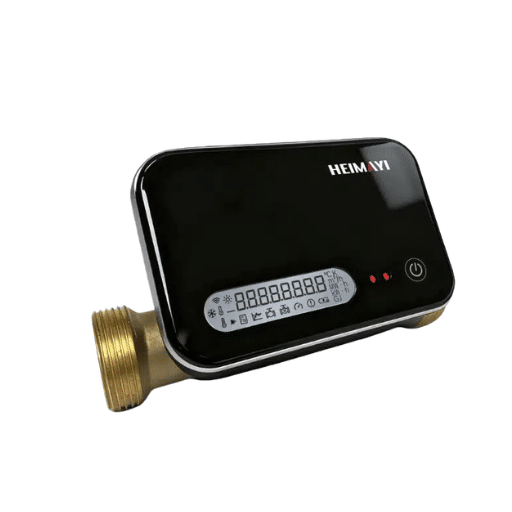
The current state of flow monitoring technology has reached its modern level because smart sensors and Internet of Things systems became part of the technology. The sensors will deliver real-time information about flow rates and pressure changes and temperature fluctuations which will be processed through machine learning and advanced algorithm analysis. The main development in this field involves using wireless communication protocols to achieve continuous data transmission between different parts of industrial operations because the traditional wired systems impose technological restrictions.
The combination of predictive analytics with digital twin technology enables industries to create virtual flow systems that allow them to assess different operational conditions and identify maintenance needs while reducing expensive operational interruptions. The production of sensors with sustainable materials shows how technology has moved toward environmentally friendly solutions because it decreases the ecological impact of these devices. The combination of these technologies creates the foundation for future industrial flow monitoring systems which will provide greater operational effectiveness and reduced expenses while meeting strict environmental requirements.
Ultrasonic Flow Meters
Ultrasonic flow meters use sound waves to determine how fast a fluid flows, which enables them to calculate the flow rate. These meters function without any interruption because they use clamps that attach to pipe surfaces, which enables them to be used in many different situations. Ultrasonic flow meters use two main operational methods which are known as transit-time and Doppler. The transit-time meters determine the time needed for signals to move in both upstream and downstream directions while Doppler meters detect frequency changes that occur when particles or bubbles move inside a fluid.
Key Features and Advantages
Accuracy and Precision
The ultrasonic flow meters show an accuracy level between 0.5 and 1 which makes them suitable for industrial operations in water treatment and chemical processing and oil and gas applications.
Non-Invasive Design
The clamp-on design eliminates pressure drop, risk of leakage, and contamination, which are common concerns with traditional intrusive flow meters.
Suitability for Diverse Fluids
Ultrasonic meters can handle liquids as well as gases, which makes them suitable for monitoring activities that take place in both clean and difficult flow situations.
Low Maintenance
These meters need very little upkeep because they contain no moving components, which results in reduced operational expenses throughout their entire service life.
Applications and Market Data
- The global ultrasonic flow meter market was valued at $2.1 billion in 2022 and is projected to grow at a 6.8% CAGR through 2030.
- Ultrasonic flow meters enable water and wastewater management systems to monitor water flow in real time, which helps to solve water scarcity challenges.
- The oil and gas industry shows increasing demand for these products because they can monitor multiple flow rates in pipeline systems under challenging conditions found in distant and extreme locations.
Technological Innovations
Ultrasonic flow meters have achieved higher reliability through recent technological improvements and can successfully operate in extreme operational environments.
AI-powered Diagnostics: Some newer models integrate machine learning algorithms to automatically detect flow anomalies and suggest corrective measures.
IoT Connectivity: Many ultrasonic meters now feature IoT capabilities, allowing real-time data transfer to cloud platforms for remote monitoring and predictive maintenance.
Temperature and Pressure Compensation: The new algorithms allow meters to maintain accurate results by adapting to fluid density changes caused by environmental temperature and pressure shifts.
Ultrasonic flow meters have evolved into essential instruments for industrial operations which need to enhance efficiency while meeting environmental requirements and implementing budget reductions through their advanced features.
Mechanical Flow Meters
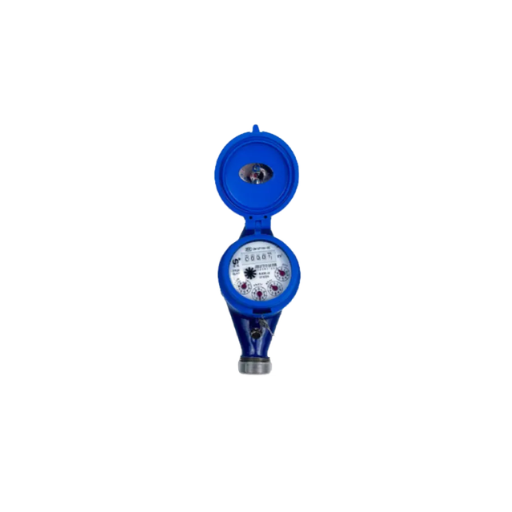
The development of mechanical flow meters marks the beginning of flow measurement technology which continues to find its widest application today because these meters rely on their mechanical components to measure both liquid and gas flow. The instruments use their rotating and moving parts to calculate volumetric flow rate by employing gears and turbines and their movement. The mechanical energy from the flow drives the system components which transform their rotational speed or movement into flow measurement results.
Main Mechanical Flow Meter Types
Positive Displacement (PD) Meters
These meters segment the fluid into fixed volumes and count the cycles of the mechanical components to measure flow. The system provides precise measurements of minimal fluid flows which makes it suitable for fuel measurement and oil transfer operations.
Turbine Flow Meters
The meters use a rotor or turbine blade to measure flow which operates through the calculation of turbine rotational speed. The systems function effectively with clean fluids that have low viscosity which makes them popular in both water treatment facilities and chemical manufacturing companies.
Variable Area Flow Meters (Rotameters)
The meters use a conical tube which contains a float to track flow rate changes through the rising and falling of the float. The system displays flow through visual indicators while it operates with high reliability to measure both gases and liquids during laboratory testing.
Advantages and Limitations
Data and Recent Innovations
The market research organization Transparency Market Research found that the global mechanical flow meter market will experience a 3.2% compound annual growth rate from 2023 until 2030 according to its recent industry analysis. The industrial sectors of oil and gas and water and wastewater management and manufacturing industries drive this growth. The recent innovations enable flow meters to function with smart technology which allows for real-time data transmission and monitoring through IoT Internet of Things platforms.
The original design of mechanical flow meters continues to provide value because their durable construction and precise measurement capabilities for particular uses and their compatibility with modern technology. The equipment functions as a dependable solution which meets the requirements of industrial operations that need both real-time flow monitoring and cost-effective solutions.
Comparative Analysis of Measurement Technologies
The authors of this section analyze five common flow measurement techniques to reveal their strengths and weaknesses. The unique characteristics of each technology enable its application in particular situations.
The five technologies demonstrate different solutions which organizations use to meet their operational requirements and site conditions and spending limits. The process of comparative selection leads to both operational efficiency and dependable performance throughout an extended time period.
Current Market Trends in Flow Measurement

The flow measurement market shows strong growth because industries need systems which deliver both precise and effective monitoring. The global flow meter market reached a value of USD 7.7 billion in 2022 and is expected to increase at a CAGR of 5.5 percent from 2023 to 2030. The market experiences this growth because technological advancements and automation trends and industrial adoption of IoT-enabled solutions proceed forward.
The oil and gas and water treatment and chemical processing industries show growing interest in non-invasive ultrasonic flow meters. These flow meters maintain precise accuracy through their ability to measure fluid flow without physical contact which leads to lower maintenance expenses and diminished material corrosion problems. Electromagnetic flow meters continue to experience strong demand because they provide dependable measurements of conductive fluids in extreme environmental conditions.
The market currently prioritizes data analytics and smart flow monitoring system integration. The industry uses smart meters which transmit real-time data through wireless systems to enhance operational performance and predictive maintenance and meet strict regulatory requirements. The industrialization and infrastructure growth in China and India are driving market expansion in Asia-Pacific regions.
Manufacturers now develop new eco-friendly and energy-efficient flow measurement technologies because sustainability has become a worldwide objective. The shift is making manufacturers create new environmentally friendly flow measurement technologies which use less energy. Industries require advanced technologies which provide dependable performance thus driving the demand for modern flow measurement solutions.
Integration with IoT and Industry 4.0
The combination of AI systems with current IoT solutions and Industry 4.0 standards together with flow measurement systems creates a new industrial operating system which provides businesses with real-time monitoring and automatic control capability to drive their data-driven decision-making process. The flow meters use IoT technology to transmit their operational data which reaches cloud systems that apply advanced analytical methods to create valuable business intelligence from the acquired information. The global IoT in manufacturing market will achieve a value of $399.08 billion by 2026 according to market reports which forecast a growth rate of 10.91% between 2021 and 2026. The present industrial situation requires IoT solutions because their adoption continues to rise in industrial settings.
The IoT ecosystems now receive flow measurement devices that include intelligent sensor systems which function without any communication problems. The tools maintain running flow rate measurements while they estimate when equipment will break down and they determine the most efficient energy usage. The combination of ultrasonic flow meters and IoT systems enables better precision while reducing operational downtime in oil and gas companies together with water management systems and chemical processing facilities. The organization achieves better operational efficiency while spending less money.
The use of digital twins together with machine learning technologies in Industry 4.0 is helping organizations to develop predictive maintenance systems which increase their operational dependability. Smart flow measurement systems in factories now interact with automated processes, feeding real-time data into larger frameworks for improved interoperability. The advanced systems have been adopted by industries which have reported productivity gains of 20% while decreasing resource waste, which makes IoT and Industry 4.0 connections essential for industrial development in today’s world.
Emerging Smart Flow Technologies
Emerging smart flow technologies are revolutionizing the way industries monitor, control, and optimize fluid dynamics in manufacturing, energy, and water management sectors. The integration of AI-powered flow sensors which use machine learning algorithms delivers the most significant technological advancement because it enables accurate prediction of usage patterns whereas it simultaneously detects system anomalies from machine learning operations. The AI-enhanced flowmeters used in industrial settings now detect possible system malfunctions through their analysis of flow rate changes. Industrial operations experience a 35% decrease in downtime according to recent industry reports.
The wireless flow monitoring systems enable operators to send their data to the main cloud storage centers in real time. The system enables users to access and analyze flow data from remote locations which supports active decision-making processes. Industries have achieved a 15% reduction in operational expenditures since their systems began using predictive analytics. The 2023 IoT Analytics report shows this trend.
Industries are now adopting ultrasonic and electromagnetic flowmeters because these devices provide better measurement accuracy and longer-lasting performance. Ultrasonic flowmeters, for instance, can measure flow rates non-invasively, making them ideal for handling corrosive or hazardous fluids, while electromagnetic flowmeters offer precision in measuring the flow of conductive liquids. The technologies work together with IoT systems to create a system which maintains business activities during all operational periods because operational efficiency and organizational readiness need to be sustained.
The global market for smart flow technologies continues to grow rapidly, with projections indicating a compound annual growth rate (CAGR) of 9.7% from 2023 to 2030, driven by the push toward sustainable practices and digital transformation goals. The environmental benefits arise from the technology integration because it leads to better resource management and waste reduction which enables the achievement of sustainable solutions.
Trends in Measurement Accuracy and Efficiency
The application of fresh measurement methods has brought about major enhancements because it raised both precision levels and operational performance across various business sectors. The market currently demonstrates a significant rise in the adoption of Internet of Things (IoT) devices and modern sensors because the combination of these technologies enables businesses to obtain real-time data while maintaining precise measurement capabilities. Industries utilize IoT-based flow meters which deliver measurement accuracy of ±0.1% to supply essential operational data for their critical processes.
The field of data analysis is experiencing a new development through the use of Artificial Intelligence (AI) and Machine Learning (ML) algorithms to study information generated from measurement instruments. The technologies enable organizations to improve their operations through operational pattern discovery and system failure prediction which allows them to schedule maintenance according to upcoming issues. The market analysis conducted by MarketsandMarkets in 2023 projects the AI-integration market for metering solutions to achieve a compound annual growth rate of 35.6% between now and 2030.
Scientists from both the medical field and environmental monitoring field show growing interest in portable non-invasive measurement technologies for their research work. Laser-based flow measurement tools now enable operators to monitor fluid movements without system interruption, which results in an efficient measurement process. Industries now prefer energy-efficient devices because these systems use minimal power to produce accurate measurement outputs, which helps them achieve cost savings and environmental preservation objectives.
The present-day industrial operations require more intelligent eco-friendly measurement systems which deliver precise results to meet their operational needs and environmental protection efforts.
Conclusion and Future Outlook

The adoption of advanced measurement systems will increase substantially because industries are focused on achieving better accuracy and operational efficiency and sustainable practices. The global smart sensor market will reach a valuation of approximately $101.2 billion by 2030 according to market research, which shows a compound annual growth rate (CAGR) of 15.6% from 2023 to 2030. Industries currently require sensors that combine advanced IoT technologies with AI capabilities to support their operational activities through real-time data processing needs.
The development of sustainable measurement technologies advances through two main forces: organizations seek to achieve net-zero emissions and new environmental regulations become more stringent. The market now adopts energy-efficient metering devices because these systems use low-power technology to monitor consumption and eliminate waste while lowering carbon emissions. The renewable energy industry functions with advanced sensors which improve energy production efficiency for both wind and solar power systems while ensuring their ongoing operational reliability.
The coming years will bring major transformation to measurement systems through the introduction of quantum sensing and advanced wireless communication systems and nanotechnology which will deliver unmatched accuracy and efficiency enhancements. The combination of these advancements with improved data analytics capabilities will allow industries to improve their operational performance while contributing to global environmental conservation goals.
The existing partnership between technology developers and industry leaders and regulatory organizations will establish a future that prioritizes sustainability and effective data usage. The process of developing environmentally friendly products requires industries to dedicate resources toward innovation while adapting to fast-changing market demands, which will maintain their edge in upcoming decades.
Future-proofing Flow Measurement Strategies
Organizations need to create assessment methods which will let them maintain their business operations through all upcoming modifications. The five essential strategies which organizations should implement include the following:
1
The Adoption of Smart Flow Technologies
The system provides real-time monitoring and advanced diagnostic tools together with predictive maintenance functions through its smart sensor and Internet of Things (IoT) device combination. The tools help organizations reduce operational interruptions while achieving higher efficiency results.
2
Data Analytics and AI Implementation
Organizations use data analytics and artificial intelligence (AI) to improve their understanding of flow patterns which helps them achieve process optimization through trend detection. The system enables organizations to make decisions before situations develop into problems.
3
System Integration Needs to Improve
The system achieves better performance and higher reliability when measurement instruments complete compatibility tests with software systems and control devices which handle process operations between systems.
4
High-Precision Instruments Need to Be Purchased
The implementation of advanced high-accuracy flow meters delivers continuous measurement results which maintain complete accuracy. Chemical processing and healthcare industries need this specific capability because they follow strict quality control requirements.
5
The organization needs to establish sustainability practices which require energy-efficient operations
The organization achieves sustainability targets through the implementation of eco-friendly technologies which decrease energy needs and support sustainable development while achieving long-term operational cost savings.
The implementation of these strategies will enable industries to establish future-proof flow measurement systems which will help them succeed in the changing business environment.
Innovations on the Horizon
The advancement of flow measurement technology depends on the combination of technological progress with smart system integration. The industry has adopted IoT-enabled flow meters which enable users to monitor their systems in real time while performing data analysis. The worldwide market for smart flow meters will grow at a compound annual growth rate of 6.1% from 2023 until 2030 according to market research which forecasts the market will exceed 2 billion dollars. The devices enhance precision while enabling companies to organize maintenance activities which leads to reduced operating costs and downtime.
The introduction of ultrasonic and electromagnetic flow meters has enabled non-intrusive flow measurement technology to develop. The systems provide a non-invasive measurement solution which eliminates the need to penetrate pipelines, making them suitable for industries which manage hazardous and corrosive substances. The advanced meters demonstrate a 20% efficiency improvement over traditional measurement methods according to study findings.
The flow measurement sector is undergoing major changes because machine learning and artificial intelligence (AI) emerge as new technologies. The technologies deliver advanced insights through their ability to examine extensive data sets which help anticipate how flow patterns will change based on different environmental factors. AI-powered analytics systems can detect system anomalies which results in improved reliability and safety for operational systems.
The flow measurement systems which function with energy efficiency have developed through new sustainable solutions which address environmental requirements. The design initiative uses renewable energy sources like solar power to run flow meters, thus supporting international efforts to decrease energy usage and carbon emissions.
The field of flow measurement advances through these technological developments which enable industries to achieve precise work performance and operational efficiency while maintaining environmentally sustainable practices. The understanding of these innovative developments enables businesses to enhance their operational performance while sustaining their market advantage in a world which increasingly relies on data.
Final Thoughts on Flow Measurement Technologies
The field of flow measurement technology has achieved significant development which enables systems to detect with better accuracy and achieve better operational performance while protecting the environment. Industries need to monitor these technological changes because they enable companies to enhance their efficiency and drive their research and development activities. The technologies we implement will create a future which exists in harmony with nature and operates at maximum operational efficiency.
References
- ResearchGate: Flow Measurement (PDF)
- MDPI Sensors Journal: Study on a New Electromagnetic Flow Measurement (PDF)
Frequently Asked Questions (FAQ)
ultrasonic flow measurement: What is it and how does it measure flow?
Ultrasonic flow measurement uses ultrasonic waves or ultrasonic pulses sent through a fluid flow to determine flow velocity and volumetric flow. The two main ultrasonic flow measurement techniques are transit-time ultrasonic and Doppler ultrasonic because transit-time ultrasonic flowmeters determine flow rates by measuring the time difference between ultrasonic waves that travel upstream and downstream, while Doppler ultrasonic flow meters measure flow rates by detecting frequency changes in moving particles and bubbles present in the fluid. The non-intrusive flow measurement methods enable flow meters to deliver real-time flow monitoring for both liquids and gases while achieving precise measurements without needing to disrupt the pipe system.
ultrasonic technology: How do ultrasonic meters work in liquid flow applications?
Ultrasonic meters use an ultrasonic signal transmitted between transducers to measure the rate of flow of liquids. Liquid flow meters use clamp-on ultrasonic transducers which attach to pipes from outside to measure flow without interrupting the system while inline ultrasonic flow installations use transducers that sit directly inside the flow path to achieve better measurement results. The three elements needed for monitoring ultrasonic water and ultrasonic liquid include the ultrasonic beam and flow profile analysis and flow velocity data which when combined with density information enable calculation of volumetric flow rate or mass flow rate.
clamp-on ultrasonic: Are clamp-on ultrasonic flow meters as accurate as inline meters?
Clamp-on ultrasonic flow meters provide non-invasive installation capabilities which require only brief downtime making these devices suitable for both portable ultrasonic flow measurements and system upgrades. The accuracy of flow measurement increases when using full-pipe liquid flow with known flow characteristics although inline ultrasonic flowmeters and insertion types deliver better accuracy during difficult flow scenarios which include low flow conditions and multi-phase flow and heavily fouled pipes. The establishment of correct sensor positioning together with proper sensor calibration constitutes the fundamental requirement for obtaining precise measurements that match the performance of mechanical meters and other flow measurement devices.
mass flow meters: When should I choose mass flow meters vs ultrasonic flowmeters?
The thermal mass flow meters together with other mass flow meters determine gas flow rates because they deliver precise mass flow data. The design of ultrasonic flowmeters enables them to measure volumetric flow which makes them suitable for both liquid flow measurement and non-invasive monitoring applications. Your measurement solution needs mass flow rate for custody transfer and chemical dosing and energy calculations so choose mass flow meters; you should use ultrasonic meters for your needs when you need to perform non-intrusive ultrasonic flow measurement or when you need to track liquid volumetric flow with high accuracy.
thermal mass flow meters: What are their strengths and limitations for industrial flow measurement?
Thermal mass flow meters measure mass flow rates by their ability to detect heat transfer from a heated element into the moving fluid which enables them to measure small gas flows while they calculate mass flow rates without needing separate density measurements. The equipment operates at peak performance when it receives pure and steady gas streams which makes it a standard tool for HVAC systems and process control applications and emissions monitoring. The system has two main limitations because it becomes sensitive to particulate matter and condensable substances and it does not work well with liquids, which require ultrasonic or mechanical meters for liquid measurement.
non-intrusive flow measurement: Can ultrasonic technology provide non-invasive flow monitoring for water treatment plants?
Yes, water treatment facilities and distribution networks commonly use non-intrusive flow measurement methods that employ both clamp-on ultrasonic devices and portable ultrasonic flow meters. The ultrasonic water flow systems maintain non-contact operation which decreases both contamination hazards and required maintenance activities. Ultrasonic flow meters provide continuous flow tracking and volumetric flow measurement capabilities which operate across multiple pipe materials and sizes to help water treatment facilities monitor their water consumption and identify leaks and improve their operational processes with minimal disruption.
accurate measurement: What factors influence the accuracy of ultrasonic flowmeters?
Ultrasonic flow meters deliver precise measurement results when all their required measurement conditions and the straight run of their piping system and actual flow pattern and complete fluid characteristics which involve bubble and solid presence and sensor positioning and all available ultrasonic measurement methods which include transit-time and Doppler technologies work together. The measurement accuracy of clamp-on flow sensors depends on both the pipe material properties and the thickness of the pipe walls. The selection of the correct meter type together with proper calibration procedures and suitable low flow and dynamic flow handling methods enables highly precise measurements to be obtained. The industrial flow measurement systems achieve measurement accuracy through ongoing validation procedures which involve comparing results against both reference mechanical meters and master meters.
doppler ultrasonic flow meters: When are Doppler ultrasonic flow meters preferred?
Doppler ultrasonic flow meters become the preferred choice when fluids contain particles or bubbles or solids that can reflect ultrasonic waves because this property enables detection of Doppler shifts. The system achieves effective operation for wastewater treatment and slurry processing and aerated liquid applications because transit-time methods cannot handle these scenarios. Doppler ultrasonic devices function without physical contact to provide dependable flow measurements in difficult fluid situations but they require sufficient reflective material for operation and they cannot measure extremely pure liquids.
types of ultrasonic flow: How do I choose between transit time, Doppler, and clamp-on flow options?
Different ultrasonic flow technologies need to be selected according to the particular requirements which an application demands. The transit time ultrasonic flowmeters together with their transit-time ultrasonic clamp-on versions deliver precise measurements for clean full-pipe liquid flow. Doppler ultrasonic flow meters work for dirty, aerated, or slurry flows with reflectors. Businesses can install their systems using clamp-on ultrasonic flow meters because these meters allow portable ultrasonic flow testing during operational periods. The optimal flow measurement solution requires assessment of fluid type (clean versus particulate), accuracy requirements, measurement needs (volumetric versus mass flow), pipe material, flow profile, and measurement method (inline versus non-intrusive).