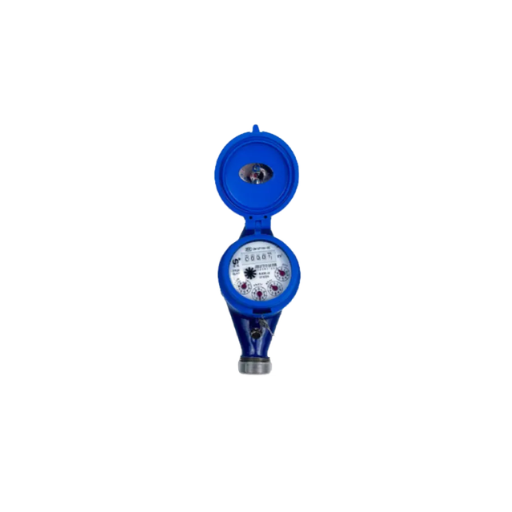
Ultrasonic Water Meters: Technology, Benefits and Applications
Water is a scarce resource and thus, it should be the community’s and industry’s top priority to practice effective water management to avoid wasting it. Ultrasonic water meters prove to be a very good option for regular water measurement systems since they are more precise, reliable, and have many advantages. In contrast to older systems, ultrasonic devices are not dependent on moving parts thus they are more reliable and efficient. This thorough guide will be of service to all including the providers, business owners, and residents by explaining the tremendous impact ultrasonic water meters are having on the water collection and management systems.
Understanding Ultrasonic Water Meters

Ultrasonic water meter uses sound waves for measuring water flow with high accuracy. The ultrasonic device emits high-frequency sound waves along with and against the pipe. The water flow rate can be very precisely calculated by the time it takes the waves to travel. Unlike traditional meters, these systems contain no moving parts which implies reduced mechanical wear and continuous performance over long periods. Even at very low flow rates, the readings from such systems are accurate, therefore, they are considered as reliable and effective machines.
What is an Ultrasonic Water Meter?
An ultrasonic water meter uses advanced ultrasonic methods to quantify water flow by measuring the timing discrepancies between ultrasonic waves traveling upstream and downstream. The way of measurement is so good that no conventional meter can achieve even the smallest error in measurement, plus it is fast, built-in and durable.
How Ultrasonic Water Meters Work
Ultrasonic water meters use the same principle as sending pulsating signals through liquids to measure their velocity. The device at least incorporates two transducers that are positioned at an angle across the piping so they can send and receive waves by communicating with each other, one wave going and the other coming back in the opposite direction. The water flow through the meter alters the time taken by the ultrasonic waves. The signals in the flow direction travel faster and at a lower speed when going against the flow. Therefore, the flow rate can be accurately ascertained from the determined changes in transit time.
Modern ultrasonic flow meters based on the same principle have built-in digital processing capabilities that provide accuracy in the measurement of very low or transient flows. Most of them are accurate to within ±1% across a range of flow rates, and unlike mechanical meters that become less accurate over the years due to wear and tear, ultrasonic meters’ accuracy remains unchanged throughout their lifetime.
Key Performance Features:
- Flow rate range: 0.03 gallons to over 1,000 GPM depending on installation
- Maintenance-free operation with no moving parts
- Data logging and smart water system integration capabilities
- Leak detection and prevention features
- Extended lifespan of 10-15 years or longer
- Operating temperature range: 32°F-140°F (0°C-60°C)
Types of Ultrasonic Flow Meters
Ultrasonic wave principles are the basis for flow measuring devices which are classified according to their operation, configuration, and usage. By knowing these different kinds, one can choose the appropriate meter for that particular application.
1. Transit-Time Ultrasonic Water Meters
The operation of transit-time meters relies on determining the flow rate by calculating the difference in travel times for the ultrasonic signals moving along and against the flow direction. These meters are very accurate, with an accuracy of ±1% or better being typical. Thus, they are excellent for relatively clean fluids. Water distribution, climate control, and many industrial processes are some of their common applications.
2. Doppler Flow Meters
The working principle of these devices is based on the so-called Doppler effect to estimate the flow of liquids with particle or gas bubble inclusions. They work best in the case of liquids containing adequate amounts (>30 ppm) of solid particles or air. Wastewater treatment, slurry measurements, and partially or completely opaque fluid systems are some cases where the deployment of Doppler ultrasonic flowmeters is common.
3. Clamp-On Ultrasonic Flow Meters
Clamp-on meters are one of the least intrusive devices as they measure flow across only the external surface of a pipe. They can be moved easily from one location to another and can be placed on pipes without cutting, unlike fixed units of permanent installations. The accuracy of clamp-on meters is a bit lower than inline types but modern technologies achieve a range of ±1-2%. Such flow meters are predominantly used in monitoring flow rates from locations that are difficult or perilous to access.
4. Hybrid Ultrasonic Flow Meters
The hybrid ultrasonic water meter is a novel device that aims at merging the advantages of both Doppler and transit-time techniques. By utilizing both technologies, it is possible to measure perfectly clean fluids as well as those with some contamination, hence, it is suitable for most industrial applications. These meters achieve stable accuracy even if fluid characteristics change over time.
5. Inline Ultrasonic Flow Meters
Inline ultrasonic water meters are installed in the flow line and are generally the most accurate and dependable type of flow meter. They can be installed permanently in both commercial and industrial areas where precise flow measurements are a must. They can manage a broad range of pipe diameters and pressures while providing excellent diagnostics.
6. Portable Ultrasonic Flow Meters
Portable ultrasonic flowmeters are extremely useful devices with small dimensions that can be easily carried to any location where they are needed for taking measurements. These devices run on batteries which enables the users to take the flow readings in different places quickly. The latest models are able to deal with pipes of diameters anywhere between 0.5 inches and 100 inches and even bigger ones.
Why Choose Ultrasonic Flow Meters?
- No Contact with Pipeline Liquid: Especially with portable and clamp-on models, there are no chances of cross-fluid interaction or structural interference
- Very High Accuracy: Equipment performs well within ±1% accuracy on a regular basis
- Covers a Significant Spectrum: Can be used for clean and dirty liquids, numerous pipe sizes, and various material types
- Reliable Operations in Diverse Environments: Most models work even under high pressures and temperatures
Principles of Ultrasonic Flow Measurement

Measuring flow with ultrasonic sensors is based on using high-frequency acoustic waves to gauge how fast fluid travels in a pipeline. This can be achieved through two effective methods: the Transit Time technique and the Doppler effect.
Transit Time Measurement
This technique relies on the employment of ultrasonic sensors which measure the differential flight time between the flow direction and the opposite direction. The time-of-flight difference can be used to compute the flow velocity. This method of flow measurement is very suitable for clean liquids or slightly contaminated fluids and it is widely used in applications like water supply management and chemical processing where extremely accurate flow measurement is a must.
Doppler Measurement
Doppler measurement relies on the ultrasound waves’ frequency change that are reflected or scattered from particles or gas bubbles. This technique is dependable for revealing the motion of the opaque liquids and slurries, thereby proving itself in the areas of pollution control, wastewater treatment, and mining.
Advantages of Ultrasonic Flow Measurement
- Unobtrusive Monitoring: Most ultrasonic water meters are fitted externally to the pipe, minimizing wear since there is no direct contact with the medium being measured
- Consistent and Precise Measurements: Modern ultrasonic flow meters guarantee accuracy within ±0.5%, adequate for precision applications
- Extremely Flexible: All instruments are designed to operate with liquids, gases, and steam flows
Comparison with Other Meter Technologies
To help you make an informed decision, here’s a comprehensive comparison of ultrasonic water meters with other popular metering technologies:
| Parameter | Ultrasonic Water Meters | Mechanical Water Meters | Electromagnetic Water Meters |
|---|---|---|---|
| Accuracy | High, even at low flow rates | Moderate, less accurate at low flows | High, suitable for conductive liquids |
| Durability | No moving parts, long lifespan | Prone to wear and tear | Durable, no moving parts |
| Maintenance | Minimal maintenance required | Regular maintenance needed | Minimal maintenance required |
| Installation Flexibility | Easy to install on various pipe materials | Limited flexibility | Requires conductive liquid for operation |
| Cost | Higher initial cost, long-term savings | Lower initial cost, higher maintenance cost | Moderate cost, depends on application |
| Environmental Impact | Reduces water wastage | Less efficient in water conservation | Effective for water and wastewater systems |
| Technology | Uses sound waves for flow measurement | Relies on mechanical components | Measures flow via electromagnetic fields |
| Applications | Residential, industrial, municipal, irrigation | Residential, basic water metering | Industrial, municipal, wastewater systems |
Advantages of Ultrasonic Flow Meters
There are several underlying factors that support the use of ultrasonic water meters in different situations and applications. The main advantages are listed below:
1. Remarkable Dependability and Precision
Ultrasonic flow meters exhibit outstanding measuring accuracy, with the standard error being anywhere from ±0.5% to ±1.0% of the flowing rate. The information supplied by this apparatus can be made use of in both operational and financial management, thus providing reliable statistics on water consumption.
2. No Interruption in Flow
In these flow meters, the measurements are taken without either inserting components into the flow or otherwise disturbing it. This technique results in less contamination, less wear, and less loss of pressure—all of which are particularly valued in food and beverage or pharmaceutical applications.
3. Wide Application Field
Ultrasonic flow meters can handle various types of fluids such as water, chemicals, hydrocarbons, and even slurries. They also function over an extensive temperature and pressure range, offering a solution to the demand for reliable and sufficient flow measurement in diverse industries.
4. Maintenance Frequency Aplenty
Ultrasonic flow meters are more trustworthy since they do not comprise any moving parts that could typically break or be affected by wear and tear. This quality results in reduced maintenance costs and extended longevity of the equipment. A survey conducted by the International Water Association (IWA) reports that cities that have switched to ultrasonic meters have cut their maintenance costs by almost 30%.
5. Power Saving
Ultrasonic water meters are the use of less energy than traditional water meters. The design helps to increase the effectiveness of operations, and at the same time, it promotes the use of energy-saving processes by making it easy to carry out such operations.
Key Benefits of Ultrasonic Water Meters

High Precision
Ultrasonic water meters are capable of accurate measurement of any flow, even the lowest, meaning trustworthy statistics for water consumption. This sophistication achieves delivery accuracy better than 1% deviation from the mean value, making these meters applicable in both residential and industrial services.
Leak Detection
As ultrasonic water meters are sensitive to very minute changes in flow rate management, they are excellent at indicating the probability of leakages. This ensures minimum water consumption and management of costs related to water losses when issues are resolved early.
Extended Service Life
Ultrasonic water meters are made of solid materials with no moving parts, enabling them to outlive traditional mechanical meters by about 10 to 15 years or even more, assuming ordinary use conditions.
Simple Assembly and System Management
Most ultrasonic meters come in small sizes, are lightweight, and don’t require much effort to install. Several designs support smart meter capabilities, meaning they can be easily incorporated into existing infrastructure and permit automatic data collection.
Environmental Advantages
An ultrasonic water meter encourages efficient water use by ensuring metered consumption and providing leak detection capabilities. The energy-saving nature of the meter also ensures environmental conservation, which many current regulations strive to achieve.
Real-Time Monitoring Capabilities
Many modern ultrasonic water meters feature digital connectors to monitor water flow and obtain relevant information in real-time without any loss of accuracy. This allows for immediate response to anomalies and better water management.
Atmospheric Resilience
The accuracy of ultrasonic water meters remains intact while operating under extreme atmospheric factors such as very high and low temperatures and different water pressures.
Cost-Effectiveness in Water Management
Implementing ultrasonic water meter technology in water supply management generates significant cost savings and improves performance. Here are five critical areas that illustrate how this technology enhances cost efficiency:
1. Minimized Water Leakage
Leakage emerges as a major drawback in water systems. Utilities have resorted to a basic leakage reduction strategy, and it is estimated that cutting leakages by 10% will result in about 30% of water wastages being eliminated.
2. Reduced Costs on Maintenance
With predictive maintenance, it is possible to identify and fix problems before they lead to complete breakdowns. Hence, utilities that have gone this route are saying they have cut maintenance costs by 20% at most.
3. Savings on Energy
The state of art technology has contributed to a significant cutback on the energy consumption that is normally associated with water supply management practices. The average amount is 25% which results in a reduction of power bills and at the same time, the environment is kept safe.
4. Accurate Revenue Through Billing and Collection
A very complex and costly metering system guarantees all three aspects of good metering: it is reliable, generates very few disputes and inaccuracies, and, over time, recovers previously lost revenues (which in some cases can be as high as 10-15% of annual sales revenue).
5. Scalability Advantages
Capital expenditures on scalable systems are a way to defer costs over the long term. Frequent overhauls that accompany upgrades to regional distribution systems can reduce upgrade costs by up to 40%.
Applications of Ultrasonic Water Meters

An ultrasonic water meter can be applied across almost all sectors due to its accuracy and competent performance. Here are the major applications:
Residential Water Supply
Ultrasonic water meters have found good use in residential areas where they help monitor water usage effectively. The main advantage is that they are long-lasting and capable of capturing small leaks, helping every household avoid paying for water they didn’t intend to use.
Commercial and Industrial Premises
Ultrasonic meters are useful in industries and large commercial buildings with complex water usage patterns. They have been designed to withstand tough environments and cope with high flow rates while maintaining accuracy.
Non-Revenue Water (NRW) Reduction
Water loss through leakage or unauthorized usage is effectively addressed by ultrasonic water meters. NRW is significantly reduced when users employ these devices, which is of great importance for water utilities striving to enhance their distribution capabilities and management.
Irrigation Systems
In agricultural irrigation systems, ultrasonic water meters are employed to measure and control the water used. This allows for the reduction of water wastage by ensuring crops receive the precise amount of water needed.
Smart Water Networks
Ultrasonic meters are essential in managing water through smart systems. They incorporate advanced communication features that promote system performance by allowing online remote operations and real-time data analysis, thus enhancing the efficiency of water distribution networks.
Manufacturing Plants
Ultrasonic meters are used to check factory water usage throughout various manufacturing processes to enhance water efficiency and reduce wastage. This applies particularly in textile manufacturing and food industry production where accurate water measurement ensures cost-effective production and quality levels.
Power Generation Plants
Ultrasonic water meters enable efficient water use in power generation operations through management of cooling circuitry and water used for steam production. They ensure operations meet water-saving objectives while addressing external regulation requirements.
Commercial Buildings
Large building areas such as shopping centers, hotels, and office towers are equipped with ultrasonic water meters to measure water usage by floor or zone. This information enables more effective billing and more eco-friendly building operations.
Municipal Systems
Municipalities use ultrasonic flow meters for water metering activities that involve generating revenue and locating leaks in the distribution system. Their technical ability to measure small discharges combined with leak indication makes them valuable for monitoring water consumption patterns.
Environmental Monitoring
Water flow control and management form the basis of environmental surveillance systems. Ultrasonic water meters make it possible to measure water consumption without altering the ecological balance, facilitating conservation efforts.
Market Trends and Growth Potential
The worldwide market for ultrasonic water meters is rapidly expanding due to increased demands for smart water management and reduction in water levels globally. Recent market trends show growth in the adoption of ultrasonic water meters, predicted to grow at a CAGR within the range of 8% to 10% between 2023 and 2030.
Key Growth Drivers
- Urbanization: Rapid urban growth increases demand for efficient water management systems
- IoT Technologies: Advancement of Internet of Things enables precise measurement and remote monitoring
- Smart City Development: Government efforts to develop smart cities support increased demand for ultrasonic meters
- Water Conservation Concerns: Increasing awareness about water scarcity drives adoption of efficient metering systems
Regional Market Insights
Europe and North America: These regions boast significant smart water metering penetration due to robust policies and eco-conservation strategies.
Asia-Pacific Region: This area is gaining prominence as the most rapidly expanding region due to massive urbanization, developing investments in water infrastructure, and increasing concern for water conservation. Countries like China and India are integrating ultrasonic water meters in major infrastructural works to rectify deficiencies in water distribution systems.
Technological Integration
A significant pattern is the emergence of the ultrasonic meter communication technology along with the use of LoRaWAN and NB-IoT systems for remote access to data in real-time. The introduction of AI and predictive analytics to ultrasonic water meter systems is another aspect that users can benefit from through reducing water wastage, effective leakage detection, and boosting cost-effectiveness.
As per the market analysis done in 2023, it is indicated that the global ultrasonic flow meter market will be attractive with a CAGR of 6.8% over the period of 2023-2030, mainly due to the increased demand from the oil and gas, chemical, and water treatment industries.
Technological Advancements
The ultrasonic water meter has been taken to an advanced level due to ever-growing technology. Here are the key technological improvements:
Advanced Sensor Technology
These sensors measure water flow using sound waves in the most effective manner, surpassing the limits imposed by mechanical meters. This method allows for the detection of minor water leakages, which could save thousands of gallons of water every year.
IoT Integration
Enhancements have been made in the functioning of ultrasonic water meters connected to the Internet of Things. Market surveys anticipate that the global market for IoT water meters will grow at a rate of 12% (CAGR) from 2022 to 2030. These water meters provide real-time monitoring along with data recording, integrating with smart cities and cutting down the frequency of manual readings to zero while increasing efficiency considerably.
Enhanced Durability
Mechanical meters wear out quickly since they have many moving parts; however, ultrasonic meters have no such parts and therefore last twice as long. They are capable of working with various water qualities and are considered an innovative solution for challenging conditions. New models are being produced using environmentally friendly materials.
Digital Processing Capabilities
Modern ultrasonic water meters are equipped with computer-intelligently enhanced digital processing, making them more accurate when measuring very low or intermittent flow.
Cloud-Based Data Systems
New IoT-enabled sensor attachments provide real-time data to cloud computing systems, enabling diagnostic tools and predictive maintenance.
Challenges and Considerations
While ultrasonic water meters offer numerous advantages, there are some challenges that come with their usage:
Key Implementation Challenges
Cost of Acquisition
Compared to mechanical meters, quality ultrasonic water meters are more expensive. Some municipal departments and small utility companies may have difficulty affording them due to financial constraints.
Technical Skills Requirements
Ultrasonic water meter installations and maintenance call for appropriate technical backup. There is a need for well-trained technicians, especially in places where such expertise is lacking.
Compatibility Issues
Installing ultrasonic water meters without upgrading infrastructure poses risks associated with compatibility between old infrastructure and new technology. This situation can cause operational delays and incur additional expenses.
Power Requirements
In contrast to mechanical meters, ultrasonic meters use electronic devices and require a power source. During power interruptions, they can suffer failures and cannot be relied upon without backup systems.
Data Privacy and Security
Given that smart ultrasonic water meter technologies manage sophisticated information through wireless processes, threats to data privacy and security have become concerns. It is crucial to ensure appropriate measures are in place to prevent intrusions and compromises.
Future Outlook for Ultrasonic Water Meters

The prospects for water consumption metering based on ultrasonic systems show strong development potential. With gradual progress in smart cities and water conservation, these meters will be highly effective in addressing limited water resources and increasing effectiveness of water supply services.
Predicted Market Growth
Market research shows the ultrasonic meter segment will grow at a compounded annual growth rate of approximately 8% between 2023 and 2030, driven by factors such as rapid population growth, incorporation of IoT in different sectors, and obligations for efficient water resource use.
Key Future Improvements
- Enhanced Connectivity: New smart-grids with ultrasonic meters allow real-time monitoring and wireless communication
- Advanced Data Analysis: Combination of sophisticated analytics with ultrasonic technology enables forecasting of consumption behavior
- Infrastructure Modernization: Governments worldwide are investing in replacing aging mechanical meters with environmentally friendly ultrasonic ones
- Predictive Capabilities: Detection of even the smallest leaks helps in significant water savings
With ongoing developments and tightening environmental regulations, the ultrasonic water meter is expected to become the dominant water meter technology, enabling better water utility management and water conservation across businesses and communities.
References
- Development of a high-precision and wide-range ultrasonic water meter
Published on ScienceDirect, this article discusses the flow measurement principles and advancements in ultrasonic water meters.
Read more on ScienceDirect - How to improve accuracy of existing ultrasonic water meters
Published by ASME Digital Collection, this paper explores methods to enhance the accuracy of ultrasonic water meters under various conditions.
Read more on ASME Digital Collection - Behavior of domestic ultrasonic water meters subjected to multiple tests
Another ScienceDirect publication, this study evaluates the performance of ultrasonic water meters in household applications.
Read more on ScienceDirect
Frequently Asked Questions (FAQ)
What exactly are ultrasonic meters and how are they used?
Ultrasonic meters measure water flow using sound waves or ultrasonic pulses. There are two main types: transit-time (time-of-flight) meters that evaluate flow velocity by examining transit time differences in upstream and downstream ultrasonic pulses, and Doppler flow meters that use the Doppler effect of returned ultrasonic waves from particles or micro-bubbles. Unlike conventional mechanical meters with moving parts, ultrasonic meters accurately measure water flow without mechanical components, making them increasingly common in municipal, water treatment, and industrial applications.
What is the difference between clamp-on and inline ultrasonic water meter installations?
Clamp-on flow meters are externally mounted to existing pipes and don’t require intrusive pipe cutting, while inline ultrasonic flowmeters require cutting a section of the pipe to install transducers into the flow. The rapid installation process of clamp-on meters limits downtime as they don’t require changes within the pipe to work. Inline meters provide higher accuracy, especially for very low flow rates. Both types use ultrasonic measurement principles, but clamp-on meters offer superior serviceability and easier installation.
What benefits do ultrasonic meters have over mechanical ones?
Ultrasonic flow meters are advantageous due to their simplicity and lack of mechanical components, significantly lowering maintenance necessity. Mechanical meters tend to wear and deteriorate over time, reducing operational lifespan; in contrast, ultrasonic meters have no wearing parts and are known for their enduring nature. They calculate flow velocity with high accuracy using ultrasonic beams or signals, making them superior for water consumption monitoring, process control, and water resource allocation. In many applications, ultrasonic flow meters outperform electromagnetic or mechanical meters when working with low pressures or requiring minimal, clean operation.
Are Doppler ultrasonic water meters reliable for wastewater treatment facilities?
Doppler flow meters are ideally suited for measuring fluids containing entrained particles and air bubbles, as these objects disturb steady flow, enabling Doppler ultrasonic sensors to function based on reflection principles. Since wastewater and some processing streams in treatment plants contain suspended solids, these meters work well for water flow measurement. For very clean water, transit-time ultrasonic meters are better. The best type of ultrasonic water meter is determined by water characteristics and the measurement technique required.
How do ultrasonic water meters perform in pipes with variable flow profiles?
Ultrasonic flowmeter design, especially clamp-on flowmeters installed without sensor penetration into pipe walls, remains stable during technological changes. When two piezoelectric transducers are positioned opposite each other at slight angles toward the pipe center, velocity can be calculated accurately with ultrasonic transit-time flow meters even when flow profiles aren’t fully developed. These clamp-on meters account for pipe wall thickness and acoustic bonds. In many instances, reliable meters can still function where flow fluctuations would inhibit other meters.
Can clamp-on ultrasonic water meters be used with large or buried pipes?
Clamp-on meters are highly effective for large diameter and buried pipes as they require no pipe cutting, eliminating trenching and service downtime. Mounted on the outer pipe surface, they use sound waves transmitted and received through pipe walls for flow measurement. Some technical solutions may be needed for very large pipes, multi-layered pipes, or mostly submerged installations to prevent reading errors. Overall, clamp-on meters offer significant advantages for various infrastructural and industrial applications.
What should I consider when selecting an ultrasonic water meter?
Important considerations include: flow rate measurements, pipe material and size, presence of solids or foam in liquid, required accuracy, and installation constraints. Transit-time meters are preferred for very clean fluids and greater accuracy, while Doppler meters are recommended for fluids with particulates. Due to cost constraints, clamp-on flow meters may be best to avoid installation downtime. Other factors include data storage capability, control system compatibility, and lack of moving parts for easy maintenance.
How do ultrasonic meters compare to electromagnetic and conventional meters for long-term monitoring?
Ultrasonic meters are effective for long-term water-use monitoring due to minimal maintenance (no movable components), accurate measurement over wide flow velocity ranges, and negligible pressure drop compared to mechanical or magnetic types. While magnetic flow devices perform well with conductive fluids and offer precision, ultrasonic meters provide a non-invasive alternative usable in clamp-on or inline configurations. For municipal water and water resources management, ultrasonic flow meters offer sophisticated techniques to continuously monitor water systems, assisting utilities in controlling water leakages for billing and system efficiency purposes over time.
Conclusion
Ultrasonic water meters represent a significant advancement in water measurement and management technology. Their precision, durability, and versatility make them invaluable across residential, commercial, industrial, and municipal applications. With no moving parts, these meters offer extended lifespans, reduced maintenance costs, and exceptional accuracy even at low flow rates.
As global water scarcity becomes an increasingly pressing concern, ultrasonic water meters play a crucial role in conservation efforts through accurate consumption tracking and early leak detection. The integration of smart technology, IoT capabilities, and cloud-based systems positions these devices at the forefront of modern water management solutions.
While initial investment costs may be higher than conventional meters, the long-term benefits—including reduced maintenance expenses, energy savings, accurate billing, and environmental conservation—make ultrasonic water meters a cost-effective choice. With market growth projections showing consistent expansion and continuous technological improvements, ultrasonic water meters are poised to become the standard for water measurement worldwide, contributing to sustainable water management for future generations.