Differential Pressure Transmitter Applications: Flow and Level Measurement
Introduction to Differential Pressure Transmitters

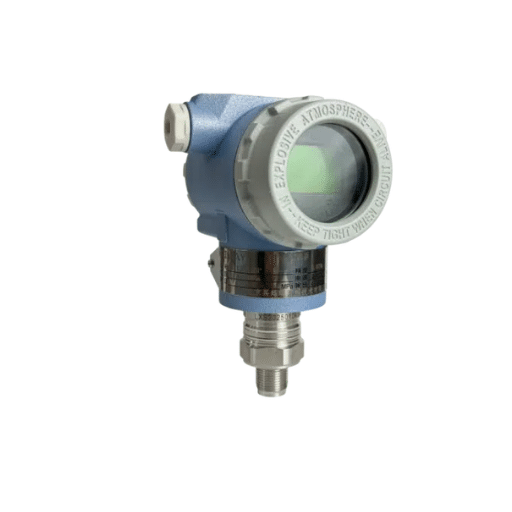
A differential pressure transmitter is a sophisticated device designed to measure the difference in pressure between two points in industrial systems. These instruments have become indispensable for measuring flow rates, liquid levels, and monitoring filtration processes across various industries.
The working principle involves capturing pressure changes induced on a diaphragm and converting this mechanical information into electrical signals suitable for monitoring or controlling purposes. Their robust construction and exceptional accuracy make them ideal for process control applications where system efficiency and process accuracy are paramount.
These devices find extensive use in manufacturing, oil and gas operations, water management facilities, and numerous other industrial sectors where precise measurements are critical for safety and productivity.
Significance in Industrial Applications
In industrial operations, differential pressure transmitters play a crucial role in boosting effectiveness, enhancing safety protocols, and ensuring regulatory compliance through accurate and reliable measurements. Their versatility enables applications across diverse industries aimed at optimizing performance and resource utilization.
1. Flow Measurement
One of the primary applications involves measuring fluid flow using devices such as orifice plates, venturi tubes, and flow nozzles. By measuring pressure differences across these elements, the system accurately calculates flow rates—essential for proper flow regulation in industries like oil and gas where pipeline monitoring is critical.
2. Filter Monitoring
Transmitters enhance filtration system performance by reading pressure differences across filters. Indicating when pressures exceed certain limits signals the need for filter cleaning or replacement, ensuring efficient operation in pharmaceutical, water treatment, and HVAC industries.
3. Tank Level Monitoring
By measuring pressure between two points quantitatively, differential pressure transmitters effectively monitor liquid or slurry levels in tanks. This application is fundamental in chemical processing and food and beverage industries for proper inventory control and material management.
4. Pump Efficiency Control
Installing differential pressure transmitters across pumps enables analysis of pressure differences, helping draw conclusions about mechanical system status. This data supports predictive maintenance practices, optimizing operations particularly in energy-intensive industries like power generation and petrochemical processing.
5. Leak Detection
Differential pressure transmitters assist in detecting leakage in closed systems such as pipelines and pressurized vessels, ensuring system integrity and preventing dangerous or costly leaks. This function is particularly relevant in the chemical and natural gas industries where safety is paramount.
Overview of Differential Pressure Measurement
Core Applications
Fluid Management and Measurement
Employing differential pressure transmitters, pressure variations experienced along piping sections represent fluid or gas flow rates. According to market research from 2023, flow measurement accounts for 60% of differential pressure transmitter usage due to its efficiency and economic advantages.
Liquid Level Measurement
Differential pressure measurement excels in measuring liquid levels in closed tanks by evaluating the pressure of the liquid column. Accuracy is particularly critical in oil and gas industries where precise sample collection and inventory management are essential.
Filtration Monitoring
Filtration systems utilize differential pressure transmitters to measure pressure across filters. A rise in differential pressure beyond acceptable ranges indicates filter saturation, necessitating cleaning or replacement to enhance system performance.
Key Advantages
Recent Innovations and Industry Trends
The differential pressure transmitter industry has experienced dynamic changes driven by technological advancement and industrial expansion. Current innovations focus on smart sensor capabilities, enabling self-healing properties and predictive maintenance data.
Market Projection:
Global pressure transmitter market estimated to reach $4.3 billion by 2027, representing a CAGR of 3.8% from 2022 to 2027.
Technological Developments
- Wireless Technology: Enhanced mobility and reduced installation costs through elimination of wiring requirements
- Industrial IoT Integration: Networked controllers managing processes and collecting data for informed decision-making
- Enhanced Durability: Improved resistance to elevated temperatures, aggressive chemicals, and high pressure
- Digital Protocols: Industry shift toward purely digital protocols (HART, Profibus, Foundation Fieldbus) for seamless cloud integration
- Sustainability Focus: Enhanced energy efficiency and waste reduction supporting environmental compliance objectives
Understanding How Differential Pressure Transmitters Work

Operating Principle
Differential pressure transmitters operate by measuring the pressure difference between two points in a system. A deflecting device such as a diaphragm or capsule responds to applied pressure disturbances. The differential pressures are obtained between the high side (HP) and low side (LP) connections.
Modern transmitters incorporate sophisticated piezoelectric and capacitive transducers for enhanced accuracy. These pressure transducers possess exceptional sensitivity, capable of detecting minute temperature changes and corresponding pressure variations.
Technical Specifications
- Measurement ranges: 0.1 inH2O to 15,000 psi
- Accuracy: ±0.025% to ±0.1% of instrument span
- Output: 4-20 mA or digital protocols (HART, Modbus)
- Temperature compensation for environmental variations
- Built-in diagnostic functions for predictive maintenance
Key Components
Differential Pressure Sensor
Made from silicon, stainless steel, or ceramics. High-resolution piezoresistive or capacitive sensors achieve ±0.05% span accuracy.
Pressure Ports & Manifold
High and low-pressure connection points with 3-valve or 5-valve manifolds. Constructed from 316 stainless steel or Hastelloy.
Electronic Module
Converts raw sensor signals to standard outputs (4-20 mA, HART, Modbus, Fieldbus). Includes converters, processors, and power supply.
Diaphragms & Fill Fluids
Separates internal components from process fluids. Made from Teflon, Monel, or tantalum. Filled with silicone or inert oils.
Housing & Mounting
Environmental protection with IP67/IP68 ratings. Explosion-proof enclosures for hazardous areas (ATEX, IECEx compliant).
Display & Diagnostics
Optional LCD/LED panels for real-time monitoring. IIoT-compatible for remote diagnostics and cloud analytics integration.
Applications in Flow Measurement

Differential pressure technology provides precise, flexible, and convenient flow measurement for most fluids across industrial applications. The following methods demonstrate the versatility of this measurement approach:
| Method | Accuracy | Application |
|---|---|---|
| Orifice Plates | ±0.5% – 1.5% | Light liquids, gases, high-pressure steam |
| Venturi Tubes | ±0.25% | Water treatment, power plants, minimal pressure loss |
| Flow Nozzles | ±1% | High velocity/temperature liquids, steam pipes |
| Pitot Tubes | ±1% – 2% | HVAC systems, wind tunnels, air flow measurement |
| Variable Area Flowmeters | ±2% | Laboratory experiments, low-cost gas flow control |
Industry-Specific Use Cases
Oil & Gas
Orifice plates and Venturi tubes monitor pipeline flow (60% of industry applications) ensuring regulatory compliance and process optimization.
Chemical Processing
±0.5% accuracy for corrosive or volatile fluids, ensuring product quality and waste reduction during manufacturing.
Water Treatment
Flumes and weirs handle 20% flow variance without affecting accuracy, supporting environmental discharge standards.
Power Generation
Flow nozzles measure steam flows within ±1% accuracy for turbine efficiency optimization and heat performance evaluation.
Case Study: Oil and Gas Flow Measurement
The oil and gas industry relies heavily on differential pressure transmitters for accurate fluid dynamics measurement, with direct bearing on production efficiency, safety, and regulatory compliance.
- Coriolis Flow Meters: Achieve ±0.1% mass flow rate accuracy under adverse conditions
- Ultrasonic Flow Meters: Non-intrusive measurement with ±0.5% accuracy for high-pressure natural gas transfers
- Market Growth: Global expenditure projected to reach $12 billion by 2025
- Performance Improvement: ExxonMobil reported 15% operational efficiency increase after IoT-enabled flow meter integration
Level Measurement Using Differential Pressure Transmitters

Differential pressure transmitters are extensively employed for level measurement in industrial processes due to their superior reliability, versatility, and accuracy. These instruments detect pressure dissimilarity between opposing sides of tanks or vessels, with the pressure differential directly related to fluid level.
Technical Capabilities
- Accuracy: ±0.075% of span or better
- Digital circuitry with optional temperature correction
- Protocol support: HART, FOUNDATION Fieldbus, Modbus
- Self-diagnostic functions for predictive maintenance
- IIoT integration for remote monitoring and analytics
Measurement Principles
Hydrostatic Pressure Method
Based on Pascal’s law, measuring the hydrostatic pressure at a point in the fluid as a function of fluid height above that point. For water tanks, every foot of water generates approximately 0.433 psi, enabling precise level determination.
Example: A water tank generating 0.433 psi per foot enables accurate level calculation within the tank using differential pressure readings.
Industry Applications
| Industry | Application | Key Benefits |
|---|---|---|
| Chemical Processing | Ingredient blending tanks | 25% production efficiency improvement, product consistency |
| Water Treatment | Storage tanks, clarifiers | 30% reduction in physical inspections, overflow prevention |
| Food & Beverage | Mixing, batching, filling operations | 95%+ efficiency, quality and safety compliance |
| Oil & Gas | Crude oil storage, separators | ±1mm accuracy, high temperature/pressure capability (400°C, 100 bar) |
| Pharmaceuticals | Ingredient tanks, fermenters | ±3mm precision, ±0.2% reproducibility, regulatory compliance |
| Marine | Ballast water, fuel tanks | Corrosion resistance, long-term accuracy, stability management |
Practical Implementation Examples
Storage Tanks
Ultrasonic detectors with ±0.2% accuracy prevent overfilling of 50,000-gallon tanks, ensuring safety for flammable or toxic materials.
Application: Industrial chemical storage facilities
Oil & Gas Separators
Radar level systems operate at extreme conditions (400°C, 100 bar) with ±1mm accuracy for crude oil and refined products.
Application: Upstream and downstream operations
Water Treatment Plants
Submersible pressure transmitters measure up to 300 feet depth, controlling drain and refill cycles in clarifier tanks (10-30 feet range).
Application: Municipal water treatment facilities
Dairy Processing
Capacitive level sensors with hygienic construction detect changes as small as 0.1 inch, ensuring effective milk pasteurization process control.
Application: Food and beverage manufacturing
Pharmaceutical Fermenters
Radar systems for 200-liter fermenters achieve ±3mm precision despite obstructions, ensuring consistent product quality in active ingredient synthesis.
Application: Pharmaceutical production facilities
Advantages of Using Differential Pressure Transmitters

Differential pressure transmitters represent a robust and compliant solution widely acknowledged for accurate level, flow, and pressure measurement across diverse industrial sectors. Their effectiveness in process control and optimization makes them indispensable for modern industrial automation.
✓
High Precision & Reliability
Maximum span inaccuracy of ±0.075% or better. Critical for oil and gas, chemicals, and pharmaceuticals where deviations could compromise safety and product quality.
⚡
Multiple Applications
Assess fluid levels in pressurized/non-pressurized tanks, determine flow rates through Venturi tubes, orifice plates, and other flow-restricting components.
🎯
Wide Operating Range
Handles low-pressure laminar flows (few millibar) to extreme conditions (3,000+ PSI). Operates safely in harsh environments with intense temperature variations.
📡
Enhanced Communication
Digital protocols (HART, Foundation Fieldbus, Modbus) enable two-way communication, making measurement and maintenance user-friendly with remote diagnostics.
🛡️
Material Durability
Constructed with 316L stainless steel and Hastelloy for harsh media and extreme temperatures (-40°C to 400°F+). Long service life with minimal maintenance requirements.
💰
Cost-Effective
Relatively inexpensive compared to radar or ultrasonic methods, especially for closed-tank level measurement. Lower installation costs and easy setup.
🌱
Eco-Friendly
Enhanced sensors and low-power electronics minimize energy consumption. Suitable for battery-powered or minimal-energy systems in distributed monitoring applications.
Performance Metrics Summary
- Accuracy Range: ±0.025% to ±0.1% of instrument span
- Temperature Range: -40°C to 204°C (-40°F to 400°F)
- Pressure Range: Few millibar to 15,000 PSI
- Environmental Protection: IP67/IP68 ratings
- Maintenance Cost Reduction: Up to 30% through predictive diagnostics
Comparison with Other Measurement Techniques
When evaluating measurement techniques, it’s essential to assess the merits and appropriateness of each method for specific applications. Below is a comprehensive comparison of popular measurement techniques:
| Technique | Advantages | Disadvantages | Typical Application |
|---|---|---|---|
| Manual Measurement | Inexpensive, easy to use, widely available | Human errors, inconsistent, time-consuming, unsuitable for large-scale applications | Small-scale works, basic inspections |
| Digital Calipers & Micrometers | Better precision (±0.01mm), improved legibility, eliminates calculations | Limited to linear/diametric measurements, requires regular recalibration, higher cost | Precision instruments, quality assurance |
| Laser Measurement | Very precise (±0.001mm), fast, non-contact, suitable for soft/fragile objects | Higher initial investment, requires proper alignment, sensitive to environmental conditions | Robotics, aerospace, automation |
| Optical/Photogrammetry | Non-contact, suitable for complex profiles, large area coverage | Light-dependent, requires large data processing, prone to distortions | Architecture, product prototypes |
| Ultrasonic Measurement | Precise, penetrates opaque materials, detects internal imperfections | Requires competent operators, limited resolution, subject to noise interference | Non-destructive testing, material assessment |
| Differential Pressure Transmitters | High accuracy (±0.075%), versatile, wide operating range, cost-effective, minimal maintenance | Requires density compensation for mixed fluids, installation complexity in some applications | Flow & level measurement, industrial process control |
Key Selection Factors
🎯
Precision Requirements
Application-specific accuracy needs
💰
Budget Constraints
Initial and operational costs
⏱️
Timeline Demands
Speed of measurement and response
🌡️
Working Conditions
Environmental and process parameters
Frequently Asked Questions (FAQ)
❓ What is a Differential Pressure Transmitter?
A differential pressure transmitter measures the difference in pressure between two points in an enclosed system. A sensor detects this difference and converts it into an electrical signal necessary for measurement purposes. Primary applications include flow rate measurement and liquid level measurement in industrial process control.
❓ In Which Fields Are Differential Pressure Transmitters Used?
These devices are extensively used in industrial process control including flow meters, tank level control, filter monitoring, and pump efficiency management. They measure pressure differences between two points, enabling accurate determination of fluid flow rates and liquid levels in various applications.
❓ How Do Differential Pressure Transmitters Measure Flow?
For flow measurement, differential pressure transmitters are paired with primary elements like orifice plates. As fluid passes through the orifice, a pressure difference is created and registered. This pressure drop is then used to compute the volumetric flow rate, making this approach particularly suitable for high-precision industrial operations.
❓ Can Differential Pressure Transmitters Help with Level Measurement?
Yes, these transmitters excel in level monitoring by measuring fluid pressure from the bottom of a vessel. The gauge device mounted at low elevation provides accurate liquid level readings in tanks. This determination is essential for effective operation of storage and process tanks across industries.
❓ What is the Distinction Between Absolute and Gauge Pressure Transmitters?
Absolute pressure transmitters measure pressure compared to absolute vacuum (zero reference), while gauge pressure transmitters measure pressure relative to atmospheric pressure. Understanding these measurement types is crucial before selecting the appropriate transmitter for specific applications.
❓ Why is Accurate Measurement Important?
Precise measurements are critical for efficient process management in differential pressure systems. Accurate differential pressure transmitters enhance system control, thereby increasing safety, optimizing material input, and ultimately improving production efficiency and reducing operational costs.
❓ What Are the Installation and Maintenance Requirements?
Correct installation and maintenance are essential for optimal functionality. This includes ensuring proper connection application, checking for clogged impulse lines, and performing periodic calibration to maintain measurement accuracy. These activities maximize equipment performance and extend service life.
Conclusion
Differential pressure transmitters represent an indispensable technology in modern industrial process control, offering unparalleled versatility, accuracy, and reliability across diverse applications. From flow measurement in oil and gas pipelines to level monitoring in chemical processing tanks, these devices have proven their worth through decades of industrial service.
The continuous evolution of these instruments—incorporating smart sensors, wireless communication, IIoT integration, and advanced diagnostic capabilities—ensures they remain at the forefront of industrial automation. With accuracy levels reaching ±0.075% and the ability to operate in extreme conditions, differential pressure transmitters deliver the precision required for safety-critical and efficiency-focused operations.
As industries move toward Industry 4.0 and embrace digital transformation, the role of differential pressure transmitters will only expand. Their cost-effectiveness, combined with minimal maintenance requirements and environmental sustainability, positions them as a cornerstone technology for process industries worldwide.
By understanding the principles, applications, and advantages outlined in this comprehensive guide, industry professionals can make informed decisions about implementing differential pressure measurement solutions to optimize their operations and achieve superior process control.
References
- The University of Tennessee – Graduate Thesis: “The development of a controller for differential pressure calibrations” – Discusses the use of differential pressure transducers in calibration and flow rate applications.
- Academia.edu – Research Paper: “Virtual techniques for liquid level monitoring using differential pressure sensors” – Explores applications in liquid level monitoring and measurement accuracy impact.
- Oklahoma State University – Open Research Repository: “Flow masters: MAE 4344 senior design final report” – Includes practical applications of differential pressure transducers for calculating flow rates in engineering projects.