

HVAC Smart Valve Applications: Innovations in Valve Technology and Control Systems
HVAC systems are facing a fundamental transformation and smart valve technologies form the core for this upgrade. These modern valves optimize heating, ventilation, and air conditioning systems, making them more efficient and accurate, while also contributing to the development of smart and sustainable buildings. This article goes into the latest in smart valve technology and control systems for HVAC, focusing on their major applications and benefits, with an emphasis on their role in energy-efficient solutions. Whether you are a professional in HVAC, a building manager, or a technology buff, you will gain an understanding of how these innovations are revolutionizing the industry and what is anticipated in the days to come.
Introduction to Smart Valves in HVAC
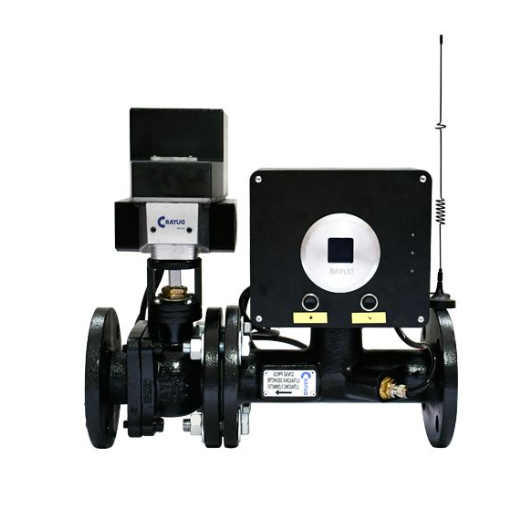
In the vast category of smart valves, one set is designed to control HVAC systems with much greater precision than a traditional valve. Smart valves are equipped with sensors and integrated controls, enabling them to make precise adjustments based on temperature, pressure, demand, and other real-time data. These systems aim to increase energy efficiency by minimizing wastage and maintaining climate conditions indoors. They are a major building component in energy-efficient modern designs. Their flexibility and automation, from installation to maintenance, provide long-term performance enhancements and cost savings for building operations.
What are Smart Valves?
Smart valves are considered advanced flow control instruments with sensors and automation technologies adjusting the flow of fluid or gas in real time upon receiving data inputs in respect to time, thus helping in the efficiency and precision of various applications.
The Role of Actuators in Smart Valve Functionality
In smart valves, actuators play a pivotal role by responding to real-time data inputs to open, close, or modulate the valve. They, thus, convert control signals from sensors or the central system into mechanical motion to achieve optimal flow control of fluids or gases.
Five Key Aspects of Actuator Functions:
- Precise Flow Modulation: In conjunction with actuators, precise control of the valve position enables the accurate modulation of flow rate or pressure in complex systems. This level of control is essential in industries such as chemical processing, water treatment, and power generation.
- Automatic Features: From a more advanced perspective, actuators enable the automated adjustment of valves through the implementation of automation and control algorithms, eliminating the need for manual intervention and thereby increasing efficiency and reducing labor costs.
- Real-Time Monitoring: Integrated sensor-equipped actuators enable continuous tracking of valve conditions, such as position, torque, or vibration, which helps predict maintenance.
- Energy Efficiency: Many modern actuators are being developed with energy efficiency as a priority in operational methods. With this approach, energy wastage is reduced, as are sudden jolts produced by the valve mechanism.
- Remote Control and Connectivity: Smart-valve actuators are also equipped with various connectivity solutions, including IoT integration and wireless communication, to enable remote monitoring, diagnostics, and parameter setting from centralized control systems.
Hence, with these actuation capabilities, the performance and reliability of smart valves are enhanced, solidifying their importance as a necessity for modern industries that demand efficiency and precision.
Overview of HVAC Training for Professionals
HVAC (Heating, Ventilation, and Air Conditioning) training is essential for individuals seeking to become professionals in this vital field. It equips technicians and engineers with the knowledge and skills required to design, install, repair, and maintain HVAC systems, ensuring they operate efficiently. In this era, where energy conservation and environmental sustainability have gained significant importance, modern training programs in HVAC have had to incorporate the latest scientific and technological advances and other relevant standards.
Key Elements of HVAC Training
Technical Basics
These training courses really go into the fundamental core principles of heating, cooling, ventilation, and refrigeration systems. Hence, participants are taught how to design systems, including thermodynamics and airflow, ensuring that everything works satisfactorily.
System Installation and Maintenance
Installation procedures, troubleshooting methods, and preventive system maintenance should all be imparted to the professionals through adequate training. This, in turn, reduces system downtime and enhances system reliability.
Energy Efficiency and Green Technologies
Training processes focus more on energy-efficient systems, renewable energy sources, eco-friendly refrigerants, and the like so as to align with sustainable development.
Building Codes and Compliance
HVAC people have to comply with regional and national building codes and safety standards; hence it is very much the responsibility of training programs to stimulate them to understand and apply those regulations.
Smart HVAC Technologies
IoT-enabled HVAC systems are gaining in popularity so that training programs contain modules related to smart thermostats, remote monitoring, and system automation to get the HVAC workforce ready for tomorrow’s solutions.
Demand For HVAC Professionals
According to the U.S. Bureau of Labor Statistics (BLS), between 2020 and 2030, jobs in the HVAC industry are expected to increase by approximately 5%, with 19,000 new positions added to the list. This construction activity, retrofit for energy efficiency, and installation of new technologies in smart systems are all behind the growth.
Benefits of Comprehensive Training Programs
Various additional benefits of extensive training include higher salaries, professional development, and accommodating more complex systems with due latitude. Likewise, certifications that serve as a stamp of legitimacy, such as those from NATE (North American Technician Excellence) and EPA 608, add value and weight to a professional in this discipline.
From the basics of an internship to industry standards and innovations, HVAC training brings together all the elements required for professionals to meet the escalating demands of ever-changing industries. Proper skills train HVAC experts to excel in improving energy efficiency, system functionality, and customer satisfaction.
Benefits of Using New Smart Valves
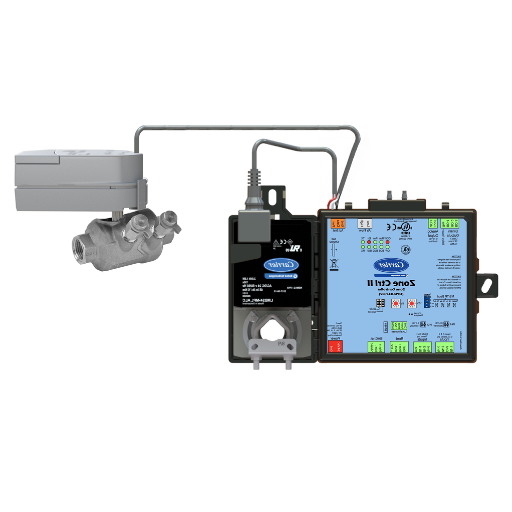
Energy Efficiency
New smart valves optimize fluid flow and reduce energy waste by finely regulating pressure and temperature. Research suggests that the adoption of smart valve systems can reduce the energy consumption of industrial processes by 30%.
Improved System Control
Being equipped with real-time monitoring signifies smart valves provide real-time information about the system performance. Technicians thus can remedy inefficiencies and faults proactively, leading to lesser downtime.
Less Maintenance Expenses
Smart valves are equipped with a predictive maintenance system that determines when they are in need of maintenance and notifies the operator accordingly. This prevents larger-scale repairs and extends equipment lifespan, reducing maintenance costs by approximately 20-25%.
Environmental Sustainability
By enhancing efficiency and reducing waste, smart valves help to reduce greenhouse gas emissions. Hence, these valves permit their users to comply with environmental regulations and further improve sustainable development.
Better Reliability
Incorporating the latest technology into smart valves ensures consistent performance even in fluctuating conditions. Their ability to make HVAC systems more reliable ensures customer satisfaction and trust.
Energy Savings and Efficiency Improvements
The energy efficiency in various systems is, in sheer importance, primarily attributed to smart valves. These valves, by nature, dynamically adjust to changes, bending to optimize energy consumption and significantly improving the efficiency of HVACs and industrial setups. The building may see as much as a 30% energy savings if installed with advanced control systems, including smart valves. Such huge savings translate to enormous savings even for industries and households.
Key Insight: Buildings can achieve up to 30% energy savings with advanced control systems including smart valves
They are also installed in conjunction with IoT-enabled monitoring platforms that provide real-time performance data and analyze it for prediction. Such systems allow the occurrence of inefficiency, leak, or any other operational issues to be noted almost immediately so as to minimize energy wastage. An IEA report further supports these findings by citing a nearly 10% reduction in global energy use by 2040, with the inclusion of smart-tech energy systems.
Additionally, industries utilizing innovative valve technology can strive to comply with stricter energy standards and certification procedures, such as ASHRAE standards and LEED ratings. For instance, a commercial building implementing innovative valve technology for HVAC optimization achieved an annual energy savings of $25,000. These developments demonstrate how smart valves are a central strategy in sustainable energy practices, reducing operational costs and contributing to global energy conservation goals.
Enhanced Diagnostics and Monitoring Capabilities
Advanced sensors, enhanced data analytics, and advanced diagnostics ensure efficient operations and minimize downtime. These systems receive performance information in real-time and identify abnormalities or inefficiencies in an HVAC system the instant they occur.
Five Major Advanced Diagnostic Features:
- Real-Time Data Acquisition: Smart valves measure key parameters, including flow rate, pressure, and temperature, to ensure optimal performance.
- Predictive Maintenance Alerts: Potential failures are predicted, and maintenance alerts are triggered through the use of machine learning algorithms, thus avoiding unplanned downtime.
- Energy Consumption Insights: From the statistics garnered from energy consumption, operators can point out inefficiencies and make farther adjustments towards energy conservation.
- System Performance Reports: Automated, routine reports provide a comprehensive set of views on system performance, enabling facility managers to analyze trends in the data and make informed decisions.
- Automatic Fault Detection: Smart valves independently detect and diagnose faults, clearly alerting users so that the issue can be quickly resolved with minimal intervention.
With these features in place, improvements are made to system efficiency, ultimately leading to cost savings and reliability enhancements in building operations.
Integration with Intelligent Control Systems
Smart valve integrations with intelligent control systems constitute the core of building management reform. Cutting-edge technologies, including IoT (Internet of Things) and AI-based analytics, ensure that smart valves connect seamlessly to online central control platforms, allowing these building systems to be monitored and optimized in real-time.
Recent Research (2023): More than 83% of contemporary innovative building projects incorporate intelligent control systems (MarketsandMarkets). Such systems utilize care data from smart valves to efficiently control heating, cooling, and water systems.
For instance, IoT-enabled valves can communicate with weather data to dynamically adjust water supply or HVAC systems according to external conditions, resulting in energy savings of up to 25%.
Thus, machine learning algorithms integrated within the systems analyze recurring usage patterns and identify abnormal behavior that anticipates maintenance needs. As a result, downtime is lessened due to the resolution of potential problems ahead of time. To illustrate, research from Deloitte has shown that such predictive maintenance systems within smart buildings reduce repair cost by 30%-40% and increase overall equipment lifespan.
The integration of intelligent control systems and smart valves ensures optimal use of resources without compromising sustainability goals. Numerous eco-conscious buildings equipped with this technology have achieved significant reductions in carbon emissions and resource wastage, thereby setting worldwide records for green building practices. Advancing along these lines, building operations would find themselves on a perfect plane between efficiency, savings, and sustainability.
Key Players in the Smart Valve Market
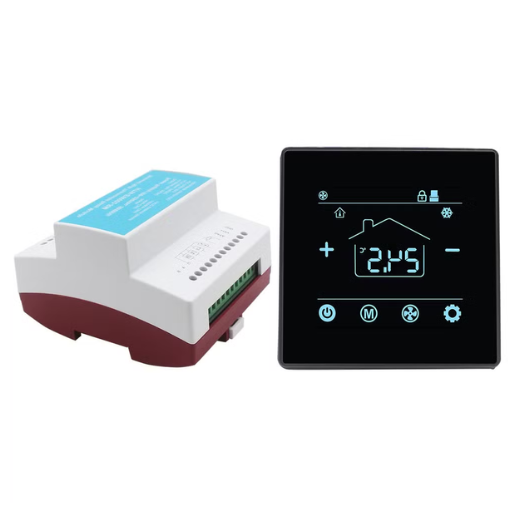
Smart valves are marketed by a few major companies, each known for its innovation and quality. The big players include:
Honeywell International Inc.
Widely regarded as an all-rounder in automation and control solutions.
Siemens AG
A worldwide leader in industrial automation technologies and smart valve systems.
Schneider Electric
A firm that deals in energy-efficient solutions and integrated smart valve technologies.
Belimo Holding AG
Concerned with smart actuators and valves for HVAC systems.
Flowserve Corporation
The company best known for high-performance control valves and fluid motion solutions.
These companies continually dedicate their budgets to R&D with the intent to improve product operations and fulfill demand for smart sustainable infrastructure.
Honeywell Smart Valve Innovations
Honeywell is a leader in designing innovative valve technologies, serving industries such as HVAC, water treatment, and industrial automation. A critical innovation of theirs has been the provision of IoT systems integrated with valve systems for real-time monitoring, superior control, and predictive maintenance. Honeywell smart valves help customers improve energy efficiency, reduce operational costs, and enhance sustainability targets.
Performance Results: Energy savings from Honeywell’s smart valve installations reach up to 30% in some cases
Their control algorithms enhance the precision of flow control, thereby increasing the effectiveness of systems where this is critical, such as boilers, chillers, and water supply networks. From a different angle, Honeywell’s cloud-based analytics platform enables operators to remotely track the performance of valves, thereby decreasing downtime and increasing system reliability.
Innovation is the company’s currency; it is, in fact, a worthy investment of money and resources in R&D to ensure future relevance. With the global demand for sustainable technologies growing, Honeywell’s aptly positioned, cutting-edge solutions could very well help build smarter and greener infrastructure worldwide.
Belimo’s Contribution to Smart Valve Technology
The ingenuity of more eight innovative aspects brought forth by Belimo, while horizons of smart valve technology are still in their best developmental stages, with the following five being examples:
Five Key Belimo Innovations:
- Energy Valve: The Energy Valve by Belimo optimizes energy use whilst maintaining system transparency. A Delta T Management logic is built in, affording the capacity to monitor, control, and optimize performance in real-time for significant energy savings.
- Internet of Things-Enabled Valve Solutions: Featuring IoT capabilities, smart valves from Belimo interoperate with building management systems to provide enhanced diagnostic functionalities, remote monitoring, and predictive maintenance to ensure peak efficiency and cost reduction.
- Ultrasound Flow Sensor: The usage of ultrasound flow sensors in Belimo valves enables accurate flow measurement. These sensors precisely control hydronic systems at various loads, thereby enhancing system reliability.
- Small Actuators with Smart Controls: Compact actuators with smart controls were developed by Belimo, combining features dynamic balancing, very low power consumption, and consistent valve performances for a wide range of applications.
- Cloud Analytics and Reporting: Through cloud-based analytics, Belimo enables facility managers to remotely assess system performance, while detailed reports pinpoint inefficiencies and suggest remedial actions to achieve sustainability targets.
Comparative Analysis of Leading Brands
Applications of Smart Valves in HVAC Systems
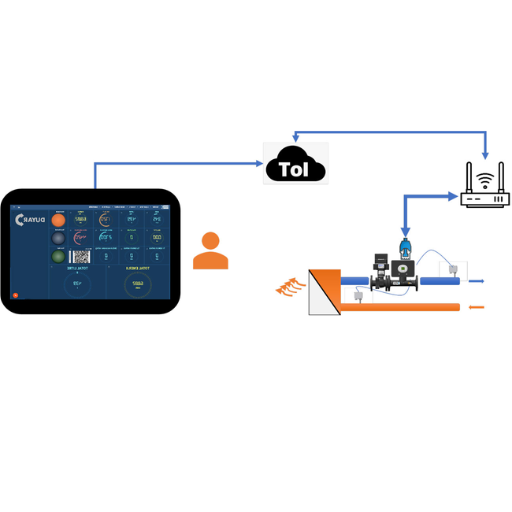
The advent of smart valves is taking the HVAC industry toward precision, efficiency, and control sophistication. Here are five major applications for smart valves in HVAC:
Chiller Plant Optimization
Smart valves regulate the chiller plant’s operation by adjusting the flow rate according to actual demand. This does not waste energy, thus reducing the energy consumption by about 30%.
Zone Control in Commercial Buildings
Utilizing its intelligent zoning capabilities, the smart valves regulate the temperature and flow levels in various zones of the building. This gives better comfort to the occupants while conserving energy by heating/cooling only selected zones.
Cooling Tower Efficiency
With smart valves, water flow through cooling towers can be controlled with a high degree of precision, allowing for optimum heat transfer and resulting in savings in both water and energy consumption. Compared to conventional systems, such efficiency improvements are between 15 and 20 percent.
Heating System Performance Enhancement
Smart valves ensure proper hot water distribution throughout a heating system, eliminating issues such as uneven heating or excessive energy consumption. This type of fine control ensures occupant comfort while reducing fuel consumption by 25%.
Integration with Renewable Energy Sources
Smart valves can respond much more easily to HVAC systems utilizing renewable energy sources, such as solar and geothermal power. They control fluid flows to match the intermittent nature of such energy sources, ensuring system performance remains consistent while also supporting sustainability goals.
Residential HVAC Applications
Residential HVAC systems equipped with advanced technologies, such as smart valves and other energy-efficient components, have truly revolutionized climate control within homes. According to recent data, the residential HVAC market in the United States is forecasted to grow at a CAGR of 6.1% from 2023 to 2030, thanks to increasing demand for energy-saving and sustainable solutions.
Energy Efficiency
Highly advanced residential HVAC systems, equipped with features such as programmable thermostats and smart valves, can reduce energy consumption by as much as 30%. Homeowners can use this energy-saving feature to lower their utility bills while minimizing their carbon footprint.
Smart Integration
Thanks to various IoT features, HVAC systems can be adapted and integrated into home automation platforms. For example, research shows that nearly 70% of homeowners with innovative HVAC systems claim enhanced energy management and convenience.
Indoor Air Quality
Advanced air filtration enables the careful control of humidity and temperature, resulting in healthier indoor environments. Studies reveal that well-maintained HVAC systems can reduce airborne pollutants by up to 90%, offering a significant advantage for individuals with allergies and asthma.
Support for Renewable Energy Use
These days, residential HVAC systems are also becoming friendlier toward renewable energy sources. For example, heat pumps used in conjunction with solar panels or geothermal systems can reduce total energy consumption by 40-50%, according to recent energy studies.
Modern HVAC products thus ensure that the homeowner’s priority for comfort indoors is supported, at least to some extent, by sustainability. The new technologies envisioned for modern HVAC create a promising path toward a greener, more energy-efficient future for residential heating, ventilation, and air conditioning.
Commercial HVAC Solutions
Modern commercial HVAC systems are essential for any business aiming to optimize energy efficiency, lower costs, and provide a comfortable environment for employees and customers. Below are five major solutions that are primarily implemented in commercial HVAC systems:
-
Variable Refrigerant Flow (VRF) Systems
VRF systems are highly flexible and energy-efficient, providing temperature control for all independently zoned spaces inside a building. It has been certified that these systems may cut energy consumption by up to 30% compared to traditional HVAC systems.
-
Energy Recovery Ventilation (ERV) Systems
The ERV system captures energy from the exhaust air and preconditions the incoming fresh air, improving indoor air quality while reducing energy consumption. These systems can reduce heating or cooling loads by 20-30%, particularly in climates that are fairly severe.
-
Smart HVAC Technologies
The integration of smart thermostats, IoT sensors, and advanced monitoring systems collects real-time data and automatically adjusts settings, thereby lowering operational expenses and conserving energy. On average, innovative systems save between 15% and 20% annually on HVAC energy costs.
-
Chilled Beam Systems
Water is used for cooling in chilled beams, which is far more energy-efficient than an air-based system. These energy conservation measures can achieve up to 50% energy savings, making them suitable solutions for office buildings and educational facilities.
-
Geothermal Heat Pumps
Geothermal systems utilize the Earth’s thermal energy to maintain a consistent indoor temperature. Although these systems’ initial cost is high, they offer long-term energy-saving benefits of approximately 25-50%, making them the preferred choice for green commercial properties.
Consequently, by utilizing these cutting-edge commercial HVAC systems, there will be a marked decrease in energy consumption, operational costs, and carbon footprint for whichever company.
Industrial HVAC Implementations
While industrial HVAC design services focus on efficiency and durability, given the heavy-duty requirements of large-scale industrial operations, systems such as custom-made air-handling units, industrial chillers, and advanced ventilation systems require regular maintenance to maintain optimal temperatures and air quality within the working areas. On the other hand, energy conservation control systems, such as variable frequency drives (VFDs) and heat recovery systems, are considered because they provide energy savings and reduce operational costs.
Future Trends in Smart Valve Technology

Innovative valve technology is evolving rapidly to meet the growing demands for efficiency, automation, and sustainability across various industries. Key trends here include the integration of IoT, which is mature enough for real-time monitoring and remote control of valve operations. In terms of advanced materials, these ensure further enhancement of the aesthetics and end-of-life of valves within hostile environments. AI and machine learning algorithms are utilized to predict maintenance schedules and system performance, thereby minimizing downtime and operational expenses. Hence, design innovations in smart valves pinpoint their further reliability and adaptability to varied industrial applications.
Emerging Innovations and Developments
Smart valve technology is evolving rapidly, driven by innovative advancements and real-world industrial applications. One significant advancement in developing this sector is the presence of IoT sensors, which enable valves to collect and transmit data in real-time for parameters such as temperature, pressure, flow rate, and performance consistency.
Market Growth: The global smart valve market is estimated to rise from USD 5.1 billion in 2023 to USD 9.0 billion in 2028, translating into a CAGR of 11.8%
Growth here accounts significantly for increased institutions in oil and gas, water management, and manufacturing adopting automation at an unprecedented scale.
Another development in this respect involves digital twin technology. By developing virtual twins of physical valves, companies can simulate operational conditions, foresee potential failures, and optimize performance prior to deployment. Thus, another study highlighted a 25% reduction in maintenance costs, along with a 15% improvement in operational efficiency, through the implementation of digital twins in valve systems.
Materials science also plays a role, creating corrosion-resistant alloys and polymer-based valves that can withstand temperatures above 1,200°F or pressures over 10,000 psi under harsh conditions, such as offshore drilling or chemical processing operations. By using better materials, the wear-and-tear of these valves can be limited to some extent, thereby increasing the lifetime of the valves and decreasing the frequency of replacements.
Such AI-based predictive maintenance systems are being utilized to analyze vast amounts of data, identifying trends and anomalies to facilitate preemptive repairs. By recognizing anomalies in operational patterns in real-time, these systems have been seen reducing unplanned downtime by 30%, according to the latest industry reports.
Along with heavy automation and AI capabilities, these innovations demonstrate how the innovative valve sector is addressing challenging industrial-grade problems. Investment in research and development to advance this field will pave the way for even more creative, sustainable, and economical valves for the industries they serve.
The Impact of IoT on HVAC Smart Valves
The integration of innovative ICT solutions in smart HVAC valves has transformed their use in monitoring and controlling HVAC applications. By integrating IoT with these valves, real-time data acquisition, remote control, and predictive analysis can be performed, resulting in improved efficiency and reliability of the system.
Five Important Impacts of IoT on HVAC Smart Valves:
- Real-time Monitoring: IoT-enabled valves continuously stream data about temperature, pressure, and flow rates, enabling immediate detection of abnormalities.
- Energy Optimization: HVAC systems can utilize this data pattern to control valve operations dynamically, thereby achieving the optimal energy consumption. This approach can result in a 20% reduction in energy consumption.
- Predictive Maintenance: Based on IoT sensors, the smart valves notify relevant personnel of a situation change in a timely manner, thus avoiding complete failure before maintenance and saving on downtime and repair costs.
- Remote Access and Control: Smart valves installed with IoT technology enable technicians to remotely adjust valve settings and troubleshoot the system, saving time and improving response efficiency.
- Improved System Integration: IoT-smart valves directly integrate with other smart devices and building management systems to coordinate functionality throughout the whole HVAC network.
The adoption of IoT technologies continues to push the boundaries of what HVAC systems can do, creating a framework for more innovative and sustainable buildings.
Predictions for the Next Decade
Over the next ten years, the integration of IoT in HVAC is likely to usher in another wave of revolution in the field, characterized by unmatched efficiency and innovation. Major trends indicate that the IoT-enabled HVAC market is expected to experience significant growth, with an anticipated CAGR of 13.4%, reaching a valuation of approximately $28.3 billion by 2032.
Growth in Predictive Maintenance Adoption
Advances in IoT sensors and analytics will enable HVAC systems to predict maintenance needs with stunning accuracy. By analyzing historical data and real-time operating conditions, these systems will significantly reduce unexpected breakdowns, cutting downtime and maintenance costs by an estimated 30%.
AI-managed Building Management Systems
Artificial intelligence (AI) will become increasingly central, enabled by IoT devices to power a key step in the evolution of HVAC systems toward greater efficiency. AI-based systems will manage energy optimization by automatically heating and cooling based on occupancy and weather patterns. Forecasts indicate that, by 2030, energy consumption in commercial buildings equipped with AI-based HVAC systems can be reduced by as much as 35%.
Development of Smart Cities and Green Solutions
Smart cities will drive further integration of IoT HVAC solutions into urban infrastructure. With governments and developers increasingly focused on green technologies, the integration of renewable energy sources with HVAC networks has become a top priority. Smart geothermal HVACs, which utilize IoT for optimizing energy extraction, are expected to experience 16% annual growth over the next ten years.
Enhanced IAQ Monitoring
After the health crises of the early 2020s, both businesses and homeowners will be in demand for innovative IAQ solutions. IoT-enabled HVAC systems will utilize advanced particulate and gas sensors to protect clean, healthy air. This is expected to create huge demand, with the global air quality monitoring market projected to cross $10 billion by 2030.
Expansion of HVAC into Emerging Economies
IoT-powered HVAC systems are poised to grow and become more accessible in emerging economies, where urbanization is rapidly increasing. Demand is increasing for cost-effective and efficient climate control solutions. In the Asia Pacific and Africa regions, rapid growth is expected, accounting for around 40% of the global HVAC IoT adoption by 2032.
The HVAC industry, thus with all of these advancements ahead, is now at the verge of having 10 transformative years of technology innovation toward smarter, healthier, and sustainable building environments across the globe.
References
- “Controlling and monitoring for modeling of HVAC system using BMS”
Source: Palestine Polytechnic University
Link to article - “A smart logic for conference room terminal box of single duct VAV system”
Source: Texas A&M University
Link to article - “Efficient HVAC Control and Feedback System”
Source: University of Central Florida
Link to article







