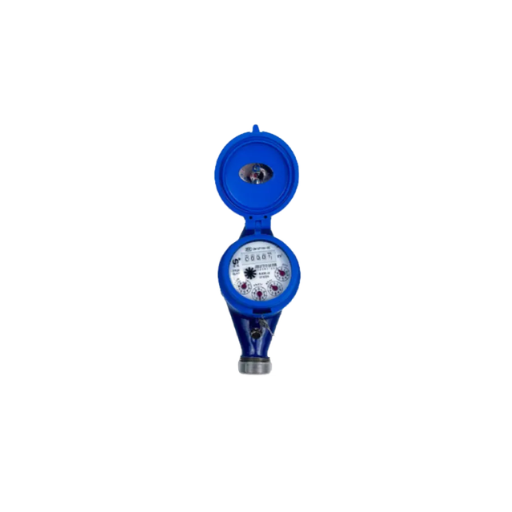
Selecting the Right Electric Ball Valve for Miniature Systems
The valve selection process requires you to choose a valve that meets your system’s specific operational requirements, whether you work with medical devices, small industrial operations, or fluid control systems that require high precision. The blog post examines key factors that guide the selection of electric ball valves for miniature systems, including material compatibility, design size limitations, maximum flow rates, and operating methods. The information will help you identify the features that best match your specific needs.
Introduction

The selection process for electric ball valves in miniature systems requires evaluation of elements which directly determine valve functionality and system dependability. Start by ensuring the valve’s material is compatible with the fluids it will control, as incompatible materials can lead to corrosion or system failure. The next step involves evaluating the size and flow capacity of the valve which must meet both space requirements and operational needs for handling fluid volume. The system requires an evaluation of its actuation method which includes three options manual and electric and pneumatic systems. The essential considerations allow you to choose a valve which meets all your specific system operational needs.
The Importance of Precision in Miniature Systems
The operation of miniature systems depends on their required precision, because even small errors can significantly degrade system performance. The medical device field demands aerospace professionals to achieve precise measurements which are essential for meeting strict compliance standards that guarantee operational safety. Five critical elements show how precise measurements in miniature systems determine their operational performance.
Key Elements of Precision
Dimensional Accuracy
Ensuring components are manufactured to exact dimensions is critical to prevent misalignments and maintain functionality in tightly integrated systems.
Material Selection
The use of specific materials which provide high strength-to-weight ratios demands microscale tolerances to achieve operational effectiveness.
Assembly Tolerances
The assembly process requires precise control of tolerances because even small assembly variations can degrade system performance.
Fluid Dynamics
Microfluidic systems experience major changes in their flow rates and operational efficiency because of even the slightest alterations to their channel dimensions.
Energy Efficiency
The operational design and functionality of miniature systems enable optimal energy consumption and waste reduction because their high-precision design allows minimal power consumption at their lowest operating levels.
The systems reach their highest operational efficiency through their essential components which maintain all vital areas at exact operational performance levels.
Role of Electric Ball Valves in Automation
Electric ball valves are essential for modern automation systems because they deliver precise flow control which improves system efficiency throughout operation. Automated systems achieve better reliability and performance through integration, reducing the need for manual work while enabling continuous process management. Standard electric ball valves in automation systems provide five major benefits which include:
Major Benefits of Electric Ball Valves
- Precise Flow Control: Electric ball valves use their full system capacity to deliver exact flow measurement which makes them suitable for chemical manufacturing and pharmaceutical production which needs extreme precision.
- Remote Control Capability: These valves can be controlled remotely through a centralized system which enables operators to adjust flow and pressure parameters without being physically present thus improving both convenience and safety.
- Energy Efficiency: Automated systems achieve energy efficiency through electric ball valves which enable their components to operate at lower power needs during their entire operational cycle.
- Real-Time Monitoring: Maintenance teams use electric ball valves to monitor system flow rates and pressure and system status through sensors which provide them with real-time data for their work.
- Durability and Reliability: The combination of robust materials and advanced actuator technologies enables electric ball valves to function under extreme conditions while delivering long-lasting reliable performance which results in better operational efficiency through reduced maintenance and downtime expenses.
Electric ball valves provide essential features which make them necessary for automated systems that operate in multiple industries including water treatment facilities and industrial production sites.
Key Technical Specifications

Electric ball valves require users to understand their technical specifications to ensure proper operation in their chosen applications. Below are some common and detailed specifications found in high-quality electric ball valves:
| Specification | Details |
|---|---|
| Operating Voltage | The system provides multiple operating voltage options which include 12V DC, 24V DC, 110V AC, and 220V AC to enable compatibility with various power systems. |
| Actuator Type | The system use advanced electrical actuators which provide ON/OFF and proportional control (modulating) functions for accurate flow control. The system enables automated operations through feedback signals which include 4-20mA and 0-10V standard outputs. |
| Pressure Rating | Most valves support pressure ranges up to 1000 PSI (69 bar) or higher which makes them appropriate for high-pressure applications. |
| Temperature Range | The system operates across an extensive temperature range which starts from -20°F and goes up to 400°F (-29°C to 204°C) or higher based on the body and seal material used. |
| Body Material | The system uses common materials like stainless steel brass and PVC as standard materials. Stainless steel provides superior corrosion resistance for demanding environments, while PVC remains lightweight and cost-effective. |
| Seat Material | The system uses PTFE (Teflon) as the standard sealing material because it offers chemical resistance and ensures long-term effective sealing performance. |
| Flow Characteristics | The system uses a full port design which enables maximum flow capacity while maintaining low pressure requirements. |
| Ingress Protection (IP Rating) | Electric actuators achieve an IP67 rating which protects them against both dust and water entry during extreme environmental conditions. |
| Connection Type | The system provides three connection types which include threaded (NPT/BSP) and flanged and tri-clamp connections for simple installation into various piping systems. |
| Cycle Life | The system provides equipment which remains operational for 100,000 cycles and beyond thus guaranteeing dependable performance in industrial environments. |
| Control Options | The system provides control options which include advanced models which use failsafe features through spring-return mechanisms and battery backups system to protect against power outages. |
| Certifications | Many valves meet international standards such as ISO, CE, or RoHS, ensuring quality and compliance with various regulatory requirements. |
The technical specifications of electric ball valves demonstrate their wide application possibilities which make them vital for chemical processing and oil and gas and water treatment and food and beverage production. The selected valve will operate efficiently in its intended application when its parameters receive proper evaluation.
Bore Size and Pressure Ratings
The industrial selection process for electric ball valves requires assessment of two primary criteria which include bore size and pressure ratings. A valve’s bore size determines its internal diameter because the valve operates through either its full bore or reduced bore systems. A full bore valve enables fluid to move through its complete internal diameter, which matches the size of the connected pipeline to its actual size. The reduced bore valve, which has a smaller diameter, produces some pressure loss, but it may be a better choice for certain situations because it costs less than other options.
The pressure ratings of a valve show its maximum pressure limit, which the valve can handle while working safely and effectively. The pressure ratings of a valve system use pounds per square inch (PSI) or bar as their standard measurement units. The standard pressure range for industrial electric ball valves starts at 150 PSI for low-pressure systems and goes up to 1000 PSI or more for high-pressure systems.
ANSI Class Pressure Standards
ANSI Class 150
285 PSI Maximum
At room temperature conditions
ANSI Class 300
740 PSI Maximum
At room temperature conditions
Electric ball valves undergo multiple pressure integrity tests, which follow international standards like ISO 5208.
The assessment process requires you to evaluate bore size and pressure ratings together with the fluid type, temperature and flow requirements of the specific application. Water treatment plants prefer full bore valves to achieve uninterrupted flow, while chemical processing requires equipment that meets higher pressure needs and uses materials which resist corrosion for operating in aggressive conditions. The latest advanced models now support industrial processes that demand 5000 PSI pressure capability.
The combination of bore size with pressure rating selection process provides businesses operational efficiency benefits, which lead to their safe and cost-efficient functionality across various operational requirements.
Material Compatibility: Stainless Steel vs. Brass
Engineers assess material interactions between stainless steel and brass to identify proper industrial component materials because both metals provide distinct advantages in different applications. The following section presents a thorough analysis of essential comparison elements.
| Comparison Factor | Stainless Steel | Brass |
|---|---|---|
| Corrosion Resistance | This material provides exceptional corrosion protection, which makes it suitable for environments with wet conditions and extreme weather conditions. The material functions best in applications that require contact with water and chemicals and salt. | This material has moderate resistance to corrosion which makes it suitable for systems that handle fresh water and non-aggressive materials, but it performs poorly in marine and chemical environments. |
| Strength and Durability | The material provides high tensile strength with durable properties, which makes it suitable for applications that require high-pressure and high-stress operations. | The material shows lower hardness than stainless steel which restricts its possible use in heavy-duty operations, but it maintains adequate strength for low-pressure applications. |
| Temperature Tolerance | The material maintains its structural integrity at high temperatures, which makes it suitable for industrial processes that operate at extremely high temperatures. | The material works effectively in moderate-temperature environments, but its lower melting point makes it unsuitable for extreme heat situations. |
| Cost Efficiency | The material costs more because of its superior performance and special properties, but it provides better value through its extended performance in demanding operational conditions. | The material is cost-effective for applications that require less demanding performance because it provides an affordable option when high performance requirements are not necessary. |
| Electrical and Thermal Conductivity | The material serves as a poor electrical and thermal conductor, which makes it unsuitable for applications that need efficient thermal and electrical transmission. | The material provides excellent thermal and electrical conductivity, which makes it suitable for use in connectors and heat exchangers. |
Key Takeaway: The selection of operational needs drives stainless steel and brass material choices because they determine how efficiently products perform, their costs, and their environmental effects.
Voltage Requirements for Electric Ball Valves
The electric ball valves function according to their engineered specifications across different voltage levels which depend on their designated operational tasks. The valves offer two low-voltage options 12V DC and 24V DC together with standard AC voltages that include 110V AC and 220V AC. The selection of voltage options depends on control system specifications and operational needs and the accessibility of power sources.
People select low-voltage systems which include 12V DC and 24V DC because these models provide energy efficiency for mobile applications used in automotive and solar-powered systems. The 110V AC and 220V AC valve options are preferred in industrial environments because they deliver high-power compatibility and seamless integration with common electrical systems.
Power Consumption Specifications
12V DC Valves
2-5 Watts
Power consumption during operation
AC Valves
5-10 Watts
Based on torque and actuator specifications
The selected voltage must match the system power supply because this requirement prevents operational failures and excessive wear and damage to the valve. The valve design must include inrush current calculations for valve actuation because large industrial setups need this information to design electrical circuits.
Modern electric ball valves now incorporate sophisticated controllers which enable voltage regulation together with protection mechanisms that prevent overload conditions. The advancement increases safety during operations and it extends the valve lifetime while improving reliability for systems which operate under different power conditions. The selection of appropriate voltage requirements ensures that electric ball valves operate at their best performance level for all usage scenarios.
Selection Criteria

Electric ball valves require multiple essential factors to be evaluated when selecting them for specific applications so that compatibility and efficiency and long-term performance can be assured. The essential selection criteria unite with current market trends and research findings which provide up-to-date information.
Voltage Rating
Electric ball valves operate at multiple voltage levels which include 12V and 24V and 220V, depending on the specific application and available power. The industrial automation sector shows a growing trend toward 24V systems which provide both effective performance and enhanced safety features. The 24V electric systems reported by recent studies show that they achieve a 15% energy savings compared to higher voltage systems while producing equivalent performance results.
Material and Construction
A valve body and seal system perform under high-pressure conditions which involve chemical exposure and extreme temperature situations, based on material choices that determine their construction. The market analytics show that stainless steel valves serve as the industry standard because they provide both durability and corrosion resistance, which results in 65% of electric ball valve purchases being made. PTFE seals operate across different industries because they provide both chemical resistance and thermal stability.
Torque and Actuator Size
The valve needs both torque specifications and actuator specifications to function correctly during operation while preventing damage to the system. The newest actuator systems provide torque options which range from 5Nm to 500Nm to support applications that range from small systems to industrial processes.
Ingress Protection (IP) Rating
The actuator uses its IP rating to determine its level of protection against dust and water and all other environmental threats which can damage equipment in extreme conditions. Current trends indicate that IP67-rated actuators achieve temporary submersion resistance which has made them a common choice that now holds more than 40% of the market share in applications related to water treatment and wastewater management.
Control Options and Automation
Modern electric ball valves now come equipped with intelligent controllers which enable operational control through integration with IoT systems. Advanced models enable real-time system tracking through their proportional control system and data logging functions. The research study from February 2023 discovered that smart automated valves achieve 20% higher efficiency compared to conventional valve systems.
Temperature and Pressure Limits
Understanding operational thresholds is critical. The data shows that 18% of valve installations operate in high-temperature environments which exceed 200°C, requiring the valve design to include specialized components for high-heat situations. High-pressure systems with operating requirements above 300 PSI need reinforced seals and body components to ensure safety during system operation.
💡 Selection Recommendation
The evaluation process for electric ball valves involves buyers who will select their best option based on evaluation of these criteria which lead to better performance and lower energy usage and longer equipment durability.
Choosing the Right Actuator Type
Electric ball valve acquisition needs proper actuator equipment selection because it forms a crucial requirement. The valve requires automatic operation through the functions of its actuators which maintain both efficiency and reliability during their work. Electric ball valves operate through two primary actuator types which include rotary actuators and linear actuators that perform distinct functions.
1. Rotary Actuators
Rotary actuators function as valve components which need to rotate their positions through 90 degrees because ball valves require this specific movement. More than 70% of electric ball valves used in industrial settings work with rotary actuators which provide easy synchronization and proper system compatibility. High-pressure environments enable modern rotary actuators to operate smoothly because they provide advanced torque control functions.
2. Linear Actuators
Linear actuators work best in applications that use gate or globe valves which need to move in a straight path even though ball valves use them less frequently. The process requires specialized equipment which enables precise control for conducting chemical dosing operations.
Key Considerations in Actuator Selection
Power Source
Recent statistics indicate that over 40% of facilities now integrate electric actuators into their systems due to energy efficiency and remote-control capabilities over pneumatic or hydraulic options.
Torque Requirements
The valve system needs matching output torque from the actuator to prevent mechanical failures through operational requirements.
Control Options
The actuators with current digital interface systems that support Modbus and Profibus connections provide simple system integration into IoT systems. Research shows that automation systems with IoT-enabled actuators result in a 15–20% improvement in process monitoring and diagnostics.
Users will achieve performance improvements which match their operational requirements when they combine recent technological advancements with their thorough assessment of multiple factors.
Evaluating Fail-Safe Options
The evaluation of fail-safe options in automation systems requires an assessment of their operational capabilities together with their dependable performance which helps reduce safety hazards during system breakdowns. Fail-safe actuators return to their safe state after power or signal failures because their design enables this function. The system protects personnel while enabling safe equipment operation which results in reduced operational downtime.
Performance Benefits of Fail-Safe Actuators
25%
Reduction in Emergency Downtime
30%
Reduction in Unexpected Breakdowns
20%
Improvement in Response Time
The recent study shows that fail-safe actuators with spring-return mechanisms and stored energy systems deliver the highest reliability for essential operational needs. The implementation of smart diagnostics in these actuators enhances their failure detection abilities which results in maintenance that reduces unexpected breakdowns by 30%.
Digital technology now enables fail-safe actuators to connect smoothly with industrial IoT systems through their digital innovations. The system improvement allows operators to monitor system performance from remote locations at different sites in order to respond quickly when anomalies occur. The study results show that digital fail-safe systems with automated operation capabilities provide a minimum 20% increase in overall response time when critical situations arise.
Organizations select fail-safe solutions based on their operational needs and the compatibility of actuators with maintenance requirements throughout time. The combination of advanced technologies assessment together with implementation of new technologies will protect assets while ensuring business activities continue without disruption.
Understanding Response Times
The term response time describes the duration needed for an individual or system to react to an external event or stimulus. Automated fail-safe systems need to deliver quick and accurate response times because these systems function in settings which demand precise performance for power plants and production facilities and medical centers.
Modern Fail-Safe System Performance
The reports state that modern fail-safe systems which use microcontroller technologies achieve response times between 3 and 5 milliseconds.
The industrial sector benefits from this development because it decreases equipment downtime while protecting against potential accidents and equipment damage.
The data from Google Search shows that companies which adopt advanced predictive algorithms and IoT (Internet of Things) systems have experienced a 40% reduction in average response times across various industries during the last five years.
Organizations can use the combination of cloud systems and edge computing technology to process real-time data at increased processing speeds. The new technological advancements allow fail-safe systems to conduct risk evaluations that enable automated system operations before critical system failures happen. Organizations can achieve safety compliance and regulatory adherence through the implementation of these technological solutions which also deliver operational improvements and cost reductions.
The combination of these innovations allows industries to sustain their operational functions during interruptions while they safeguard their core business functions.
Application Scenarios

Industrial Automation
The industrial automation sector represents the primary field of application for this technology. Manufacturing operations need advanced fail-safe systems which use real-time data processing technology to function effectively. AI and IoT-based predictive maintenance tools can assess machine performance to identify potential breakdowns before they occur. The recent reports indicate that companies which use predictive maintenance technology achieve maintenance costs reduction of 30% and downtime decrease of 45%, which results in better operational performance.
Healthcare
Real-time data systems enable healthcare organizations to protect patients and provide improved medical services which benefit their communities. Medical devices use fail-safe technologies to automatically detect and correct abnormalities, which minimizes equipment malfunction risks during vital medical procedures. The study found that AI-powered diagnostic systems attain more than 90% accuracy, which demonstrates their essential function in critical medical scenarios such as surgical operations and patient monitoring devices.
Transportation and Logistics
The transportation industry relies on fail-safe technologies which operate in both autonomous vehicles and semi-autonomous vehicles, delivering significant advantages to the sector. Vehicles can respond instantly to changing road conditions through real-time data processing systems, which help to prevent accidents. The research shows that real-time decision-making systems can decrease traffic accidents by 80%. Logistics operations use machine learning algorithms to enhance delivery route efficiency, which results in transportation expense reductions of 15% to 20%.
Energy Sector
The energy industry depends on fail-safe systems because power grids and energy facilities need these systems to maintain continuous operations. The utilities use real-time analytics to forecast energy usage patterns and detect system abnormalities, which helps them to reduce blackout incidents. The implementation of IoT and big data systems on smart grids has resulted in 20% energy savings for electricity consumption in locations where these systems operate.
Aerospace and Aviation
The aviation industry requires fail-safe systems to maintain consistent operational performance in aircraft systems, which represent a vital component of their operations. AI combined with data analytics solutions allows real-time system monitoring to detect and resolve possible failures in avionics systems before they become safety hazards. Airlines which use predictive analytics systems report a 35% decrease in technical delays, which leads to improved safety levels and decreased operational costs throughout their operations.
Fail-safe systems provide dependable operations in modern industrial environments because they maintain safety regulations across different industrial sectors.
Critical Industries: Medical Devices
The application of fail-safe systems in medical devices protects patient safety while it ensures that essential medical operations continue to function properly. The healthcare industry uses advanced fail-safe systems which modern medical devices to protect against equipment failures that would create urgent medical situations.
Key Applications of Fail-Safe Systems in Medical Devices:
Ventilators
The ventilators use a fail-safe system which monitors oxygen delivery while it notifies healthcare staff about pressure drops and power failures to enable uninterrupted treatment of patients who require respiratory support.
📊 Impact: 40% reduction in negative ventilation incidents
Infusion Pumps
The design of infusion pumps includes fail-safe systems which protect patients from receiving excessive medication or wrong medicines. The systems include alarms which monitor medication dosages while they identify blockages, which results in improved medication safety.
📊 Impact: 25% decrease in medication delivery mistakes
Pacemakers
Modern pacemakers use fail-safe systems to guarantee ongoing cardiac rhythm management. The devices function on two battery systems which supply backup power when one battery fails, which extends the device’s operational time and dependability.
Diagnostic Equipment
The diagnostic machines operate with fail-safe protocols which enable MRI and CT scanners to produce correct imaging results through automatic detection and repair of technical faults.
📊 Impact: 30% increase in diagnostic accuracy
Surgical Robots
The surgical robots use fail-safe systems to stop haptic feedback malfunctions and robotic arm failures from occurring. The systems execute an instant shutdown of all processes whenever they discover technical problems, which helps to decrease dangers during precise surgical procedures while enhancing surgical results.
Laboratory Automation Applications
Sample Preparation and Processing
Laboratory automation systems use robotic arms and automated pipetting systems to create an efficient process for sample preparation. The system can process 1000 samples every hour, which reduces the need for manual work while also decreasing human mistakes.
High-Throughput Screening
The automated platforms enable researchers to conduct their high-throughput assessments, which lets them evaluate thousands of compounds or samples within a small period. The accuracy rates increase by 25 percent while processing times experience a 40 percent decrease.
Data Management and Analysis
Automated experimental data collection and storage can be accomplished through the integration of laboratory information management systems with automation tools. The process enables 50 percent faster data access and produces more precise report results.
Automated Liquid Handling
The automated liquid handlers guarantee exact measurement of reagent volumes, which minimizes waste while producing reliable outcomes. The systems can perform 96 pipetting operations simultaneously, which accelerates the entire operational process.
Molecular Diagnostic Testing
All testing stages from nucleic acid extraction to polymerase chain reaction (PCR) preparation are managed by the automated systems for molecular diagnostics. The process allows for a 70 percent increase in processing capacity, which leads to quicker and more dependable diagnostic outcomes.
Micro-Fluidics Integration
The modern scientific advancements in micro-fluidics enable researchers to handle liquid volumes which extend from nanoliters to picoliters. This technological integration creates a fundamental change in the development of drugs and diagnostic methods and the field of biomedical research. Researchers use micro-fluidic systems for their studies because these systems enable them to create complete laboratory testing environments through their compact channels and mixing chambers and detection zones.
Key Advantages of Micro-Fluidics
90%
Reduction in Reagent Consumption
1,000
Samples Processed Per Hour
5x
Faster PCR Test Results
The primary advantage of micro-fluidics for users stems from its ability to enable users to cut their reagent consumption by 90 percent which leads to both financial benefits and lower environmental pollution. The recent development of micro-fluidic platforms allows researchers to process 1,000 samples per hour which represents a significant improvement compared to existing systems. The systems establish precise fluid movement control which produces results that are both accurate and repeatable.
Micro-fluidics finds wide-ranging applications in point-of-care diagnostics which enable doctors to quickly perform glucose tests and infectious disease tests at reduced expenses. The PCR systems based on microfluidic technology provide a 5x quicker test result delivery when compared with standard thermal cyclers according to their demonstration of efficiency during critical medical testing situations.
Research demonstrates that the combination of micro-fluidics with automatic systems results in greater production capacity while keeping efficient output levels. The droplet-based micro-fluidics system enables drug testing to evaluate 10,000 chemical compounds every day which accelerates the process of discovering new medicines. The ongoing development of micro-fluidics technology demonstrates both the scientific field’s substantial growth potential and its ongoing innovative advancements.
References
Micro Electro Mechanical System Design
This book provides insights into the design of micro-electromechanical systems, which can be relevant for miniature systems.
Handbook of Valves and Actuators: Valves Manual International
A comprehensive guide on valve and actuator selection, including ball valves, with engineering fundamentals.
Study of Different Types of Valves & Determination of Minor Head Loss
A research paper analyzing valve types and their performance, including ball valves, which is useful for technical validation.
Frequently Asked Questions (FAQ)
How do different valve designs affect selecting the right electric ball valve for miniature systems?
The process of selecting electric ball valves for small-scale systems is affected by different valve designs which create distinct operational characteristics. The design of a valve controls its operating mechanism and sealing efficiency and capacity to handle miniature system valves. The motorized ball valve offers users two ball operation modes which they can use to control the valve in narrow piping areas through its rotary and floating ball functions. The selection of materials for the valve body and seat determines how stainless steel and brass ball valves handle corrosion and pressure loss. The selection process requires assessment of three aspects which include valve dimensions and valve design as 2-way or 3-way and design capability to operate an electric actuator or solenoid valve.
What essential application requirements must I explore when selecting a motorized ball valve?
Application requirements include fluid control type and pressure and temperature and flow control precision and cycle frequency. The electric actuator torque should match the ball valve requirements to prevent both undersized valves and oversized valves from occurring. The project needs both inspection and evaluation of the valve which requires determination of HVAC system materials for corrosion resistance and low pressure drop and chemical services specific valve materials. The valve operation should match automation system requirements while the valve should possess all essential control signals and feedback elements.
Which automation method works better for miniature systems solenoid valves or motorized ball valves?
Both solenoid valve and motorized ball valve options can automate fluid control but they serve different needs. The fast-acting solenoid valves operate widely in small lines which handle on/off pulsed flows while electric ball valves with electric actuators provide direct flow control through lower pressure drop and longer service life for repeated cycling. Select a solenoid valve when you need rapid switching because motorized ball valves deliver precise throttle control and dependable valve performance for miniature systems.
Which two aspects should engineers evaluate when choosing the appropriate industrial valve for their application?
The flow mobility of ball valves and butterfly valves and globe valves is affected because different valve types have distinct attributes. Ball valves are often the popular choice for ball applications due to their simplicity and tight shutoff. Your piping system needs the valve base to match your end connection style which includes threaded and union and flanged options. The correct material selection improves valve performance because it matches the media while checking that valve body material and valve seat material fulfill the needs of media compatibility.
Which material choice guarantees a top-quality valve for miniature systems handling corrosive substances and sanitary needs?
The medium requires selection of material according to two cleanliness requirements which determine the selection process. The HVAC systems and food companies and chemical services use stainless steel ball valves and other high-quality valve materials because these materials provide corrosion resistance. PVDF and PTFE materials make suitable seats because they handle aggressive chemical environments. The assessment of valve body material and valve seat composition requires analysis of material selection for its effectiveness in maintaining corrosion resistance and delivering long-term valve functionality.
What aspects should you examine to determine the appropriate valve size while preventing the use of oversized or undersized valves?
Valve size needs evaluation according to flow rates and system pressure because oversized valves decrease control accuracy while undersized valves create high-pressure loss. The required Cv value needs calculation while considering piping system losses and confirming the valve’s ability to control its flow range. The sizing process establishes the optimal operating range which allows valves to operate safely while preventing system failure through proper valve selection.
Which following guidance steps should you take to find a suitable valve for your project and to collaborate with a valve vendor?
Your documentation needs to record all application requirements which include flow control and pressure drop and media and temperature and cycle frequency and space restrictions. The data sheets you request should contain information about valve body material and valve seat composition and Cv values and actuator specifications. To confirm the correct valve selection process the valve supplier should work with you to perform testing which shows that high-quality valve certifications existed and what spare fittings like ball seats were available. Your assessment should include maintenance requirements and ball valve operational ease and the necessity for your application to have automation features.