Energy Management Systems for Buildings: BEMS Implementation Guide
In today’s world, efficient energy use has become a prime concern, especially for buildings which are responsible for a large share of global energy consumption. To this end, Building Energy Management Systems (BEMS) have been introduced as the revolutionary solution to optimize energy use, cut down costs, and lessen environmental impact. The present work examines the fundamentals of BEMS deployment, providing practical guidance to support building managers and stakeholders in their efforts to manage the energy they use. If your goal is to enhance operational efficiency or advance sustainability goals, this article will equip you with the necessary knowledge and techniques to unlock the full potential of a smarter, greener building. Continue reading to learn how BEMS can change the way you manage energy.
Introduction to Building Energy Management Systems (BEMS)

Building Energy Management Systems (BEMS) are automated systems designed to monitor, control, and optimize the energy consumption of buildings. BEMS uses the integration of various technologies, including sensors, software, and devices, to collect and analyze data in real-time, which would eventually improve the energy efficiency and cut down on the operational costs. Besides, such systems allow building managers to be aware of the energy performance, spot the areas with waste, and take actions to reduce the amount of waste. Not only can they help the company with the ecological goals and better the building operations, but also have an essential part in energy management of the modern era through their capabilities.
What is a Building Energy Management System?
A Building Energy Management System (BEMS) is a modern, technology-driven solution that employs sensors, software, and analytics to optimize a building’s energy consumption monitoring, control, and management in real time, thereby improving performance and sustainability.
The Importance of BEMS in Modern Building Management
Building Energy Management Systems (BEMS) are at the heart of the modern buildings’ eco-friendly and energy-saving practices. Through BEMS, detailed control and supervision are provided, thereby enhancing energy use, reducing environmental impact, and enabling cost-effective operation. Below are the five significant upsides of BEMS with their respective supporting details:
1
Energy Efficiency Optimization
BEMS does real-time monitoring and analysis of energy consumption in each building. It uses energy consumption adjustments to maximize the building’s performance. Studies have estimated the energy consumption in commercial buildings to come down to 20-30% owing to BEMS’s implementation.
2
Reduction of Operating Costs
The improved energy management enabled by BEMS results in a significant reduction in utility bills. Automated shutting down of lights, HVAC and other systems during non-peak hours lead to savings in bills that keep accumulating over time.
3
Enhanced Environmental Sustainability
BEMS operates by both cutting down on energy wastage and supporting renewable energy use which in turn results in the reduction of the carbon footprints of the buildings. According to the U.S. Department of Energy, buildings that employed advanced energy systems emitted, on average, 28% more CO2 than their counterparts.
4
Comfort of the Occupants Increased
BEMS guarantees the optimal indoor temperature, air quality, and lighting and thus improves the comfort and productivity of the building crown. Users’ needs are met through a stable indoor environment enabled by sensors and data-driven controls.
5
Data-Driven Decision Making
Real-time data and trend reports are produced by BEMS that support building managers in making informed decisions. These insights open avenues for predicting maintenance requirements, optimizing system settings, and preparing for future upgrades to improve overall efficiency.
BEMS turns out to be an indispensable part of the energy crisis solution, the sustainability target realization and also the intelligent building management system.
Overview of Energy Management Solutions
Energy management solutions (EMS) play a key role in reducing energy consumption, improving cost efficiency, and enhancing sustainability across industries. They utilized the combination of state-of-the-art technologies like the Internet of Things, artificial intelligence, and machine learning for efficient energy usage through the means of monitoring, controlling, and optimizing.
Key Features of Energy Management Solutions
Real-Time Monitoring
The EMS system gives instant alerts of energy usage in different systems and facilities, which is going on all the time. For example, IoT-powered meters and sensors installed in pipes continuously monitor electricity, gas, and water consumption, enabling firms to identify waste and correct it without delay.
Predictive Analytics
AI and machine learning enable EMS to estimate future energy demand by analyzing historical consumption and external factors, such as temperature fluctuations. A recent study reports that the application of predictive energy analytics can result in one-fifth of the energy saved being wasted.
Demand Response Programs
With the help of EMS, the facility has the opportunity to join up with demand response programs, and then it can change its energy consumption in peak hours to help distribute the grid load evenly. It has been reported that the demand response program saved the U.S. $3 billion annually in energy costs.
Renewable Energy Integration
An up-to-date EMS will be available to facilitate the integration of clean energy sources, such as solar and wind, into the existing grid. A recent survey has stated that more than 50% of new EMS installations in 2023 equipped with renewable energy management functions.
Automated Energy Controls
The advanced EMS system is automating the processes which burn the most energy, such as heating, cooling, and lighting. The industry analysis indicates that automation may reduce energy consumption by up to 30%.
Benefits of Energy Management Solutions
Cost Savings
The EMS will significantly reduce monthly electricity bills. For instance, a large manufacturer saved $200,000 per year through the use of automated energy controls.
Sustainability Goals Support
Organizations can rely on these solutions to support their sustainability efforts. Global net-zero emissions by 2050 remain possible through effective energy management, according to the International Energy Agency (IEA) report.
Enhanced Operational Efficiency
With real-time data, facility managers can make small adjustments to systems to optimize performance, reducing downtime and improving operational efficiency.
Energy management solutions are never static; they are continually improving. This means that companies and institutions will always have the means to handle energy better together with the environment and towards the goal of sustainability in the long run.
Key Components and Technologies of BEMS

Building Energy Management Systems (BEMS) comprise a set of essential components and technologies that work together to enhance energy efficiency, streamline operations, and support environmentally friendly practices. Some of the elements and breakthroughs that are influencing BEMS are outlined below:
1. Energy Monitoring and Metering
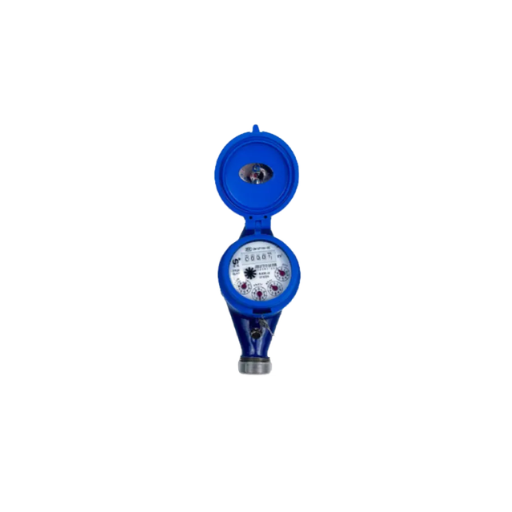
Advanced energy meters and sensors are the main components of a BEMS, as they provide precise, real-time information on energy consumption. These devices can monitor electricity, water, gas, and other services across different areas of a building. A MarketsandMarkets study in 2023 projects that the global smart metering market will be worth $29.8 billion by 2028, indicating that these technologies are increasingly widely accepted.
2. IoT-Enabled Devices
The use of IoT devices has fundamentally changed the BEMS landscape. Smart thermostats, lighting systems, and appliances with internet connectivity enable energy use in a seamless, automated manner. For instance, IoT-enabled systems could adjust lighting based on room occupancy, or use weather forecasts to control HVAC systems, thereby reducing energy consumption by up to 20%, as the U.S. Department of Energy reports.
3. AI and Machine Learning Algorithms
AI and machine learning are key components of predictive analytics and energy modeling. The application of these technologies enables BEMS to identify energy-saving potential by examining consumption trends and future demand. For instance, AI can inform power usage during peak periods and enable preventive measures, such as system optimization, to avoid incurring high costs.
4. Integration with Renewable Energy
BEMS technology is saturating the market with solar panels and wind turbines, the renewable energy sources it enables. The new system controllers ensure that the building is powered by renewable energy produced while simultaneously interacting with the power grid and managing battery storage. The International Energy Agency (IEA) states that solar-powered buildings can stay off the grid for 50% of the time.
5. Cloud Computing and Big Data Analytics
Data that is related to energy becomes available and can be acted upon when it is stored and processed in the cloud. The use of such facilities enables facility managers to evaluate huge datasets in real time, thereby making the decision-making process more constructive. Moreover, cloud technology enables remote access to BEMS, thereby supporting energy management for companies with multiple locations.
6. Occupant-Centric Systems
Energy used in buildings greatly depends on the behavior of the occupants. State-of-the-art BEMS now include occupant-centric utilities, such as mobile apps and visualization tools, that inform users about their energy consumption through personalized information. It has been found in studies that when users are made aware of the energy-saving activities, the usage can be cut by as much as 10-15%.
The combination of these modern technological solutions enables enterprises and organizations to achieve not only the goal of operating at maximum efficiency but also those concerning environmental sustainability, thereby reaffirming the vital contribution of BEMS in a rapidly changing energy market.
Core Technologies in Building Management Systems
Building Energy Management Systems (BEMS) are based on technologies that are very advanced, which make it possible to monitor, control, and optimize a building’s energy performance. The technology at the core of these systems is enabled by state-of-the-art hardware, software, and integration solutions. So, below are the components that will be crucial in achieving this goal:
The close collaboration of technologies helps to overcome the difficulties of energy consumption and, at the same time, to achieve sustainability goals. The continual improvement of these core technologies attests to their pivotal role in the global shift toward more intelligent and greener buildings.
Energy Monitoring and Data Analytics
Energy monitoring and data analytics are the core pillars of contemporary Building Energy Management Systems (BEMS). To facilitate these processes, the newest sensors and IoT-enabled devices are about the whole energy monitoring and the providing of status reports on energy usage in buildings as they happen, thus making it possible for the facility manager to spot the inefficient spots and change the pattern of usage to a more efficient one. Smart meters and submetering technologies, for instance, allow the energy usage to be tracked very accurately as to individual systems or even appliances, thus providing detailed data for analysis.
Data analytics is the process that makes the whole processing and interpretation of this information possible. Powerful algorithms and machine learning are used by these systems to find trends, predict the amount of energy that will be used, and alert the personnel about any issues such as equipment failure. EIA has published a report stating that buildings that have such tools installed can cut their power consumption by 20-30%. Another advantage of the utilization of cloud-based solutions is that they allow users to access energy reports from anywhere and offer recommendations for energy-saving practices.
A major factor of energy analytics is benchmarking ,indeed. Energy managers can assess a building’s energy performance by comparing it with other buildings or with industry standards. Tools such as ENERGY STAR Portfolio Manager, which are widely used, facilitate benchmarking and help organizations, though no longer, track their progress toward sustainability goals.
📊 Real-World Case Study
There are studies that demonstrate the effectiveness of the combination of energy monitoring and data analytics as a matter of course. For example, Google, in its 2023 study, mentioned a commercial building located in New York City that contracted its annual energy cost to the tune of 25% due to the deployment of predictive analytics in its BEMS. Such figures show how much of the eco-friendly and dollar saving benefits the use of these technologies can bring, hence, highlighting the place of such technologies in the energy management of the future.
Integration with Other Building Systems
Modern Building Energy Management Systems (BEMS) are positioned as the heart of building operations, actively participating in processes and decision-making. Every critical building system integration, such as HVAC (Temperatures, Aeration, and Air Conditioning), lighting systems, security systems, and IoT-enabled devices, enhances the BEMS functions through the usage of real-time data. Thus, the BEMS is in the very right way to do with energy usage, on top of it making occupancy comfortable and fine-tuning the overall operational efficiency.
💡 Energy Reduction
BEMS-connected automatic lighting systems have achieved a 20% reduction in energy consumption through dynamic adjustments in response to occupancy and natural light availability.
🏢 HVAC Integration
A 2023 case study reports that an energy management platform integrated with HVAC systems reduced energy use in a large office building by 30%, resulting in substantial cost savings.
📈 Market Growth
The global smart building market is expected to reach $155 billion by 2030, driven by BEMS and IoT integration as the main demand factors.
Recent reports emphasize that smart building technologies are expected to increase their presence significantly in the market over the next few years, as the global smart building market is likely to reach a worth of $155 billion by 2030 due to BEMS and IoT integration, the main drivers of such demand. For example, a 2023 case study describes how an energy management platform integrated with HVAC systems reduced energy use in a large office building by 30%, translating into a considerable reduction in operational costs. Moreover, BEMS-connected automatic lighting systems have demonstrated, through a 20% reduction in energy consumption, the potential for dynamic adjustments in response to occupancy and natural light availability.
One more factor in the adoption of cloud-based platforms is integration, taking a step further since it makes communication between the different sub-systems very easy. These solutions allow facility managers to monitor and manage building operations remotely, thereby reducing the time required to respond to situations and enabling predictive maintenance. Google indicates that utilizing the AI-driven analytics in the integrated systems has also played a significant role in the discovery of inefficiencies and the provision of actionable insights that result in the adoption of energy management practices that are sustainable. The fact that all building systems operate in synchrony supports the conclusion that holistic solutions will be decisive for achieving the net-zero energy target.
Step-by-Step Guide to Implementing BEMS

The installation of a Building Energy Management System (BEMS) is a step that has tremendous benefits by way of energy efficiency and operational cost reduction. Take a look at this thorough step-by-step guide to the successful implementation of a BEMS, along with the corresponding data and insights:
Step 1
Conduct an Energy Audit
Start with the building energy audit as the most extensive step. Recent studies say that energy audits are capable of revealing energy savings of 10-40% depending on the building type and efficiency level. This phase establishes an improvement baseline and characterizes the areas with the greatest potential for optimization.
Step 2
Set Clear Goals and Objectives
Establish energy reduction goals that are specific and measurable. For instance, Google states that net-zero-emissions target organizations formulate their BEMS plans by following sustainability standards, with a maximum 70% reduction in energy use as a contribution to that goal.
Step 3
Allocate Resources for IoT Devices
Incorporating IoT devices increases real-time data collection and monitoring capabilities. Smart sensors and networked devices can elucidate how and when energy is consumed. It has recently been reported that more than 75% of BEMS consumers experience performance gains from the use of IoT-enabled components.
Step 4
Select the Right Software Platform
Choose an AI-driven BEMS software that fits your building’s specifications. According to Google’s statement, AI-powered solutions can reduce energy losses by up to 30%, particularly when combined with advanced analytical tools. Choose platforms that have features for predictive maintenance, automated control, and integration with renewable energy sources.
Step 5
Data Integration and Analytics Implementation
Integrate all building systems, including HVAC, lighting, and water management, into a single BEMS platform. The latest reports indicate that centralized systems supported by data analytics can detect inefficiencies up to 50% faster, thereby significantly increasing overall building performance.
Step 6
Staff Training
Train building managers and staff to the full potential of the BEMS system. Research shows that proper training can improve system efficiency by up to 25%, thereby ensuring smooth operation and rapid troubleshooting.
Step 7
Ongoing Monitoring and Optimization
When the BEMS becomes operational, it will be prudent to employ continuous monitoring to adapt to variations in energy demand. Google emphasizes the fact that ongoing optimization is very crucial and states that the energy consumption can be further reduced by another 15-20% through continuous monitoring over time.
Organizations can unlock the full potential of a Building Energy Management System by adhering to these phases; thus, they will realize substantial savings, advance their sustainability initiatives, and contribute to global energy goals.
Getting Started with BEMS
The process of implementing a BEMS begins with the identification of energy requirements and goals. From Google’s data, it is recommended that the first step be a full-scale energy audit to spot the weak points and propose the improvement solutions. This process can identify areas where energy use could be more efficient, which, in turn, could lower energy costs by as much as 30%.
📊 Energy Data Assessment
Initially, get the historical energy consumption data and perform analysis on it. Smart meters and IoT sensors, which are installed throughout the house, can provide detailed information on energy usage patterns across systems such as HVAC, lighting, and equipment. Google indicates that applying sophisticated data analytics can increase the amount of energy saved by 10-15%.
💻 Scalable Technology Investment
Select a BEMS platform that is compatible with your current systems and can expand to meet your future requirements. The newest BEMS solutions use machine learning and neural networks to forecast and schedule energy-saving actions, this way, over time, the consumption of energy can be reduced even further, up to 20%.
⚡ Real-time Supervision and Regulation
Power your system so that it can track the real-time performance of the energy used. Google points out that constant monitoring can spot times of highest energy demand and enable the energy to be adjusted flexibly, thus minimizing the cost and making the whole system run at the best efficiency.
👥 Employee Training and Involvement
An essential yet frequently neglected step is to inform employees about the benefits of a BEMS and to facilitate energy-saving behavior. It is estimated that companies that are nurturing a sustainability culture could gain up to 10% extra energy savings.
🔧 Utilization of Predictive Maintenance
A BEMS is capable of delivering the data that supports predictive maintenance, ensuring the systems run at peak efficiency. The Google research shows that predictive maintenance decreases total maintenance costs by 25% besides reducing downtime.
By following these steps, companies can cloud the BEMS ROI, align their power habits and sustainability objectives, and thereby realize substantial savings. The resourceful frameworks of real-time analytics, predictive technologies, and staff involvement promise that the BEMS will not merely become another operational cost but rather convert power management into a competitive advantage.
Assessing Building Needs and Requirements
An in-depth evaluation of a building’s needs and requirements is an essential first step in implementing a successful Building Energy Management System (BEMS). This method entails scrutinizing the structure, systems, and operation patterns in order to gain a clearer picture of present energy consumption and spot the areas that can be improved.
Steps to Assess Building Needs
-
Energy Audit
A thorough energy audit assesses the building’s current energy consumption and provides a baseline for subsequent data collection. The U.S. Department of Energy states that energy audits can identify annual energy savings of 5%-30% through improved management practices and efficiency upgrades.
-
System Evaluation
All the different systems consuming energy need to be evaluated, such as HVAC (heating, ventilation, and air conditioning), lighting, and water heating systems. Old or not working properly systems can use up a lot more energy. For example, the transition to energy-efficient HVAC systems can reduce energy use by 20%-40%, as documented in studies across industries.
-
Occupancy Patterns
Study the occupancy of different areas of the building at other times of the day. Offices, for instance, tend to have the maximum usage during working hours, which means the energy management strategies have to coincide with the patterns of peak usage for the maximum savings.
-
Benchmarking and Data Collection
The building’s energy performance can be assessed by comparing it with similar properties using tools such as the ENERGY STAR Portfolio Manager. One of the outcomes of benchmarking is to uncover energy inefficiencies, which result in more directed improvement efforts, as well as the collection of data from sensors and IoT devices, which helps to identify real-time usage trends.
Leveraging Technology and Analytics
The latest BEMS solutions integrate IoT and advanced analytics to facilitate the entire evaluation process. Smart meters, for instance, provide very accurate energy usage readings while predictive analytics can spot possible problems before they result in waste of energy. According to current market reports, the use of IoT-based BEMS solutions can reduce facilities’ total energy consumption by up to 30%.
Data Inequities and Decisions for Custom Solutions
Such consultations should underpin energy management strategies. It is possible to develop custom solutions, such as demand response systems or dynamic building controls, that address the specific needs of the structure. Incorporating LED lighting and automated shading systems may reduce lighting energy consumption by up to 50%.
When a company conducts a systematic evaluation of the building’s needs and requirements using state-of-the-art technologies and data-driven insights, it has effectively taken the first step toward a more energy-efficient and sustainable future.
Choosing the Right BEMS Technology
The process of selecting the optimal Building Energy Management System (BEMS) technology involves a comprehensive assessment of the building’s specific requirements, energy consumption patterns, and operational objectives. All new BEMS technologies are fitted with the latest functionalities, among which are real-time monitoring, predictive analytics, and easy-to-use IoT integration that transforms the whole process of energy efficiency optimization and cost reduction into one that is very simple.
☁️ Scalability Focus
The prime consideration is scalability. A case in point is the cloud-based BEMS platforms that offer the flexibility to add more systems as buildings grow larger.
43% of businesses employing cloud-based BEMS claimed they cut energy costs by 20-30% within the first year
🤖 AI-Powered Intelligence
Systems connected to AI-powered algorithms can process “big data” and forecast when there will be the highest demand for energy at a given time and thus schedule the equipment accordingly.
Automated fault detection reduces maintenance costs by up to 40%
🔗 Infrastructure Compatibility
Open-protocol BEMS technologies such as BACnet and Modbus enable buildings with outdated systems to modernize without a complete infrastructure replacement.
Interoperable protocols decrease initial investment by about 25%
Lastly, BEMS technologies with the user-friendly interface and practical insights empower the facilities management team to make the right call based on data without having to go through an arm’s-length technical consultation. A particularly pertinent case is automated fault detection, which has been shown to reduce maintenance costs by up to 40%, thereby keeping systems at peak efficiency with lower frequency and reducing downtime.
⚠️ Challenges Faced During BEMS Implementation

Although Building Energy Management Systems (BEMS) have considerable benefits, their deployment throws a number of challenges at the companies that need to handle them in order to get the maximum efficiency from these systems.
💰 High Initial Costs and ROI Concerns
The financial aspect of the whole project causes the most concern as it is the first and foremost reason for people not to use BEMS extensively. The cost of BEMS consist of different components such as hardware installation, software licensing, and integration of new technologies with the existing building systems. The initial costs for various Building Management Systems may go as high as $2-$7 per sq. ft. in some areas, as per the latest market research. The return on investment (ROI) is very subjective and hence in small-scale businesses with tighter budgets; the justification of this spending is a big question.
🔧 Complexity of System Integration
The integration of the BEMS with the old building system is one of the major obstacles that stop BEMS installation. The old buildings are equipped with old systems that may not be compatible with the new generation of BEMS solutions. In the example of HVAC systems, where the BEMS integration is done with the old systems, retrofitting can sometimes take up a lot of time and also money. The cost could go up by 30% due to the slow down in the process. Sometimes different vendors’ protocols also do not allow the systems to work together, and the only way out is to further customize the product which can take time and escalate the technical challenges.
🔒 Data Privacy and Security Risks
BEMS deployment means a lot of data collection, and it will be a mix of operational and user data, which will include; energy usage patterns and environments of the building. The sensitive data will be very challenging to manage and it will bring the possibility of a cyber threat. Industry investigations have found that industrial IoT implementations, like BEMS, report moderate to significant concerns over security vulnerabilities in 58% cases. Though, if proper measures are not taken to protect data, breaches may happen which can lead to compliance penalties and loss of goodwill.
👥 Lack of Skilled Workforce
To run and manage advanced BEMS technologies, one needs a skilled workforce that has training in data analytics as well as IT systems and building operations. Unfortunately, there is a significant mismatch between the demand and supply of skilled personnel in the industry. Studies conducted in this area show that around 45% of facilities management teams do not have the necessary training to operate BEMS and that this is a major factor in the inability to optimize performance and lower costs.
🚧 Resistance to Organizational Change
Adoption of BEMS would still require organizations to undergo culture change. There might be resistance from the workforce and stakeholders to the new technological and procedural changes, particularly in the absence of proper management of training and transition. Research reports show that roughly one-third of BEMS projects are prone to timeline extension due to internal resistance, thereby stressing the significance of clear communication as well as change management strategies.
To overcome these obstacles, it is necessary to adopt the right mix of strategies like providing financial incentives, standardizing communication protocols, increasing workforce training, and investing in cybersecurity. If organizations look at these barriers in a proactive manner, they can speed up the process of BEMS adoption and take full advantage of it in terms of energy efficiency and cost savings.
Common Obstacles in Building Management Systems
Technical Limitations and Integration Issues
Usually, technical limitations and integration issues among the new technologies come to be the main obstacles to be overcome. Compatibility of the existing systems is one of the most widespread issues. Recent statistics show that approximately 70-80% of the organizations depend on the outdated systems for their vital activities, thus, the integration with newer solutions becomes a very complicated and expensive procedure. One of the major reasons for such a situation is that the archaic systems might not have APIs or any other features that would allow them to work with new technology and as a result, a huge custom development effort is needed to get them working together.
⚙️ Scalability Issues
The issue of scalability also comes up, mainly in the case of a good deal of businesses possessing a fast growth rate. Recurrently, such a situation occurs when a considerable percentage (38%) of IT workers who are attempting to scale new technologies via the existing infrastructure encounter performance bottleneck problems.
🔐 Security Vulnerabilities
The risks of cybersecurity—the integration processes actually can do a lot in creating the vulnerabilities due to the possible misconfigurations or the lack of adequate testing that affect almost 30% of companies introducing new systems.
Moreover, the issue of scalability also comes up, mainly in the case of a good deal of businesses possessing a fast growth rate. Recurrently, such a situation occurs when a considerable percentage (38%) of IT workers who are attempting to scale new technologies via the existing infrastructure encounter performance bottleneck problems. On the other hand, the same percentage (38%) can be seen when dealing with the risks of cybersecurity—the integration processes actually can do a lot in creating the vulnerabilities due to the possible misconfigurations or the lack of adequate testing that affect almost 30% of companies introducing new systems.
✅ Strategic Solutions
To resolve these problems, a tactical approach shall be enforced; actions like performing thorough system inspections, purchasing middleware solutions and adopting stringent testing protocols would be among the first-ever moves. Along with that, organizations can also benefit from a phased rollout strategy that minimizes risks and allows them to resolve integration difficulties incrementally while simultaneously ensuring system stability. All these tactics will not only reduce the impact of the transition but also allow the organization to enjoy the long-term results of technology adoption.
✅ Solutions and Best Practices for BEMS Implementation

For the successful operation of Building Energy Management Systems (BEMS), organizations can impose the following detailed solutions and best practices
📋 Conduct Comprehensive Energy Audit
To start with, make a thorough energy audit to find out and analyze the present energy consumption habits. This information becomes the basis for spotting the weak points and establishing goals that can be acted upon. Research indicates that energy audits can contribute to the reduction of energy wastage by as much as 20-30% in buildings used for commercial purposes.
📡 Integrate IoT and Smart Sensors
Make use of the IoT-enabled devices and smart sensors to keep track of the energy usage continuously and to gather real-time data. These devices not only provide accurate data but also make it easier to take proactive measures, which in turn lead to more efficient energy management and ultimately lower operational costs.
⚖️ Invest in Scalable Systems
Choose BEMS solutions that are both scalable and can be integrated with the current systems in place. Such an arrangement ensures that the system is future-proof and facilitates the incorporation of new technologies or equipment so that the system can stay cost-effective and up-to-date throughout its lifetime.
🔧 Prioritize Predictive Maintenance
Adopt predictive maintenance algorithms to keep an eye on the system performance and to detect possible problems before they result in the breakdown of the equipment. This technique not only significantly reduces downtime but also increases the life of the equipment and lowers the maintenance costs considerably.
📊 Leverage Data Analytics
Make use of sophisticated data analytics technology to discover patterns and obtain insights from energy data. The creation of actionable reports enables the stakeholders to make wise decisions and further optimize energy consumption. Research reveals that organizations utilizing analytics can save an extra 10-15% on their energy costs.
Thus, by making these best practices their own, BEMS implementations can bring about a huge reduction in costs, enhancement of the energy efficiency and less impact on the environment.
Strategies to Overcome Implementation Challenges
The implementation of a Building Energy Management System (BEMS) may be fraught with difficulties, but if the right strategies are applied, these problems can be solved with ease. Here are five significant methods to get through the usual implementation challenges:
1. Comprehensive Stakeholder Engagement
Stakeholders must be involved right from the beginning and throughout the whole process of implementing the system. Trust is built and alignment is ensured through clear communication of the BEMS’s goals, advantages, and operational impact. Research shows that projects with good stakeholder involvement have 30% higher chance of success.
2. Adequate Training and Support
Training programs are a must for obtaining a skilled workforce that will be able to operate the system efficiently and analyze data. Organizations that run structured training report 25% more user adoption rates which, in turn, help to eliminate operational bottlenecks.
3. Integration with Existing Systems
A proper BEMS that combines with the existing infrastructure like HVAC and lighting systems can cause minimum disruptions. Moreover, the use of open protocols and APIs can further support the integration process and compatibility issues can be effectively managed.
4. Piloting and Gradual Rollout
When an organization conducts a pilot program, it is possible to check the system, make necessary changes, then solve the problems before the full-scale implementation. It is estimated that errors in implementation are reduced by 20-30% with the rollout being gradual.
5. Monitoring and Continuous Improvement
The system is monitored and evaluated continuously, which helps to find out the areas that need improvement. The use of analytics and feedback for continuous optimization means that BEMS will keep adapting to the requirements of the organization, thus securing the long-term success.
With the introduction of these strategies, businesses are able to tackle the problems and reap the full rewards of their BEMS installation.
Ensuring Stakeholder Engagement and Training
The Building Energy Management System (BEMS) to be a success depends on the active participation of stakeholders and the proper training of all those involved in the system. The study shows that companies that adopt the structured engagement of stakeholders see a 30% increase in the success rate of the technology adoption. The involvement of the main stakeholders— facility managers, IT, and users (building occupants) — from the very beginning of the project creates a sense of owning the system and being committed to its success.
In order to do this, it is necessary to communicate clearly the aims, advantages, and the outcomes that can be expected from the BEMS. Holding the workshops for the stakeholders, conducting regular surveys and feedback sessions, can help keep everyone on the same page, and also discover potential obstacles before they become big issues. Moreover, providing different kinds of training for different roles will guarantee that all the users are ready to efficiently use the capabilities of the system. Recent industry statistics indicate that organizations that continuously train their employees gain a 25% increase in the utilization and efficiency of the system.
📈 30% Success Increase
Companies with structured stakeholder engagement see a 30% boost in technology adoption success rates.
🎓 25% Efficiency Gain
Continuous employee training results in a 25% increase in system utilization and operational efficiency.
What is more, the use of digital resources such as online courses, video tutorials, and the dissemination of best practice guides can make the whole learning process more accessible and flexible. The BEMS initiatives in organizations that undertake these approaches will ensure greater stakeholder buy-in and consequently, better performance and return on investment.
Continuous Monitoring and Optimization
Uninterrupted surveillance and fine-tuning are the main factors that ensure a Building Energy Management System (BEMS) is effective in the long run. Through regular surveillance, organizations can identify inefficiencies, monitor performance metrics, and implement changes to the buildings’ energy usage backed by data. Advanced analytics, which are driven by machine learning and artificial intelligence, have significantly changed the way BEMS can uncover patterns and moreover, forecast the malfunctioning of equipment long before it actually happens.
📉 15% Energy Reduction
Buildings with real-time energy monitoring witness a drop of energy consumption by an impressive 15%.
⚙️ 30% Failure Decrease
Predictive maintenance technologies prove effective in decreasing equipment failure by 30%.
If we look at the Google Search insights, buildings that have installed real-time energy monitoring could witness a drop of energy consumption by an impressive 15%, while technologies like predictive maintenance have proven to be effective in decreasing equipment failure by 30%. Besides, uninterrupted supervision produces huge amounts of data which can be processed and analyzed in order to improve the operational strategies, and to calibrate the HVAC systems and to uncover the potential cash-saving areas.
Rethinking an organization’s approach from being reactive to proactive will not only allow them to gain more energy-efficient systems but it will also give them the advantage of having their infrastructure last longer. Following this way, compliance with the energy regulations is assured and the organization is very likely to reach the sustainability goals set, which leads to making a new standard for mastering the modern building management in terms of operational excellence.
❓ Frequently Asked Questions (FAQ)
❓ In what ways do energy systems, such as BEMS, contribute to the overall energy efficiency of a building?
A building energy management system (BEMS) carries out functions that are usually done by different control systems in a centralized manner—monitoring energy, analyzing data on energy consumption and optimizing energy use of lighting, HVAC system and all other systems and machines. The real-time information on energy consumption and usage patterns that the BEMS provides, is the basis on which the facilities management teams and building managers are able to cut down on energy waste, enhance energy efficiency and simplify the energy operations so that the building owners can enjoy reduced energy costs and energy use that is not necessary.
❓ What are the first steps for energy systems to be installed in an already existing building?
The first energ audit that was conducted has to be done and it is very important because it lets one know what the building’s energy consumption is and where the data about the energy consumed is missing. The installation of control systems for heating, cooling and energy management in an existing building can only be done if one starts by identifying different building systems and equipment, connecting meters, sensors to get energy consumption data and then assessing the building in terms of energy usage. The energy management in buildings advises to first map the current control systems, upgrade them based on the priority (HVAC, lighting, and controls), and then come up with a phased plan to install the BEMS that will optimize energy consumption and lower energy bills.
❓ How does a BEMS system help in decreasing power consumption and the dollar amount of energy during the high demand hours?
The BEMS employs up-to-the-minute information on energy as well as predictive controls to transfer the load, cut back on energy used by nonessential systems, and boost building performance at the time when the demand is high. Through the management and optimization of energy, the system lessens the spikes in energy demand, cuts down on energy waste, and utilizes demand-response strategies—thus reducing energy costs and lessening the need for the expensive purchase of peak energy. These activities are beneficial to energy conservation during peak hours and moderating the comfort level of occupants.
❓ Will BEMS be compatible with the building systems that are already in place and with a variety of building types?
Definitely. Up-to-date software for energy management and control systems are in a position to easily connect with all base building systems—heating and cooling systems, lighting, meters, and renewable energy sources—irrespective of the type of building. The use of BEMS usually calls for the integration of protocols, retrofitting of sensors, and linking to the existing building systems so that energy usage and performance data can be centralized for the purpose of better energy optimization and facilities management that is more streamlined.
❓ How vital is real-time energy consumption data in building performance optimization?
Real-time energy consumption data is the backbone of the system, providing a continuous demand-feedback loop and automatic control adjustments to ensure the most efficient energy use thus BEMS energy management can optimize energy consumption without interruption. The instant availability of energy usage data opens up the possibility to be such as detection of unusual energy use patterns, huge energy wastage, initiating inquiries into the effectiveness of energy-saving strategies, and maintenance support through failed systems detection e.g. less efficient HVAC system components which in the end means better building performance and lower energy costs in the long run.
❓ In what manner can building owners and managers substantiate and verify the efficiency of energy use reduction after the BEMS has been implemented?
Baselining of energy consumption to be used as the basis for comparing energy savings after the implementation of the BEMS should be conducted through an energy audit before the installation. During the monitor, data on energy usage and energy bills will be collected via energy management software and meters. Treat each system according to its individual characteristics, applying occupancy and weather adjustments, and utilizing standardized methods and verification techniques to determine successful savings. A BEMS equipped with regular reporting and dashboards makes it easy for building owners to see how much energy they are using less and how much of that translates into just reduced costs.
❓ How does the implementation of a BEMS create a scenario in which renewable energy can be easily integrated into the overall energy demand reduction strategy?
A BEMS directs renewable energy produced on-site to where it’s needed most, whether the building loads, grid signals for selling or even storage of energy. BEMS can do this through its integrated management system working with the HVAC and lighting systems where less energy wastage is achieved by shifting loads to match the availability of the renewable resource, hence supporting the organization’s objective of increasing energy efficiency and carbon footprint reduction—thus making it a critical factor in the overall energy saving plan of the building.
📚 References
Building Optimization and Control Algorithms in Existing BEMS
Source: ScienceDirect
Link: Building optimization and control algorithms implemented in existing BEMS
Description: This paper analyzes building optimization and control algorithms implemented in existing BEMS, providing insights into practical applications and methodologies.
Building Energy Management Systems
Source: ResearchGate
Link: Building Energy Management Systems
Description: A comprehensive academic resource discussing the intelligent control and performance modeling of BEMS.
A Review of Internet of Energy-Based Building Energy Management Systems
Source: IEEE Xplore
Link: A review of internet of energy based building energy management systems
Description: This review explores the integration of IoT and energy management systems in buildings, addressing future challenges and recommendations.
🌱 Start Your BEMS Journey Today
Building Energy Management Systems represent the future of sustainable and efficient building operations. By implementing the strategies and best practices outlined in this guide, your organization can achieve significant energy savings, reduce operational costs, and contribute to a greener future. The time to act is now—transform your building into a smart, energy-efficient space that benefits both your bottom line and the environment.