Ultrasonic Flow Meters: Clamp-On vs Inline Installation
The ultrasonic flow meter is so accurate, precise, and useful that this technology is available in nearly every sector today. However, there is one dilemma that is very critical to both owners and users which torments them incessantly – is it better to attach the invention under the pipe or within the pipe? Both methods have their advantages, but the use of each method requires a certain set of conditions. The current study has tried to cut these two categories of flow meters in order to help the customers to implement the particular ultrasonic flow meter that fits their business goals. This guide will feature the ergonomics and the pros and cons of certain models regardless of whether the user wants low or no turn-around time for the installation, or minimum movement to reach very high accuracy of the flow measurement.
Overview of Ultrasonic Flow Meters

A flow meter is a device primarily used for measuring the volumetric flow rates of liquid or gas through pipelines using the interpretation of sound waves. In essence, they are created to either work on the transit-time method or the Doppler method. Transit-time flow meters determine the amount of time it takes for sound waves to go from one transducer to another, each time in the flow and opposite flow directions, while Doppler meters rely solely on the frequency shifts created by the solid particles’ presence in the fluid or gases that can help the air bubbles dissolved in the fluid. Moreover, such devices not only deliver great precision but also require minimal maintenance due to the fact that they neither contact the fluid nor the interior surface. They are used in water control, oil pipelines, and other industries mainly because of their characteristics. To put it simply, an ultrasonic flow meter is just a meter that uses ultrasonic signals along with other methods for measurement.
What is an Ultrasonic Flow Meter?
An ultrasonic flow meter is a device that works on the principle of ultrasonic sound waves and measures the volumetric flow rate, which is essentially proportional to the velocity of the fluid. Ultrasonic meters are the ones that permit non-intrusive flow measurement; therefore, they yield highly accurate results. This is just one of the reasons why they find applications in numerous industrial segments.
Applications of Ultrasonic Flow Meters
The accuracy, flexibility, and non-destructive nature of the ultrasonic flow meters make them very popular in many different industries. The following are five of the main areas where these instruments are widely utilized:
Water and Wastewater Treatment
Ultrasonic flow meters can be found in almost all water treatment and waste treatment plants, as they are considered the most accurate and reliable method for measuring flows. They also help manage water consumption and control the environmental impact of the industrial process.
Petrochemical and Energy Resources
These flow meters are deployed specifically for measuring flow rates in all aspects related to oil and gas (extraction, refining, and finished products). This is due to the fact that all these products require dealing with very high pressure and corrosive fluids which the flow meters are made to withstand.
Heating, Ventilation, and Air Conditioning (HVAC)
Ultrasonic flow meters are employed in Heating, Ventilation, and Air Conditioning systems to monitor the fluid movement through the system which in turn increases the energy efficiency of the system and its longevity.
Food and Drink Sector
Quality and consistency in juice, milk, and other beverages production require the previous non-invasive and sanitary devices, such as ultrasonic flow meters, which will cater to such an operation. Thus, ultrasonic flow meters will measure the flows of different liquids, promoting proper quality control.
Chemical Processing
These are very critical instruments in chemical plants that measure the flows of different chemicals thus ensuring both accuracy and safety in handling potentially hazardous liquids.
All the aforementioned applications indeed showcase how modern-day industries can still resort to ultrasonic flow meters for various deployed due to their efficient type and sophisticated quality.
Importance of Flow Measurement in Various Industries
The knowledge of flow metering principles is indispensable in numerous industries, as it ensures operating efficiencies, force measurements, and the meeting of safety standards. Flow measurement is, however, essential to the following five specific application areas:
1The Oil and Gas Sector Efficiently, accurately and effectively
Crude oil, gas, and hydrocarbon production can all be accurately measured using flow metering thus allowing monitoring and measurement to take place in the most efficient, accurate, and effective manner. Besides, commercial losses are reduced, transport is made easier, and the environment is kept clean. For example, daily, millions of barrels of oil are moved through pipelines, and the flow rates of these pipelines can be continuously monitored with the help of several flow meters installed along the lengths of the pipelines.
2Wastewater Management and Water Distribution
Water Distribution and wastewater treatment are two areas where flow meters are indispensable. The meters are helping in so many ways from leak detection to conservation of water and compliance with regulations. In most municipalities, the water management system includes measuring billions of gallons and knowing how much is wasted.
3Beverages and Food Processing
One of the major reasons for the importance of continuous flow measurement in food processing is to safely and accurately control the quality and safety of the end product by knowing the exact amount of each ingredient used in the processing. To illustrate, during the process of carbonated drinks manufacturing, the liquid and gas flow are monitored to see that required amount of carbon dioxide is present in every batch.
4Chemical Industry
The issue of measuring dangerous and flammable fluids gave rise to the development of flow measurement devices for the chemical industry. The development of flow measurement instruments is thus encouraged since it aids in process control and worker safety through proper component ratio control during the manufacturing.
5Power Generation
Flow measurements are used for steam, water, and fuels in different types of power plants. These measurements are essential for energy production efficiency, performance improvement, and plant impact reduction. For example, controlling the water flow rates prevents overheating and thus keeps thermal and nuclear power plants operating smoothly.
Industry experts providing insights have asserted that the installation of flow metering equipment everywhere would be the first and most important step to the increase in productivity of companies. The company will also save money by becoming more efficient while the workers’ safety will be enhanced by the implementation of safety and green policies.
Understanding Clamp-On Installation

Clamp-on flow meters are ultrasonic flow meters; they measure the rate of fluid flow inside a pipe without having to cut or penetrate the pipe. Such devices can be clamped to the pipe and thus do not interfere with the operation of the pipe or even interrupt the process for the installation of the devices. So, they are used in many water treatment, oil and gas, HVAC and roofing, as well as petrochemical industries.
Clamp-On Flow Meters; and their Working
In clamp-on flow meter applications, ultrasonic transducers are employed to send and receive waves, with the waves coming from both the pipe wall and the fluid. More specifically, it is the difference in the time taken by the waves to travel upstream and downstream that enables the flow rate to be accurately determined. This is a technology that can effectively be applied to many different materials including, steel, PVC, and copper among others.
Advantages of Clamp-On Design
No Cutting of Pipes for Installation
The operation continues without any disruption, resulting in less downtime and expense.
Simple to Use
Different Sizes and Materials of Pipes can be Flow Measured with this Equipment and it can be adapted for many Applications.
Precision and Consistency
Very high accuracy will be achieved with clamp-on meters which are commonly used for quantitative liquid flow measurement, with a typical maximum error ranging from ±0.5% to ±1%.
Low Maintenance
Since this device is outside, there are no internal components that can get faulty due to wear and tear, thus the intervals between maintenance are longer.
This Is What Visualization Is All About
Combining the cutting-edge ultrasonic technology with an uncomplicated installation owing to the clear shrug on the simple flow measurement, the clamp-on installation has been one of the major factors facilitating the development of today’s ultrasonic flow meter devices that have reached a technological peak.
How Clamp-On Installation Works
In measuring the flow of liquid or gas in pipelines, the ultrasonic flow meter employs a clamp on installation which is a non-invasive method and thus aids to the easy installation. No incision into the pipes or interruption of operation is necessary since external transducers are fixed to the outer side of the pipe.
Initially, transducers are commonly positioned on the pipes at designated locations. Generally, they are situated at the start and at the end of the pipe. During the operation, such transducers emit ultrasonic waves that go through the pipes and the medium. In the ultrasonic flow meters, the flow is determined by timing the ultrasonic waves going from the installed transducers and back. This method which might be termed “Differential Transit Time” provides unequivocal outcomes without the complications of the pipe.
As for the market trends, the data for clamp-on flow meters typically indicates an accuracy performance of specific limits; in this case ±1 – 2% for liquid applications, such a performance is accepted by water treatment, oil and gas, and even HVAC industries. Besides, since there is no physical contact with the pipe, there will be no leaks, contaminations, or obstructions when installing or servicing the clamps. Further, it is said that there are clamp-on meters operating with tubes of 0.5 inches and 240 inches in diameter, respectively, within one system.
Ultrasonic flow meter today comes with a temperature and pressure compensation feature which means the measurement will be much more accurate. This inexpensive and easy to install combination of piping and fixtures has been widely used in various sectors that strive to be both efficient and economically viable.
Advantages of Clamp-On Ultrasonic Flow Meters
Out of the Box Solution
There was a gadget that employed a clamp-on technology. Such device could be affixed to a pipe without cutting the pipe itself. As a result, this kind of ultrasonic flow meter is a safer and more efficient technology than others since it limits or even eliminates the risk of contamination of t-water/any uids/oles or the system. Applications like food networks or pharmacies require such nonincursive techniques because this is of utmost importance in the mentioned industries.
Not Restricted to a Narrow Range of Pipe Sizes Available
On the contrary, this type of flow meter can be attached to any pipe measuring between ½ inch and 240 inches. Moreover, the possible configurations of the equipment in different processes are simple and do not imply any additional tasks for the exemption from the general principles of the construction.
Greater Precision valuable to the User
The latest clamp-on ultrasonic flow meter models have typical characteristics like temperature and pressure as allowing for more efficient operation. Thus, they are able to give precise and reliable flow measurements even when the environmental and operational conditions vary. The accuracies are usually ±0.5% and ±1.0% which is quite praiseworthy considering the current industry standards.
Low Cost of Maintenance and Operation
Because the device does not come in direct contact with the liquid being measured, gradual wear and tear is the case, and this in turn leads to a reduced maintenance cost structure. Moreover, the no-moving-parts design does not only cut the maintenance cost but also minimizes the chance of mechanical breakdown.
Eco Friendly and More on Power Conservation
Installation and operating of such clamp-on ultrasonic flow meters require minimal resources as they are non-intrusive, hence, being resource-efficient both at the setup and during the running. Another factor which makes them popular in all industries is their low energy consumption, thus, they are used when the industries want to increase efficiency in power usage or practice green economy.
Scenarios Beneficial for Clamp-On Installation
Integrating Ultrasonic Flow Meters
There are ultrasonic principle clamp-on flow meters which are ideal for providing flow measurement without changing the current pipe system. On the reports from the industrial sector, it is indicated that applying clamp-on technology can lower retrofit costs up to 30 – 40% because there is no need to cut into the pipe or stop or interfere with the process.
Measurement of Flow Temporarily in Systems
Most companies conduct testing and maintenance procedures on various systems that require temporary flow measurement. During this time, clamp-on flow meters make it easier and cheaper by allowing to conduct portable and non-invasive flow measurements. For example, the majority of utility maintenance companies use these meters, and the energy sector has reported that such usage has lowered testing time by nearly 25%.
Aggressive / Pressurized Systems
Clamp-on flow meters are the best option for handling pipelines carrying highly or chemically aggressive substances under high pressure as they do not even come into contact with the measured fluid. This not only improves safety but also prolongs the life of flow meters in such situations. A recent study indicated that installing clamp-on flow systems in chemical or gas pipelines can reduce the wear of equipment by almost 45%.
Pipelines of Distant Areas or Difficult to Reach
Besides, it is not necessary to build an elaborate infrastructure or even to have specialized instruments, which makes it very easy to install the clamp-on instrumentation to pipelines located in the outpost areas or diffusion locations. Water management is one of the sectors where such ultrasonic flow meters have been observed to save up to 50% of the time particularly in the fittings of pipelines, as those are usually rural areas.
Applications with Large Diameters
Pipelines with an enormous diameter are becoming hugely problematic to the conventional fluid flow measurement devices. Clamp-on meters can be mounted on pipes whose diameter is several meters without requiring adjustment which helps in saving a lot of costs and labor. Evidence from projects also shows that installation costs of large diameter pipelines are reduced by clamp-on technology to such plumbing systems by up to 20%.
Fluid Control in Mobile Systems
Construction sites, Industrial Sites in temporary locations and their like are highly mobile systems. In such cases, with clamp-on flow meters where the equipment can be easily “relocated” and is “flexible” to changing site conditions, any estimates of flow are maintained.
The aforementioned, among others, is a good testimony of the marble form within ultrasonic flow meter’s design. It shows the use in finances, cost-effectiveness, and rework, backed by practical usage of industry figures.
Exploring Inline Installation

The installation of concert pipe flow meters is within the pipe so they can serve as a permanent measurement point which is very much situated in the system. The benefits of such an arrangement are that accurate and consistent readings can be made as the devices come into contact with the liquid. These devices best suit areas of use which require continuous observation and maximum accuracy, such as, in processing sites, oil or refineries, and even wastewater treatment plants.
Ultrasound-based flow measurement systems of the inline type are sophisticated and incorporate multiple capabilities including those of acoustical thermometry or acousto-density measurements for integrated flow control. Vertical market updates suggest that use of inline flow meters enhances business productivity by quite a margin of 15%, as fewer errors in delivering products occur due to their considerable precision. Furthermore, there are designs that offer self-checking functions that help in controlling processing lags by dealing with potential declines in productivity.
Various currently free case studies reveal that even though the purchase of an Inline equipment might be higher, in the long run, a natural Adapter will save dearly for the lifespan of the technology that does not require frequent maintenance. In particular, a study wearing provisions of a water company shows that installing inline meters actually decreased the cost of maintenance by 25% in a period of 5 years.
Clamp-on meters, although, are preferred due to their mobility, verticals especially in measuring flow rates accurately and in giving reliable data for decision-making processes should be covered by inline flow meters because as opposed to clamp-on meters there is no hopping of an ultrasonic flow meter over the pipe.
How Inline Installation Operates
Inline flow meters are installed in the pipeline which the fluid flows through. This greatly reduces the possibility of an error due to other factors such as the pipe’s material or structure, which affects other types of flow meters, e.g., ultrasonic.
This connotes cutting the pipe and installing the flow meter in line with the direction of flow such as not to cause damage to the device and prevent leakage at the connected areas. Inline flow meters must be installed in straight pipes both upstream and downstream of the device for unobstructed flow of the fluid during the measurement. For this reason, most recommendations suggest installing the meter at 10 pipe diameters before and 5 pipe diameters after the meter to receive a smooth flow of the fluid.
The use of technology has increased the capability as well as the performance of the inline meters that are in use currently. For instance, most of these employ some kind of ultrasonic or electromagnetic-based technology for obtaining precise readings. A report from an instrumentation company submitted in 2023 mentioned that the precision of inline measuring devices now goes up to ±0.2% which is highlighted as being of great significance in sectors such as the oil and gas industry, sewage treatment and chemical production.
Furthermore, the in-line installation setups are usually made to be very durable, that is, with their whole life cycle considered. Usually, they are provided with stainless steel or corrosion-resistant material on the outer layer to endure such conditions especially if they are under chemical mixing or high pressure. These characteristics also contribute to cost reduction in the long run. A 2022 industry survey revealed that the use of an inline heated ultrasonic flow meter resulted in a 30% reduction in downtime compared to the usage of similar alternatives, which speaks of the effectiveness and durability of this technology.
Benefits of Inline Flow Meters
The inline flow meters when properly installed can measure with the highest precision and are not costly to maintain, hence they perform well in industrial or even private lines, as demonstrated in the examples below and with all the necessary data that has been considered in support of it.
Accuracy
The in-line flow meters will be boasting about their exactness even in the most unfavorable conditions for the consumer. The modern most technologically advanced ultrasonic flow meter can give almost perfect discharge readings with a very high precision of +/-0.5% which is indeed a lot in various sectors where precision is of paramount importance.
Wiping out Operational unavailability
A survey done in 2022 indicated that among all the companies, the ones utilizing in-line flowmeters were the ones that enjoyed as much as 30% more operational periods; thus, the users of other types of flow measuring devices suffered the same percentage of operational downtimes. This is equivalent to realizing huge savings in dollars and boosting productivity.
Robustness and earning their keep
The inline flow meter’s parts are made of the finest materials, such as stainless steel, or are provided with special anti-corrosion coatings. This kind of design makes it possible for the device to operate in very harsh conditions, for example, high-pressure or chemically aggressive environments. Therefore, such devices can last long and do not need to be replaced often.
No Difficulty Maintaining
Inline flow meters only require a small amount of routine maintenance. In comparison with complex systems where repair and maintenance consume much time and most often complicate matters, cause design changes or provision for disassembly and reassembly which in turn prolongs the system’s downtime, inline flow meters have easy installation and rapid diagnostics of the facility to which they serve.
Ultrasonic Flow Meter: Energy Saving
The provision of precise and timely information by the ultrasonic flow meter facilitates improved process constraint management and therefore contributes to the optimization of system performance as well as the reduction of energy waste. Research indicates that companies’ operational energy costs can be reduced by 20% with the aid of such meters.
When to Prefer Inline Installation
In numerous applications, the use of inline flow meters has been prescribed the best course of action because of their already existent accuracy and performance. They have a very high precision and are suitable for water treatment, oil & gas and chemical process industries. The latest studies show the accuracy of inline flow meters within the range of ±0.1% to ±0.5%, if it is used for a specific application and shows the operations of the means perfectly where any small deviation would be very inefficient or even safe.
The other one will be when high-flowing systems are cured or helped either by neat processing or by easier installations. High-flowing systems may also include a lot of viscous fluids, which are not painful to handle, means designed to ensure that less pressure is lost and tape measures incorporated within or fitted externally for accuracies. For example, one measurement can be applied in industrial pipework with more than 100,000 gallons of volume flowing every day due to the use of inline ultrasonic flow meters.
Furthermore, industries that require close monitoring and control considerably benefit from in-line sensors. The latest generation of these devices usually consists of enhanced digital integration features that will further facilitate data collection and system improvements. This technology and analytics’ adoption has done wonders in helping industries become 30% more efficient than their average.
Lastly, in-line installation is an advantage when given enough room since it demands the straight runs to be present along the pipes before and after the meter has been installed. Construction’s stability and accuracy get support from the professionally done installation and lead to a reduction in costs and an increment of service quality over time.
Comparative Analysis

There are some business studies where the performance and usefulness of a technology are compared to other ones available in the market. The following data is a brief comparison of the five most commonly used types of flow meters based on the features of each technology, the pros and cons of each one.
The various kinds of flow meters have been demonstrated in this comparative analysis as having distinct functions and applications, thus their selection is to a great extent determined by the requirements and goals of the application, the usage conditions, and the budget allocated.
Accuracy Comparison: Clamp-On vs Inline
The comparison of clamp-on and inline flow meters’ capacity to provide accurate flow measurements is the only way to judge the various types of flow meters, their respective purposes and the technological advancements that have made it possible for these devices to function effectively are also factors to be considered for this purpose.
Clamp-On Flow Meters
The ultrasonic clamp-on flow meter uses a technique where pulses are sent through the walls of the pipe. The accuracy of the instruments is realized only when the specimen has the appropriate characteristics for the intended hardness and smoothness. The ultrasonic flow meter developed attained an accuracy rate of 1% to 2%.
The meters do not come into contact with the fluid stream, thus eliminating the possibility of contamination as well as the loss of pressure, however, they might be affected by vibrations of the pipe or the imbalanced profile of the flow.
Inline Flow Meters
Inline Flow Meters are installed directly in the flow path of the liquid. These types of meters can be rather elaborate in terms of their implementation and therefore their performance is greatly improved since the measurement will be taken right from the area of interest from the type of meter they employ (for instance, turbine, magnetic, and even Coriolis types), the accuracy factor can be in the range of 0.1% to 0.5%.
These instruments are very sensitive and this aspect is particularly important for applications where the measurements need to be controlled to the last dot – such as the chemical or pharmaceutical industries. However, this comes with a requirement for a proper installation and regular maintenance.
Recent advances in technology have made it possible to bridge the gap in use between the two groups. The very latest ultrasonic flow meter that is clamped on is one such example which has advanced signal processing techniques and the use of multi-path sensors which ensures the high level of accuracy and efficiency. Inline flow meters, however, do minimize clamp-on ones because of the need for even better precision and stability.
To sum up, the user has to decide on the type of flow meter which is either clamp-on or inline based on their own considerations, i.e. accuracy, cost, and setup simplicity.
Cost Analysis of Installation Methods
When comparing the costs of installing clamp-on and inline flow meters, several factors should be taken into account. These factors would be the initial cost of the device, labor costs, disruption of the work schedule, and maintenance costs incurred over the time period. Market data collection and analysis showed that the following results were obtained:
Other Considerations:
Ultrasonic flow meter
Pipe Type and Diameter: On top of that, it is worth mentioning that when the piping systems increase in size or become more sophisticated, the cost gap between clamp-on and inline installations widens significantly in favor of the latter.
Service Life and Precision Specification
However, inline flow meters’ purchase price and maintenance costs are often higher, yet due to their accuracy and resistance to wear, these meters are favorable for long-term use in critical needs sectors.
A sample estimate is below:
Let us consider a case where a 10-inch steel pipe is being used at the factory:
- Installation of a Travel Time Ultrasonic Flow Meter (the cost of the device and the pay of the workers will be included): $3,000
- Installation of an Inline Flow Meter (the cost of the device and the pay of the workers will be included): $8,500
- Possible Losses Associated with Indirect Costs of Downtime of M. E. P Construction Preceding the Installation: $10,000
- Net Cost Implication: There is a possibility that an inline installation will cost three times as much as a clamp onj installation.
Suggestion
For instance, ultrasonic flow meters are endowed with splendid features which make them suitable in borderline situations where accuracy measurement is not very high, costs are to be kept low and installation is to be extraordinarily easy. On the contrary, those processes that give priority to accuracy and stability over extensive periods, can think about the money spent on inline flows as an investment. These considerations with respect to the functions to be performed help in striking a balance between efficiency and expenditure.
Maintenance Considerations for Each Type
Correct maintenance practices are key to the operational efficiency of flow meters over time, as well as to viability of their running costs. Maintenance practices for clamp-on and inline flow meters include but are not limited to the following five aspects:
The units servicing requests contribute to prolonging the active use of the different types of meters, at the same time assuring that the ultrasonic flow meter and the conventional one can work continuously, even during maintenance, without stalling.
Industry Applications
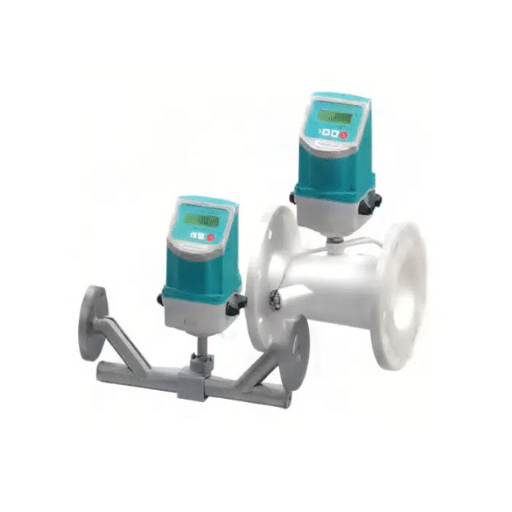
The spectrum of industries which need flow meters is huge, and this need comes from the ability of the said meters to quantify the flow of liquids. The following sections will mention the most important industries:
Oil and Gas Production
Efficient and accurate monitoring of the quantity of the specialized substances available and modes in relation to oil, natural gas, and their various products from extraction to storage tell the operational fitness of an organization. Furthermore, accurate measurement has several positive impacts; it increases operational efficiency, cuts down waste, and is compliant with regulations.
Water and Sewerage Management
Water metering devices are permanent companions of water treatment plants, especially those of municipal design that need to cope with fluctuations in water volumes meant for distribution, outflow of the waste water and any unattended leakages or system inefficiencies. This not only promotes water conservation but also leads to compliance with the established rules.
Chemical Manufacturing
In chemical manufacturing the precise pouring of ingredients becomes the essential factor in assuring both the quality and the safety of processes. So in this field the use of Coriolis and magnetic flow meters is quite prevalent.
F&B Industry
In the F&B industry flow meters are indispensable as they serve the purpose of measuring the product such as flow of milk, juice and other food grade liquid products during processing and packing besides product quality and hygiene.
Power Stations
Flow meters indicate the water and steam flows in the boiler houses of power stations that generate steam for turbines and cooling, respectively. Therefore, controlling the flow is crucial as it leads to energy saving and also, the power plant is protected in the long run.
The above points illustrate very clearly the different ways the use of flow meters can be justified and the various industries’ legal, safe and efficient operation.
Case Studies of Clamp-On Ultrasonic Flow Meters
1. Improving the Effectiveness of Water Treatment Processes
In one of the USA’s municipality water treatment plants, the clamp on ultrasonic flow meter was employed in their water supply to quantify and enhance its distribution. Due to the meter’s non-intrusive nature, the installation was also very simple since there was no need to stop operations for installation. There is also a reason why 15% lower water loss due to leakage is experienced at that station – the purpose of the adoption of this metering approach. It is because the majority of water content over leakages is always lost in such stations. Finally, where several flow meters operated within one station simultaneously, limitations for this monitoring were never encountered and there was an efficient allocation of resources in order to respect environmental regulations.
2. Energy Conservation Challenges within Power Plants
An ultrasonic flow meter was used in a European coal-fired power station to measure the flow rates of feedwater and cooling water in the turbines. In previous methods, using contact flow measurement technologies, the measurement devices used to fail as they quickly wore out due to excessive fluid velocities, whereas the ultrasonic flow meters included did not suffer from this problem since no contact was made with the flow of the fluid.‐ Real-time control of the mechanical equipment in the boiler section, it was noticed through on-site readings, that it is possible to reduce fuel inputs by roughly 10% which is primarily due to a reduction of the time feedwater flows more than is necessary thereby preventing overflowing or operating the mills with a lack of fuel.
3. Reliable Monitoring in the Oil and Gas Industry
A clamp-on ultrasonic flow meter was installed on a jetty at an offshore production platform in Southeast Asia for crude oil transferred from one storage tank to another via shipping vessel. This was achieved by the euvelle high accuracy obstacle, which was able to run from a low to an exceedingly high flow rate. Over the 6 months’ period, they achieved a 98% measurement percent eliminating all shipment dispute and avoiding possible loss of measure.
4. Enhancing Manufacturing Productivity
In Japan, a semiconductor plant monitored the flow of ultrapure water into the processes using clamp-on ultrasound flow meters. Due to the susceptible nature of materials, the use of such technology was inevitable considering the non-invasive method that gives zero chances of contamination while controlling actual flow. By monitoring the flow food process, they abated variation in the food process plan, increased production effectiveness, and minimised the waste material by 12%, improving the productivity of the foundry as a whole.
5. Irrigation Control Within Agricultural Systems
One Australian agricultural unit decided to put up clamp ultrasonic flow meters so the measurement of the irrigation systems for different fields could be done at any given time. The water meter that was put in place kept an eye on the flow rate and recorded its changes due to different environmental factors, especially during the anticipated periods of water recirculation and the water use change which was evident. This information was also helpful in coming up with a water distribution system that was not only effective but also reduced water usage by as much as 20 percent and ensured that there was always irrigation for the crops not growing far from being consumable sizes.
The mentioned instances indicate the advantages and acceptance of clamp-on ultrasonic flow meters in these applications. Their accuracy, ease of installation, and flexibility make them the streamlined solutions for fluid flow regulation to eliminate inefficiencies, improve performance, decrease expenditures, and ensure compliance with limits and standards.
Case Studies of Inline Flow Meters
The inline flow meters have definitely illustrated their value in analyzing and controlling fluid flow conditions in an inch-by-inch manner. This fairly represents the following five case studies:
Chemical Processing Industry
An inline electromagnetic flow meter was the means to keep a measurement of the corrosive chemical flow. The device’s accuracy was ±0.2%, which allowed for the mixing of the chemicals with utmost precision. To this end, the company managed to reduce its waste by 15% and improve its processes with an annual profit of $ 50000.
Food and Beverage Production
One of the dairy factories was measuring the milk flowing through the use of an ultrasonic flow meter. The device assured proper flow rates and cut down the spoilage by 10% and also gave rise to a 8% increase in the milk produced.
Oil and Gas Sector
The oil refinery using a very large diameter pipeline for the transport of crude oil utilized an ultrasonic flow meter that worked under high-pressure conditions. Its performance was at par with ± 0.1% accuracy under such tight conditions. The whole processing became more efficient and the oil refinery was able to conserve 12% more energy.
Water Treatment Plants
In a plant, the installation of inline vortex flow meters was done to determine the flow rates of the treated water. The measuring devices not only provided accurate data but also detected irregularities like leakages that led to an 18% reduction in water losses, thus eliminating any violations of water rules and regulations.
Medicines Manufacturing
The above-mentioned company in liquid medicines production placed an inline mass flow meter to control the medication flow. The superb accuracy of this meter (+/- 0.1 %) facilitated the retention of the proper medication concentrations and thus improved the product quality and decreased the process waste in such a way that batches could be rejected 20 % less often.
Such scenarios underscore the crucial role of inline flow meters across various industries and how they continue to contribute to cost savings, enhanced precision of operations, and even the achievement of the sustainable development goals of organizations.
Real-World Implementations and Outcomes
Vehicle Production
A vehicle manufacturing company used inline flow meters to measure and control paint application during painting operations. Consequently, paint waste decreased by 15 percent, resulting in an annual saving of $1.2 million and less impact on the environment.
Food Processing
A beverage company employed inline flow meters to measure the necessary flow rates during their production process which aimed at achieving the consistency and quality of their drinks. As a result, product variability was cut by 25 percent and less time spent on quality control meant that it was improved by 18 percent.
Chemical Industry
The blending of liquid chemicals at predetermined rates was facilitated by installing an inline ultrasonic flow meter in a chemical processing plant. Since such meters are very precise (+/- 0.2%), they do not allow for raw material wastage leading to 12% reduction in overall manufacturing costs and safety of the plant being considerably improved.
Metrology Laboratories
An ultrasonic flow meter was installed at a municipal water treatment plant along the process to control water flow during filtration and purification. This resulted in better resource management at the plant and water losses were reduced by 30% thus ensuring all environmental standards are met.
Oil and Gas Industry
An oil refinery installed inline flow meters to improve blending efficiency in fuel production. Consequently, the quality of fuels was more consistent and profitability increased by 20% due to an increase in productivity and a decrease of 10% in the operating costs.
References
- Fundamentals of Ultrasonic Flow Meters
Link to PDF on Academia.edu
This document provides detailed insights into the fundamentals of ultrasonic flow meters, including clamp-on installation details. - Receiver Signal Quality of Ultrasonic Clamp-on Sensors
Link to PDF on Academia.edu
This paper discusses the performance of ultrasonic clamp-on sensors and their dependency on transducer positions. - On-site Calibration of Flow Metering Systems Installed in Buildings
Link to OSTI.gov
This resource from the U.S. Department of Energy discusses calibration and performance considerations for ultrasonic flow meters.
Frequently Asked Questions (FAQ)
Ultrasonic flowmeter vs in-line flow meters: which is better for my industrial applications?
The decision of ultrasonic flowmeter over in-line flow meters is determined mainly by the nature of liquids, status of the pipe, accuracy and the cutting requirement for the pipe. In contrast, the non-invasive transit-time ultrasonic and Doppler ultrasonic clamp-on meters do not need any part to be inserted inside the pipe for flow measurement and thanks to their design, they can be easily deployed and work in almost every industry. However, inline meters and insertion flow meters will require cutting the pipe thus may as well be the best option for measuring liquid flow rate more accurately in certain applications that involve difficult fluids and very low flow velocities.
Cons of bracket-mounted ultrasonic flow meters: what limits bracket-mounted flow meters?
There are reasons underlying the clamp-on ultrasonic flow meters restrictions that occasionally may lead to unauthenticated readings on extremely narrow pipes, pipes with severe corrosion or fouling, pipes which the acoustic coupling is not allowed due to the surface. Additionally, the clamp-on meter has been linked with the giving of wrong readings wherever there are bubbles or during multiphase flows, as well as when very high attenuating fluid is used. While the installation of the clamp-on meters does not require cutting the pipes and continues operation, they may still lack the accuracy compared to electromagnetic flow meters or in-line flow meters.
How can clamp-on meters measure flow without touching the fluid?
Clamp-on flow meters are based on an ultrasonic principle (transit-time, Doppler) which enables determination of sound speeds through pipe walls and liquid. The measurement of flow velocity can be done by sending two beams of sound (one upstream, one downstream) in case of the transit-time ultrasonic, while the Doppler ultrasonic method indicates any changes in flow through the reflected waves due to the presence of bubbles or particles. The major advantage of the clamp-on units is that they do not have to be installed inside the pipe, thus eliminating the problems of insertion and corrosion; however, they may need considerable considerations of pipe characteristics and acoustic properties to achieve successful operation.
Inserted meters or pipe traversing meters: insertion/inserted in the pipe meters: when will such meters be used?
Insertion meters take the lead in precision when turbulence or low power velocities occur, mainly if there is a need for a sensor to be placed inside the pipe, for examples, high aeration and dirty slurries, to apply the acoustic methods. The inline and insert designed flow meters for ultrasonic flow meters that are installed after cutting the pipes but specific fluids do require recalibration, thus their resistance to corrosion is very much enhanced.
Transit-time versus Doppler ultrasonics: which ultrasonic method would be appropriate to my liquid media.
The correction of transit-time is valid for clean fluids or fluids that have a relatively stable acoustic character and flow rates can be measured with very high precision over a wide range. Doppler ultrasonics, on the other hand, refer to devices that are located in fluids containing either suspended particles or air bubbles, where mesh resonator devices are used to detect frequency shifts caused by scatterers embedded in the fluid. Both cases are for external instruments in the case of clamp-on type flows however, the devices should be selected properly due to the different fluid systems and acoustics.
Electromagnetic meters vs Flow-meters: What is the approach of an electromagnetic meter to work as an ultrasonic flow meter?
Electromagnetic meters measure the velocity of flow by the direct measurement of the voltage induced in the conductive liquid and thus, are usually very precise with conductive liquids. Being in-line flow meters, electromagnetic ones, in contrast to clamp-on ultrasonic meters, require an alteration of the piping, hence cannot be used with non-conductive liquids. The application of electromagnetic meters in the wastewater and chemical industries is well understood, whereas ultrasonic meters are employed mainly where the need for non-invasive measurement methods, along with the downside of high installation costs, exists.
What installation costs in ultrasonics can we expect with such more development?
Clamp-on type flow meters usually have low installation costs because they do not necessitate cutting the piping or the installation of flow meters which would entail interrupting the process flow of the utility. On the other hand, inline as well as insertion meters usually require disassembly of the pipe for flow meter installation followed by the reopening of the pipeline for reassembly. It is a challenge to justify the high and complex costs of installation as the additional downtime during such an operation is, at the same time, the major drawback of the service life being enhanced by the flow meter.
Does the non-invasiveness of ultrasonic flow meter structure allow handling various kinds of industrial flows by clamping?
Non-invasive clamp-on flow meters have been extensively used in industries that demand less installation hassle. Such devices are contamination and corrosion free, thus they can be used in areas where the manufacturing process involves air conditioning, cooling, heating, flu and food production, and eventually establishing metering systems in the yards with limited duration of laydown. Nevertheless, unlike in-line or electromagnetic meters, they are often incapable of measuring very low velocities, or multiphase flows, hence it is also necessary to consider some selection considerations in relation to the nature of the flow, and the condition of the pipe.
Is there any relevance in having traditional mechanical flow measurement devices despite the availability of the ultrasonics?
Mechanical flowmeters are still used in various applications, which is one of the reasons why the demand for simpler or rugged measurement is still prevalent in some cases. In addition, maintenance personnel are accustomed to using them. For all their sophistication, benefits of ultrasonic and electromagnetic meters and their ability to even measure non-invasively, and reduce corrosion rates, traditional installations have their niche. In this manner, there is a vast range of meters, including ultrasonic flow meter, electromagnetic flow meter, insertion meter, and also mechanical flow meter, which serves as industrial solutions for varying types of flow and fluids.