
Flow Meters – Liquid & Gas Flow MeasurementAccurate flow measurement is critical for operational success across diverse industries.
Flow meters play a crucial role in various industries, offering precise measurement of liquid and gas flow to optimize processes and ensure operational efficiency. Understanding the principles and types of flow meters is essential for selecting the right device for specific applications, ensuring accurate and reliable flow measurement.

Benefits of flow meter
Modern flow meters equipped with Industry technologies for smarter, connected operations
Machine learning algorithms continuously monitor meter health, predict failures before they occur, and provide actionable maintenance recommendations. Reduce unexpected downtime by up to 80% with predictive analytics.
Industrial Internet of Things integration with secure wireless protocols and cloud platforms. Access real-time data from anywhere, integrate with enterprise systems, and enable remote configuration and diagnostics.

Enterprise-grade security protecting against cyber threats in connected industrial environments. Secure boot, encrypted communication, and authentication protocols ensure data integrity and system safety.
Measure multiple process variables simultaneously with integrated sensors. Flow, temperature, pressure, density, and viscosity from a single device reduces installation costs and improves accuracy.
Complete Flow Meter Technology Portfolio
Choose the perfect measurement technology for your specific application requirements, fluid properties, and process conditions
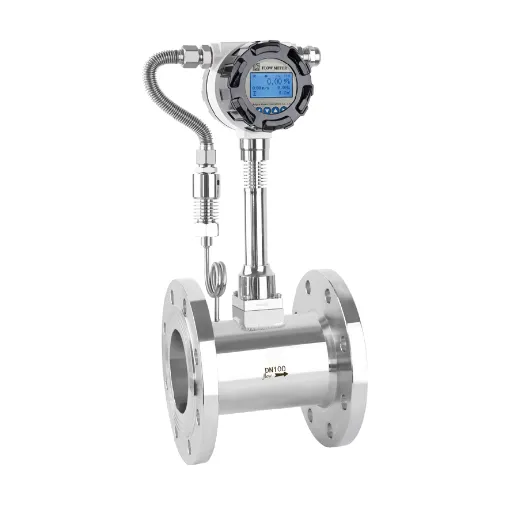
Intelligent Vortex Flowmeter
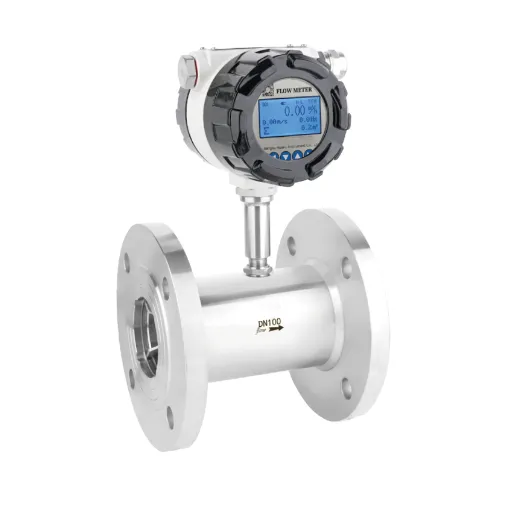
Intelligent Turbine Flowmeter
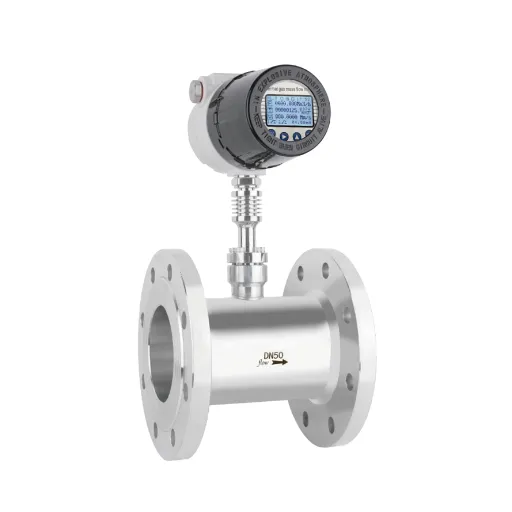
Thermal Gas Mass Flowmeter
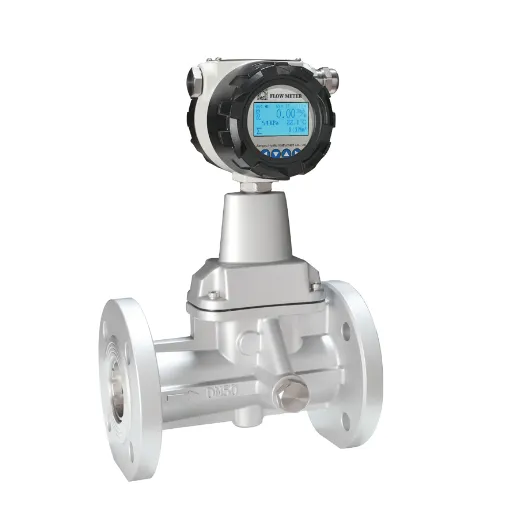
Spiral Vortex Flowmeter
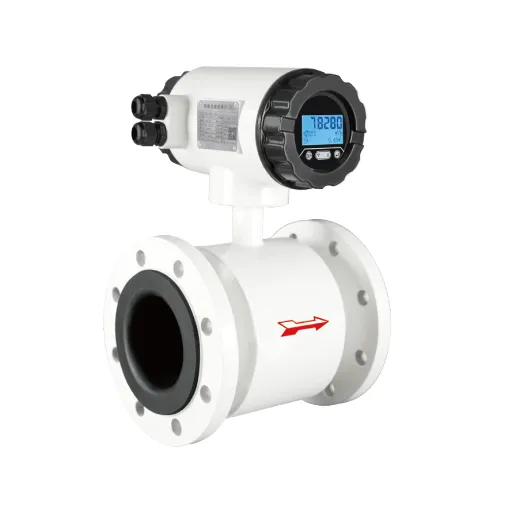
Intelligent Electromagnetic Flowmeter
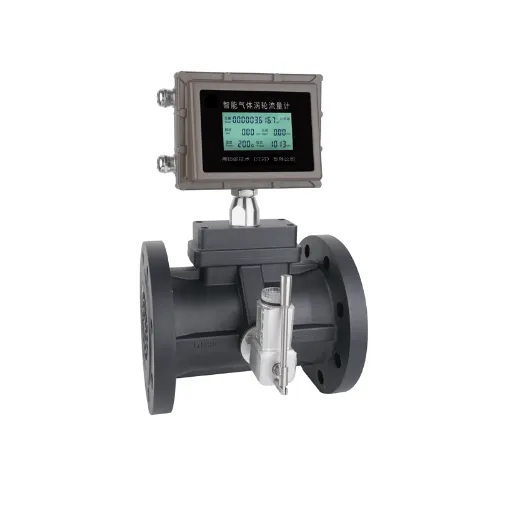
Intelligent Gas Turbine Flow meter

Intelligent Gas Roots Flowmeter
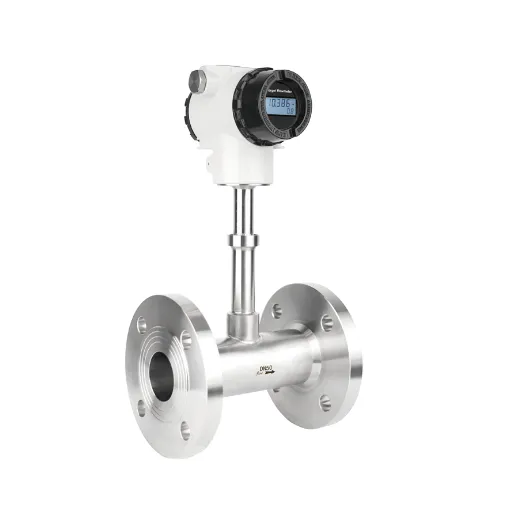
Target Flowmeter
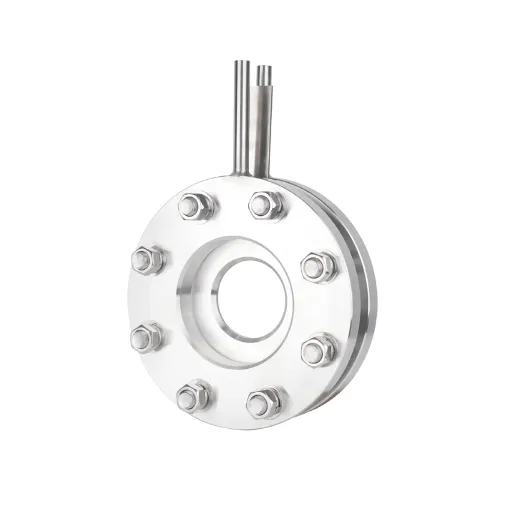
Orifice Plate Flowmeter

Ultrasonic Flow Meter
Flow Meter Calibration and Accuracy
Calibration is a critical process in ensuring the accuracy and reliability of flow meters. It involves comparing the flow meter’s output with a known standard to identify and correct any discrepancies. Regular calibration is essential for maintaining accurate flow measurement, which is vital for optimizing processes and reducing costs. In industries like food and beverage, where precise fluid flow is necessary for product quality, calibration ensures that flow meters deliver consistent and reliable data, enabling operators to make informed decisions and maintain efficient operations.
Detailed Technical Specifications
| Category | Parameter Details |
|---|---|
| Nominal Diameter | DN4-DN300 (>DN200 available as insertion type) |
| Accuracy Class | Gas: ±1.5%; Liquid: ±0.5% to ±1.0%; Insertion: ±2.5% |
| Temperature Range | Media: -40℃ to +400℃; Ambient: -20℃ to +70℃ |
| Body Material | 304, 316 stainless steel, PTFE (customizable) |
| Applicable Media | Gas, liquid (clean, low-viscosity), steam |
| Flow Velocity Range | Gas: 5-60 m/s; Liquid: 0.4-8 m/s |
| Repeatability | ±0.1% to ±0.3% |
| Pressure Rating | 1.0-40 MPa |
| Explosion-Proof Rating | Ex d IIC T6 Gb |
| Power Supply | DC24V, 3.6V lithium battery |
| Output Signal | 4-20mA, pulse signal |
| Communication Protocol | RS485 (Modbus), HART |
| Connection Type | Flange, wafer, threaded, clamp, insertion |
Uses and Applications of a Flow Meter
Tailored flow measurement solutions for every industry’s unique challenges and requirements
Oil & Gas Industry
Comprehensive solutions for upstream, midstream, and downstream operations. From wellhead monitoring to custody transfer metering and pipeline management, our meters meet API and ISO standards for fiscal measurement.
Water & Wastewater
Reliable measurement for municipal water treatment, distribution networks, and industrial wastewater management. Handle clean water to heavily contaminated flows with slurries and suspended solids.
Chemical Processing
Corrosion-resistant meters for acids, bases, solvents, and specialty chemicals. Precise batch control and continuous process monitoring with materials compatible with aggressive fluids.
Food & Beverage
Sanitary design meters meeting 3A and EHEDG standards for food safety. CIP/SIP capable with smooth surfaces and hygienic connections for dairy, brewing, bottling, and food processing.
Positive Displacement Water Meters: How They Work
A worn positive displacement water meter doesn’t fail. It keeps turning, keeps billing, and quietly under-reports. A burst main gets…
Choosing a 4-20 mA Signal Isolator for Pressure Transmitters: Ground Loops and Active/Passive Inputs
Choose a 4-20 mA signal isolator by matching the power roles on both sides, the required isolation boundaries, and each…
NAMUR NE43 for Pressure Transmitters: Fault Current vs Measurement Saturation
NAMUR NE43 separates failure signals from pressure readings in an analog current loop. At saturation, the transmitter has reached its…
Choosing the Right Flow Meter
When selecting a flow meter, several considerations are crucial to ensure optimal performance and accurate flow measurement. Factors such as fluid type, flow rate, and application requirements play a significant role in determining the appropriate meter. For instance, mass flow meters like Coriolis flow meters are ideal for precise mass flow measurement, while electromagnetic flow meters are suitable for conductive liquids. Additionally, installation conditions, such as pipe size and fitting requirements, must be considered to ensure compatibility and accurate measurement. Understanding these considerations helps in choosing the right flow meter for specific applications, ensuring reliable and efficient flow monitoring.
Understanding fluid characteristics is vital for selecting the right flow meter and ensuring accurate measurement. Properties such as density, viscosity, and conductivity can significantly influence the performance of different flow meters. For example, electromagnetic flow meters require a minimum level of fluid conductivity to function correctly, while ultrasonic flow meters are affected by fluid viscosity and temperature. By assessing these characteristics, industries can choose flow meters that are best suited to their specific fluid types, ensuring accurate flow measurement and optimal process control in applications ranging from water treatment to chemical processing.
Application-specific recommendations for selecting flow meters involve considering the unique requirements of different industries and processes. For instance, in the oil and gas industry, turbine flow meters are recommended for measuring clean, low-viscosity fluids, while coriolis flow meters are ideal for applications requiring precise mass flow measurement. In the food and beverage industry, positive displacement flow meters are favored for their ability to handle viscous fluids accurately. By aligning the choice of flow meter with application needs, industries can achieve accurate flow measurement, enhance process efficiency, and ensure product quality, ultimately leading to improved operational outcomes.


Why Choose Our Flow Meter for Accurate Flow Measurement
Our flow meter solutions are designed to provide precise and reliable measurements for both liquids and gases.
Frequently Asked Questions (FAQs)
Find answers to common questions about our electric control valves, including technical specifications, compatibility, installation, and support. This section is designed to help you make informed decisions and ensure reliable system performance.
01
01
A flow meter is an instrument used to measure the flow rate of liquids and gases. It operates based on various measuring principles such as differential pressure, electromagnetic fields, or mechanical rotation. Depending on the application, flow meters can provide direct measurement of mass or volumetric flow, ensuring accurate data for process control and optimization.
02
02
There are several types of flow measurement devices, including Coriolis flow meters, electromagnetic flow meters, thermal mass flow meters, and turbine flow meters. Each type is designed for specific applications, offering unique advantages in measuring gas or liquid flow, precision flow, and handling various viscosities.
03
03
Choosing the right flow sensor involves considering factors like the type of fluid (liquid or gas), flow rate, temperature, pressure conditions, and viscosity. Additionally, the installation costs and the need for in-line flow or clamp-on options may influence your decision. It is crucial to match the flow sensor’s specifications with your operational requirements.
04
04
Calibration is vital in flow measurement as it ensures the accuracy and reliability of the flow data. Regular calibration helps maintain the precision of the flow meter, compensating for any drift or changes in sensor performance over time. This process is essential for ensuring product quality and process reliability in industrial applications.
05
05
Yes, many flow meters are designed to perform well in challenging environments. For instance, Coriolis flow meters can measure viscous fluids, while vortex flow meters are suitable for high-performance applications. Selecting the right flow meter with appropriate housing and specifications can enhance durability and accuracy in demanding conditions.
06
06
Mass flow meters provide several advantages, including high accuracy and direct measurement of mass flow, which is less affected by changes in temperature and pressure. They are particularly useful for applications involving compressed air, nitrogen, or other gases, as they ensure consistent performance and improved process control.
07
07
Installing an in-line flow meter typically involves selecting the appropriate location in the pipeline, ensuring that the inlet and outlet sections are free of obstructions. Proper alignment and fitting are crucial for accurate readings. It’s also important to follow the manufacturer’s guidelines for installation to avoid pressure drops or air bubbles that could compromise measurement accuracy.
