
Metering Instruments – Flow, Water & Energy MetersPrecision instrumentation for smart energy management, industrial monitoring, and digital transformation
The world of measuring instruments is vast and varied, encompassing a range of tools designed to provide precise measurement across numerous applications. Whether in industrial settings, laboratories, or at home, these instruments play a critical role in ensuring accuracy and precision. Understanding the different types and applications of these tools is essential for anyone involved in fields requiring meticulous measurement.


Benefits of Metering Instruments
Cutting-edge technology combined with proven reliability to deliver measurable results for your business
Advanced digital meters with instant data transmission and cloud-based analytics for complete visibility of your energy consumption and system performance.
Industry-leading accuracy of ±0.1% for liquid and ±0.5% for gas measurements, ensuring reliable data for critical operations, compliance, and billing accuracy.
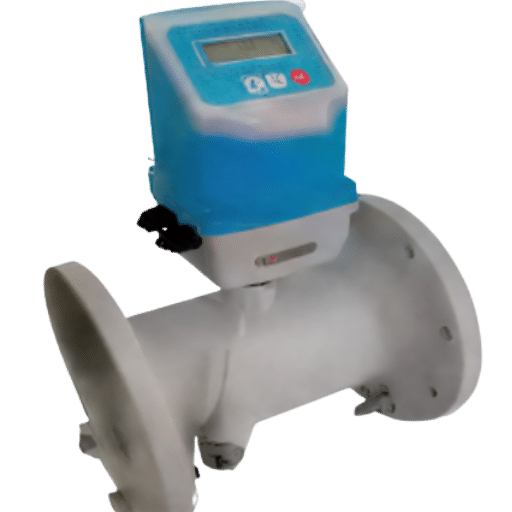
Fully compatible with EV charging stations, hydrogen metering, renewable energy systems, and smart grid infrastructure for sustainable operations and future-proofing.
Intelligent machine learning algorithms continuously monitor system health, predict maintenance needs, and optimize performance with automated alerts and actionable insights.
Our Metering Instrument Models
Tailored solutions for every industry and application, backed by expert support and proven results
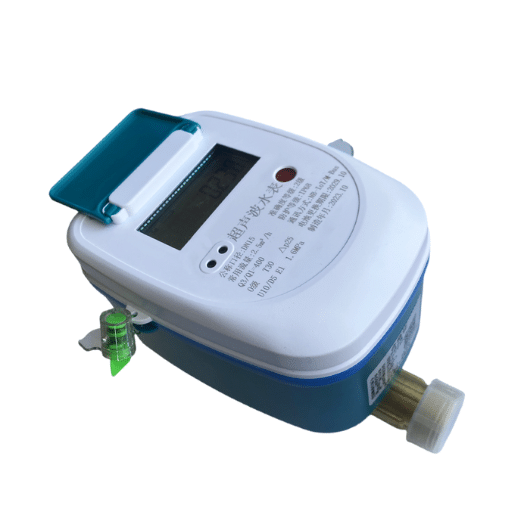
Water Meter

Heat Meter
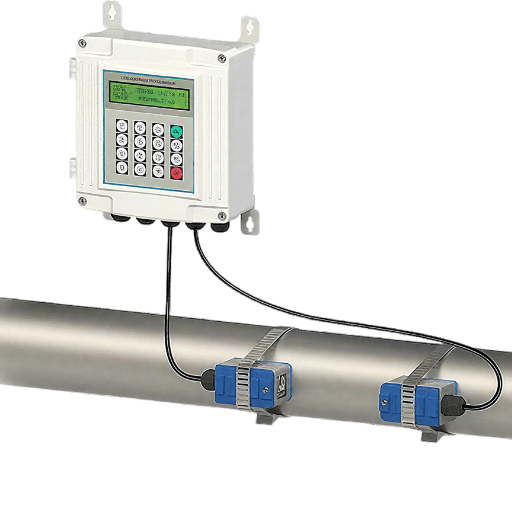
Flow Meter
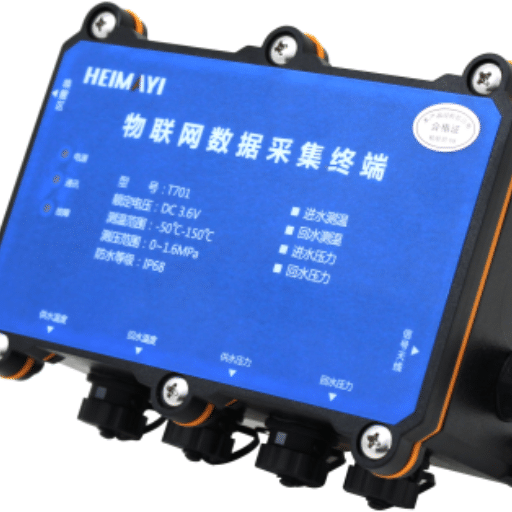
Data Acquisition Terminal
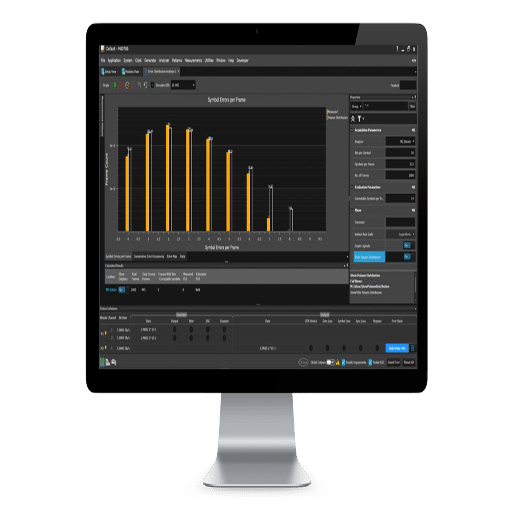
Metering Software
Advanced Technology Stack About Metering Instruments
Built on cutting-edge technologies designed for reliability, scalability, and future-readiness
Detailed Technical Specifications
| Specification | Details |
|---|---|
| Measurement Accuracy | ±0.1% to ±0.5% (depending on the model and application) |
| Flow Range | 0.01 L/min to 10,000 L/min |
| Pressure Rating | Up to 6000 PSI (414 bar) |
| Temperature Range | -40°C to 200°C (-40°F to 392°F) |
| Material Options | Stainless Steel, Hastelloy, Titanium, PVC, and other corrosion-resistant materials |
| Display Type | Digital LCD/LED, Analog Dial, or Remote Display |
| Power Supply | Battery-operated, 24V DC, or 110-240V AC |
| Output Signals | 4-20 mA, Pulse, Modbus, HART, or Wireless |
| Connection Types | Threaded, Flanged, Tri-Clamp, or Welded |
| Ingress Protection (IP) | IP65, IP67, or IP68 (depending on the model) |
| Communication Protocols | Modbus RTU, HART, Profibus, or Bluetooth |
| Certifications | ISO 9001, CE, ATEX, UL, and other industry-specific certifications |
| Application Compatibility | Liquids, Gases, Steam, and Slurries |
| Mounting Options | Inline, Wall-Mounted, or Panel-Mounted |
| Data Logging | Built-in memory or external data storage options |
| Calibration | Factory-calibrated with optional on-site recalibration services |
Applications of Metering Instruments in Various Fields
Black Ant’s measuring tools find applications in numerous fields, including intelligent buildings, HVAC, and environmental monitoring. Their ability to assist in energy-saving initiatives, such as intelligent room temperature adjustments, makes them valuable assets in promoting sustainability. By providing precise data, these instruments enhance efficiency and contribute to significant energy and resource savings across industries.
Global Automotive Manufacturer
Implemented industrial flow meters across 15 production facilities to monitor compressed air, water, and natural gas consumption. Real-time monitoring identified inefficiencies and leaks.
Commercial Office Complex
Deployed submetering system across 45-story building with 120 tenants. Automated billing based on actual consumption replaced estimated allocation, improving tenant satisfaction and reducing disputes.
Regional Electric Utility
Rolled out 500,000 smart meters with AMI infrastructure. Real-time data enables dynamic pricing, outage management, and grid optimization. Reduced meter reading costs and improved customer engagement.
Midstream Pipeline Operator
Installed custody transfer meters and leak detection systems across 800-mile natural gas pipeline network. Continuous monitoring improved safety, reduced losses, and ensured regulatory compliance.
Positive Displacement Water Meters: How They Work
A worn positive displacement water meter doesn’t fail. It keeps turning, keeps billing, and quietly under-reports. A burst main gets…
Choosing a 4-20 mA Signal Isolator for Pressure Transmitters: Ground Loops and Active/Passive Inputs
Choose a 4-20 mA signal isolator by matching the power roles on both sides, the required isolation boundaries, and each…
NAMUR NE43 for Pressure Transmitters: Fault Current vs Measurement Saturation
NAMUR NE43 separates failure signals from pressure readings in an analog current loop. At saturation, the transmitter has reached its…
How to Choose the Right Measuring Instruments
Choosing the right measuring instrument is crucial for achieving precise measurement results. Consider factors such as the specific measurements you need to take, the environment in which the tool will be used, and the level of precision required. It’s essential to select a tool that not only fulfills your measurement needs but also fits within your budget and offers durability for long-term use. Always prioritize instruments that offer user-friendly interfaces and versatile applications to maximize your investment.
Measurement systems form the backbone of metrology, ensuring consistency and accuracy across various applications. Understanding these systems involves recognizing the types of measuring tools available, such as micrometers, calipers, and dial indicators, and how they contribute to precise measurement. Each tool has a specific range and accuracy, making it important to match the system to the task at hand. Familiarity with these systems allows for more efficient selection and use of measuring instruments.
Regular calibration and maintenance of measuring tools are essential to maintain accuracy and precision. Calibration involves adjusting and verifying the instrument’s performance against standard references to ensure reliable readings. Routine maintenance, including cleaning and proper storage, is crucial to extend the lifespan of tools like calipers and micrometers. By adhering to these practices, you ensure that your measuring instruments provide accurate measurements and remain in optimal working condition.


Why Choose Us for Your Measuring Needs
At Beijing Black Ant Energy Saving Technology Co., Ltd., we are dedicated to delivering high-quality, high-performance products and solutions. Our commitment to precision and excellence ensures that every measuring instrument and tool we provide undergoes strict quality control, meeting the most rigorous standards. We focus on cost-optimized solutions without compromising on quality, helping our customers enhance operational efficiency and create sustainable value in their respective fields.
Frequently Asked Questions (FAQs)
Discover answers to common questions about balancing valves, including their purpose, benefits, and how they improve system efficiency.
01
01
Metering instruments are used to measure, monitor, and control the flow, pressure, temperature, or level of liquids, gases, steam, or slurries in industrial, commercial, and scientific applications.
02
02
The accuracy depends on the model and application, typically ranging from ±0.1% to ±0.5%. High-precision instruments are available for critical applications.
03
03
Metering instruments are made from durable materials like stainless steel, Hastelloy, titanium, and PVC to ensure corrosion resistance and long service life.
04
04
Yes, many metering instruments are designed to operate in extreme temperatures (-40°C to 200°C), high pressures (up to 6000 PSI), and corrosive environments.
05
05
Common output signals include: 4-20 mA Pulse Modbus HART Wireless communication
06
06
They can be powered by batteries, 24V DC, or 110-240V AC, depending on the model and application requirements.
07
07
Yes, most instruments come with certifications like ISO 9001, CE, ATEX, and UL to meet industry standards and ensure safety and reliability.
