
Next-Generation Smart Metering Technology – ultrasonic water meterExperience unparalleled accuracy with no moving parts.
In the realm of modern water management, ultrasonic water meters stand out as a revolutionary technology. These meters offer precise and reliable measurement solutions, transforming how water flow is monitored and managed. As traditional mechanical meters face challenges with wear and tear, ultrasonic technology steps forward, providing enhanced accuracy and durability.

Advantages of Using Ultrasonic Water Meters
Revolutionary technology that eliminates the limitations of mechanical meters
Achieve measurement accuracy down to ±0.1% with advanced ultrasonic transit-time technology. Electronic measurement at nanosecond precision ensures reliable billing and water conservation tracking.
Built-in IoT connectivity with LoRaWAN, NB-IoT, and cellular options. Real-time data transmission enables automated meter reading, leak detection, and predictive analytics.
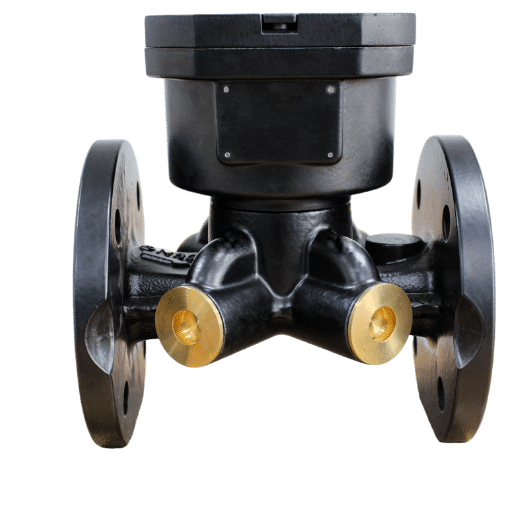
Capture low-flow usage that mechanical meters miss. Starting flow of just 1 L/h vs 6-7 L/h for mechanical meters means 80-90% less non-revenue water and accurate billing for all consumption.
Advanced lithium battery technology provides 10-20 years of autonomous operation. Optional solar or external power for continuous monitoring in critical applications.
Our Ultrasonic Water Meters Models
Explore our full range of ultrasonic water meter models to meet diverse application needs and provide precise metering solutions.
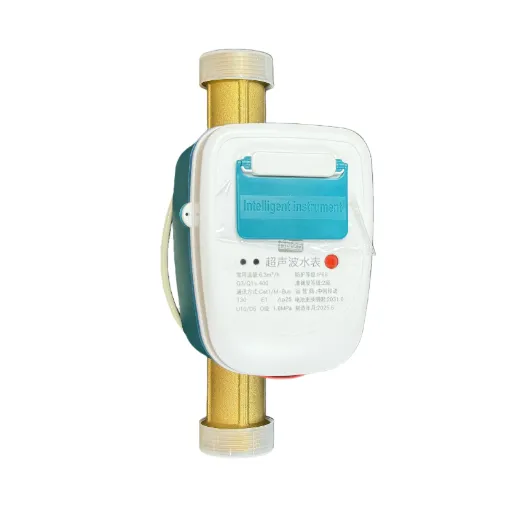
LXC Series Small-diameter IoT Ultrasonic Water Meter
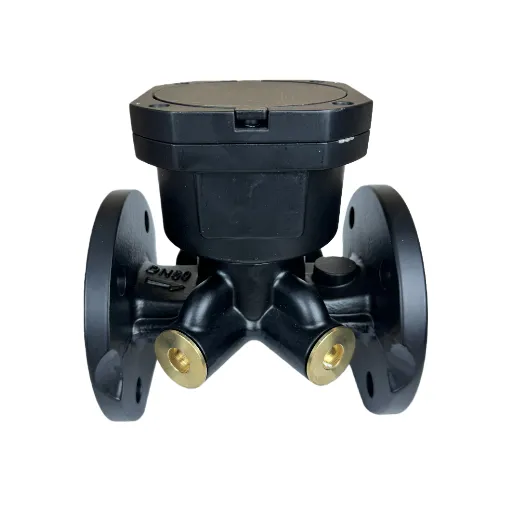
LXC Series Large-diameter Ultrasonic IoT Water Meter
Ultrasonic vs. Mechanical: The Clear Winner
See why utilities worldwide are transitioning to ultrasonic technology. When it comes to water metering, ultrasonic water meters are revolutionizing the industry with their advanced technology and superior performance.
Detailed Technical Specifications
| Parameter | Specification |
|---|---|
| Measured Medium | Domestic water (other liquids require customization), pipe must be fully filled |
| Power Supply | DC 3.6V (disposable lithium battery) |
| Accuracy Class | Class 2 |
| Maximum Working Pressure | 1.6 MPa |
| Environmental Class | Class O |
| Temperature Class | T30/T50/T90 (optional) |
| Upstream/Downstream Flow Field Sensitivity Class | U10/D5 |
| Electromagnetic Compatibility Class | Class E1 |
| Communication Interface | RS485/M-Bus/Infrared/NB-IoT/LoRa/4G/TTL/LoRaWAN (optional) |
| Protection Rating | IP68 |
| Button Type | Touch button |
Uses and Applications of Ultrasonic Water Meter
One technology, unlimited possibilities across all water metering scenarios
Residential Metering
Perfect for single-family homes, apartments, and condominiums. AMR/AMI capabilities eliminate manual meter reading while providing residents with real-time consumption data via mobile apps. Detect household leaks before they become expensive problems.
Commercial Buildings
Ideal for office complexes, shopping centers, and multi-tenant facilities. Accurate submetering enables fair cost allocation, tenant billing, and building-wide water conservation programs. Integrate with BMS systems for comprehensive facility management.
Agricultural Irrigation
Precise water measurement for farms, vineyards, and orchards. Monitor irrigation efficiency, comply with water rights regulations, and optimize crop water usage. Solar-powered options ideal for remote field installations without grid power.
Educational Institutions
Universities, schools, and research facilities benefit from departmental submetering and campus-wide water management. Educational dashboard provides students with real-time data for sustainability initiatives and research projects.
Positive Displacement Water Meters: How They Work
A worn positive displacement water meter doesn’t fail. It keeps turning, keeps billing, and quietly under-reports. A burst main gets…
Choosing a 4-20 mA Signal Isolator for Pressure Transmitters: Ground Loops and Active/Passive Inputs
Choose a 4-20 mA signal isolator by matching the power roles on both sides, the required isolation boundaries, and each…
NAMUR NE43 for Pressure Transmitters: Fault Current vs Measurement Saturation
NAMUR NE43 separates failure signals from pressure readings in an analog current loop. At saturation, the transmitter has reached its…
Real-World Success Stories:See how organizations achieve measurable results with our ultrasonic water meters
Implemented ultrasonic meters throughout production lines, cooling systems, and sanitation processes. Real-time monitoring identified inefficiencies and enabled process optimization. Handled poor water quality without maintenance issues.
Deployed solar-powered ultrasonic meters across 500-acre vineyard to monitor irrigation efficiency and comply with water rights regulations. Precise measurement enabled optimized watering schedules based on actual crop needs.
Comprehensive metering system across 1,200 hotel rooms, restaurants, spa, and golf course. Departmental submetering identified high-usage areas. Leak detection prevented water damage in guest rooms and saved thousands in potential repairs.
Campus-wide deployment across 85 buildings including dormitories, laboratories, and athletic facilities. Building-level metering enabled energy management initiatives. Student engagement through real-time sustainability dashboard.


Why Choose Our Ultrasonic Water Meter
Our ultrasonic water meter offers precise measurements and exceptional reliability. With advanced technology, it accurately measures water flow without any moving parts, reducing maintenance costs and enhancing durability.
Frequently Asked Questions (FAQs)
Discover answers to common questions about balancing valves, including their purpose, benefits, and how they improve system efficiency.
01
01
An ultrasonic water meter is a device that utilizes ultrasonic technology to measure the flow of water in pipes. It works by sending ultrasonic pulses through the liquid and measuring the time it takes for the pulses to travel upstream and downstream. This time difference allows the meter to calculate the velocity of the fluid and ultimately determine the flow rate, providing accurate measurements of water usage.
02
02
There are several types of ultrasonic flow meters, including inline, clamp-on, and portable ultrasonic flow meters. Inline meters are installed directly within the pipe, while clamp-on meters are mounted externally and do not require cutting the pipe. Portable ultrasonic flow meters are designed for temporary measurements and can be easily transported to different locations.
03
03
Ultrasonic water meters provide accurate and reliable measurements compared to traditional mechanical meters. Unlike mechanical meters that can be affected by wear and tear, ultrasonic meters have no moving parts, making them more durable and requiring less maintenance. They can also track your water usage more efficiently and offer features like digital displays and RS-485 communication for data logging.
04
04
Yes, ultrasonic water meters can be used for the detection of leaks in plumbing systems. By monitoring the flow patterns and identifying any irregularities, these meters can alert users to potential leaks, allowing for prompt repairs and minimizing water wastage.
05
05
Pipe size is a crucial factor in selecting an ultrasonic flow meter, as the meter must be compatible with the diameter of the pipe for accurate measurements. Meters are available for various pipe sizes, and proper selection ensures optimal performance and measurement accuracy.
06
06
Ultrasonic water meters are suitable for both residential and commercial applications. In residential settings, they can help homeowners monitor and manage their water usage effectively. In commercial and industrial applications, they are used for process control, monitoring water consumption, and ensuring compliance with regulatory standards.
07
07
Clamp-on ultrasonic flow meters work by attaching transducers to the outside of the pipe. These transducers send and receive ultrasonic signals that measure the flow of liquid within the pipe without the need for invasive installation. This makes them ideal for temporary installations or where access to the pipe is limited.
