
Electric Double Seat Control Valves – Large CapacityElectric Double Seat Valve: A Comprehensive Guide to Double Seat Valves
Enhance process integrity and operational efficiency with our advanced electric double seat valve, engineered for complex fluid handling applications.
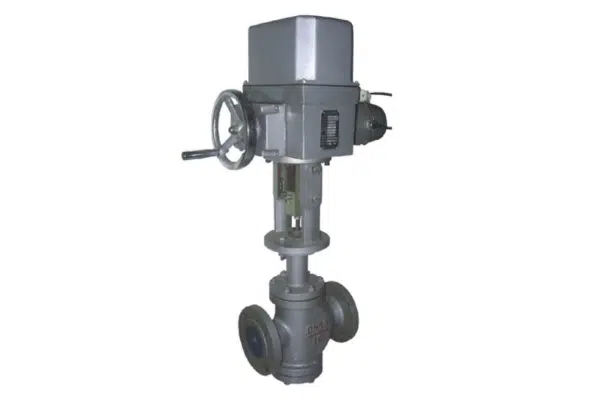

Advantages of Using Electric Double Seat Valve
Experience advanced process control and operational reliability with electric double seat valve technology. This solution is engineered to address the complex needs of modern industries, offering exceptional performance, safety, and efficiency across various fluid handling applications.
The double seat mixproof design provides complete product separation, minimizing the risk of cross-contamination, even during simultaneous product and CIP operations. This significantly enhances process safety and upholds stringent quality standards in hygienic and high-purity environments.
Integrated electric actuation delivers precise, real-time control and status monitoring. Automated operation reduces manual intervention, supports comprehensive system integration, and optimizes process consistency, responsiveness, and traceability for critical manufacturing steps.

By enabling two fluid paths within a single valve body, operations benefit from simplified process lines, reduced piping complexity, and lower installation costs. The compact structure contributes to space savings and improved workflow within production facilities.
Manufactured from high-grade, corrosion-resistant materials, these valves are built to withstand demanding conditions found in food, pharmaceutical, and chemical sectors. Modular design allows easy adaptation to specific process requirements and efficient long-term maintenance. “Integrating these electric double seat valves transformed our dairy processing line. The ability to run product and CIP cycles concurrently has dramatically increased our uptime. The reliability and precision are unmatched.
Installation and Maintenance Tips for Electric Double Seat Valve
Proper installation and regular maintenance are critical to ensuring optimal performance and longevity of your electric double seat valve. The following guidelines provide practical insights for achieving reliable operation across demanding industrial environments.
Detailed Technical Specifications
| Specification | Details |
|---|---|
| Type | Double Seat Electric Control Valve |
| Material | 316L Stainless Steel |
| Seal Type | Double Lip Seal |
| Actuator Type | Pneumatic |
| Flow Coefficient (Cv) | Adjustable |
| Application | Beverage, Personal Care, and Process Industries |
| Features | Mixproof, Hygienic, Easy to Maintain, CIP Compatible |
| Leakage Prevention | Built-in Leakage Detection and Leakage Chamber |
| Control System | Valve Control Unit with Sensing and Control Units |
| Process Technologies | Reliable Separation of Dissimilar Fluids |
| Service Life | Extended Durability with Simple Structure |
| Cost Efficiency | Reduced Inventory Costs and Cost Savings |
Factors to Consider When Selecting an Electric Double Seat Valve
Selecting the right electric double seat valve is crucial to ensuring reliable performance, safety, and long-term value for your application. The following key factors provide a comprehensive framework for informed decision-making:
Application Requirements
Thoroughly assess your process needs by examining operating conditions such as system pressure and temperature, specific media types, and potential contaminants. Confirm that the electric double seat valve is rated for the full range of required parameters to ensure optimal performance, safety, and lifespan within your targeted application environment.
Material Compatibility
Carefully evaluate the chemical compatibility and hygienic properties of all valve components, including the body and seals. Select materials such as stainless steel and FDA-approved elastomers to ensure resistance to corrosive media, adherence to strict sanitation standards, and compliance with regulatory requirements in food, beverage, and pharmaceutical production environments.
Automation & Control Integration
Evaluate the compatibility of the valve’s electric actuator with your process automation infrastructure. Consider available control feedback mechanisms, such as position sensors and status indicators, as well as communication protocols like PLC interfaces. Seamless integration ensures reliable operation, real-time monitoring, and efficient system management.
Maintenance and Serviceability
Prioritize electric double seat valves designed for easy disassembly and straightforward access to internal components. Features such as tool-free connections, clear maintenance guidelines, and modular construction simplify cleaning, inspection, and replacement of worn parts, significantly minimizing operational downtime and supporting consistent, reliable process performance.
Multi Jet Water Meter: Working Principle and AMR Retrofit
Most residential water meters in the world are mechanical. Most of those are multi jet water meters. And most of…
Positive Displacement Water Meters: How They Work
A worn positive displacement water meter doesn’t fail. It keeps turning, keeps billing, and quietly under-reports. A burst main gets…
Choosing a 4-20 mA Signal Isolator for Pressure Transmitters: Ground Loops and Active/Passive Inputs
Choose a 4-20 mA signal isolator by matching the power roles on both sides, the required isolation boundaries, and each…
Future Trends in Electric Double Seat Valve
The integration of IoT technology and smart sensors is poised to transform electric double seat valve operation. Enhanced data collection, predictive diagnostics, and real-time monitoring enable proactive maintenance and quicker response to process changes. This digital evolution supports higher automation levels and supports remote system control, reducing human intervention and optimizing overall process efficiency.
Future valves will increasingly utilize innovative, sustainable materials such as corrosion-resistant alloys and high-performance elastomers. These enhancements will improve durability, reduce maintenance frequency, and support hygienic industry standards. Environmentally conscious design, including energy-efficient actuators and reduced resource consumption, will also become central to product development, aligning with global sustainability initiatives across manufacturing sectors.
As industrial automation networks expand, robust cybersecurity and seamless integration into plant control systems become critical. Ongoing advancements will focus on encrypted data transmission, secure device authentication, and compliance with industrial network protocols. This ensures safe, uninterrupted operation of electric double seat valves while supporting comprehensive data management and tighter coordination within increasingly complex automated facilities.


Why Choose Our Electric Double Seat Valve
When precision, reliability, and compliance are paramount, our electric double seat valve offers a trustworthy solution tailored to diverse industrial requirements. Built on advanced engineering principles, it ensures robust process separation, exceptional automation performance, and adaptability for critical applications. Selecting our valve means investing in process safety, efficiency, and expert technical support, providing long-term value for demanding fluid control environments. Our expert technical team offers comprehensive support, from selection to after-sales service, enabling smooth implementation and minimal downtime.
Frequently Asked Questions (FAQs)
Reference these answers to clarify technical considerations and optimize your fluid control system selection.
01
01
An electric double seat valve is an advanced mixproof valve that enables simultaneous control of two separate fluid flows within a single valve body, powered and actuated electrically for precise automation and monitoring.
02
02
The double seat mechanism features dual sealing surfaces with a leakage chamber, preventing product intermixing and cross-contamination—essential for stringent sanitary and quality requirements in regulated industries.
03
03
These valves are extensively used in food and beverage processing, pharmaceuticals, dairy, chemical manufacturing, and other sectors requiring high process integrity, hygiene, and reliable automation.
04
04
Yes. They integrate seamlessly with modern process control architectures, offering electric actuation and position feedback for advanced monitoring, remote operation, and real-time status reporting.
05
05
Routine inspections of seals, actuator components, and leakage chambers are recommended. Periodic cleaning and testing ensure sustained hygiene and reliable valve operation, reducing the risk of unscheduled downtime.
06
06
Electric double seat valves are produced with various industry-standard connections, including clamp, weld, and threaded options, ensuring compatibility with a wide array of piping configurations.
07
07
Consider factors such as media compatibility, pressure and temperature requirements, automation needs, system integration, and regulatory standards. Our technical team offers expert guidance for tailored selection and implementation.
