
Linear Electric Control Valves – Globe & Seat ValvesElectric Linear Control Valve: Understanding Actuators and Their Applications
Electric linear control valves are pivotal components in modern industry, providing precise control over fluid flow in various applications. They integrate advanced actuator technologies to improve efficiency and accuracy, making them indispensable in control systems across multiple sectors. From industrial processing to the food and beverage industry, these valves offer innovative solutions for managing flow with high precision. Understanding how these systems operate is crucial for engineers and technicians who aim to optimize performance and ensure the reliability of their control systems.


Features & Benefits of electric linear control valves
Our electric linear control valves offer four core advantages designed to optimize industrial operations.
Equipped with high-resolution positioning and advanced feedback technology, our valves deliver exceptional accuracy in flow modulation. This precision minimizes process variability, enhances product quality, and ensures consistent, repeatable operation, allowing users to confidently meet stringent industrial standards and regulatory requirements.
The actuator’s optimized power usage ensures low energy consumption during operation and negligible draw in standby. This not only drives substantial cost savings compared to traditional pneumatic systems but also contributes to sustainable resource management, aligning with modern energy efficiency and environmental best practices.

Built from robust materials and utilizing a streamlined mechanical design, the valves significantly reduce wear and mechanical failure points. As a result, users benefit from minimal maintenance demands, fewer unplanned shutdowns, and an extended operational lifespan, directly reducing total cost of ownership over time.
Full compatibility with leading industrial protocols, such as 4-20mA, Modbus, and HART, allows straightforward integration with existing DCS and PLC platforms. High-torque motors enable swift, precise responses to control commands for real-time process adjustments and optimal system performance.
Our Smart Electric Linear Control Valve Models
Our product line encompasses a comprehensive range of intelligent electric linear control valves, designed to meet diverse industrial requirements. Each model offers precise control, robust construction, and seamless integration with modern automation systems to optimize your process performance.

Electric Single Seat Valve

Electric Double Seat Valve

Electric Sleeve Valve

Electric Three Way Valve

Electric Angle Valve
Advantages of Using Electric Linear Control Valve
Our electric linear control valves offer distinct operational and economic advantages for modern industrial applications. These benefits align with industry demands for precision, efficiency, and ease of integration, ensuring optimal system performance across a variety of processes.
Detailed Technical Specifications
| Specification | Details |
|---|---|
| Type | Electric Linear Control Valve |
| Actuator Type | Electric Actuator, Linear Actuator |
| Application | Industrial, Automotive, Food and Beverage |
| Flow Control | High Precision, Accurate Flow Measurement |
| Movement | Linear Movement with Precise Control |
| Operation | Continuous Operation, Operate Quietly |
| Size Range | Customizable Sizes for Various Applications |
| Load Capacity | Optimized for High Load Conditions |
| Motor Type | AC or DC Motors Available |
| Controller | Advanced Software for Enhanced Control |
| Efficiency | High Efficiency with Improved Performance |
| Mounting Options | Inline, Parallel, and Other Configurations |
| Technical Advantages | High Performance, Repeatability, and Safety Features |
| Component Design | Rod, Stem, and Cylinder for Optimal Function |
| Cycle Time | Fast Cycle Times for Quick Operations |
| End of Stroke | Position Feedback for Accurate Control |
| Innovation | Latest Engineering Solutions for Fluid Control |
Applications of Electric Linear Control Valves
Electric linear control valves offer versatile, high-precision solutions for a broad spectrum of process industries. Their adaptability and control accuracy make them indispensable across demanding environments and specialized applications.
Process Automation
Deliver precise, automated control over critical process parameters in sectors such as chemical production, pharmaceuticals, and food processing. By ensuring accurate flow regulation and consistency, these valves help maintain high product quality, maximize throughput, and ensure regulatory compliance in complex, batch, or continuous manufacturing environments.
Energy and Utilities
Support efficient resource management in power generation, district heating, and renewable energy by reliably controlling steam, water, and fuel flows. These valves improve plant safety, responsiveness, and system efficiency through accurate modulation and fast actuator response, which are essential for demanding utility operations and energy optimization.
Water and Waste Treatment
Ensure reliable control of dosing, filtration, and distribution in municipal and industrial water plants. Electric linear valves contribute to efficient chemical treatment, process safety, and reduced environmental impact by enabling responsive and precise adjustments, minimizing water loss, and supporting regulatory standards for sustainable water management.
Advanced Manufacturing
Facilitate high-precision manufacturing in industries such as electronics, semiconductors, and precision engineering. These valves ensure strict control of process fluids and gases, supporting automation, improving device yield rates, and maintaining stringent quality requirements critical to advanced and high-technology production environments.
Multi Jet Water Meter: Working Principle and AMR Retrofit
Most residential water meters in the world are mechanical. Most of those are multi jet water meters. And most of…
Positive Displacement Water Meters: How They Work
A worn positive displacement water meter doesn’t fail. It keeps turning, keeps billing, and quietly under-reports. A burst main gets…
Choosing a 4-20 mA Signal Isolator for Pressure Transmitters: Ground Loops and Active/Passive Inputs
Choose a 4-20 mA signal isolator by matching the power roles on both sides, the required isolation boundaries, and each…
Maintenance and Care of Electric Linear Control Valves
Inspect key components such as actuators, seals, and stems for wear or buildup. Clean external surfaces and remove residue from moving parts, ensuring smooth valve operation. Schedule periodic checks to detect leaks, misalignment, or external damage, thereby preventing potential failures during operation.
Apply the recommended lubricants to moving joints and valve stems to reduce friction and wear. Adjust linkages and fasteners as required, following manufacturer guidelines. Proper lubrication and precise mechanical adjustment maintain consistent operation and help avoid costly repairs from premature component degradation or improper alignment.
Periodically test electrical connections, actuator calibration, and signal response to confirm accurate performance. Monitor for signs of wiring fatigue, loose terminals, or fluctuating control signals. Proactive electrical system checks ensure integration integrity and maintain responsive, safe operation in demanding process environments.


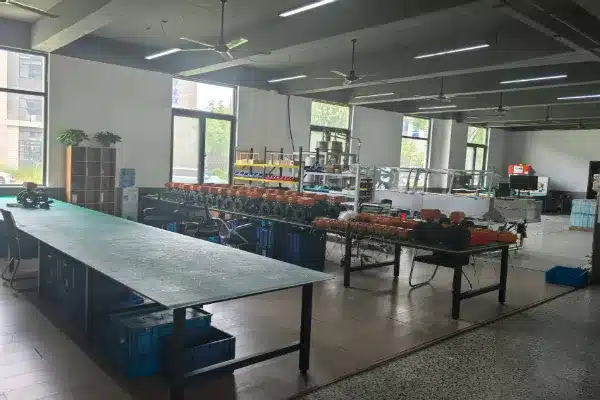

Modernizing Process Control with Electric Linear Control Valve
Traditional valve systems often present significant operational challenges, including inaccurate flow regulation, high energy consumption, frequent maintenance, and complex system integration. These issues lead to process variability and increased costs. Advanced electric linear control valves directly address these limitations by providing precise, repeatable motion. This technology enhances control, reduces energy waste, minimizes downtime, and ensures seamless integration with modern control systems, optimizing overall process efficiency and reliability for demanding industrial applications.
Frequently Asked Questions (FAQs)
Discover answers to common technical and operational inquiries regarding electric linear control valves. This section helps clarify application scenarios, maintenance best practices, integration processes, and troubleshooting methods to support optimal system performance and reliability.
01
01
An electric linear control valve precisely controls fluid flow by converting electrical signals into accurate, linear actuator motion for process regulation.
02
02
Electric linear control valves offer higher precision, lower maintenance needs, reduced energy consumption, and seamless integration with digital control systems.
03
03
They are widely implemented in process automation, energy and utilities, water and wastewater treatment, and advanced manufacturing environments.
04
04
Routine inspections are recommended quarterly, with more detailed maintenance following manufacturer guidelines to ensure long-term reliability and optimal performance.
05
05
Yes, these valves are engineered for compatibility with most modern process control platforms via standard communication protocols.
06
06
Symptoms include inaccurate flow regulation, delayed actuator response, inconsistent positioning, or error signals on the control interface.
07
07
Selection should be based on process requirements, fluid characteristics, pressure, temperature, and control system compatibility. Consulting with a technical expert is recommended.
