
Small Diameter Water Meters for Smart ManagementUnderstanding Water Meter Types and Measurement Technology
The selection of appropriate meter types depends on specific application requirements, flow rate ranges, and installation conditions. Modern water meters utilize various measurement technologies to deliver accurate measurements across different operational scenarios.


Features of Small Diameter Water Meter
Small water meters use advanced technology for accurate flow measurement in residential and light commercial settings. Compact and versatile, they ensure fair billing and resource conservation.
Advanced sensor systems and calibrated measurement chambers ensure accuracy within ±1-2% across normal flow ranges, providing dependable volumetric readings for consumption tracking and billing applications.
IoT connectivity through NB-IoT, 4G, Wi-Fi, M-Bus, and RS485 protocols enables remote monitoring, automated data collection, and seamless integration with utility management platforms.

Space-efficient construction with standard ½” to 2 inch connections accommodates tight installation spaces, retrofit projects, and various mounting orientations without compromising performance or accessibility.
Lead free brass, cast iron, and composite materials meet NSF/ANSI 61 drinking water standards while IP68 waterproof ratings ensure reliable operation in demanding environments.
Our Small Diameter Water Meter Models
Explore our comprehensive range of precision-engineered water meters designed for diverse residential and commercial applications worldwide.
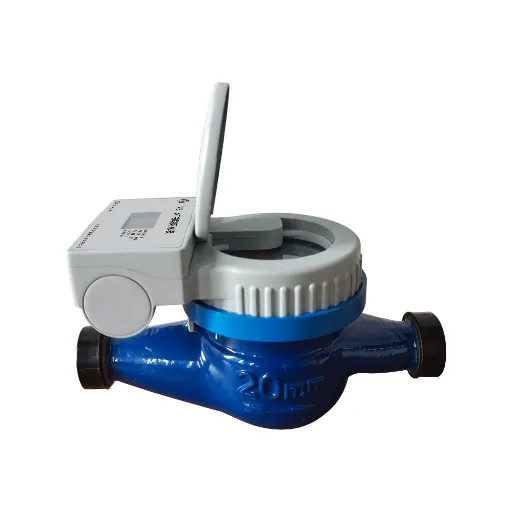
HWM Series IoT Magnetic Water Meter
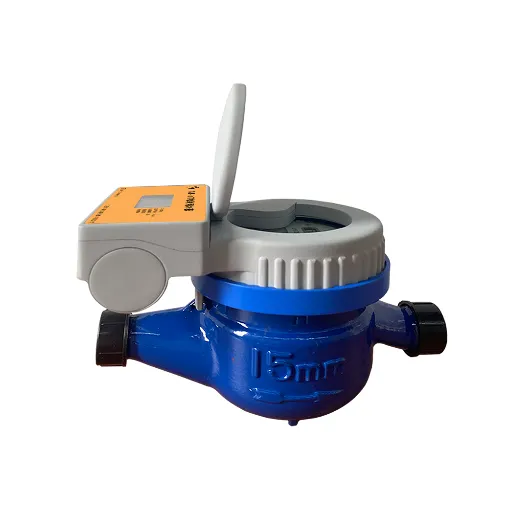
HWM Series IoT Non-magnetic Water Meter
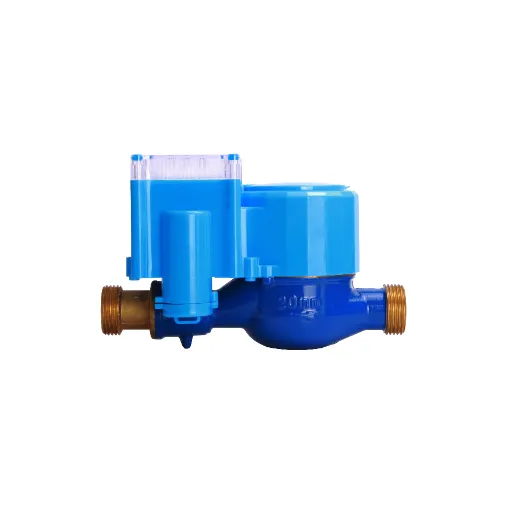
HWM Series IC Card Intelligent Magnetic Water Meter

HWM series electronic remote water meter (photoelectricon)
Benefits of Using Small Diameter Water Meter
Small diameter water meters deliver substantial operational and financial advantages for water utilities, property managers, and industrial facilities. These precision instruments optimize resource management while reducing costs and improving service quality across all applications.
Detailed Technical Specifications
| Product Series | Nominal Diameter | Environment Class | EMC Class | Accuracy Class | Temperature Class (Cold Water) | Max Allowable Pressure | Pressure Loss | Maximum Permissible Error - Low Zone (Q₁ ≤ Q < Q₂) | Maximum Permissible Error - High Zone (Q₂ ≤ Q ≤ Q₄) Water Temp ≤ 30°C | Maximum Permissible Error - High Zone (Q₂ ≤ Q ≤ Q₄) Water Temp > 30°C | Flow Profile Sensitivity Class | Operating Voltage |
|---|---|---|---|---|---|---|---|---|---|---|---|---|
| HWM Series IoT Magnetic Water Meter | 15mm | Class B | Class E1 | Class 2 | 0.1°C - 30°C | ≤ 1MPa | ≤ 0.063MPa | ±5% | ±2% | ±3% | U10/D5 | DC 3.6V |
| 20mm | Class B | Class E1 | Class 2 | 0.1°C - 30°C | ≤ 1MPa | ≤ 0.063MPa | ±5% | ±2% | ±3% | U10/D5 | DC 3.6V | |
| 25mm | Class B | Class E1 | Class 2 | 0.1°C - 30°C | ≤ 1MPa | ≤ 0.063MPa | ±5% | ±2% | ±3% | U10/D5 | DC 3.6V | |
| HWM Series IoT Non-magnetic Water Meter | 15mm | Class B | Class E1 | Class 2 | 0.1°C - 30°C | ≤ 1MPa | ≤ 0.063MPa | ±5% | ±2% | ±3% | U10/D5 | DC 3.6V |
| 20mm | Class B | Class E1 | Class 2 | 0.1°C - 30°C | ≤ 1MPa | ≤ 0.063MPa | ±5% | ±2% | ±3% | U10/D5 | DC 3.6V | |
| 25mm | Class B | Class E1 | Class 2 | 0.1°C - 30°C | ≤ 1MPa | ≤ 0.063MPa | ±5% | ±2% | ±3% | U10/D5 | DC 3.6V | |
| HWM Series IC Card Intelligent Magnetic Water Meter | 15mm | Class B | Class E1 | Class 2 | 0.1°C - 30°C | ≤ 1MPa | ≤ 0.063MPa | ±5% | ±2% | ±3% | U10/D5 | DC 3.6V |
| 20mm | Class B | Class E1 | Class 2 | 0.1°C - 30°C | ≤ 1MPa | ≤ 0.063MPa | ±5% | ±2% | ±3% | U10/D5 | DC 3.6V | |
| 25mm | Class B | Class E1 | Class 2 | 0.1°C - 30°C | ≤ 1MPa | ≤ 0.063MPa | ±5% | ±2% | ±3% | U10/D5 | DC 3.6V | |
| HWM series electronic remote water meter (photoelectricon) | 15mm | Class B | Class E1 | Class 2 | 0.1°C - 30°C | ≤ 1MPa | ≤ 0.063MPa | ±5% | ±2% | ±3% | U10/D5 | DC 3.6V |
| 20mm | Class B | Class E1 | Class 2 | 0.1°C - 30°C | ≤ 1MPa | ≤ 0.063MPa | ±5% | ±2% | ±3% | U10/D5 | DC 3.6V | |
| 25mm | Class B | Class E1 | Class 2 | 0.1°C - 30°C | ≤ 1MPa | ≤ 0.063MPa | ±5% | ±2% | ±3% | U10/D5 | DC 3.6V |
Uses and Applications of Small Diameter Water Meter
Small diameter water meters serve critical measurement functions across residential, commercial, and industrial sectors. These versatile instruments adapt to diverse environments while maintaining accurate consumption tracking and efficient water resource management.
Residential Water Metering and Billing
Single-family homes, apartments, and condominiums rely on small diameter meters for accurate individual consumption measurement, enabling fair utility billing and encouraging water conservation through usage transparency.
Commercial Building Submetering
Office buildings, retail centers, and mixed-use developments deploy multiple meters to allocate water costs among tenants, ensuring equitable expense distribution based on actual consumption patterns.
Industrial Process Monitoring
Manufacturing facilities, food processing plants, and chemical operations utilize precision meters to track water usage in production processes, quality control systems, and cooling applications.
Municipal Infrastructure Management
Water utilities install residential water meters throughout distribution networks for revenue metering, leak detection, network balancing, and comprehensive water management across service territories.
Positive Displacement Water Meters: How They Work
A worn positive displacement water meter doesn’t fail. It keeps turning, keeps billing, and quietly under-reports. A burst main gets…
Choosing a 4-20 mA Signal Isolator for Pressure Transmitters: Ground Loops and Active/Passive Inputs
Choose a 4-20 mA signal isolator by matching the power roles on both sides, the required isolation boundaries, and each…
NAMUR NE43 for Pressure Transmitters: Fault Current vs Measurement Saturation
NAMUR NE43 separates failure signals from pressure readings in an analog current loop. At saturation, the transmitter has reached its…
Maintenance and Care for Small Diameter Water Meter
Conduct quarterly visual inspections for physical damage, leakage, and display clarity. Monitor meter readings for unusual patterns indicating potential malfunctions. Verify communication system functionality for smart meters.
Replace batteries according to manufacturer schedules, typically every 6-8 years for IoT models. Monitor low-battery warnings and maintain spare battery inventory to prevent service interruptions and data loss.
Install upstream strainers to protect mechanical components from sediment and debris. Periodically flush pipelines to remove accumulated particles. Clean external surfaces and displays to maintain readability and prevent corrosion.


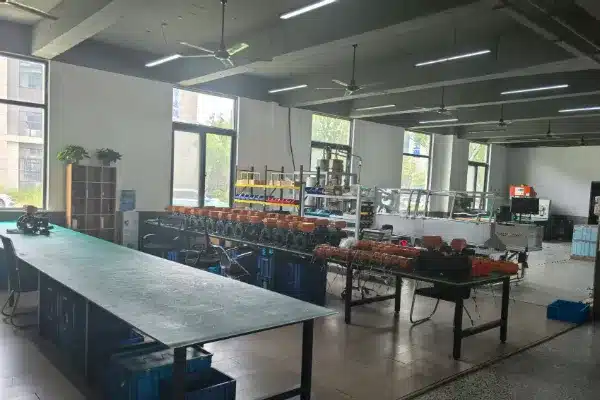

Why Choss Our Small Diameter Water Meter
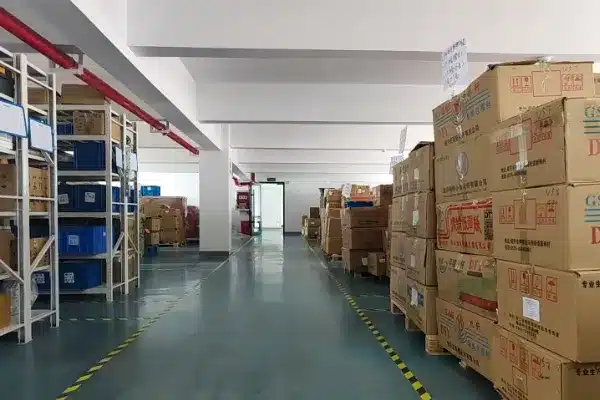
Our small diameter water meters combine cutting-edge technology with proven reliability, delivering superior performance for demanding measurement applications. Backed by rigorous quality control and international certifications, our products meet the highest industry standards. We provide comprehensive technical support, competitive factory-direct pricing, and flexible customization options to meet your specific project requirements.
Frequently Asked Questions (FAQs)
Find answers to common questions about water meter selection, installation, operation, and maintenance. Our technical experts have compiled these responses to help you make informed purchasing decisions.
01
01
Magnetic water meters use magnetic coupling to transfer impeller rotation to the register, while non-magnetic models employ inductive sensors that detect rotation without magnetic components. Non-magnetic meters offer superior resistance to external magnetic tampering and iron oxide interference, making them ideal for applications requiring enhanced security and long-term accuracy in challenging water quality conditions.
02
02
Our IoT-enabled water meters feature ultra-low power design with high-density lithium batteries that typically last 6-8 years under normal operating conditions. Battery lifespan depends on transmission frequency, signal strength, and environmental factors. The meters provide low-battery warnings well in advance of depletion, allowing scheduled maintenance without service interruption.
03
03
While horizontal installation with the display facing upward provides optimal accuracy and ease of reading, most small diameter water meters can be installed in vertical or other orientations. However, installation position may slightly affect accuracy at very low flow rates. Always consult the specific product manual for orientation restrictions and any required accuracy adjustments for non-horizontal installations.
04
04
Our smart water meter portfolio supports multiple communication protocols including NB-IoT, 4G LTE, Wi-Fi, M-Bus, and RS485. This ensures compatibility with existing infrastructure and future-proof scalability. NB-IoT and 4G models work independently over cellular networks, while M-Bus and RS485 options integrate with wired building automation systems. Protocol selection depends on your specific deployment environment and data management requirements.
05
05
Our meters meet Class 2 accuracy standards, providing ±5% accuracy in the low flow zone (Q1 ≤ Q < Q2) and ±2% accuracy in the high flow zone (Q2 ≤ Q ≤ Q4) at water temperatures below 30°C. Multi-jet designs excel at low-flow measurement, maintaining accuracy down to 0.015 m³/h. This ensures fair billing even for minimal consumption scenarios like overnight usage or small fixture operation.
06
06
Yes, all our water meters comply with NSF/ANSI 61 standards for drinking water system components. Wetted materials use lead free brass with less than 0.25% lead content, meeting Safe Drinking Water Act requirements. We provide full certification documentation and material compliance certificates for customs clearance and regulatory approval in international markets.
07
07
Meter sizing depends on expected flow rates rather than pipe diameter alone. Calculate your average and peak flow demands, then select a meter where normal operation falls within the optimal measurement range (Q2 to Q3 zone). Generally, meters should not operate continuously above 70% of maximum flow (Q4) to ensure longevity. Our technical team can assist with sizing calculations based on your specific application parameters, occupancy, and fixture counts.
