
Ultrasonic Heat Meters for Thermal Energy MeasurementUnderstanding Ultrasonic Heat Meter Technology and Operating Principles
Ultrasonic heat meters deliver accurate, reliable measurements for B2B applications like district heating and cooling. With no mechanical parts, they’re durable, low-maintenance, and ideal for billing, optimization, and sustainability in facilities management.

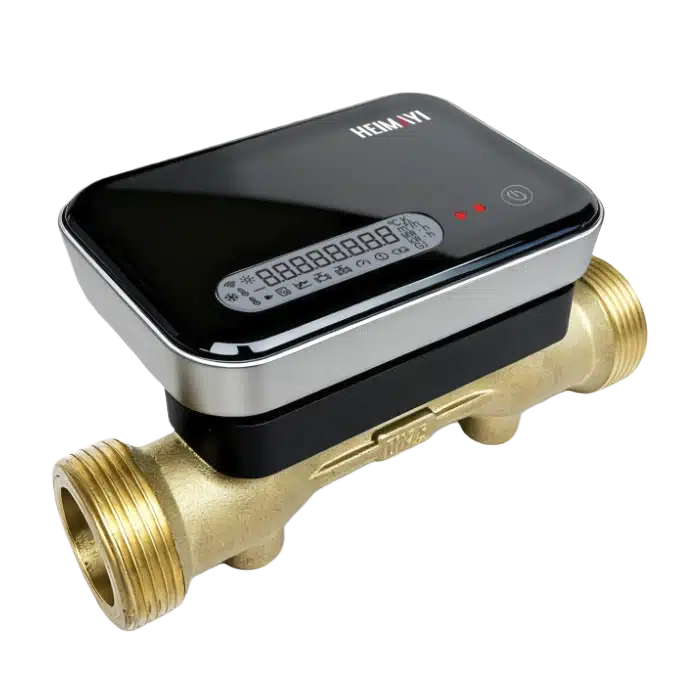
Key Features of Our Ultrasonic Heat Meter
Our ultrasonic heat meter delivers reliable and precise performance for commercial and industrial thermal energy applications. This advanced solution offers accurate billing, simplified maintenance, and seamless system integration for international buyers.
Imported piezoelectric ceramic transducers deliver exceptional signal stability and consistency. Non-intrusive ultrasonic flow measurement eliminates mechanical wear, ensuring long-term accuracy without moving parts. Class 2 precision with R=100:1 turndown ratio accommodates varying load conditions while maintaining measurement integrity.
Multiple protocol support including M-Bus, RS485, NB-IoT, and 4G enables seamless integration with existing infrastructure. Modbus and T188 compatibility ensures standardized data exchange. Real-time remote monitoring eliminates manual reading requirements while supporting centralized energy management platforms.
Automatic fault detection monitors communication status, battery levels, and tampering attempts. System displays error codes and preserves data during anomalies, ensuring billing continuity. Remote diagnostics via multiple protocols enable proactive maintenance without site visits, minimizing downtime.
Four-directional mounting capability accommodates space-constrained installations. IP65/IP68 protection rating ensures dust-proof, waterproof, and tamper-resistant operation. PT1000 temperature sensors with 0.01°C resolution guarantee precise measurement. Six-year battery lifespan reduces maintenance costs and operational disruption.
Our Ultrasonic Heat Meter Models
Comprehensive range of precision-engineered ultrasonic heat meters tailored for diverse commercial and industrial applications worldwide.
HHU Ultrasonic Heat Meter (Small Diameter)

HHU Ultrasonic Heat Meter (Large Diameter)
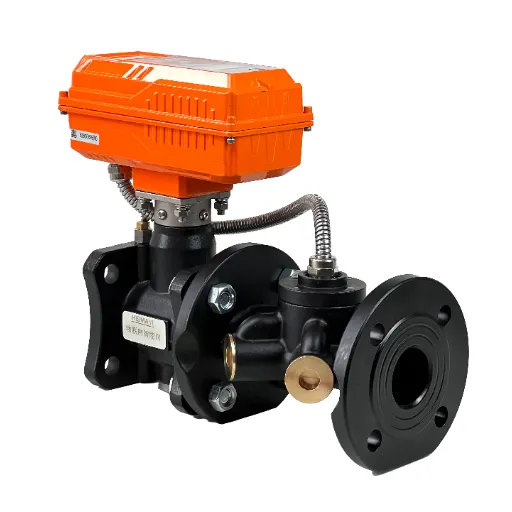
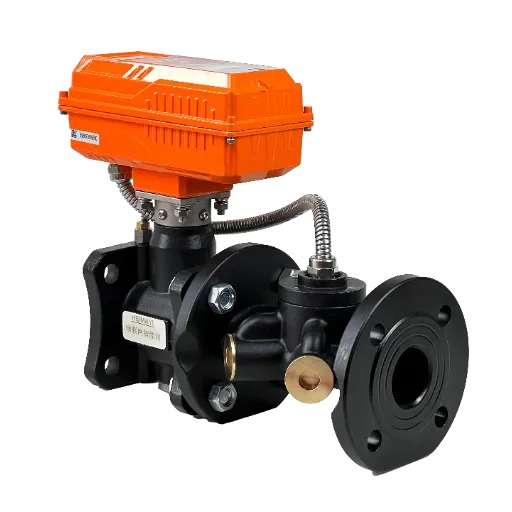
Ultrasonic Energy Valve
Choosing the Right Ultrasonic Heat Meter for Your HVAC System
Choosing the right ultrasonic heat meter involves assessing your system, operational needs, and integration.
Detailed Technical Specifications
| Parameter | HHU Ultrasonic Heat Meter |
|---|---|
| Accuracy Class | Class 2 |
| Turndown Ratio | R=100:1 / R=25:1 |
| Working Pressure | 1.0 MPa (1.6/2.5 MPa Optional) |
| Temperature Range | 4-95°C |
| Temperature Differential | 3K-75K |
| Protection Rating | IP65/IP68 |
| Battery Lifespan | 6+ Years |
| Communication | RS485/M-Bus/4G/NB-IoT |
| Protocol | Modbus/T188/Custom |
| Connection Type | - |
| Data Storage | - |
Uses and Applications of Ultrasonic Heat Meter
Ultrasonic heat meters are essential for accurate thermal energy measurement in commercial, industrial, and residential settings. They support billing, energy optimization, and performance monitoring, aiding sustainability and cost management.
District Heating and Cooling Networks
Essential for accurate energy billing in centralized thermal distribution systems serving residential complexes, commercial districts, and industrial parks. Enables fair cost allocation based on actual consumption while supporting network optimization and leak detection through precise flow monitoring.
Commercial Building HVAC Systems
Monitors heating and cooling energy consumption in office towers, shopping centers, hotels, and institutional facilities. Provides valuable data for energy audits, tenant billing, and identifying inefficient equipment or zones requiring attention for improved operational efficiency.
Industrial Process Applications
Tracks thermal energy usage in manufacturing facilities, food processing plants, chemical operations, and pharmaceutical production. Supports process optimization, quality control, and cost accounting while ensuring compliance with energy management standards and sustainability reporting requirements.
Residential Multi-Unit Complexes
Facilitates individual apartment metering in condominiums and apartment buildings with centralized heating and cooling systems. Promotes energy conservation through consumption awareness while ensuring equitable billing based on actual usage rather than square footage estimates.
Positive Displacement Water Meters: How They Work
A worn positive displacement water meter doesn’t fail. It keeps turning, keeps billing, and quietly under-reports. A burst main gets…
Choosing a 4-20 mA Signal Isolator for Pressure Transmitters: Ground Loops and Active/Passive Inputs
Choose a 4-20 mA signal isolator by matching the power roles on both sides, the required isolation boundaries, and each…
NAMUR NE43 for Pressure Transmitters: Fault Current vs Measurement Saturation
NAMUR NE43 separates failure signals from pressure readings in an analog current loop. At saturation, the transmitter has reached its…
Maintenance and Care for Ultrasonic Heat Meter
Conduct periodic checks of display functionality, physical condition, and mounting security. Verify cable connections remain intact and protected from environmental damage. Inspect for moisture intrusion, corrosion, or signs of tampering that could compromise meter performance.
Test remote data transmission regularly to confirm connectivity and protocol integrity. Monitor battery voltage levels through diagnostic functions and schedule replacements before depletion. Validate data logging accuracy by comparing stored records with system reports.
Keep sensor surfaces free from debris, sediment buildup, or mineral deposits that affect measurement accuracy. Ensure adequate ventilation around electronic components and maintain proper environmental conditions. Apply protective measures against extreme temperatures, humidity, and electrical interference.





Why Choss Our Ultrasonic Heat Meter
Our ultrasonic heat meters deliver unmatched reliability through advanced piezoelectric ceramic technology and precision platinum resistance sensors. With comprehensive communication options, extended battery lifespan, and robust waterproof construction, our solutions ensure accurate billing and minimal maintenance. Backed by international certifications and responsive technical support, we provide complete thermal energy measurement systems that optimize operational efficiency and support your sustainability goals across diverse applications worldwide.
Frequently Asked Questions (FAQs)
Our comprehensive FAQ section addresses the most common inquiries to help you make informed procurement decisions and ensure successful deployment in your thermal energy measurement applications.
01
01
Ultrasonic heat meters eliminate moving parts, resulting in superior long-term accuracy, extended operational lifespan, and minimal maintenance requirements. The non-intrusive measurement technology reduces pressure loss and eliminates mechanical wear, while providing exceptional turndown ratios for varying load conditions.
02
02
Our ultrasonic heat meters feature high-capacity lithium batteries with operational lifespans exceeding six years under normal operating conditions. Battery longevity depends on communication frequency, data logging intervals, and environmental factors. The self-diagnostic system provides advance warning before battery depletion.
03
03
Yes, ultrasonic heat meters can directly replace mechanical meters in most installations. The standardized pipe connections and flexible communication options facilitate retrofit applications. Consider pipe diameter compatibility, communication infrastructure requirements, and mounting space when planning replacement projects.
04
04
Our meters support multiple communication standards including M-Bus, RS485, NB-IoT, and 4G cellular connectivity. Protocol options include Modbus and T188 formats, ensuring compatibility with diverse building automation systems, SCADA platforms, and utility management software for seamless data integration.
05
05
Yes, with IP65 to IP68 protection ratings, our ultrasonic heat meters withstand dust, moisture, and water exposure. The robust construction protects against environmental challenges including temperature extremes, humidity, and physical tampering, making them suitable for both indoor mechanical rooms and outdoor installations.
06
06
Our ultrasonic heat meters are certified to Class 2 accuracy standards according to EN1434 international specifications. This accuracy classification ensures measurement uncertainty within acceptable tolerances for commercial billing applications, energy auditing, and performance monitoring across diverse thermal systems.
07
07
Installation is straightforward due to the split-type design with flexible mounting orientations. The meters accommodate horizontal or vertical pipe configurations and feature four-directional hanging capabilities for optimal accessibility. Standard pipe connections and integrated temperature sensor mounting seats simplify field installation procedures.
