
Differential Pressure Transmitters – DP SensorsTailored Solutions for HVAC, Energy Management, and Industrial Automation
Optimize operations with our reliable Differential Pressure Transmitters. Ideal for HVAC, oil & gas, and chemical industries, they offer accurate measurements, energy efficiency, and cost savings, with easy integration and durability in harsh environments.


Benefits of Differential Pressure Transmitters
Our differential pressure transmitters provide the critical data needed to optimize system performance and reduce operational costs. By delivering precise measurements, these sensors enable smarter energy management, prevent equipment failure, and ensure stable process control across various industrial and commercial applications.
Achieve significant cost savings with precise flow and pressure monitoring. Our transmitters provide the accurate data needed to optimize energy consumption in HVAC and industrial processes.
Our transmitters are designed to integrate flawlessly with your existing systems. Connect with electric control valves and balancing valves to create a unified and efficient automation network.
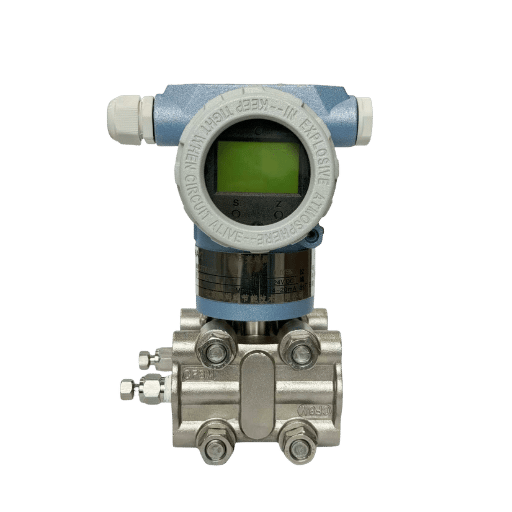
Built to last, our sensors deliver reliable and consistent performance even under harsh conditions. Trust in a product designed for durability and long-term stability.
Whether for liquid, gas, or steam, our differential pressure transmitters are engineered for versatility. They provide reliable measurements for flow, level, and pressure across a wide range of media.
Our Differential Pressure Transmitters Models
High-precision intelligent differential pressure measurement solutions for industrial automation, building intelligence, and specialized applications in complex operating conditions.
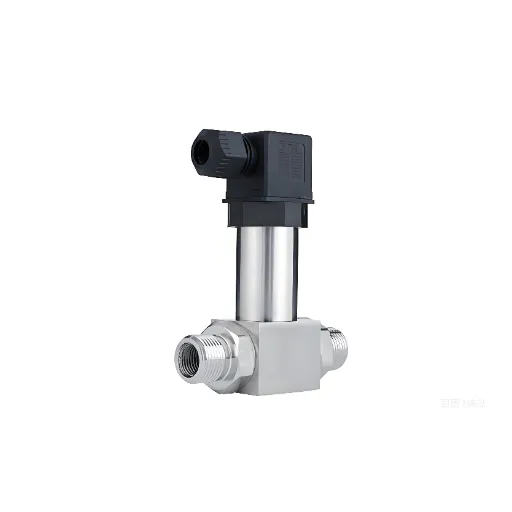
HPT Series Hirschman Type Dierential Pressure Transmitter
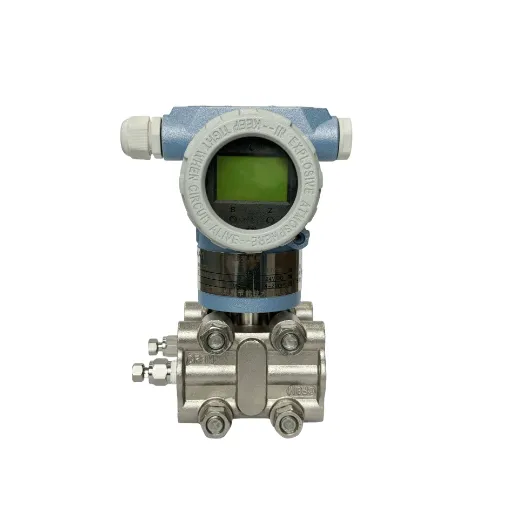
HPT Series Intelligent Dierential Pressure Transmitter
Why Choose Our Differential Pressure Transmitters
Precision-engineered for superior accuracy and dependability in critical applications where performance cannot be compromised.
Detailed Technical Specifications
| Category | Parameter Details |
|---|---|
| Output | 420mA, 05V, 1~5V, RS485 |
| Communication | HART, Modbus, LoRaWAN |
| Accuracy | ±0.075% / ±0.1% / ±0.2% |
| Measuring Range | 0~10kPa to 10MPa |
| Turndown Ratio | 40:1 (up to 100:1) |
| Operating Temperature | -50°C to 85°C |
| Overload Pressure | 150%FS |
| Stability | ±0.2%FS/year |
| Response Time | ≤60ms |
| Protection Rating | IP65/IP67 |
| Measuring Media | Liquid, Gas, Steam |
| Material | Housing: Aluminum/316L SS |
| Diaphragm: 316L SS/Hastelloy C/Monel/Tantalum | |
| Power Supply | 24V DC |
| Connection | Thread: M20×1.5, 1/2NPT |
| Flange: DN15-DN200 |
Target Industries & Applications
Differential pressure transmitters are widely used across many sectors due to their versatility and reliability.
Commercial Buildings
HVAC system monitoring, air flow measurement, filter status indication, and building pressurization control for optimal indoor air quality. Also used to maximize energy efficiency and ensure compliance with building regulations.
Industrial Facilities
Process monitoring, pump performance tracking, pipeline pressure differentials, and safety system interlocks for critical operations. These transmitters are vital for maintaining production continuity and detecting leaks or anomalies early.
Data Centers
Precision cooling system control, air handler monitoring, and clean room pressurization to maintain optimal operating conditions. They help prevent equipment overheating and support redundancy in critical environments.
Healthcare & Hospitality
Clean room pressure monitoring, isolation room control, and HVAC optimization for patient comfort and regulatory compliance.
Positive Displacement Water Meters: How They Work
A worn positive displacement water meter doesn’t fail. It keeps turning, keeps billing, and quietly under-reports. A burst main gets…
Choosing a 4-20 mA Signal Isolator for Pressure Transmitters: Ground Loops and Active/Passive Inputs
Choose a 4-20 mA signal isolator by matching the power roles on both sides, the required isolation boundaries, and each…
NAMUR NE43 for Pressure Transmitters: Fault Current vs Measurement Saturation
NAMUR NE43 separates failure signals from pressure readings in an analog current loop. At saturation, the transmitter has reached its…
How a differential pressure transmitter works
The transmitter compares pressure levels at two locations in a system, providing critical data for monitoring airflow, filter status, and system performance.
Using advanced sensor technology, the device translates pressure variations into a readable electrical output that can be transmitted to control systems.
Data is sent instantly to your building management or automation system, allowing for immediate adjustments to maintain optimal performance.
By tracking pressure trends over time, you can identify potential issues before they escalate, reducing downtime and extending equipment lifespan.


Built for precision in every environment
Our differential pressure transmitters provide the accurate metering you need to enhance energy efficiency, reduce operational costs, and maintain optimal system performance. Whether you’re managing HVAC systems in commercial buildings, overseeing industrial automation, or ensuring critical conditions in data centers and healthcare facilities, our solutions are engineered to meet your most demanding requirements.
Frequently Asked Questions (FAQs)
Our dedicated team is ready to assist you with any questions or specific requirements you may have.
01
01
Differential pressure transmitters are primarily used for flow, level, and pressure measurement in various industries. They are essential for monitoring filter conditions in HVAC systems, measuring fluid levels in tanks, and calculating flow rates in pipelines for both liquids and gases.
02
02
A differential pressure transmitter measures the difference between two pressures applied to opposite sides of a sensing diaphragm. This pressure difference causes the diaphragm to deflect, which is then converted into an electrical output signal, typically 4-20 mA, proportional to the differential pressure.
03
03
Selecting the right sensor depends on factors like the process medium (liquid, gas, or steam), operating temperature and pressure, required accuracy, and environmental conditions. You also need to consider the necessary output signal, such as 4-20mA with HART, for compatibility with your control system.
04
04
A pressure transmitter measures pressure relative to a reference, such as atmospheric pressure (gauge) or a full vacuum (absolute). In contrast, a differential pressure transmitter measures the difference between two separate pressure points, making it ideal for flow and level measurement applications.
05
05
Common failure causes include overpressure, corrosion of wetted parts, vibration, extreme temperatures, and improper installation. Regular maintenance and selecting a transmitter with the appropriate materials and specifications for your application can help prevent these issues.
06
06
Calibration involves applying a known, stable pressure to the high and low ports of the transmitter and adjusting the output signal to match. This process typically requires a pressure calibrator and involves checking the zero point, mid-range, and full span to ensure linearity and accuracy.
07
07
Routine maintenance includes periodic calibration checks, inspecting for leaks or physical damage, and ensuring the impulse lines are clear of blockages or condensation. Keeping the sensor clean and verifying electrical connections are secure will help ensure its long-term reliability and performance.
